Tracing and Recognition Worksheet for Alphabet Phonics in Kindergarten

📅 Apr 15, 2025 👤 Nylen Smith

Tracing and recognition worksheets help kindergarten students develop essential alphabet phonics skills by reinforcing letter shapes and sounds through fun, interactive activities. These worksheets support early literacy by promoting accurate letter formation and sound identification. Explore the available tracing and recognition worksheets to enhance your child's phonics learning journey.

Uppercase and Lowercase Alphabet Tracing Worksheet for Phonics Practice
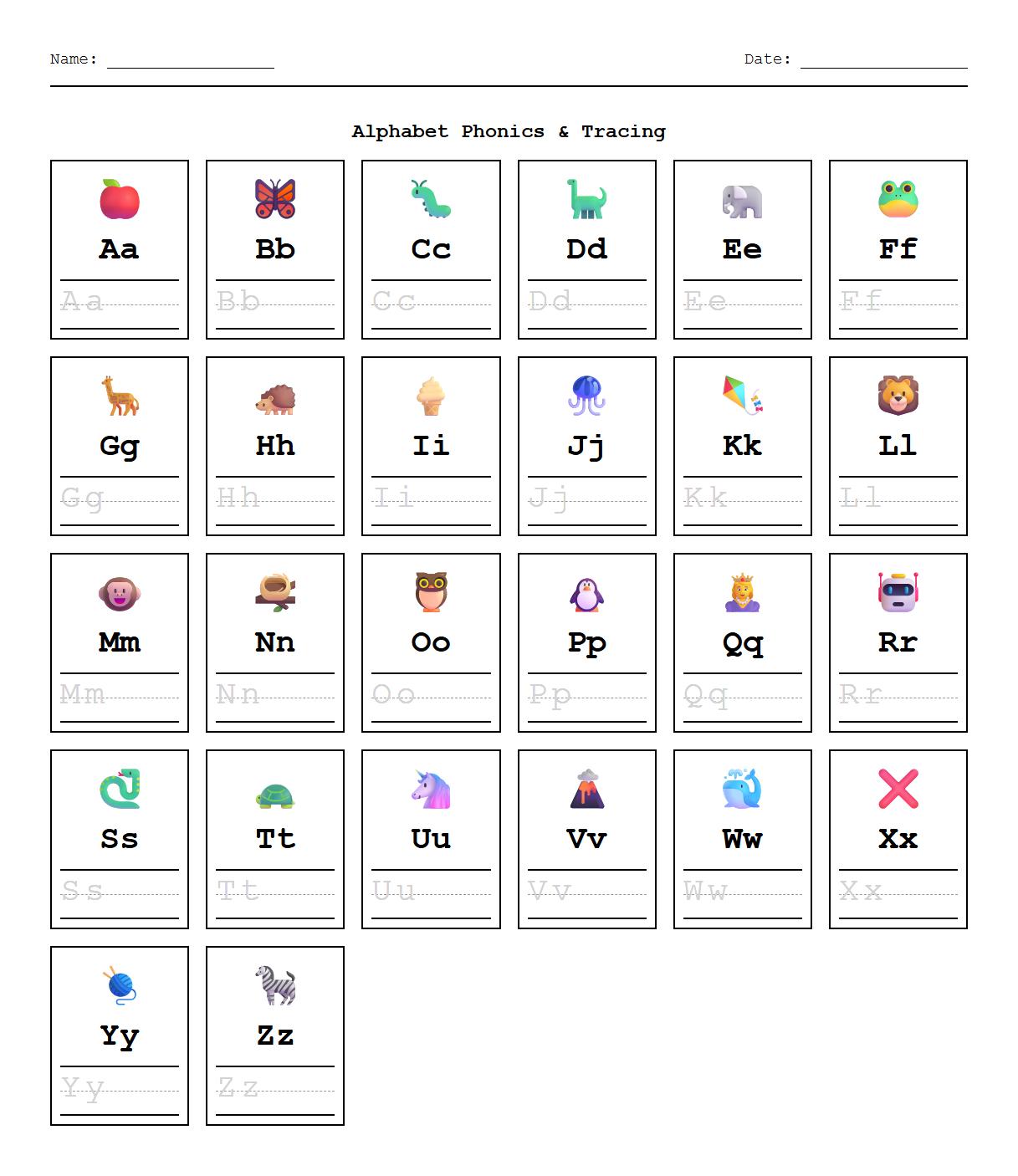
Uppercase and Lowercase Alphabet Tracing Worksheet for Phonics Practice

Download PDF     Pin it

Initial Sound Recognition Worksheet for Letter Phonics
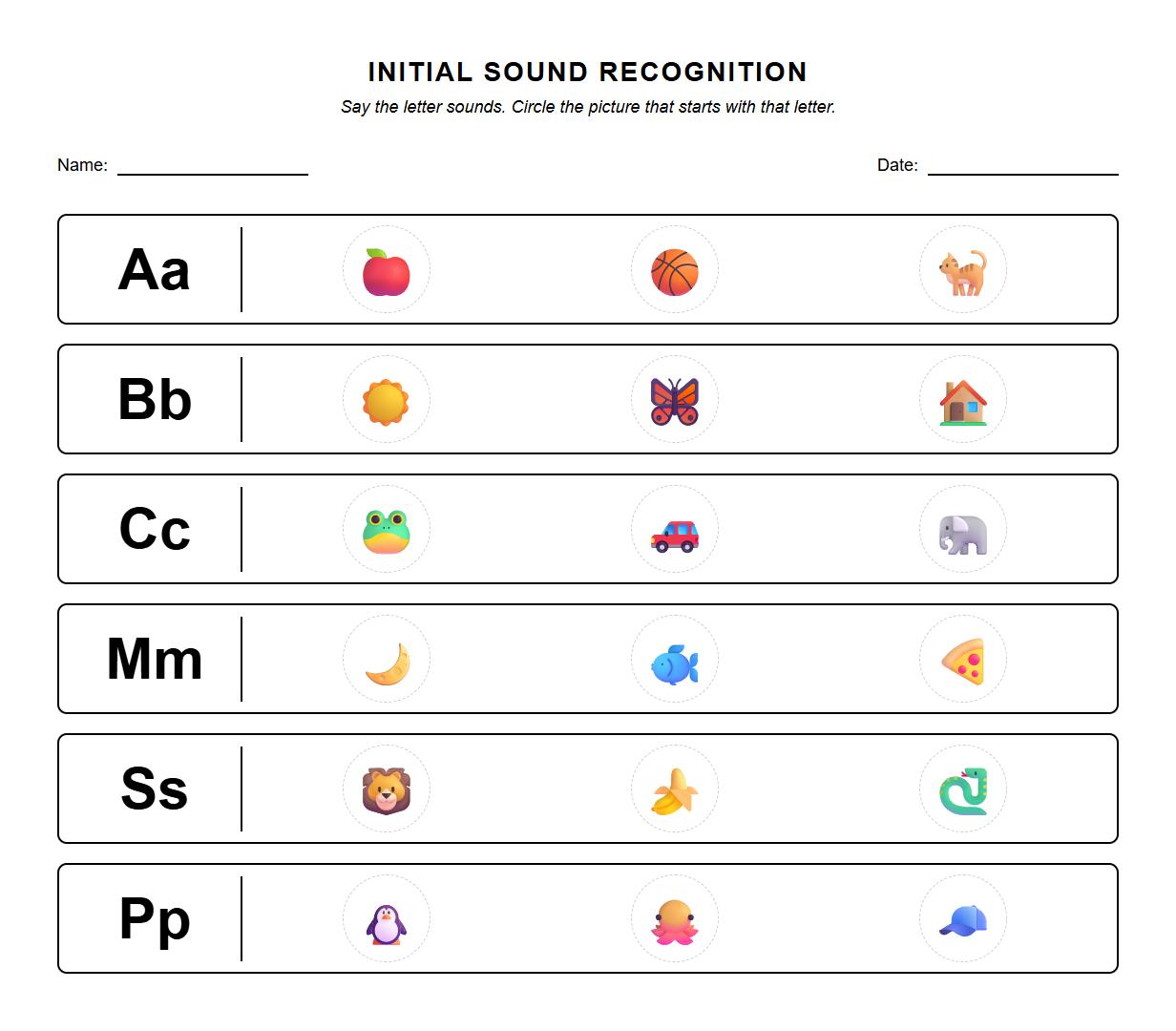
Initial Sound Recognition Worksheet for Letter Phonics

Download PDF     Pin it

Alphabet Phonics Matching Worksheet for Letter Sound Identification
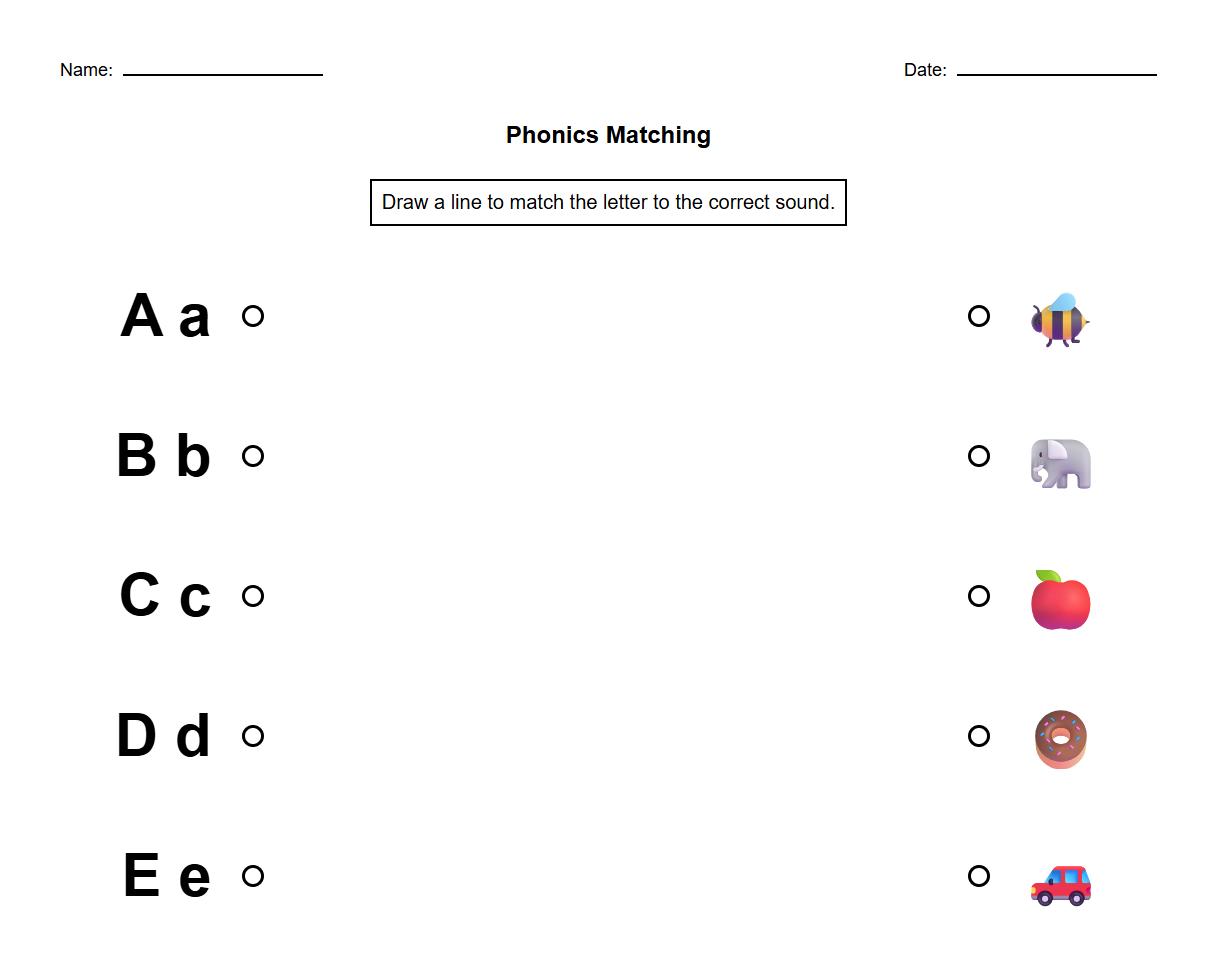
Alphabet Phonics Matching Worksheet for Letter Sound Identification

Download PDF     Pin it

Tracing and Coloring Worksheet for Phonics Letter Sounds
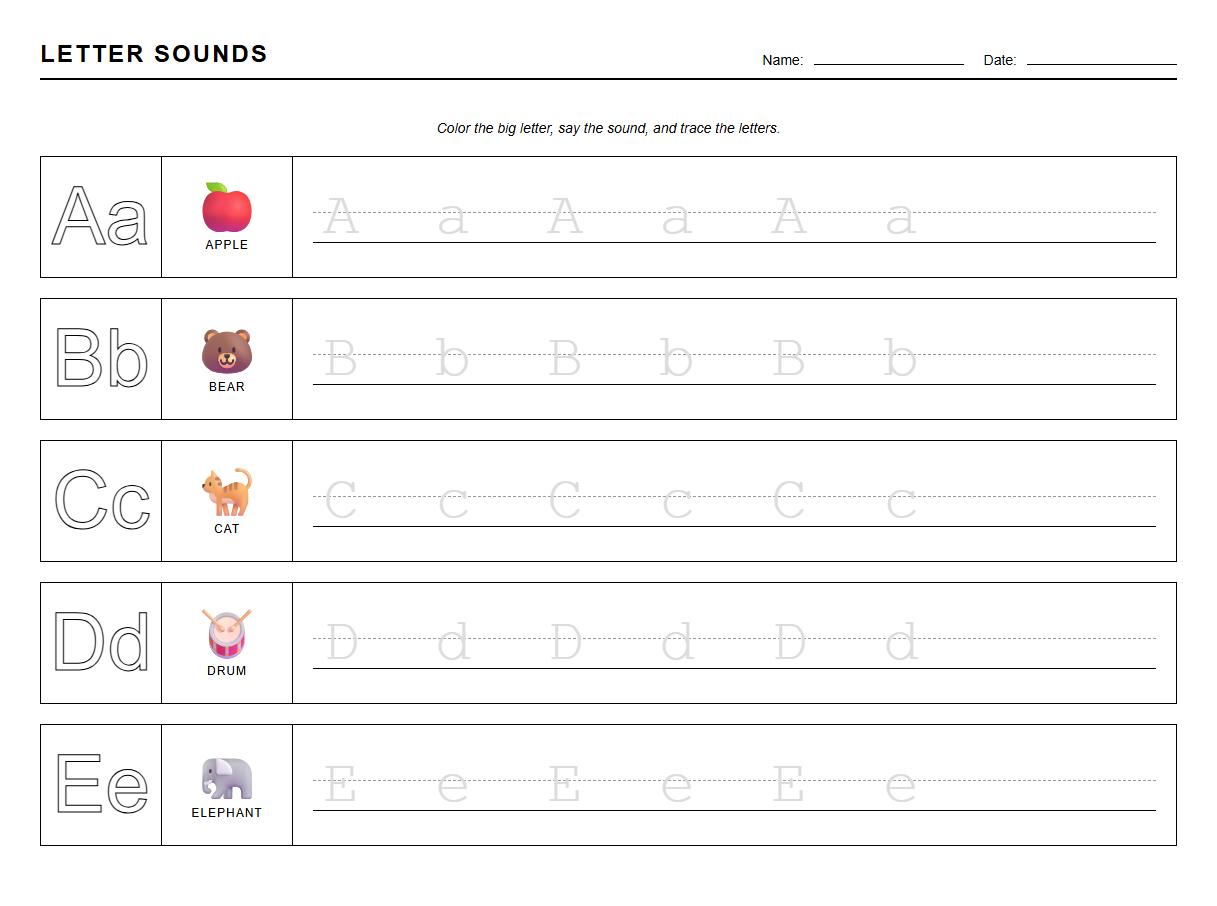
Tracing and Coloring Worksheet for Phonics Letter Sounds

Download PDF     Pin it

Letter Formation Worksheet with Phonics Picture Cues
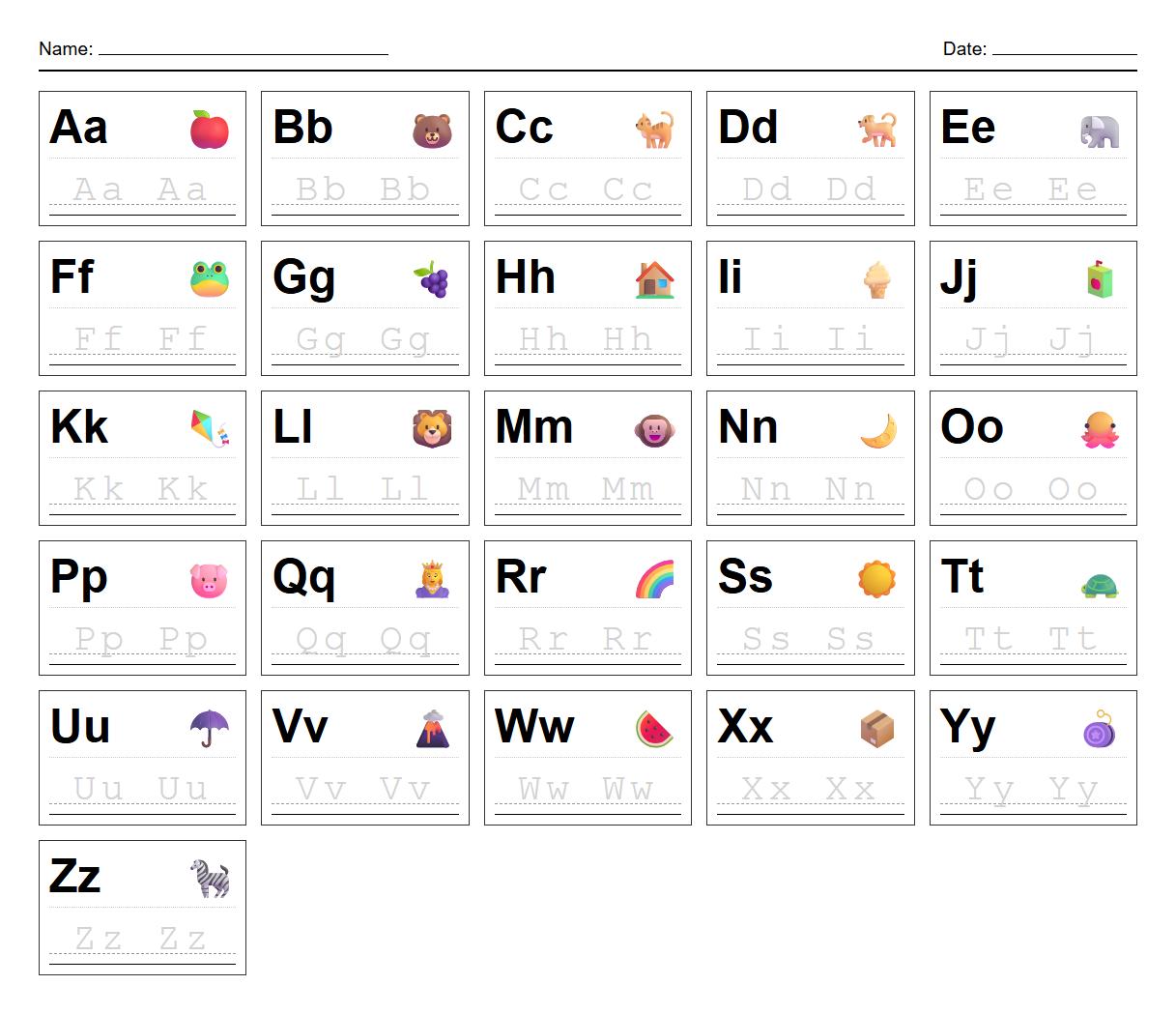
Letter Formation Worksheet with Phonics Picture Cues

Download PDF     Pin it

Phoneme Tracing Worksheet for Phonics Sound Discrimination
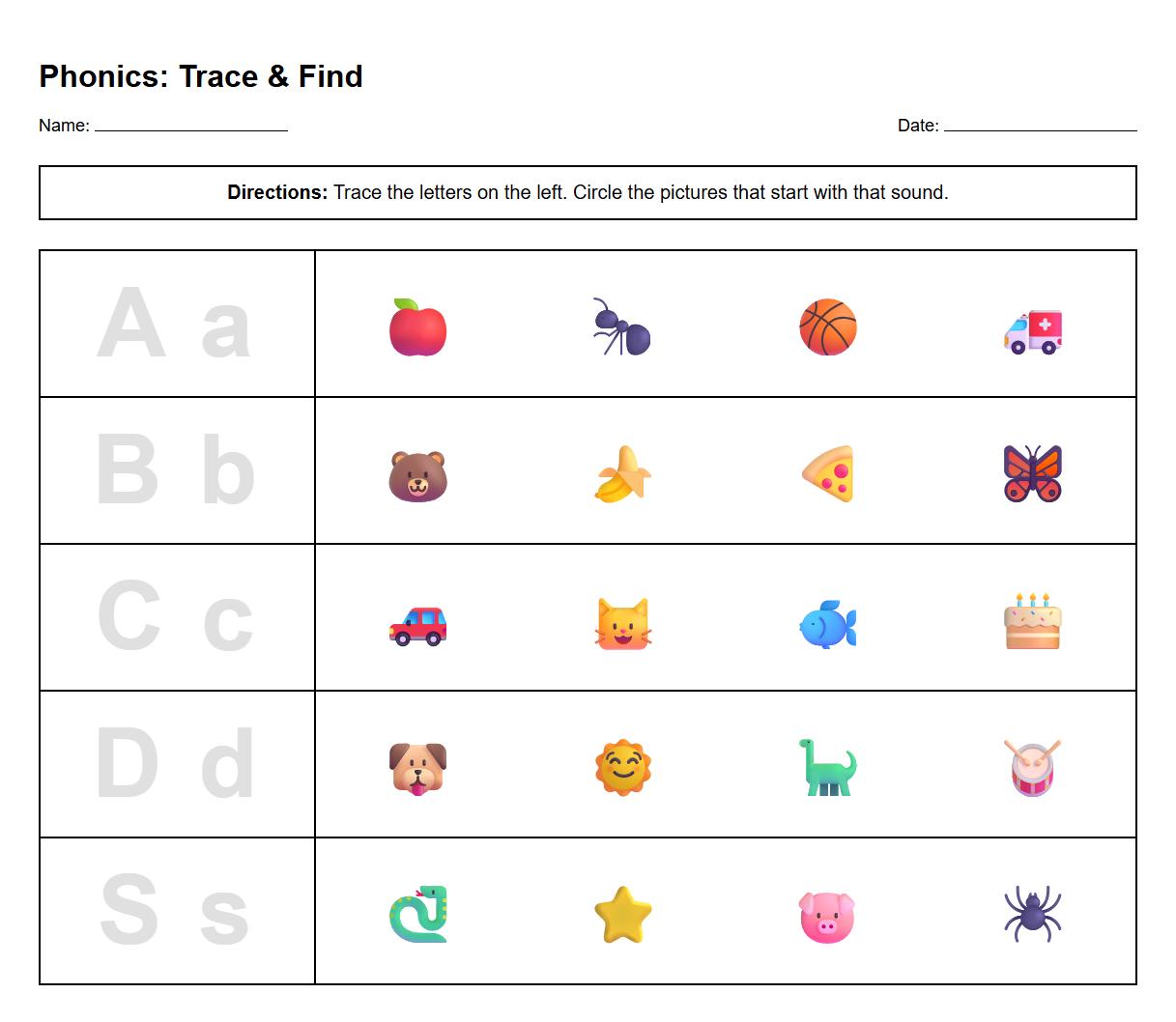
Phoneme Tracing Worksheet for Phonics Sound Discrimination

Download PDF     Pin it

Alphabet Recognition Maze Worksheet for Phonics Skills
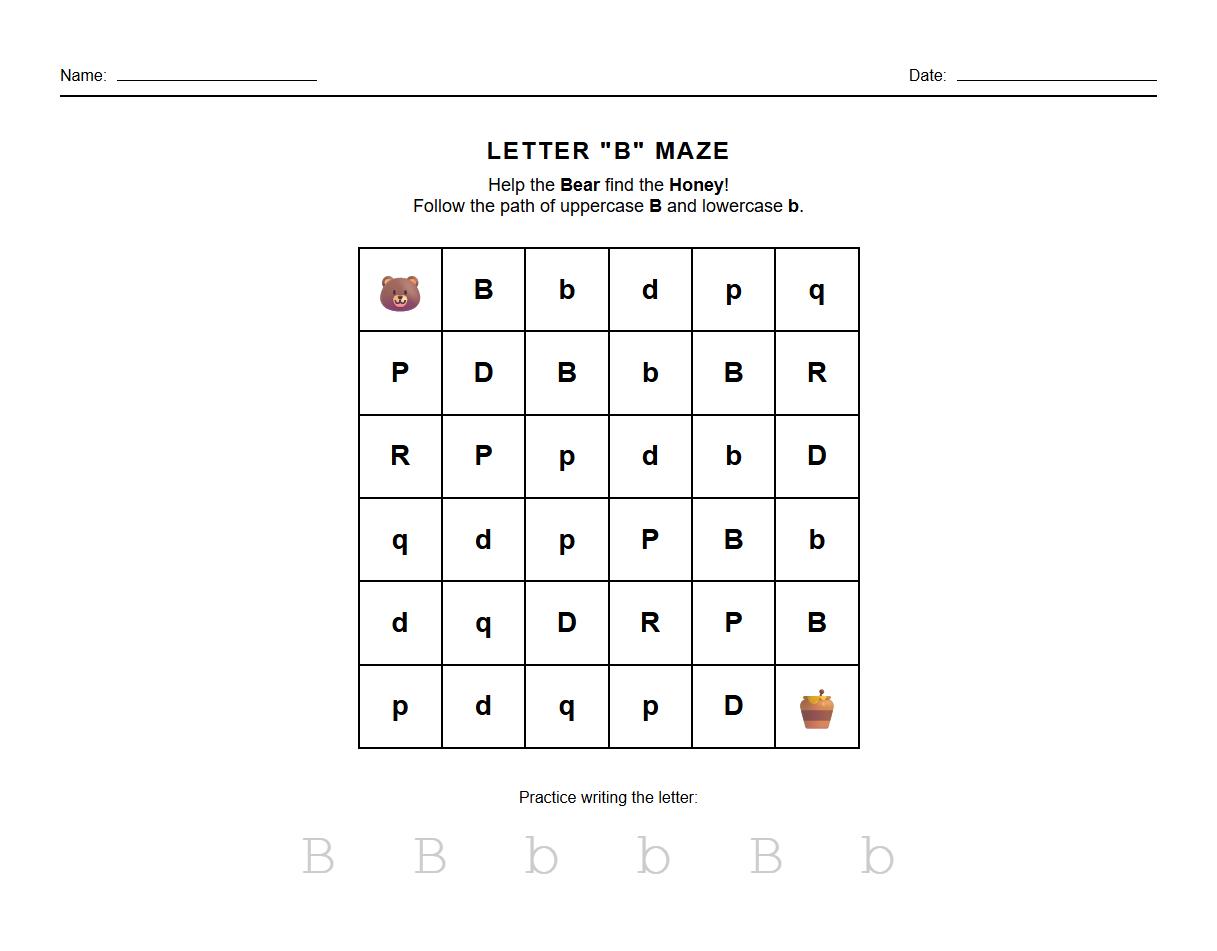
Alphabet Recognition Maze Worksheet for Phonics Skills

Download PDF     Pin it

Letter and Sound Sorting Worksheet for Phonics Awareness
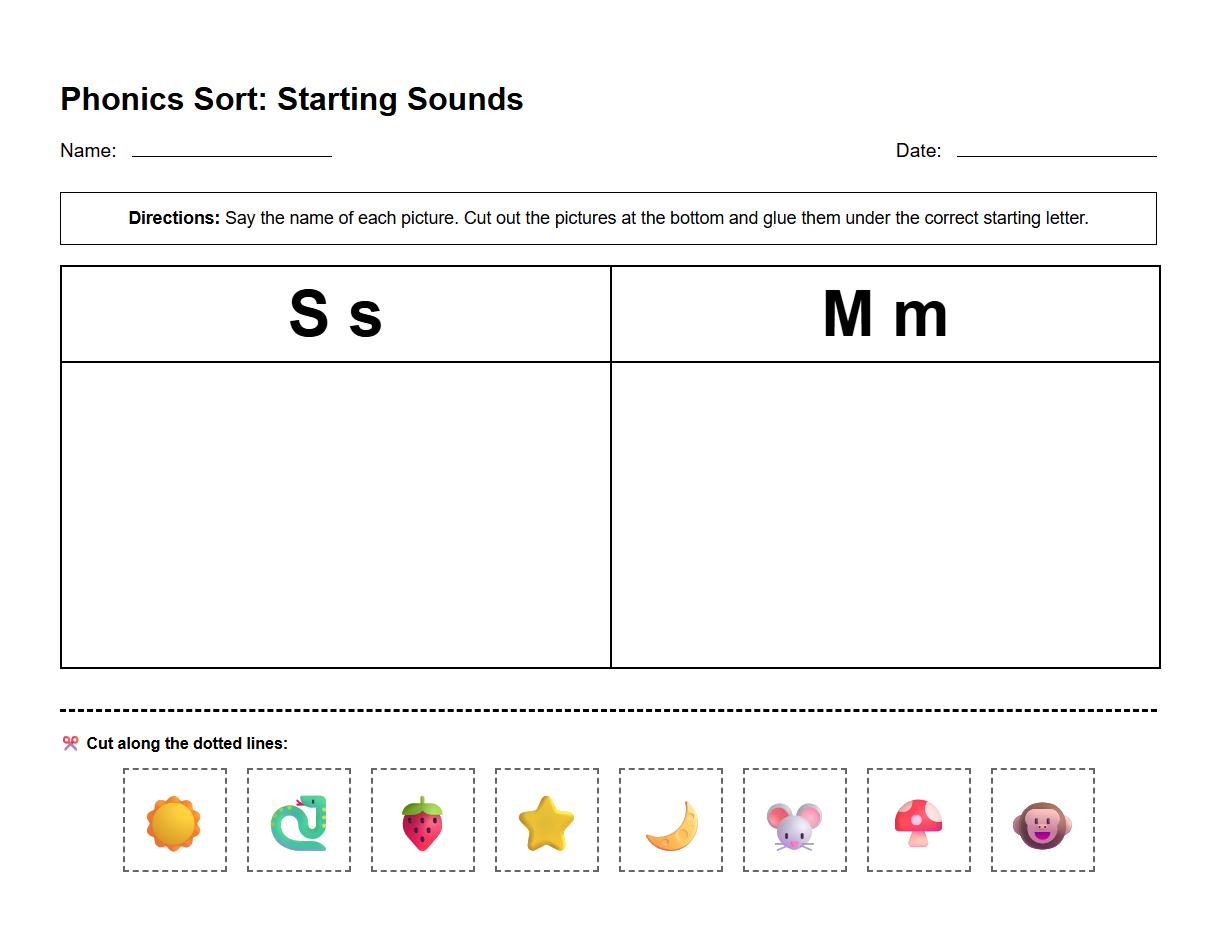
Letter and Sound Sorting Worksheet for Phonics Awareness

Download PDF     Pin it

Vowel and Consonant Tracing Worksheet for Phonics Differentiation
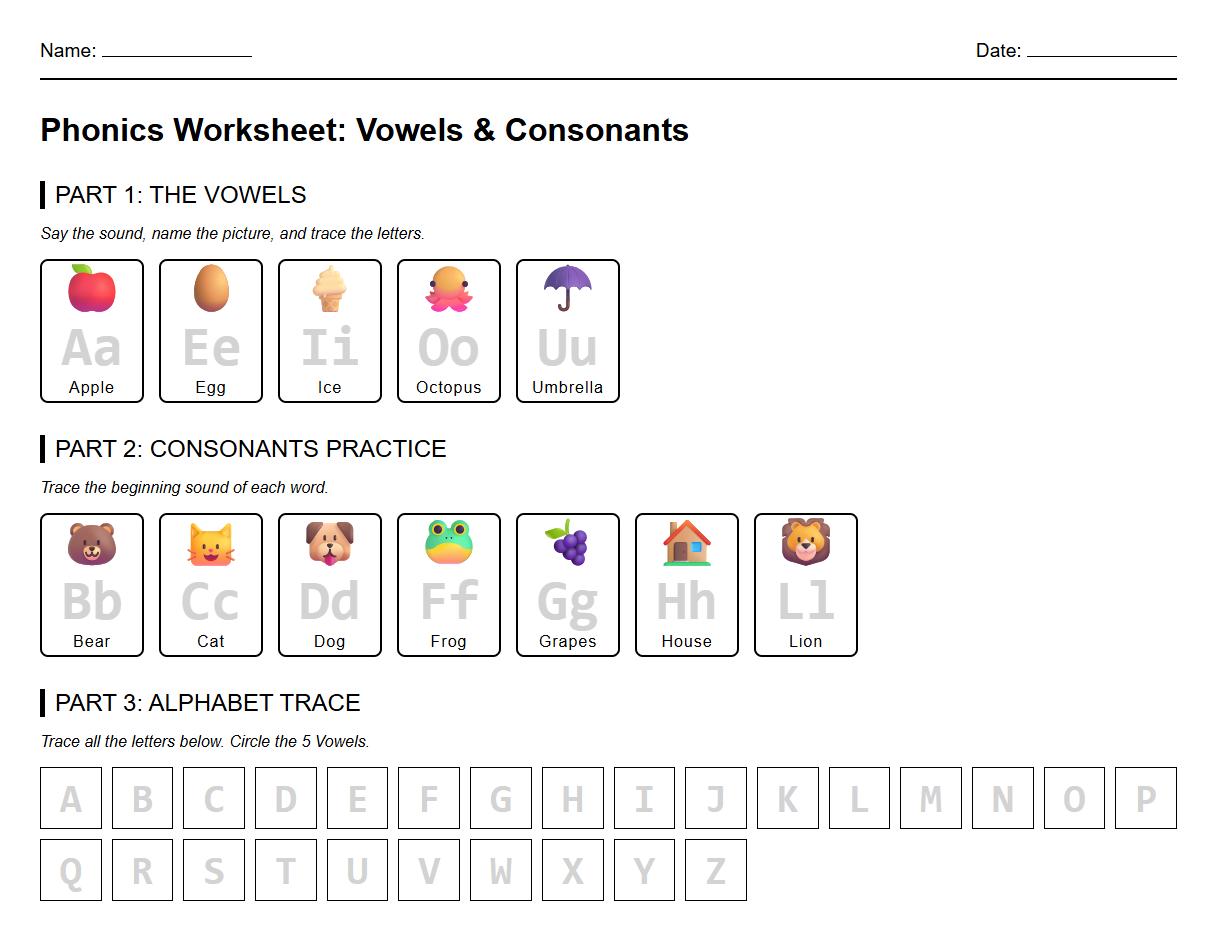
Vowel and Consonant Tracing Worksheet for Phonics Differentiation

Download PDF     Pin it

Phonics Letter Identification Worksheet with Tracing Activities
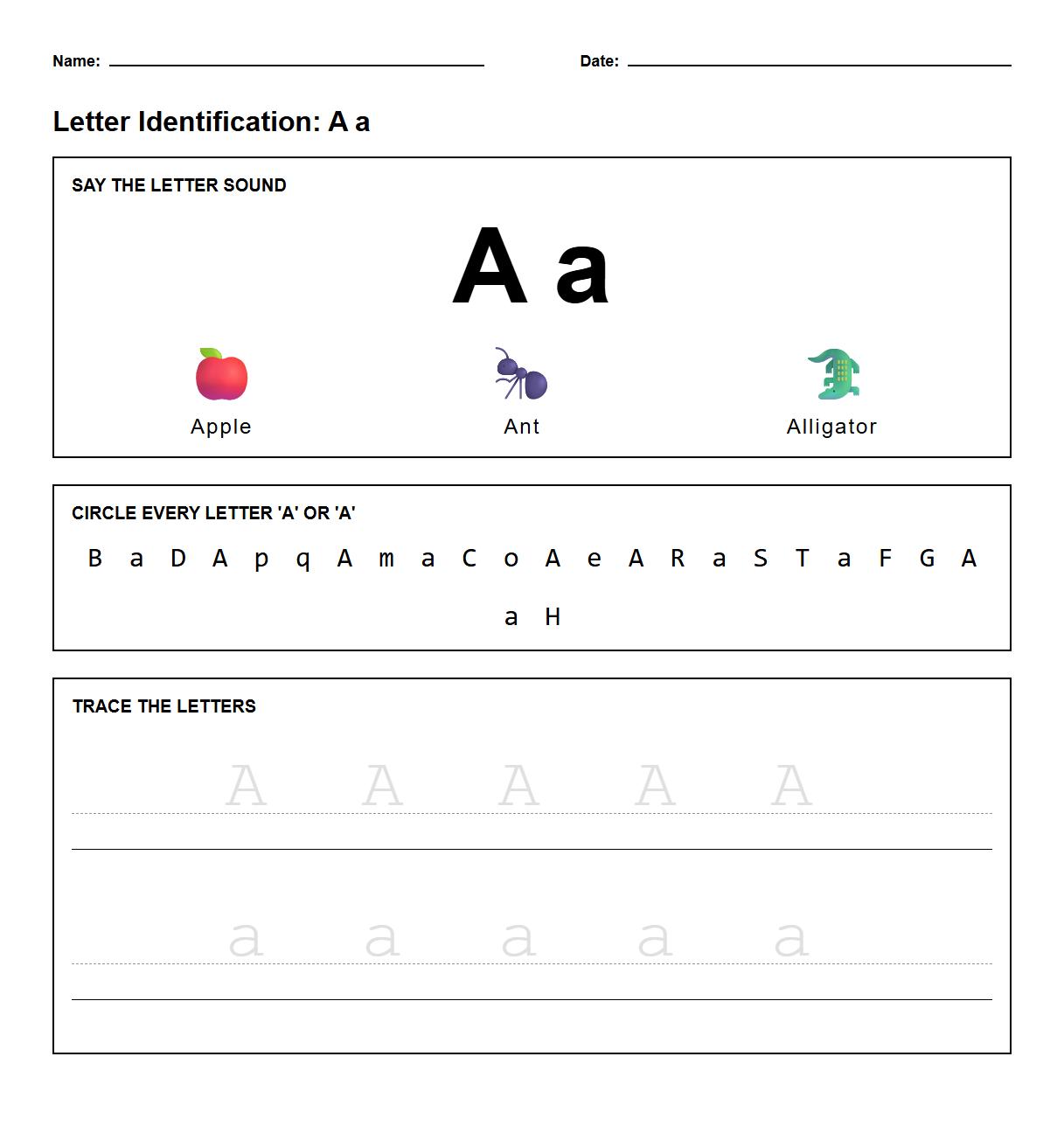
Phonics Letter Identification Worksheet with Tracing Activities

Download PDF     Pin it

Worksheet Letter Identification

This worksheet focuses on the recognition of a specific letter, helping children identify it confidently. Teachers and parents guide young learners to answer, "What letter is shown on this worksheet?" This preliminary step boosts their letter recognition skills effectively.

Tracing Uppercase and Lowercase Letters

Children are encouraged to trace both uppercase and lowercase forms of the letter, enhancing fine motor skills and letter formation. Tracing activities are critical in transitioning from recognition to writing fluently. Parents and teachers should provide gentle guidance during this stage.

Word Association with the Letter

The worksheet asks, "What word begins with the letter you traced?" to reinforce letter-sound correspondence and vocabulary development. Associating a word with the letter helps deepen understanding and promotes language skills. This strategy supports phonemic awareness in beginners.

Letter Matching and Circling Activity

Finding and circling all matching letters on the page encourages attention to detail and letter discrimination. This interactive task is perfect for engaging children and reinforcing letter recognition. It also makes learning playful and memorable.

Identifying the Letter Sound

Understanding the sound the letter makes is essential for early reading skills. This worksheet prompts children to vocalize the letter sound, aiding phonological awareness. Repeating the sound helps solidify the connection between letters and sounds.

Coloring Pictures That Start With the Letter

Coloring a picture that begins with the traced letter combines creativity with learning. It helps children associate letters to real-world objects, enhancing memory retention. This activity also makes learning fun and interactive.

Alphabetical Sequencing

Asking which letter comes after the traced letter promotes understanding of the alphabet's order. This foundational skill supports literacy and prepares children for more advanced reading tasks. Sequencing activities build cognitive and memory skills.

Letter-Object Matching

The worksheet includes a task to match the letter to a corresponding object, strengthening recognition and comprehension. This activity integrates visual cues with letter knowledge, making learning more effective. It also fosters critical thinking.

Counting Letter Instances

Counting how many times the letter appears on the worksheet develops number recognition and counting skills alongside letter knowledge. This multidisciplinary approach supports early math and literacy learning simultaneously. It encourages observation and focus.

Independent Letter Writing Practice

Encouraging children to write the letter without tracing builds confidence and handwriting skills. This step marks progress from guided tracing to independent writing mastery. Practice like this is key for developing writing fluency.


More in Language Arts Category


About the author. Nylen Smith is a dedicated educator and cofounder of KWorksheet.com, a popular platform specializing in high-quality kindergarten worksheets and printable activities.

Disclaimer. The information provided in this document is for general informational purposes and/or document sample only and is not guaranteed to be factually right or complete. Please report to us via contact-us page if you find and error in this page, thanks.

Comments

No comment yet