Picture-Based Sequencing Worksheets for Developing Comprehension Skills

📅 May 25, 2025 👤 Nylen Smith

Picture-based sequencing worksheets enhance comprehension skills by helping learners organize events in logical order through visual cues. These activities promote critical thinking and narrative understanding while supporting language development. Explore our collection of worksheets designed to boost sequencing and comprehension abilities.

Picture Sequence Story Cards for Narrative Comprehension
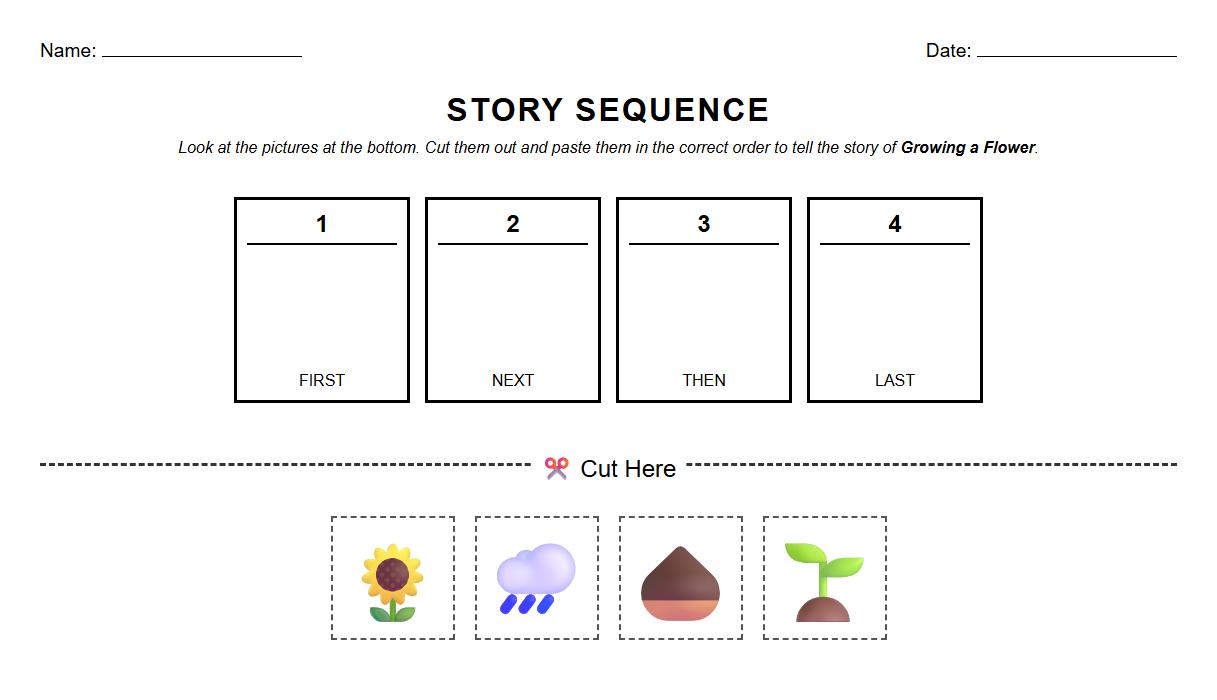
Picture Sequence Story Cards for Narrative Comprehension

Download PDF     Pin it

Visual Sequencing Cut and Paste Phonics Activities
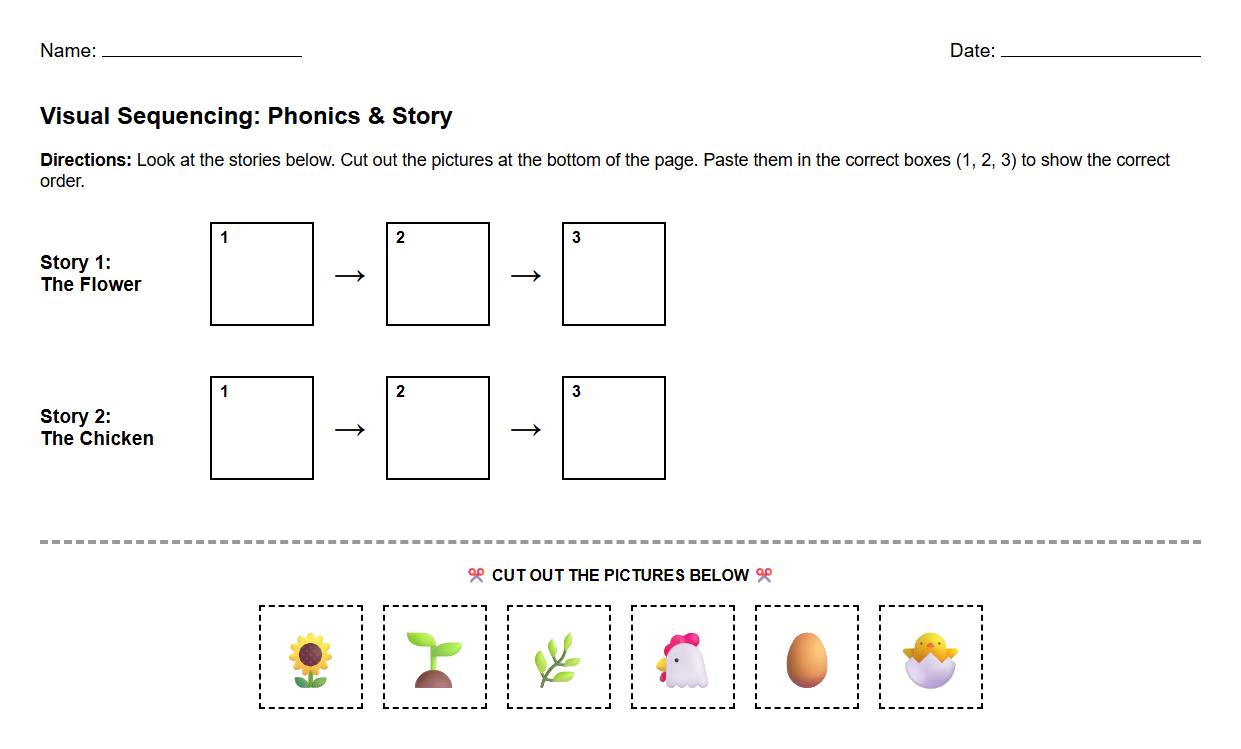
Visual Sequencing Cut and Paste Phonics Activities

Download PDF     Pin it

Image Ordering Worksheets for Temporal Understanding
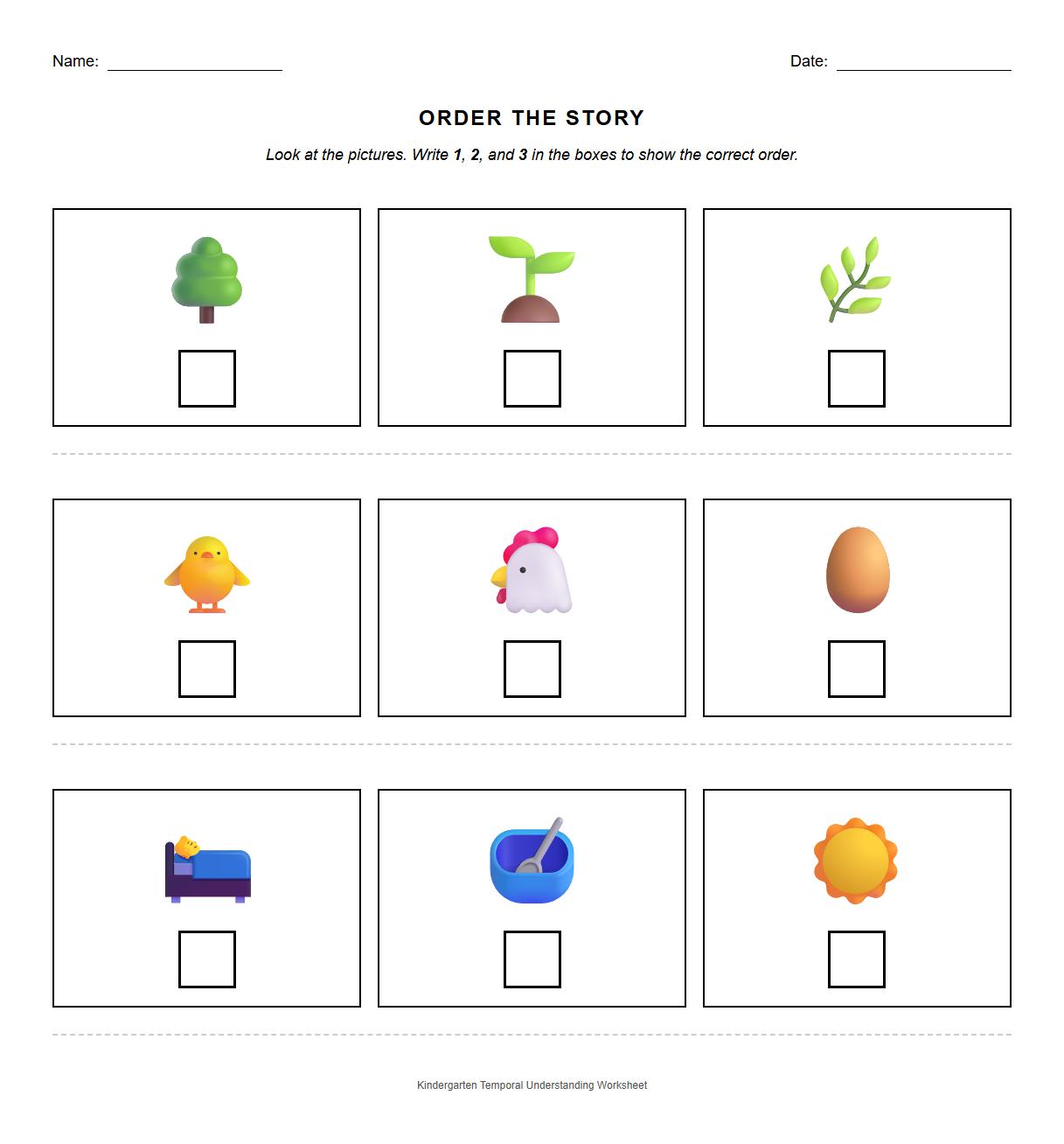
Image Ordering Worksheets for Temporal Understanding

Download PDF     Pin it

Step by Step Visual Instructions for Cognitive Sequencing
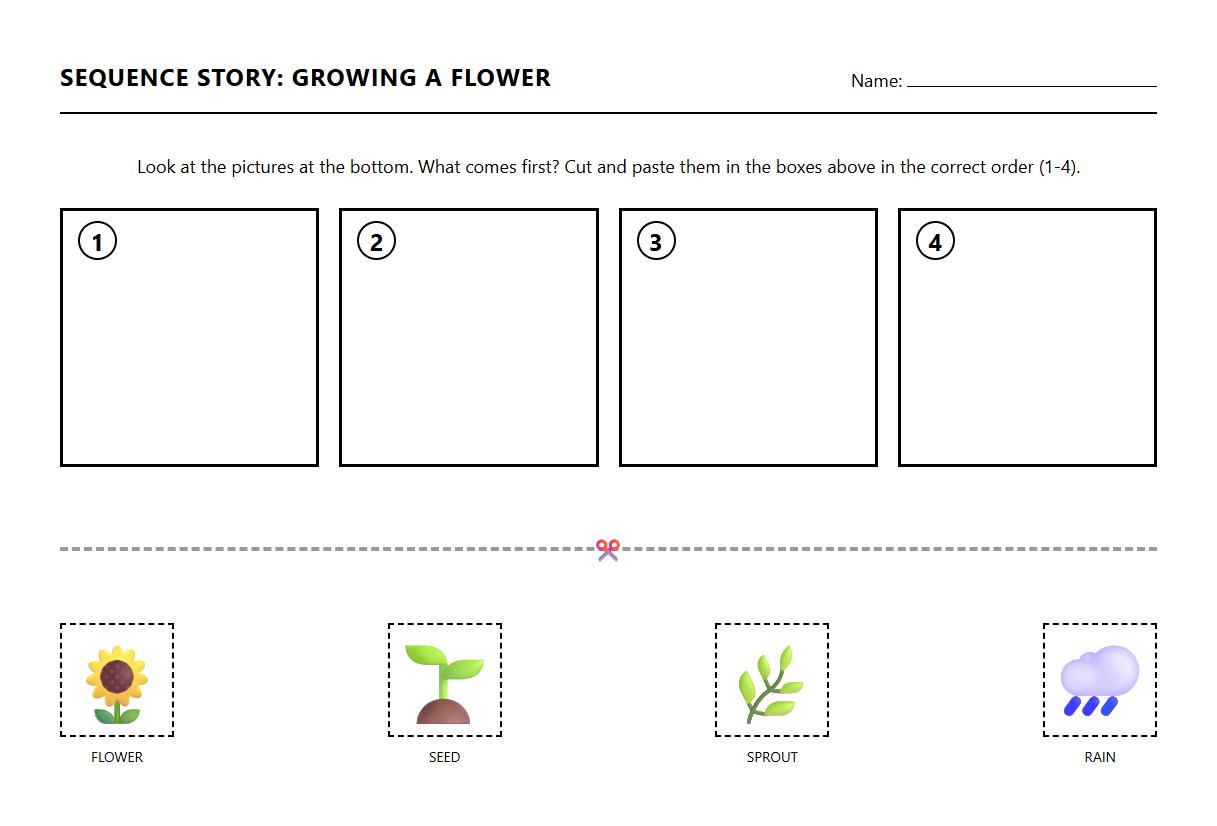
Step by Step Visual Instructions for Cognitive Sequencing

Download PDF     Pin it

Picture Sequence Cloze Sheets for Reading Comprehension
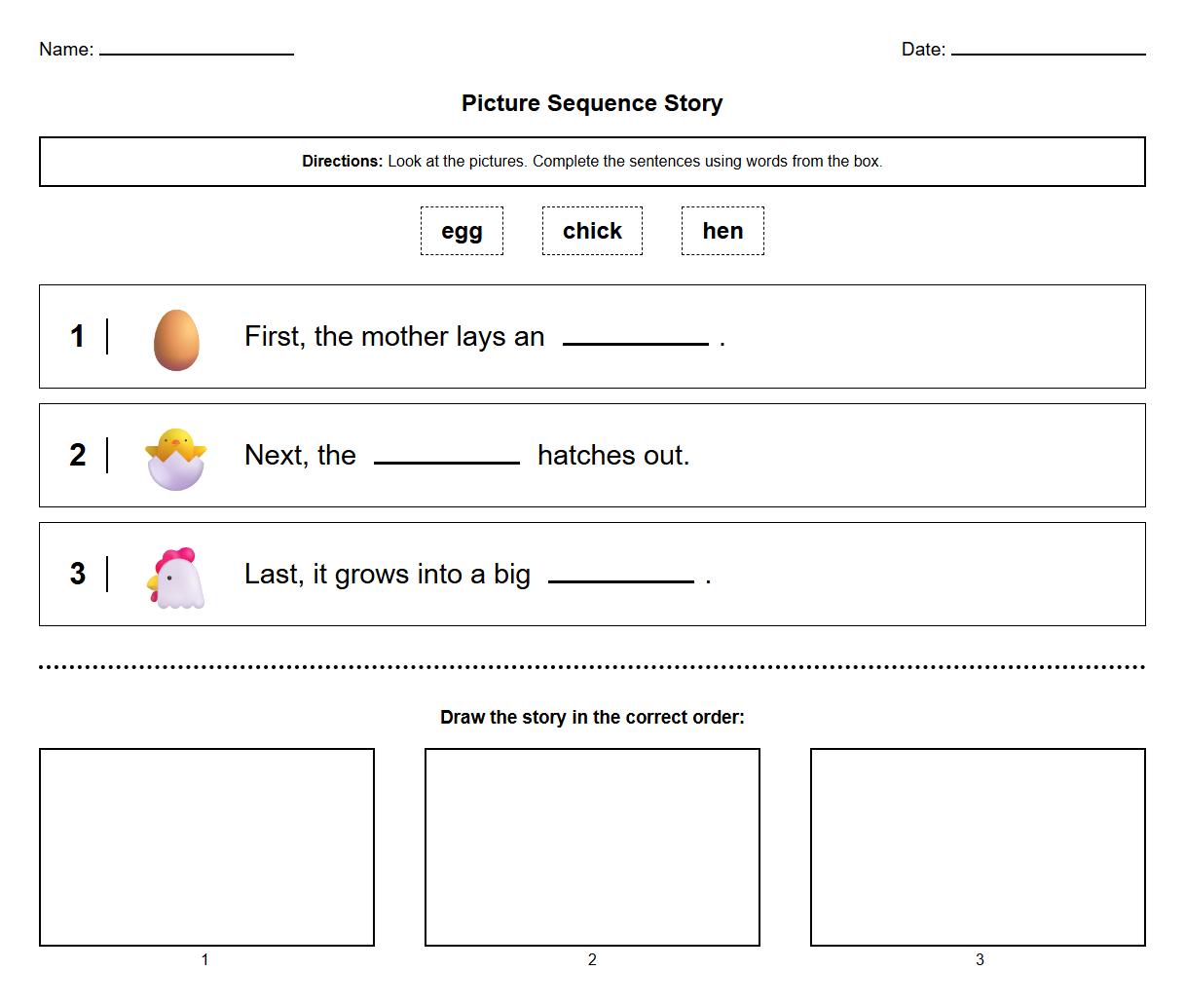
Picture Sequence Cloze Sheets for Reading Comprehension

Download PDF     Pin it

Image-Based Sentence Ordering Task for Syntax Practice
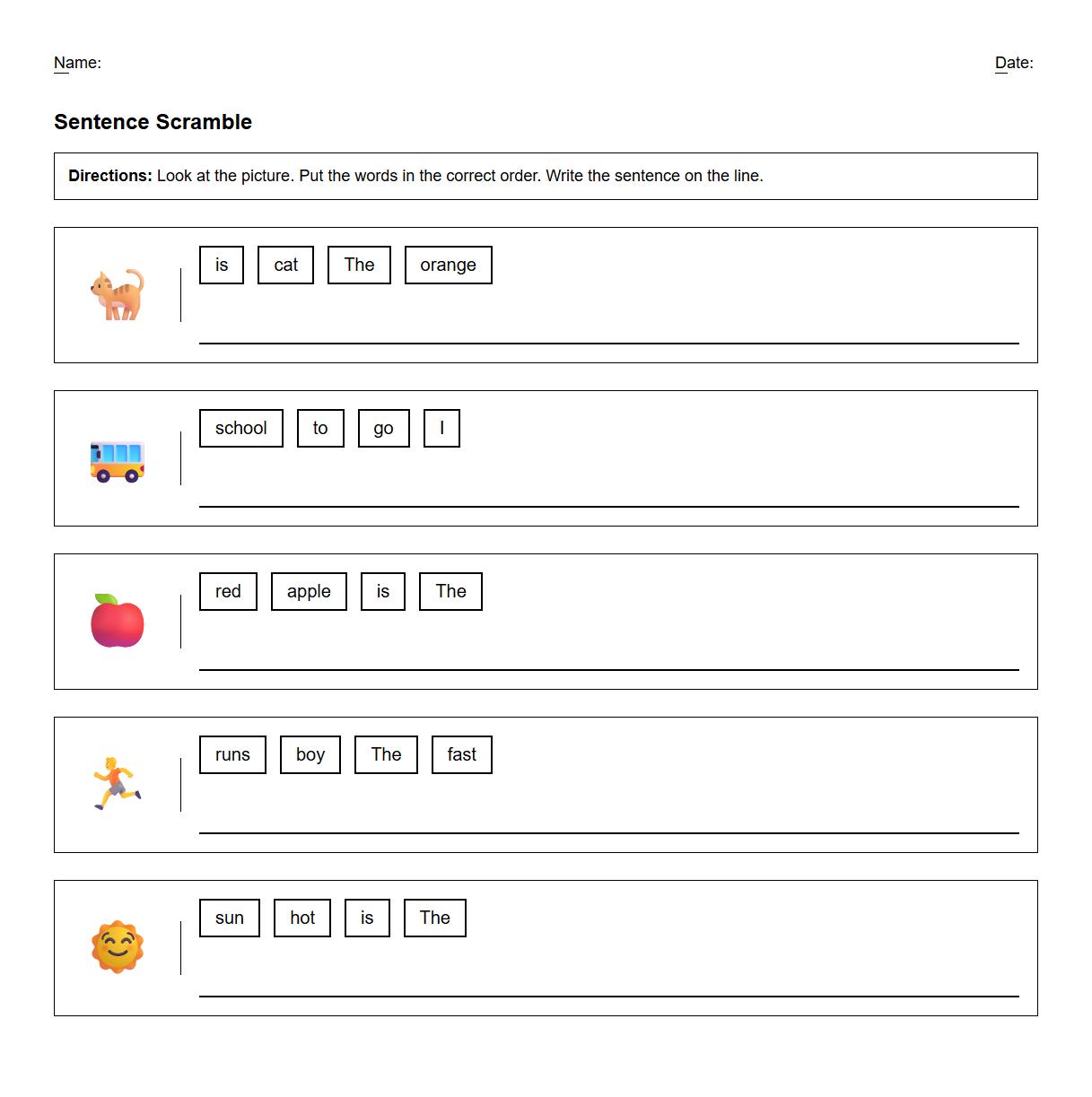
Image-Based Sentence Ordering Task for Syntax Practice

Download PDF     Pin it

Visual Timeline Worksheets for Story Retelling
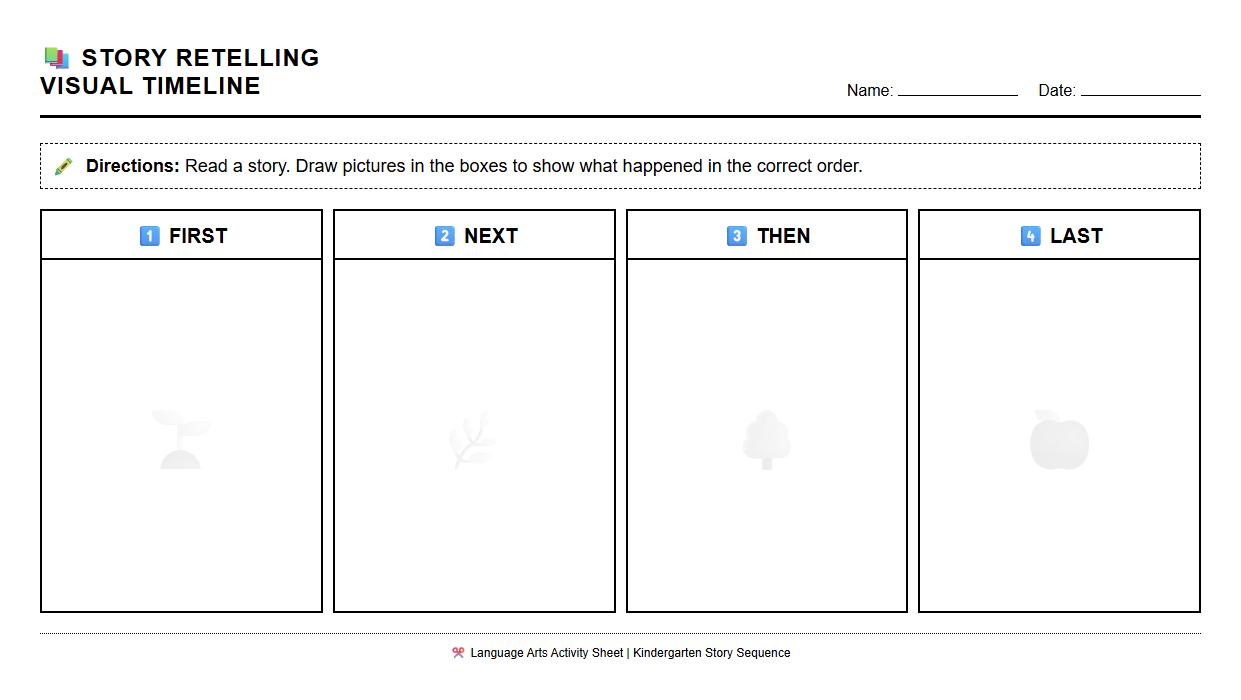
Visual Timeline Worksheets for Story Retelling

Download PDF     Pin it

Photo-Based Event Sequencing for Vocabulary Development
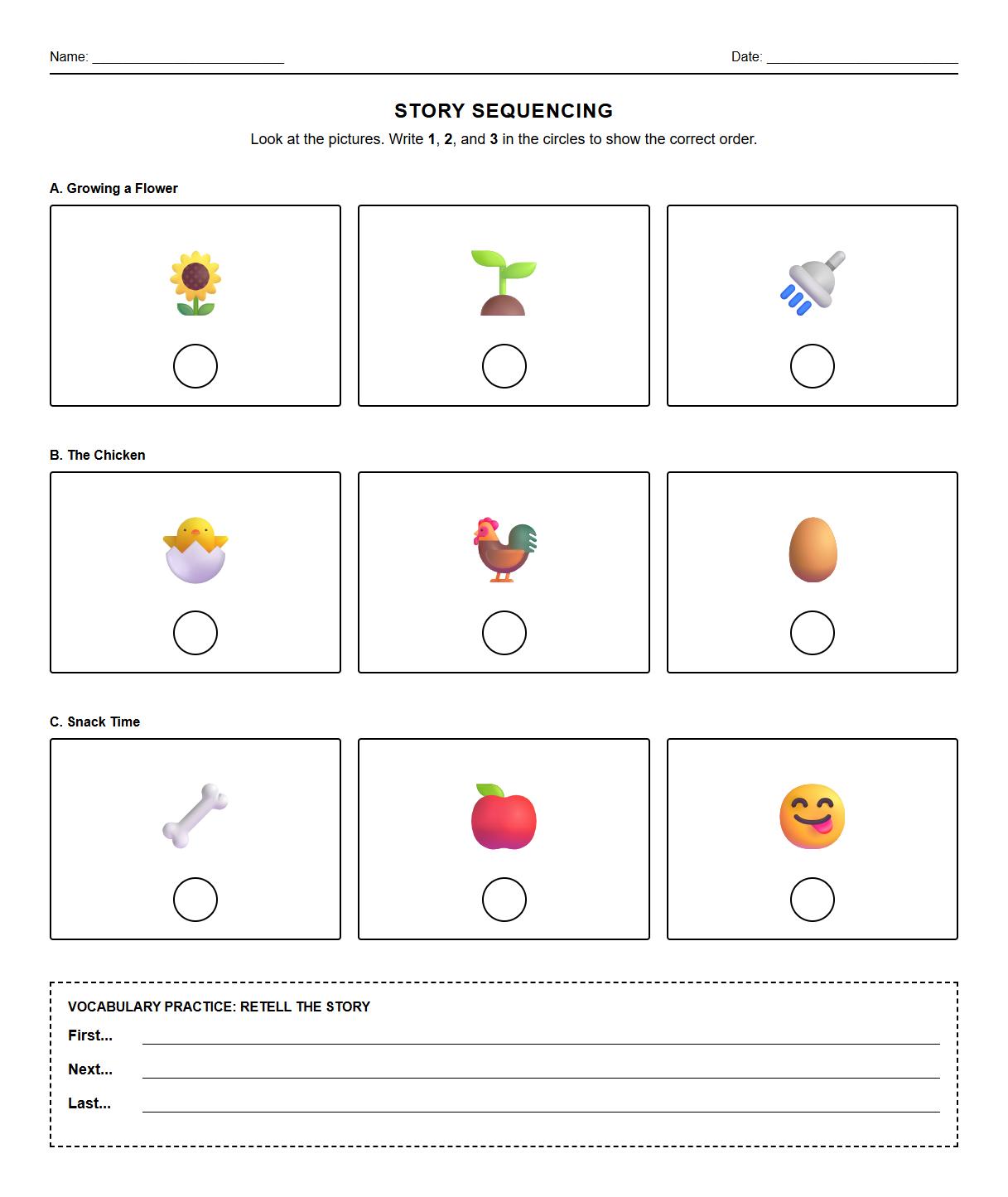
Photo-Based Event Sequencing for Vocabulary Development

Download PDF     Pin it

Multi-Step Picture Sequencing for Logical Reasoning Skills
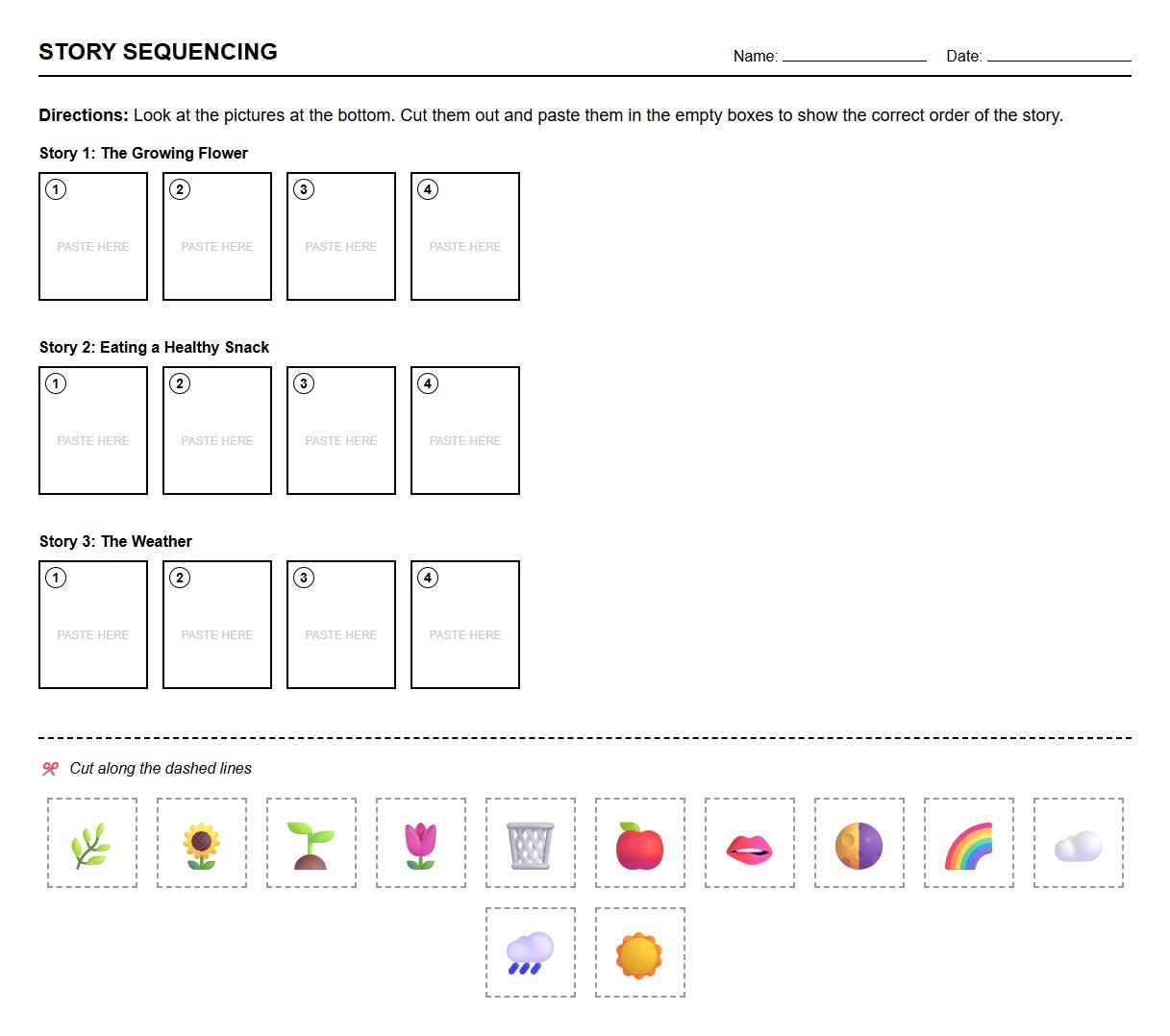
Multi-Step Picture Sequencing for Logical Reasoning Skills

Download PDF     Pin it

Illustrated Cause and Effect Sequence Task for Context Clues
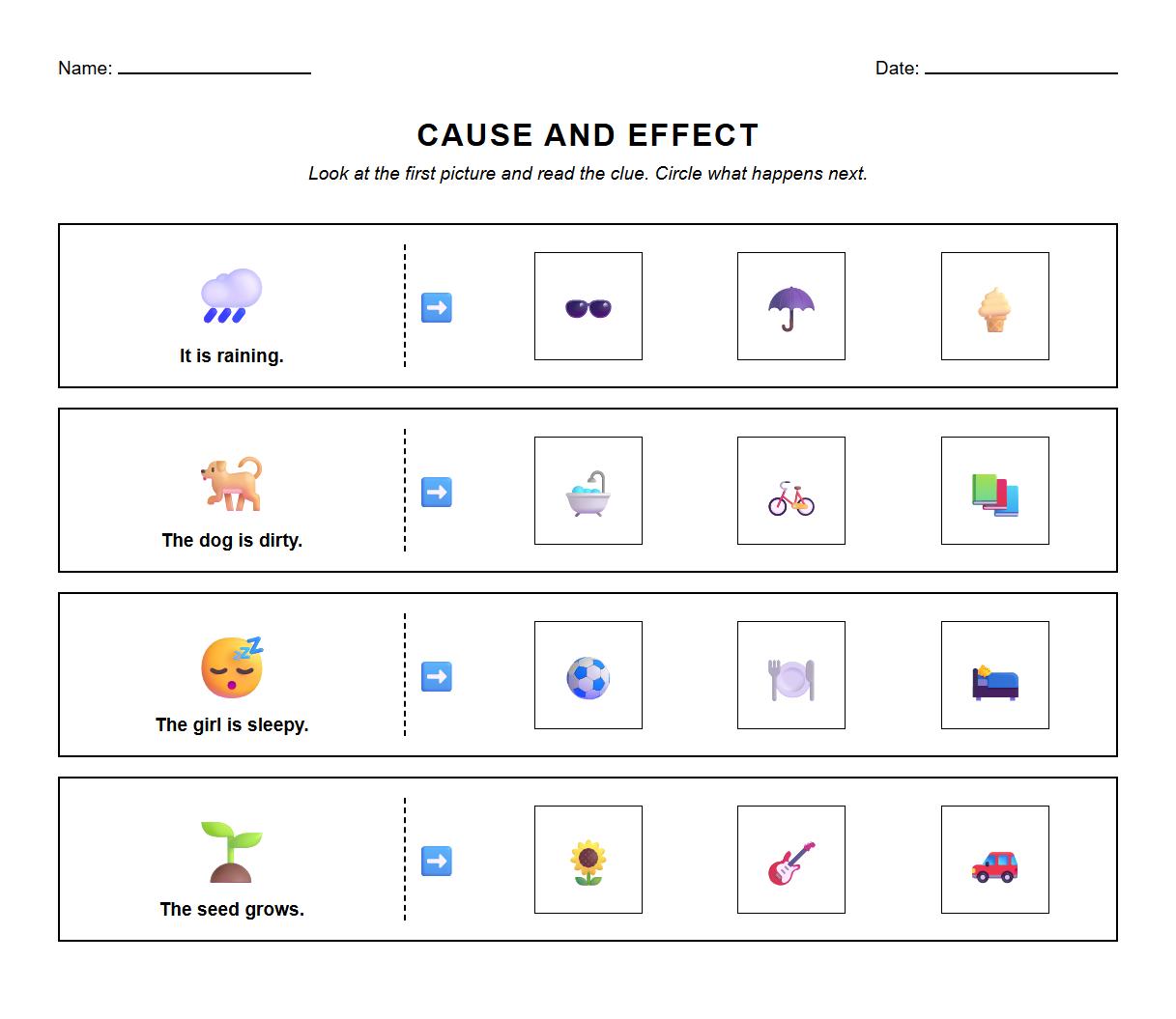
Illustrated Cause and Effect Sequence Task for Context Clues

Download PDF     Pin it

What happens first in the picture sequence?

The first picture shows the beginning of the story where the main characters are introduced. It usually sets the scene and explains the initial situation. Understanding this picture helps children grasp how the story begins and what to expect next. This step encourages students to use observation skills and make predictions, just as they would in activities like sequencing worksheets for early readers.

Which picture shows the ending of the story?

The last picture illustrates the conclusion of the story, wrapping up the events. It often shows the characters resolved or the problem solved. This helps children understand the story's outcome and its logical progression. Highlighting the ending boosts comprehension and reflection skills, much like in sentence building activities for young learners.

Can you put the pictures in the correct order?

Ordering the pictures correctly helps students understand the sequence of events. It teaches them to recognize cause and effect relationships. This activity enhances memory and storytelling abilities by connecting actions and results. Practice with sequences also supports logical thinking, similar to consonant blends word building worksheets.

What is the boy doing in the second picture?

In the second picture, the boy is performing a key action that moves the story forward. Observing his actions provides clues about the plot. Discussing what he is doing encourages children to describe events and use expressive language, as practiced in engaging CVC words phonics worksheets.

How do the pictures help you understand what is happening?

The pictures provide visual context that supports comprehension by showing characters' actions and emotions. They allow students to infer details that text alone may not explain. Visual cues also engage young learners making the story more interesting, much like interactive alphabet tracing activities for early literacy.

What could happen next after the last picture?

Predicting what happens next encourages creativity and critical thinking. Children use clues from the last picture to imagine future events. This exercise develops storytelling skills and encourages active participation, just as in fun phonics worksheets for mastering initial sounds.

Who are the main characters in the sequence?

The main characters are usually the focus of the pictures, involved in the most important actions. Identifying them helps children understand the story's key players. This focus supports character recognition and empathy development, which can be related to sight words and phonics worksheet activities.

What is different between the first and last picture?

Comparing the first and last pictures highlights the changes in the story such as the characters' emotions or situations. This helps children see how events evolve over time. Discussing differences enhances observation and analytical skills, as in vowel sound sorting worksheets for phonics mastery.

Why do you think the girl is smiling in the third picture?

The girl's smile in the third picture often indicates something positive or happy has happened. Children can infer emotions and reasons for the characters' expressions. This question helps develop emotional intelligence and interpretation skills, much like digraph identification in kindergarten phonics.

How does the story change from beginning to end?

The story typically changes by showing a problem and then its resolution or a change in the characters' situation. Recognizing this story progression helps children understand narrative structure. It supports comprehension and summarizing abilities, similar to worksheet activities for learning letter sounds. Observing changes builds logical thinking about cause and effect.


More in Language Arts Category


About the author. Nylen Smith is a dedicated educator and cofounder of KWorksheet.com, a popular platform specializing in high-quality kindergarten worksheets and printable activities.

Disclaimer. The information provided in this document is for general informational purposes and/or document sample only and is not guaranteed to be factually right or complete. Please report to us via contact-us page if you find and error in this page, thanks.

Comments

No comment yet