Kindergarten Activity Sheet for Alphabet Tracing and Phonemic Awareness

📅 May 23, 2025 👤 Nylen Smith

Kindergarten activity sheets for alphabet tracing and phonemic awareness enhance early literacy skills by helping children recognize letters and associate sounds. These exercises support fine motor development while building a strong foundation for reading and writing. Explore our collection of engaging worksheets to boost your child's learning journey.

Uppercase and lowercase alphabet tracing worksheet for phonics recognition
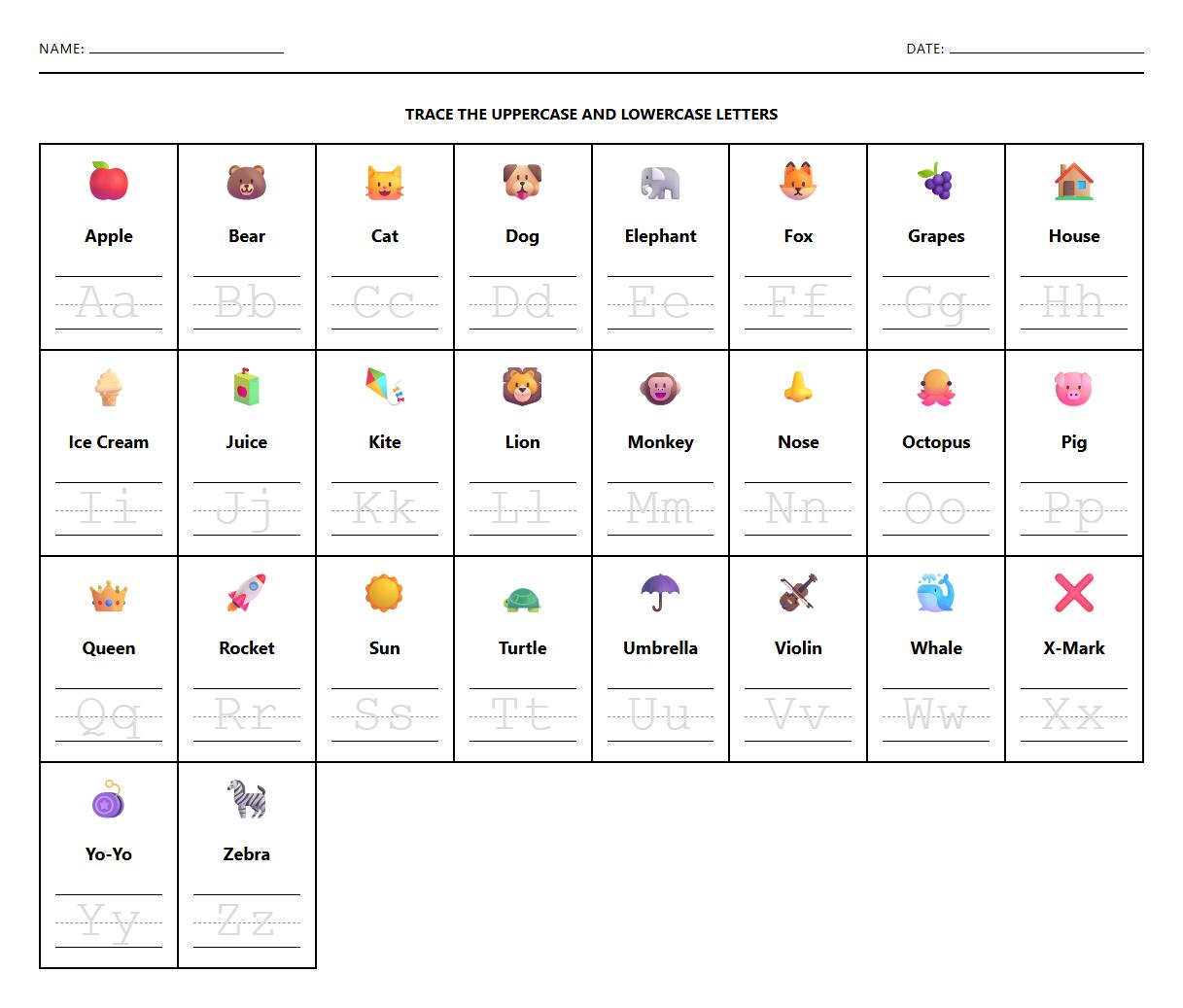
Uppercase and lowercase alphabet tracing worksheet for phonics recognition

Download PDF     Pin it

Letter sound matching activity sheet for phonemic awareness
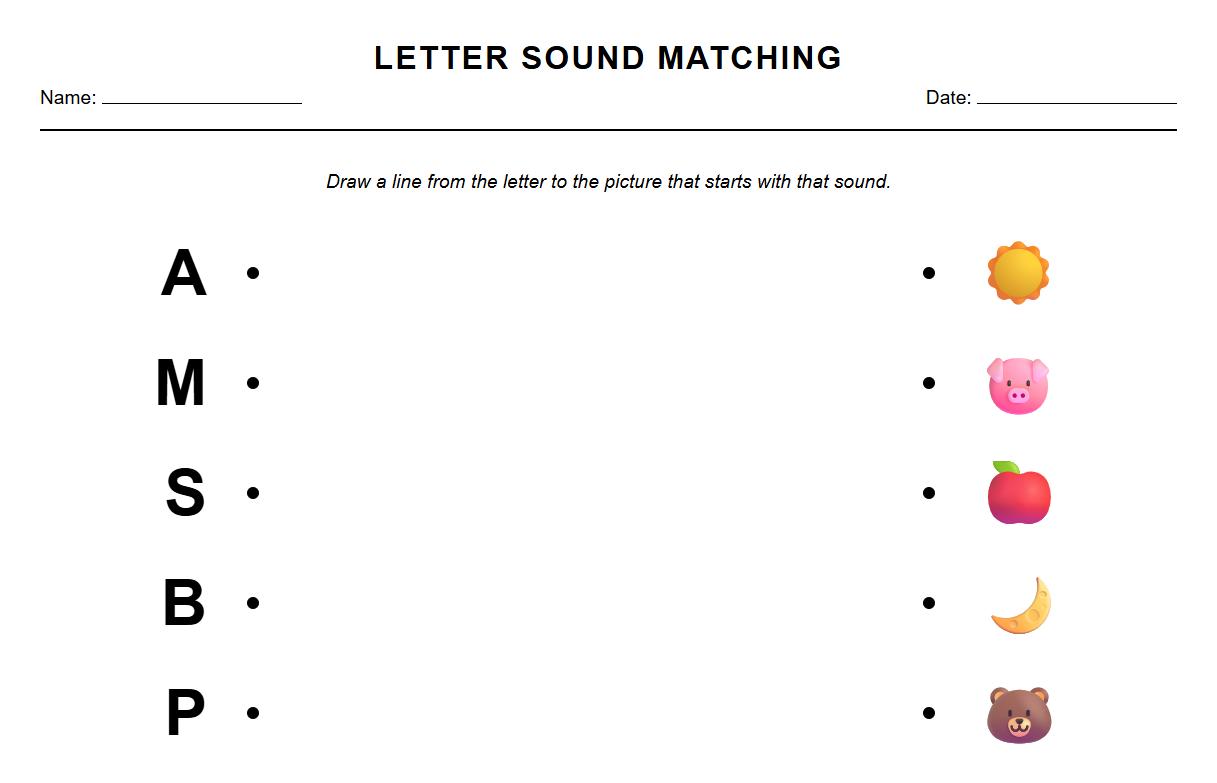
Letter sound matching activity sheet for phonemic awareness

Download PDF     Pin it

Initial sound identification worksheet using pictures and letters
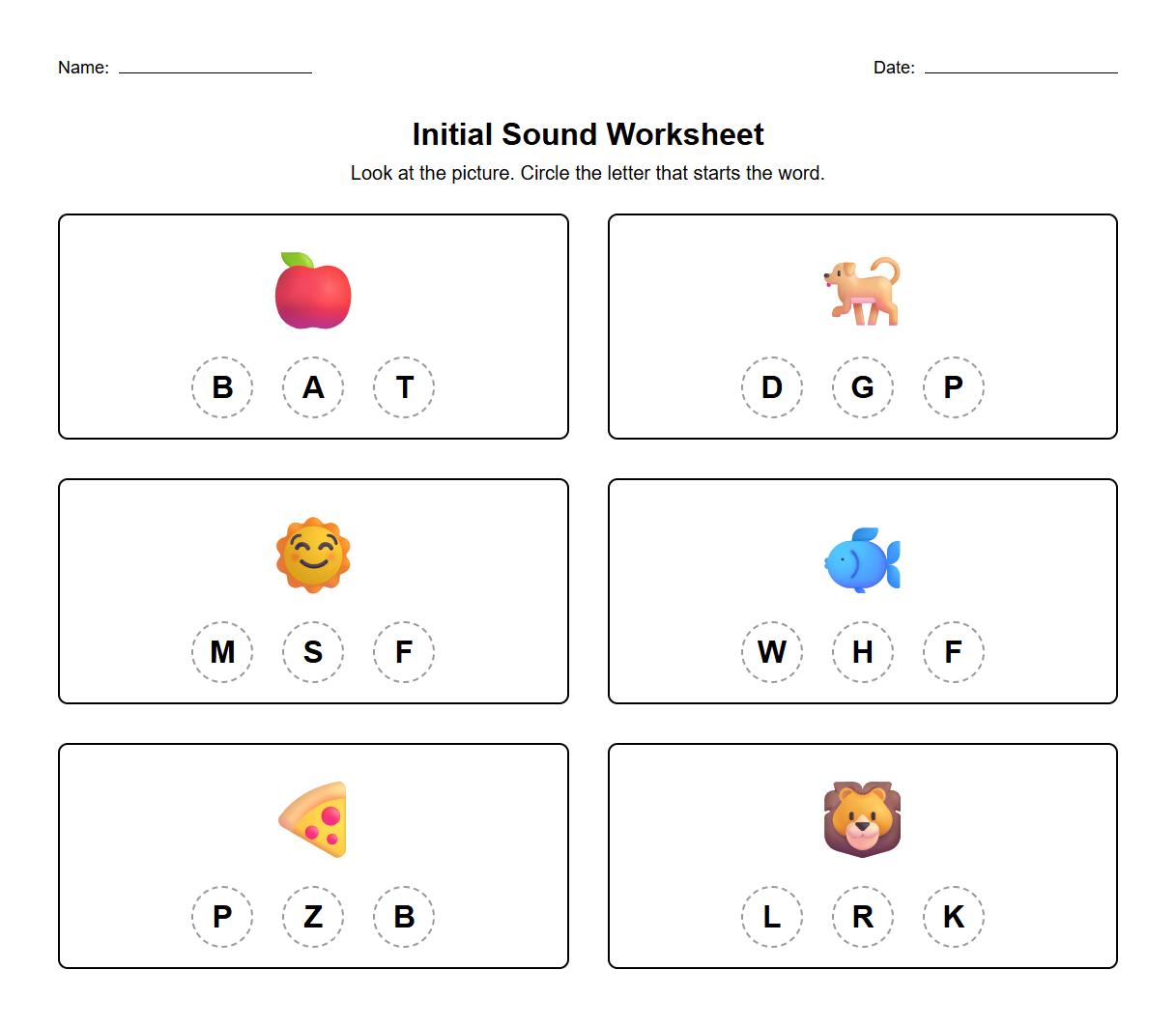
Initial sound identification worksheet using pictures and letters

Download PDF     Pin it

Alphabet tracing worksheet with directional arrows for handwriting technique
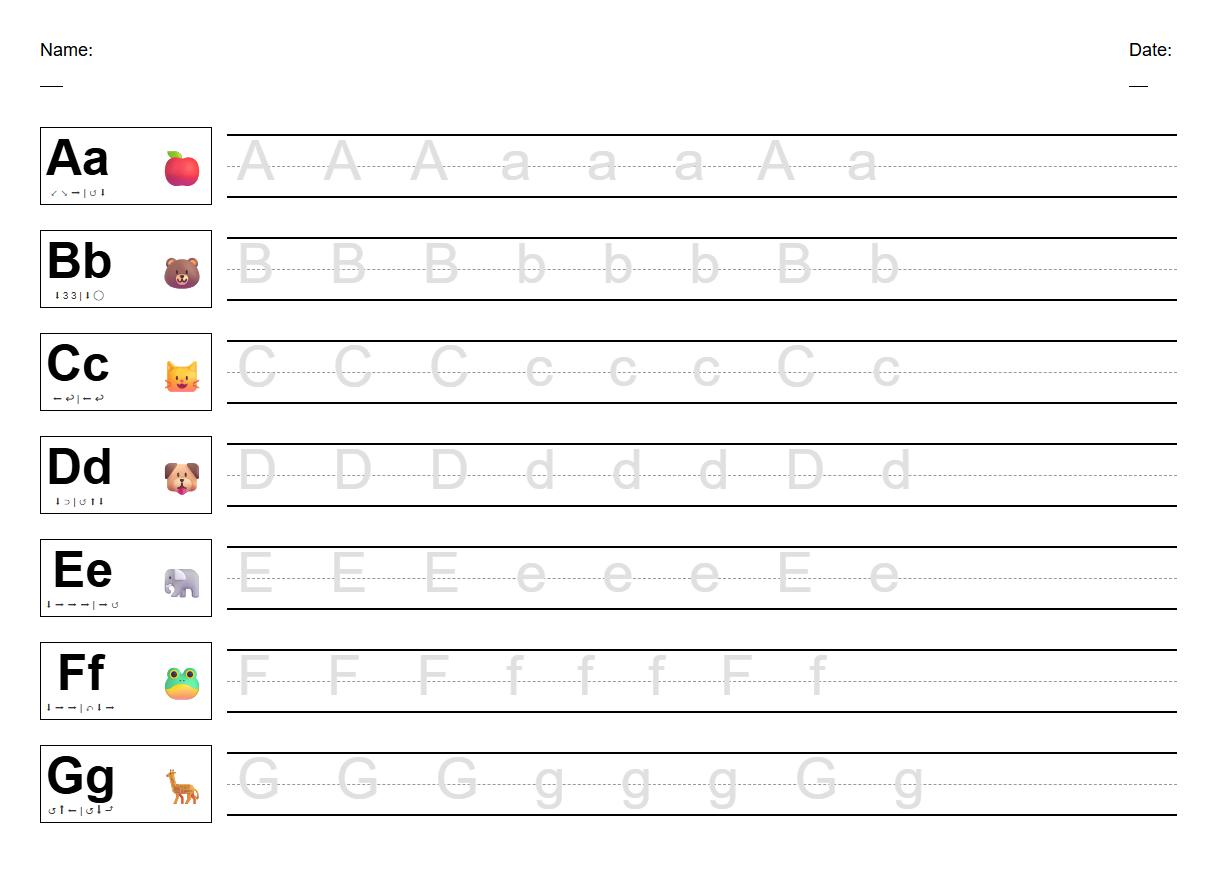
Alphabet tracing worksheet with directional arrows for handwriting technique

Download PDF     Pin it

CVC word building activity sheet for segmenting and blending phonemes
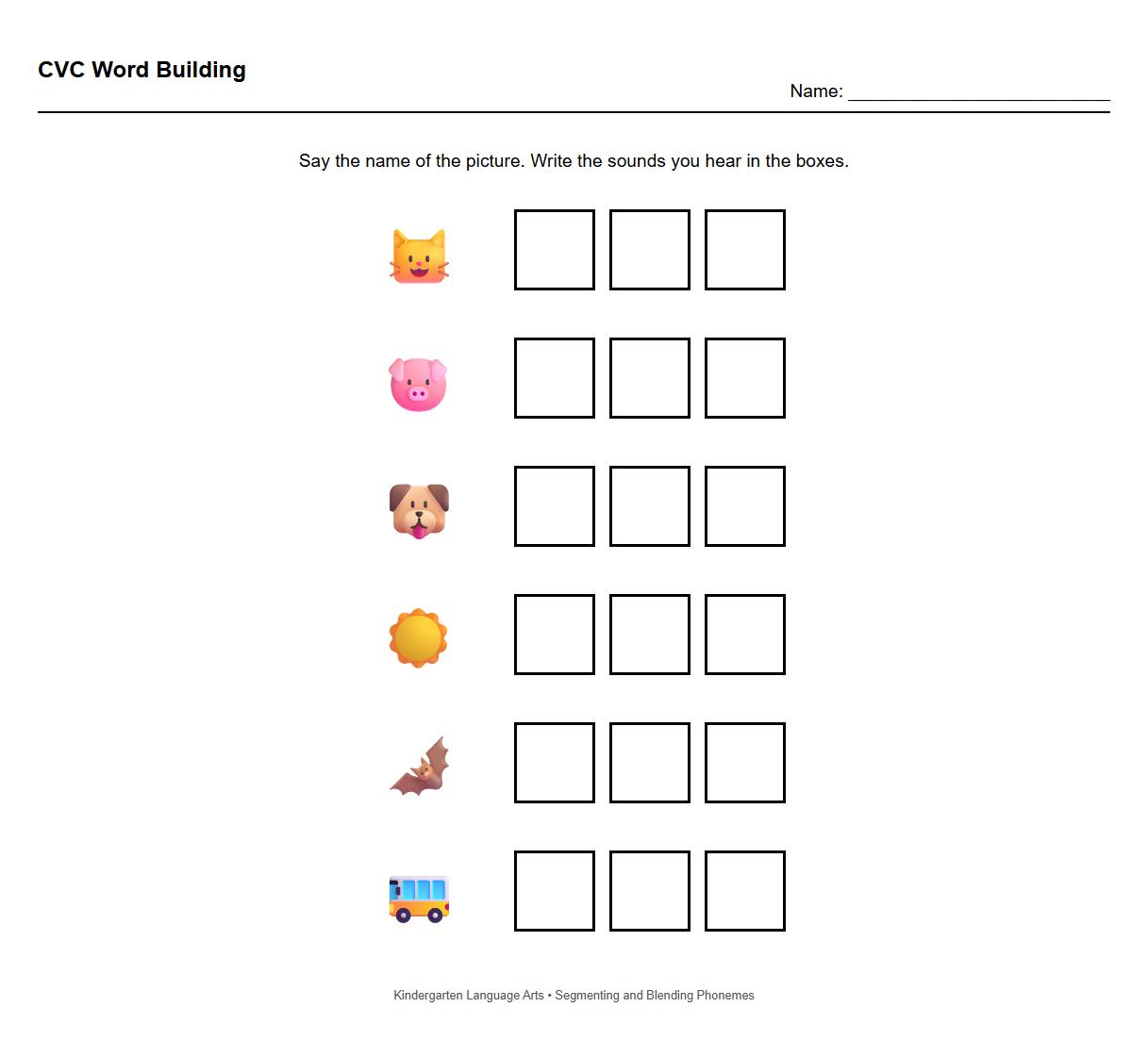
CVC word building activity sheet for segmenting and blending phonemes

Download PDF     Pin it

Rhyming word identification worksheet using visual cues and phonics
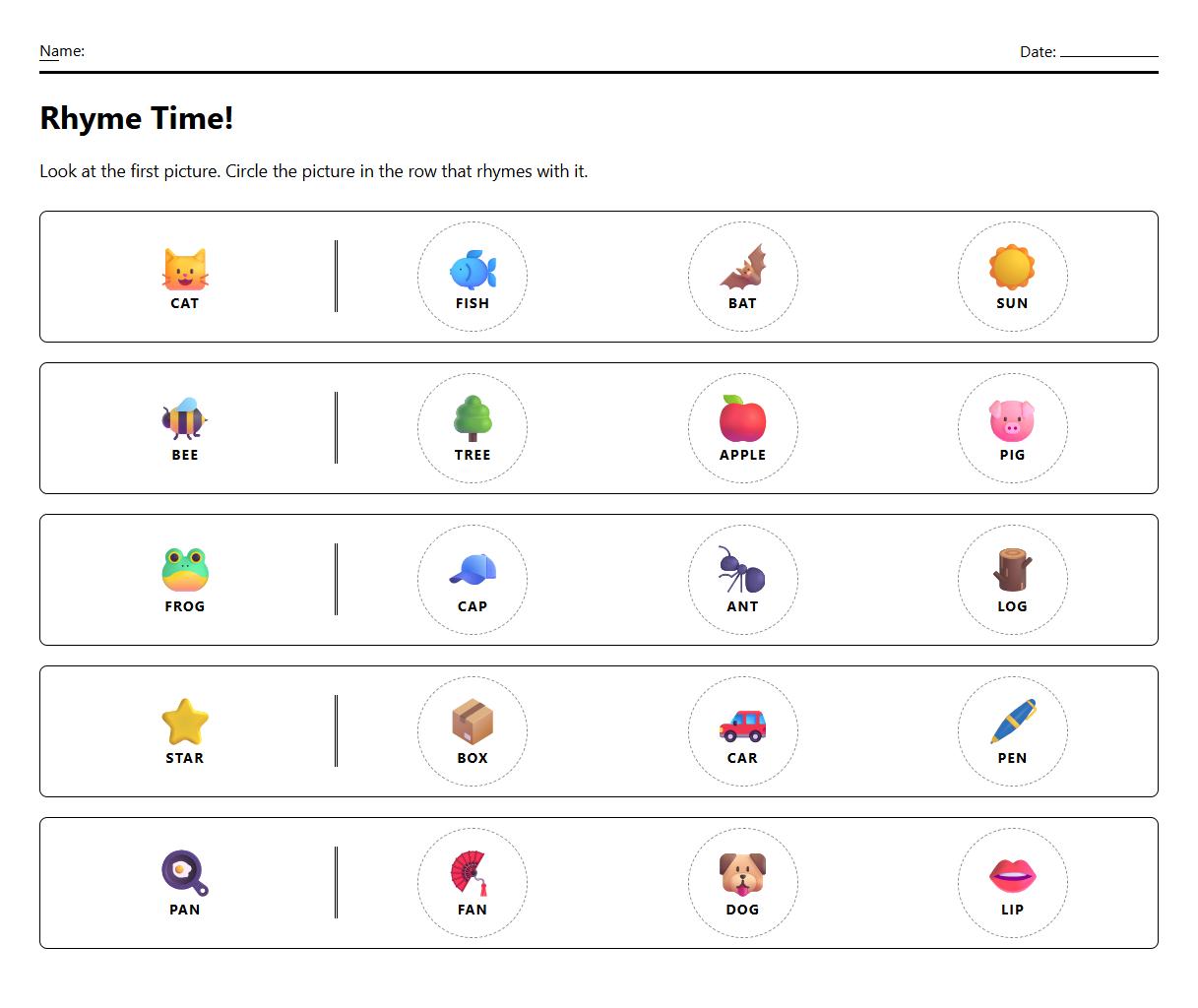
Rhyming word identification worksheet using visual cues and phonics

Download PDF     Pin it

Letter formation practice sheet with phoneme-grapheme correspondence
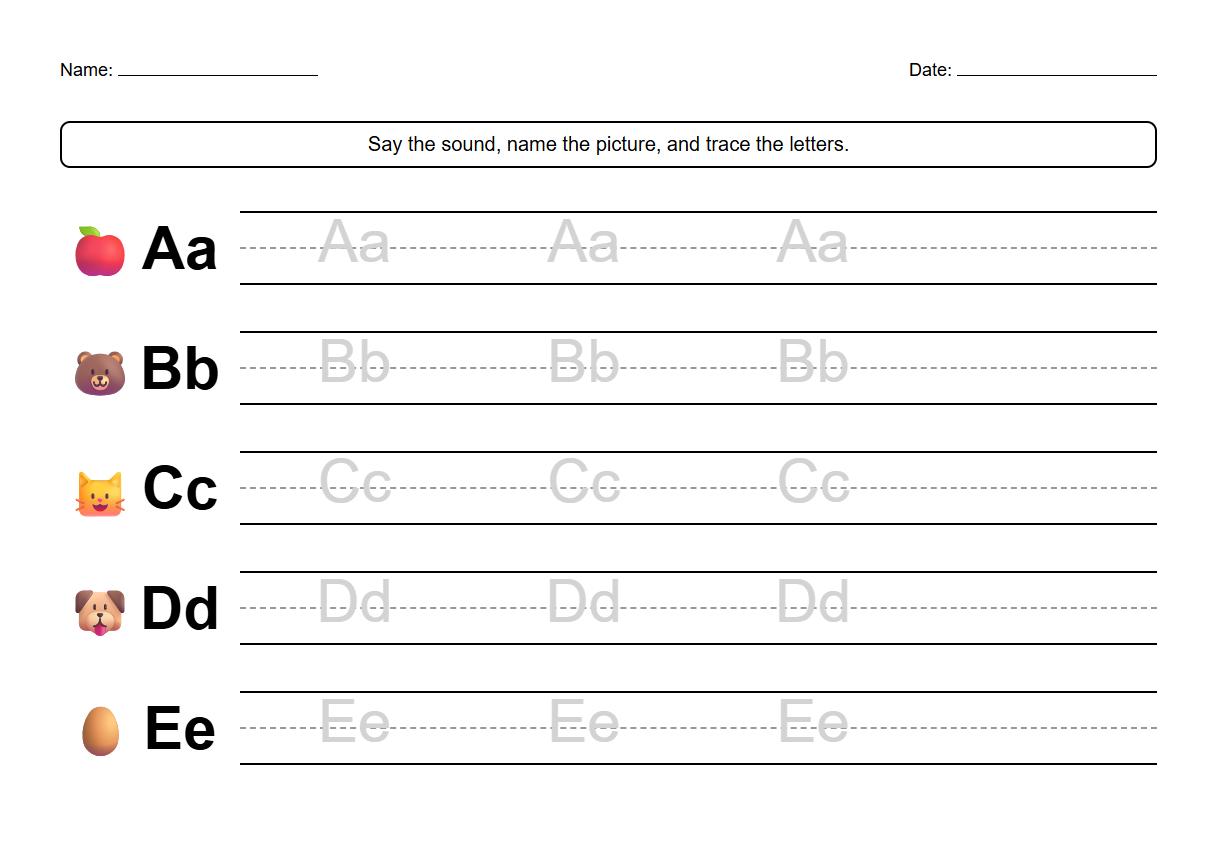
Letter formation practice sheet with phoneme-grapheme correspondence

Download PDF     Pin it

Vowel sound discrimination worksheet for auditory phonemic awareness
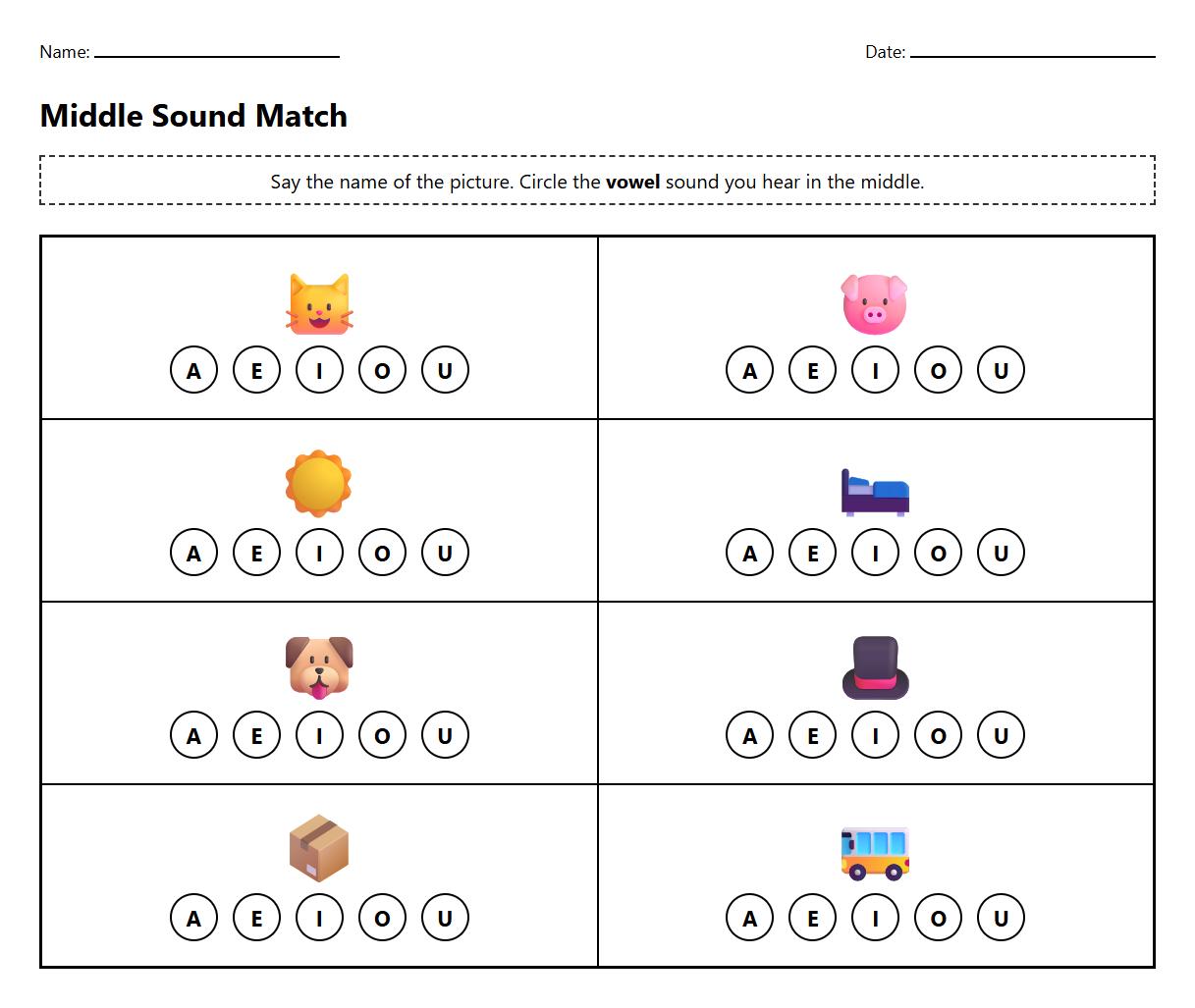
Vowel sound discrimination worksheet for auditory phonemic awareness

Download PDF     Pin it

Find and color the beginning sound worksheet for alphabet fluency
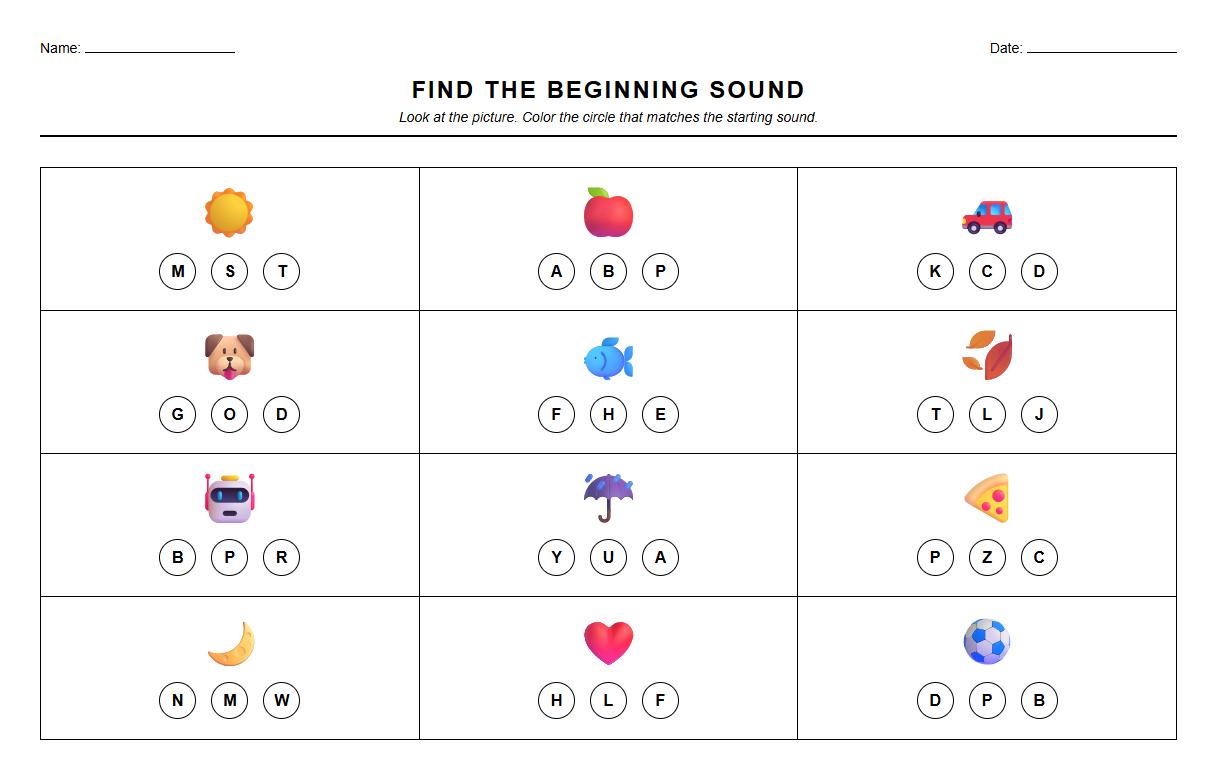
Find and color the beginning sound worksheet for alphabet fluency

Download PDF     Pin it

Missing letter phonics worksheet focusing on blending and segmentation
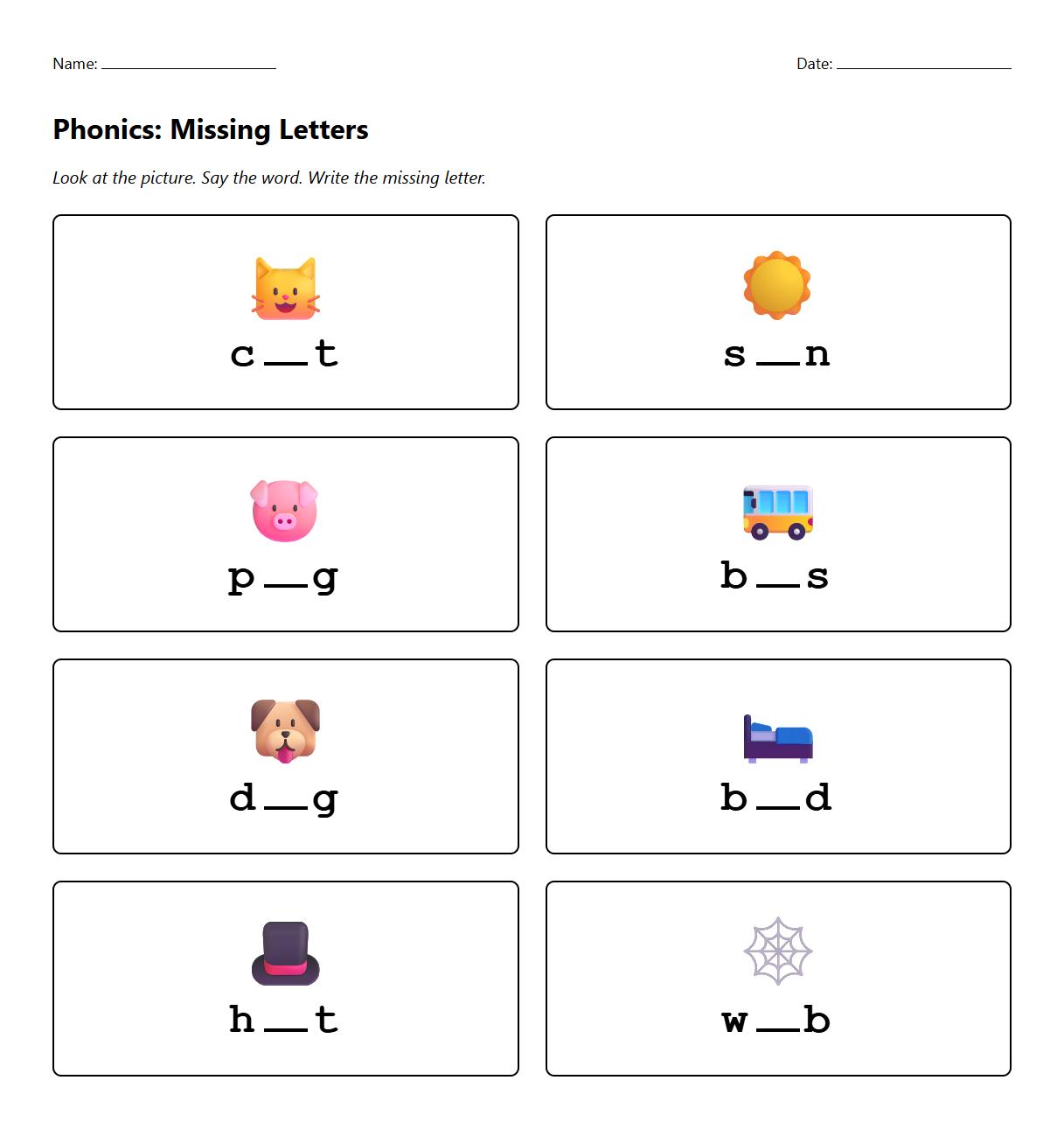
Missing letter phonics worksheet focusing on blending and segmentation

Download PDF     Pin it

Identifying the Letter on Your Activity Sheet

Begin by asking the child, "What letter is this?" to help them recognize and name the letter on their worksheet. This step reinforces letter identification skills crucial for early literacy. Use clear, bold fonts on the activity sheet to make the letter stand out. Encouraging verbal responses strengthens their letter recognition.

Tracing and Writing the Letter

Invite the child to trace both the uppercase and lowercase forms of the letter using the dotted lines on the worksheet. Tracing helps develop fine motor skills and muscle memory for letter formation. Encourage them to say the letter's name as they trace to strengthen cognitive connections. Consistent practice builds confidence in writing.

Understanding the Letter Sound

Ask, "What sound does this letter make?" to connect phonemic awareness with letter recognition. Emphasize the letter's primary sound and provide examples of words that start with it. This auditory component is key for early reading skills. Repeat the sound multiple times with enthusiasm.

Brainstorming Words That Start with the Letter

Encourage children to think of at least one word that begins with the letter on their worksheet. This exercise links letters to real-world vocabulary and stimulates language development. Help them pronounce the word clearly, highlighting the initial sound. Use pictures or objects as visual aids to deepen comprehension.

Finding and Circling Matching Letters

Guide children to find and circle all instances of the same letter on the worksheet. This activity sharpens letter discrimination and visual scanning skills. It also reinforces letter recognition through repetition. Make it a fun game to maintain engagement.

Tracing Letters with Sound Repetition

Encourage the child to say the sound of each letter as they trace it, combining motor skills with auditory learning. This integrated approach supports multisensory learning, essential for early reading success. Prompt them gently if they pause or forget. Repetition solidifies the connection between letter shape and sound.

Clapping Syllables of Words Starting with the Letter

Practice clapping syllables of words that start with the letter to improve phonological awareness. This rhythmic activity helps children break down words into smaller, manageable sound units. Clap slowly to emphasize each syllable, and invite the child to join in. Syllable segmentation is a foundational reading skill.

Drawing a Picture of a Word That Begins with the Letter

Ask the child to draw a picture of something starting with the letter to integrate creativity and letter recognition. Visualizing the word promotes deeper understanding and retention. Encourage them to describe their drawing, reinforcing vocabulary and oral language. This holistic approach enhances learning enjoyment.

Finding the Letter in the Child's Name

Help children find the letter within their own name to make the letter personally meaningful. This personal connection increases motivation and engagement. Use their name as a familiar context to practice letter identification. Celebrate discoveries to boost confidence.

Matching the Letter to Pictures with the Same Sound

Engage children in a matching game where they pair the letter with pictures that begin with its sound. This reinforces letter-sound correspondence and vocabulary. Use colorful images to maintain interest and support comprehension. Matching activities foster critical thinking and phonics skills.


More in Language Arts Category


About the author. Nylen Smith is a dedicated educator and cofounder of KWorksheet.com, a popular platform specializing in high-quality kindergarten worksheets and printable activities.

Disclaimer. The information provided in this document is for general informational purposes and/or document sample only and is not guaranteed to be factually right or complete. Please report to us via contact-us page if you find and error in this page, thanks.

Comments

No comment yet