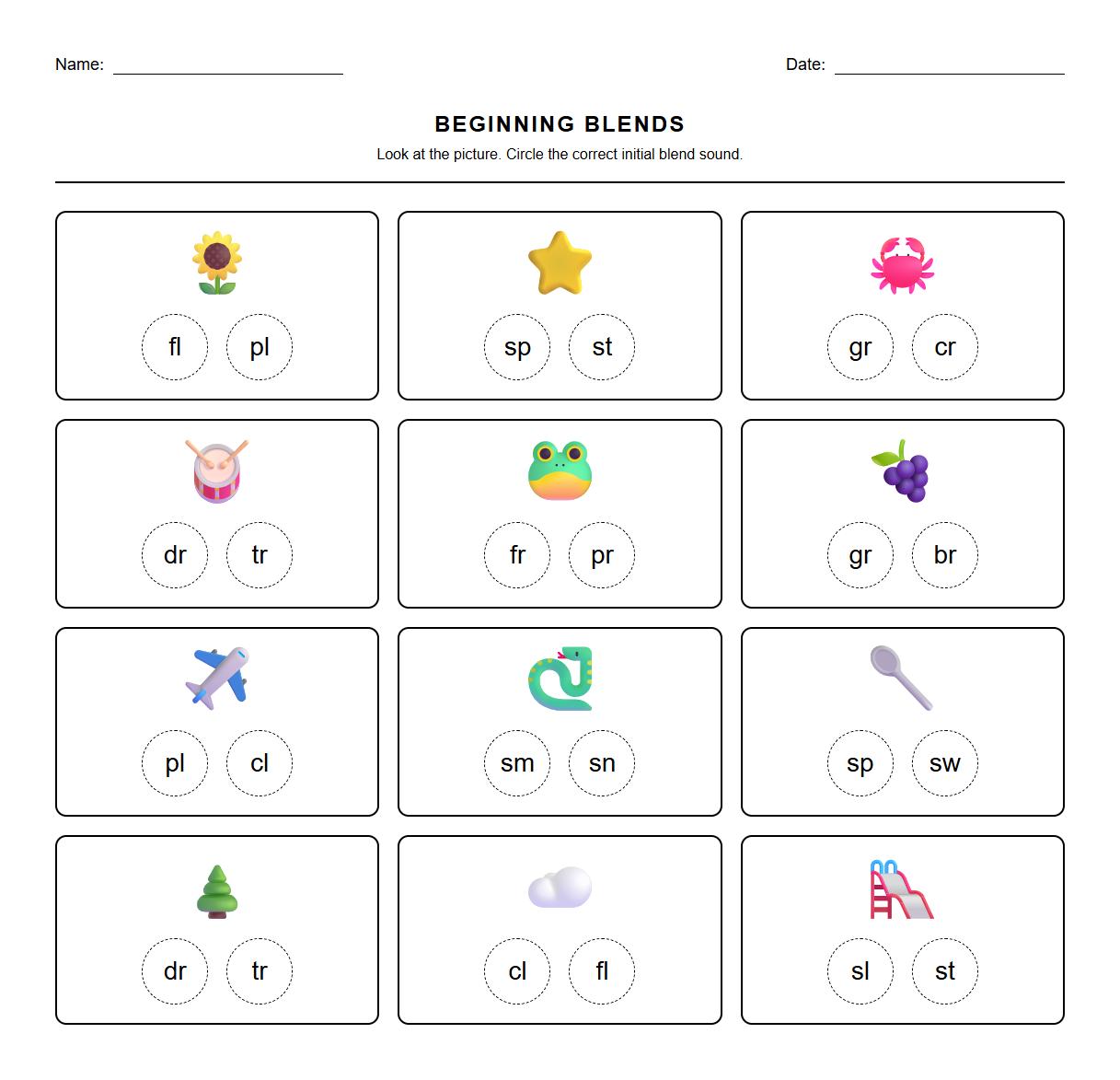
Kindergarten phonics and beginning sounds worksheet activities focus on helping young learners recognize letter sounds and associate them with corresponding words, boosting early reading skills. These exercises engage children in identifying initial sounds through fun, interactive tasks that build a strong foundation for literacy. Explore the variety of available worksheets designed to make phonics learning enjoyable and effective.
Recognizing Letters in Words
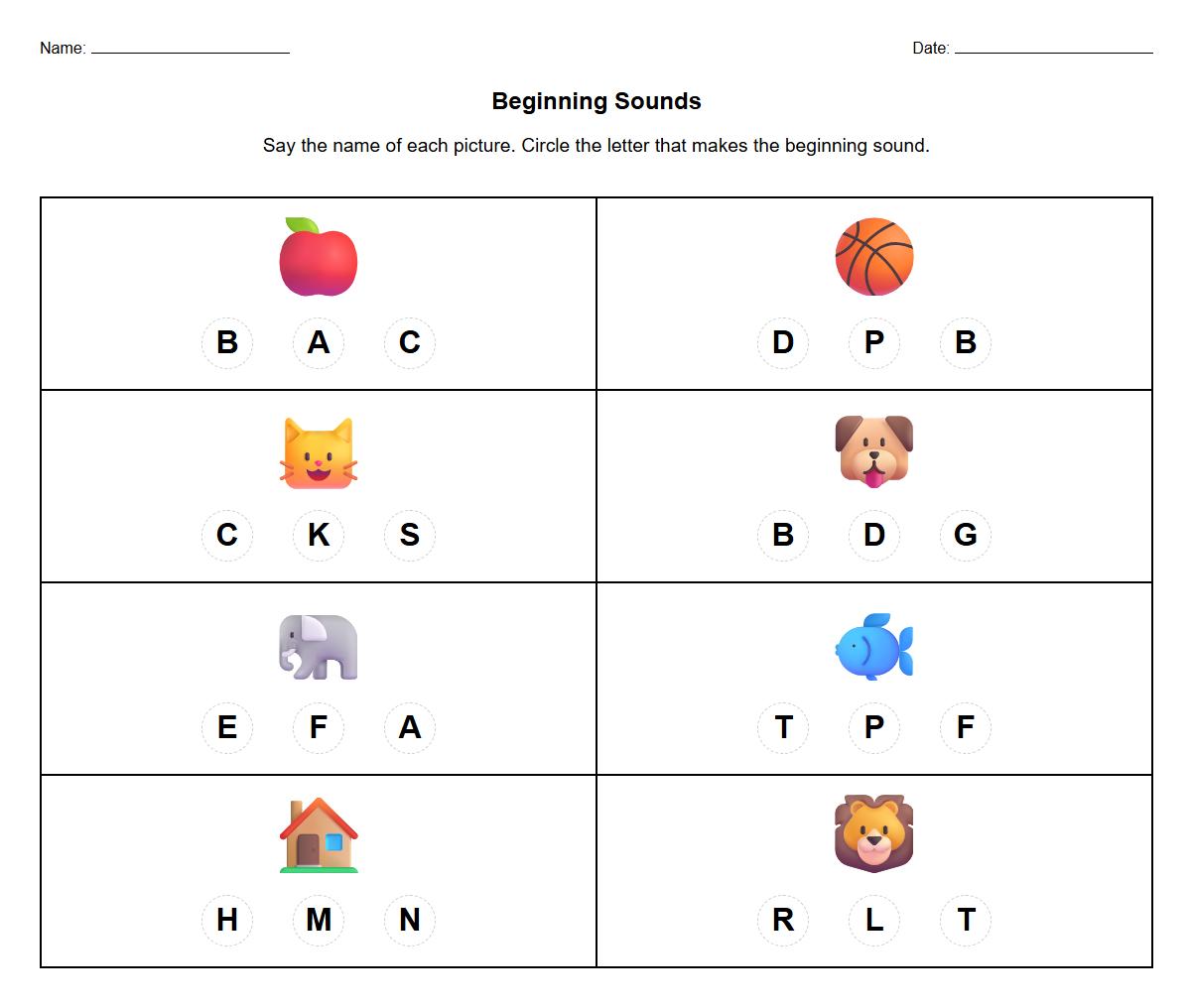
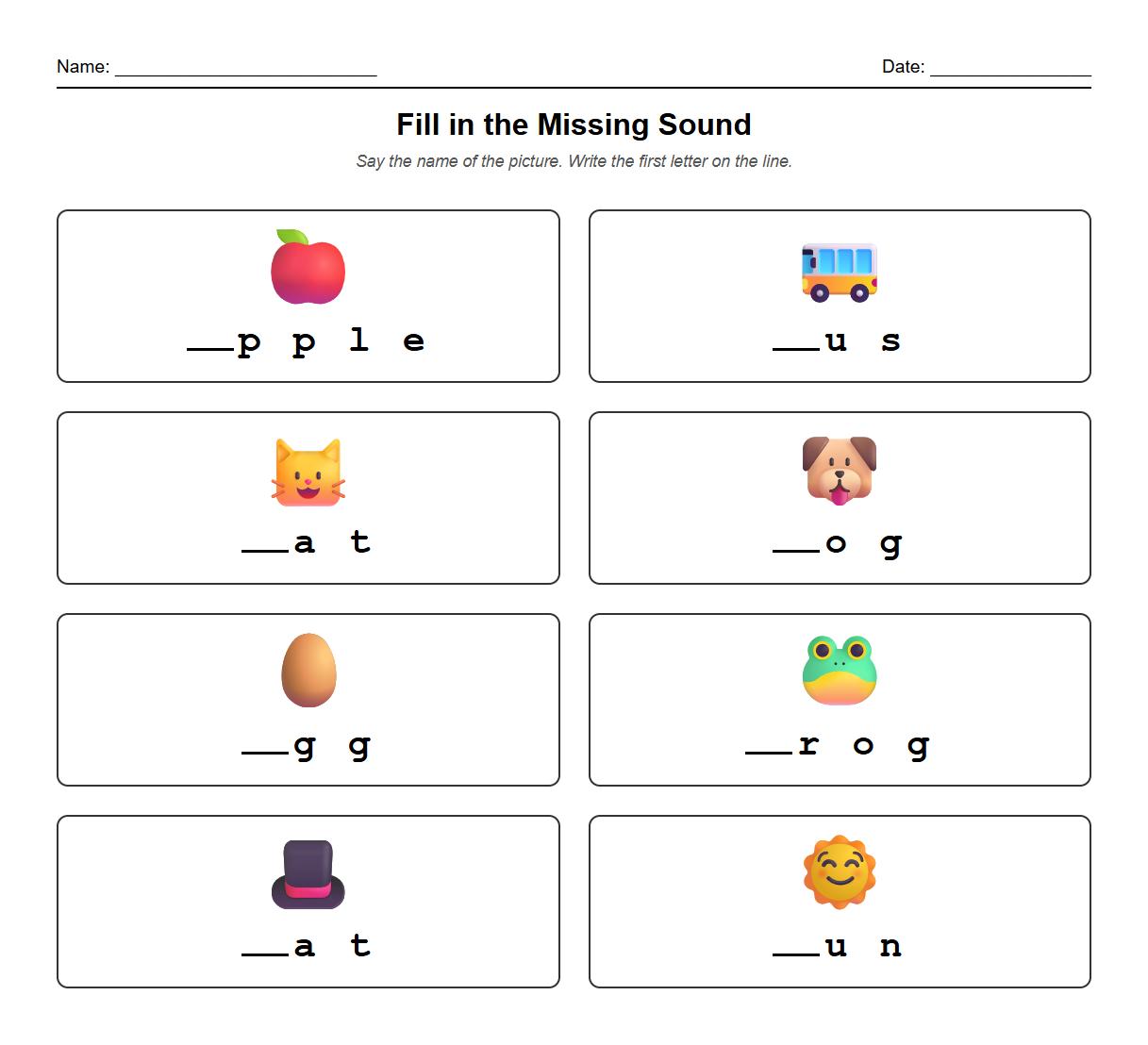
Ask children, "What letter does the word cat start with?" to help them associate sounds with letters. This activity builds foundational literacy skills by connecting spoken sounds to their written forms. Encourage students to say the word aloud and identify its first letter. Parents can reinforce this by practicing similar exercises at home.
Identifying Beginning Sounds in Pictures
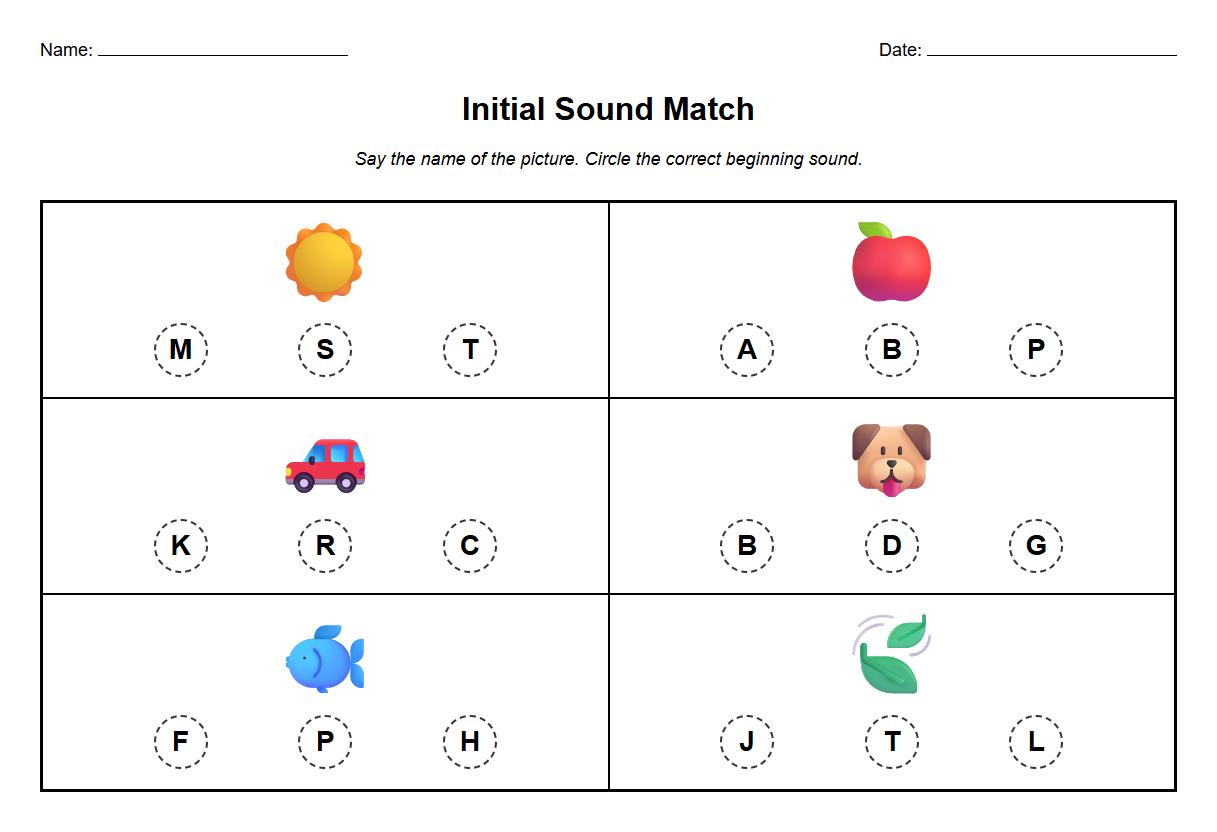
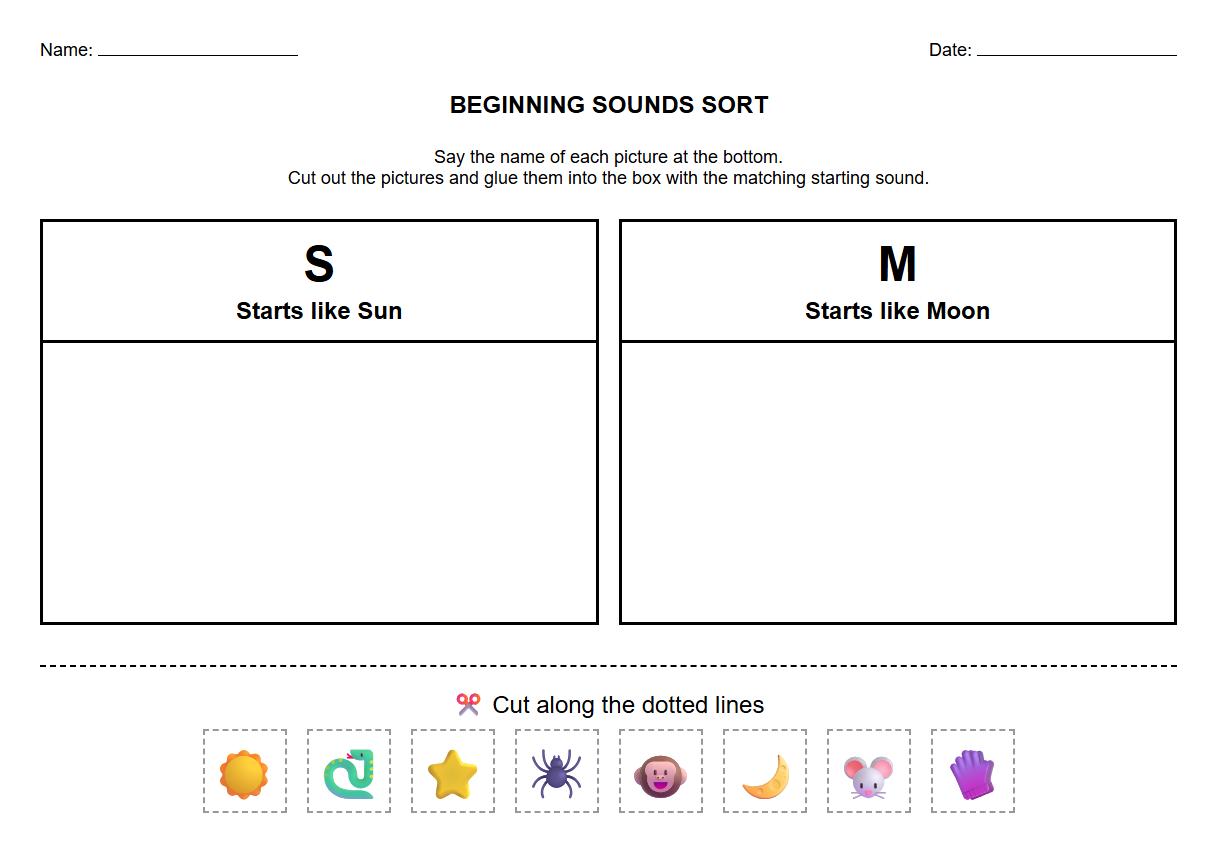
Use images to prompt children with questions like, "Which picture begins with the sound m?" This strengthens phonemic awareness by linking sounds to visual cues. Teachers should guide learners to listen carefully to initial sounds and select corresponding images. This activity is ideal for both classroom and home learning environments.
Categorizing Words by Initial Letters
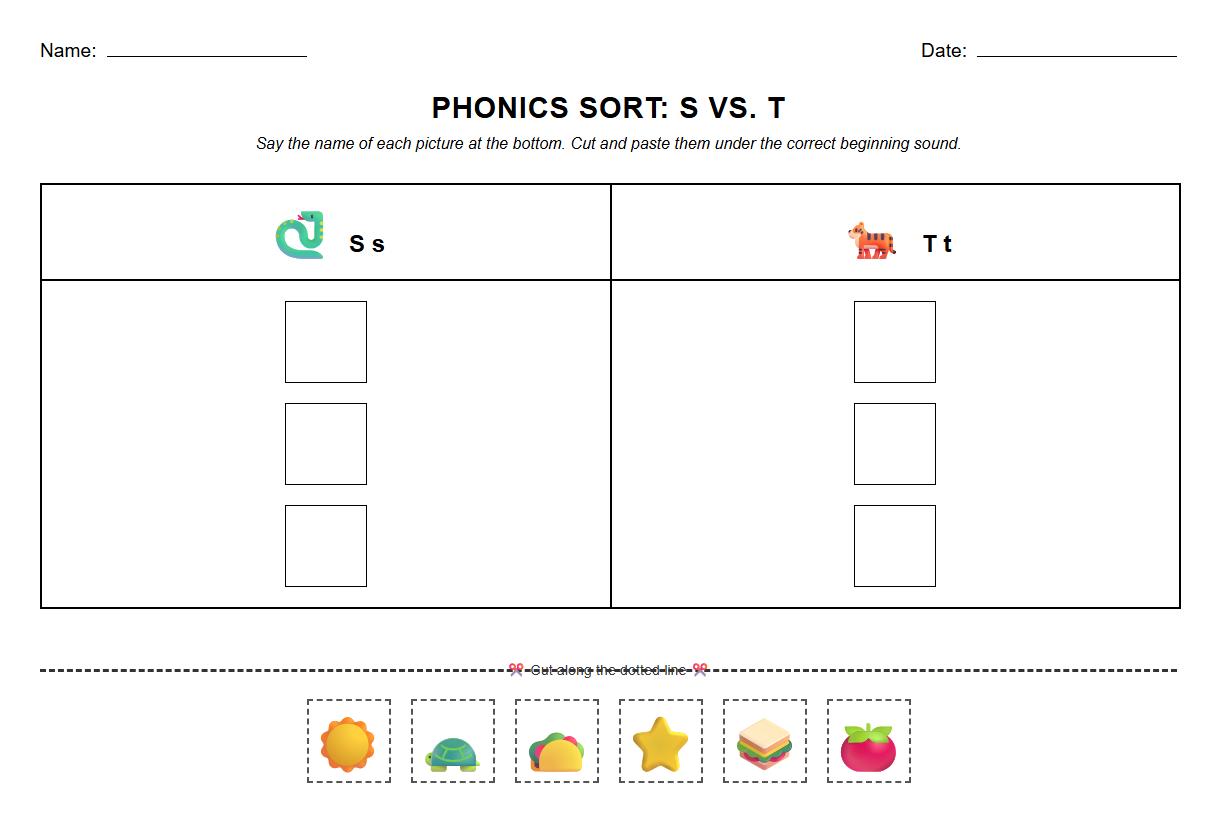
Encourage kids to "Circle the word that starts with the letter s," helping them practice letter recognition and fine motor skills. This interactive task improves their ability to distinguish words based on beginning letters. Supportive adults can provide a mix of words to differentiate s sounds effectively. Such exercises lay the groundwork for reading fluency.
Matching Pictures to Beginning Sounds
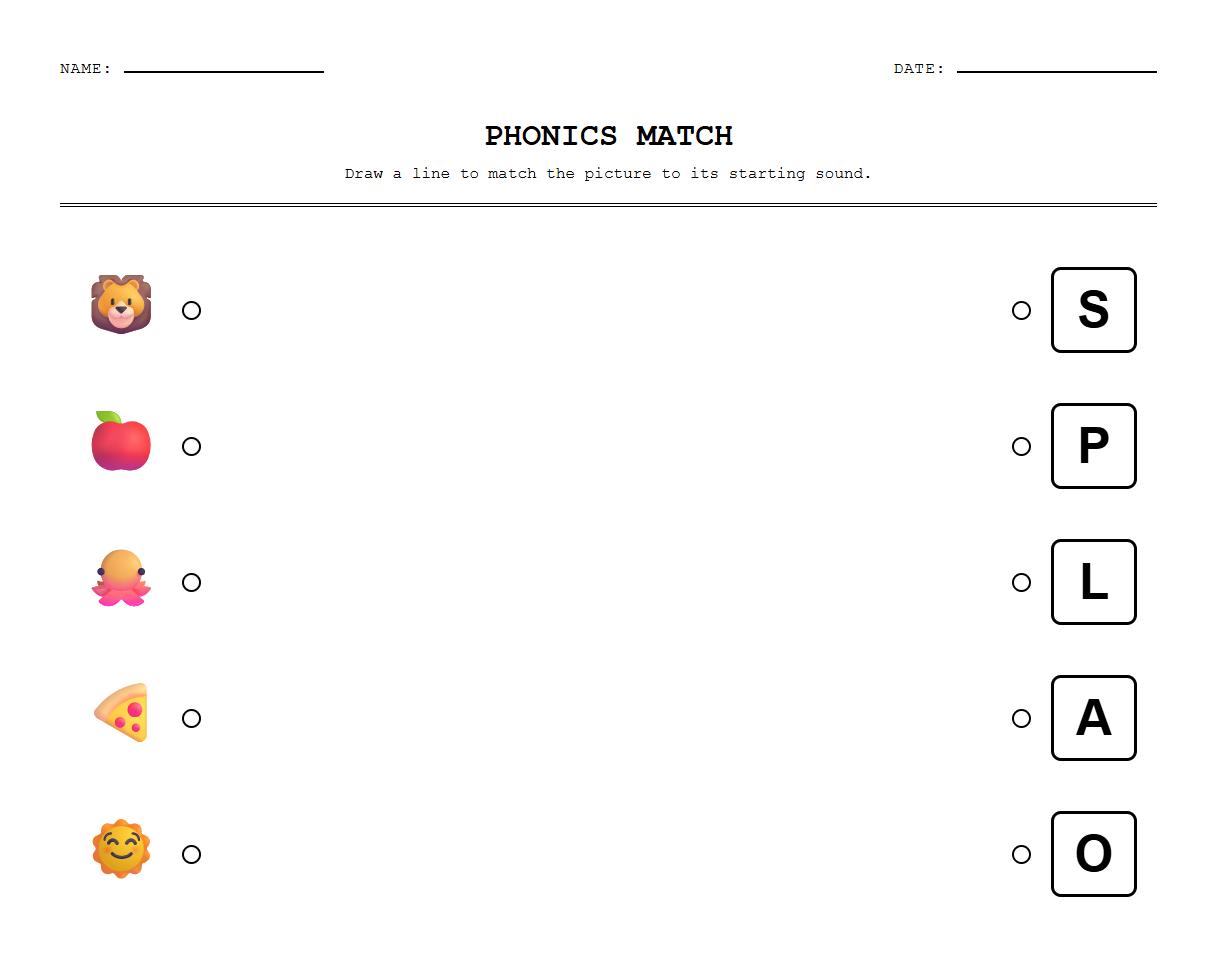
Have children "Match the pictures to their beginning sounds" to connect auditory and visual information. This activity enhances letter-sound correspondence crucial for early reading development. Utilizing colorful images keeps young learners engaged and motivated. Regular practice strengthens memory and phonics skills.
Understanding Letter Sounds
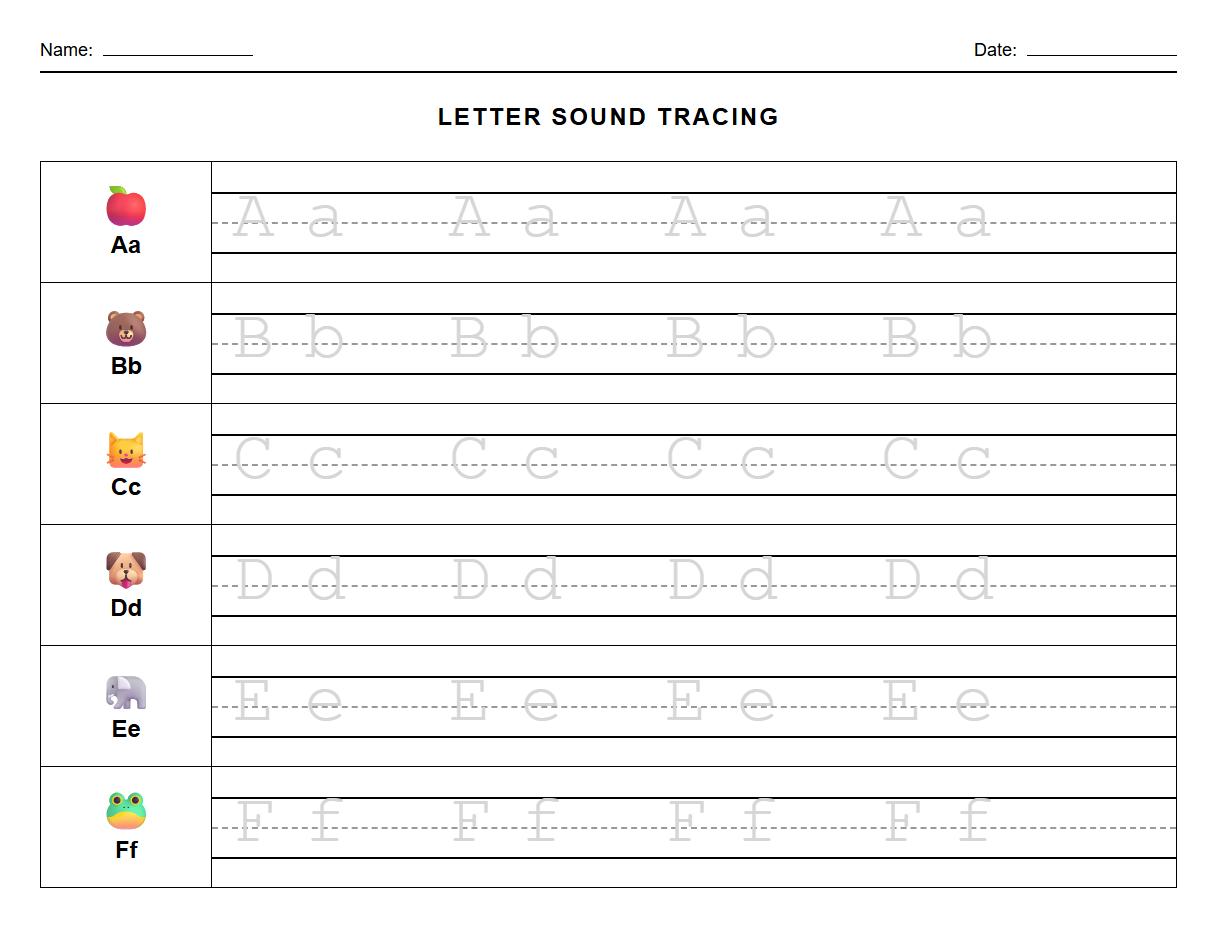
Ask, "What sound does the letter p make?" to deepen children's phonetic knowledge. Pronounce the sound clearly and have students repeat it, reinforcing sound recognition. Teachers and parents can model the sound with familiar words like pig and pen. This method supports phonics-based learning approaches.
Finding Objects by Letter
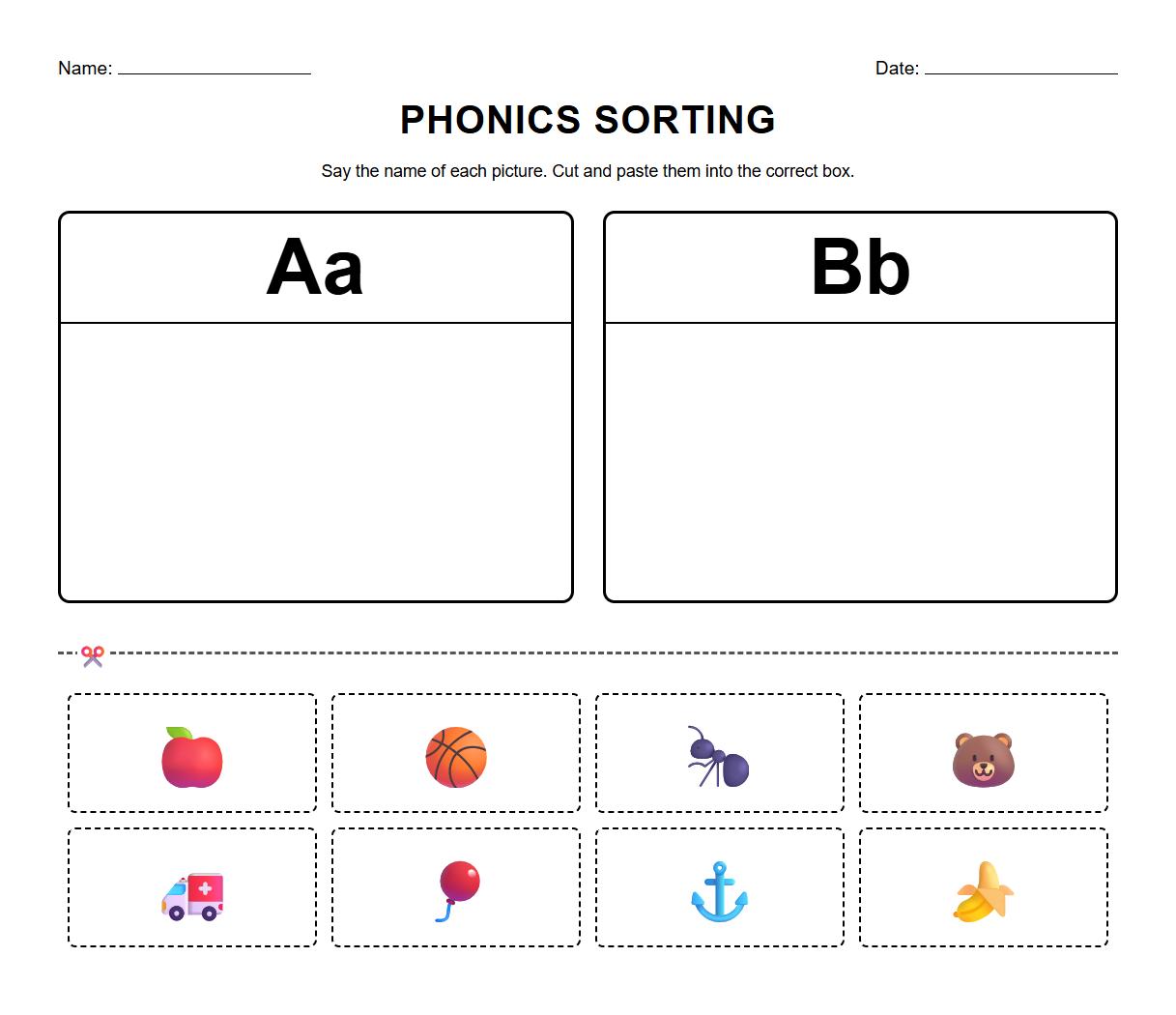
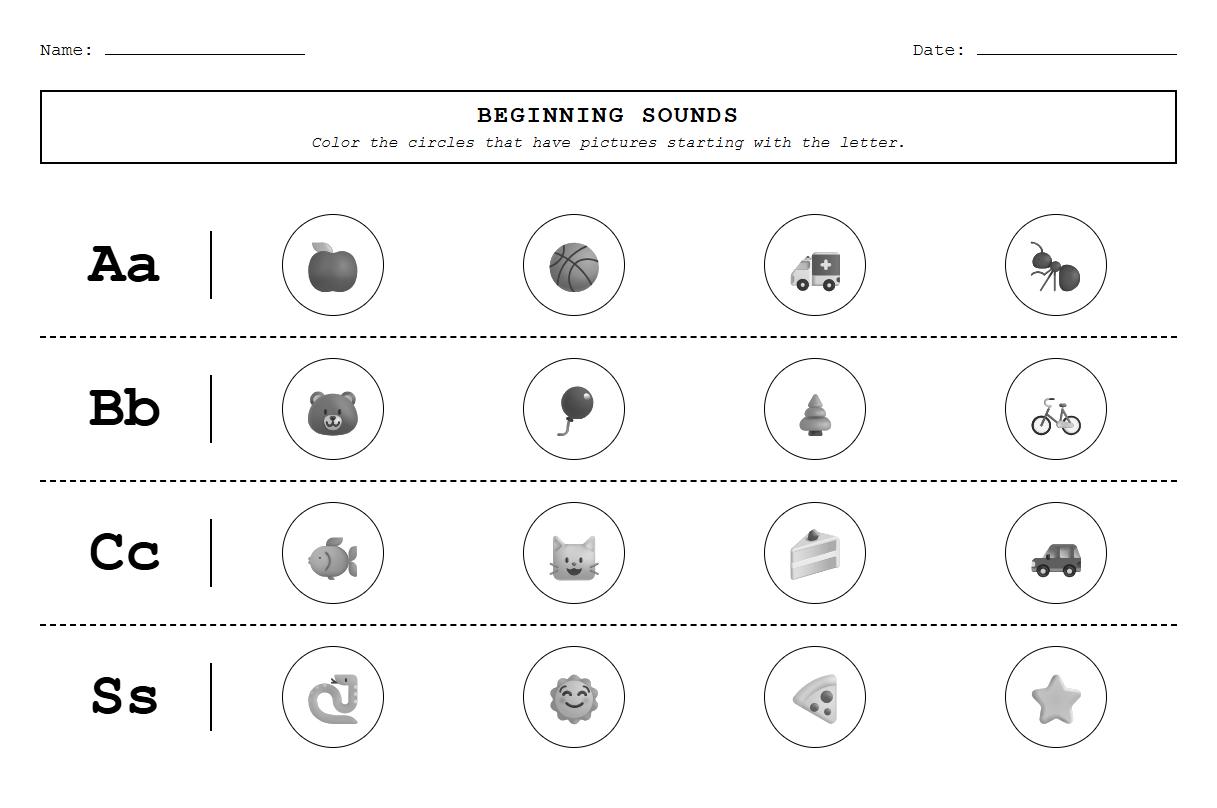
Challenge children to "Find the objects that start with the letter b" to build search and categorization skills. Provide a selection of pictures or physical items for them to identify. This hands-on activity promotes critical thinking about initial sounds. It encourages vocabulary expansion through interaction.
Recognizing Words with Similar Sounds
Pose the question, "Which word begins with the same sound as dog?" to improve auditory discrimination. Helping children hear similarities in initial sounds supports early literacy. Use word lists or pictures to illustrate matching sound patterns. This practice aids in decoding and spelling readiness.
Connecting Animals to Their Letters
Instruct learners to "Draw a line from the animal to its beginning letter" to combine letter recognition with motor skills. This visual matching task reinforces letter-sound associations through interactive play. Adults should encourage careful observation and correct matching. It is a fun way to engage children with letters and animals.
Coloring Based on Sound Recognition
Ask children to "Color the picture that starts with the f sound," promoting sound identification in a creative way. This task integrates art with phonics learning, making it enjoyable and educational. Use familiar images that clearly demonstrate the targeted sound. Coloring activities help maintain attention and reinforce learning.
Letter Identification in Words
Question, "Which letter does sun begin with?" guides children to focus on initial letter sounds. This simple prompt boosts early reading skills by emphasizing the first letter in common words. Support this with verbal practice and visual aids. Consistent exposure to letter sounds builds reading confidence.


Kindergarten Phonics Practice Identifying Beginning Sounds