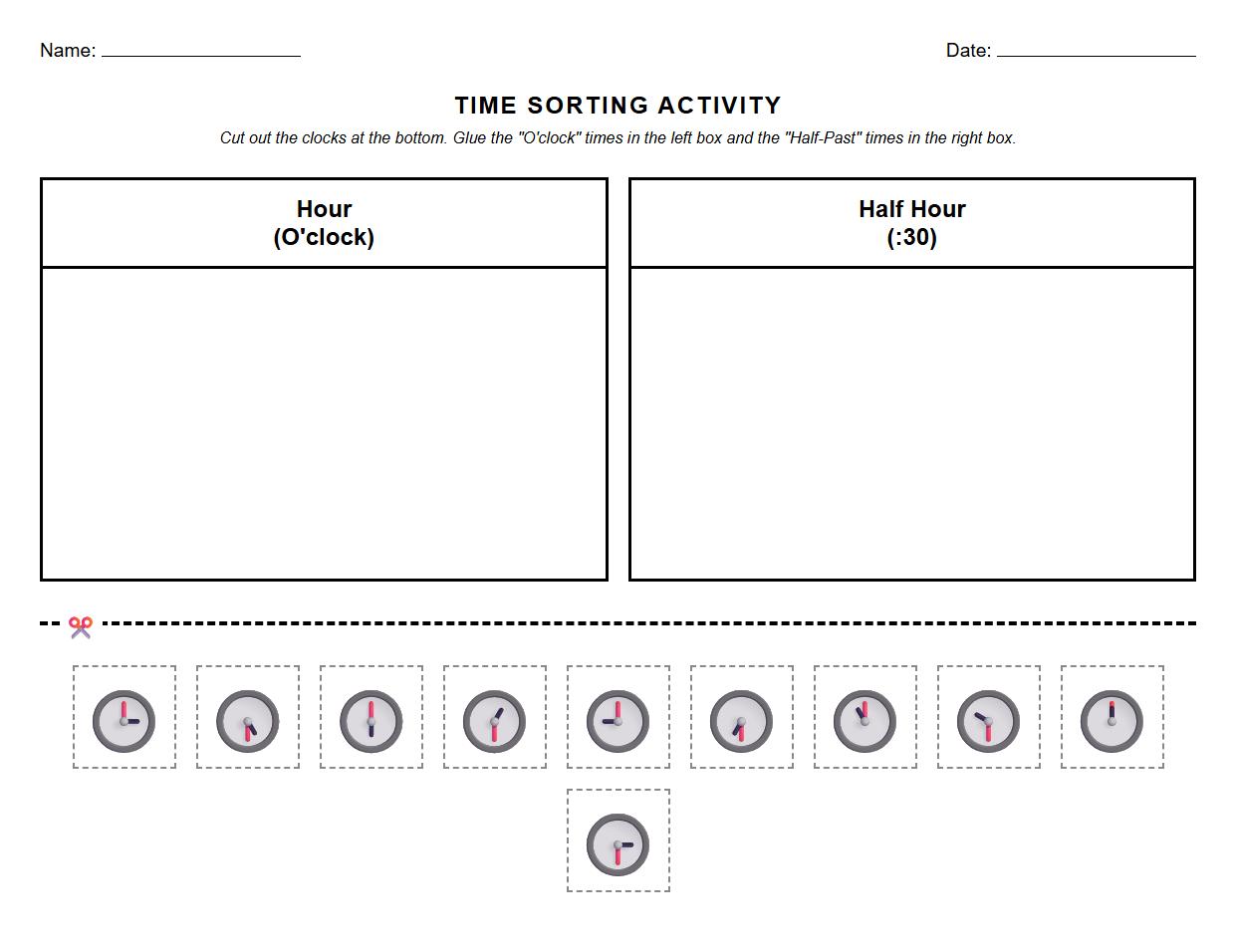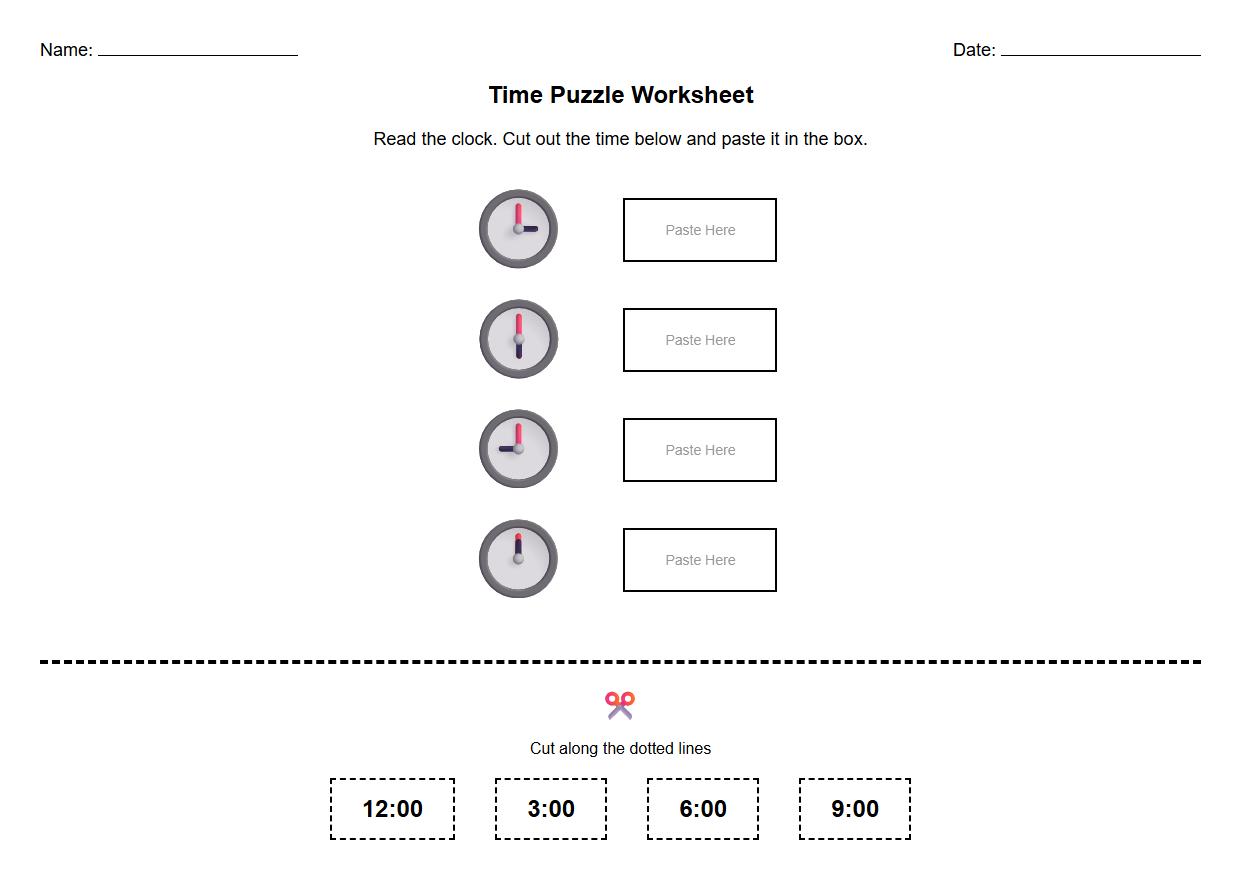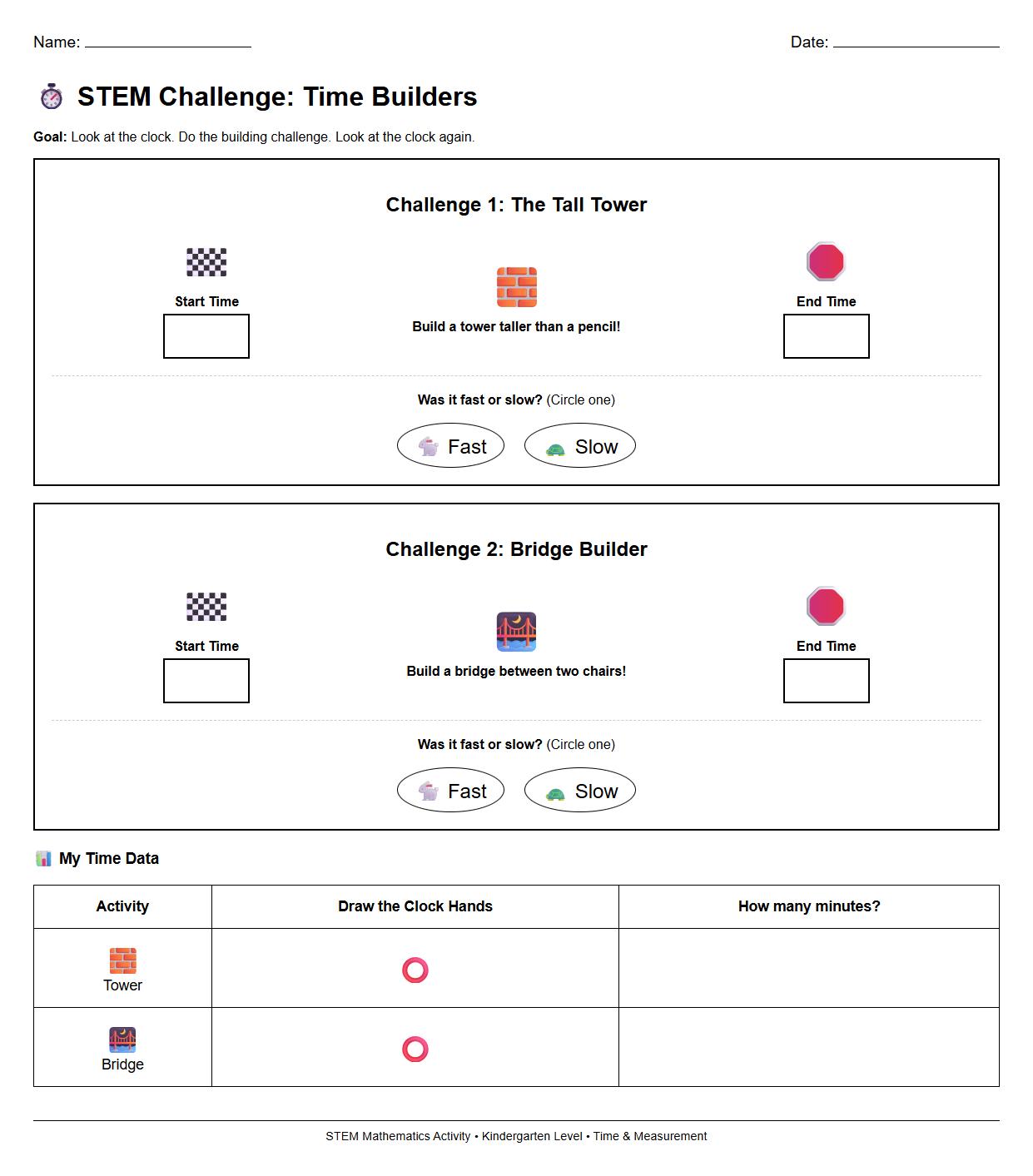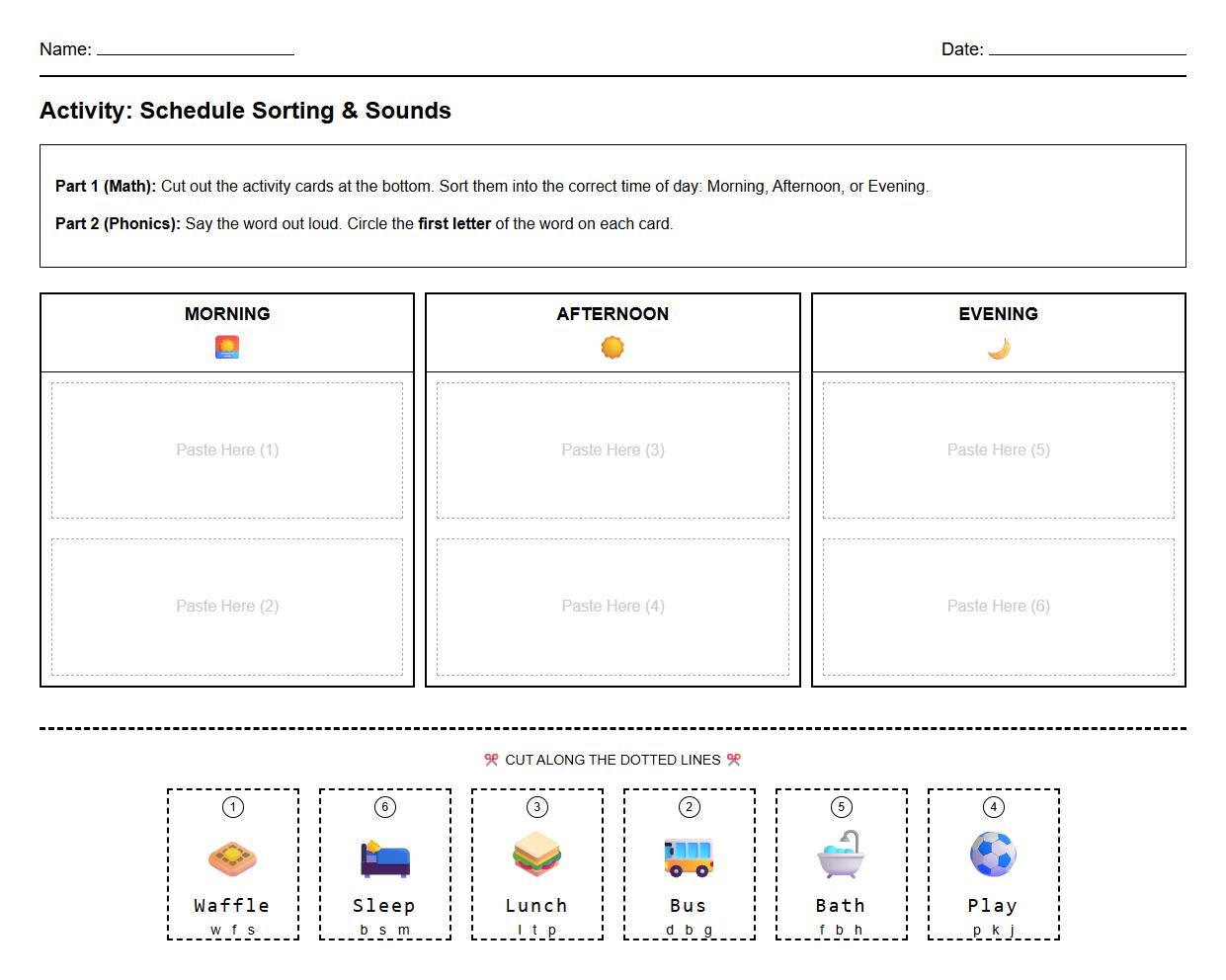
Kindergarten STEM worksheets for telling time by the hour and half hour engage young learners with hands-on activities that build essential time-reading skills. These worksheets combine fun exercises and practical scenarios to help children understand clock faces and improve their ability to tell time accurately. Explore the variety of worksheets available to support your child's STEM learning journey.
Purpose of Using Telling Time Worksheets in Kindergarten STEM Activities
Telling time worksheets help young learners build essential math skills by integrating time concepts into STEM activities. They promote critical thinking and problem-solving by encouraging students to read and interpret clock faces. These worksheets serve as a foundation for more complex scientific and engineering tasks involving time measurement. Overall, they support the development of logical reasoning in a practical context.
Benefits of Learning to Tell Time by the Hour and Half Hour
Kindergarteners gain time management skills by learning to tell time by the hour and half hour. This knowledge enhances their ability to sequence daily activities and understand schedules. Recognizing time intervals also supports their numerical and spatial reasoning. Early mastery boosts confidence in handling time-related tasks throughout their education.
Hands-On Activities Supporting STEM Concepts in Telling Time Practice
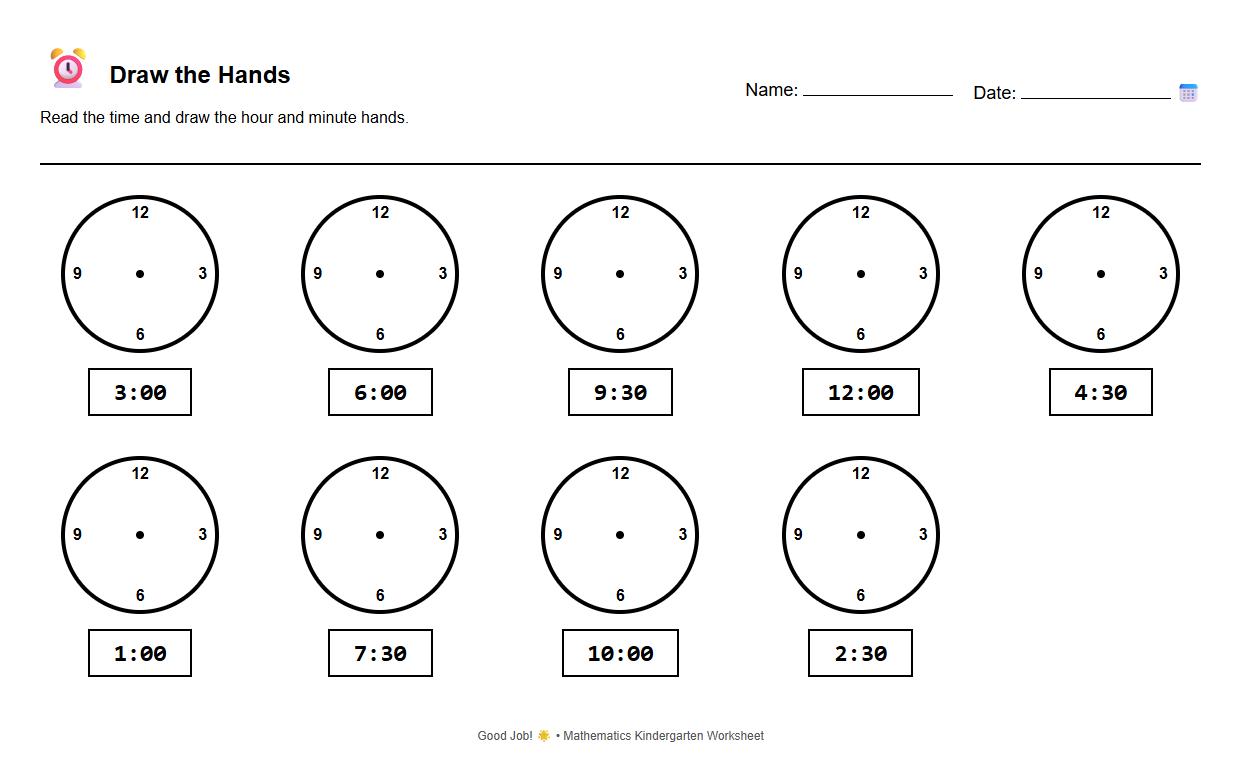
Using manipulatives like clock models allows children to physically move clock hands, reinforcing time concepts through tactile learning. Activities like building simple timers or sorting daily routines by time integrate STEM and time skills. Group projects involving measuring time for experiments foster collaboration and real-world application. These interactive tasks deepen understanding and engagement in STEM subjects.
Effective Worksheet Formats for Teaching Time to Young Learners
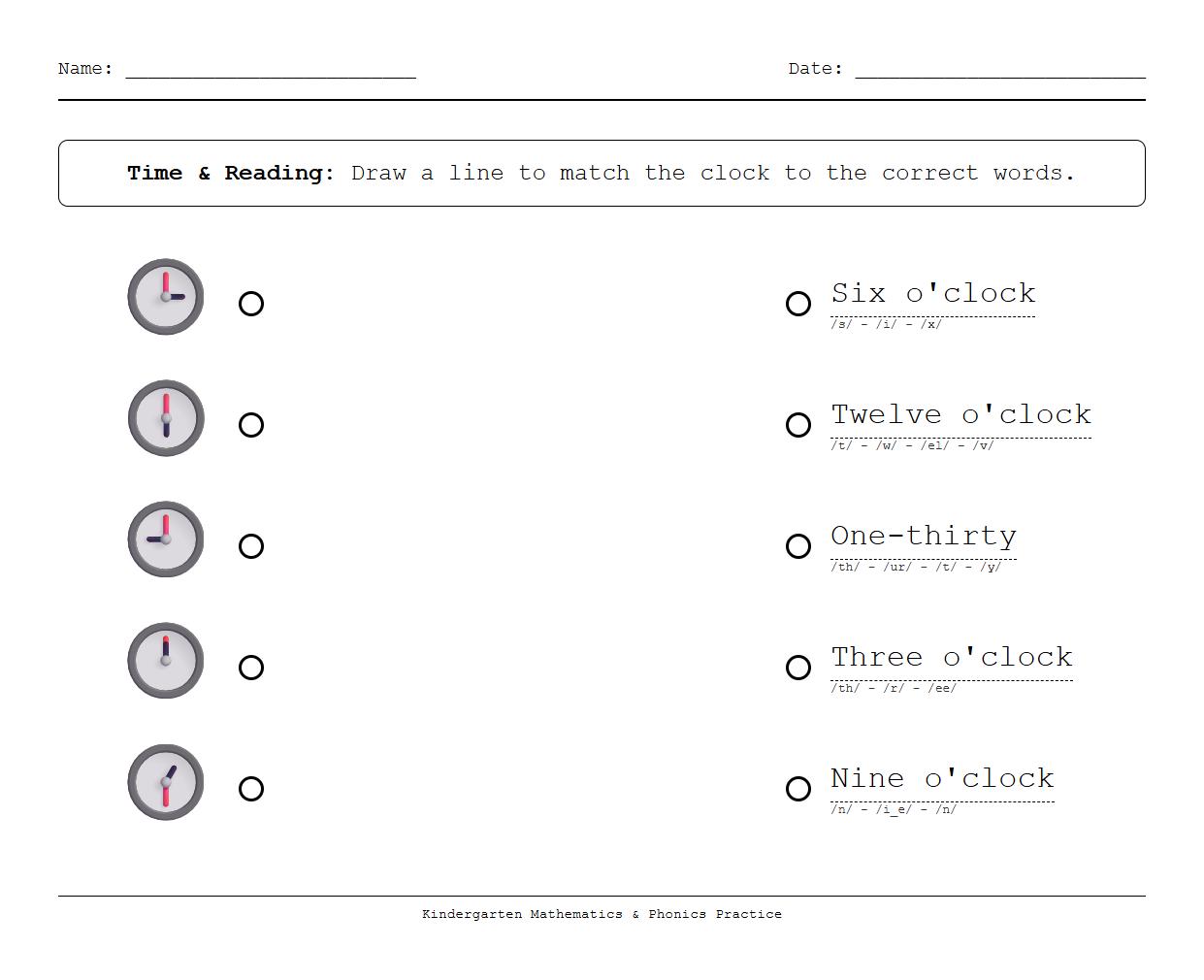
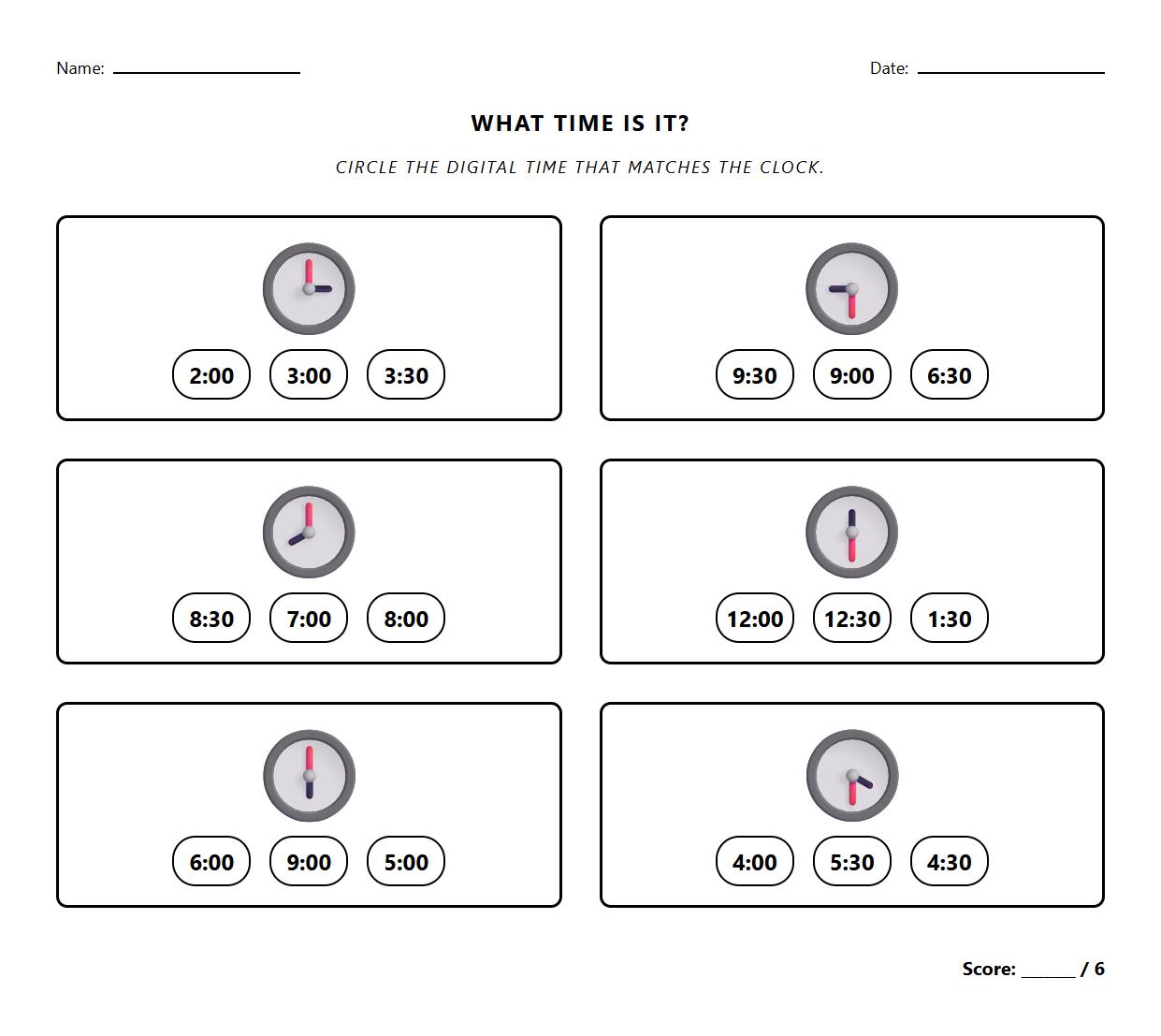
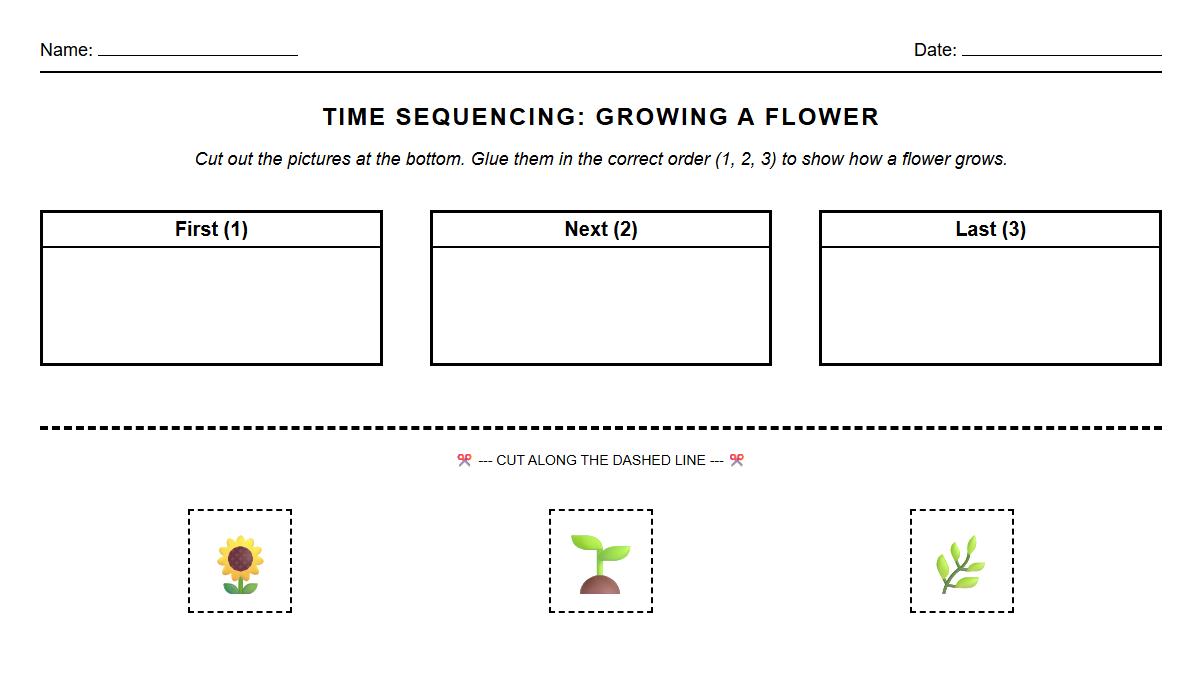
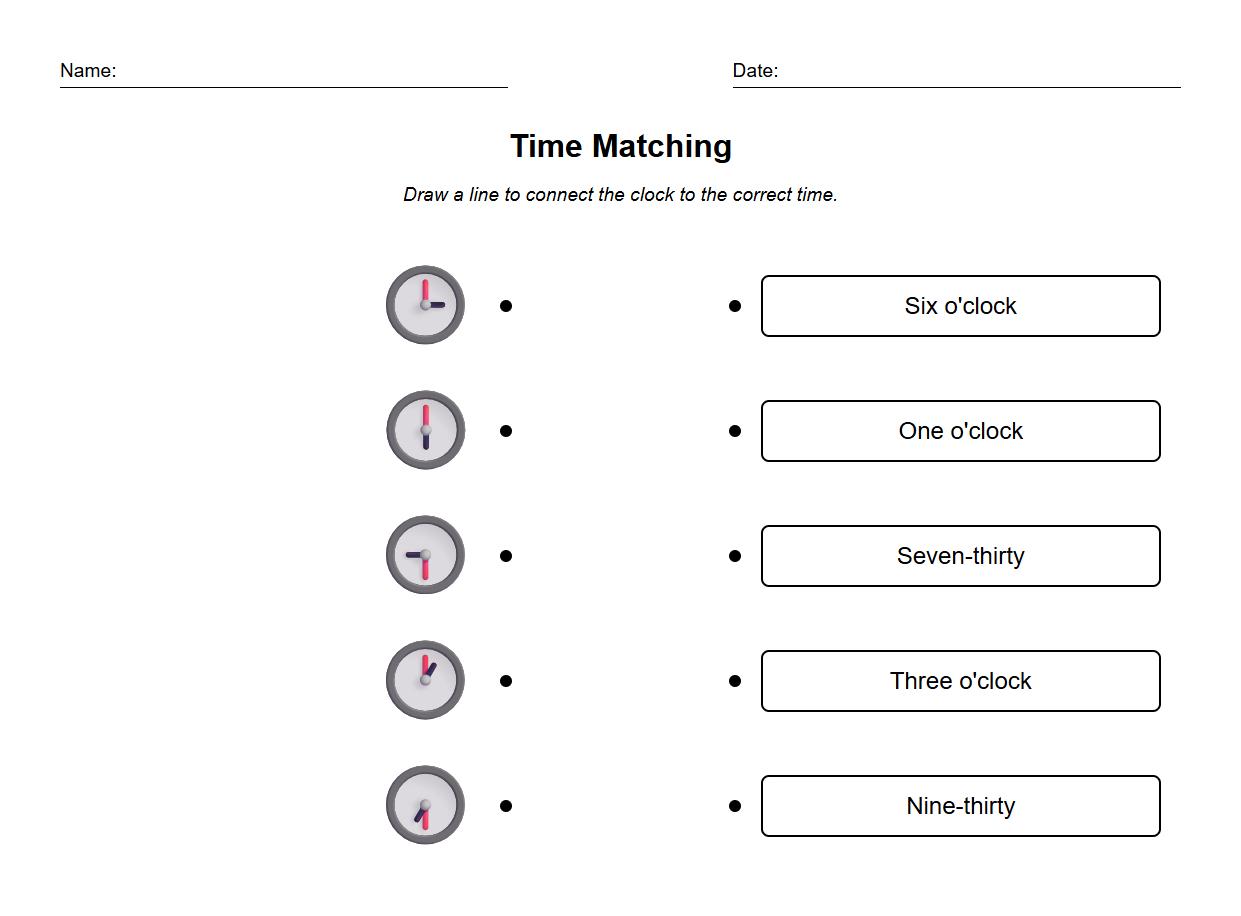
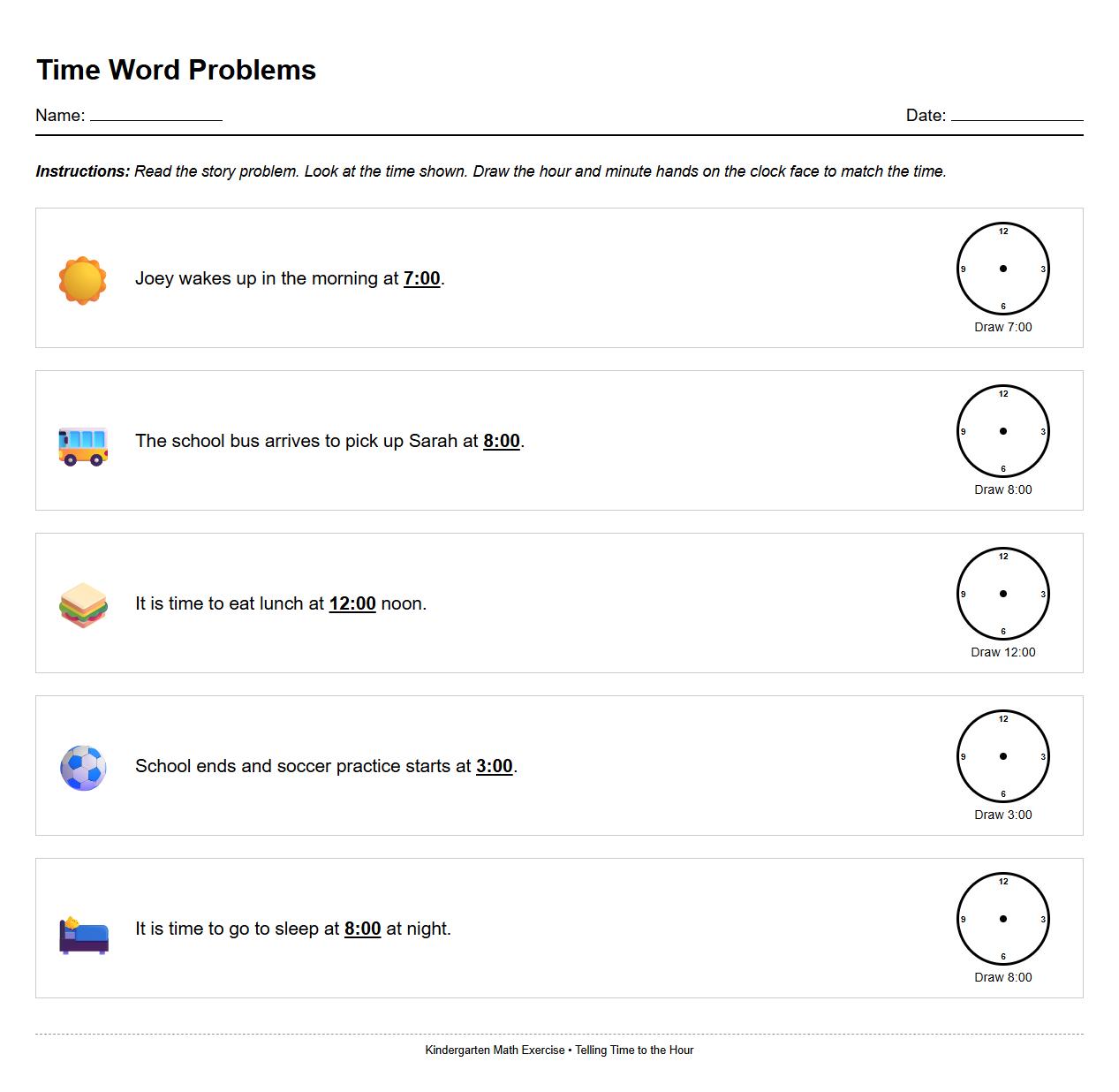
Worksheets featuring colorful clock faces, fill-in-the-blank exercises, and matching games cater well to kindergarteners. Clear visuals and step-by-step instructions help simplify concepts of hours and half-hours. Cut-and-paste activities encourage fine motor skills while reinforcing time recognition. Consistent formatting supports routine learning and retention.
Integrating Math and Science Themes into Telling Time Lessons
Teachers can link time lessons to daily observation of natural phenomena such as sunrise and sunset. Incorporating measurement of time intervals in simple experiments strengthens math-science connections. Using time to track growth or motion introduces data collection and analysis. These approaches enrich STEM understanding through practical time applications.
Visual Aids Helping Kindergarten Students Understand Clocks and Time
Large analog clocks with movable hands are essential tools for visualizing time increments. Color-coded hour and minute hands help distinguish between segments. Interactive posters and digital clock animations support multi-sensory learning. Visual timers and charts displaying daily schedules further clarify abstract concepts.
Introducing Digital and Analog Clocks Through STEM Worksheets
Worksheets can compare analog clock faces with digital time displays to highlight differences and similarities. STEM tasks involving programming simple digital timers introduce technology basics. Matching exercises between clock types reinforce recognition and understanding. Combining formats prepares students for diverse time-telling scenarios.
Challenges Children Face When Learning to Tell Time by the Hour and Half Hour
Some students struggle with the concept of minute increments and the dual function of clock hands. Distinguishing between hour and minute hands can be confusing initially. Abstractness of time units requires repeated practice for internalization. Visual and hands-on supports are crucial to overcoming these hurdles.
Adapting Worksheet Questions for Different Learning Styles
Incorporating visual, auditory, and kinesthetic elements ensures worksheets meet varied needs. Use picture clues and spoken instructions for auditory learners. Hands-on clock manipulation benefits kinesthetic learners. Providing multiple formats and adjustable difficulty fosters inclusive learning environments.
Assessment Methods to Evaluate Time Telling Skills in Kindergarten
Teachers can use informal observation and timed activities to assess understanding during lessons. Worksheets combined with one-on-one questioning allow personalized feedback. Performance tasks like setting a clock to a given time measure applied skills. Regular, varied assessments track progress and guide instruction effectively.


Telling Time Assessment Worksheets for Kindergarten Covering Hour and Half Hour