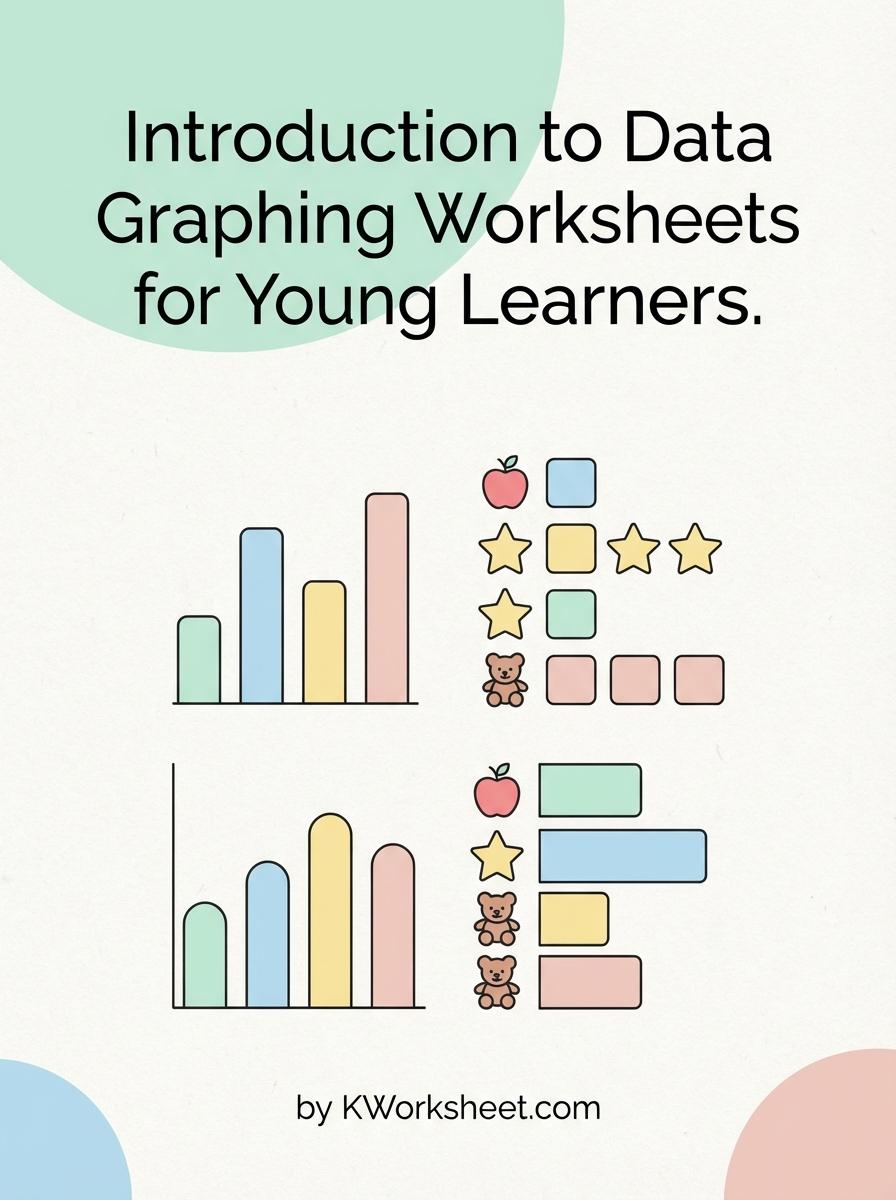
Data graphing worksheets help young learners develop essential skills in organizing and interpreting information visually through charts and graphs. These activities support early math comprehension and encourage critical thinking by allowing children to compare data sets and recognize patterns. Explore our collection of engaging worksheets designed to make data graphing approachable and fun for kids.
What Does a Graph Help Us Show in a Simple Way?
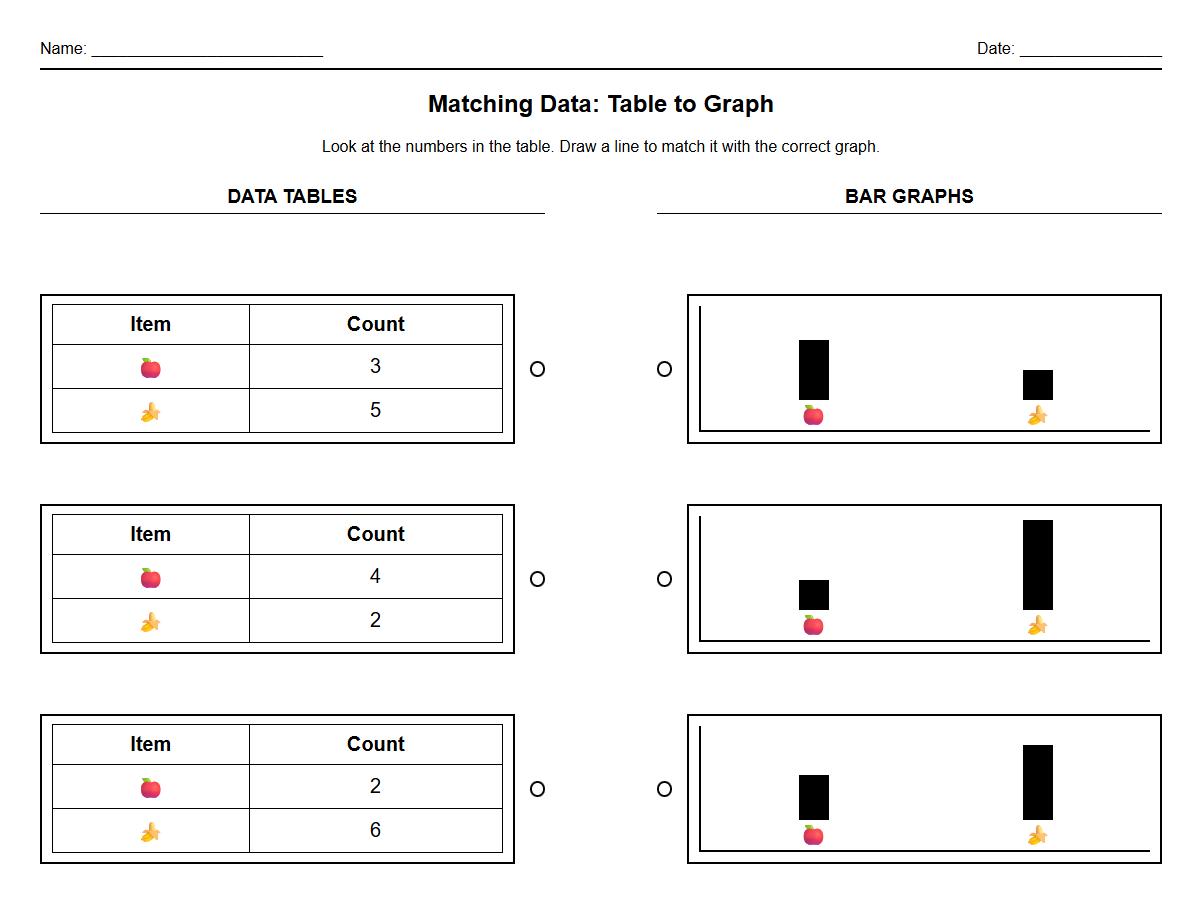
A graph helps us show information clearly using pictures or bars. It makes it easy to see how many or how much we have of different things. Graphs turn numbers into pictures so children can understand data quickly. This visual tool supports young learners in grasping basic math concepts.
How Can We Use Colors to Organize Information in a Bar Graph?
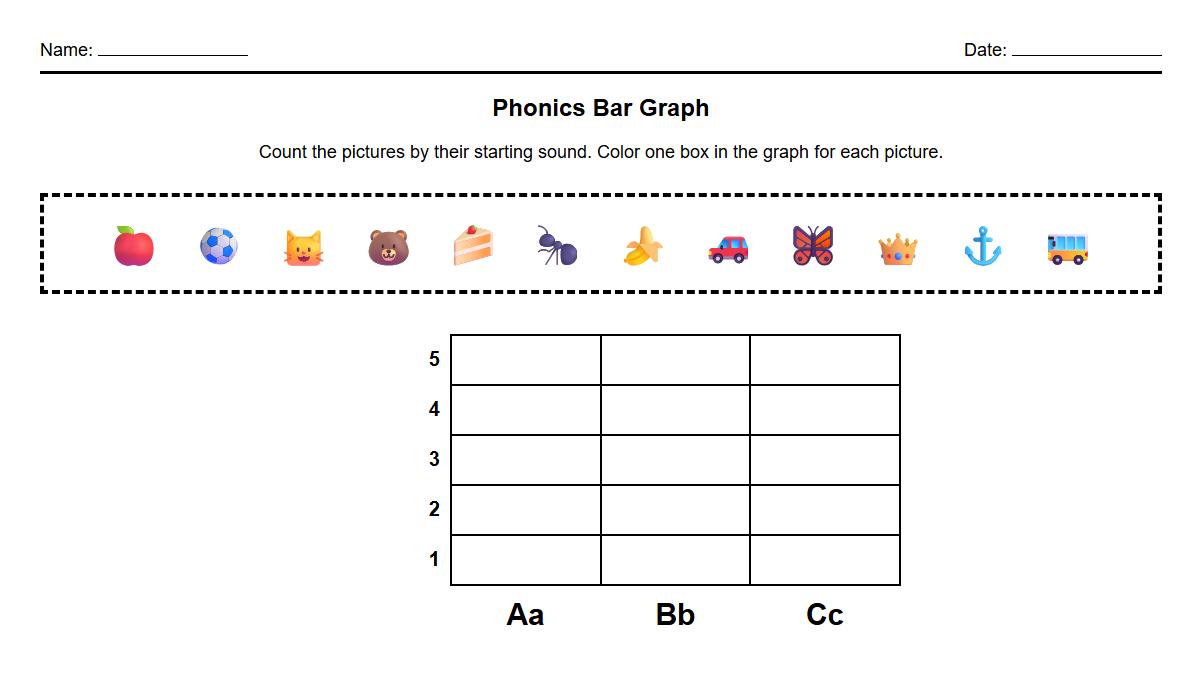
Using different colors for each bar in a bar graph helps to separate and group information visually. Colors make it easier for children to identify and compare categories. This method improves focus and enhances recognition of patterns. It also makes the graph more engaging for young learners.
What Is the First Step to Making a Picture Graph?
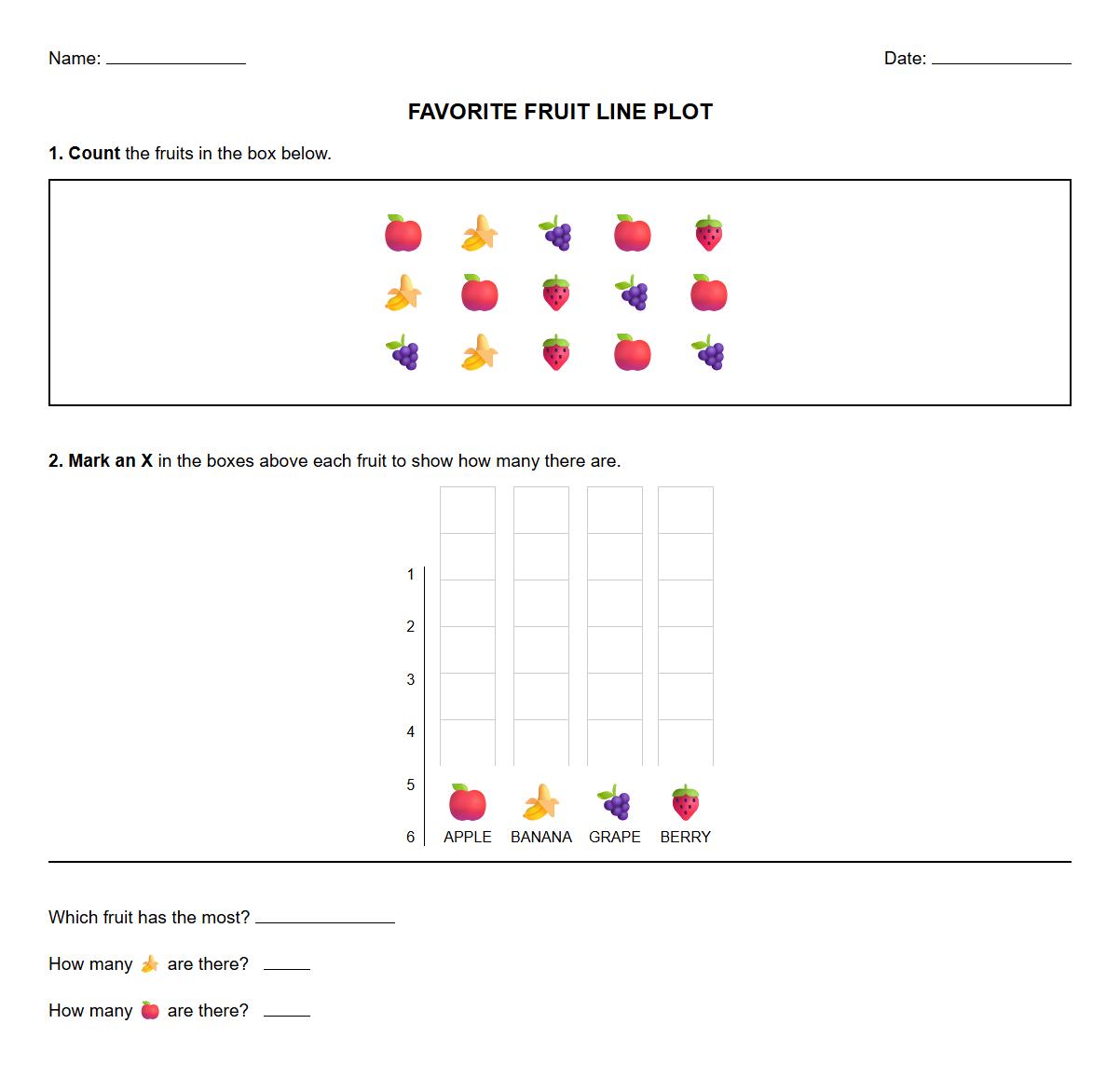
The first step in making a picture graph is to choose what you want to count or compare. Next, select pictures or symbols that will represent each item. This helps children connect the visual data with real objects and concepts. Starting with clear objectives ensures an effective graph.
How Do We Count Items to Add Data to Our Graph?
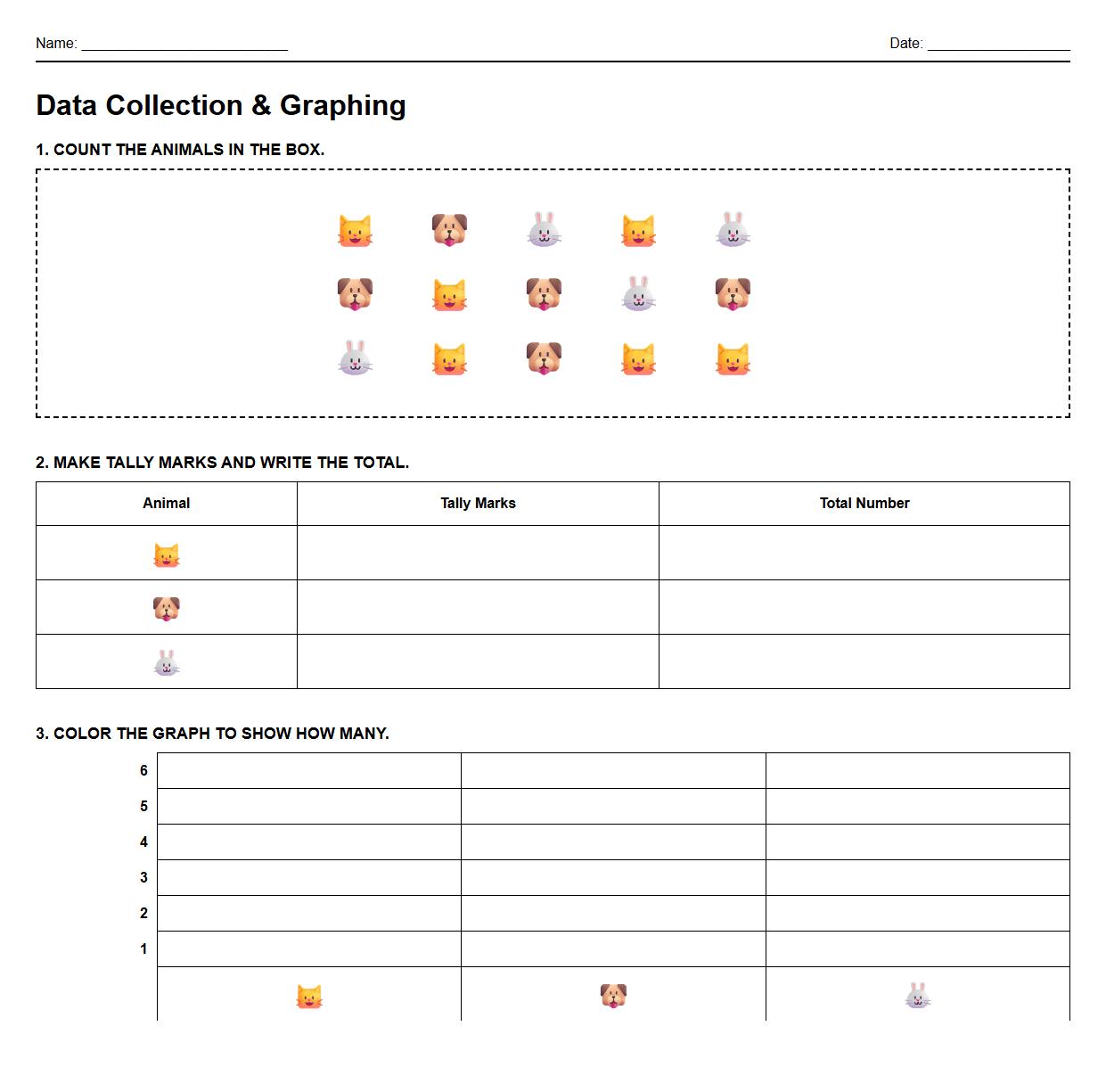
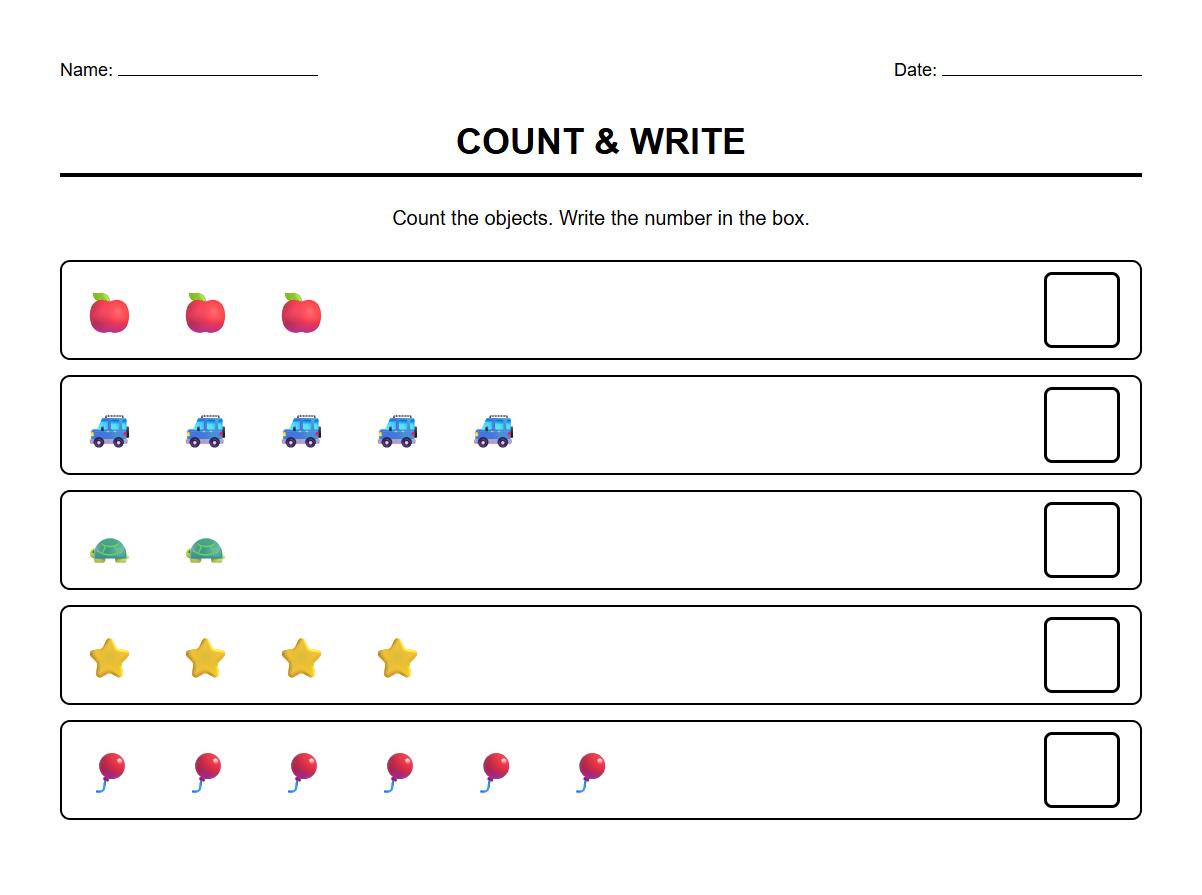
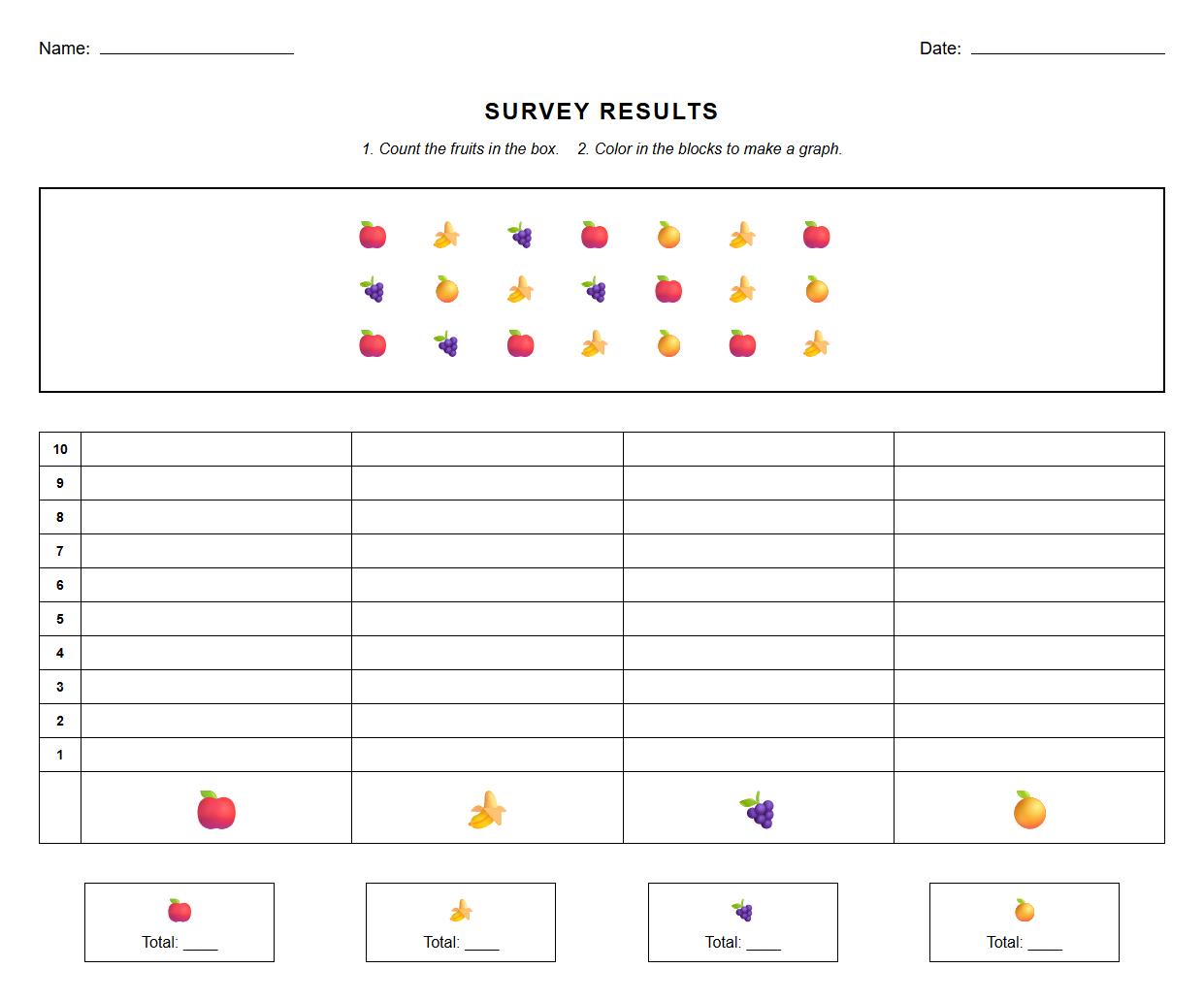
We count each item carefully and record the number to add to the graph. Counting accurately ensures the graph shows true data. Items can be counted by touching or pointing to each one. Teachers may guide children to tally and check their counts.
What Can We Learn by Looking at Which Bar Is Tallest?
The tallest bar on a graph shows the item with the greatest quantity. This visual cue helps children understand which category is most common or popular. Comparing bar heights quickly reveals important information. It encourages observational skills and data interpretation.
Why Do We Use Pictures or Symbols in Some Graphs?
Pictures or symbols make graphs easier for young children to understand. They connect abstract numbers to real-world items. Using these visuals supports early literacy and math skills by making data relatable and fun. Symbols also aid memory and recognition.
What Kinds of Things Can We Sort and Graph in Class?
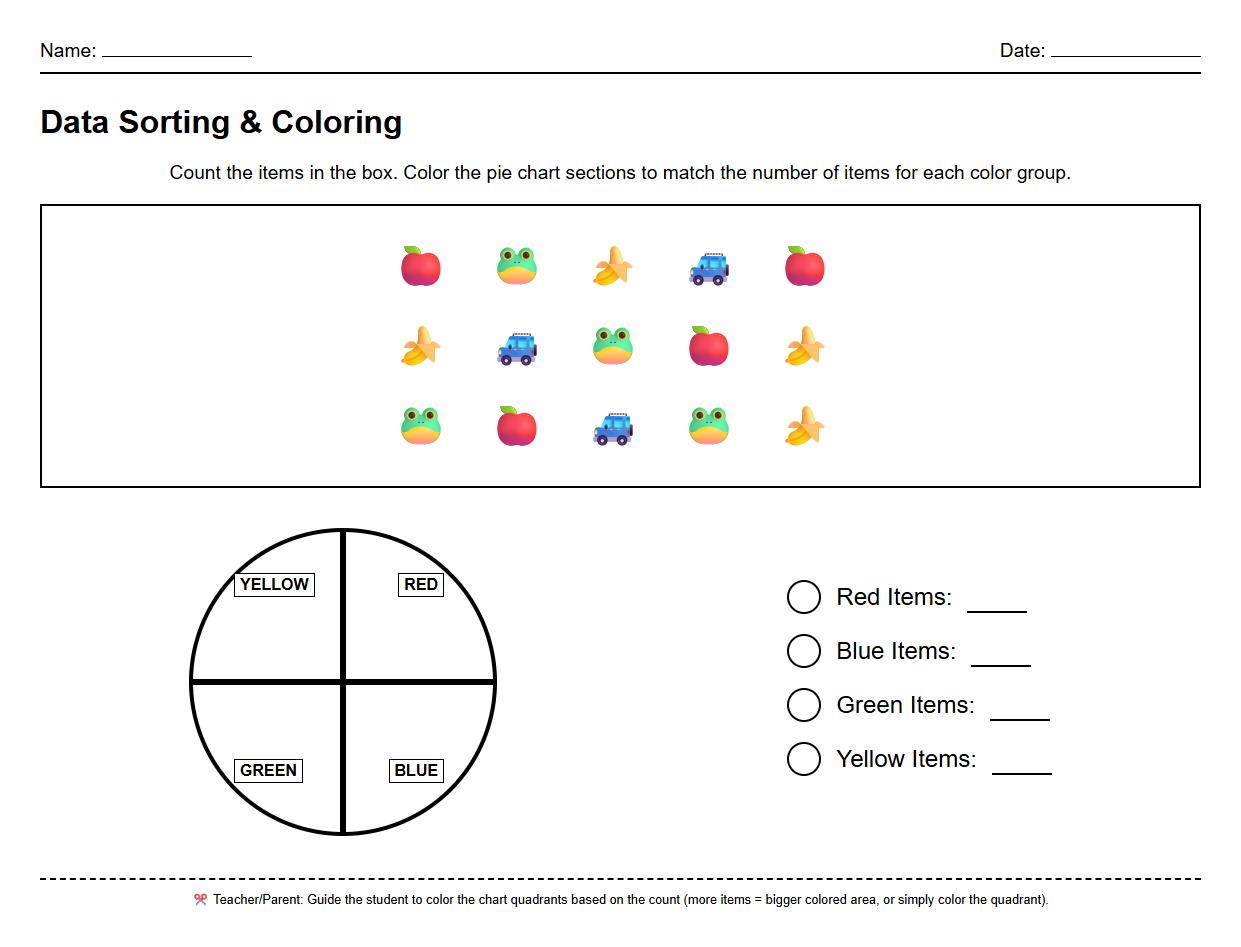
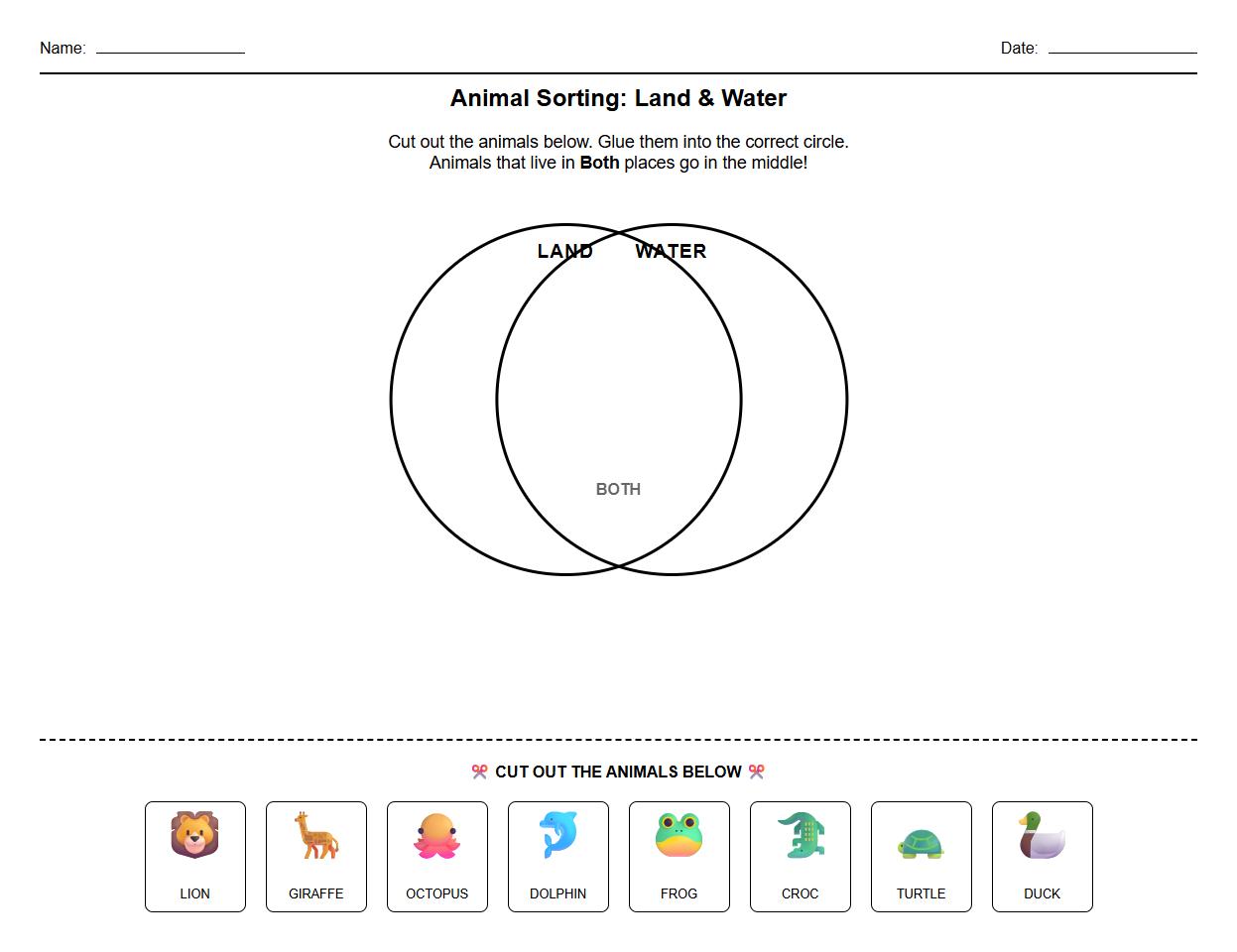
We can sort and graph items like colors, shapes, toys, or types of fruits. These familiar categories engage children and make learning enjoyable. Sorting and graphing help develop categorization and comparison skills. Everyday classroom objects are perfect for data collection activities.
How Do We Compare Two Parts of a Graph?
To compare two parts of a graph, look at the height or length of their bars or number of pictures. This reveals which part is larger or smaller. Comparing helps children understand differences and relationships in data. It encourages critical thinking and discussion.
What Do We Call the Labels at the Bottom of a Bar Graph?
The labels at the bottom are called categories or the x-axis labels. They describe what each bar represents. Clear labels are essential so children can identify data groups easily. Accurate labeling makes graphs more informative and user-friendly.
How Can You Tell What Is Most or Least on a Graph?
You can tell what is most by finding the tallest or longest bar and what is least by finding the shortest or smallest bar. This visual difference shows which items appear most or least often. Recognizing extremes helps children summarize data quickly. It also builds skills in data analysis.


Kindergarten Tally Mark Activities for Data Collection