Number Recognition and Tracing Worksheets for 0 to 20

📅 Jan 18, 2025 👤 Nylen Smith

Number Recognition and Tracing Worksheets for 0 to 20 focus on helping young learners identify and write numbers confidently. These worksheets combine visual cues with guided tracing activities to reinforce number formation and improve fine motor skills. Explore the available worksheets to support early math development effectively.

Sequential Number Tracing with Visual Cues
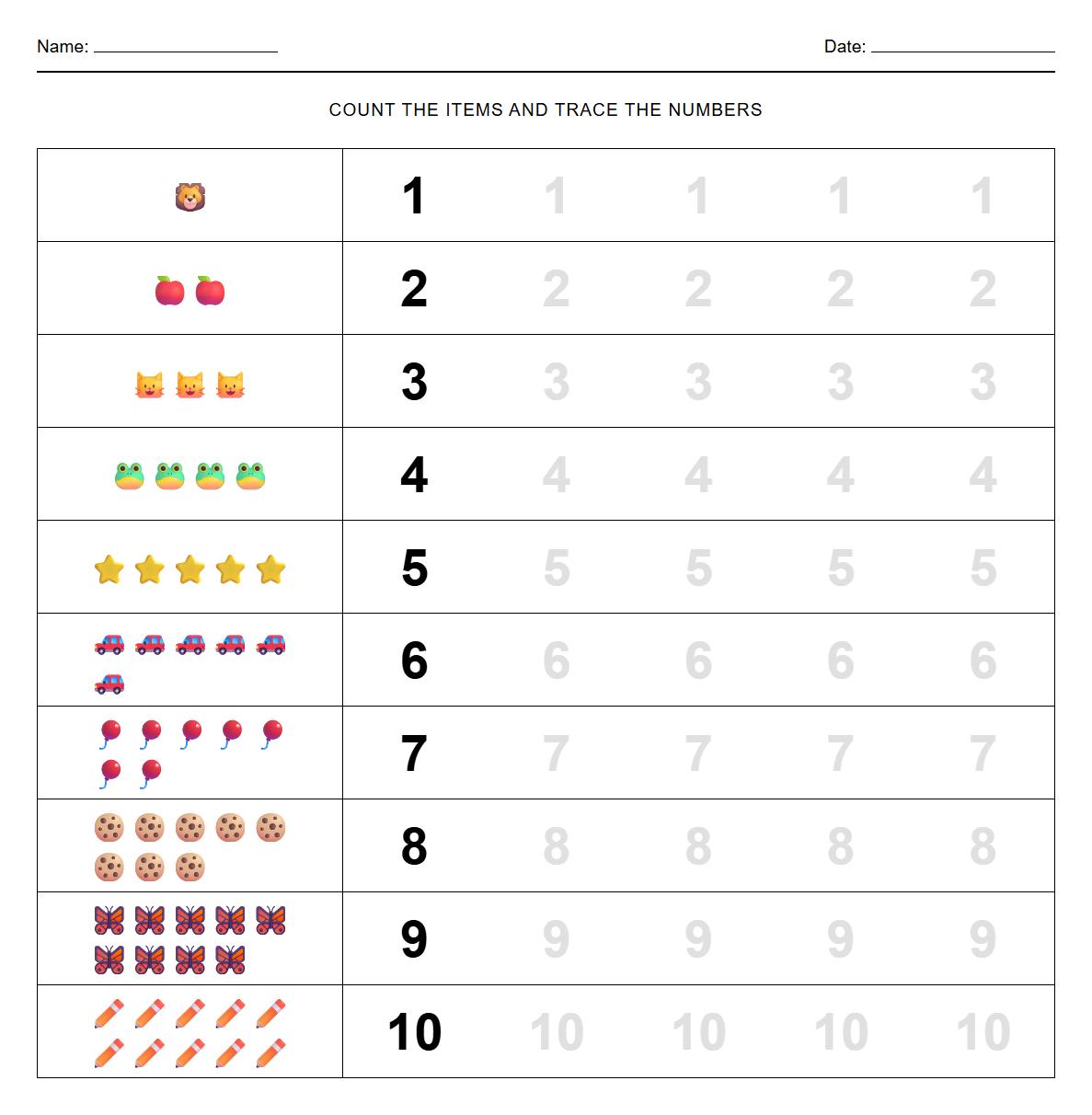
Sequential Number Tracing with Visual Cues

Download PDF     Pin it

Number Recognition Mazes for 0 to 20
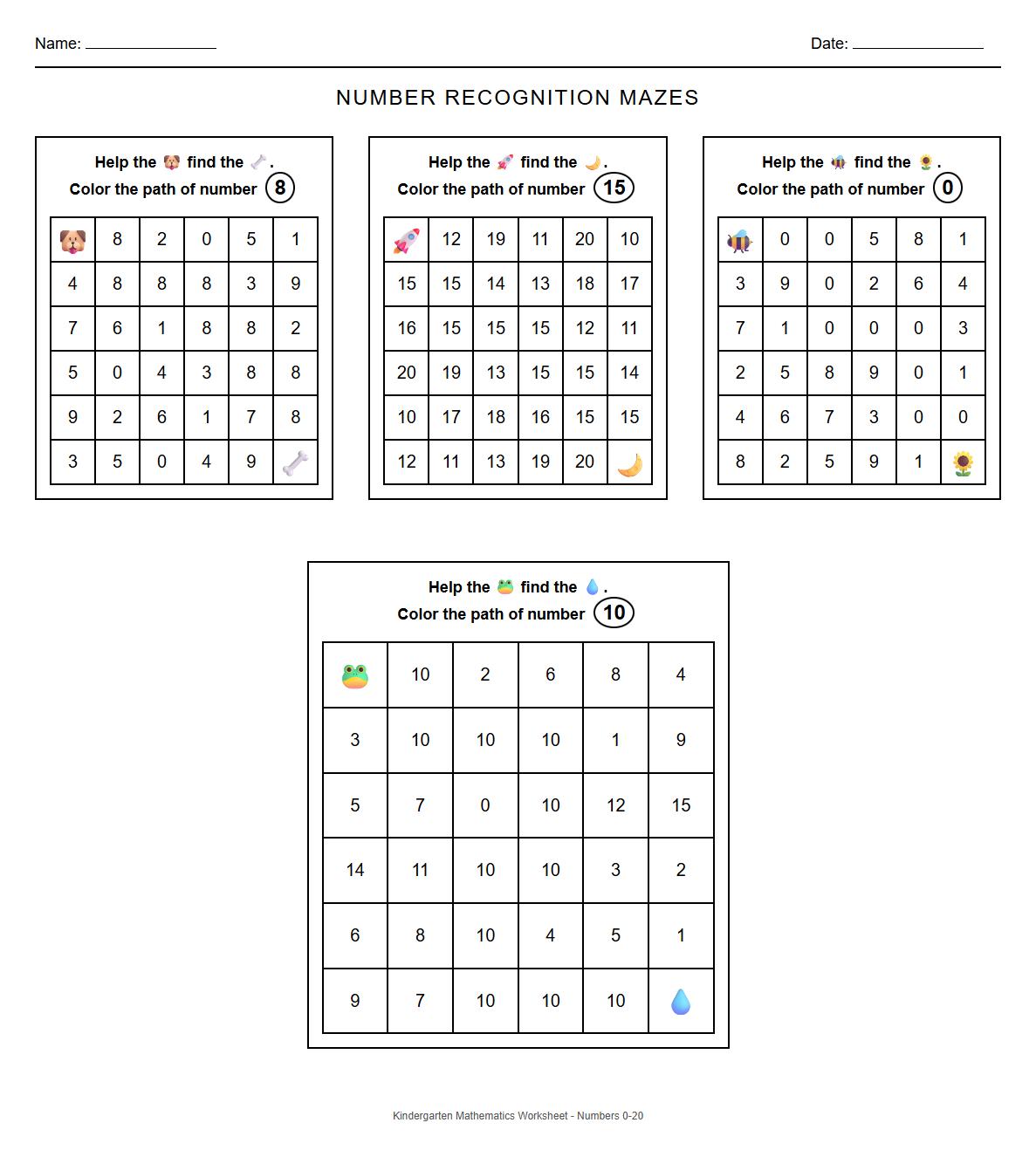
Number Recognition Mazes for 0 to 20

Download PDF     Pin it

Dot to Dot Number Formation Activities
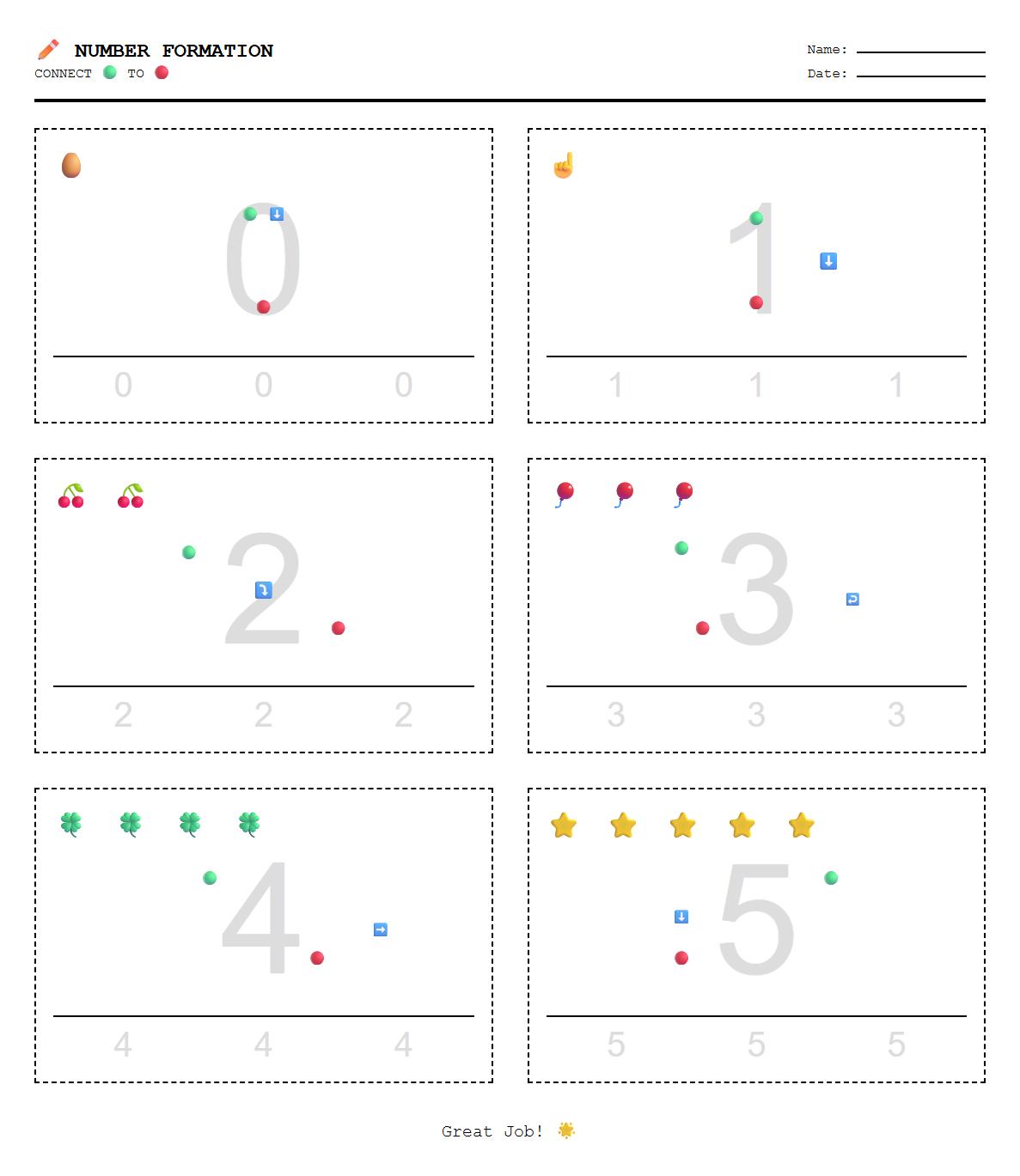
Dot to Dot Number Formation Activities

Download PDF     Pin it

Tens Frame Number Identification Exercises
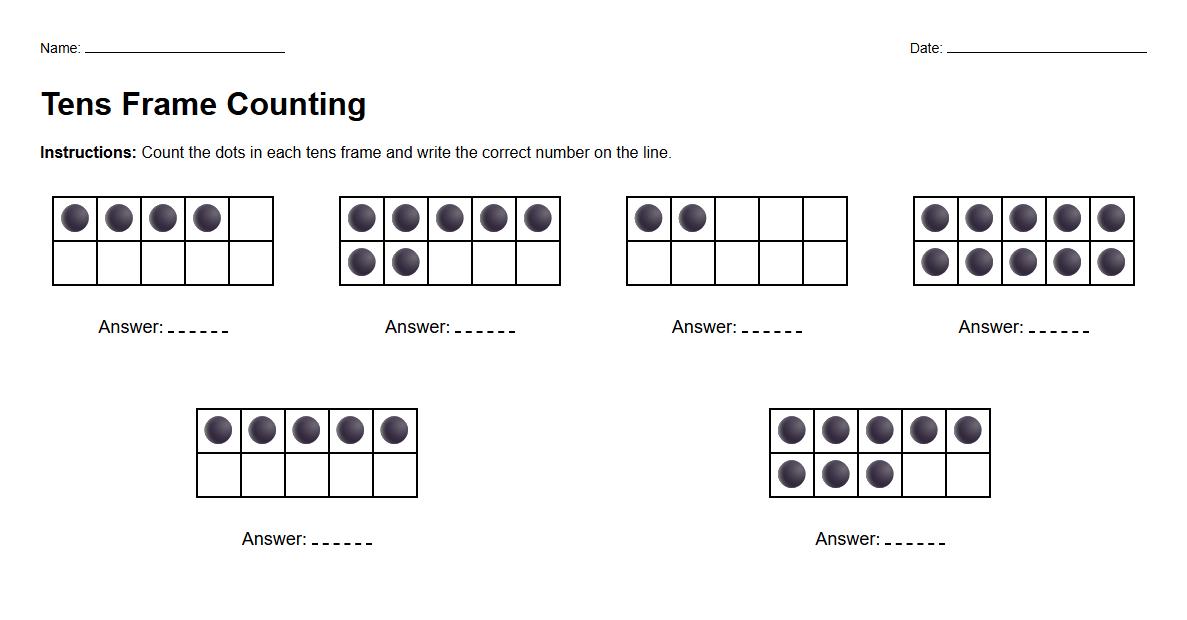
Tens Frame Number Identification Exercises

Download PDF     Pin it

Mixed Number Matching and Tracing Pages
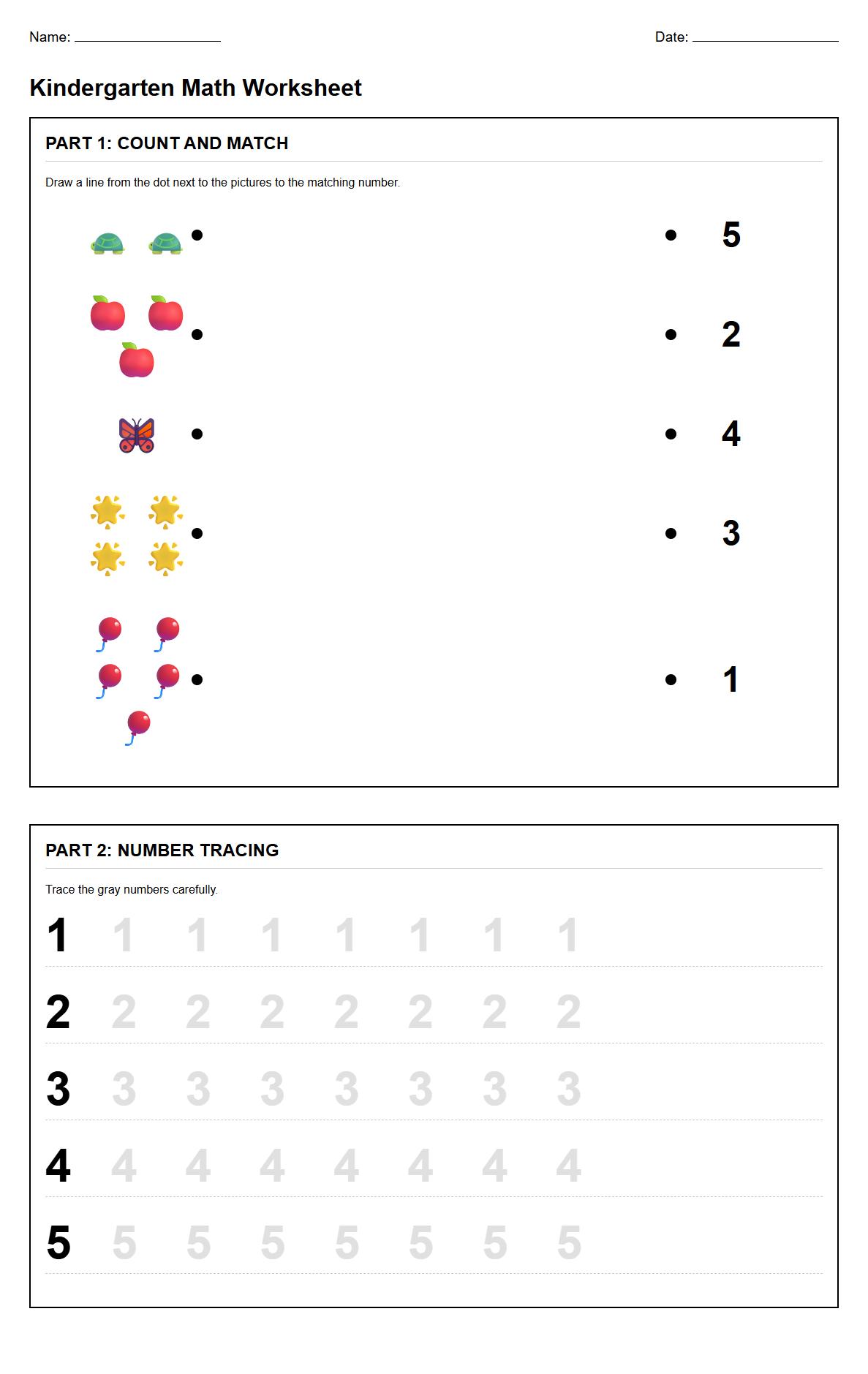
Mixed Number Matching and Tracing Pages

Download PDF     Pin it

Number Hunt and Trace with Manipulatives
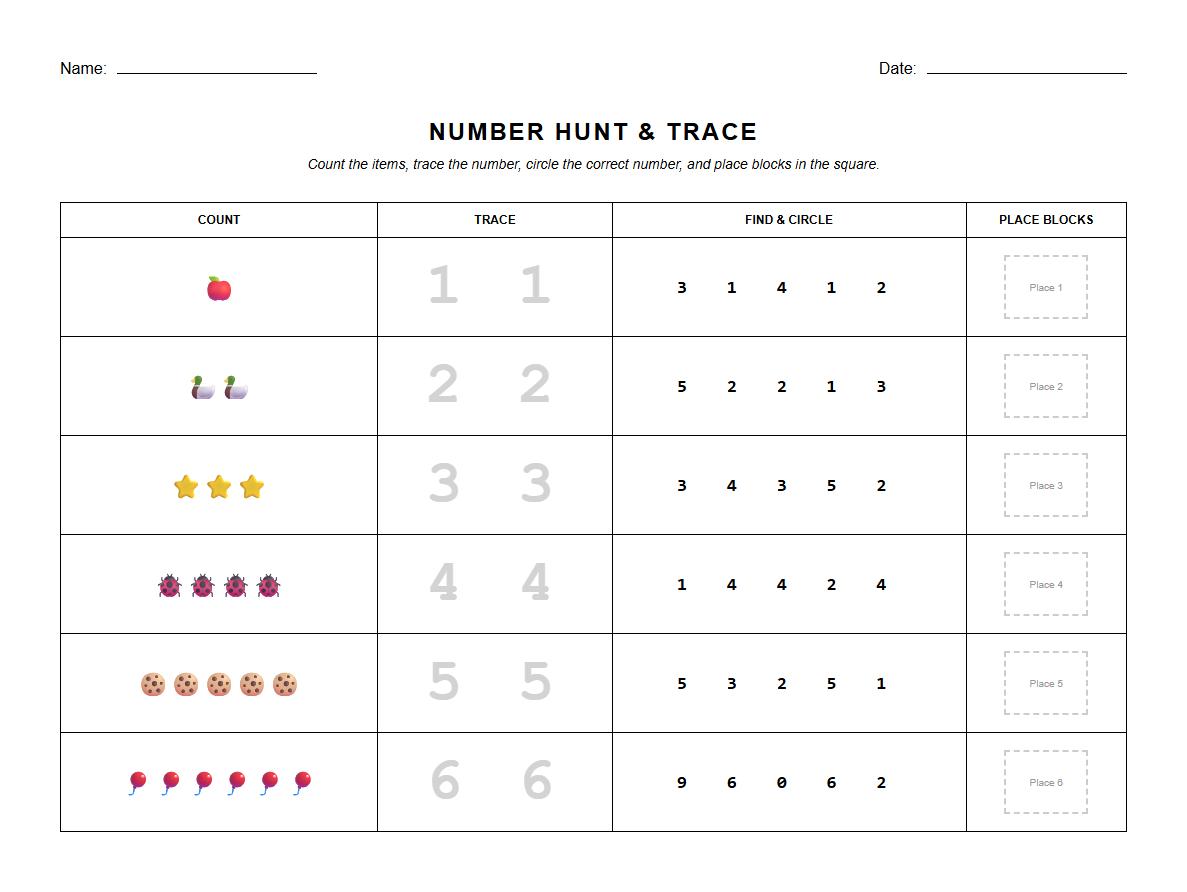
Number Hunt and Trace with Manipulatives

Download PDF     Pin it

Number Representation with Counting Objects
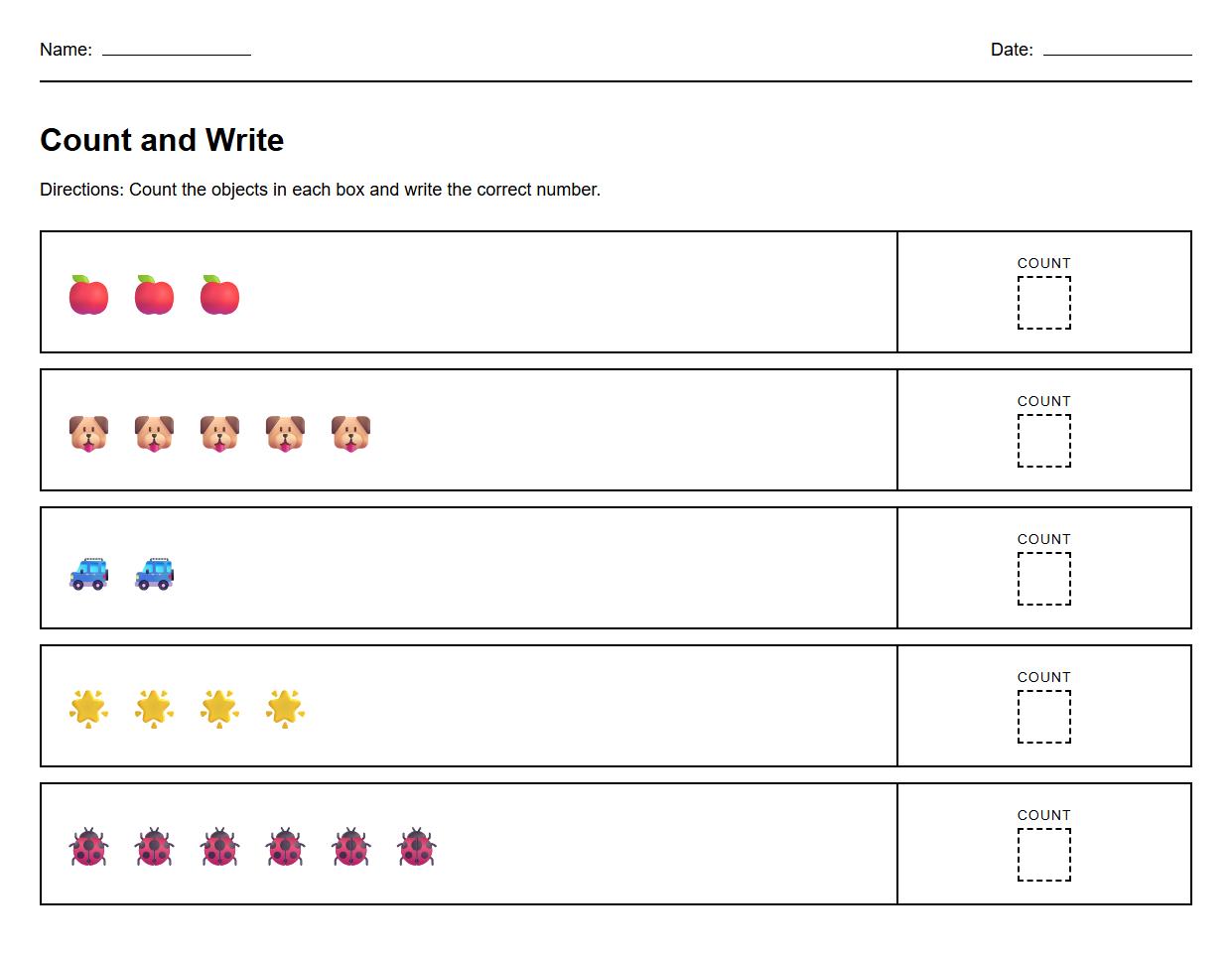
Number Representation with Counting Objects

Download PDF     Pin it

Visual Discrimination for Similar Digits
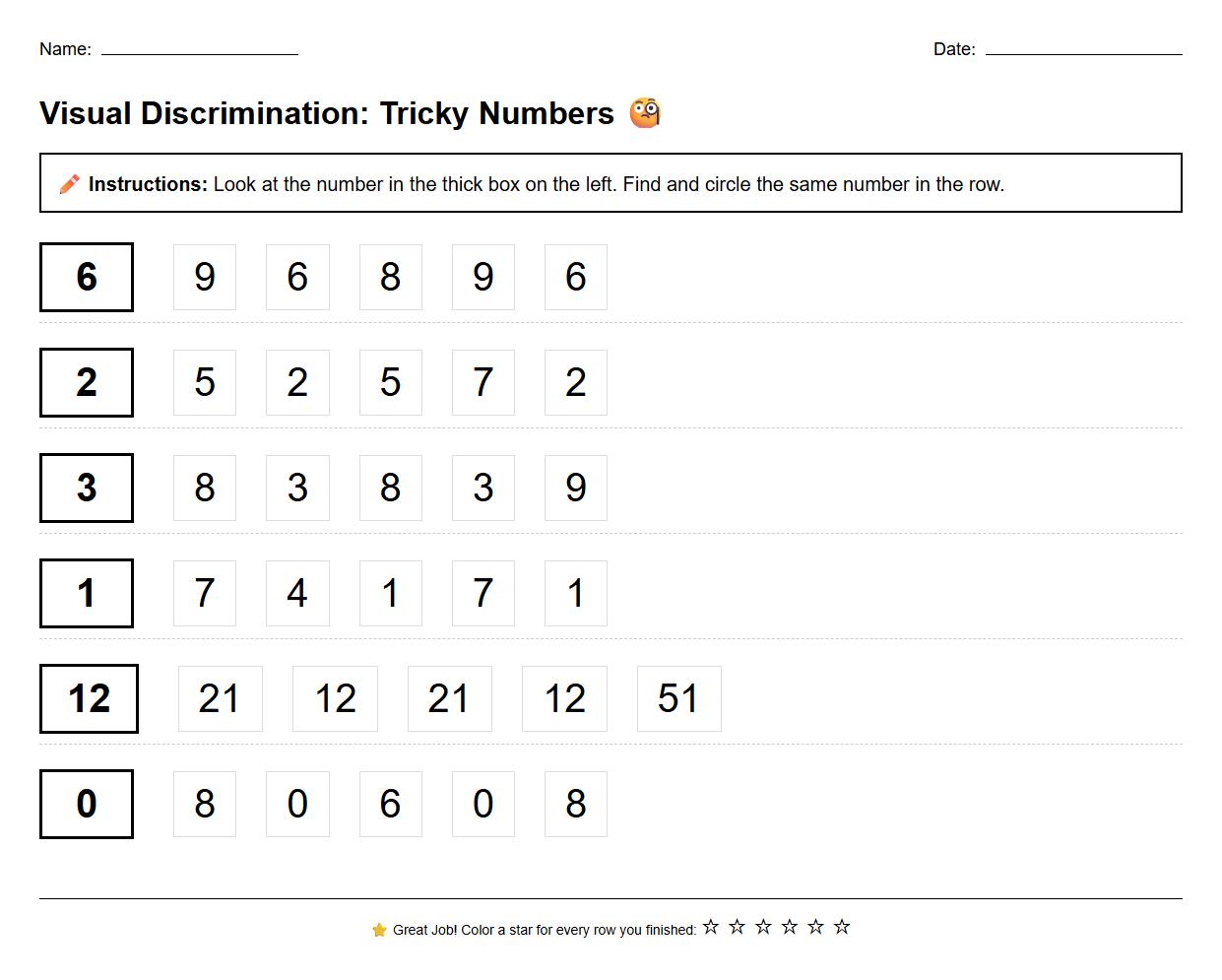
Visual Discrimination for Similar Digits

Download PDF     Pin it

Number Tracing with Fine Motor Skills Focus
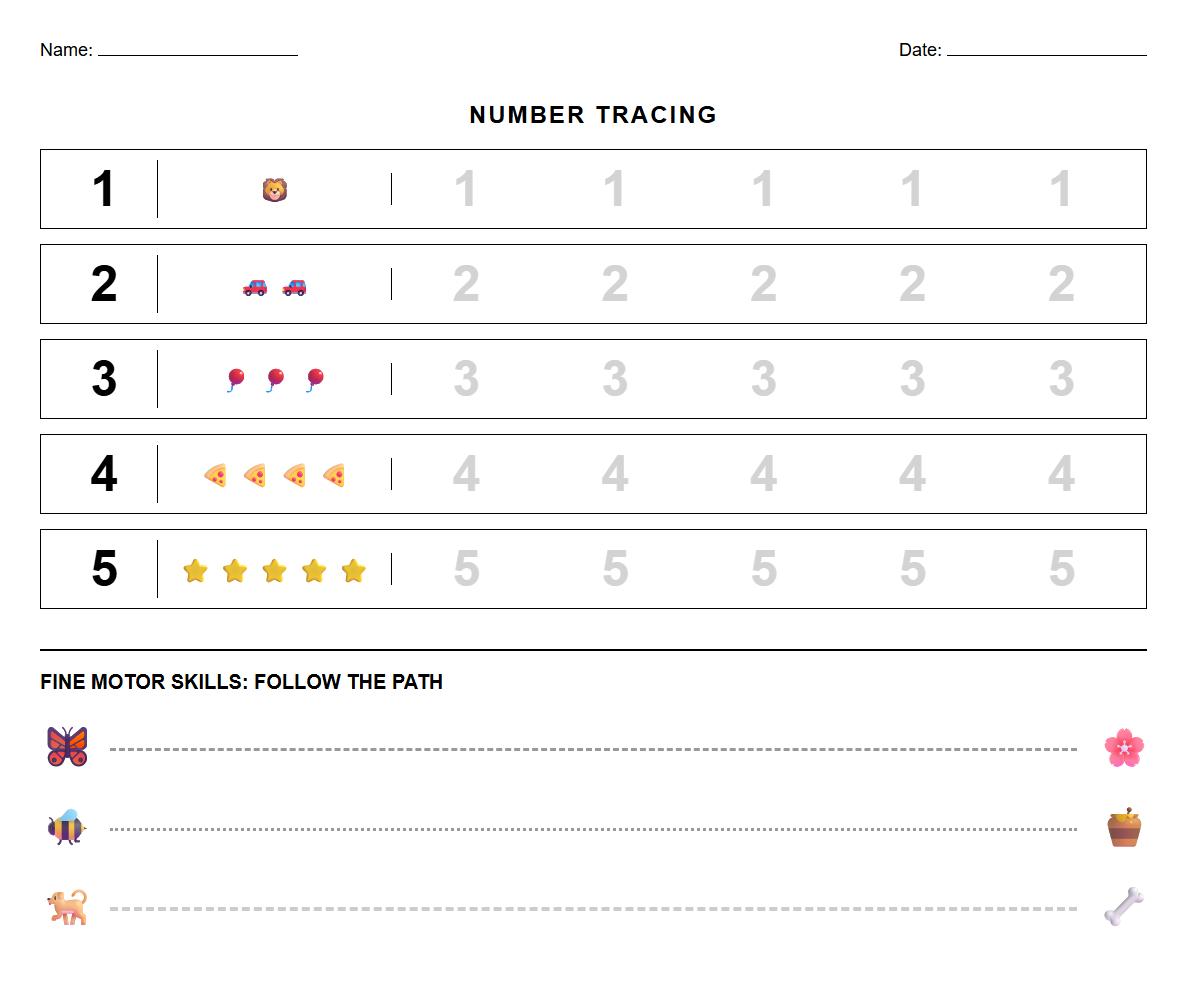
Number Tracing with Fine Motor Skills Focus

Download PDF     Pin it

Number to Quantity Correspondence Worksheets
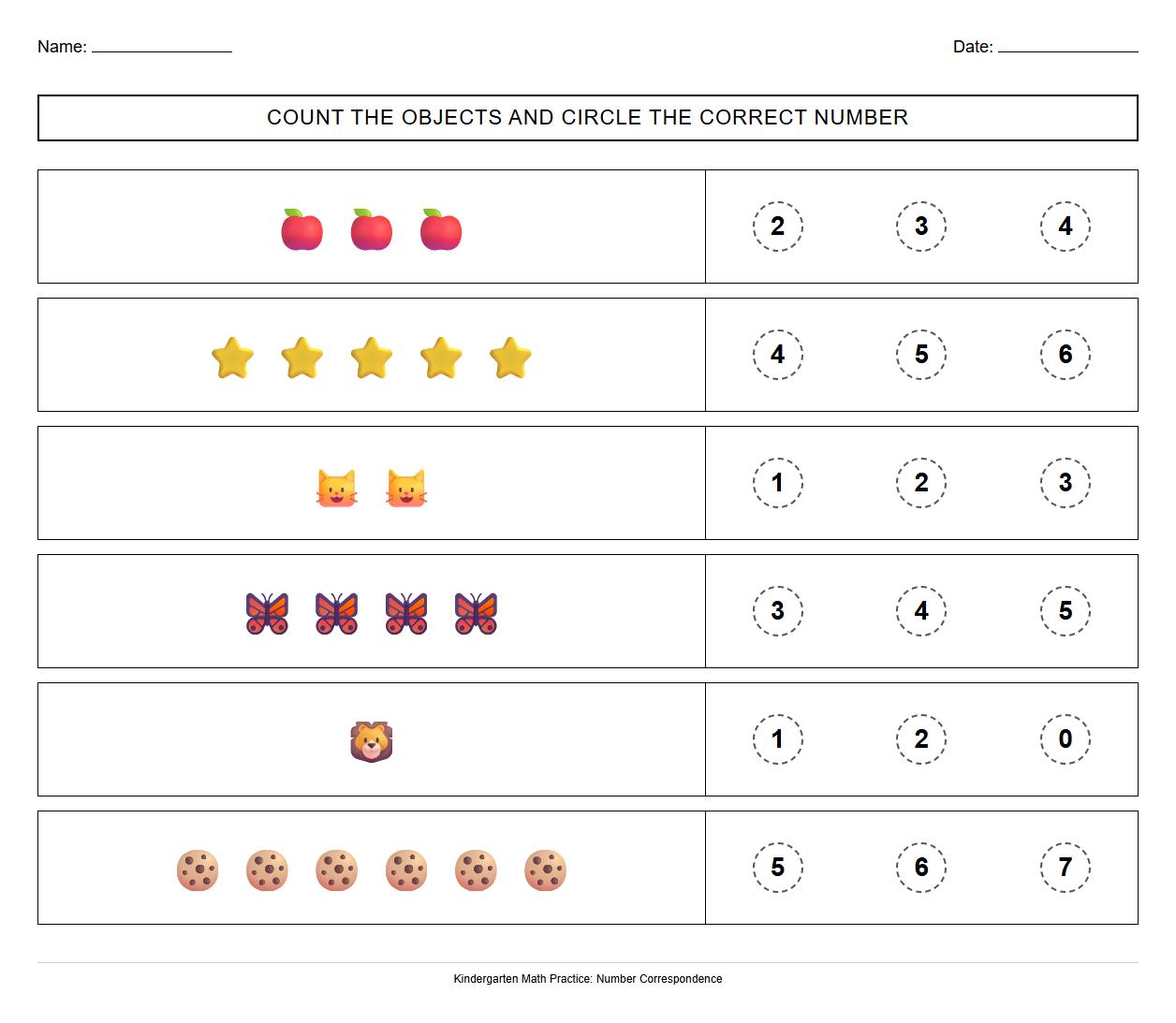
Number to Quantity Correspondence Worksheets

Download PDF     Pin it

Number Recognition and Tracing Worksheets: Identifying Numbers 0 to 20

Number recognition and tracing worksheets help children become familiar with numbers 0 to 20 by providing structured practice that strengthens memory and visual identification. These worksheets combine visual cues and repetitive tracing to reinforce number shapes. Repeated exposure to numbers encourages recognition and builds confidence. This foundation is crucial for early math skills like counting and simple addition.

Fine Motor Skills Developed Through Number Tracing

Tracing numbers enhances fine motor skills by improving hand-eye coordination and pencil control. Children practice precise finger and hand movements, leading to better grip and writing posture. These skills are essential not only for writing but also for tasks like buttoning and using scissors. Early control gained through tracing supports overall academic readiness.

Frequency of Practice for Effective Number Tracing

Consistent daily or bi-weekly practice is recommended for effective number tracing learning. Short, focused sessions of 10-15 minutes keep children engaged without overwhelming them. Regular repetition helps solidify recognition and muscle memory. Balanced practice ensures steady progress and skill retention.

Visual Cues in Worksheets for Kindergarteners

Helpful visual cues include dotted line numbers, directional arrows, and color coding on tracing worksheets. These cues guide children on correct stroke order and shape formation. Simple illustrations related to numbers (e.g., 5 apples) connect abstract symbols to real-world objects. Visual supports boost comprehension and maintain interest.

Assessing Number Recognition Progress with Worksheets

Teachers can assess progress by observing accuracy in number tracing and the ability to identify numbers independently. Worksheets with varied exercises--matching, circling, or filling in missing numbers--provide evidence of understanding. Tracking errors like reversals or skipped numbers helps target specific needs. Assessments inform tailored instructional adjustments.

Creative Ways to Make Number Tracing Engaging

Incorporating games, songs, and interactive digital apps can make number tracing more fun for young learners. Using colorful markers, textured surfaces, or sand trays adds tactile interest. Encouraging storytelling around numbers or group activities promotes social learning. Engaged children develop a positive attitude towards math skills.

Addressing Number Reversal Difficulties with Worksheets

Worksheets designed with symmetrical number shapes and clear directional arrows help correct number reversals. Highlighting common confused numbers (e.g., 6 and 9) and providing extra practice reduces errors. Kinesthetic activities like air writing complement worksheet tracing. Focused strategies build number orientation and recognition accuracy.

Supplemental Activities Supporting Number Recognition

Hands-on activities such as counting objects, number puzzles, and flashcards complement worksheet learning for robust number recognition. Outdoor games involving numbers or sensory trays with number shapes reinforce concepts. Storybooks featuring numbers provide contextual understanding. A variety of learning modes ensures comprehensive skill development.

Using Worksheets at Home to Reinforce Classroom Learning

Parents can reinforce learning by setting a routine for worksheet practice and providing positive feedback. Creating a quiet, well-lit space encourages focus during tracing tasks. Discussing numbers in everyday contexts, like cooking or shopping, links worksheets to real life. Collaboration between home and school supports consistent progress.

Indicators a Child is Ready to Progress Beyond Number Tracing

Signs include confident, correct tracing without reminders and quick recognition of numbers out of sequence. A child who can count objects and perform simple addition or subtraction is ready to move forward. Enjoyment and willingness to engage with more complex number activities also indicate readiness. These milestones allow teachers to introduce advanced math concepts.


More in Mathematics Category


About the author. Nylen Smith is a dedicated educator and cofounder of KWorksheet.com, a popular platform specializing in high-quality kindergarten worksheets and printable activities.

Disclaimer. The information provided in this document is for general informational purposes and/or document sample only and is not guaranteed to be factually right or complete. Please report to us via contact-us page if you find and error in this page, thanks.

Comments

No comment yet