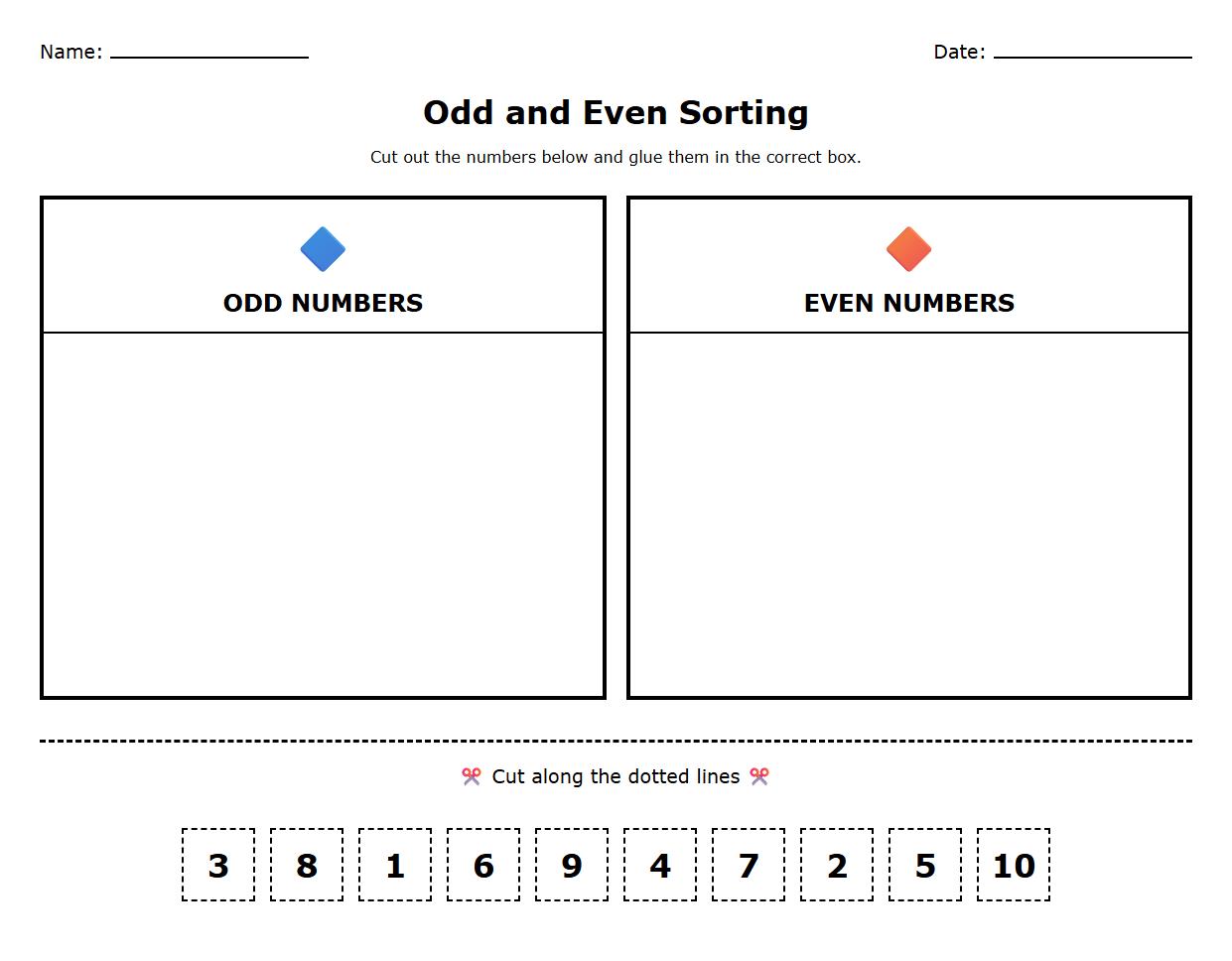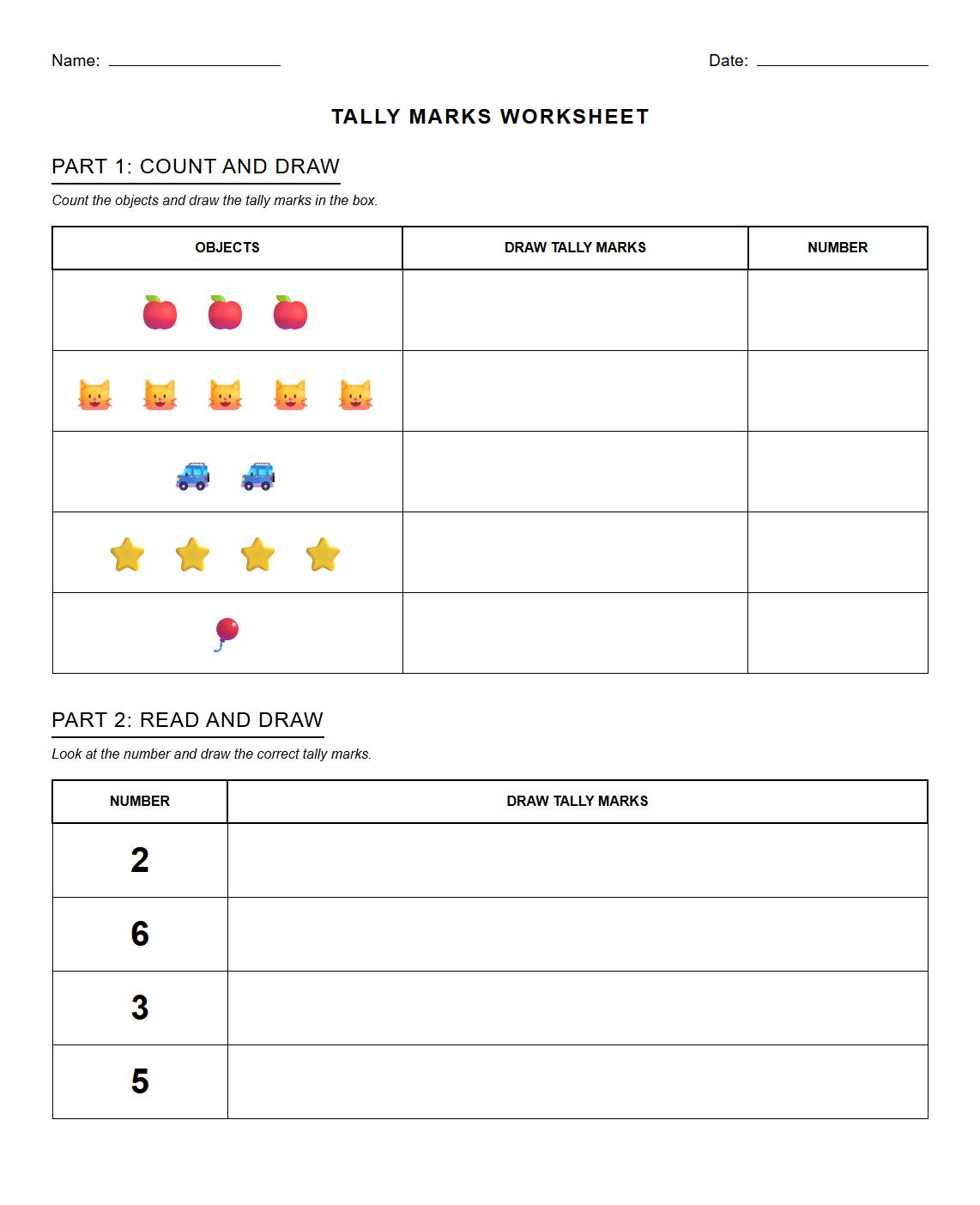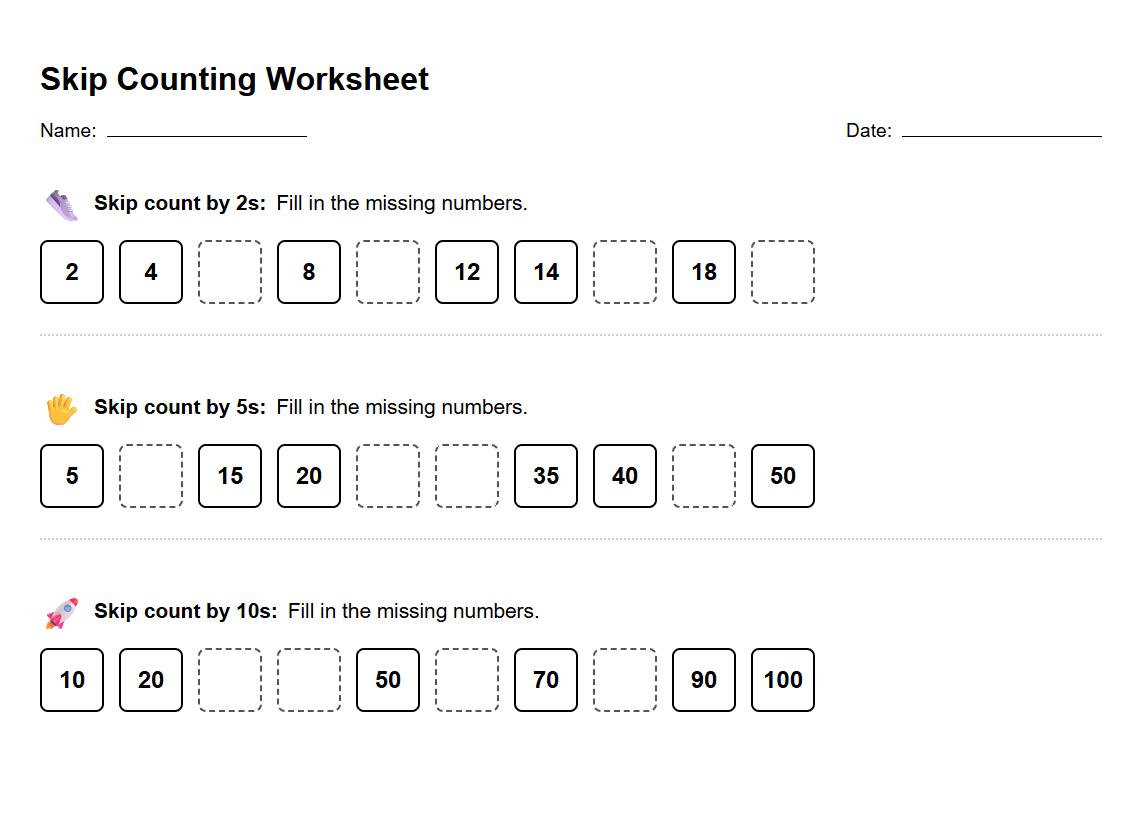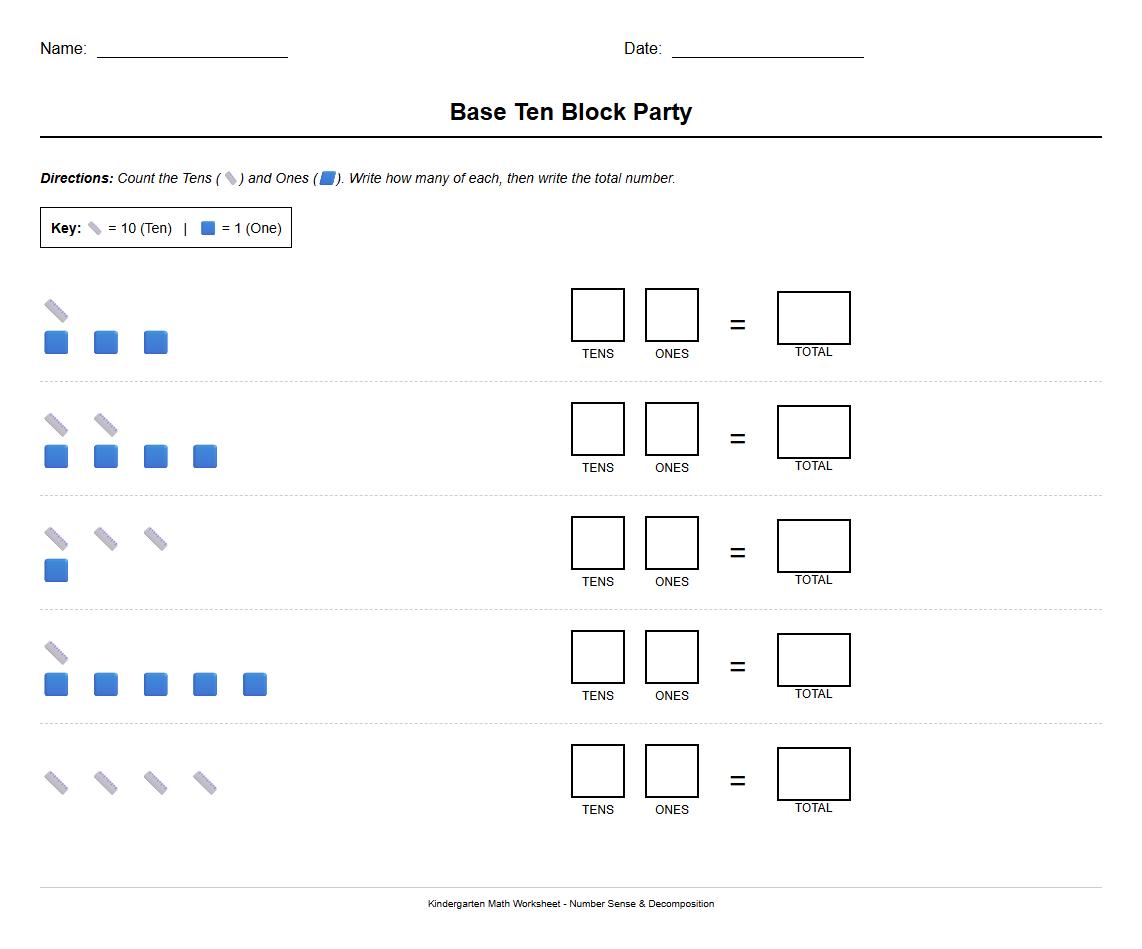
Structured counting and quantities worksheets reinforce foundational numeracy skills by guiding learners through progressive exercises that enhance number recognition, counting accuracy, and quantity comparison. These targeted activities support the development of mathematical fluency and encourage confident problem-solving abilities. Explore the available worksheets to strengthen essential counting skills effectively.
Structured Counting Worksheets and Number Pattern Recognition
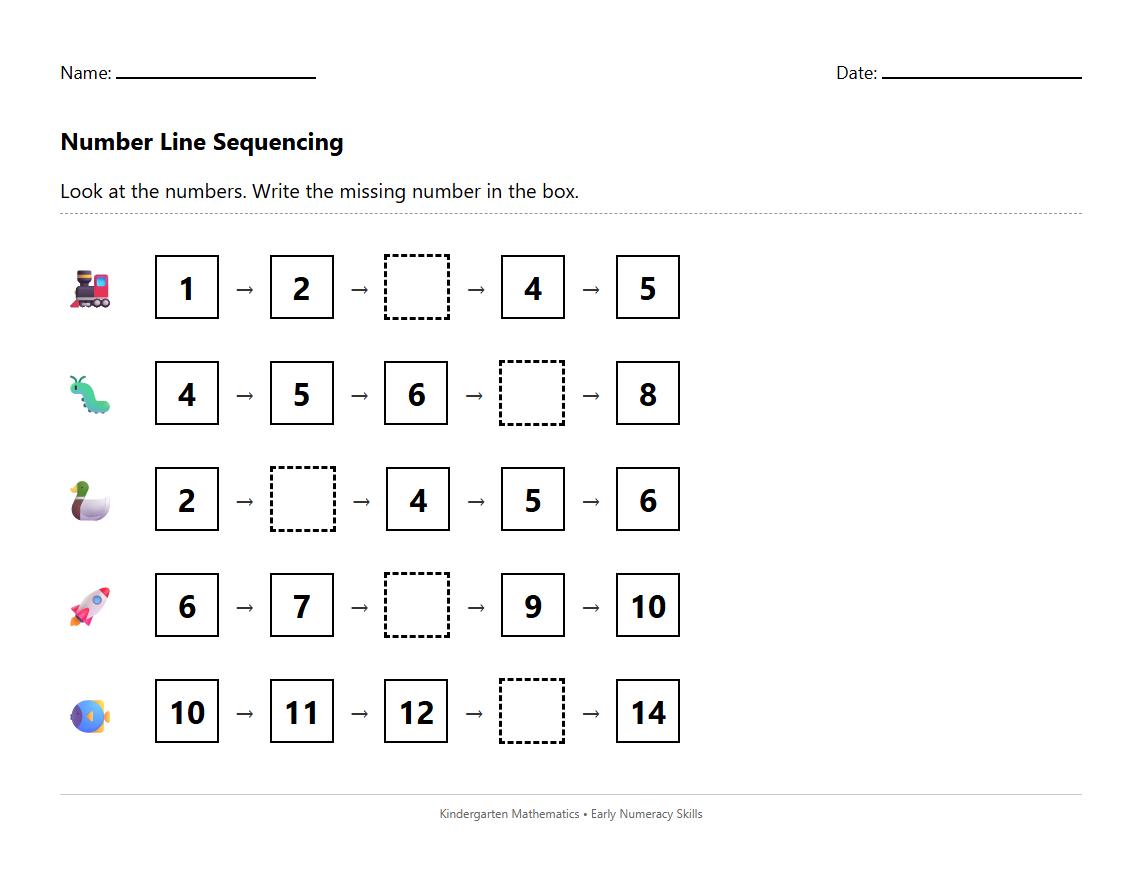
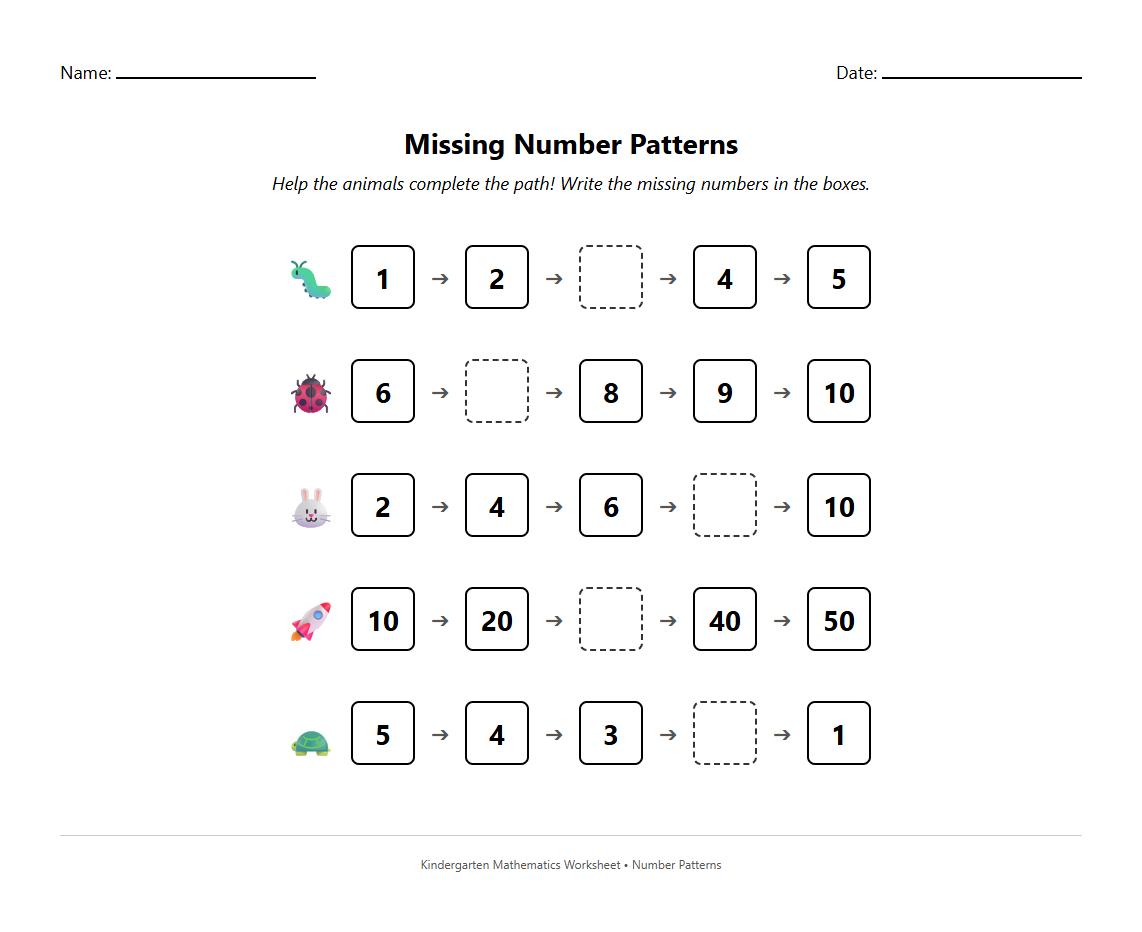
Structured counting worksheets help young children identify number patterns by providing consistent sequences and repeated formats. These worksheets guide learners in recognizing order and progression within numbers. By highlighting increments and gaps, children learn to predict and understand numeric relationships. This foundation supports early numeracy and logical thinking skills.
Effective Visual Aids for Teaching Quantities
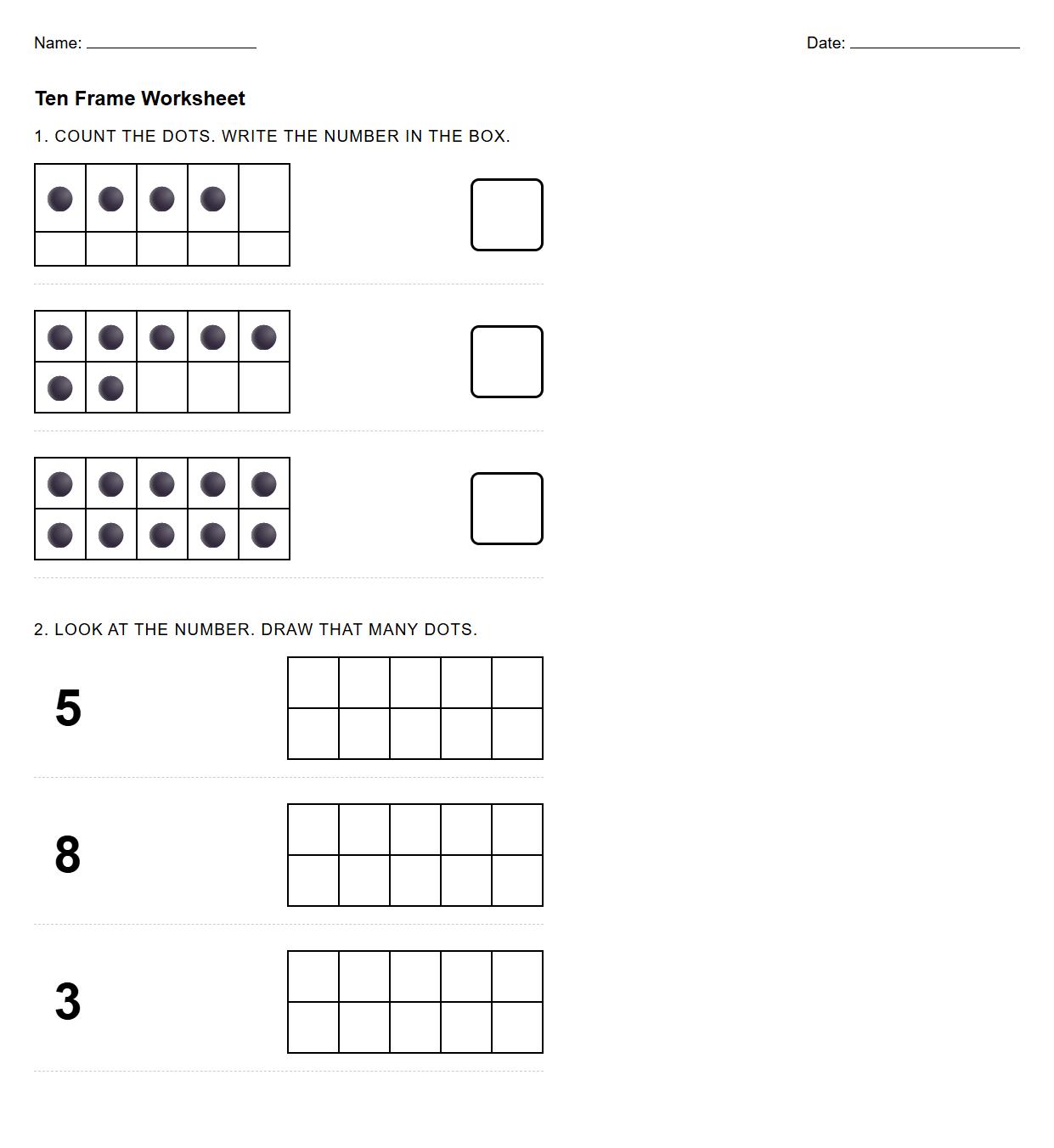
Visual aids such as colorful pictures, dots, and objects are most effective in teaching quantities. Clear and simple images help children associate numbers with real-world items. Using familiar objects like fruits or animals enhances engagement and comprehension. Visuals also cater to different learning styles, making abstract concepts tangible for young learners.
Adapting Counting Worksheets for Different Learning Speeds
Counting worksheets can be adapted by varying difficulty levels and pacing according to individual learning speeds. Teachers can include tasks with both smaller and larger number ranges to challenge advanced learners or simplify tasks for beginners. Incorporating interactive elements and allowing breaks supports focus and retention. Personalized adjustments ensure all children progress comfortably and confidently.
Activities Supporting Accurate Object Counting
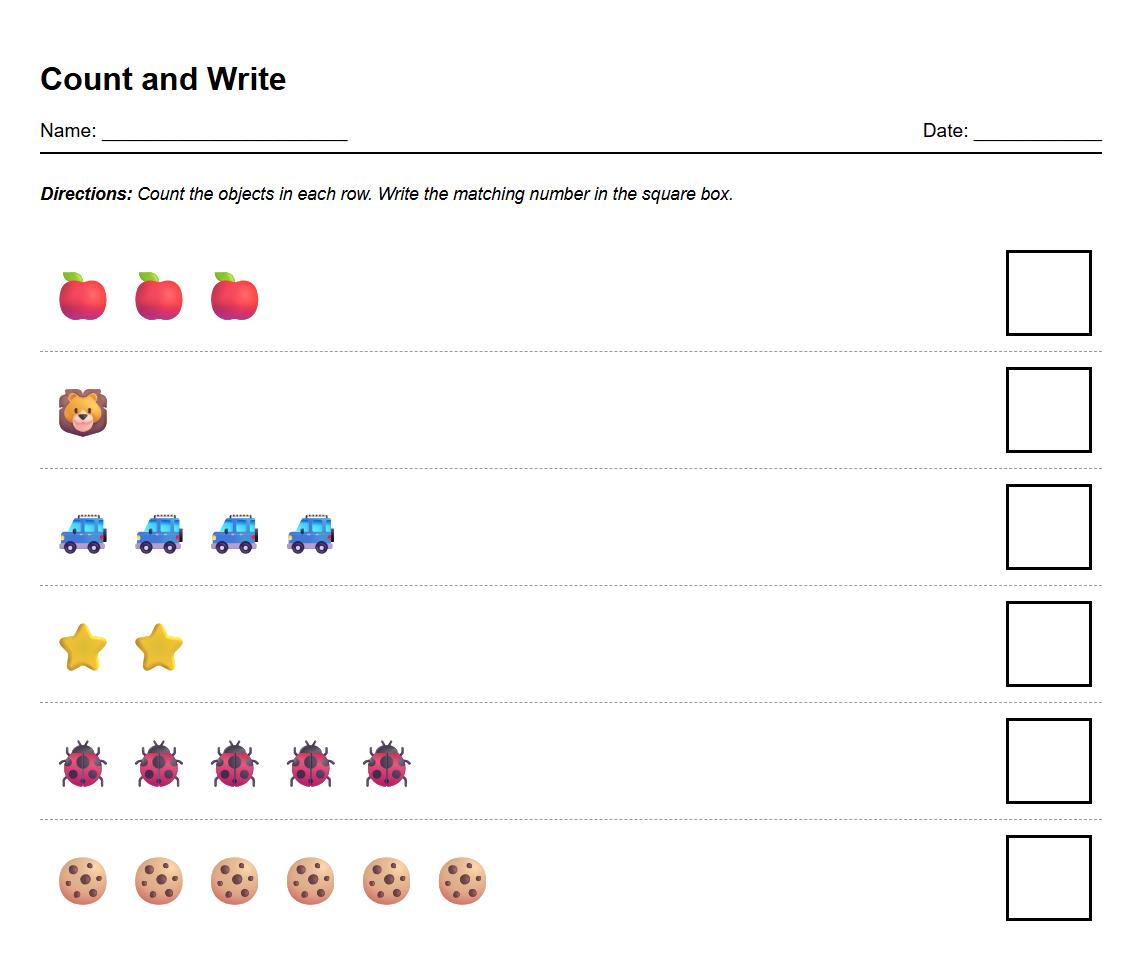
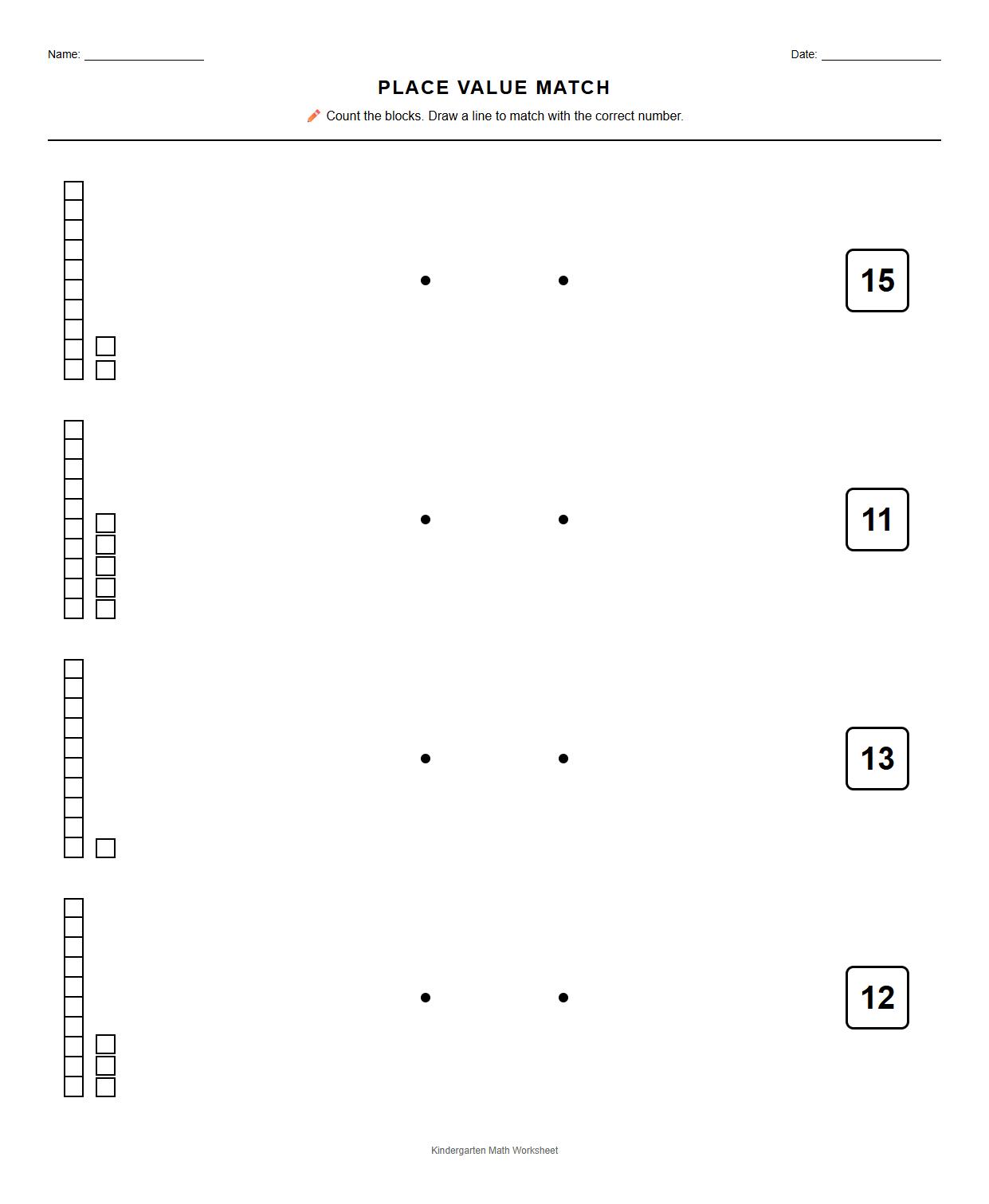
Worksheets featuring activities like counting groups of objects, matching numbers to sets, and filling in missing counts support accurate counting. These tasks require children to physically or visually count items, reinforcing one-to-one correspondence. Additionally, interactive exercises encourage active participation and error correction. Such activities develop precision and confidence in counting.
Supporting Development of One-to-One Correspondence
One-to-one correspondence is fostered through worksheets that ask children to count items and assign one number per object. Structured tasks emphasize touching or marking each item as it's counted. This method solidifies the connection between numbers and quantities, a critical early math skill. Regular practice through organized exercises enhances this understanding effectively.
Techniques to Make Counting Practice Engaging
Worksheets become engaging by integrating colorful themes, games, and hands-on activities like drawing or using stickers. Incorporating stories or relatable scenarios captures children's interest and motivation. Using varied question formats and playful challenges maintains enthusiasm. Creative approaches ensure counting practice remains fun and stimulating.
Reinforcing More Versus Less Through Worksheets
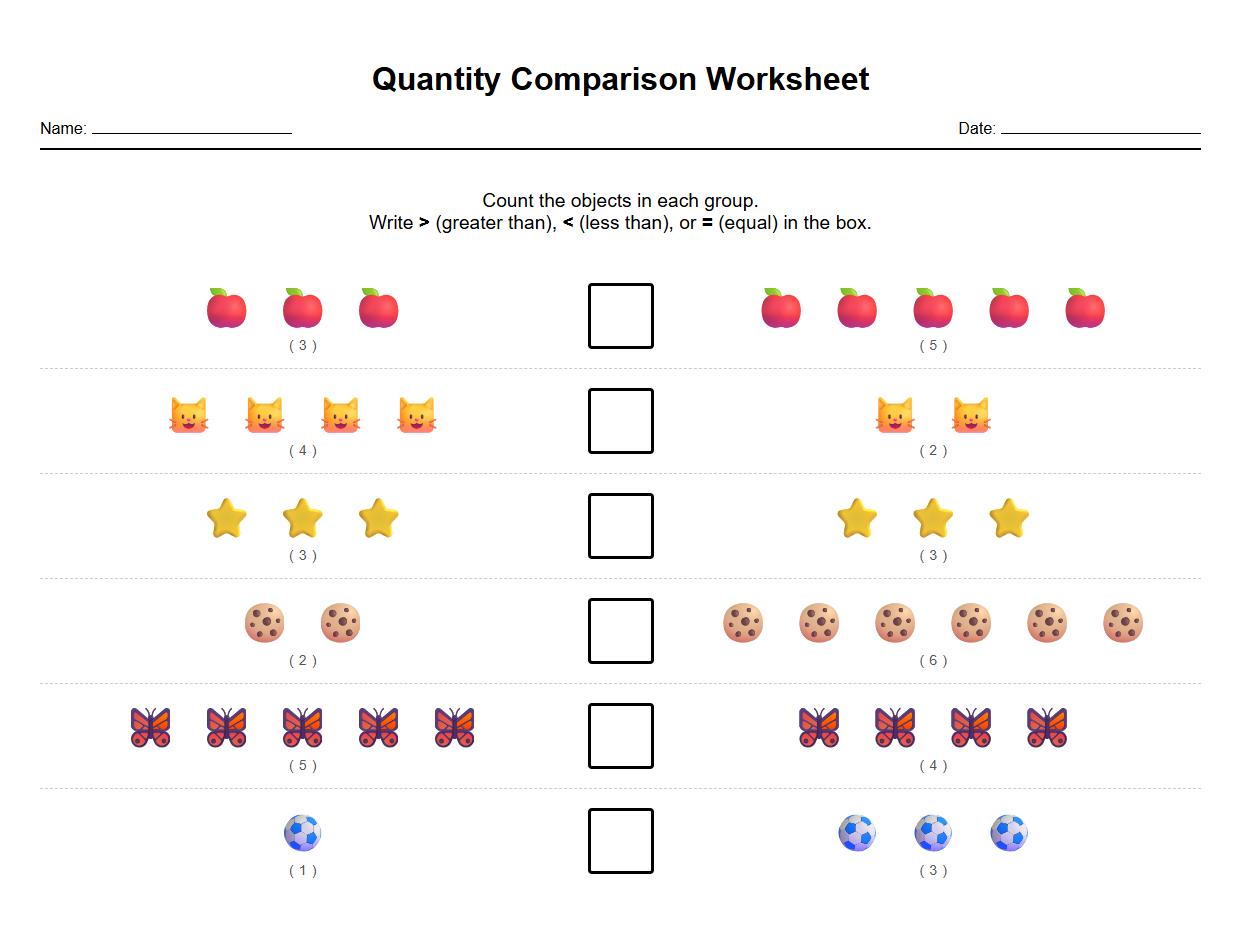
Worksheets reinforce the concept of more versus less by presenting side-by-side comparisons of number groups. Visual contrasts help children easily identify which set has more or fewer objects. Tasks encouraging children to circle or highlight the larger or smaller quantity deepen understanding. Consistent practice in different contexts builds strong numeracy skills.
The Role of Repetition in Improving Counting Skills
Repetition in counting worksheets allows young learners to internalize number sequences and concepts through practice. Repeated exposure to similar tasks helps reduce errors and increase speed. It builds confidence by familiarizing children with counting techniques. Consequently, repetition solidifies foundational mathematical knowledge for future learning.
Assessing Progress with Structured Counting Worksheets
Teachers assess progress by monitoring accuracy, speed, and confidence in completing counting tasks within worksheets. Observation of children's approaches to one-to-one correspondence and pattern recognition provides insights. Regular reviews and comparisons over time highlight improvements or areas needing support. This ongoing assessment guides targeted instruction and individualized learning plans with resources such as the kindergarten-friendly graphing and tally data worksheet.
Common Challenges and Solutions in Counting Worksheets
Common challenges include confusion with number sequences, skipping objects, and difficulty maintaining focus. These can be addressed by simplifying tasks, providing clear instructions, and using engaging visuals. Offering one-on-one support and breaking activities into smaller steps also helps. Encouraging patience and positive reinforcement boosts perseverance and success. For challenges related to hands-on recognition, resources like the hands-on kindergarten worksheets for US coin recognition can provide valuable support.


Early Math Exploration with Counting and Quantity Worksheets