Kindergarten students develop essential math skills by practicing counting strategies that support basic addition. These exercises build number sense and help children grasp the concept of adding quantities in a fun, engaging way. Explore our collection of worksheets designed to reinforce counting and addition techniques for young learners.
Counting Strategies for Basic Addition
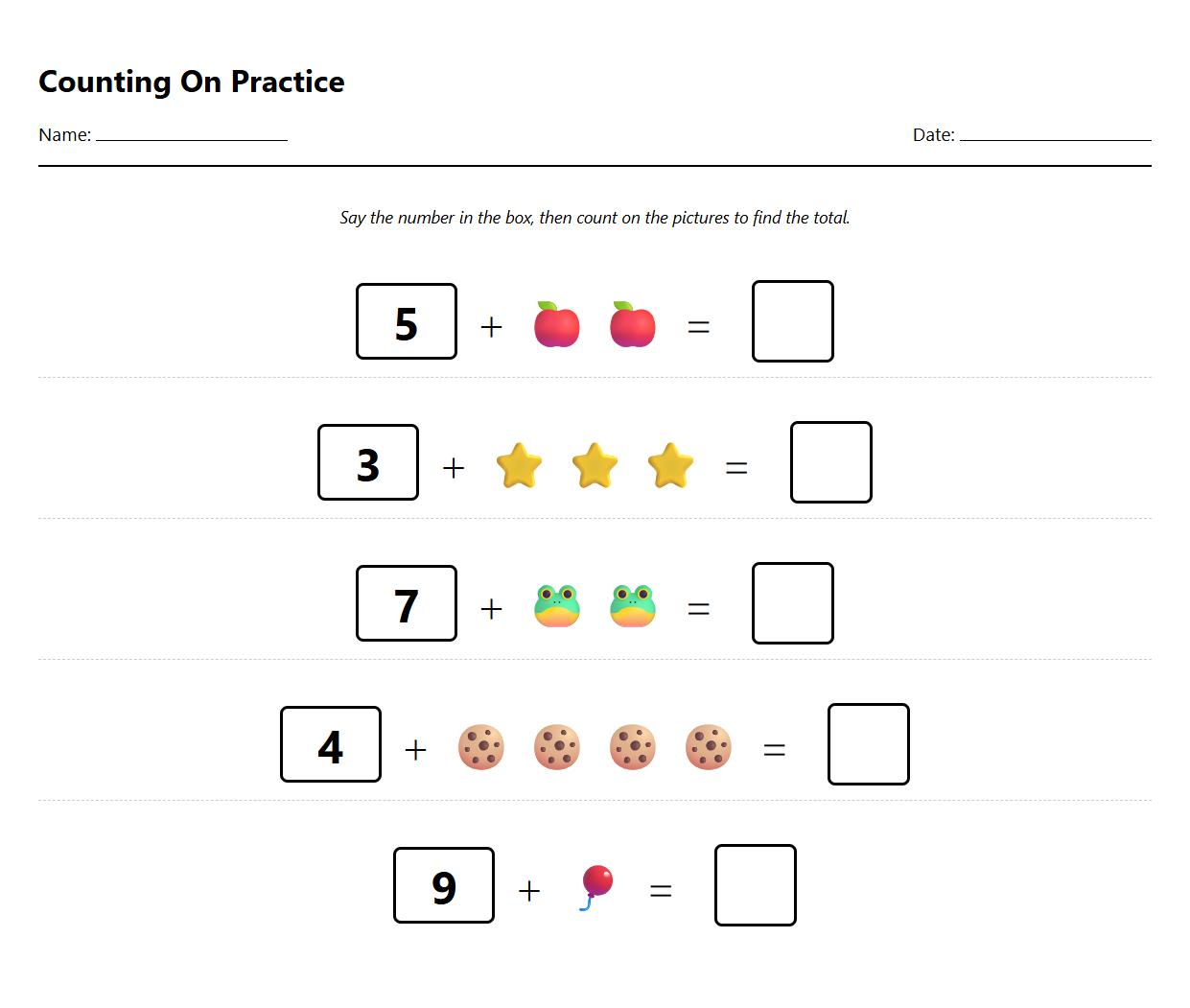
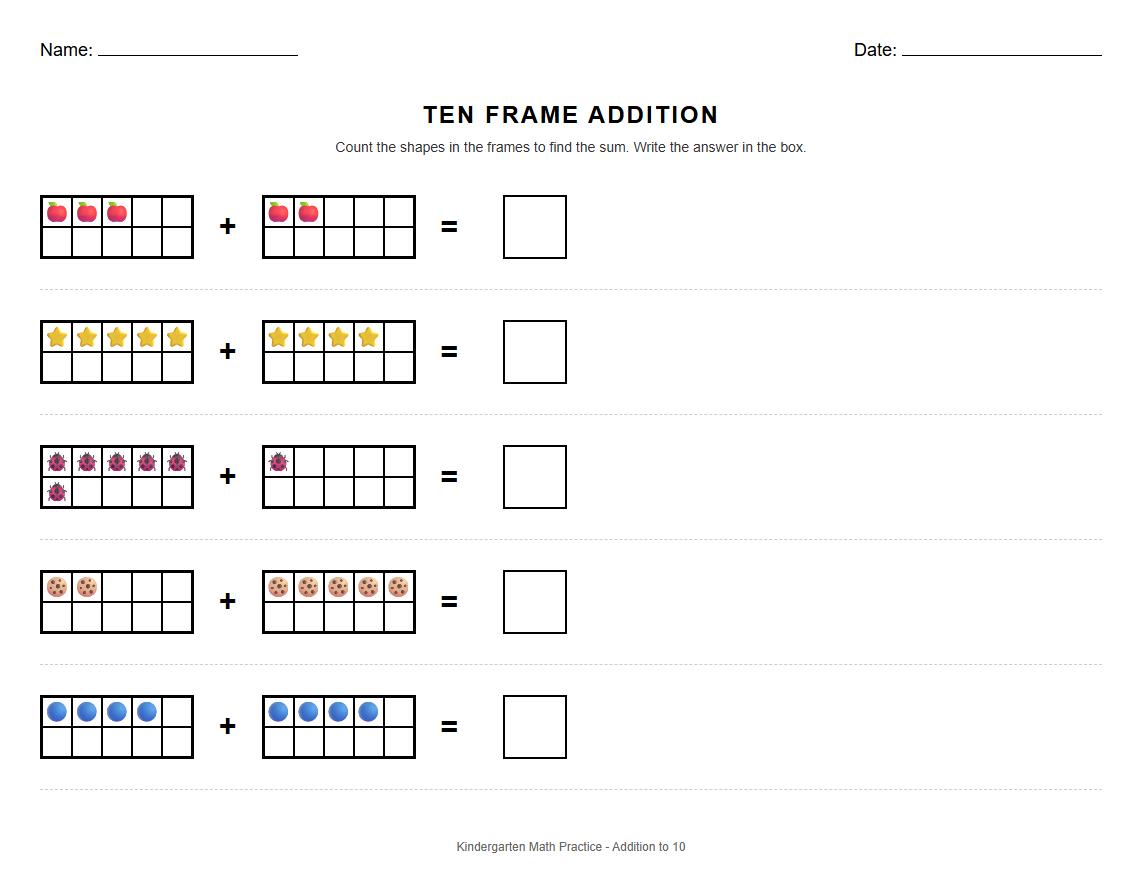
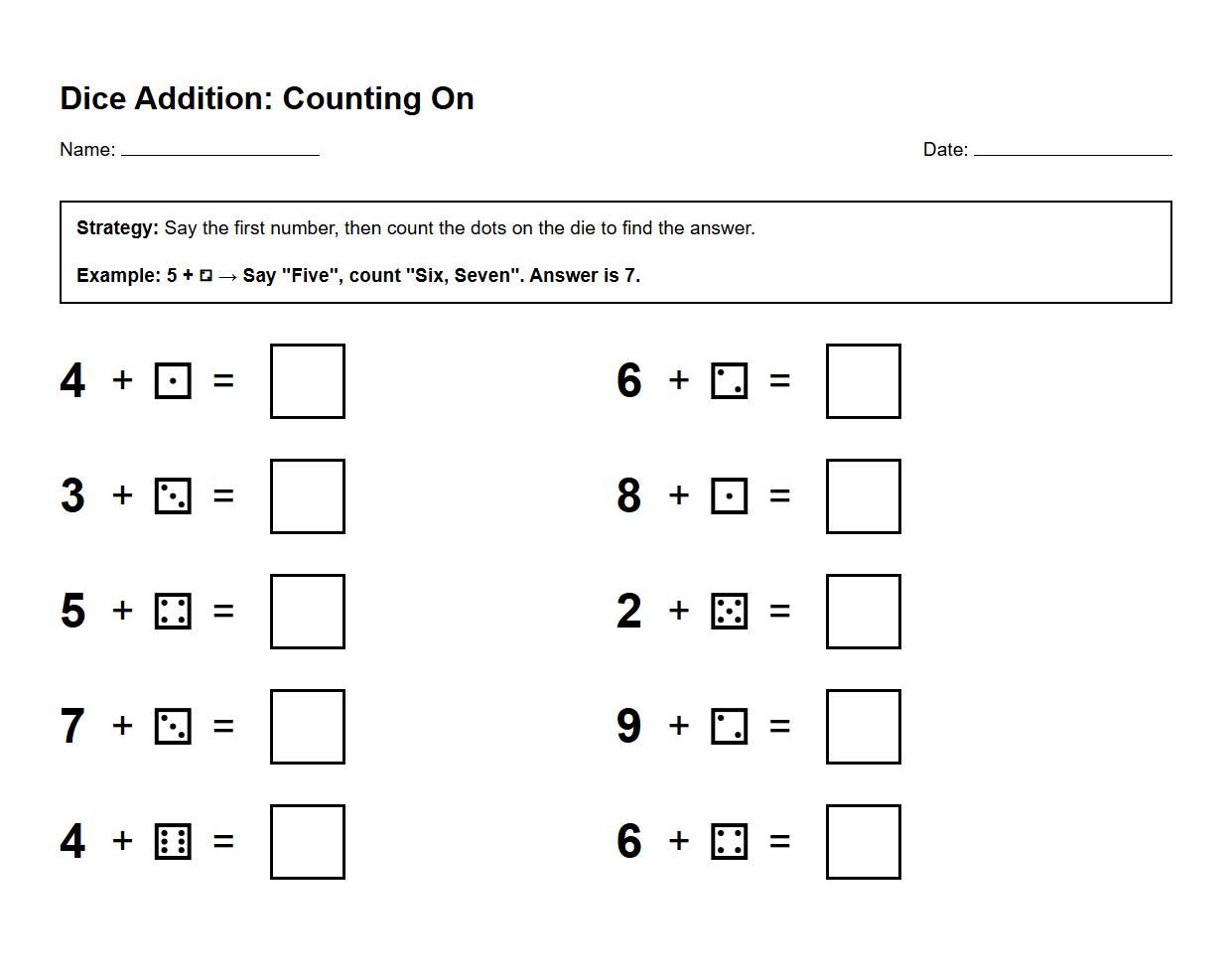
Using counting on is a key strategy where students start with the first number and count up to add the second number. Another effective method is making ten, which helps simplify addition by grouping numbers to reach ten first. Encouraging children to visualize numbers in parts enhances their problem-solving skills. These strategies build a strong foundation for understanding addition.
Using Objects to Count and Add
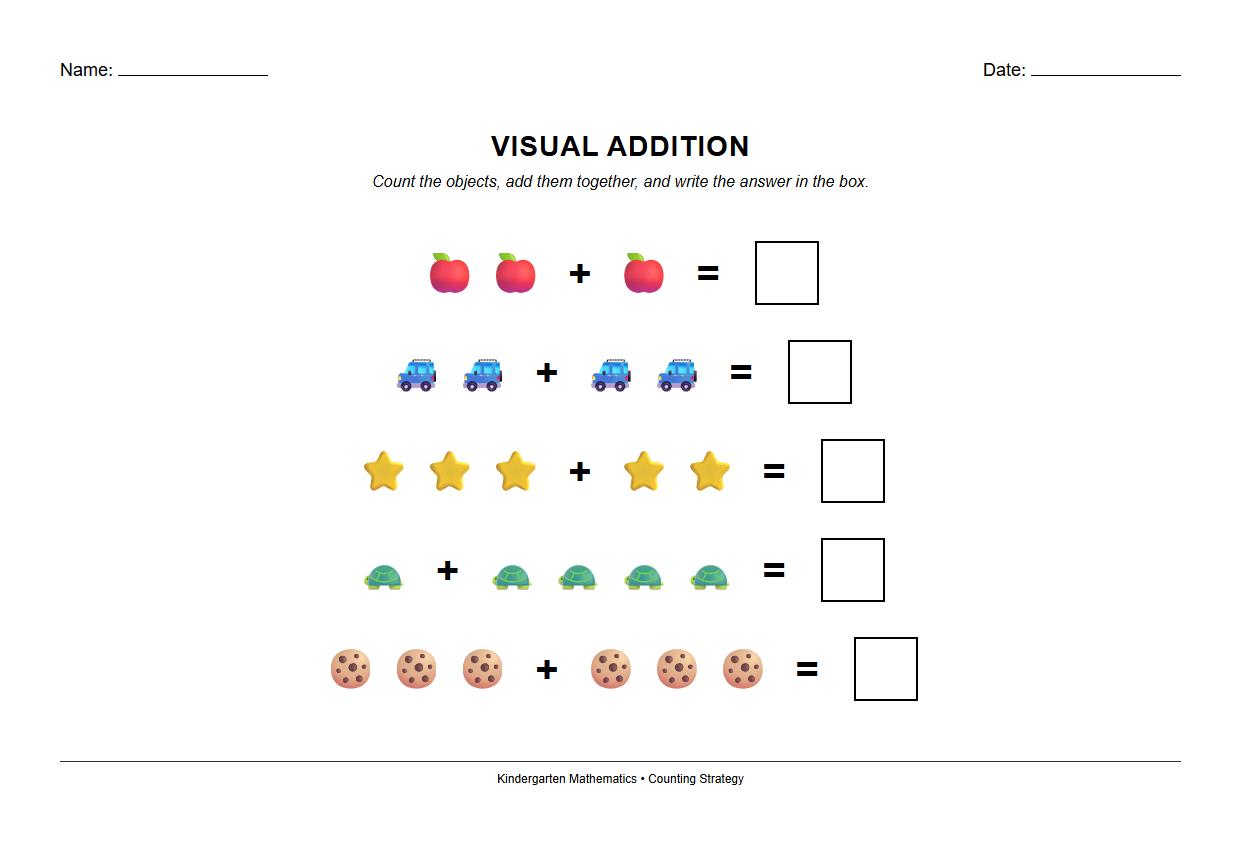
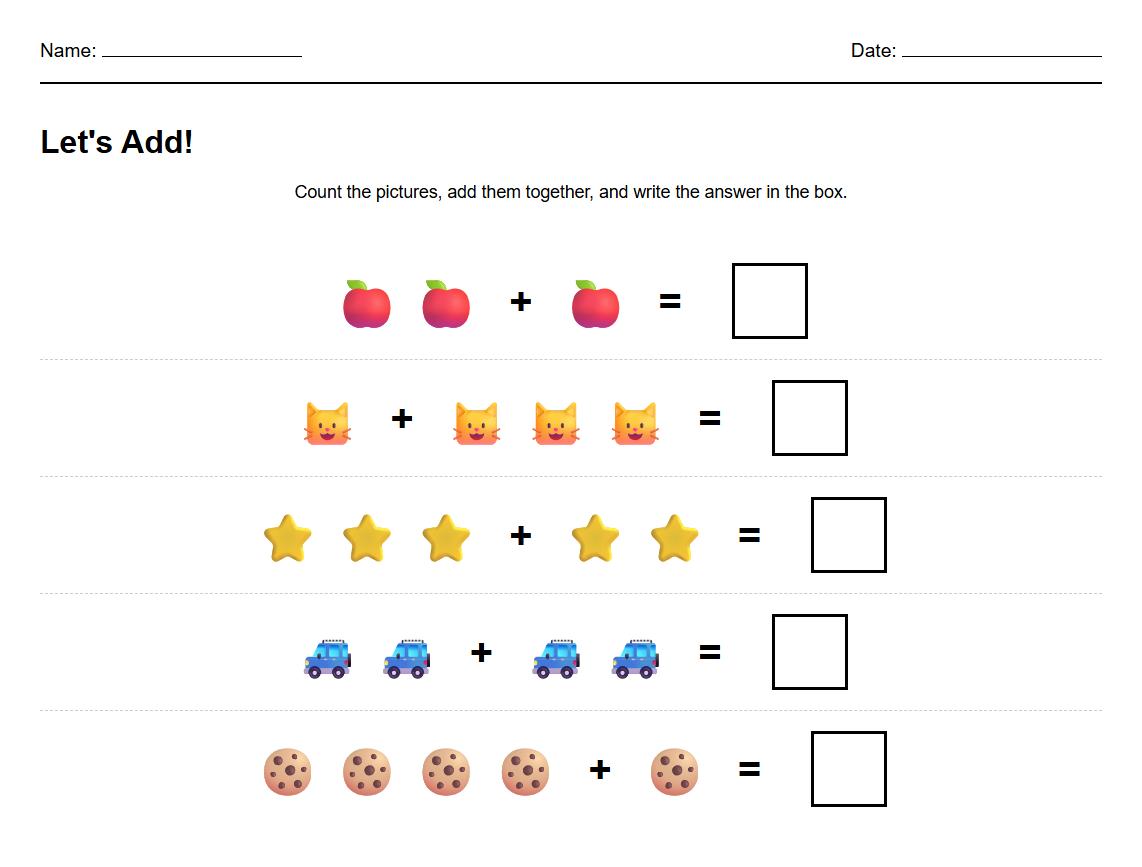
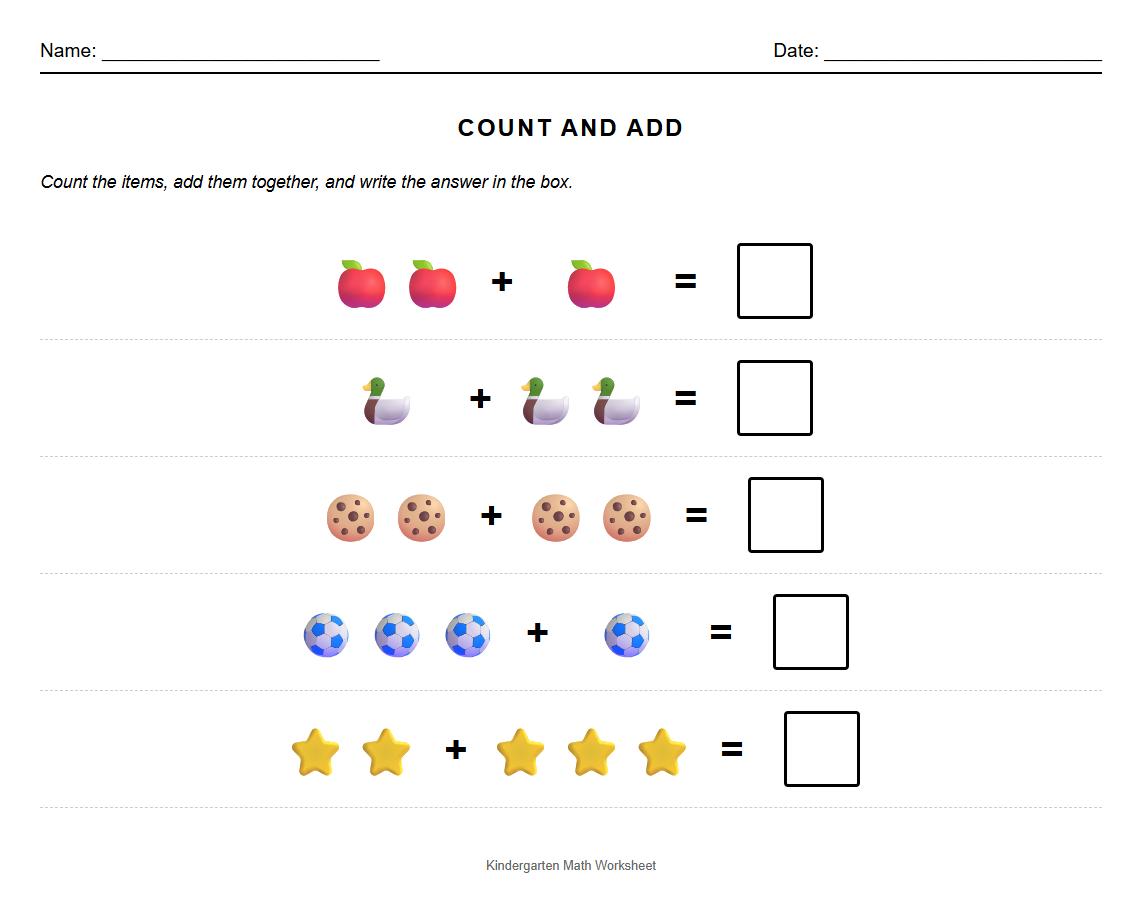
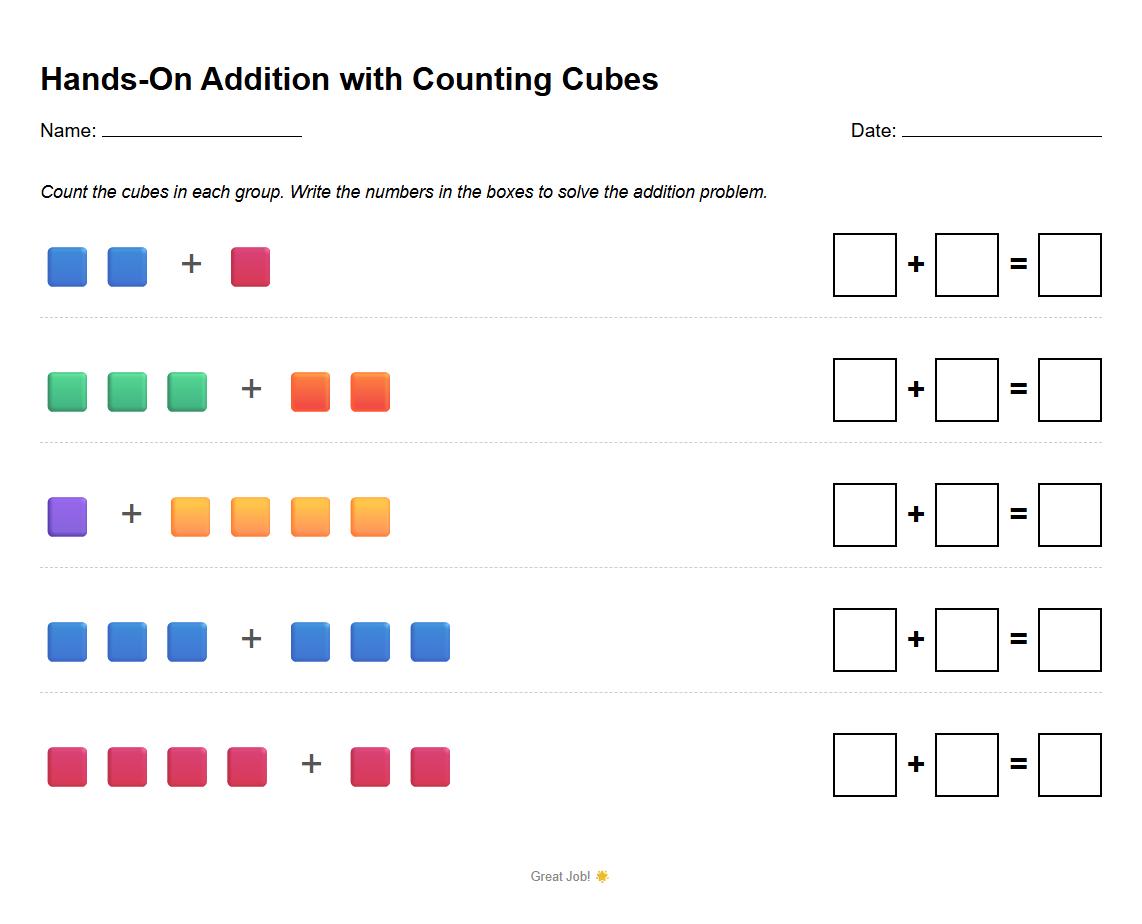
Children can use manipulatives like blocks, beads, or buttons to physically count and combine numbers. Handling objects provides a tangible way to see addition in action, making abstract concepts more concrete. This hands-on approach supports active learning and engagement. It also helps develop fine motor skills while reinforcing math concepts.
Visual Aids Supporting Addition Understanding
Number charts, counting mats, and addition posters visually represent numbers and sums. These aids help children recognize patterns and relationships between numbers. Using bright colors and clear symbols makes learning addition more appealing. Visual supports improve retention and clarify abstract ideas.
Finger Counting for Early Addition Skills
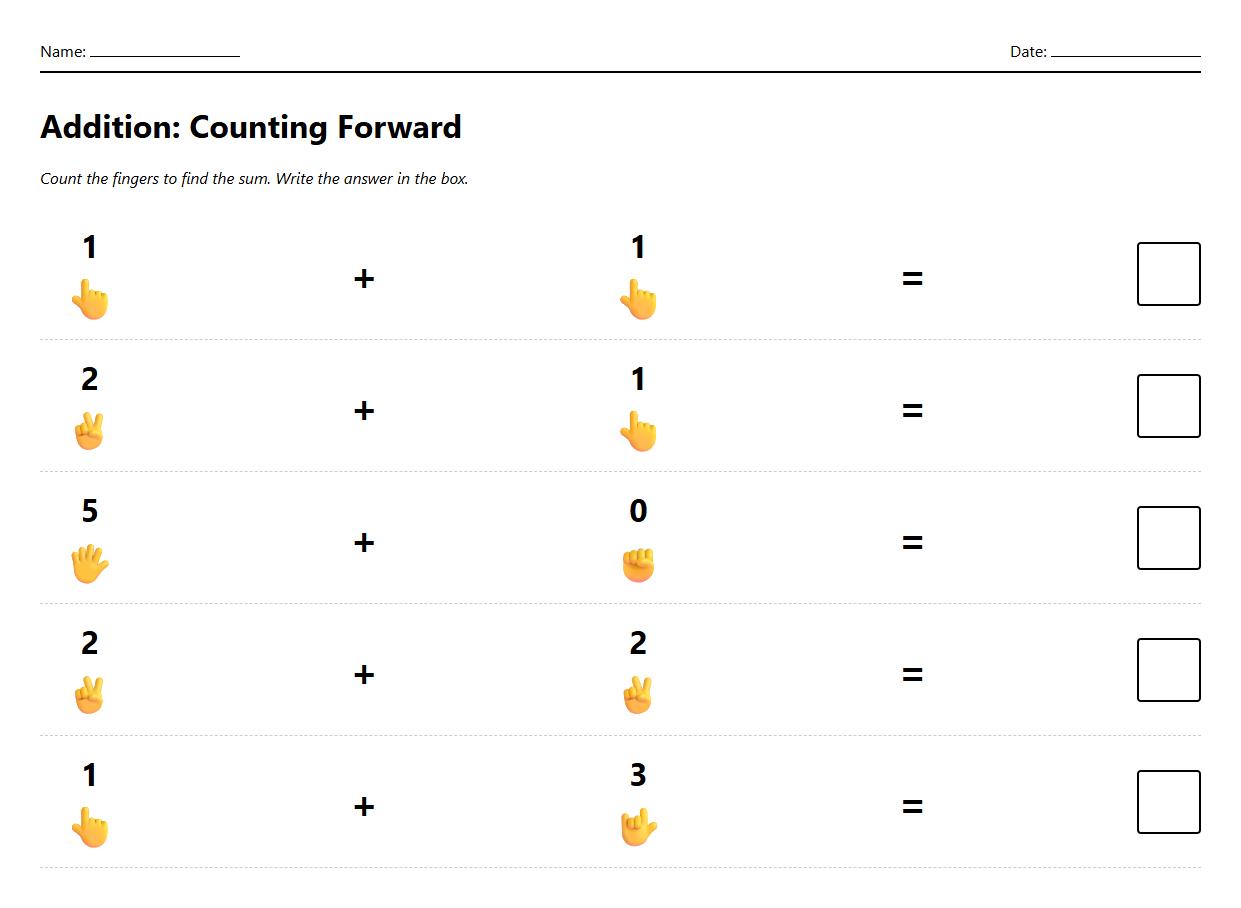
Finger counting is a natural and accessible tool for young learners to solve addition problems. It encourages children to use their own bodies as a counting resource, reinforcing number concepts. This method is especially helpful when transitioning from concrete to abstract thinking. Finger counting promotes independence in math learning.
Using Number Lines in Addition Practice
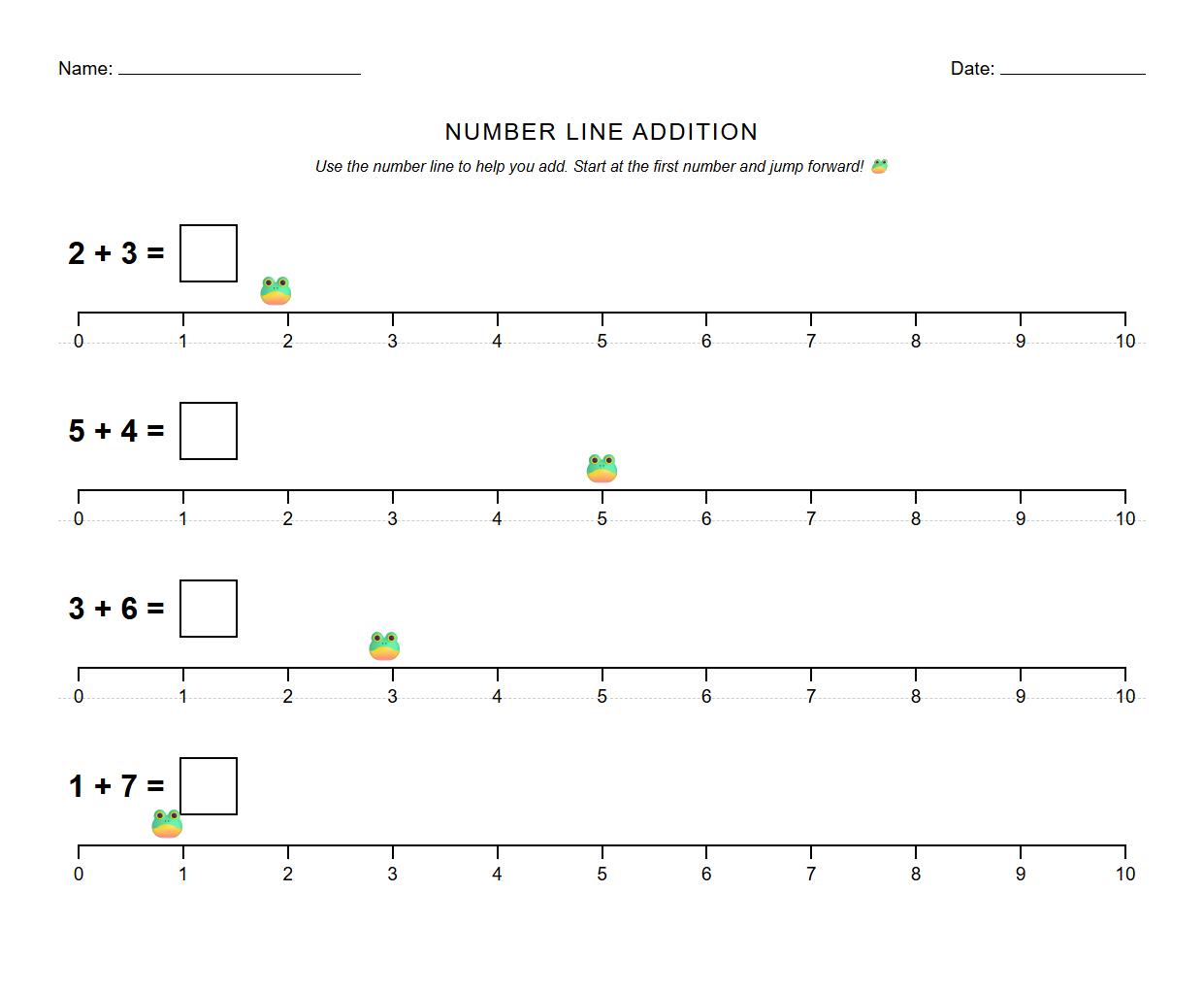
Number lines illustrate addition by showing how to move forward in increments. They provide a clear, visual method to track quantities and sums. Number lines help children understand the sequence of numbers and develop mental math skills. Regular practice with number lines boosts confidence and fluency in addition.
Introducing Addition with Story Problems
Story problems engage children by placing addition in real-life contexts. Teachers can create simple narratives that involve adding objects or people, making math meaningful. This approach promotes critical thinking and comprehension. Story problems also encourage verbal expression of math reasoning.
Group Counting in Learning Addition
Group counting involves organizing objects into sets to simplify addition. This strategy teaches children to recognize quantities and combine them efficiently. Grouping fosters pattern recognition and early multiplication concepts. It also supports collaborative learning experiences.
Drawing Pictures to Represent Addition
Children can illustrate addition problems by drawing pictures of objects being combined. This method connects visual art with math concepts, enhancing understanding. Drawing offers a creative way to demonstrate number relationships. It also aids memory and conceptual clarity.
Simple Games to Practice Counting and Addition
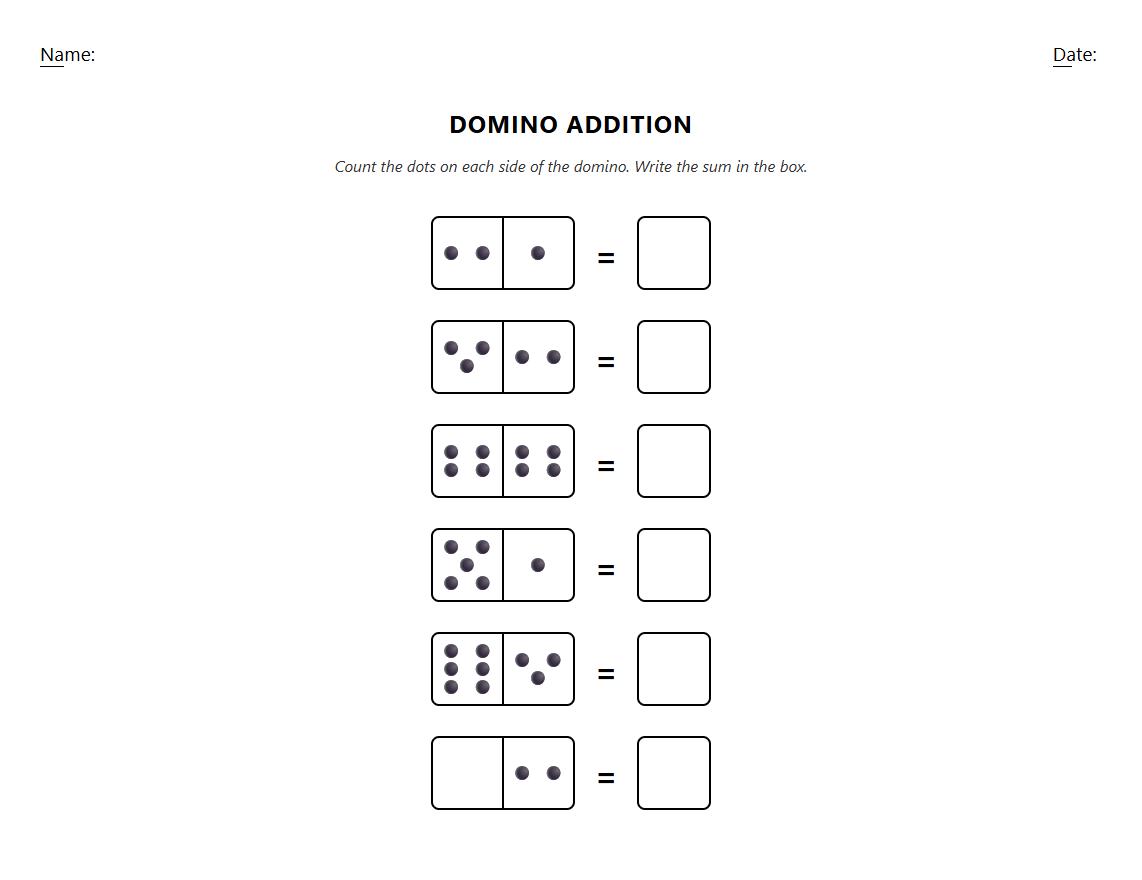
Games like counting races, board games with dice, or card matching reinforce addition skills through play. These interactive activities make learning fun and motivate repeated practice. Games also develop social skills and cooperative learning. Incorporating play supports sustained engagement and mastery.
Role of Repeated Counting in Reinforcement
Repeated counting strengthens number sense and addition fluency through consistent practice. It helps children internalize counting sequences and addition facts. This repetition builds confidence and reduces anxiety around math tasks. Regular exposure ensures long-term retention of basic addition principles.


Basic Subtraction Worksheet for Kindergarten Beginners