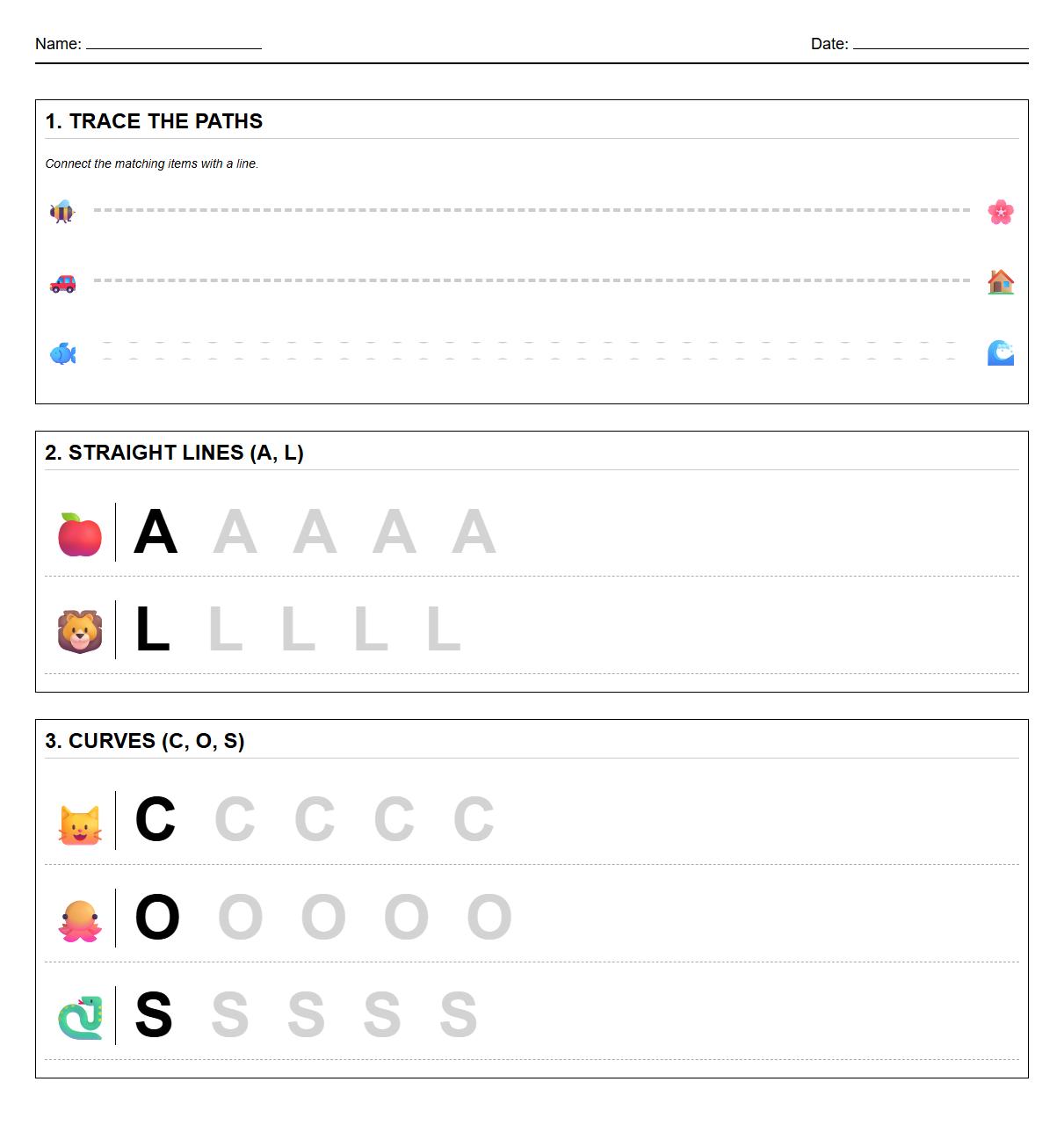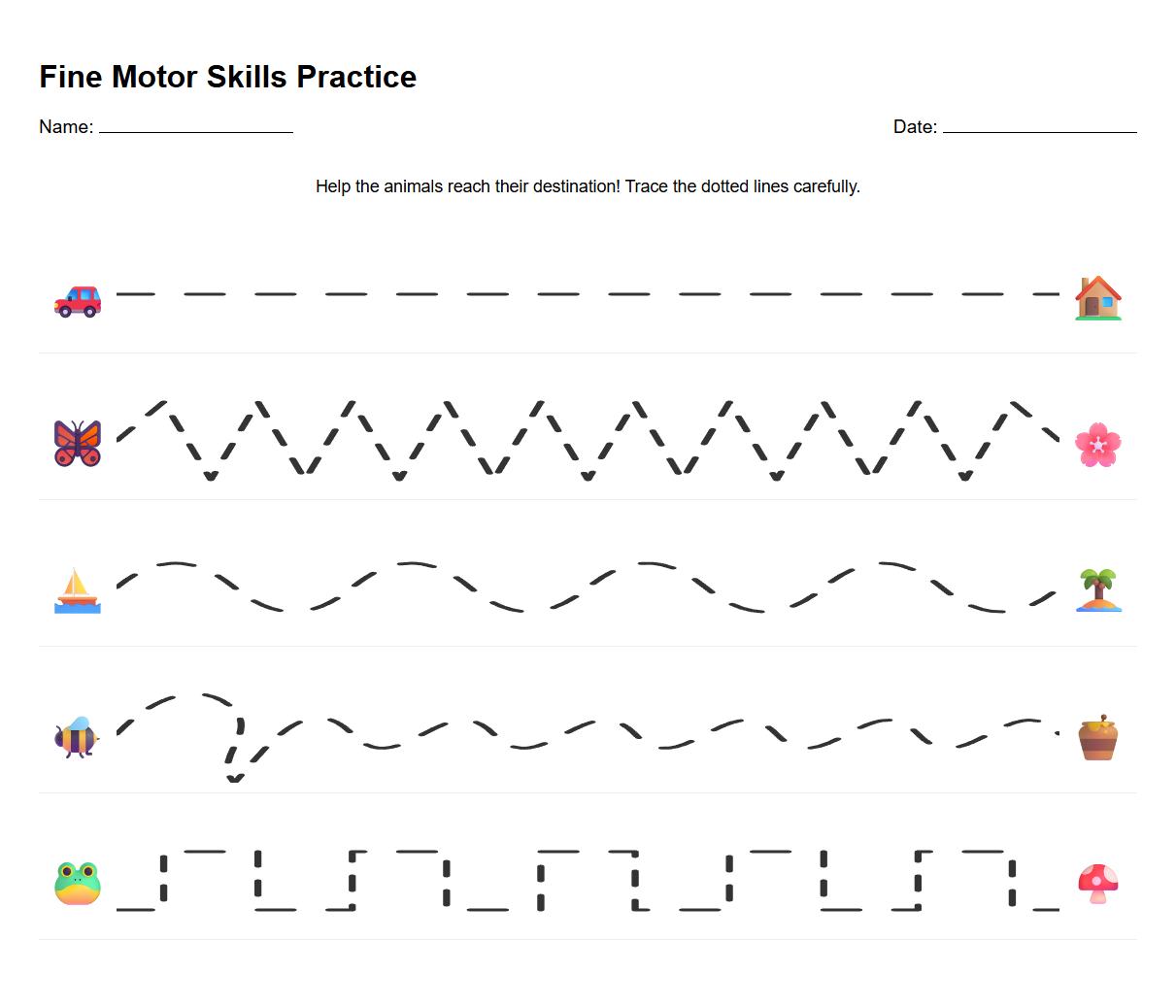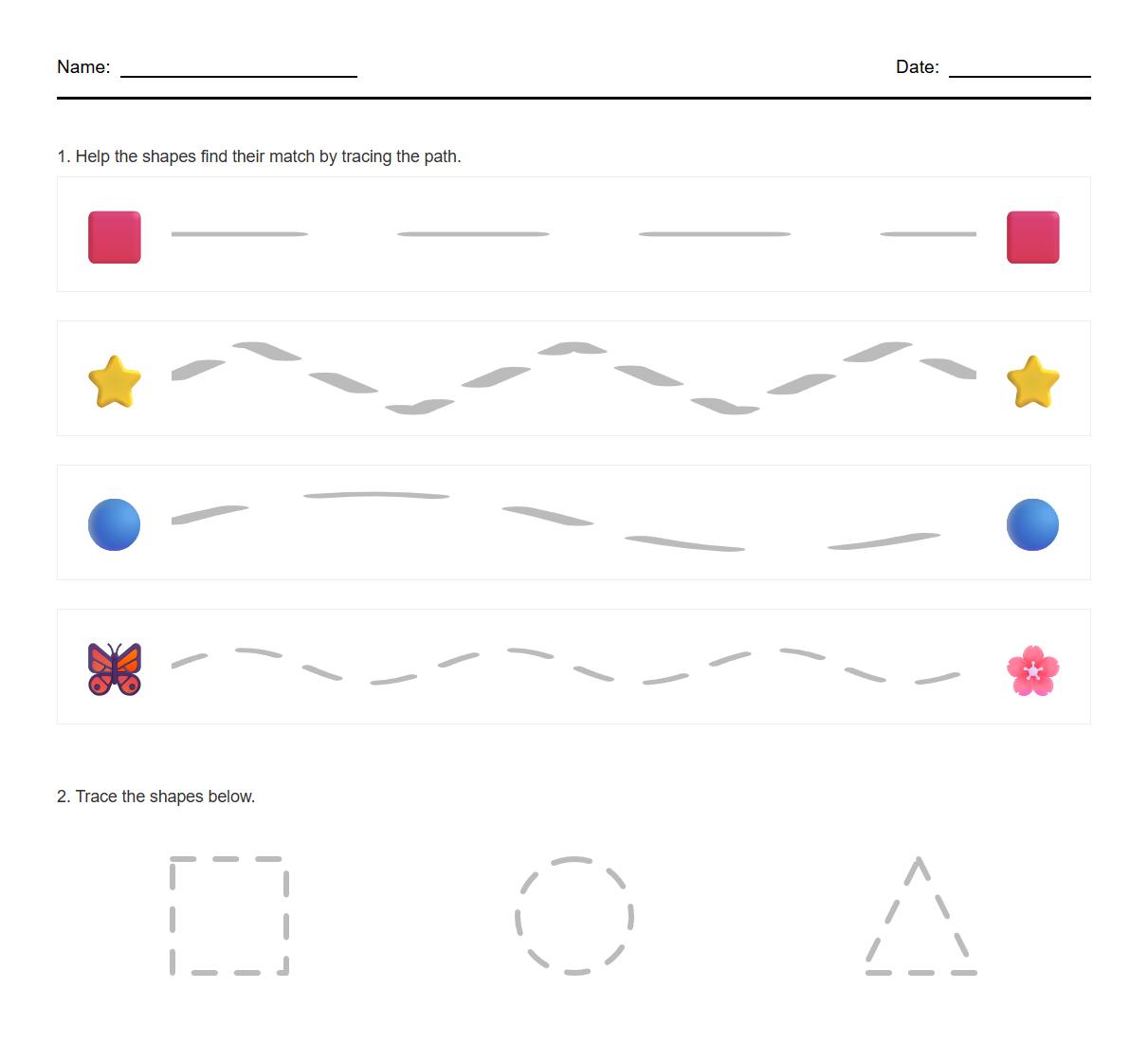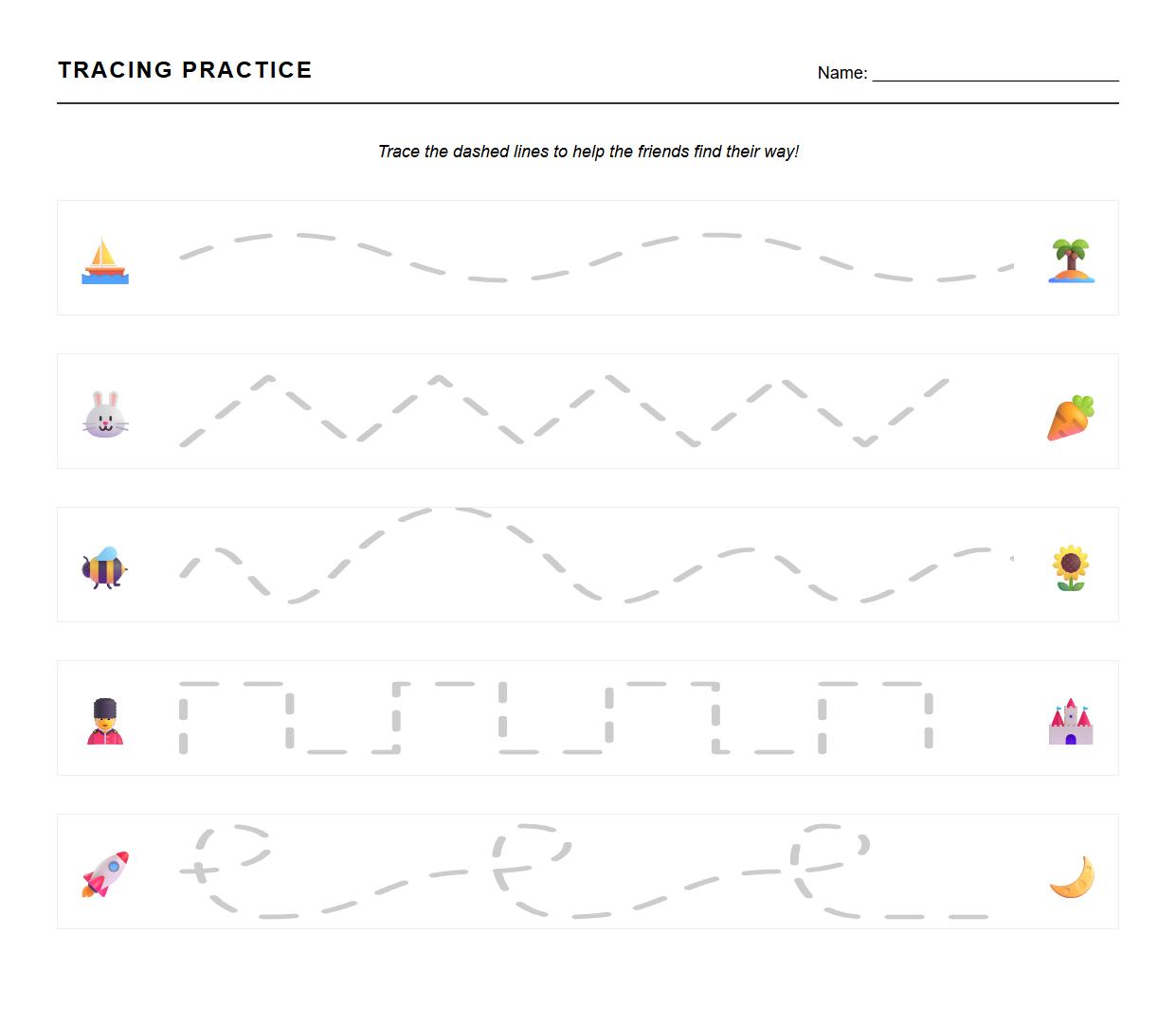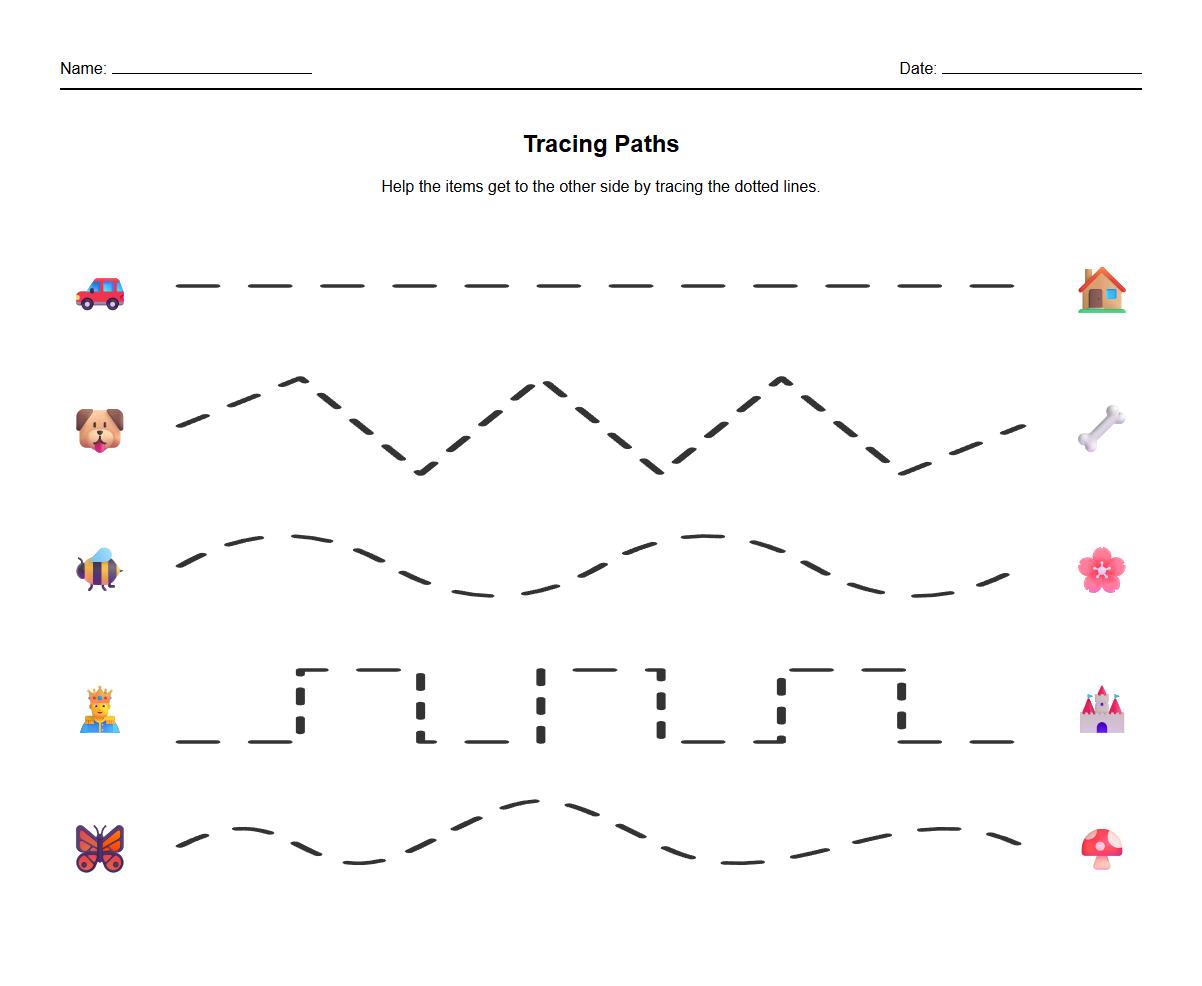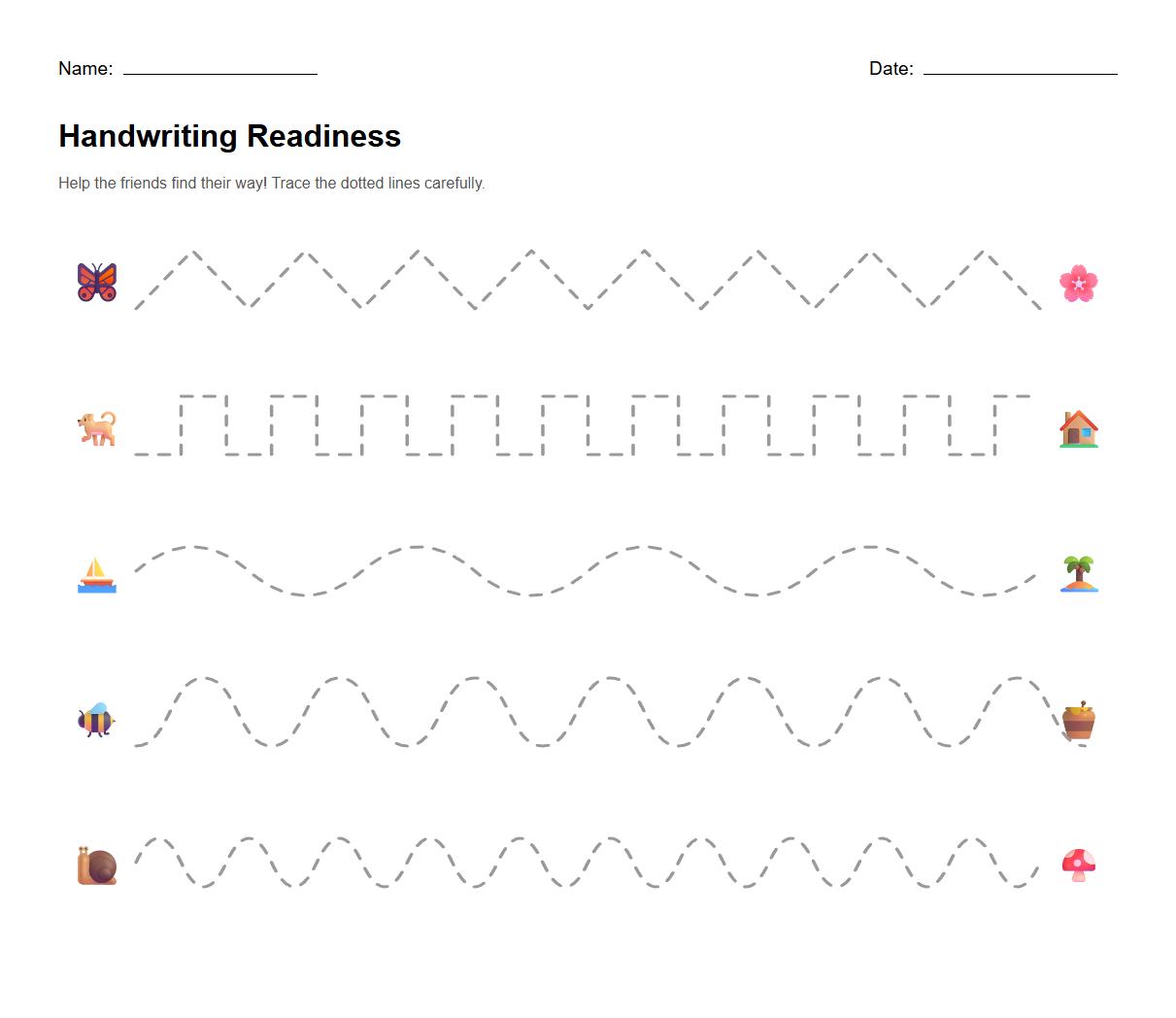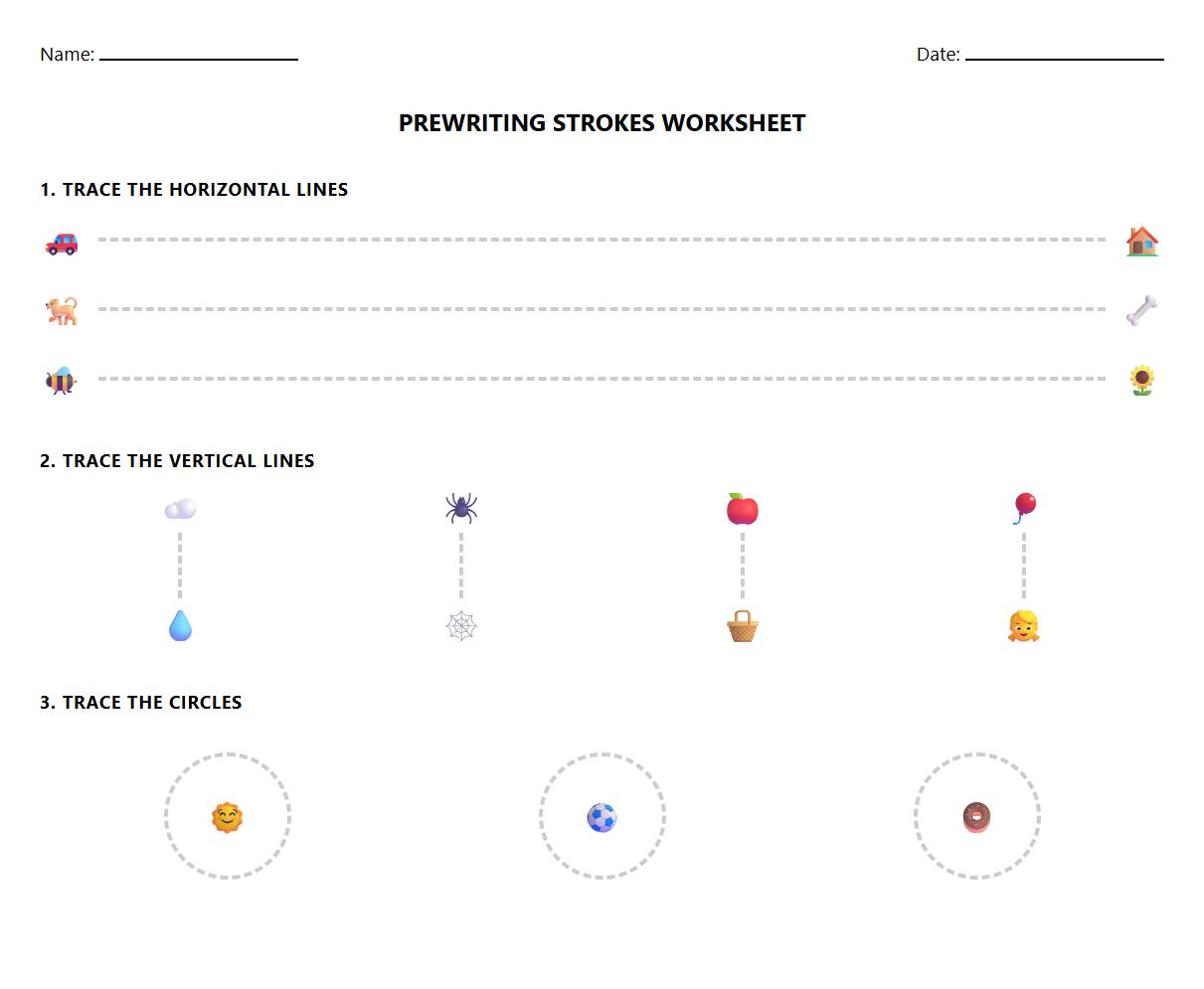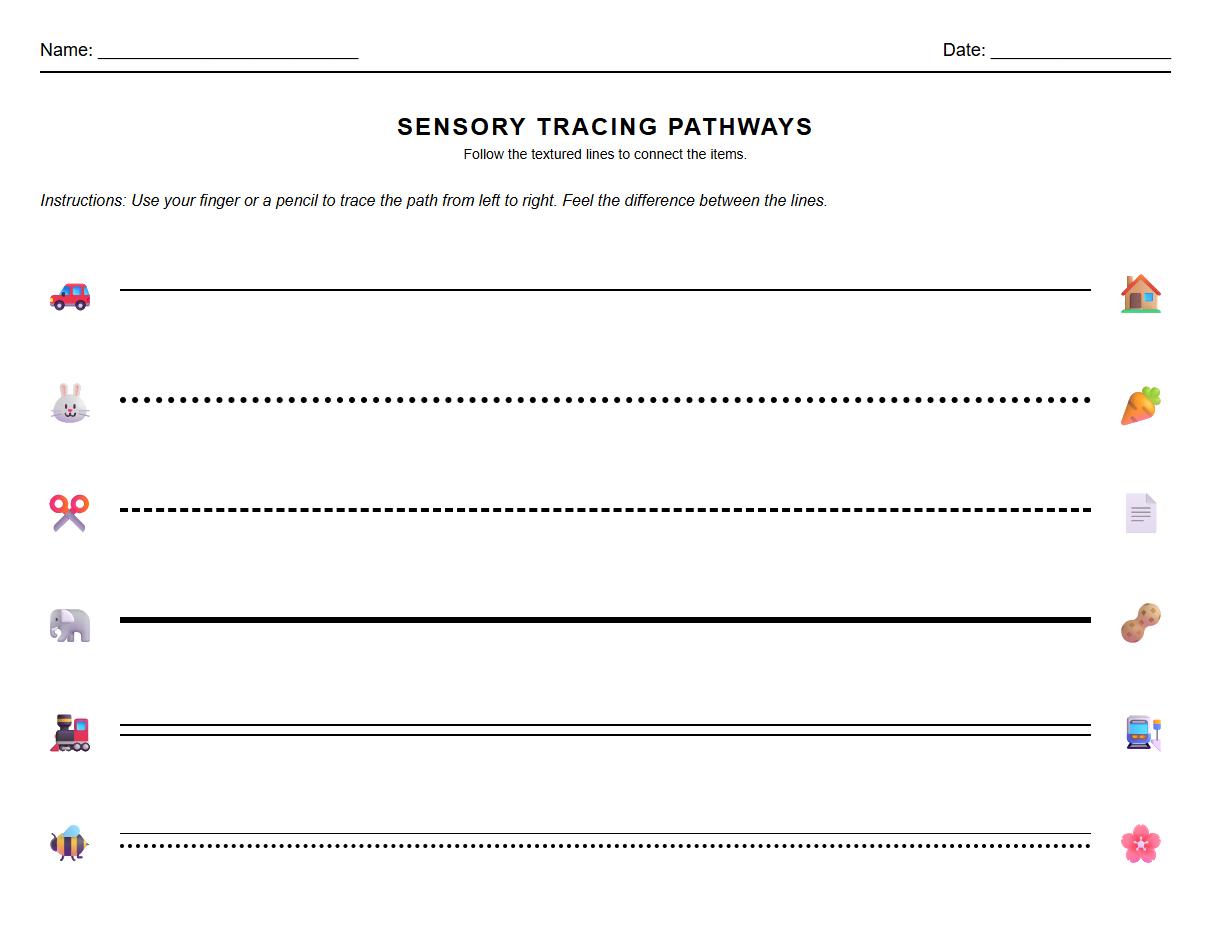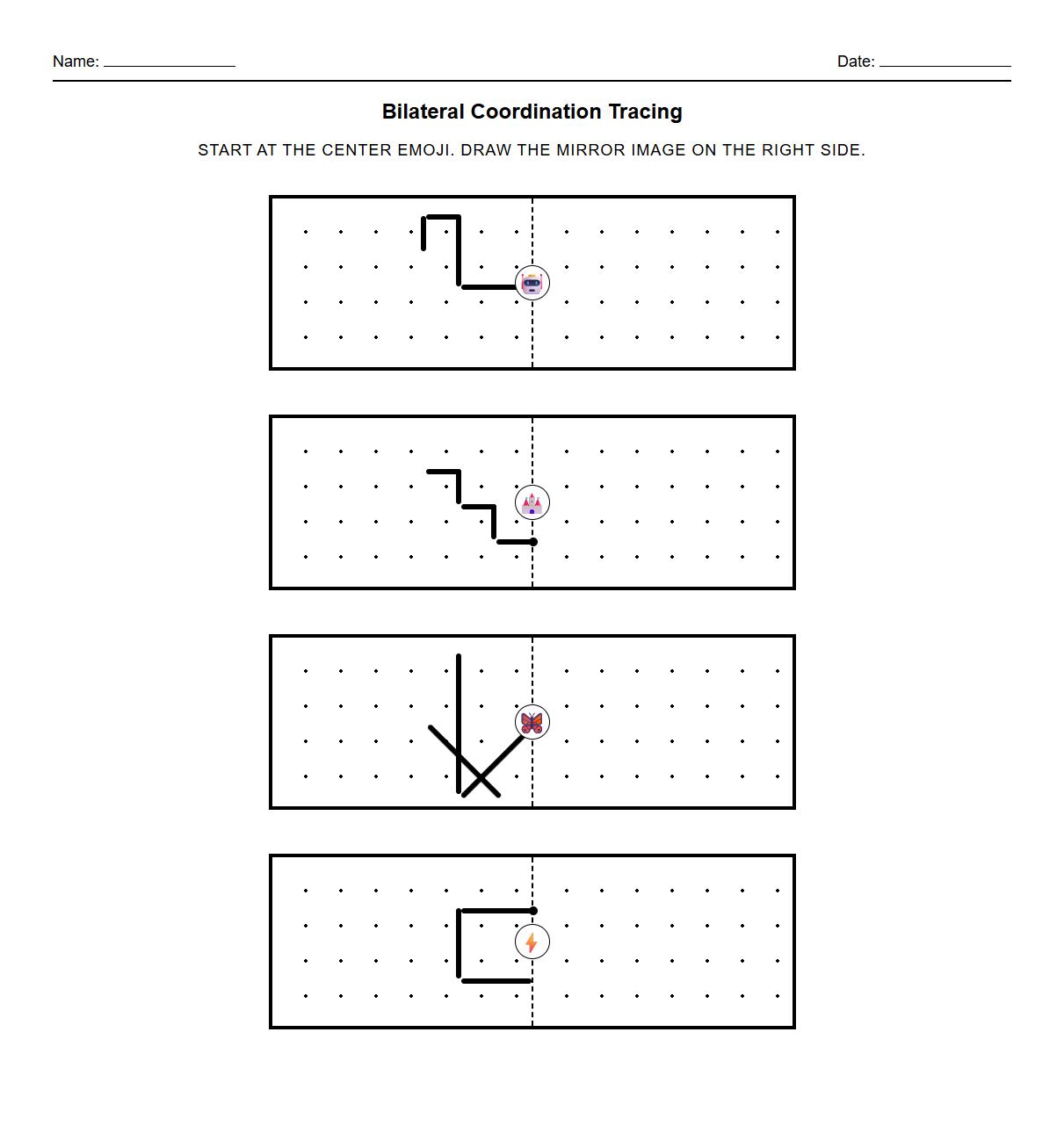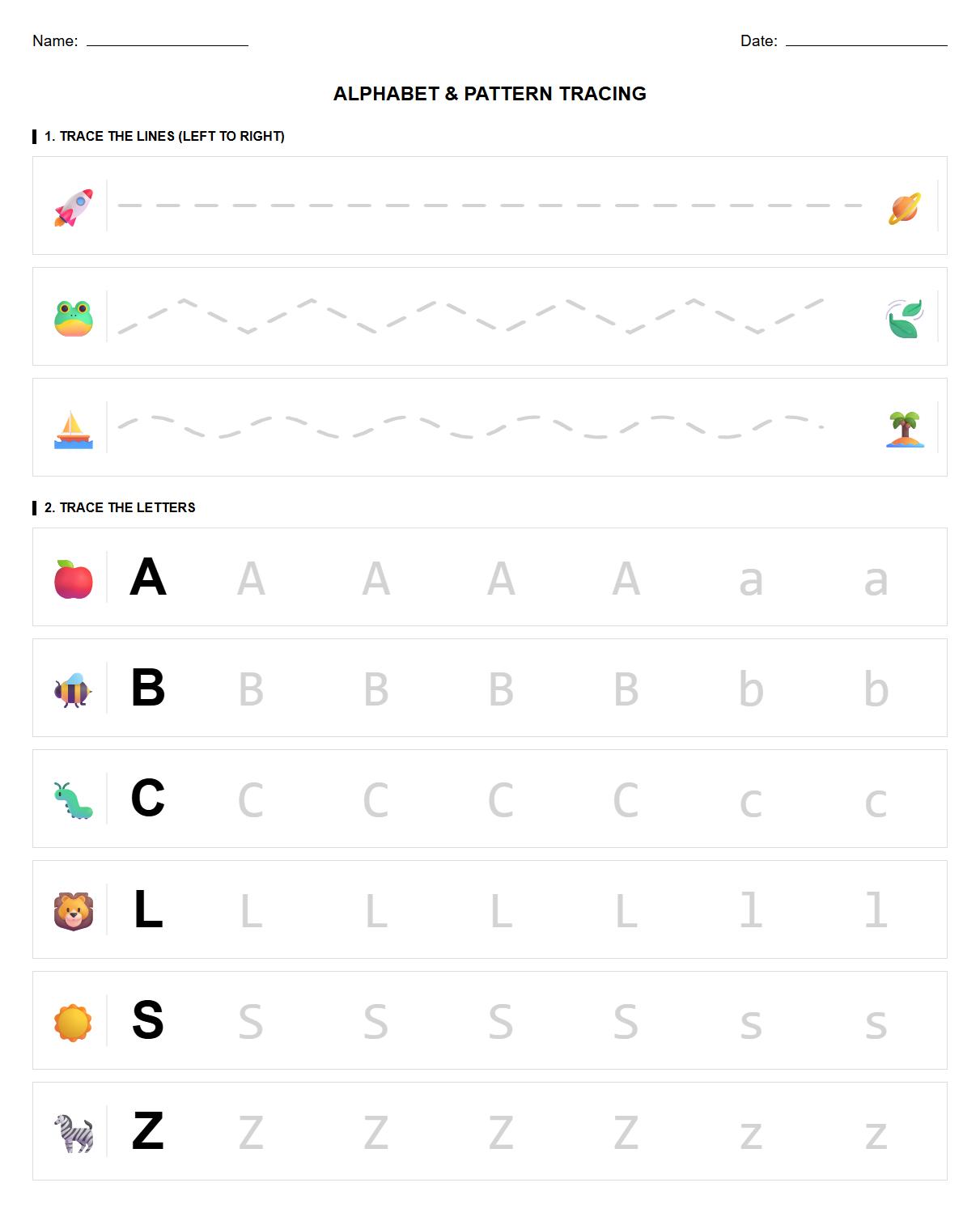
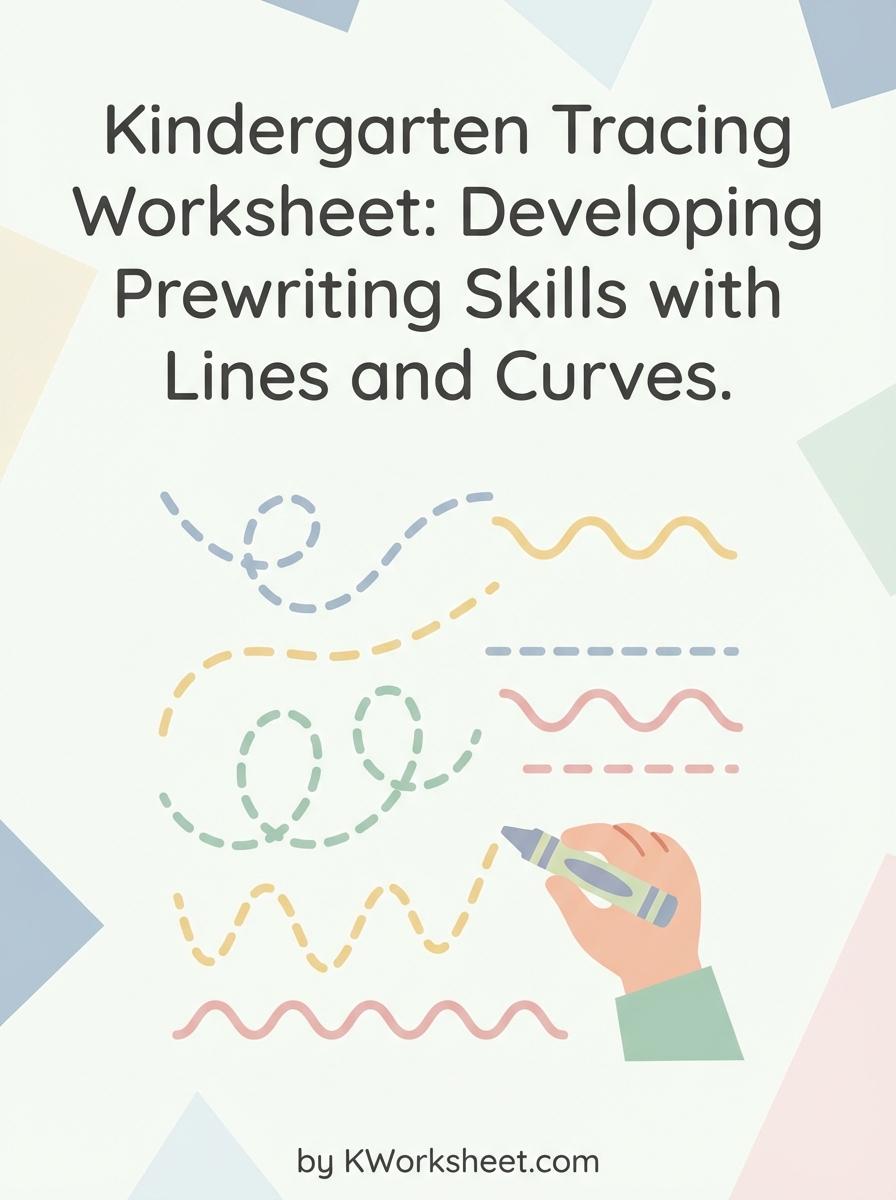
Kindergarten tracing worksheets featuring lines and curves are essential for developing fine motor skills and hand-eye coordination in young learners. These exercises help children build the foundational prewriting abilities necessary for forming letters and numbers. Explore our collection of tracing worksheets to support your child's early writing development.
How Does Tracing Lines Help Develop Fine Motor Skills in Kindergarten Children?
Tracing lines is essential for developing fine motor skills in young children as it encourages precise hand movements and control. It strengthens hand muscles and improves dexterity, helping children gain better grip and pencil control. This foundational skill supports future writing abilities and daily tasks requiring hand coordination.
What Are the Primary Benefits of Practicing Curves in Prewriting Worksheets?
Practicing curves on prewriting worksheets enhances children's ability to form smooth, continuous lines, critical for letter formation. It improves hand flexibility and spatial awareness, both vital for writing fluidity. Curves also encourage creative expression and prepare children for more complex handwriting.
Which Basic Shapes Should Be Introduced First for Tracing Activities?
Start with simple shapes such as circles, squares, and triangles, as they are easy to recognize and trace. These shapes build spatial understanding and help children master basic motor patterns. Introducing these shapes early supports the development of handwriting and drawing skills.
How Often Should Tracing Worksheets Be Incorporated in a Weekly Lesson Plan?
Tracing worksheets should ideally be included in the lesson plan at least 3-4 times per week. Regular practice ensures steady progress in fine motor skill development and keeps children engaged. Consistency helps reinforce muscle memory and improves writing readiness.
What Materials Are Most Effective for Tracing Exercises in Early Education?
Effective materials for tracing exercises include thick crayons, colored pencils, and washable markers, which are easy for small hands to grip. Using laminated tracing sheets or plastic sleeves allows for repeated practice with dry-erase markers. These materials enhance engagement and ensure durability.
How Can Tracing Activities Support Hand-Eye Coordination Development?
Tracing helps synchronize visual input with hand movements, strengthening hand-eye coordination. This coordination is crucial for accurate writing, drawing, and other fine motor tasks. Repetitive tracing activities train the brain to guide hand actions effectively.
What Strategies Help Keep Young Learners Engaged with Tracing Worksheets?
Incorporate colorful, themed tracing sheets and use rewards or praise to motivate learners. Breaking tasks into smaller, manageable sections prevents frustration. Interactive tracing games and incorporating movement can maintain interest and encourage participation.
How Do Teachers Assess Progress in Prewriting Skill Development?
Teachers assess progress by observing children's control, accuracy, and confidence during tracing tasks. They note improvements in line following, shape recognition, and pencil grip. Assessment can include checklist evaluations and comparing work samples over time.
What Modifications Can Be Made for Children Struggling with Tracing Lines?
For children facing difficulties, simplify tracing patterns by using larger shapes or thicker lines. Provide adapted tools like grip aids or softer pencils to enhance comfort. Offering one-on-one guidance and breaking tasks into smaller steps can boost success and confidence.
How Can Parents Support Tracing Practice at Home for Kindergarten Students?
Parents can support tracing by creating a quiet, well-lit workspace with accessible supplies such as crayons and tracing worksheets. Encouraging daily short practice sessions and providing positive feedback fosters motivation. Using fun tracing activities integrated into everyday routines strengthens skill retention.


Occupational Therapy Worksheet: Line and Curve Tracing for Kindergarten Students