Hands On Bar Graph Worksheet for Kindergarten Students

📅 Mar 14, 2025 👤 Nylen Smith

Kindergarten students develop essential data interpretation skills through engaging, hands-on bar graph activities that enhance their understanding of counting and comparison. These interactive exercises promote visual learning and critical thinking by allowing young learners to organize and analyze information effectively. Explore our collection of hands-on bar graph worksheets designed to make learning fun and accessible for kindergarteners.

Sorting and Counting Bar Graph Worksheet using Colorful Manipulatives
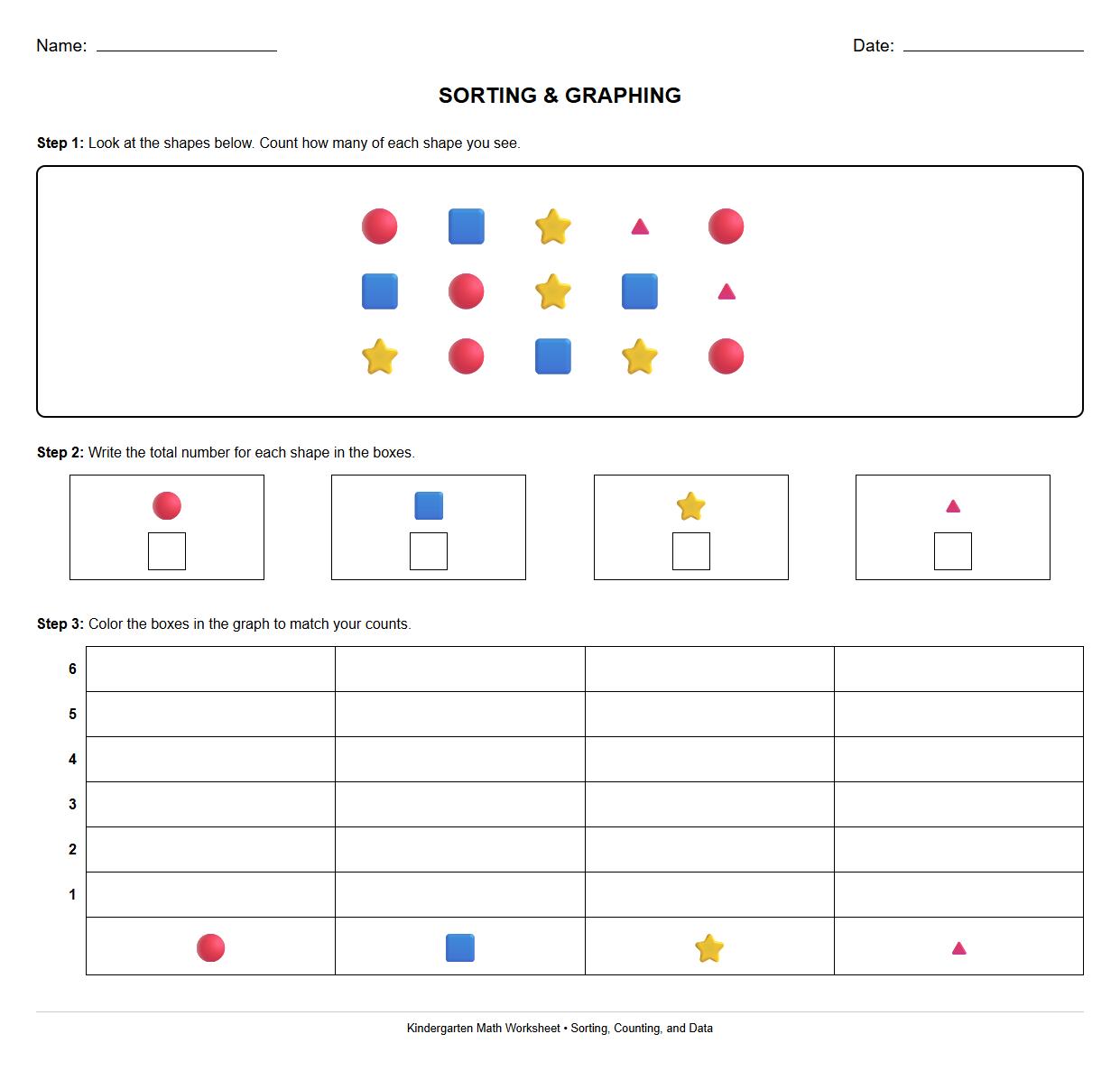
Sorting and Counting Bar Graph Worksheet using Colorful Manipulatives

Download PDF     Pin it

Picture Data Collection and Bar Graphing with Cut and Paste Activities
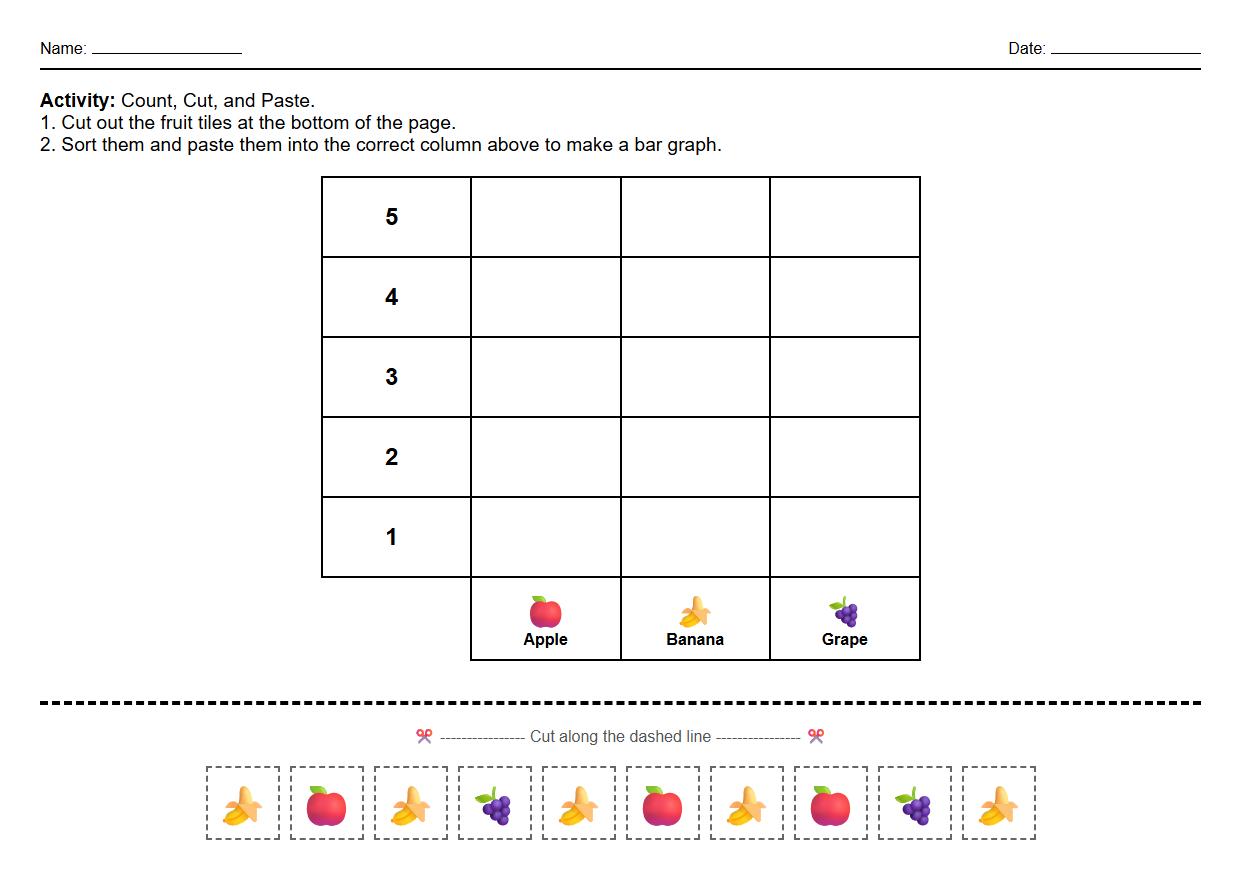
Picture Data Collection and Bar Graphing with Cut and Paste Activities

Download PDF     Pin it

Hands On Bar Graph Worksheet with Real Object Tallying Practice
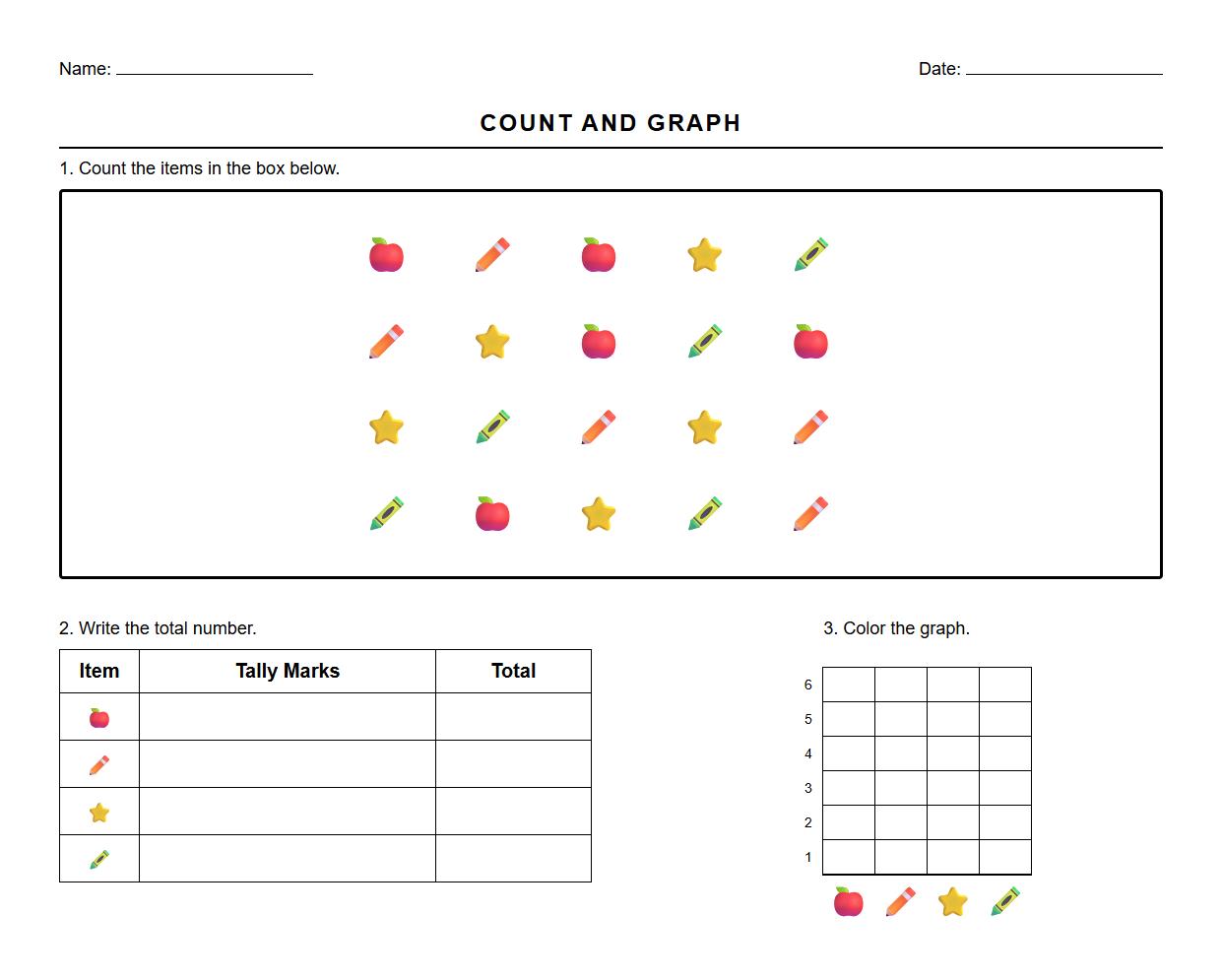
Hands On Bar Graph Worksheet with Real Object Tallying Practice

Download PDF     Pin it

Interactive Bar Graph Worksheet for Sorting Classroom Items
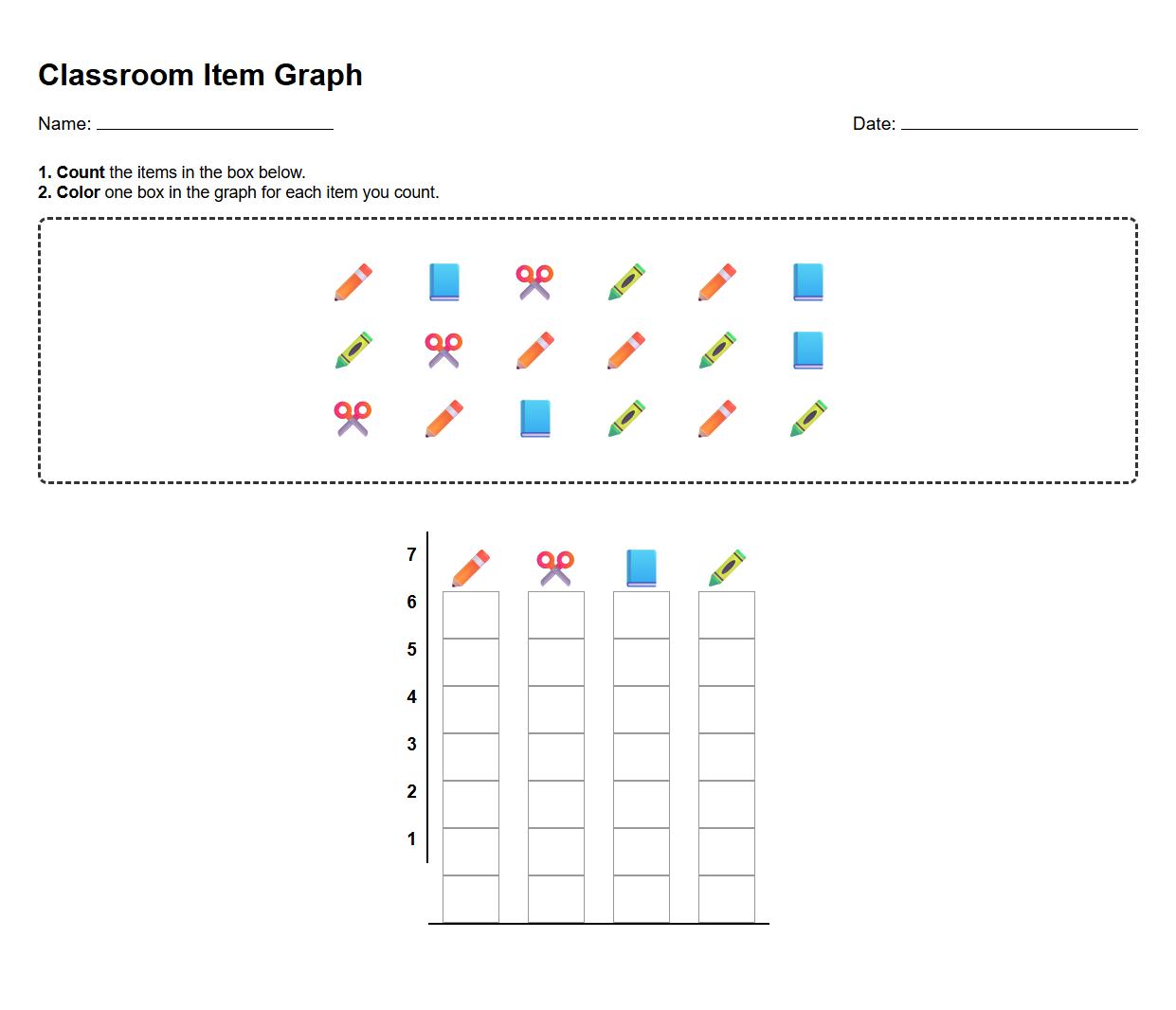
Interactive Bar Graph Worksheet for Sorting Classroom Items

Download PDF     Pin it

Phonics Sound Bar Graph Worksheet with Initial Sound Pictures
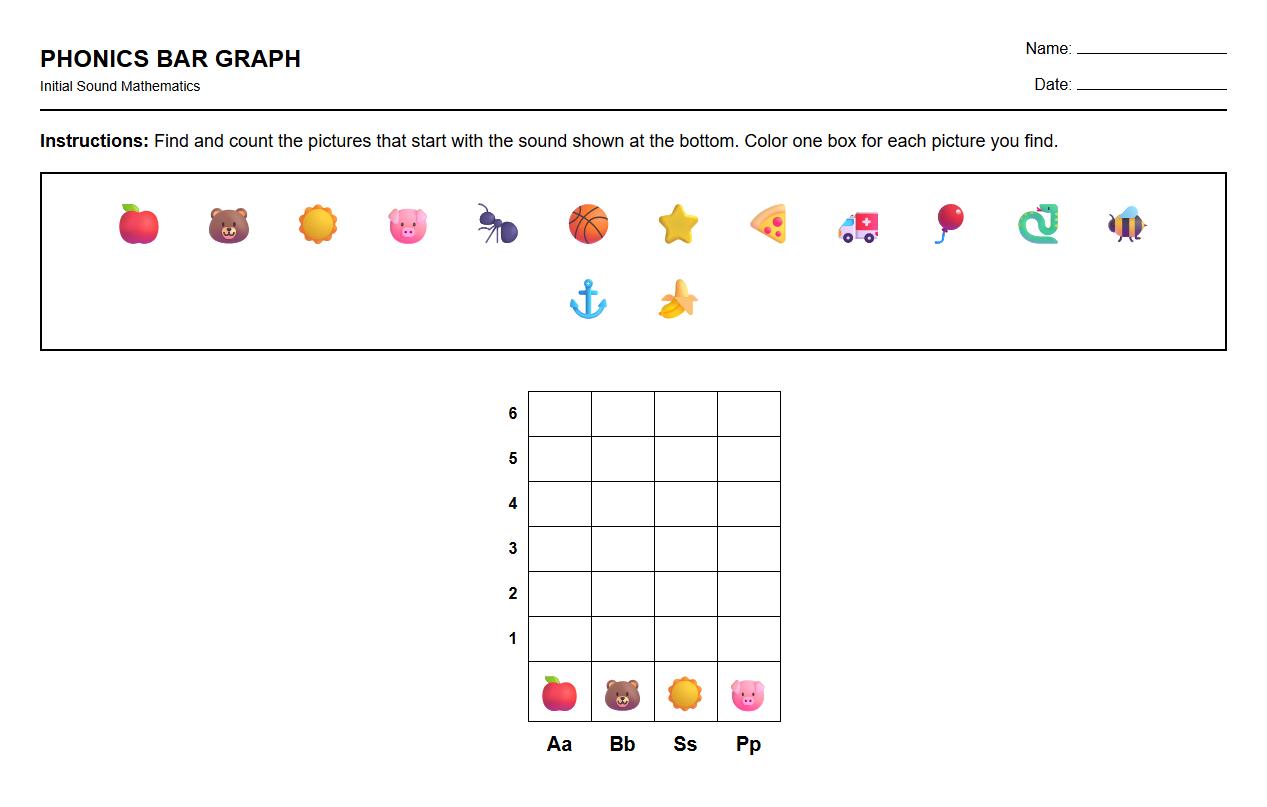
Phonics Sound Bar Graph Worksheet with Initial Sound Pictures

Download PDF     Pin it

Hands On Fruit Bar Graph Worksheet for Early Data Analysis
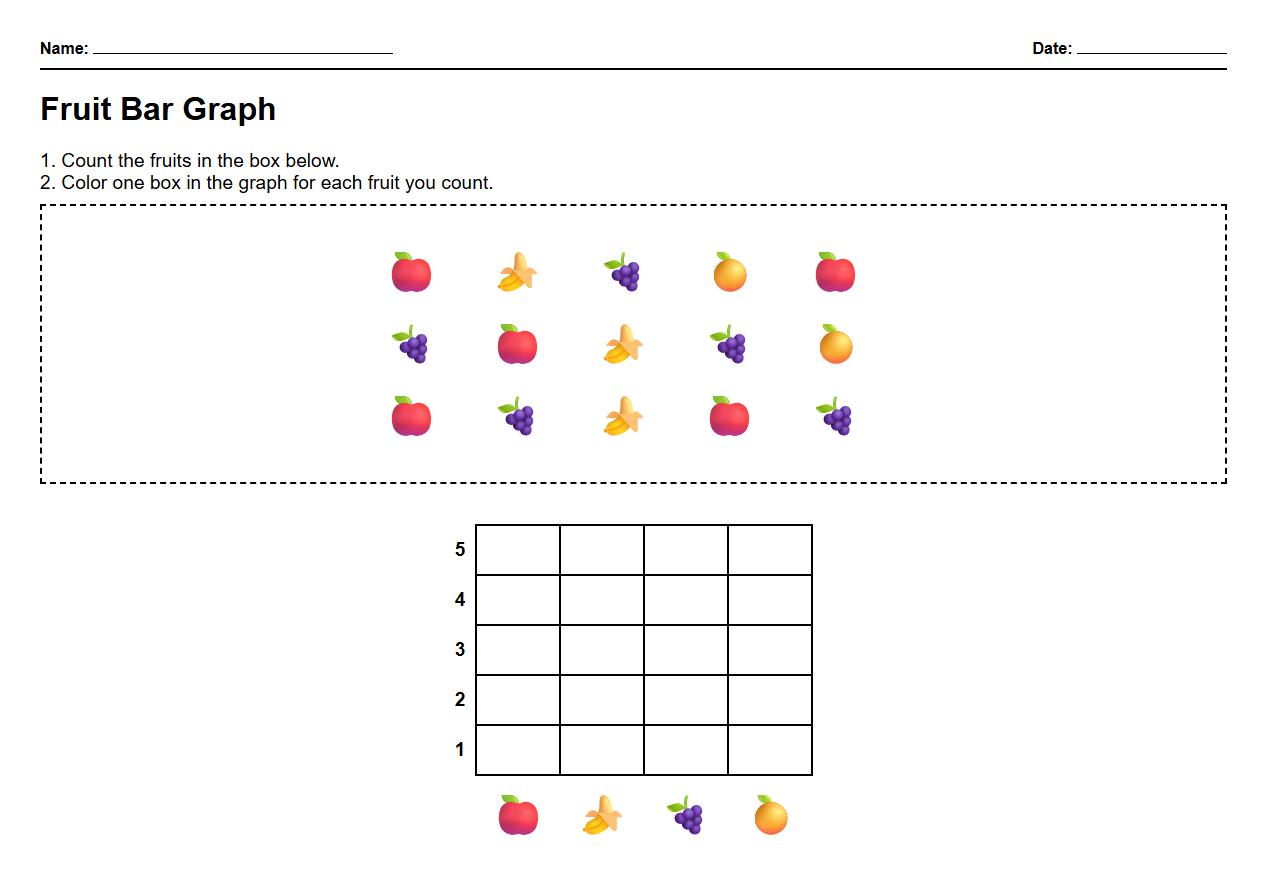
Hands On Fruit Bar Graph Worksheet for Early Data Analysis

Download PDF     Pin it

Shape Attribute Bar Graph Worksheet with Concrete Shape Sorting
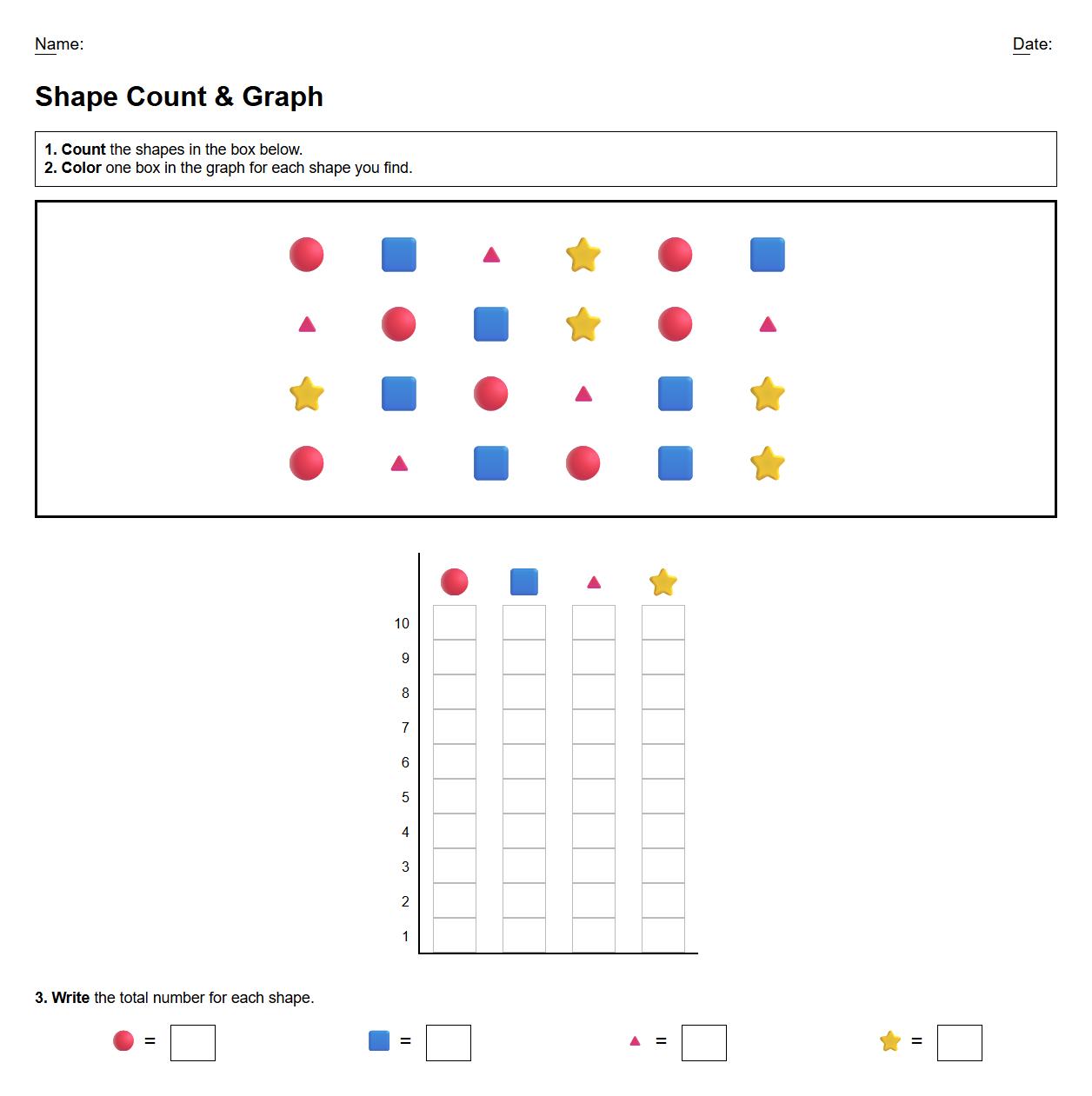
Shape Attribute Bar Graph Worksheet with Concrete Shape Sorting

Download PDF     Pin it

Simple Animal Theme Bar Graph Worksheet for Visual Data Interpretation
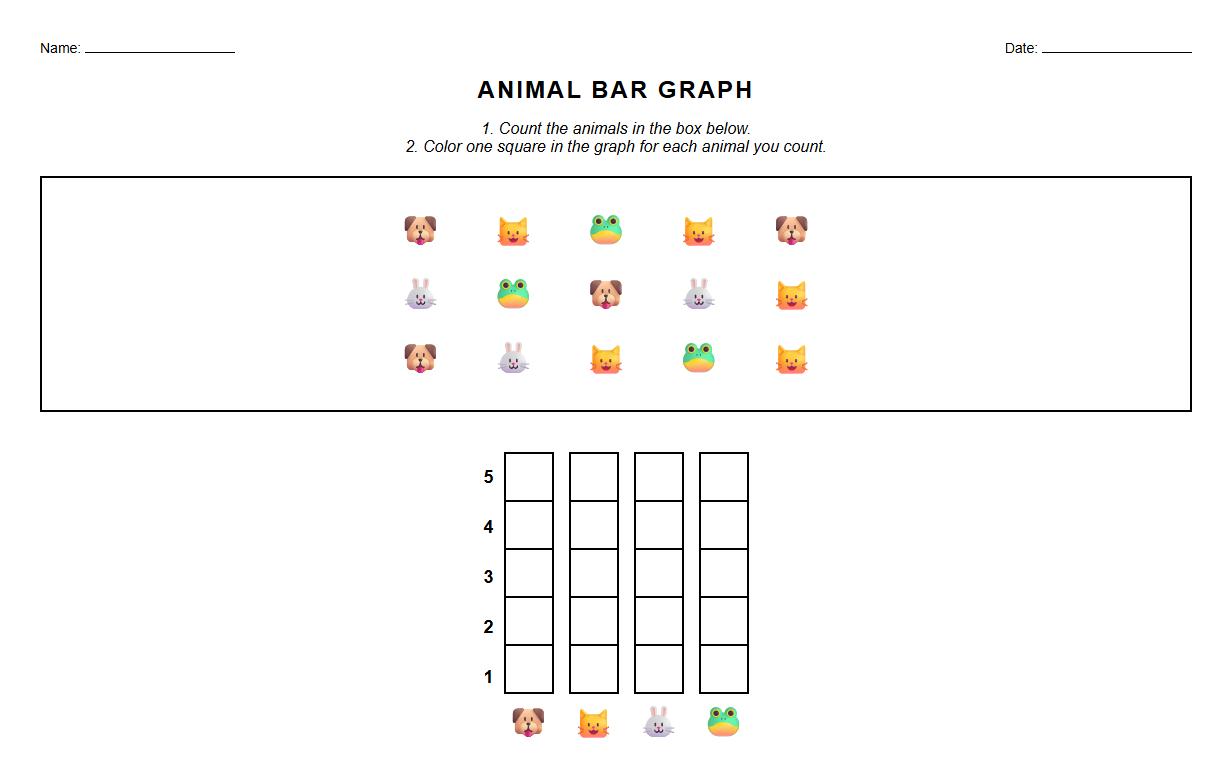
Simple Animal Theme Bar Graph Worksheet for Visual Data Interpretation

Download PDF     Pin it

Favorite Food Bar Graph Worksheet using Student Survey Data
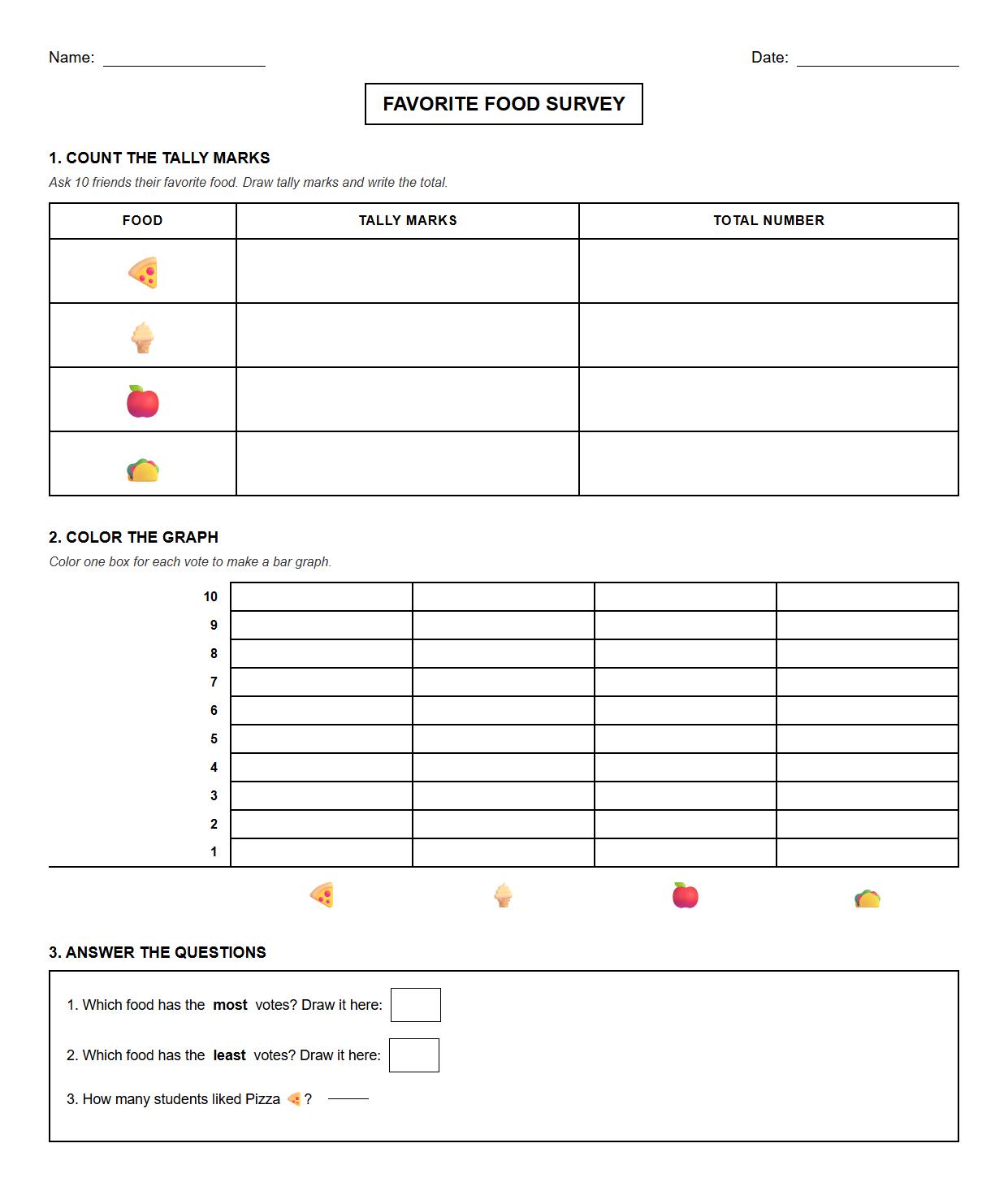
Favorite Food Bar Graph Worksheet using Student Survey Data

Download PDF     Pin it

Block Building Bar Graph Worksheet for Kindergarten Counting Skills
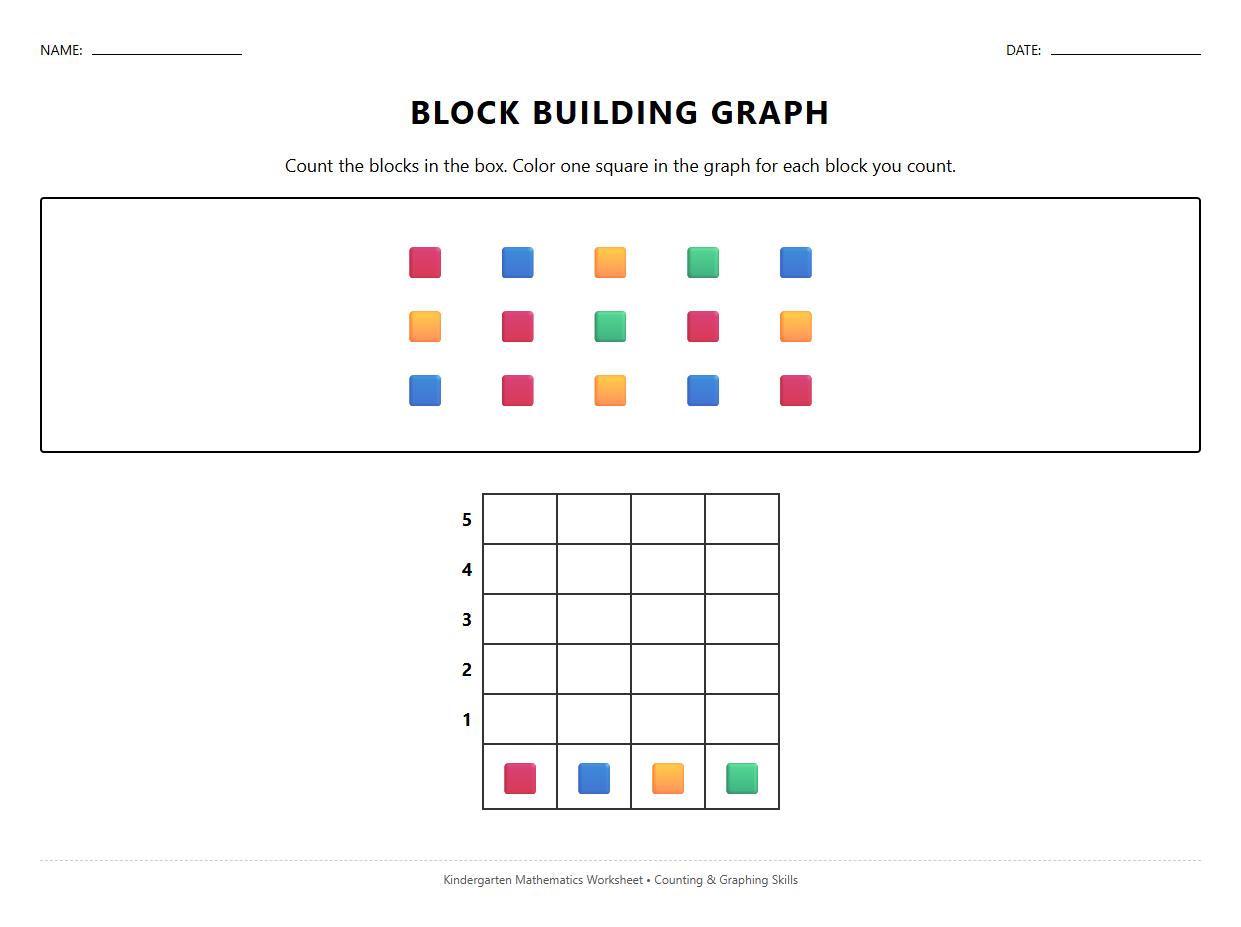
Block Building Bar Graph Worksheet for Kindergarten Counting Skills

Download PDF     Pin it

Objects Used to Create the Bar Graph

To create the bar graph, children can use everyday objects such as blocks, toy animals, or crayons. These tangible items make it easier for them to understand counting and categorizing. Encouraging kids to handle objects promotes hands-on learning and engagement.

Number of Categories in the Bar Graph

The bar graph consists of several categories, each representing a distinct group of items. Typically, there are 3 to 5 categories to keep it simple and manageable for kindergarten students. This helps children to compare and analyze data effectively.

Category with the Most and Least Items

Identifying which category holds the most and the least items teaches children comparison skills. The tallest bar indicates the most items, while the shortest shows the least. This visual distinction supports early math concepts like quantity and ranking.

Counting Items in Favorite Category

Children are encouraged to count how many items are in their favorite category. This reinforces number recognition and counting skills. It also allows them to connect personal preferences with data interpretation.

Counting and Comparing Two Different Categories

Comparing two categories by counting their items helps children develop critical thinking. They learn to observe differences and similarities between groups visually displayed on the graph. This activity builds foundational skills for data analysis.

Using Colors to Show Groups on the Bar Graph

Colors are used to differentiate each group in the bar graph, making it easier to read and understand. Bright and distinct colors catch children's attention and aid memory retention. This method encourages graphical literacy from an early age.

Arranging Objects Before Making the Graph

Before constructing the bar graph, objects should be arranged by groups and counted carefully. This organization step is crucial for creating an accurate and meaningful graph. It also teaches the importance of sorting as a preliminary step in data collection.

Groups with the Same Number of Items

Finding groups with the same number of items highlights the concept of equal quantities. Children observe bars of equal height, which introduces the idea of equivalence in data. This comparison fosters a deeper understanding of numbers.

Learning from Making the Bar Graph

By creating a bar graph, children learn to collect, organize, and interpret data visually. They develop skills in counting, comparison, and critical thinking. This activity also enhances their ability to communicate information clearly and confidently.


More in Mathematics Category


About the author. Nylen Smith is a dedicated educator and cofounder of KWorksheet.com, a popular platform specializing in high-quality kindergarten worksheets and printable activities.

Disclaimer. The information provided in this document is for general informational purposes and/or document sample only and is not guaranteed to be factually right or complete. Please report to us via contact-us page if you find and error in this page, thanks.

Comments

No comment yet