Animal Classification Worksheet for Early Learners

📅 Apr 8, 2025 👤 Nylen Smith

Animal classification helps early learners understand how animals are grouped based on their characteristics like habitat, diet, and body features. This foundational knowledge enhances their observation skills and encourages curiosity about the natural world. Explore our engaging animal classification worksheets designed to make learning fun and interactive.

Animal Classification Phonics Matching Worksheet
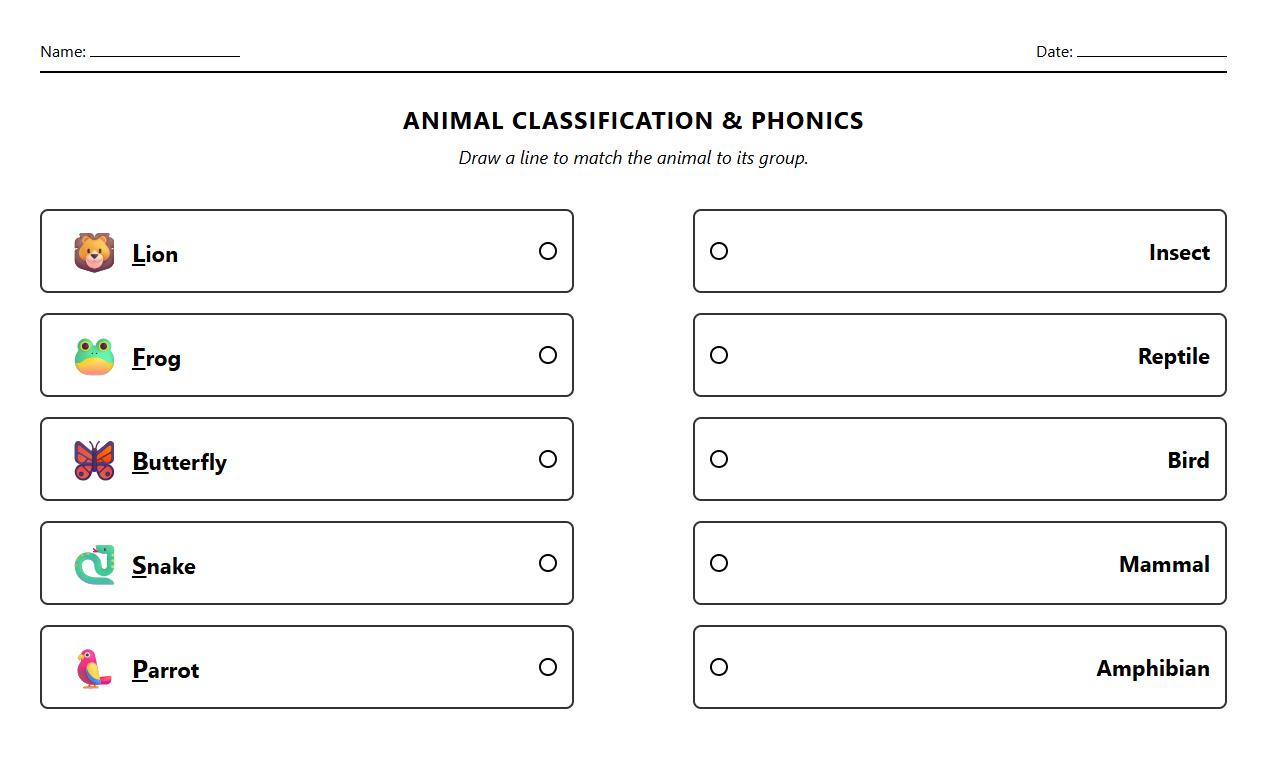
Animal Classification Phonics Matching Worksheet

Download PDF     Pin it

Vertebrates and Invertebrates Sorting Worksheet
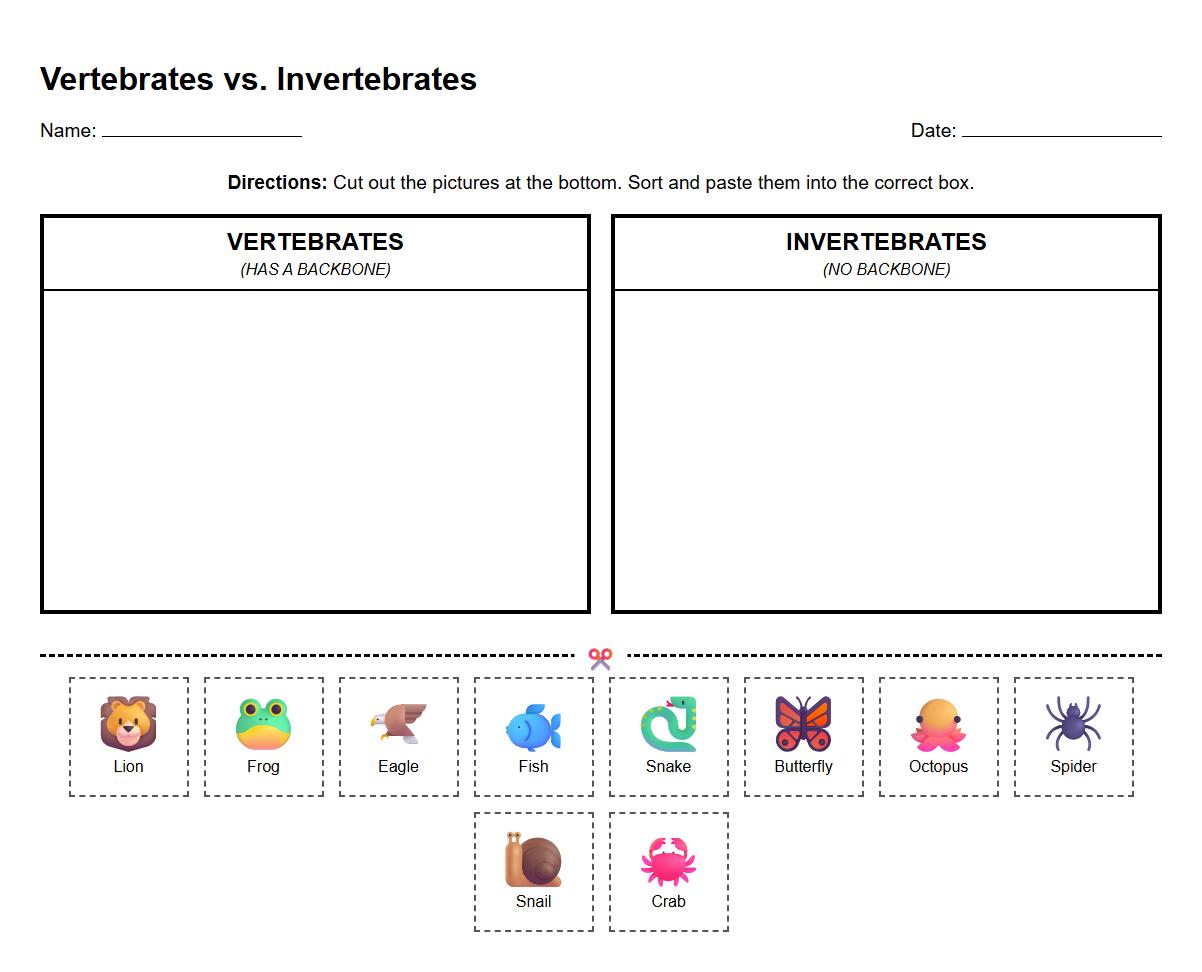
Vertebrates and Invertebrates Sorting Worksheet

Download PDF     Pin it

Mammals Reptiles Birds Amphibians Fish Labeling Worksheet
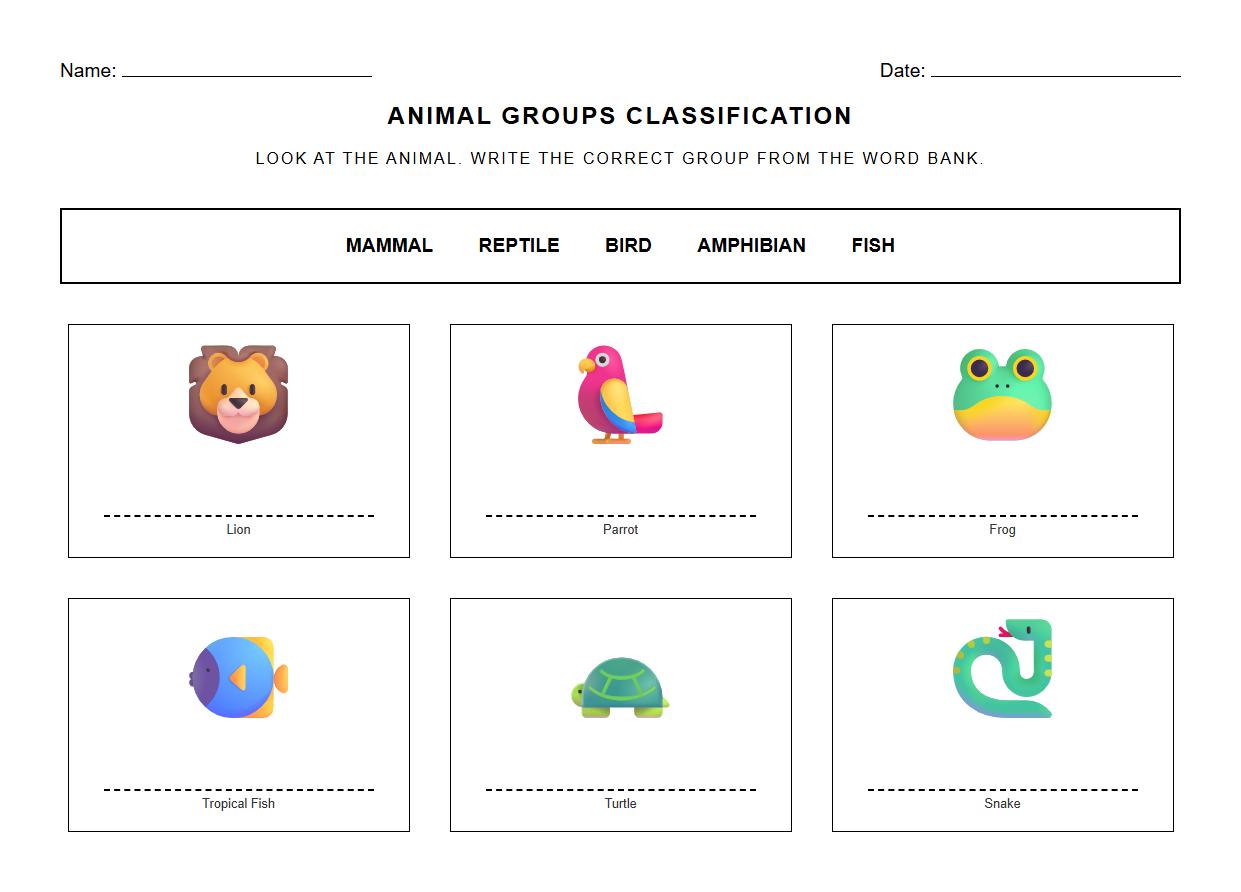
Mammals Reptiles Birds Amphibians Fish Labeling Worksheet

Download PDF     Pin it

Animal Characteristics Graphing Worksheet
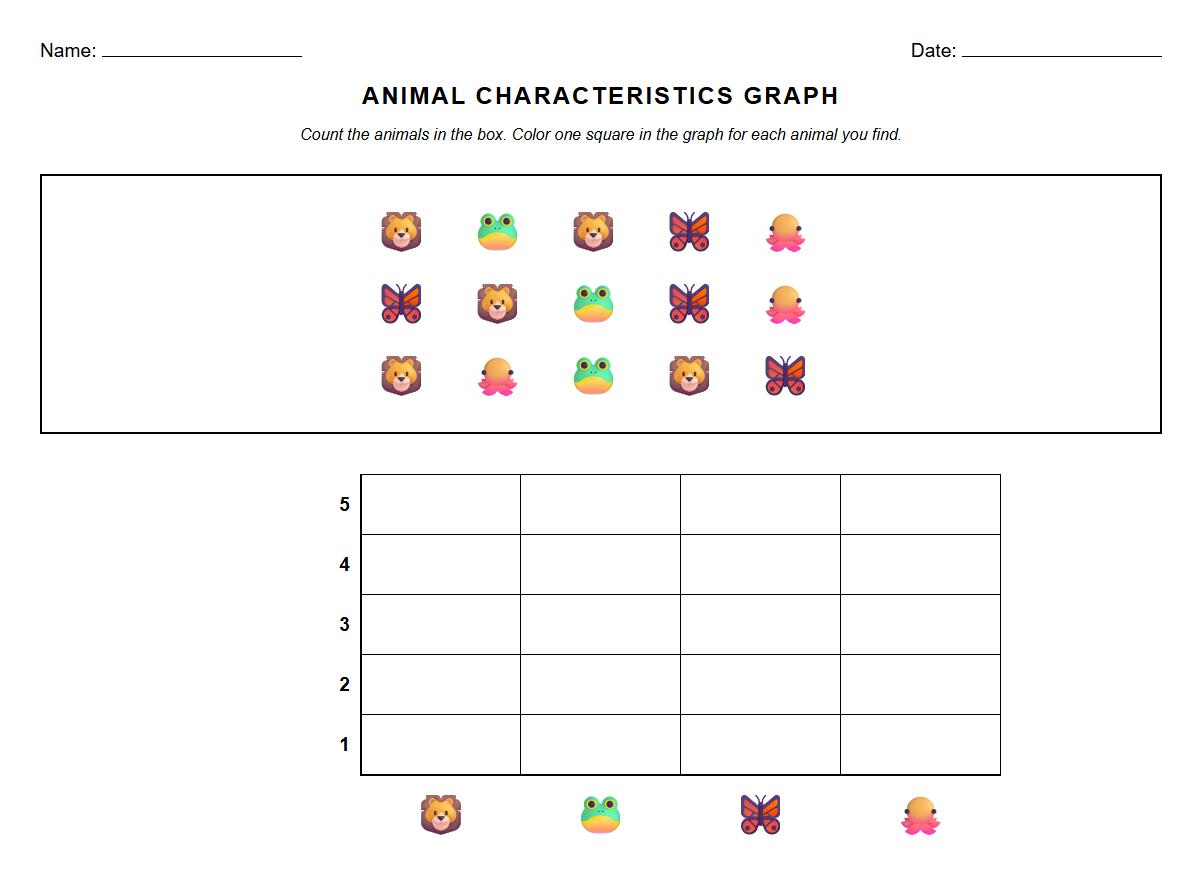
Animal Characteristics Graphing Worksheet

Download PDF     Pin it

Animal Habitats Vocabulary Worksheet
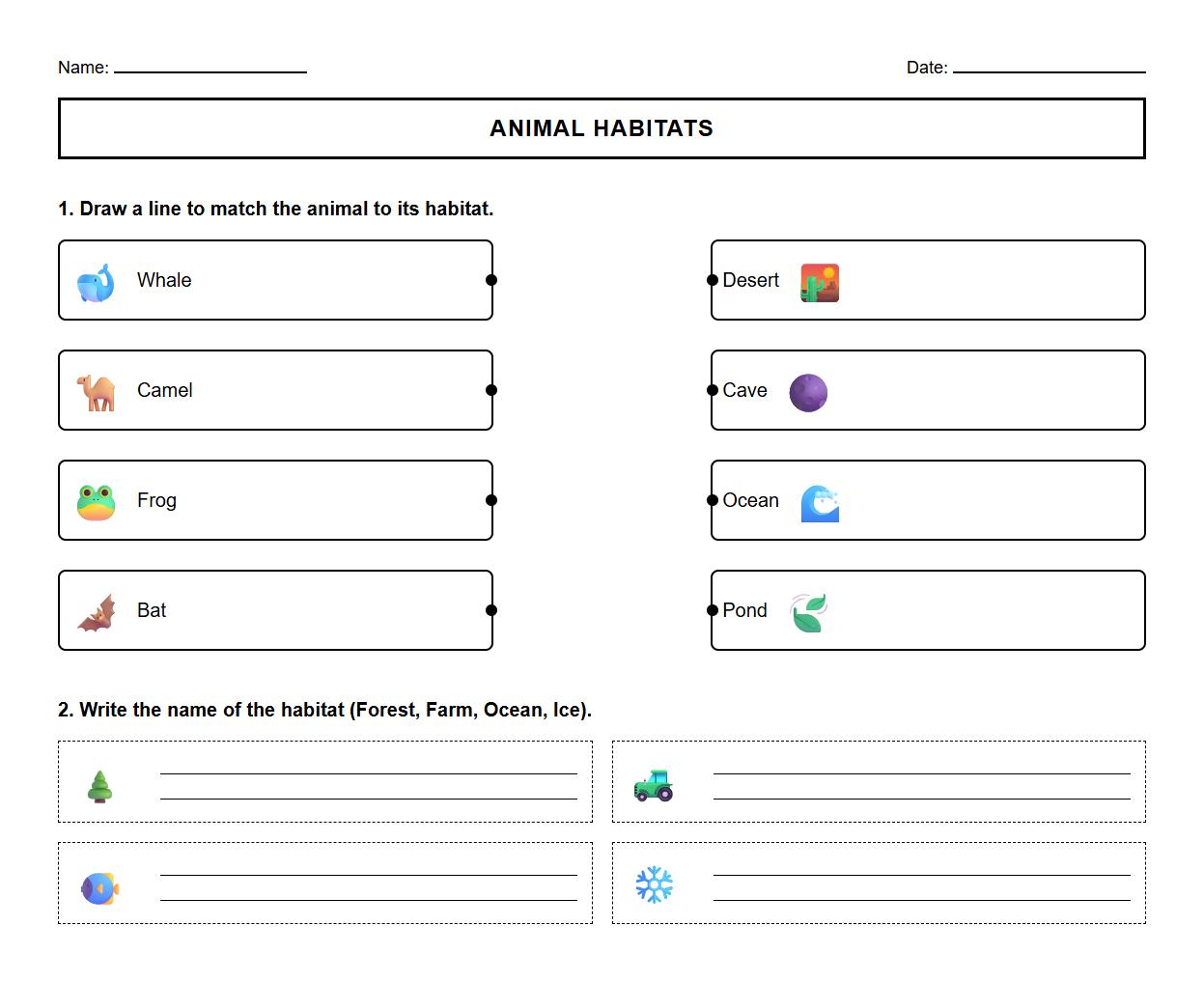
Animal Habitats Vocabulary Worksheet

Download PDF     Pin it

Animal Group Visual Discrimination Worksheet
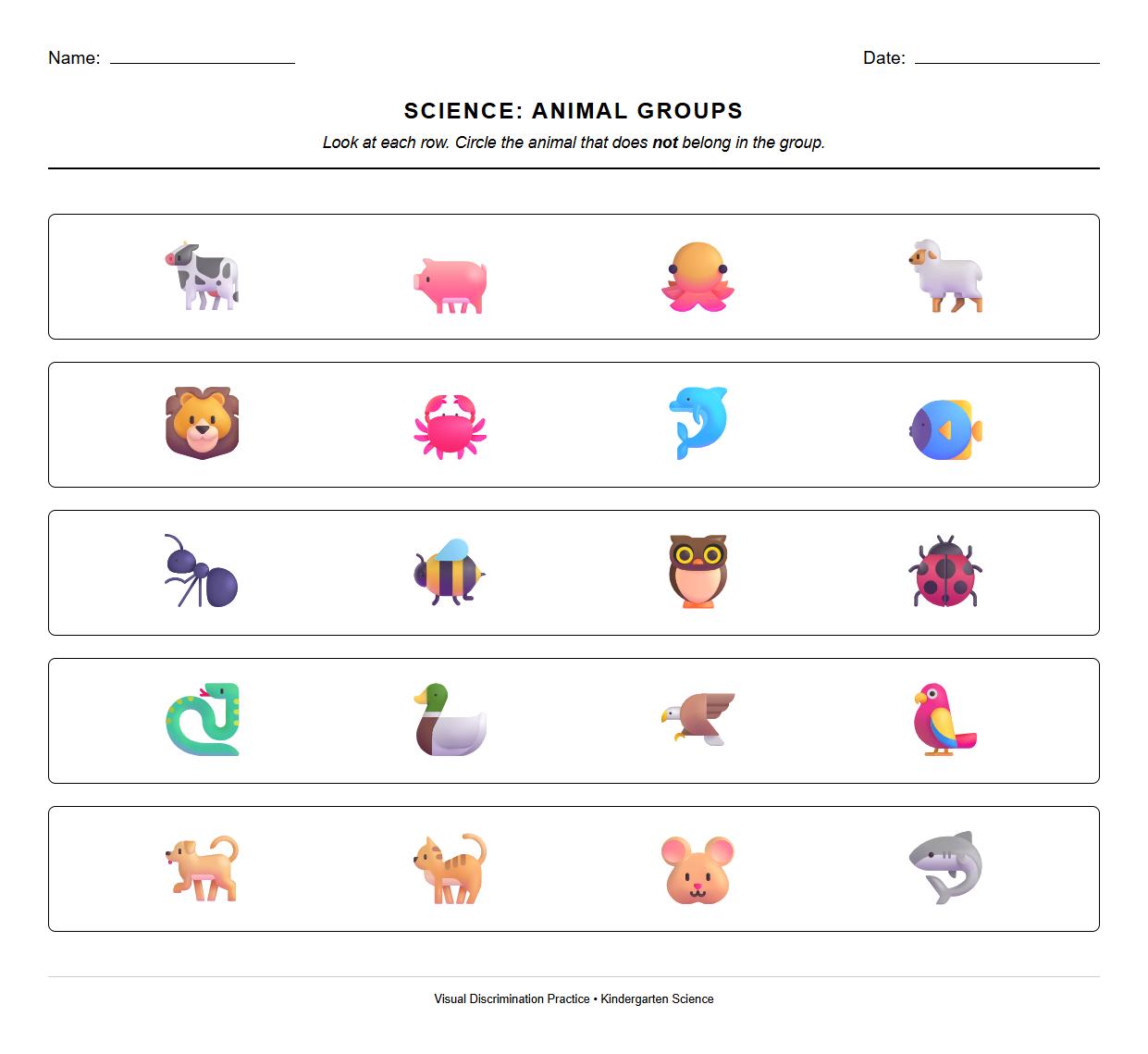
Animal Group Visual Discrimination Worksheet

Download PDF     Pin it

Life Cycle Sequencing Worksheet for Animal Types
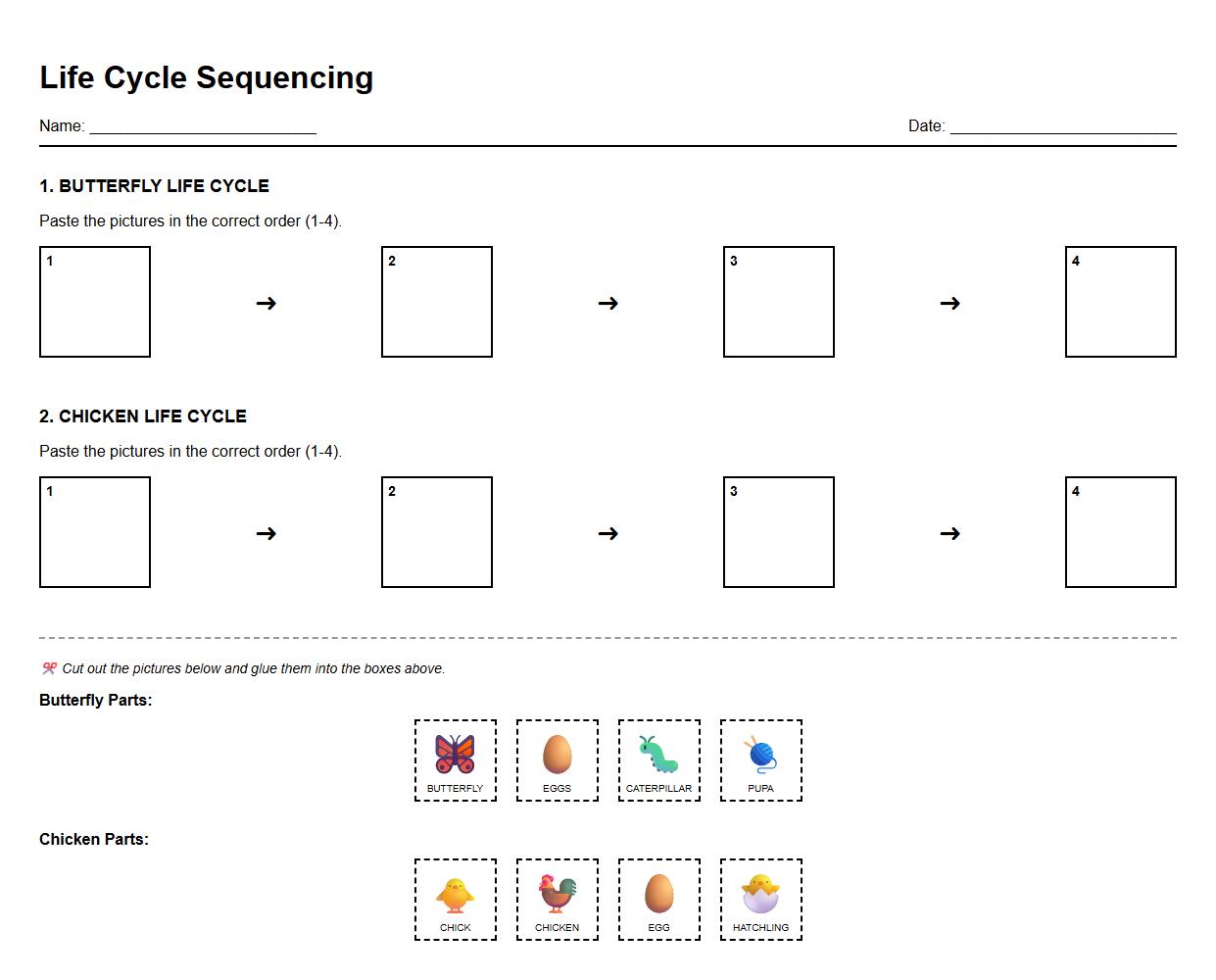
Life Cycle Sequencing Worksheet for Animal Types

Download PDF     Pin it

Animal Features Observation Chart Worksheet
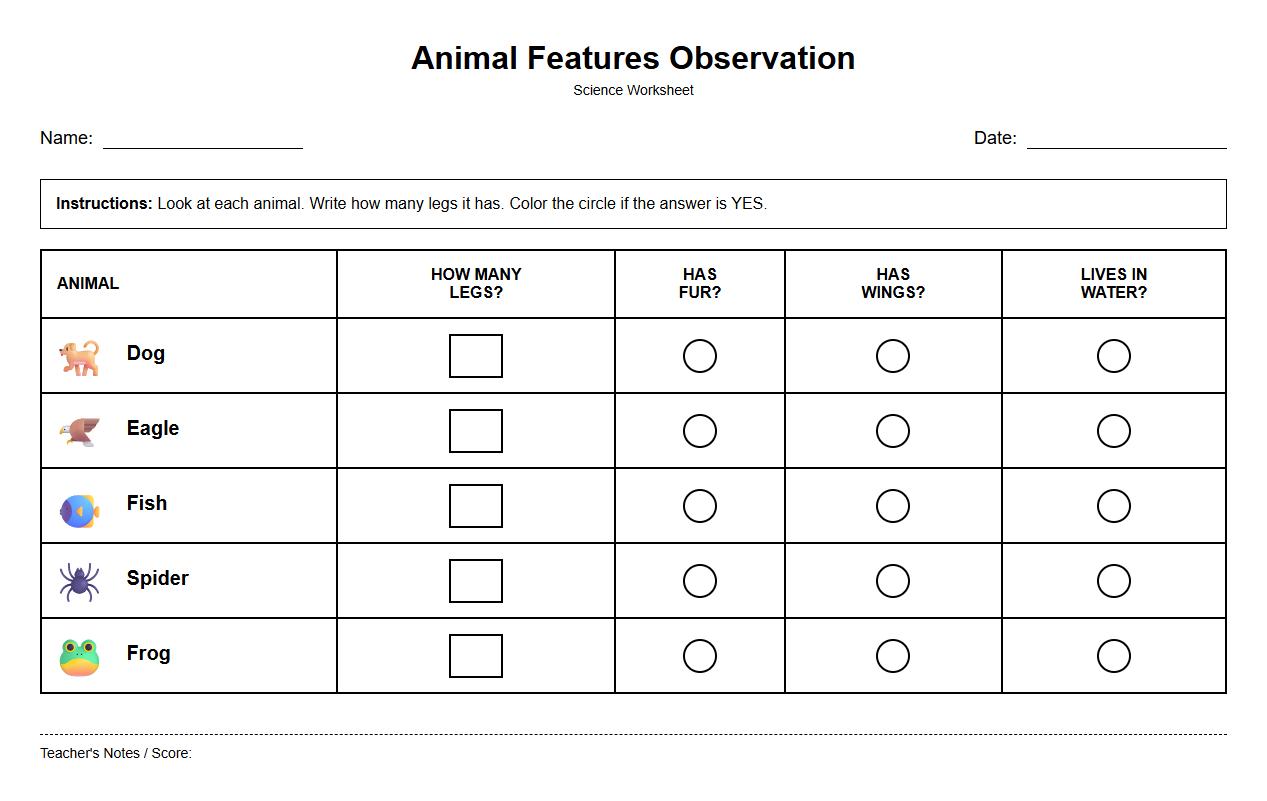
Animal Features Observation Chart Worksheet

Download PDF     Pin it

Animal Classification Cut and Paste Worksheet
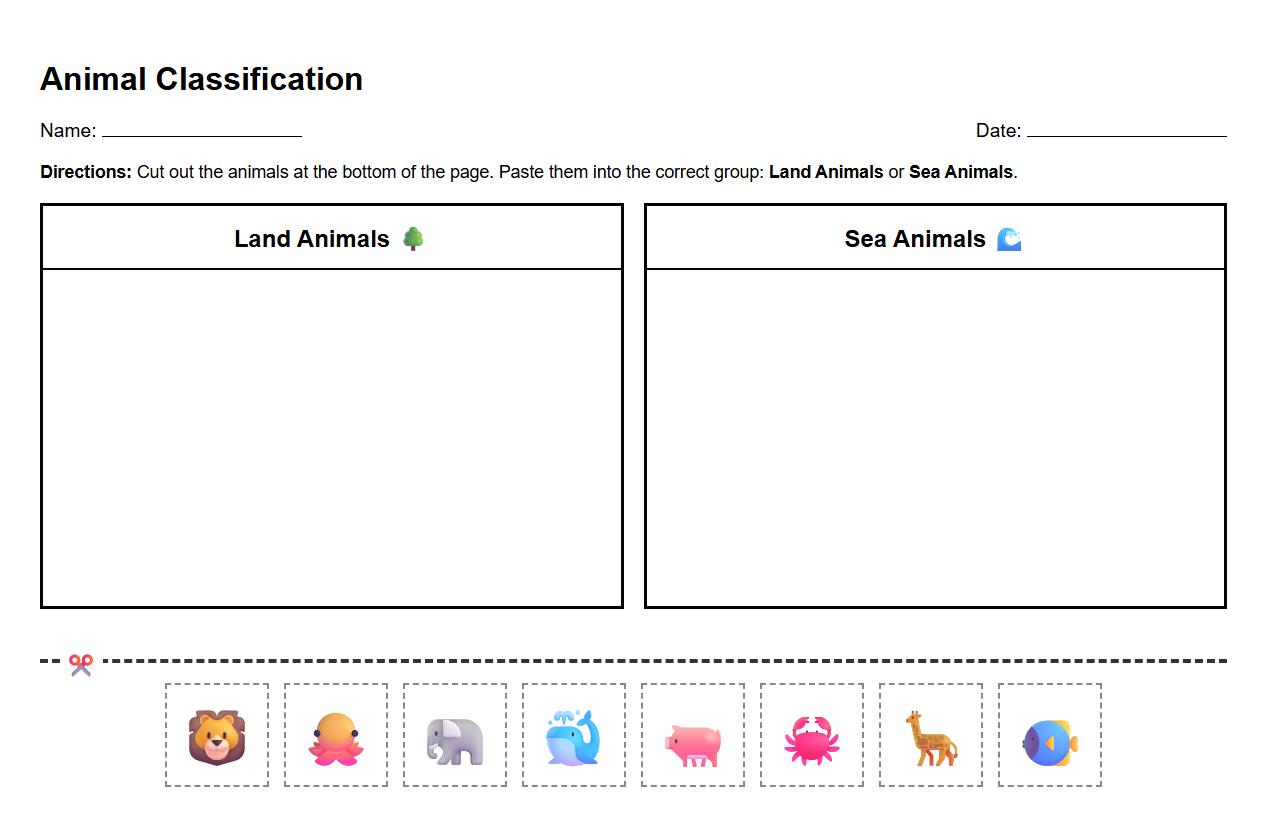
Animal Classification Cut and Paste Worksheet

Download PDF     Pin it

Cross Curricular Science and Phonics Animal Worksheet
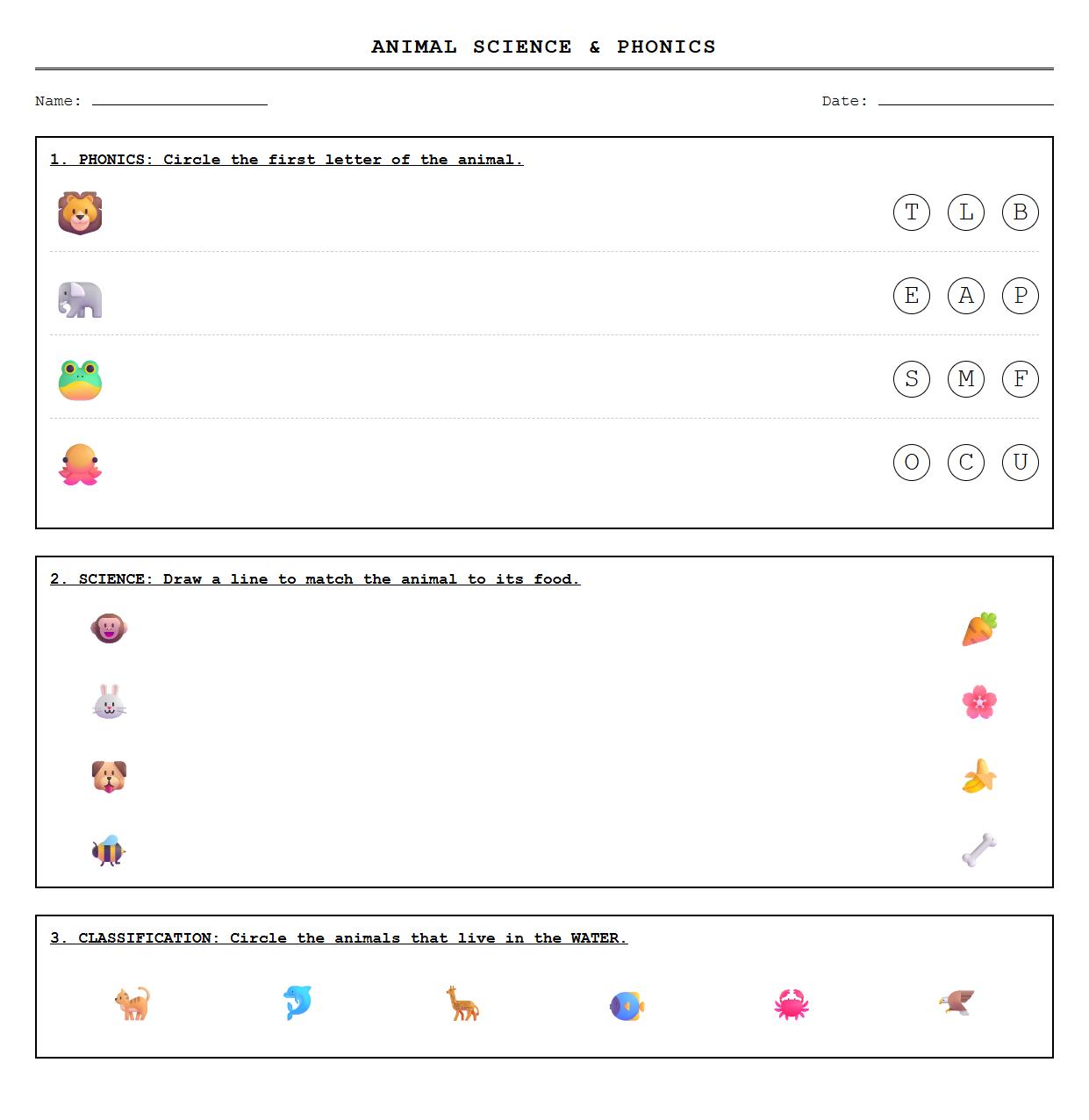
Cross Curricular Science and Phonics Animal Worksheet

Download PDF     Pin it

Which Animal Lives in Water?

Ask children to identify which animal among a fish, cat, or dog lives in water. Encourage them to think about where each animal can be found. This activity helps develop their knowledge about animal habitats. Use pictures to make it easier and more engaging.

Circle the Animal with Feathers

Provide images of different animals and ask the children to circle the one with feathers. Emphasize birds as animals with feathers. This improves their ability to recognize physical traits. It also teaches basic classification skills.

Which Animal Lays Eggs?

Give children the options chicken, horse, or cow to choose from. Focus on the fact that the chicken lays eggs, unlike the horse or cow. Use this to introduce life cycles and animal reproduction. Visual aids are helpful for better understanding.

Match the Animal to Its Home

Help children match animals to their homes, such as a bird to a nest and a dog to a kennel. This activity enhances memory and association skills. Use images for a fun and interactive experience. Discuss the importance of each animal's home.

Name a Pet That Has Fur

Encourage children to think of pets with fur, such as cats or dogs. Highlight the word fur to help them identify animals with this feature. This strengthens vocabulary and animal recognition. Bring real or toy pets if possible.

Draw an Animal That Can Fly

Ask the children to draw an animal that can fly. Birds are the most common examples. This encourages creativity and reinforces concepts about animals' abilities. Display their drawings to boost confidence.

Which of These Animals Is a Reptile?

Present options: turtle, rabbit, or sheep, and guide children to select the turtle, the reptile. Explain basic reptile characteristics like scales and cold-blooded nature. This broadens their scientific knowledge. Use simple language for clarity.

Point to the Animal That Says "Moo"

Show pictures of farm animals and ask children to point to the one that says "moo". The correct answer is the cow. This helps with sound recognition and animal identification. Fun sounds make learning enjoyable.

Color the Animals That Live on a Farm

Provide coloring sheets with various animals and ask children to color only the ones that live on a farm. This builds categorization skills and attention to detail. Discuss each farm animal they color to increase engagement. Use bright colors for motivation.

Which Animal Is the Biggest?

Compare animals like elephant, mouse, and cat, and ask children to identify the biggest one, the elephant. This activity teaches size comparison and vocabulary. Use pictures to aid comprehension. Encourage children to describe differences in size.


More in Science Category


About the author. Nylen Smith is a dedicated educator and cofounder of KWorksheet.com, a popular platform specializing in high-quality kindergarten worksheets and printable activities.

Disclaimer. The information provided in this document is for general informational purposes and/or document sample only and is not guaranteed to be factually right or complete. Please report to us via contact-us page if you find and error in this page, thanks.

Comments

No comment yet