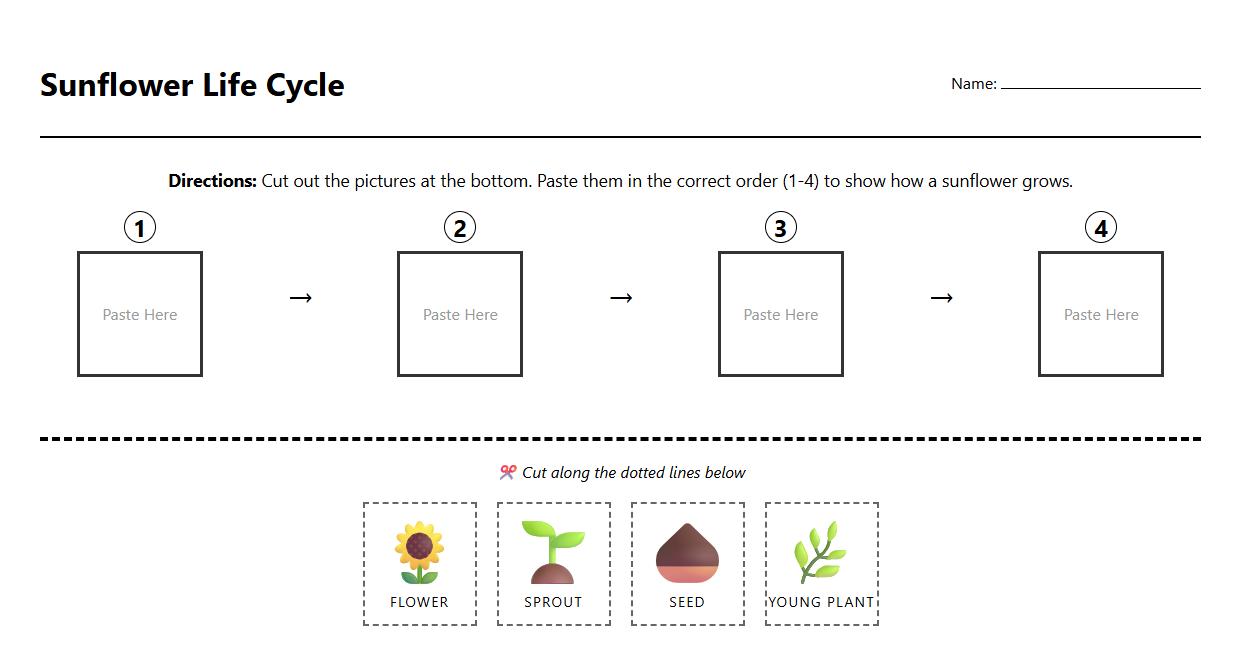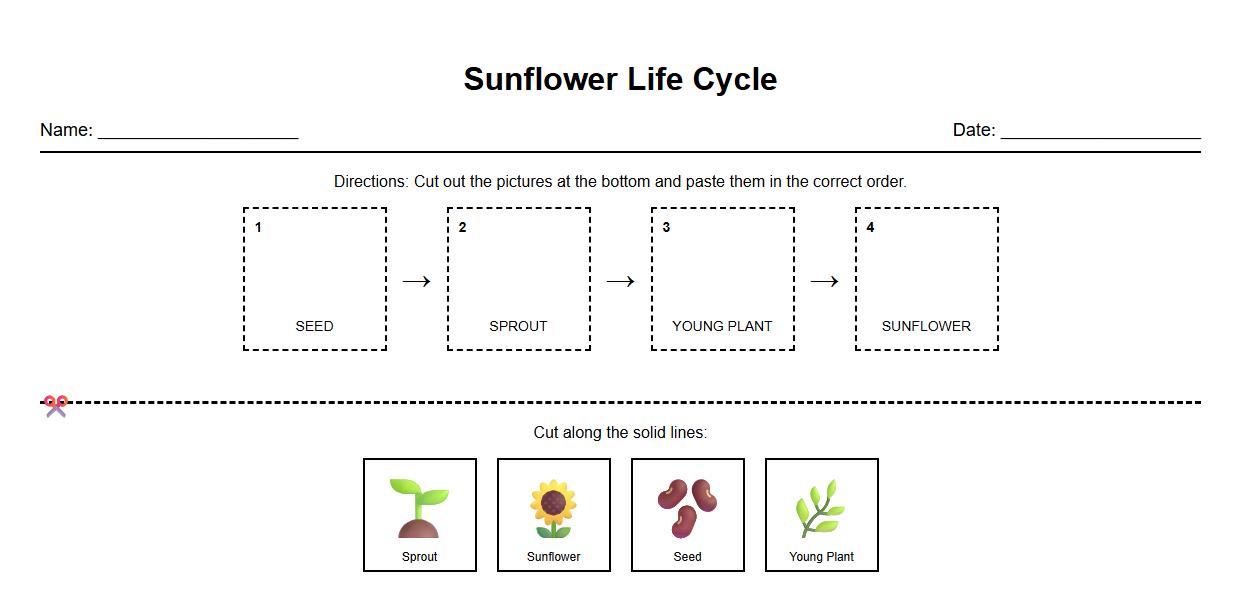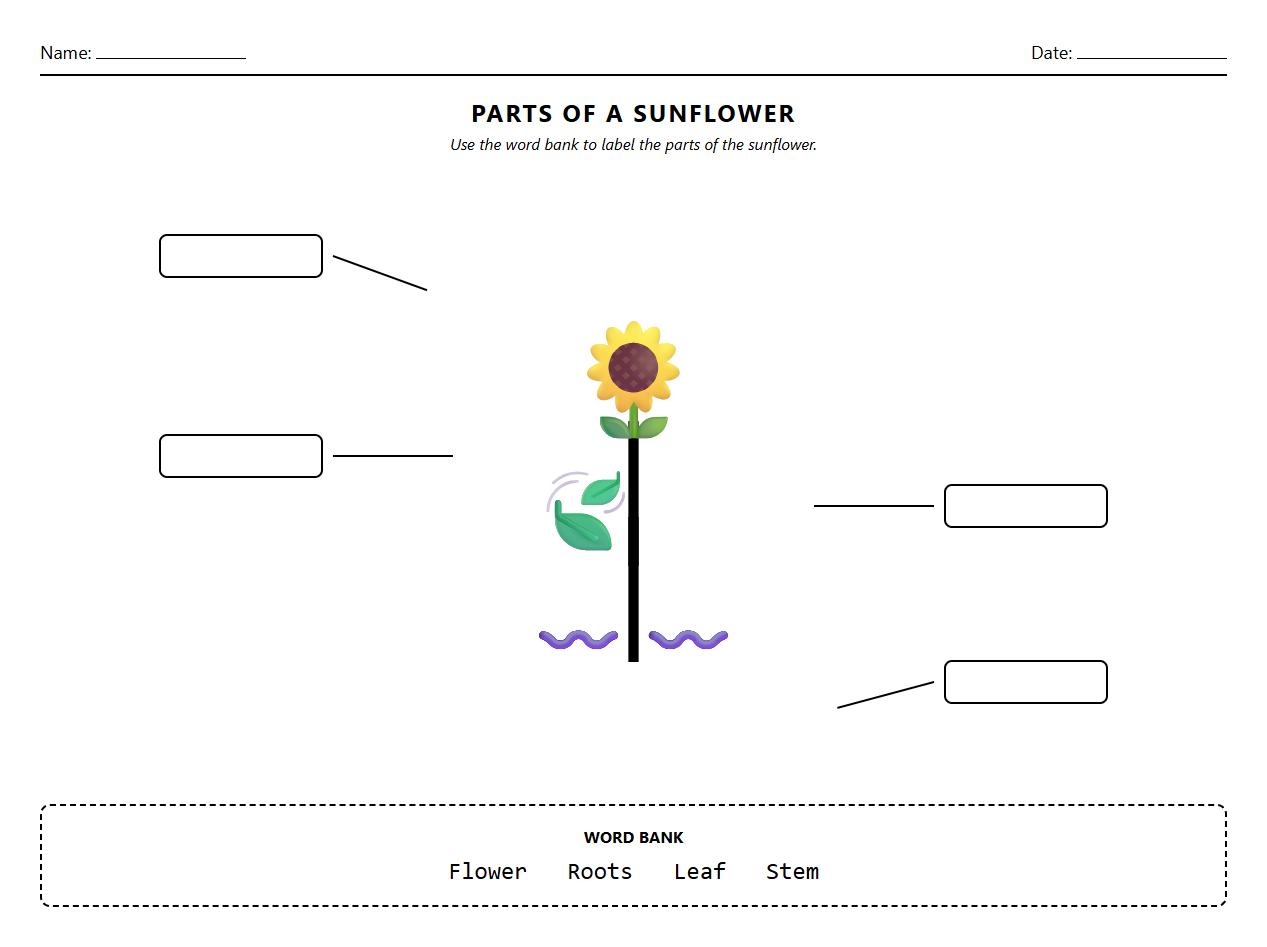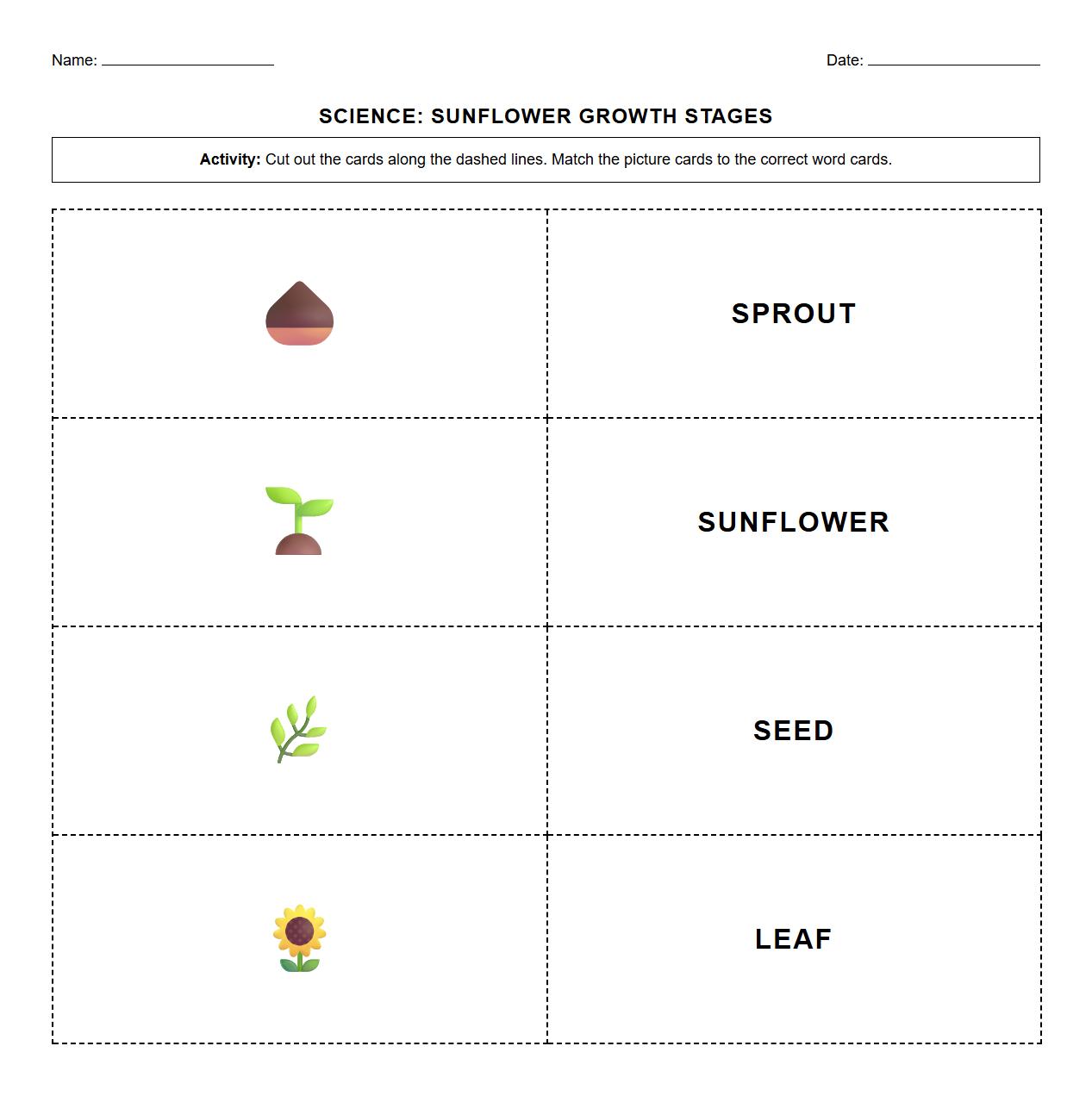
Hands-on worksheets about the life cycle of a sunflower engage students in exploring each growth stage from seed germination to flowering and seed production. These activities encourage observation, critical thinking, and an understanding of plant biology through interactive learning. Explore the available worksheets to enhance your lessons with practical, educational exercises.
Main Stages in the Life Cycle of a Sunflower
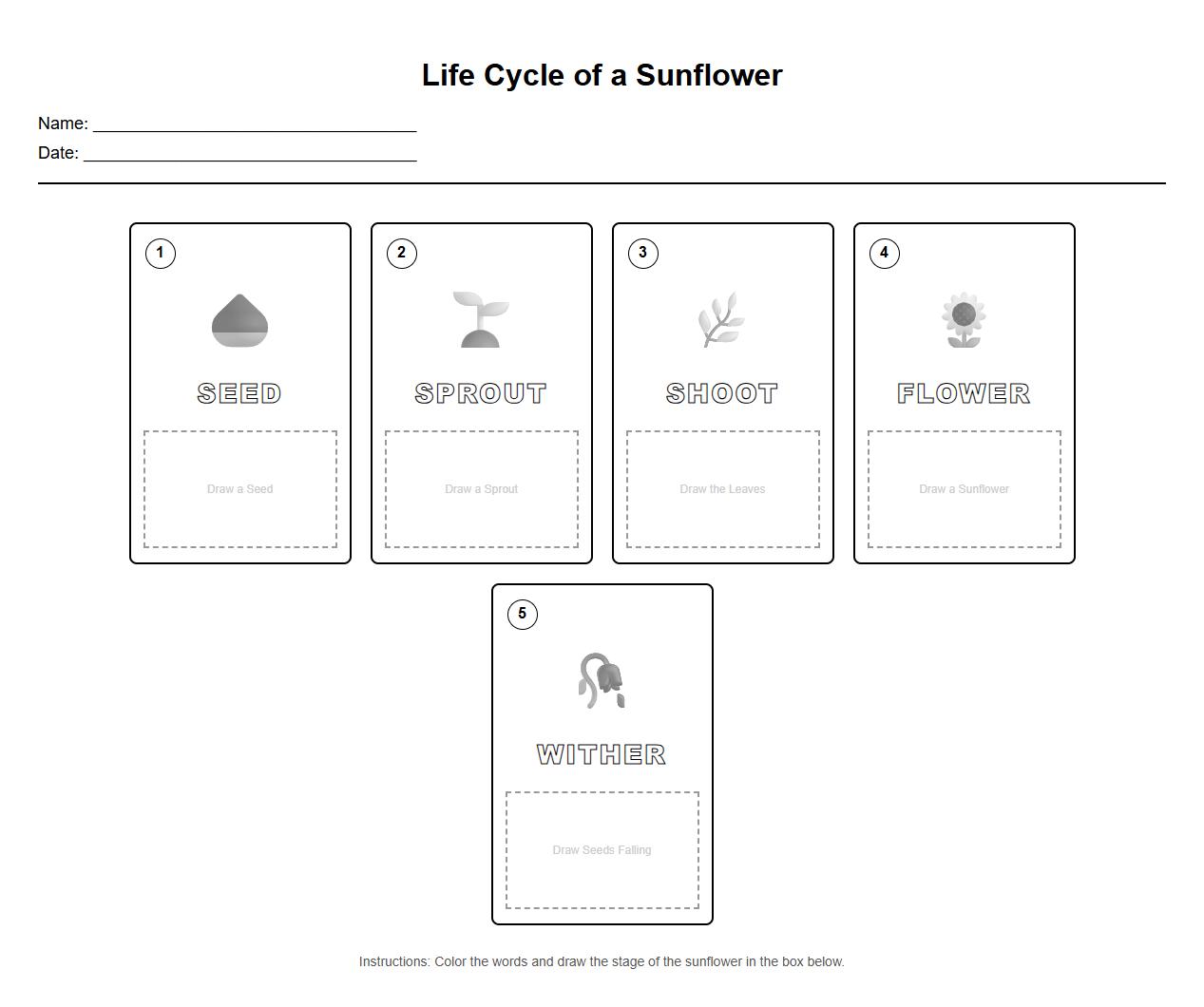
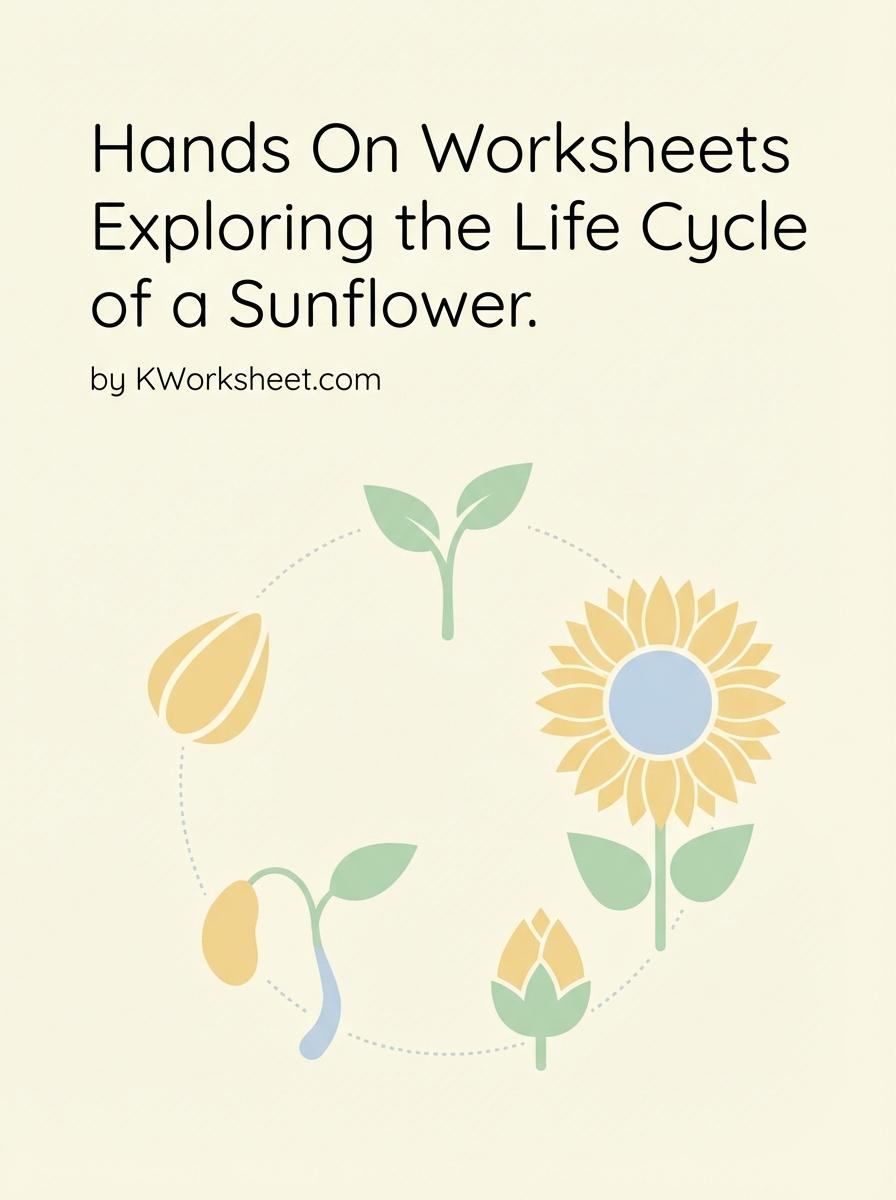
The main stages in a sunflower's life cycle include seed, seedling, growing plant, flowering, and seed production. Each stage marks important growth and development steps that teachers and parents can observe with children. Understanding these stages helps in explaining the natural process of plant growth. This also encourages curiosity and hands-on learning experiences.
How a Sunflower Seed Changes as It Begins to Grow
When a sunflower seed starts to grow, it first absorbs water and swells. The seed coat cracks open, and a small root emerges downward to anchor the plant. Then, a shoot grows upward toward the light, eventually forming leaves. This early growth helps establish the plant's ability to gather sunlight and nutrients.
What a Sunflower Needs to Grow Big and Strong
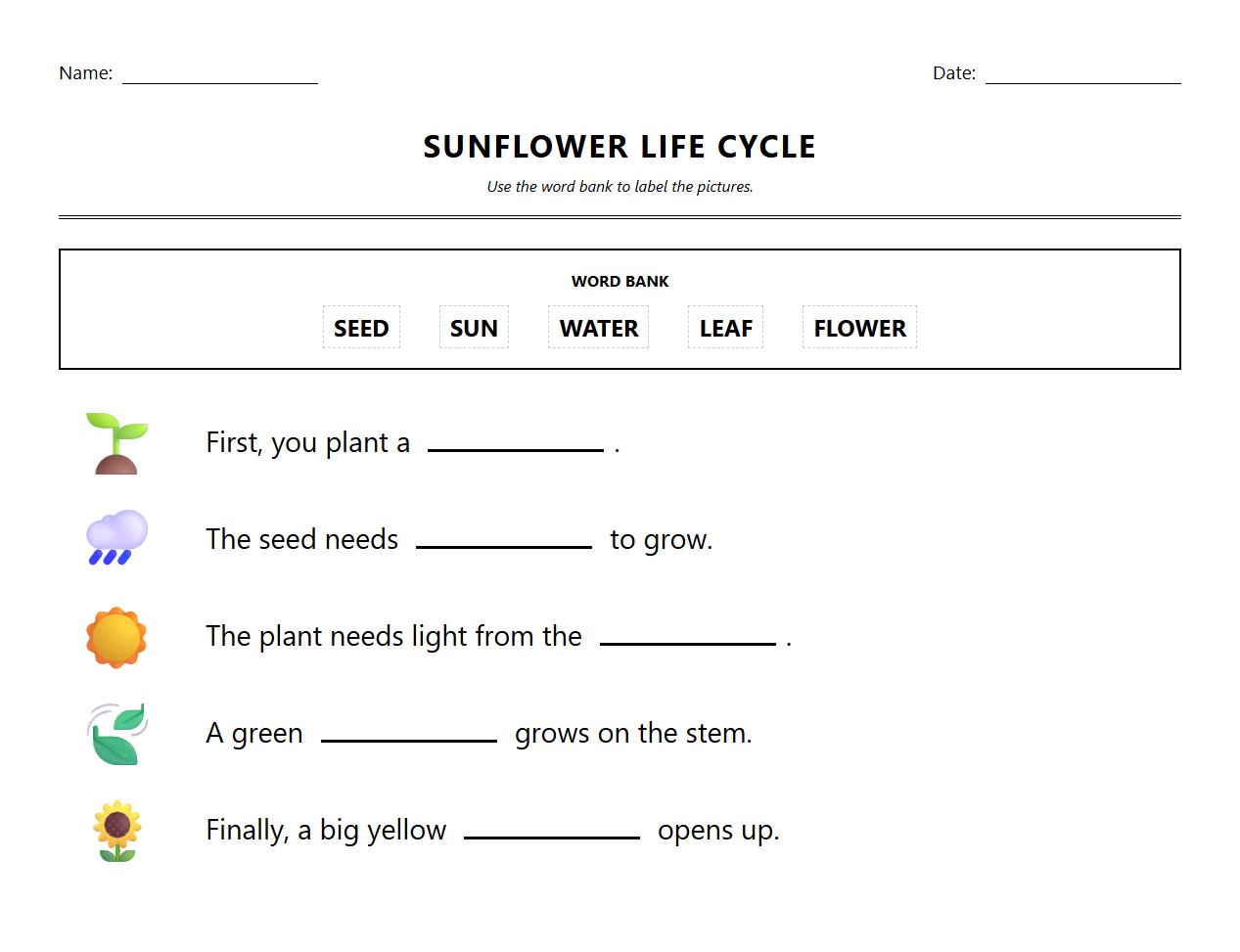
Sunflowers require plenty of sunlight, water, and nutrient-rich soil to grow tall and healthy. Consistent watering and good air circulation promote strong stems and leaves. Providing support or staking might be necessary in windy areas. Teaching children about these needs encourages responsibility and respect for living things.
Matching Life Cycle Stages to Pictures
To reinforce learning, teachers and parents can help children match each life cycle stage to its corresponding picture. This visual activity supports memory and understanding of the plant's development. It's a fun way to engage young learners in recognizing different growth phases. Use clear, accurate images for the best educational results. Try visual discrimination activities to enhance this skill.
How Sunflower Roots Help the Plant
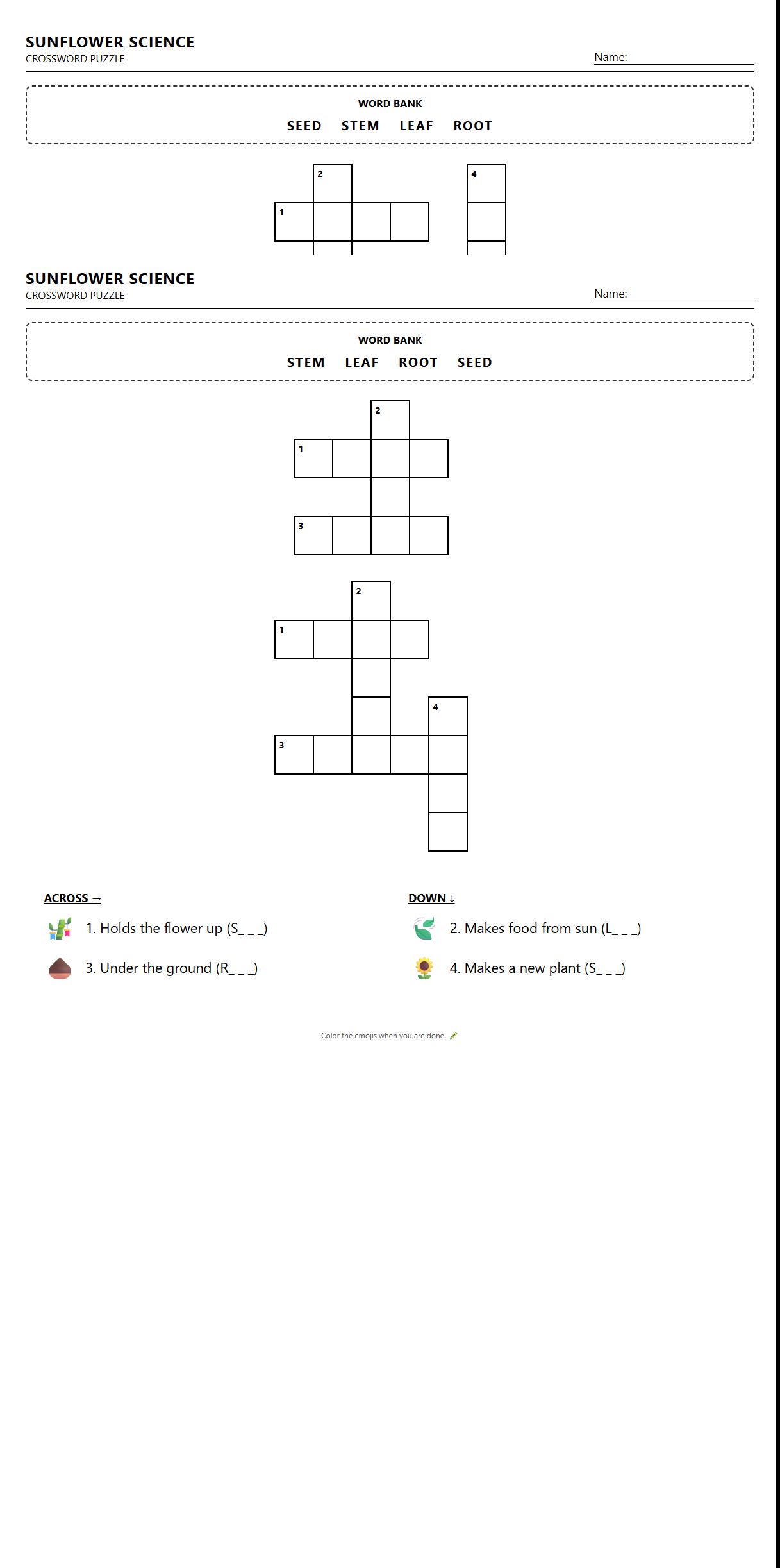
Sunflower roots anchor the plant securely in the soil and absorb water and essential nutrients. They store food and help keep the plant stable against wind and weather. Healthy roots contribute to the overall strength and growth of the sunflower. Explaining root functions deepens children's appreciation for unseen plant parts.
The Color of Sunflower Petals When Fully Bloomed
When a sunflower fully blooms, its petals are bright yellow. This vivid color attracts pollinators like bees and butterflies. The contrast of yellow petals with the dark center is iconic and appealing to young children. Recognizing colors in nature aids in early learning and observation skills.
Where the Sunflower Keeps Its Seeds
The sunflower stores its seeds in the large, round flower head at the center of the bloom. After pollination, seeds develop and mature within this center area. This natural seed collection allows the plant to reproduce the next generation. Teaching this helps kids understand plant reproduction and lifecycle continuity.
Sequencing Pictures of the Sunflower's Life--from First to Last
Sequencing pictures showing the sunflower's life cycle from seed to mature plant gives children a clear story of growth. The sequence typically starts with the seed, then seedling, young plant, flowering, and seed production. This exercise supports logical thinking and comprehension of natural processes. Using real photos or illustrations enhances engagement; see the graphing worksheet for sequencing ideas.
Part of the Sunflower That Helps Make New Seeds
The flower's center, known as the disk, contains many small flowers that develop into seeds. After pollination, these seeds grow and mature, ensuring the plant's reproduction. This part is crucial to completing the sunflower's life cycle. Teaching about the flower's structure aids early science literacy.
How to Care for a Young Sunflower Seedling in the Garden
Caring for a young sunflower seedling involves ensuring it receives enough sunlight, regular watering, and protection from pests. Keep the soil moist but not waterlogged, and provide support if the seedling is tall or prone to falling. Monitoring growth encourages observational skills and responsibility in children. This care routine helps the plant thrive and grow strong.


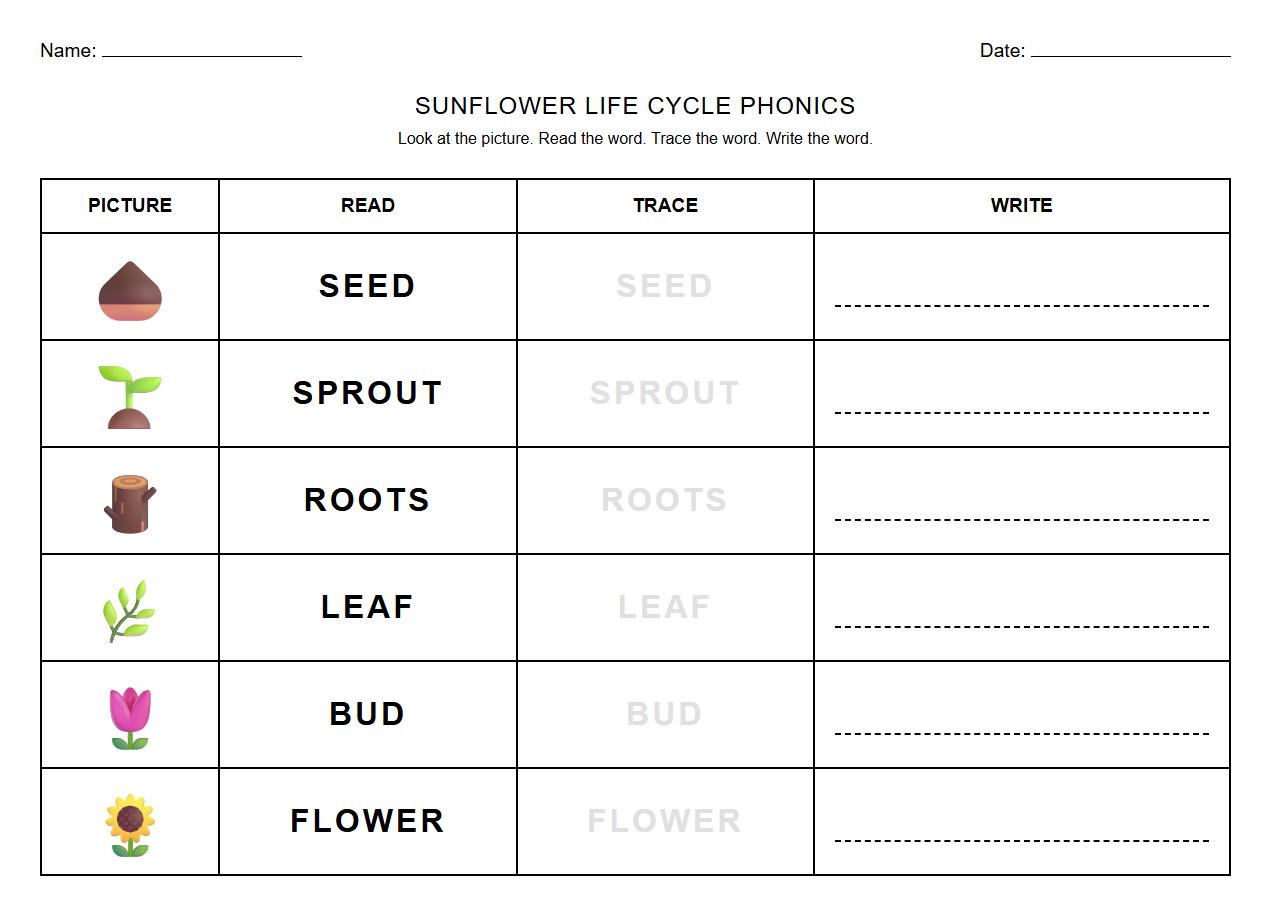
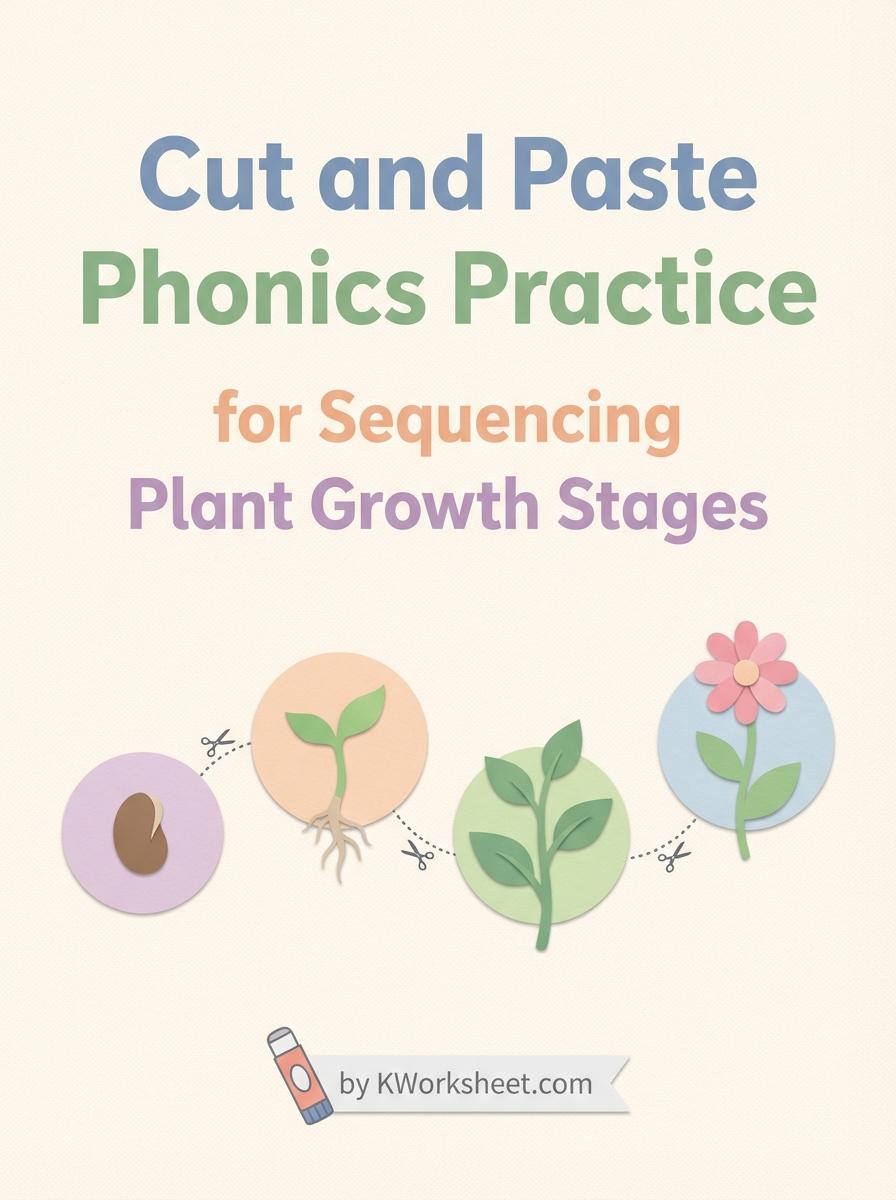
Cut and Paste Phonics Practice for Sequencing Plant Growth Stages