Primary and Secondary Color Identification Worksheet for Kindergarten

📅 Apr 3, 2025 👤 Nylen Smith

Kindergarten students can develop essential color recognition skills through the Primary and Secondary Color Identification Worksheet, which helps them distinguish between the main color groups. This engaging activity enhances their understanding of how primary colors combine to form secondary colors, promoting both creativity and cognitive growth. Explore our selection of worksheets designed to reinforce color learning effectively.

Color Wheel Sorting Worksheet with Primary and Secondary Color Sections
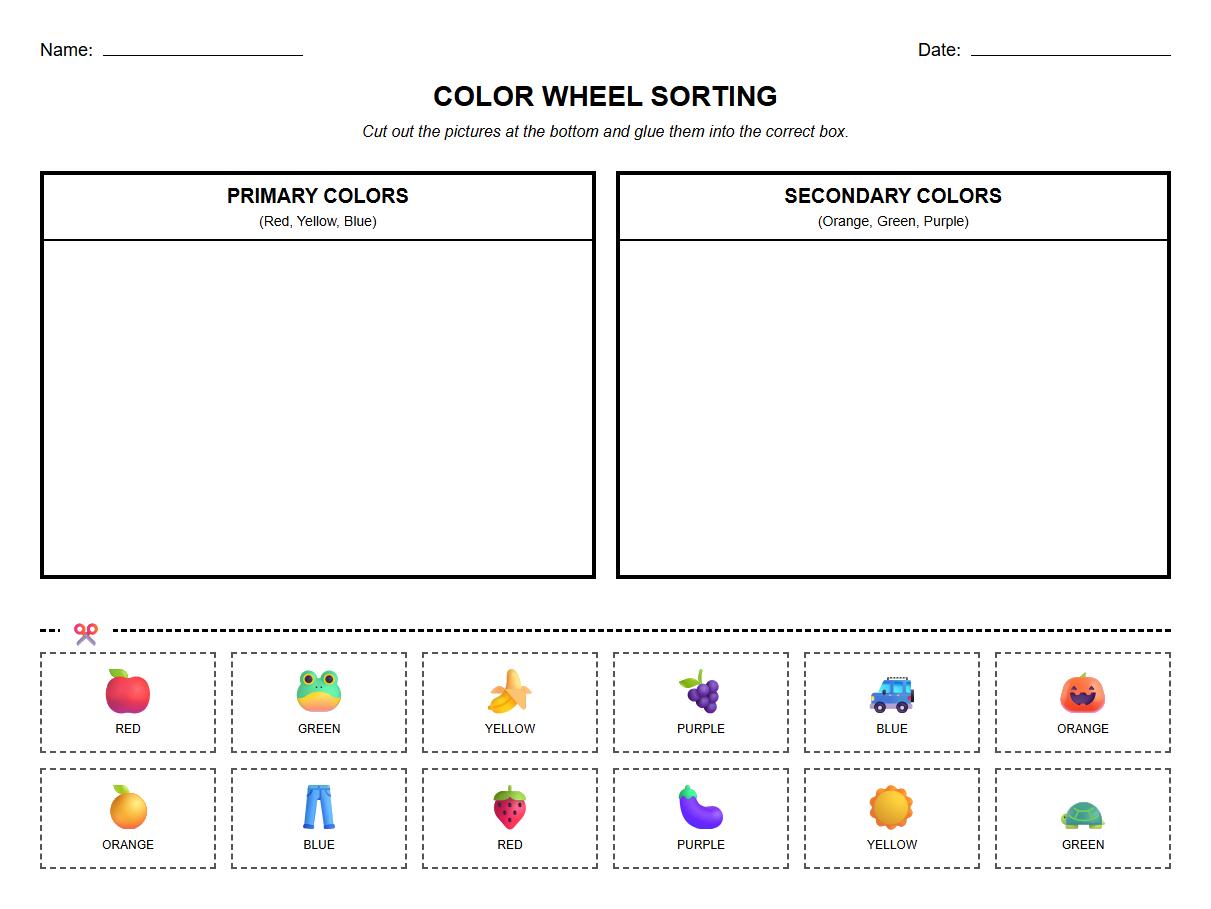
Color Wheel Sorting Worksheet with Primary and Secondary Color Sections

Download PDF     Pin it

Primary and Secondary Color Matching Worksheet Using Paint Swatches
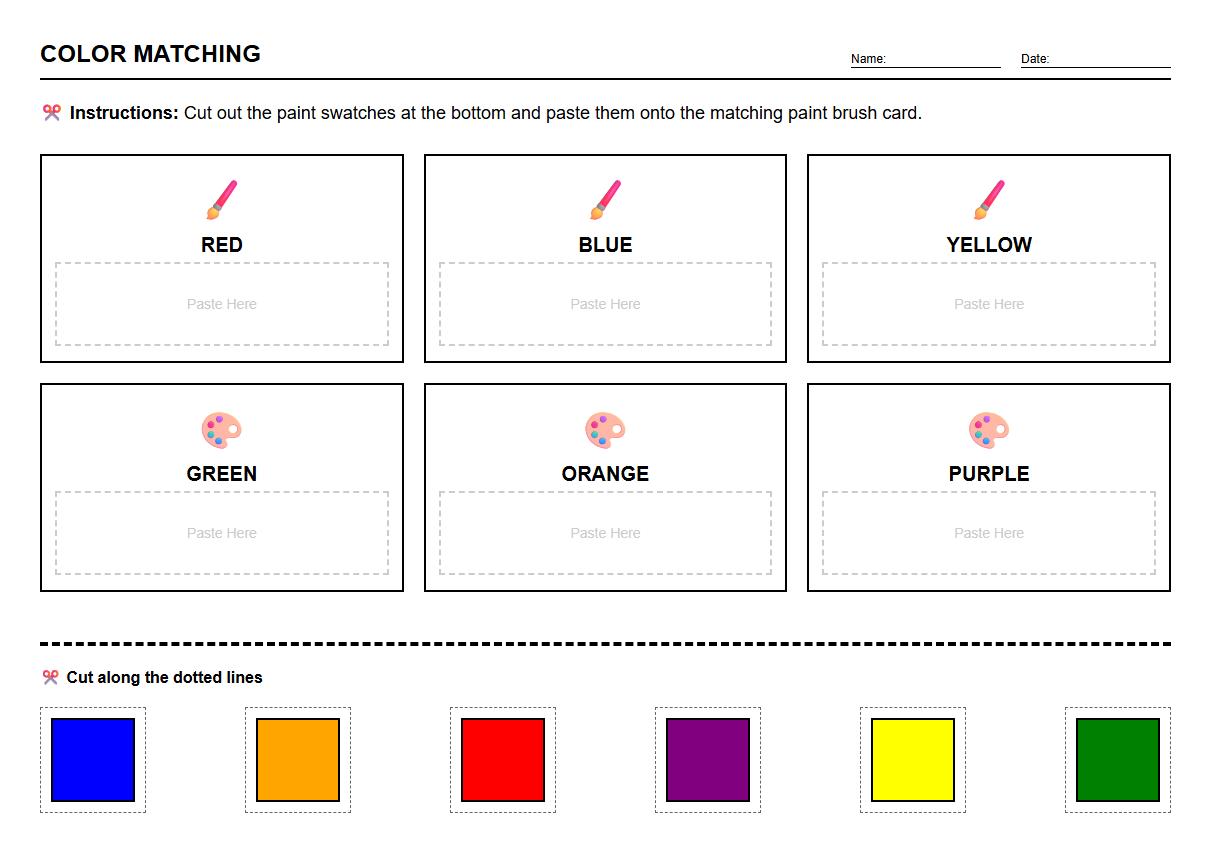
Primary and Secondary Color Matching Worksheet Using Paint Swatches

Download PDF     Pin it

Cut and Paste Activity for Identifying Primary and Secondary Colors
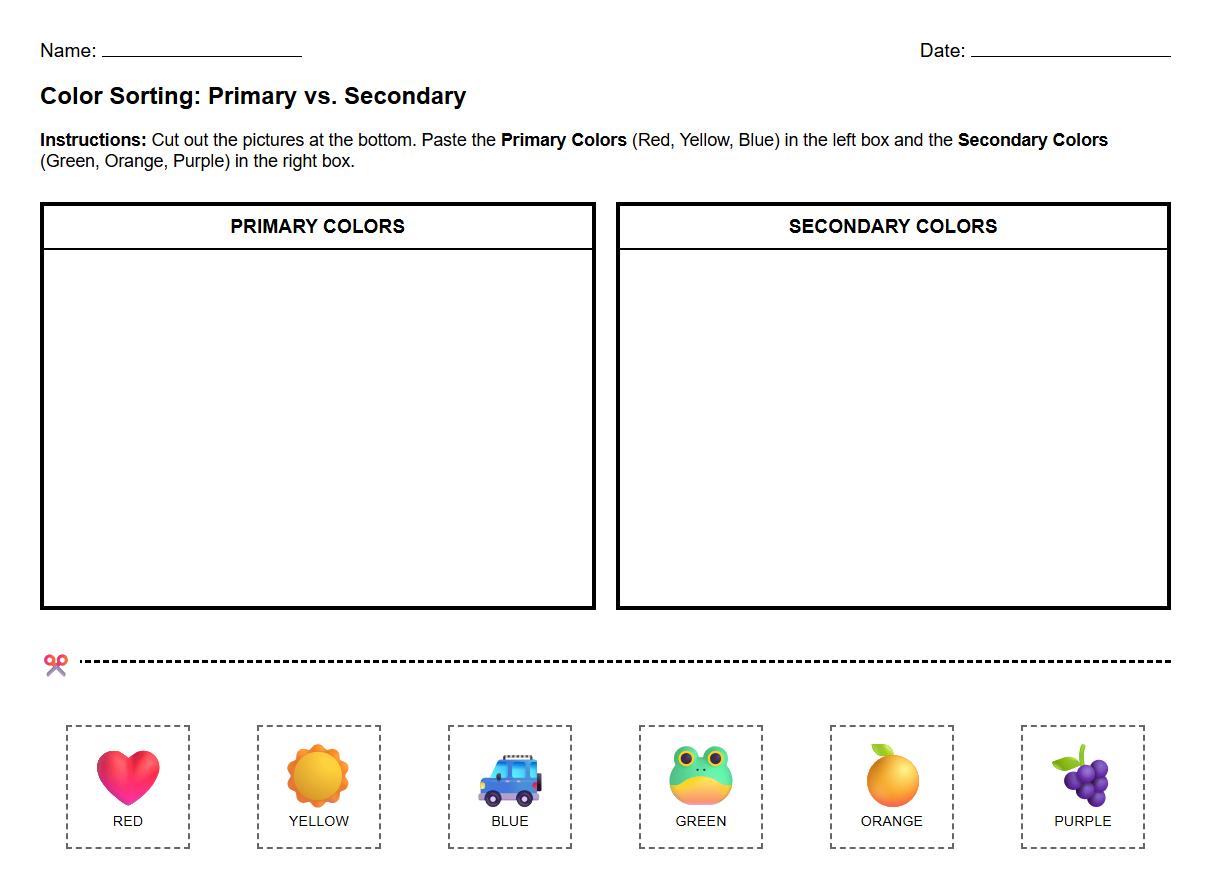
Cut and Paste Activity for Identifying Primary and Secondary Colors

Download PDF     Pin it

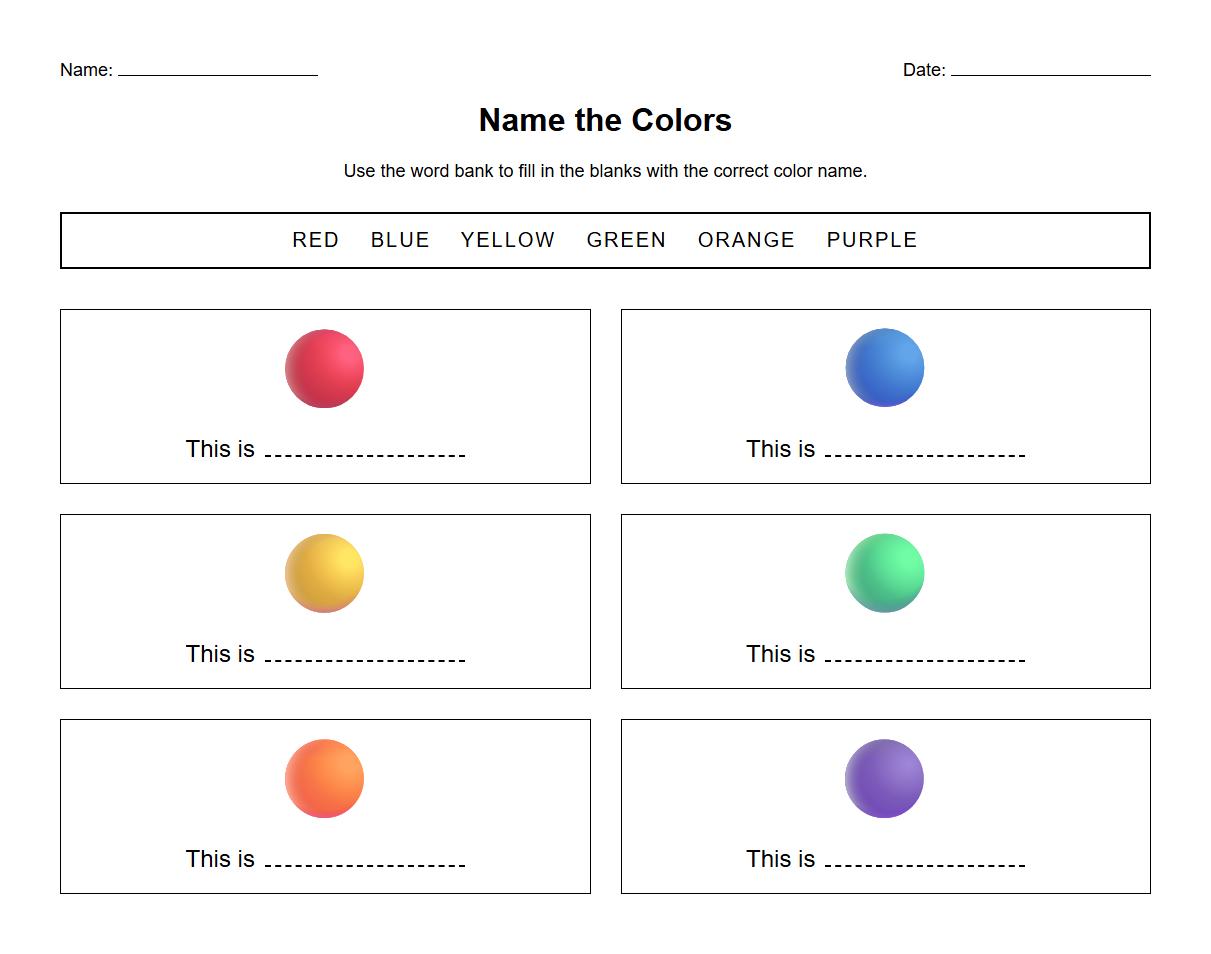
Fill in the Blanks Worksheet for Naming Primary and Secondary Colors

Fill in the Blanks Worksheet for Naming Primary and Secondary Colors
Download PDF     Pin it

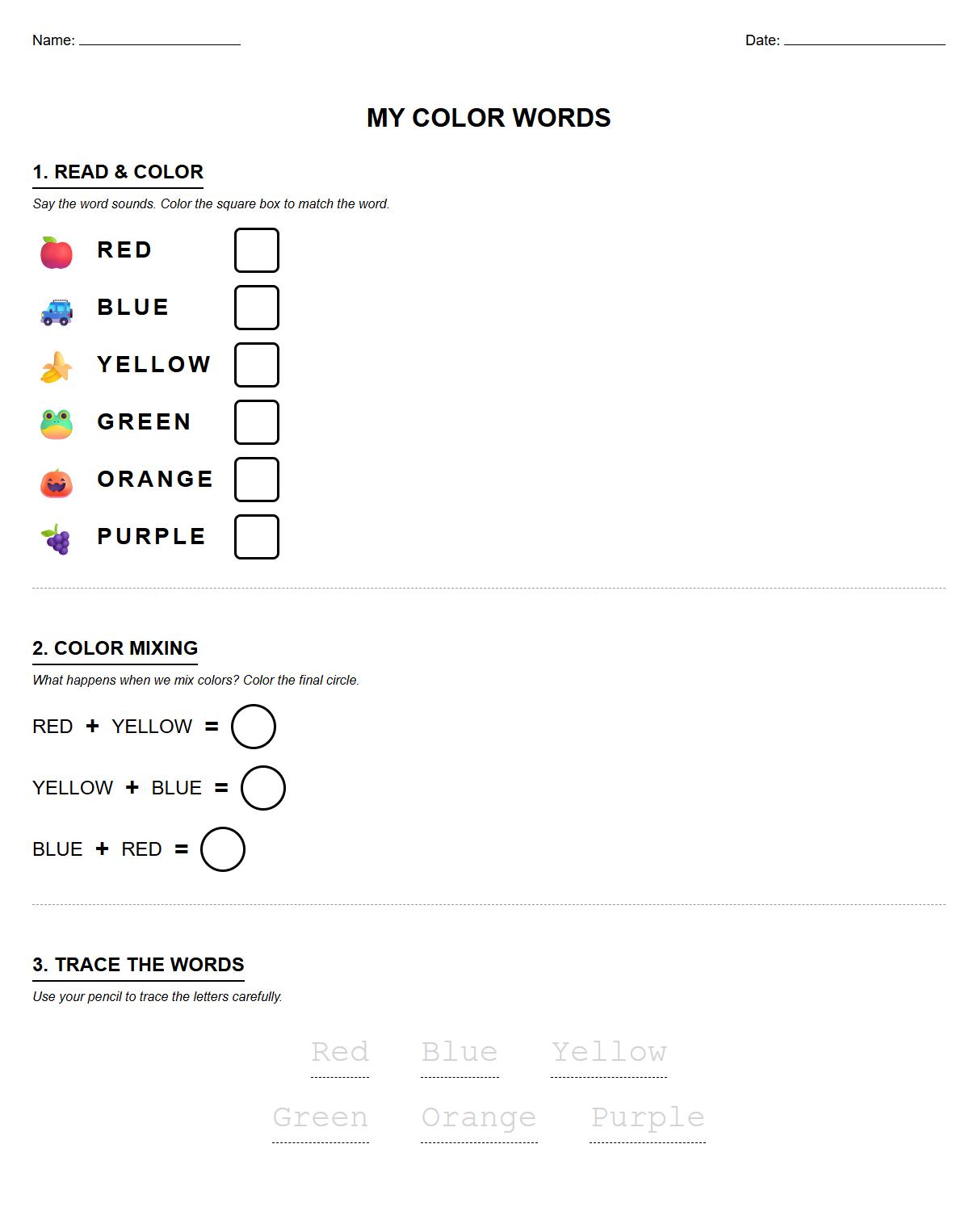
Phonics Based Color Word Recognition with Primary and Secondary Colors

Phonics Based Color Word Recognition with Primary and Secondary Colors
Download PDF     Pin it

Color Mixing Chart Worksheet for Understanding Primary and Secondary Color Formation
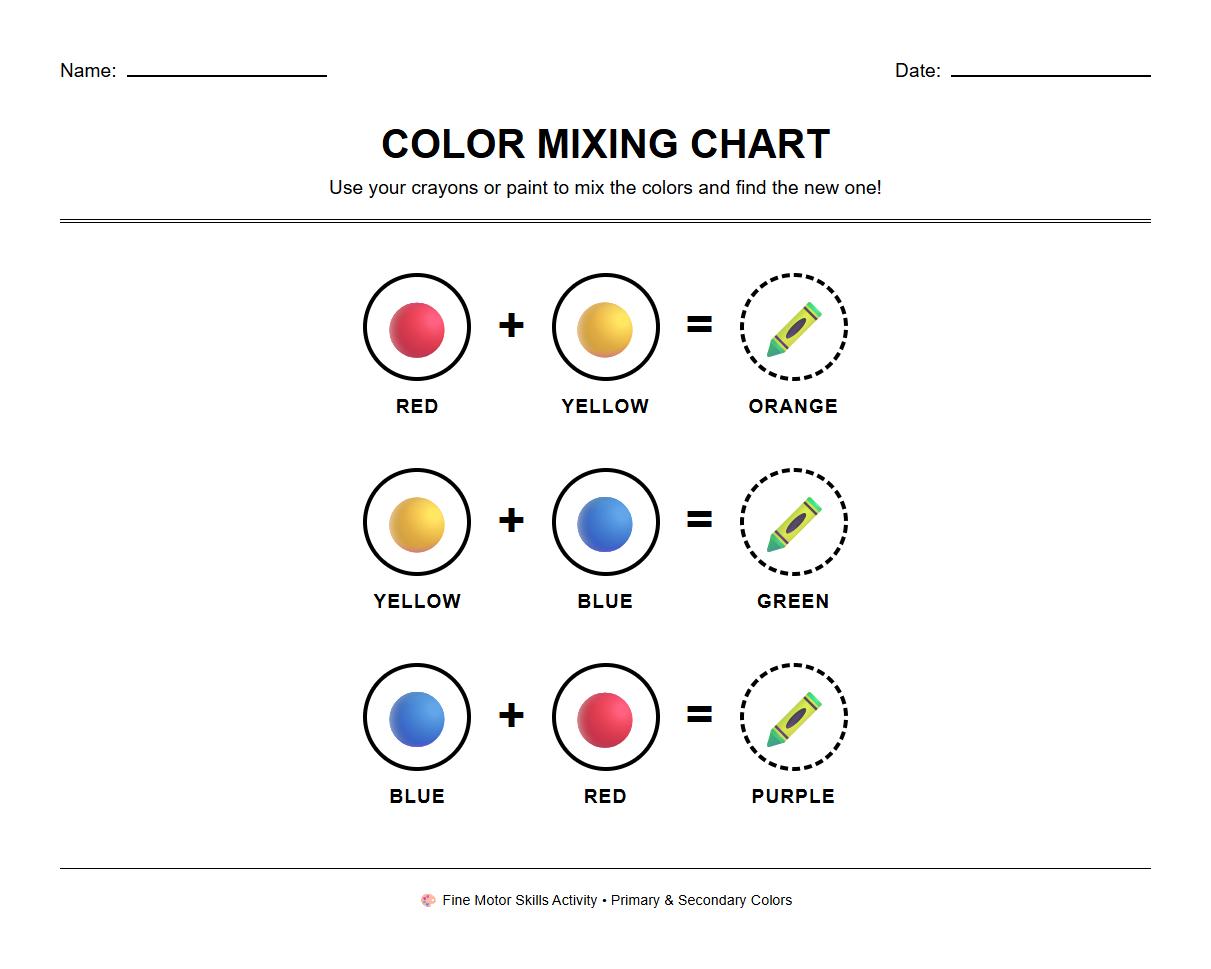
Color Mixing Chart Worksheet for Understanding Primary and Secondary Color Formation

Download PDF     Pin it

Picture Coloring Worksheet Using Only Primary and Secondary Colors
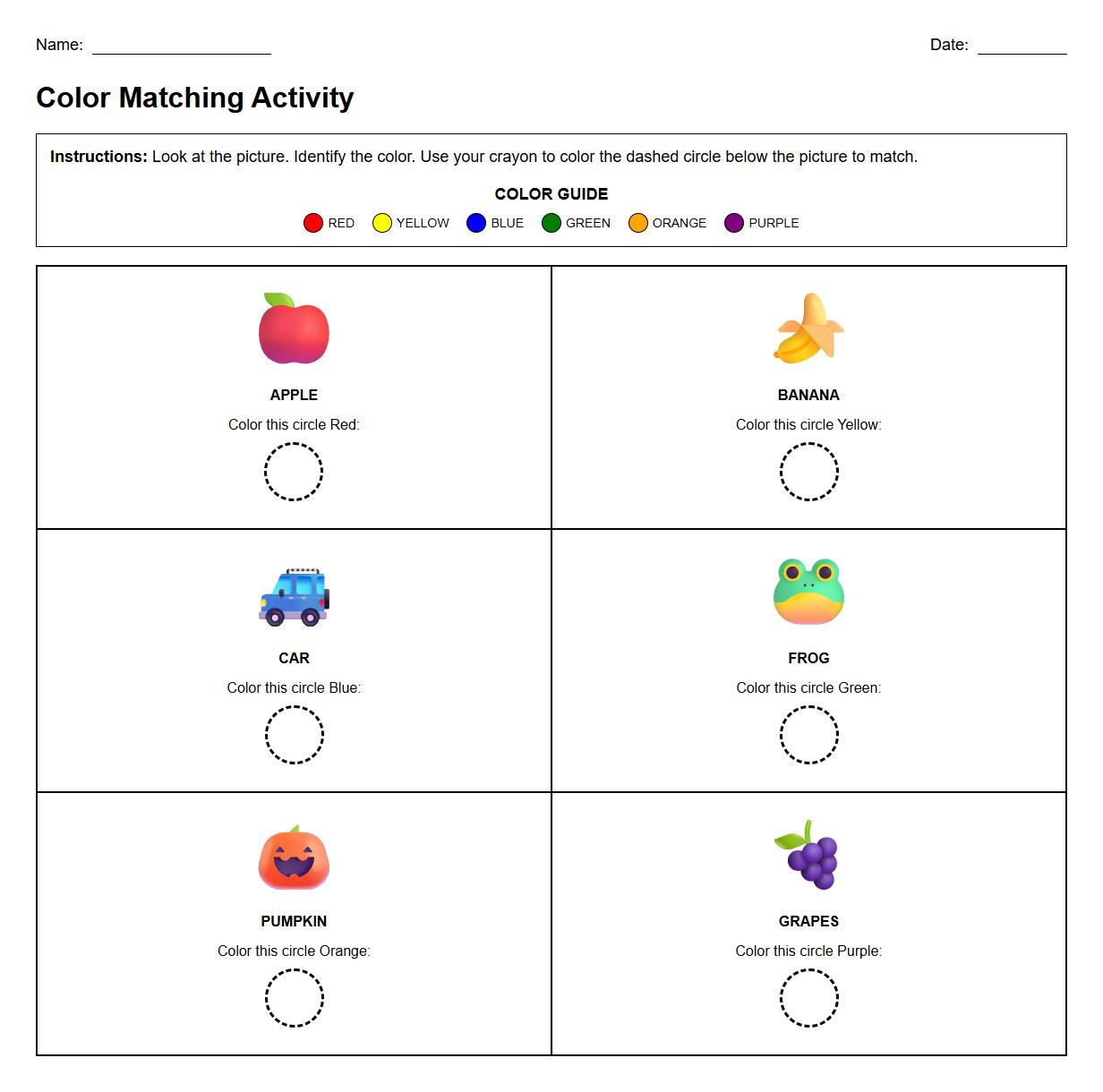
Picture Coloring Worksheet Using Only Primary and Secondary Colors

Download PDF     Pin it

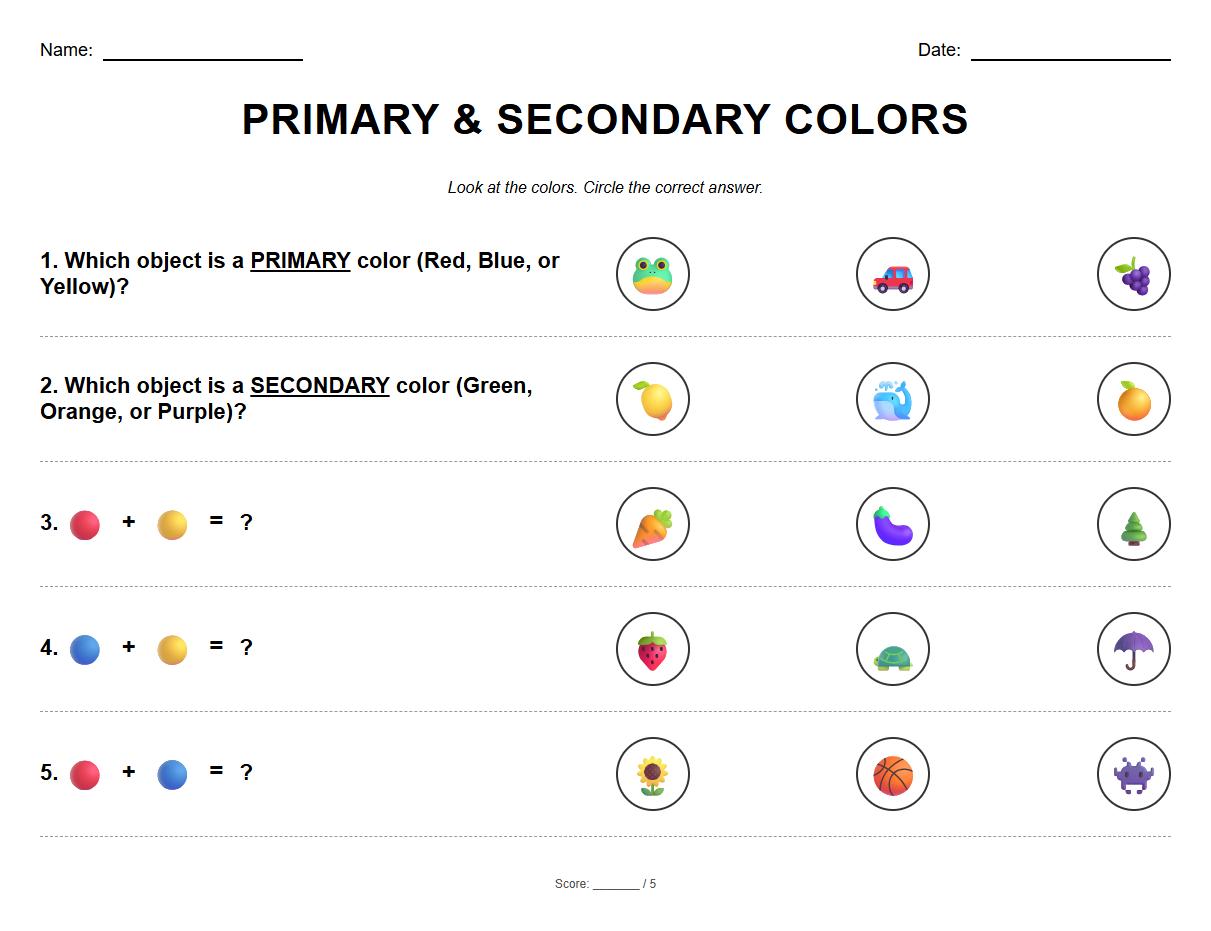
Multiple Choice Worksheet for Differentiating Primary and Secondary Colors

Multiple Choice Worksheet for Differentiating Primary and Secondary Colors
Download PDF     Pin it

Primary and Secondary Color Tracing Worksheet for Handwriting Practice
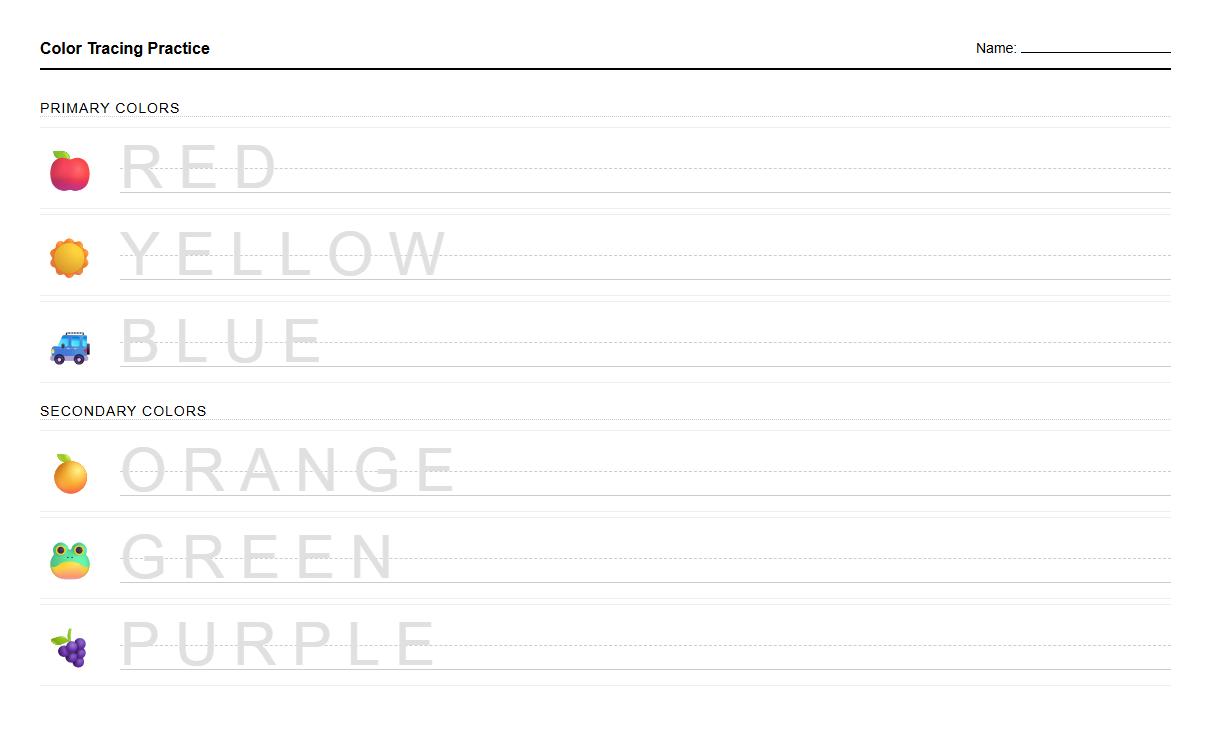
Primary and Secondary Color Tracing Worksheet for Handwriting Practice

Download PDF     Pin it

Color Scavenger Hunt Worksheet Focusing on Primary and Secondary Color Discovery
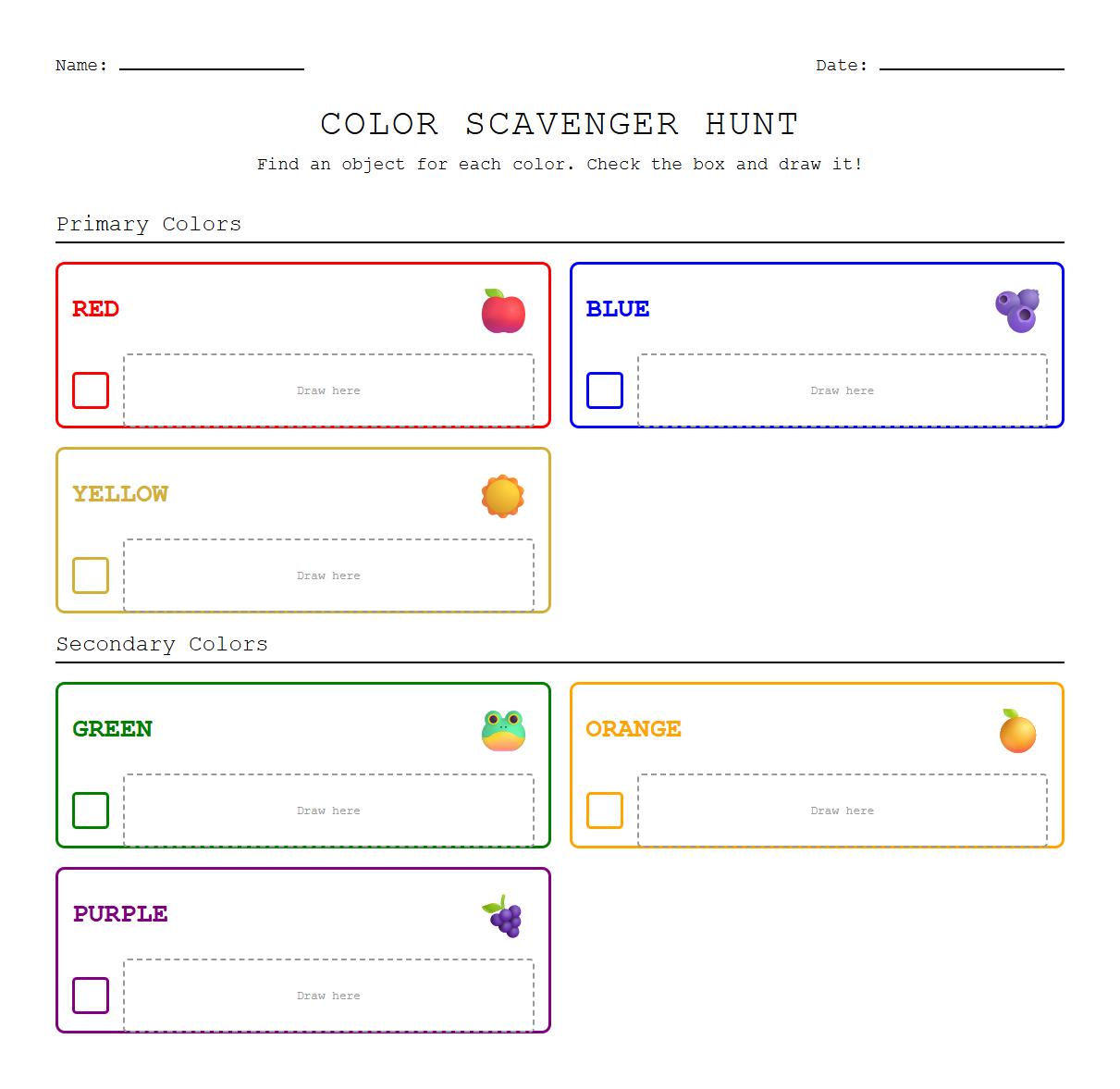
Color Scavenger Hunt Worksheet Focusing on Primary and Secondary Color Discovery

Download PDF     Pin it

Circle All the Primary Colors

Ask the children to identify and circle all the primary colors on the worksheet. These colors include red, blue, and yellow. Encourage careful observation to distinguish these from other colors. This activity helps solidify basic color recognition skills.

Identify Secondary Colors

Guide children to spot which colors are secondary colors on the worksheet. These colors are created by mixing two primary colors, such as green, orange, and purple. Helping children recognize these creates an understanding of color relationships. This task enhances both color knowledge and cognitive skills.

Point to the Color Made by Mixing Red and Blue

Encourage children to point to the color formed when mixing red and blue, which is purple. This activity reinforces the concept of color mixing practically. It also supports their memory of primary and secondary color formation. Visual and tactile engagement boosts learning effectiveness.

Identify All Primary Colors Present

Ask children to pick out which colors on the worksheet are primary colors. Emphasize the importance of correctly identifying red, blue, and yellow. Reinforcement through repetition helps solidify this foundational knowledge. This step prepares them for more advanced color studies.

Match Primary Colors to Objects

Have children draw lines connecting each primary color to a corresponding object on the worksheet. This matching exercise links colors with real-world examples, enhancing recognition. It encourages children to think critically about color usage. Combining visuals with interaction supports deeper learning and fine motor skills.

Name All Secondary Colors Seen

Invite children to name every secondary color they can find on the worksheet. This verbal exercise improves vocabulary and color awareness. Reinforce that secondary colors arise from mixing two primary colors. Naming colors builds confidence and verbal skills simultaneously.

Color Mixing: Yellow and Blue

Ask children to identify the result when mixing yellow and blue, which creates green. This illustrates a key concept in color theory. Use this opportunity to explain the relationship between primary and secondary colors. Understanding color mixing fosters creativity and scientific thinking.

Color Balloons with Only Primary Colors

Challenge children to color the balloons using only the primary colors: red, blue, and yellow. This task practices color application and reinforces primary color knowledge. It allows for creative expression within set limits. Controlled coloring activities improve attention and fine motor skills.

Find and Color All Secondary Colors

Encourage children to locate and color all the secondary colors on the page. This activity actively engages them in identifying and applying secondary colors. It solidifies their understanding of color groupings through practical use. Coloring helps retain knowledge through hands-on involvement.

Match Colors to Primary or Secondary Groups

Ask children to match each color on the worksheet to its corresponding primary or secondary group. This sorting exercise strengthens categorization and analytical skills. It provides a clear understanding of the color wheel relationships. Grouping colors fosters both recognition and critical thinking.


More in Fine Motor and Cognitive Skills Category


About the author. Nylen Smith is a dedicated educator and cofounder of KWorksheet.com, a popular platform specializing in high-quality kindergarten worksheets and printable activities.

Disclaimer. The information provided in this document is for general informational purposes and/or document sample only and is not guaranteed to be factually right or complete. Please report to us via contact-us page if you find and error in this page, thanks.

Comments

No comment yet