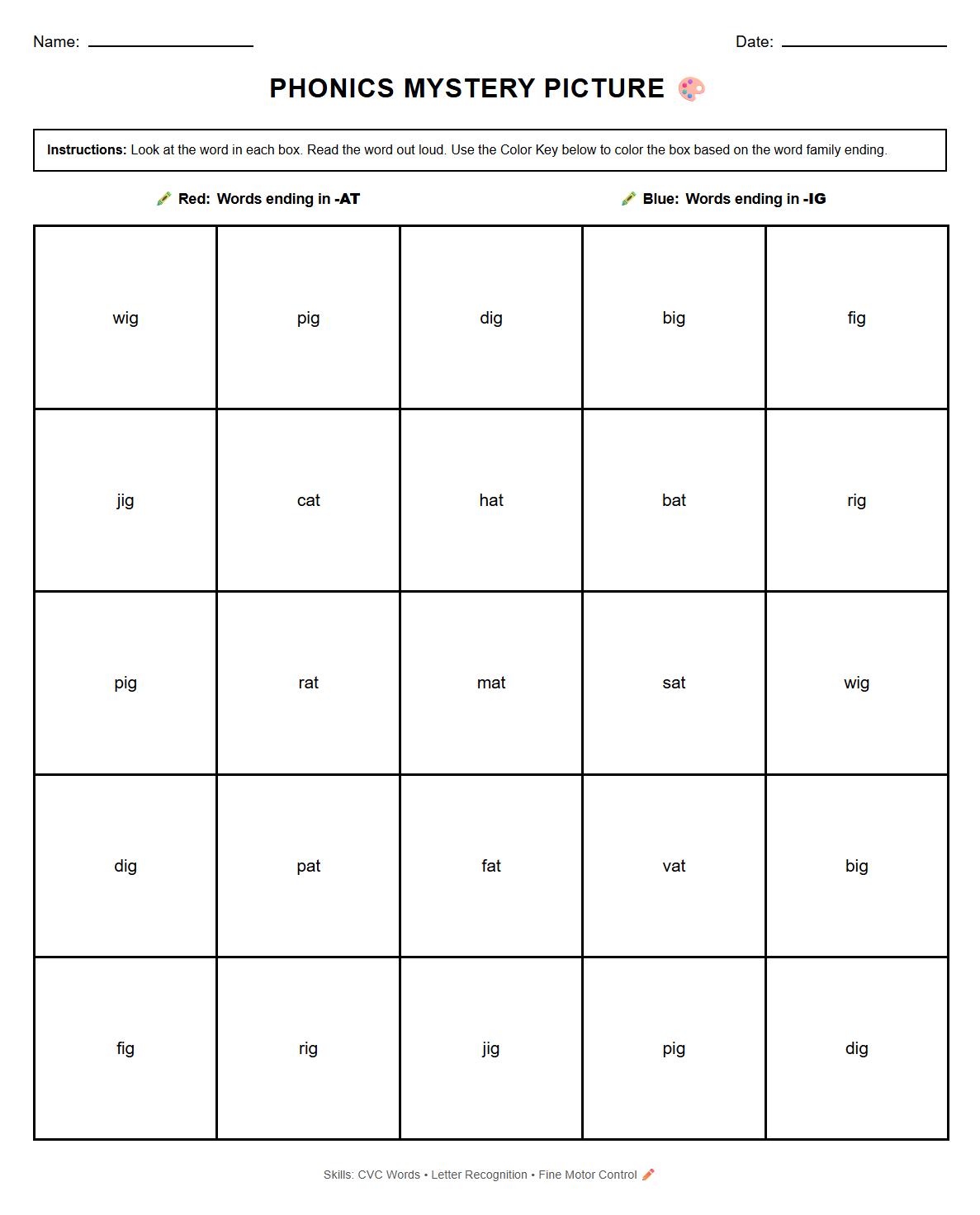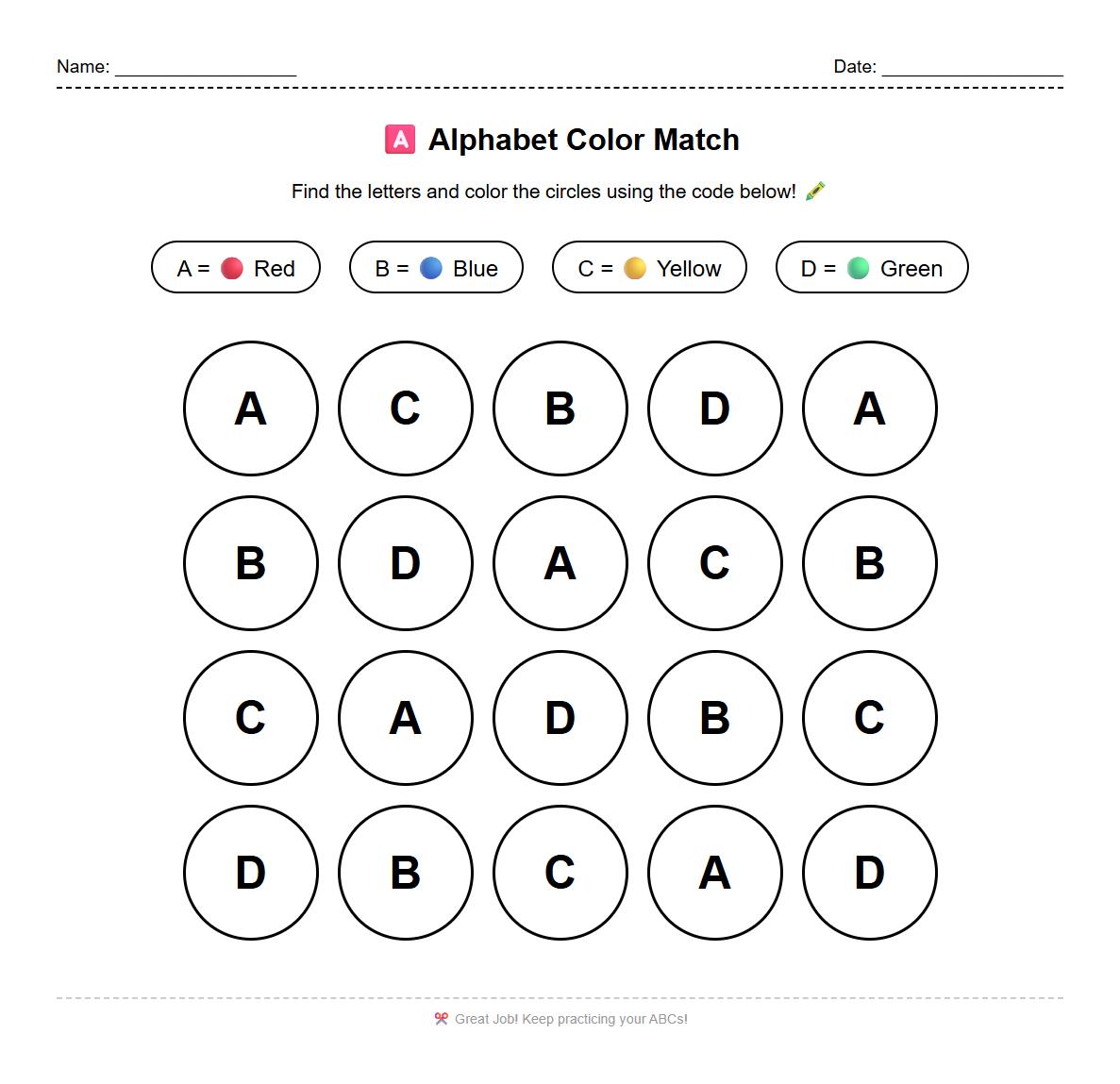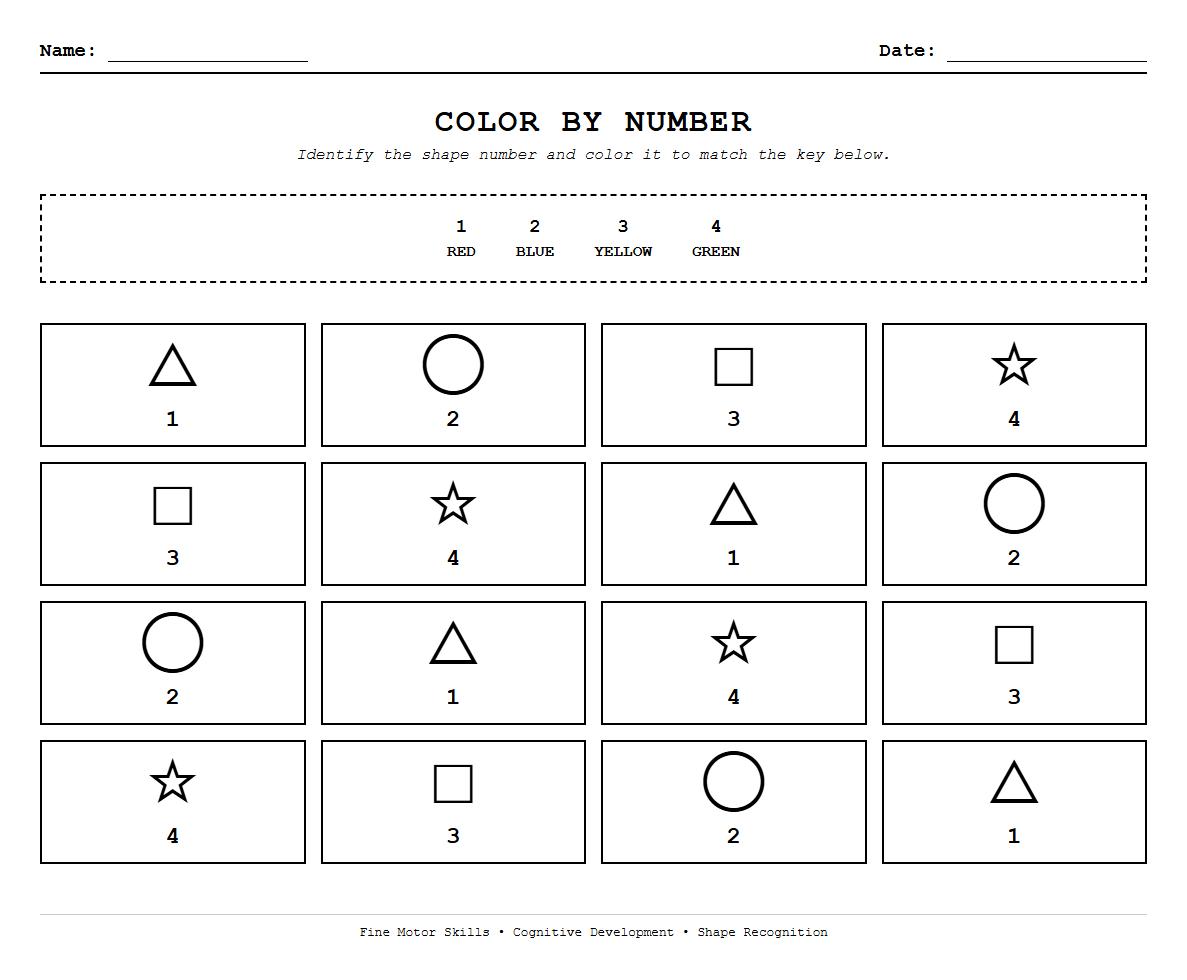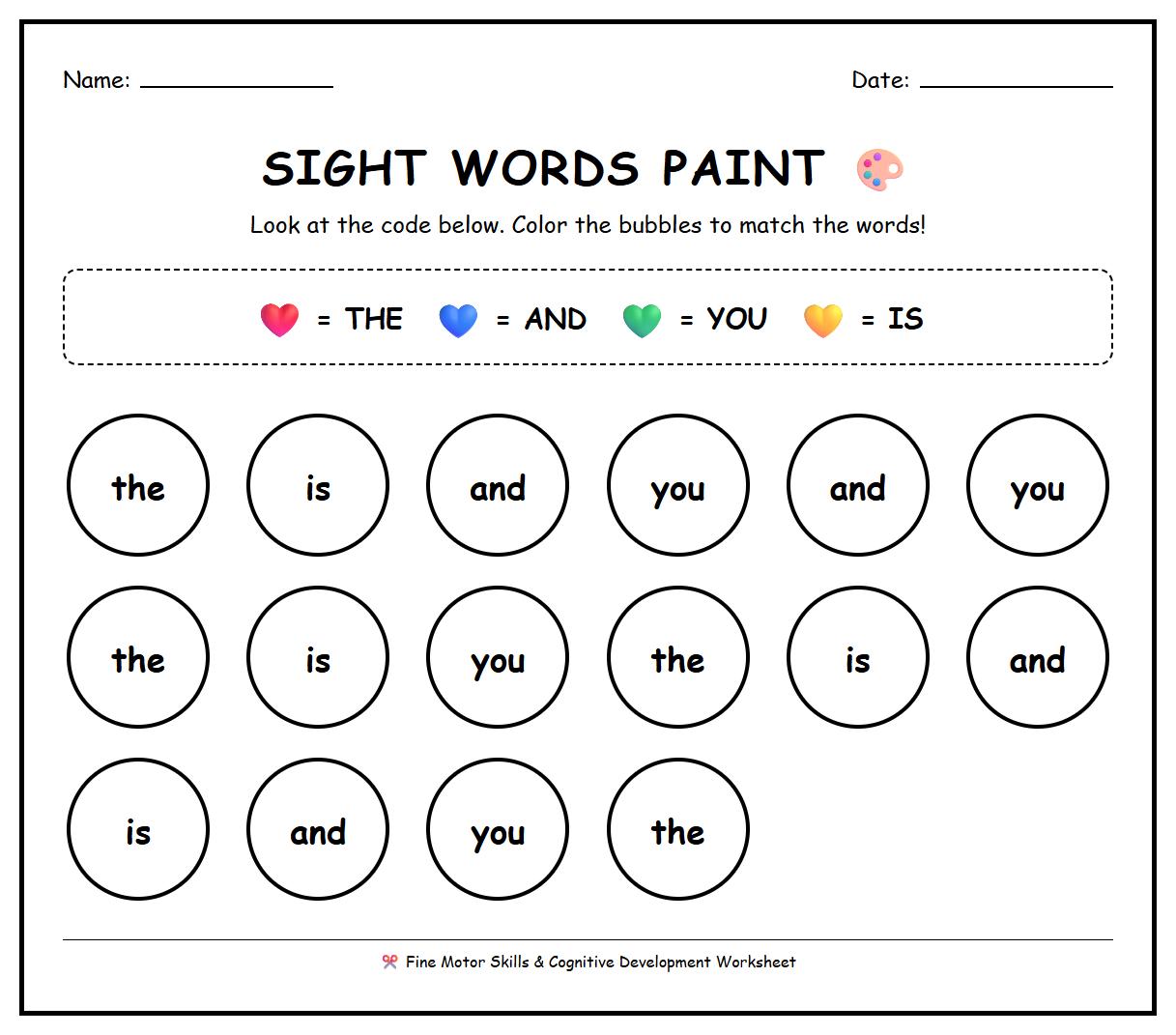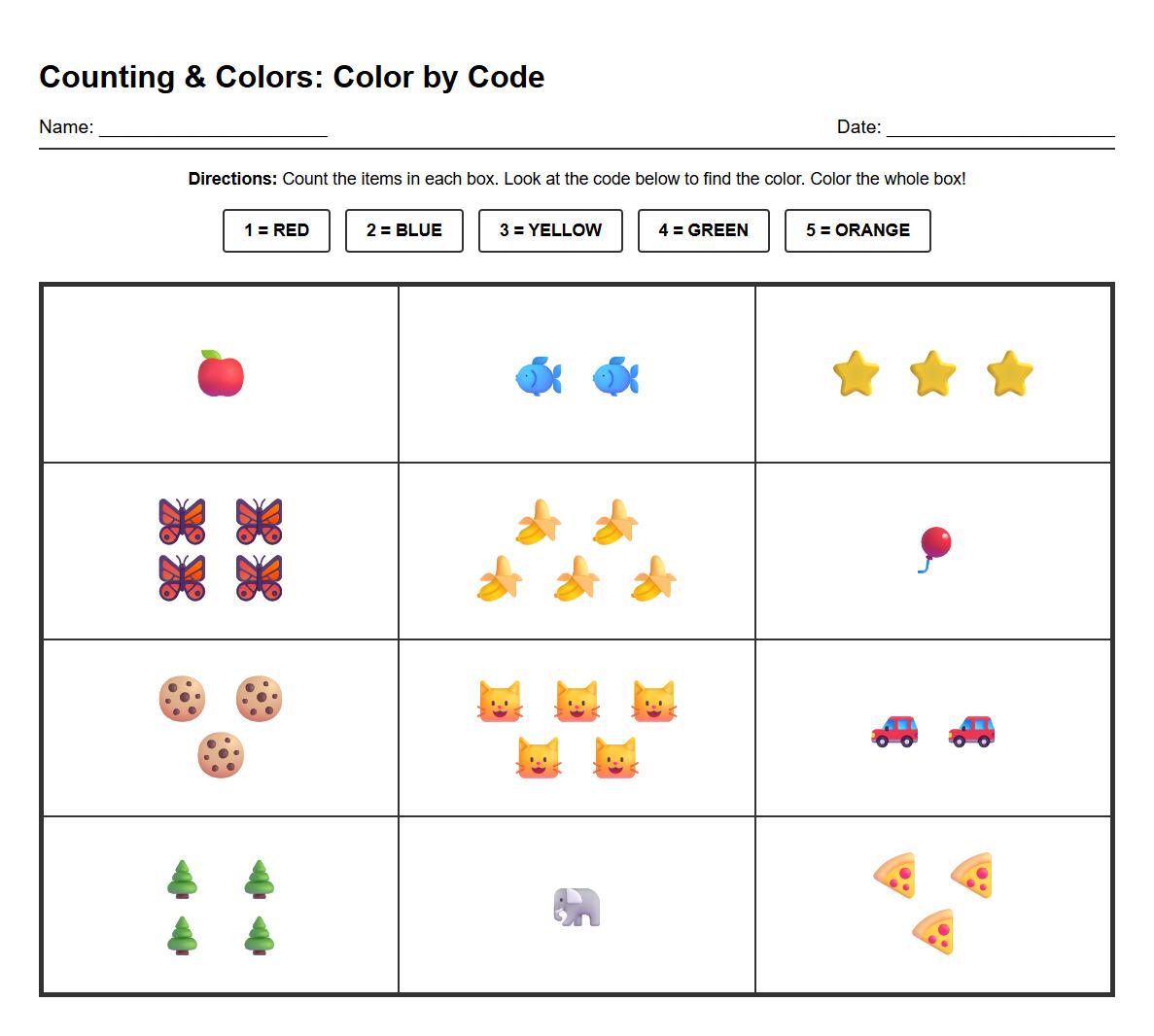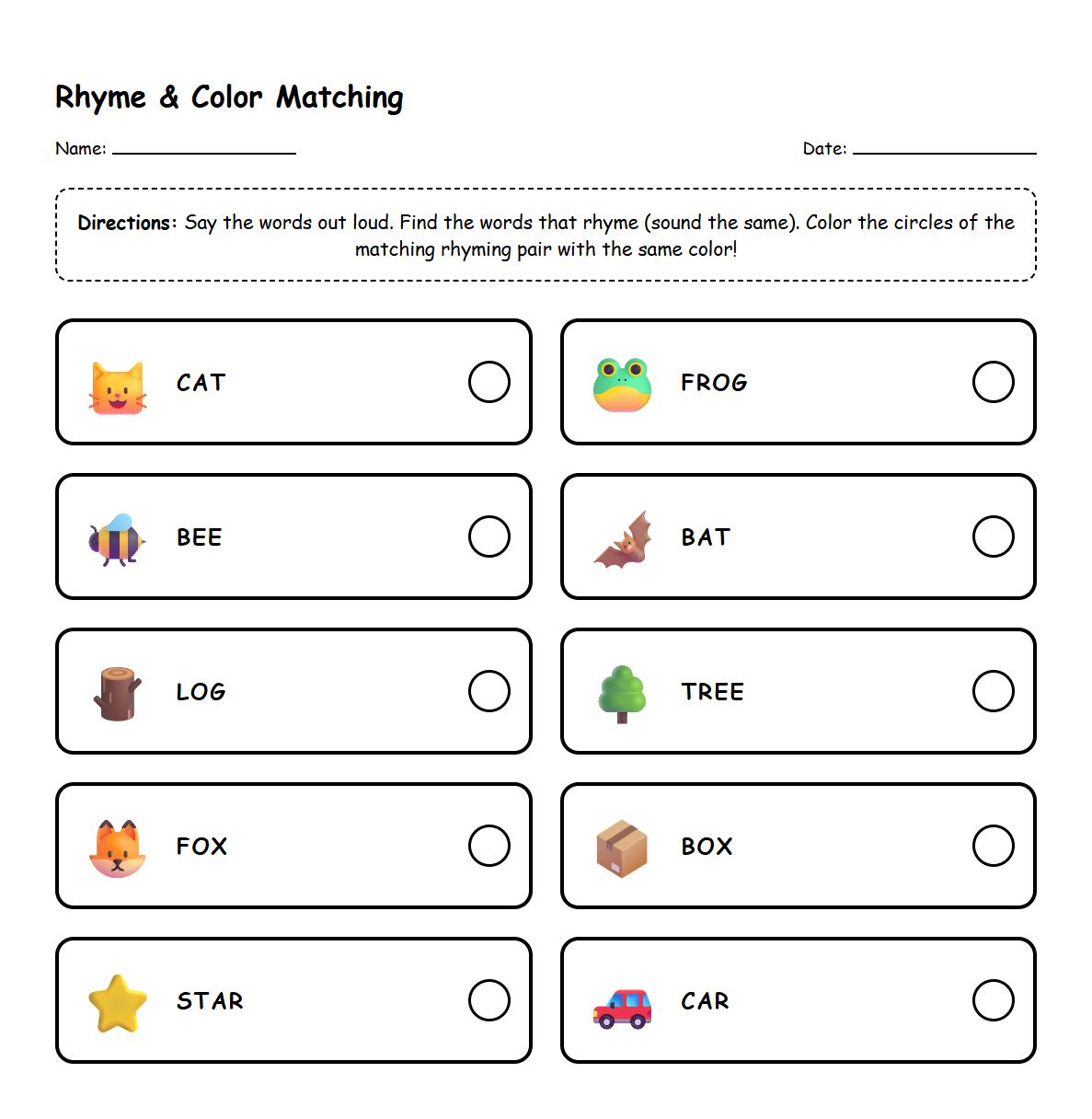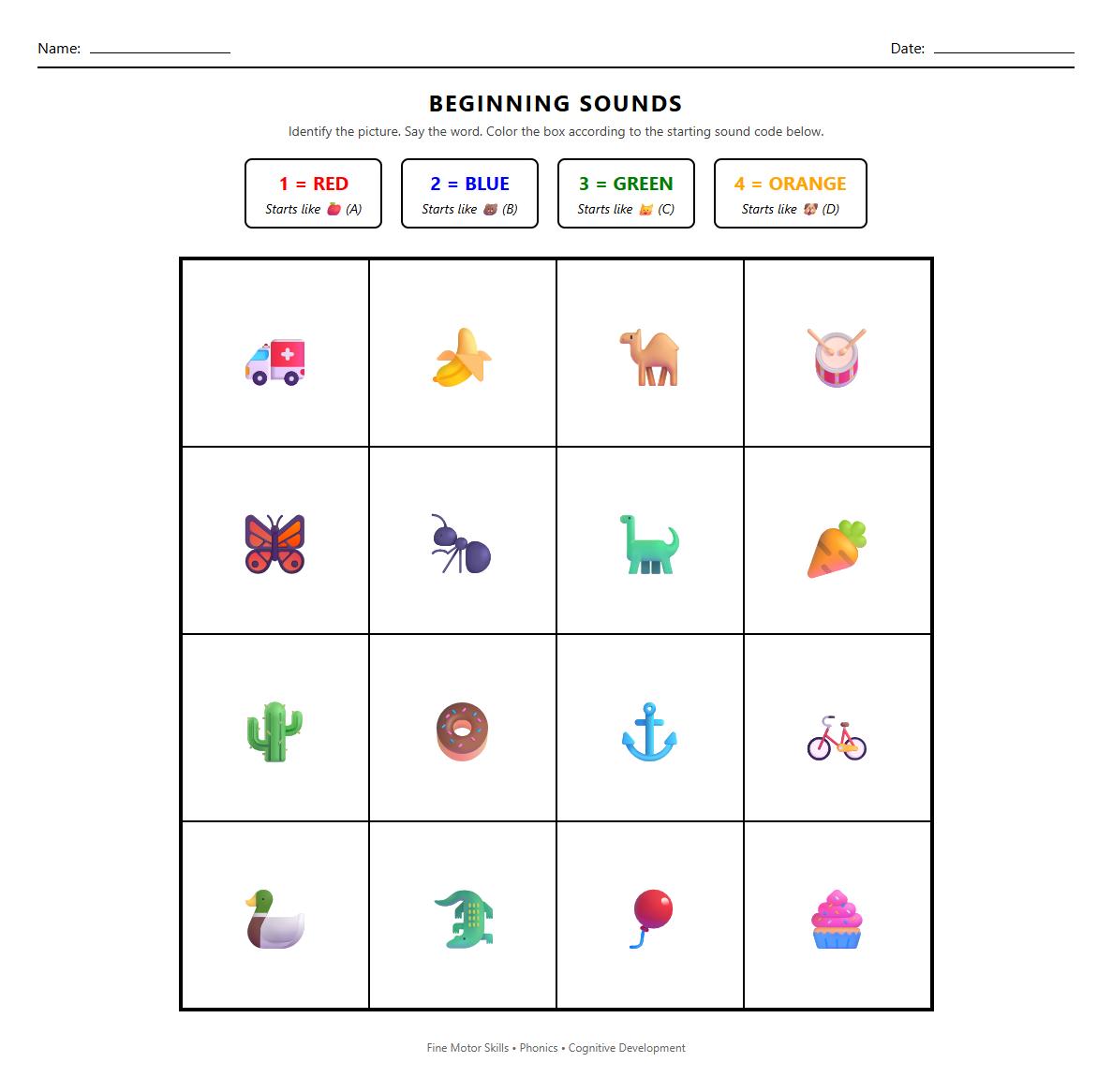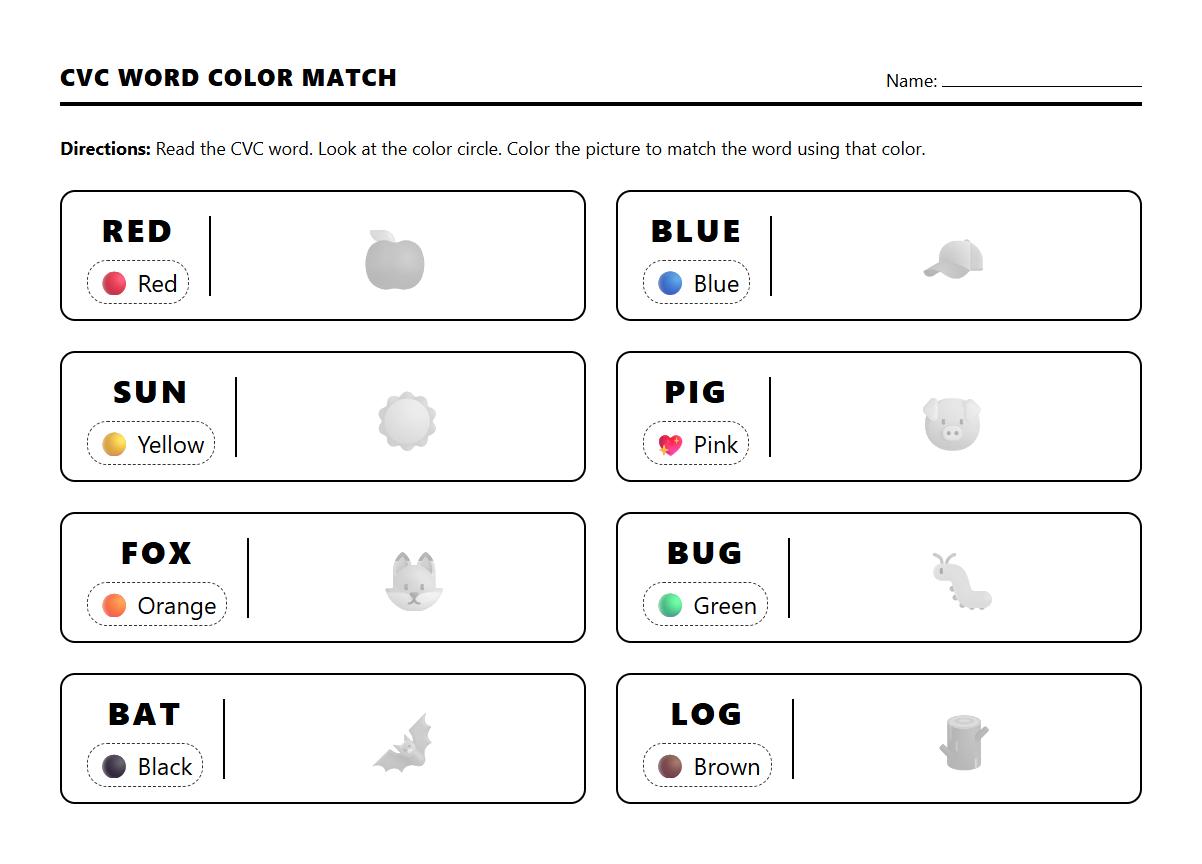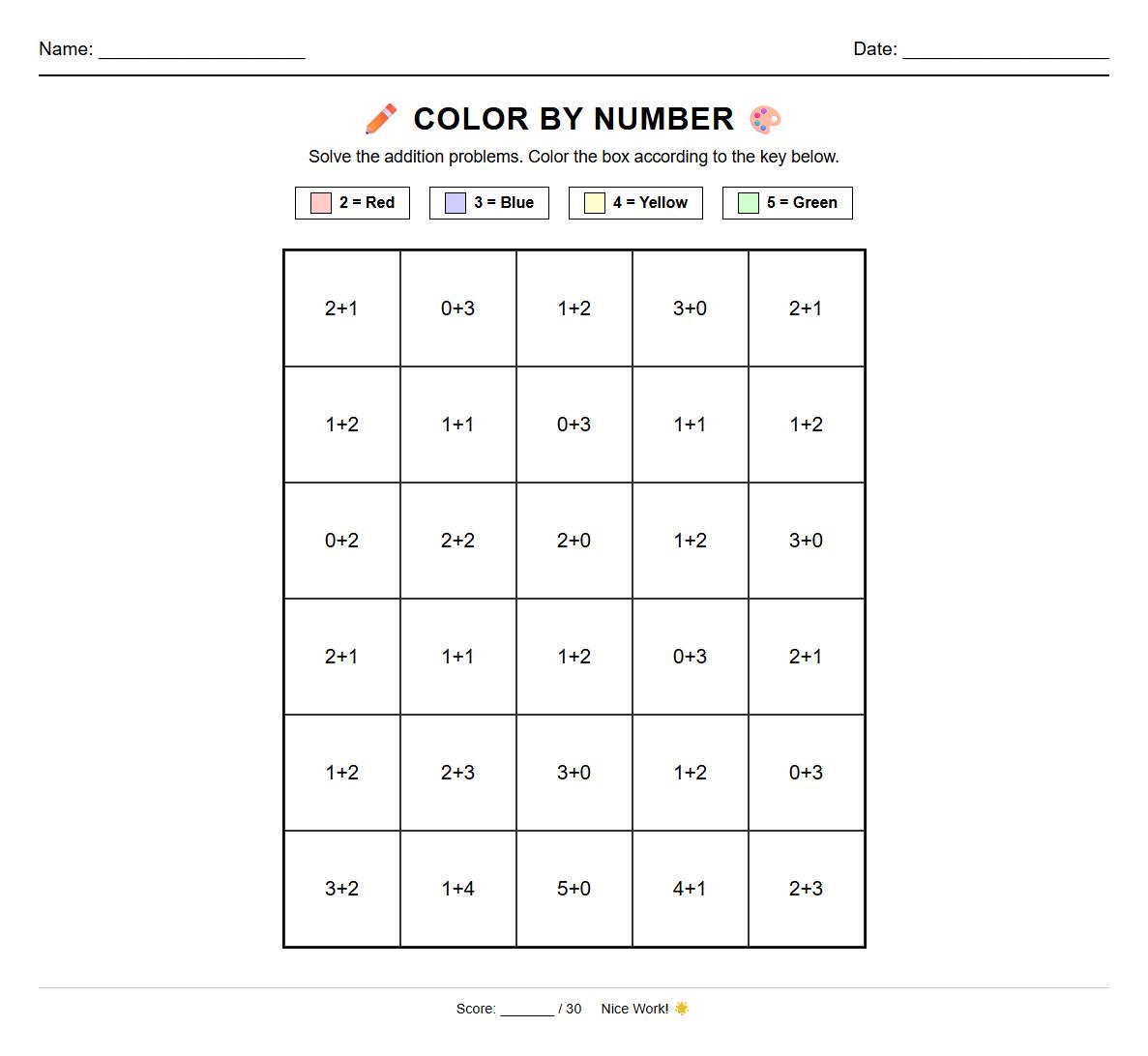
Kindergarten color matching practice enhances young learners' ability to recognize and differentiate colors through engaging, hands-on activities. Color by number tasks combine color recognition with number identification to strengthen cognitive development and fine motor skills. Explore our collection of color matching and color by number worksheets designed to make learning fun and effective.
Skills Developed with Color by Number Activities in Kindergarten
Color by number activities help kindergarten students develop essential skills such as color recognition, number identification, and fine motor coordination. These exercises also promote concentration and patience as children carefully color within designated spaces. Additionally, they enhance cognitive skills by encouraging students to follow instructions and complete a task step-by-step. Engaging in these activities lays a strong foundation for early math and art learning.
Supporting Early Childhood Learning through Color Matching Exercises
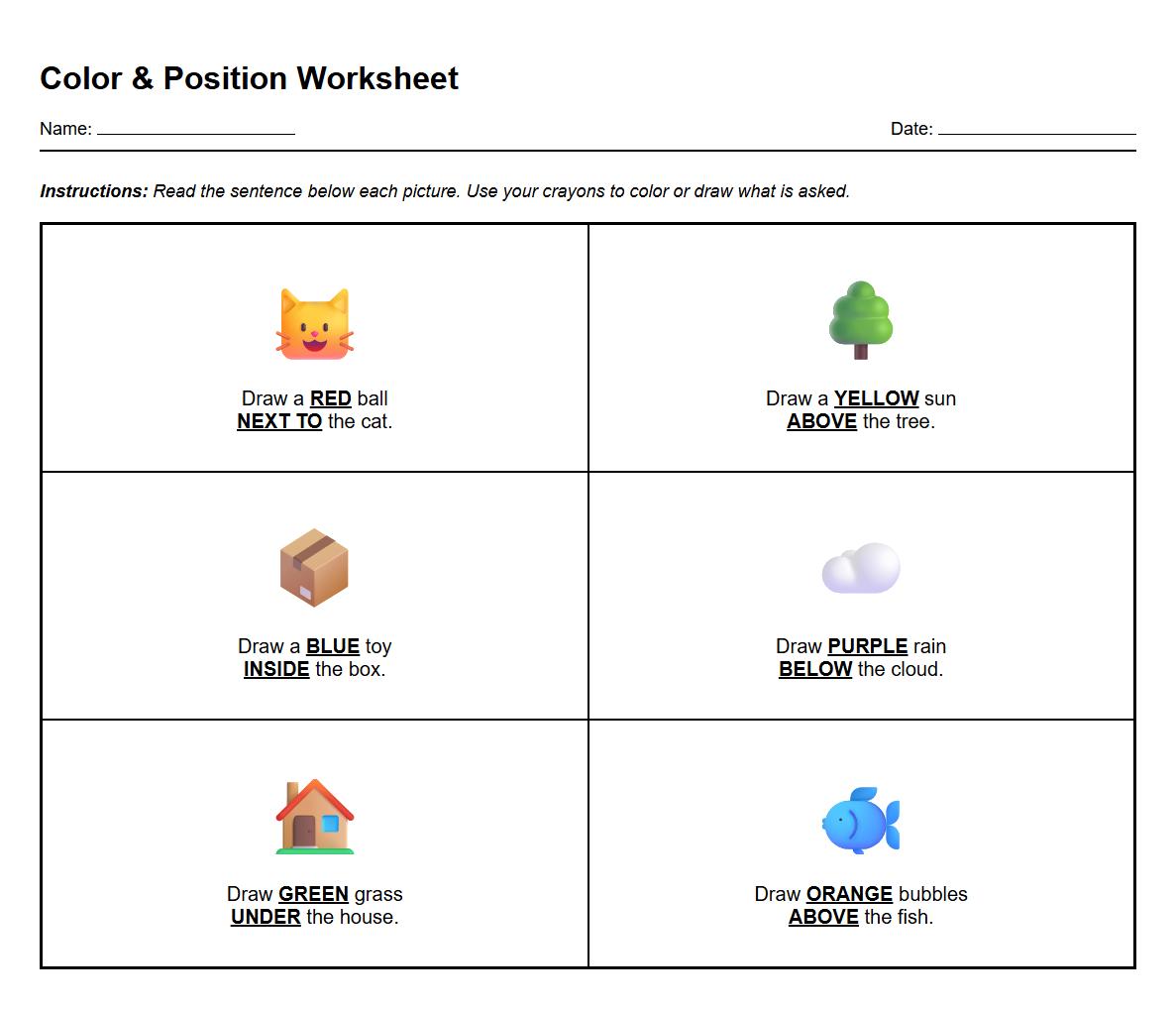
Color matching exercises support early childhood learning by reinforcing visual discrimination and memory skills. These activities help children associate colors with objects and improve their ability to sort and categorize. They also boost language development when teachers and parents describe colors and objects during the exercise. Overall, color matching fosters both cognitive growth and vocabulary expansion.
Most Effective Colors for Beginner Color by Number Worksheets
Primary colors such as red, blue, and yellow are most effective for beginner color by number worksheets due to their simplicity and high visual contrast. These colors are easier for young children to identify and differentiate. Using bold and distinct colors reduces confusion and encourages confidence during the activity. Introducing secondary colors gradually helps deepen understanding as students progress.
Assessing Progress in Color Recognition through Color by Number
Teachers can assess progress in color recognition by observing the accuracy and consistency with which students apply the correct colors. Monitoring improvements in the student's ability to differentiate shades and follow color codes provides valuable insights. Periodic reviews through similar activities also highlight learning retention. Using simple checklists can streamline tracking each child's advancement.
Classroom Materials Needed for Kindergarten Color by Number Practice
Essential classroom materials for color by number practice include crayons or markers in a variety of colors matching the worksheet palette. Printed worksheets or digital tablets with interactive coloring apps can also be used. A well-lit workspace and sturdy surfaces enhance the coloring experience. Optional accessories like pencil sharpeners and color charts support learning and organization.
Enhancing Fine Motor Skills with Color Matching
Color matching activities enhance fine motor skills by encouraging precise hand movements and hand-eye coordination. Children practice gripping and maneuvering coloring tools within small, confined spaces. This improves dexterity necessary for writing and other classroom tasks. Repetitive matching and coloring build muscle control and confidence in their abilities.
Common Challenges in Color by Number Tasks
Common challenges include color confusion, difficulty staying within lines, and reluctance to follow instructions. Some children may struggle with recognizing numbers linked to colors, impacting task completion. Overstimulation from too many color choices can also hinder focus. Addressing these by simplifying instructions and offering guided support helps overcome such obstacles.
Adapting Color by Number Activities for Children with Special Needs
Color by number activities can be adapted by using larger, simplified images and fewer color choices for children with special needs. Providing tactile or textured materials enhances sensory engagement. Visual aids and step-by-step verbal guidance support comprehension and participation. Customizing pacing ensures each child can progress comfortably at their own speed.
The Role of Verbal Instruction in Color Matching Exercises
Verbal instruction plays a crucial role by clarifying tasks, reinforcing color names, and guiding attention. Teachers and parents use descriptive language to enhance understanding and encourage verbal color identification. It also fosters interactive learning and language development. Clear, consistent communication helps maintain focus and motivation.
Frequency of Color by Number Activities in the Kindergarten Curriculum
Including color by number activities two to three times a week allows consistent practice without causing fatigue. Regular engagement ensures steady skill development in color recognition and fine motor coordination. Integrating these activities with related lessons maximizes learning retention. Varied formats keep children interested and motivated throughout the school year.


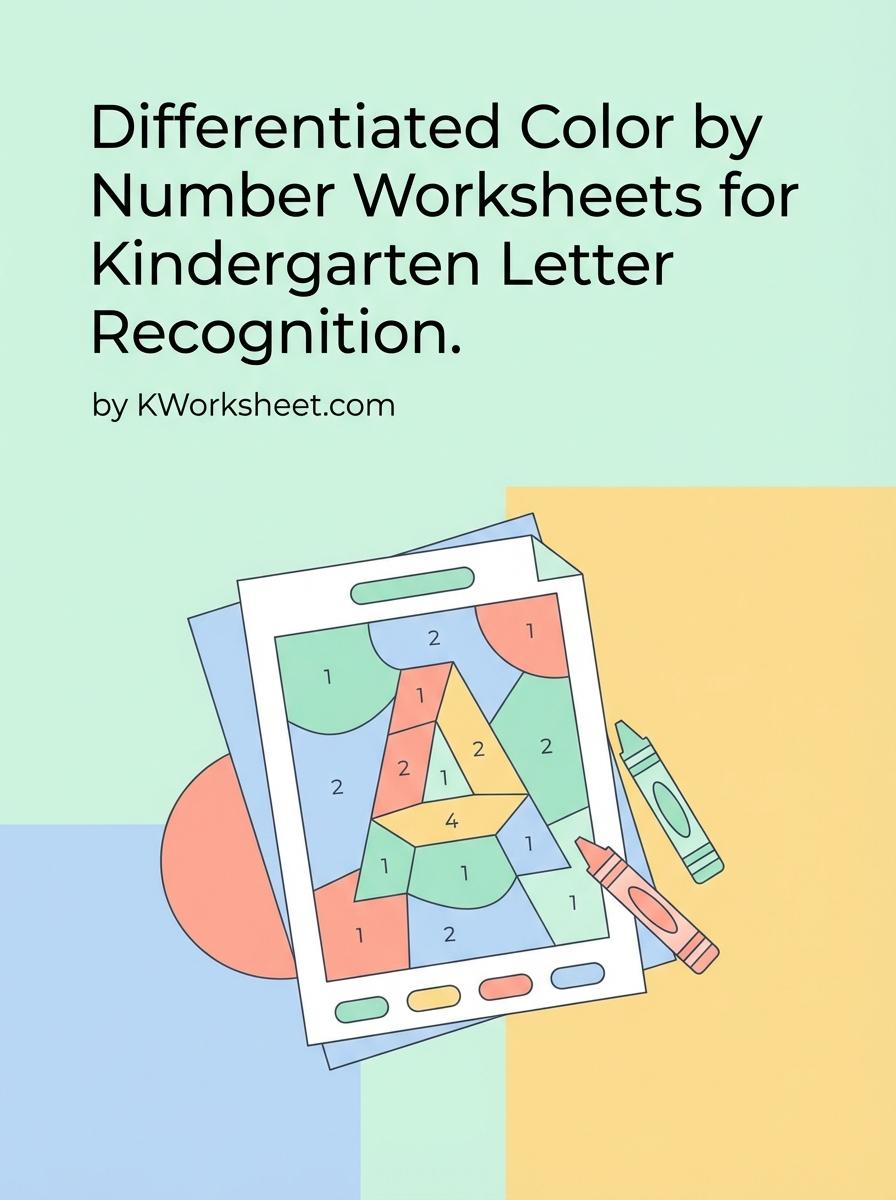
Differentiated Color by Number Worksheets for Kindergarten Letter Recognition