Kindergarten Cut and Paste Visual Discrimination Matching Tasks

📅 Apr 9, 2025 👤 Nylen Smith

Kindergarten Cut and Paste Visual Discrimination Matching Tasks help young learners develop their ability to distinguish between shapes, colors, and patterns while enhancing fine motor skills. These engaging activities support cognitive development and improve attention to detail in a fun, hands-on way. Explore the available worksheets to provide your child with valuable practice and enjoyable learning experiences.

Phonics Letter Sound Cut and Paste Matching
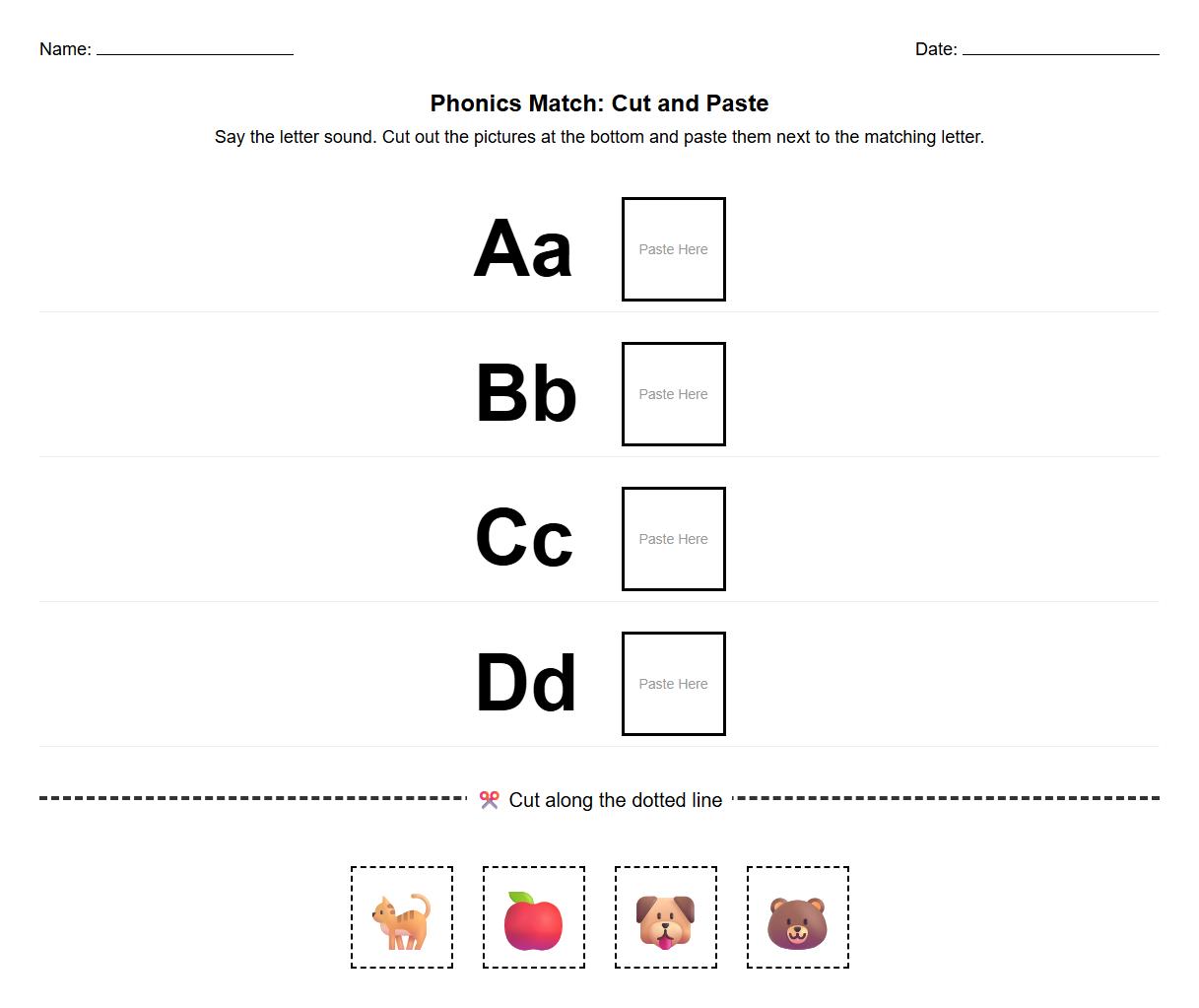
Phonics Letter Sound Cut and Paste Matching

Download PDF     Pin it

Shape Recognition Visual Discrimination Worksheet
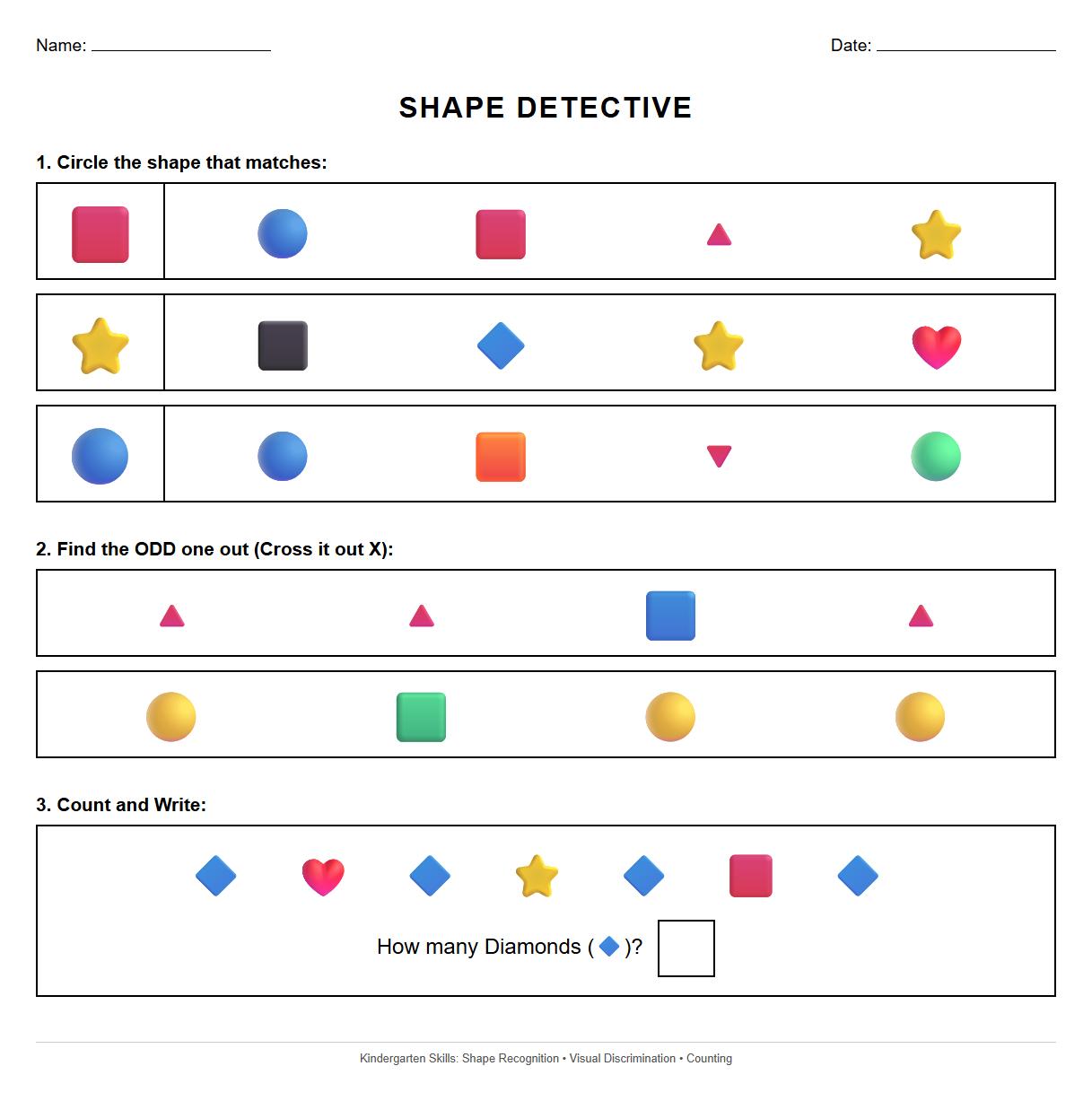
Shape Recognition Visual Discrimination Worksheet

Download PDF     Pin it

Uppercase and Lowercase Alphabet Matching Activity
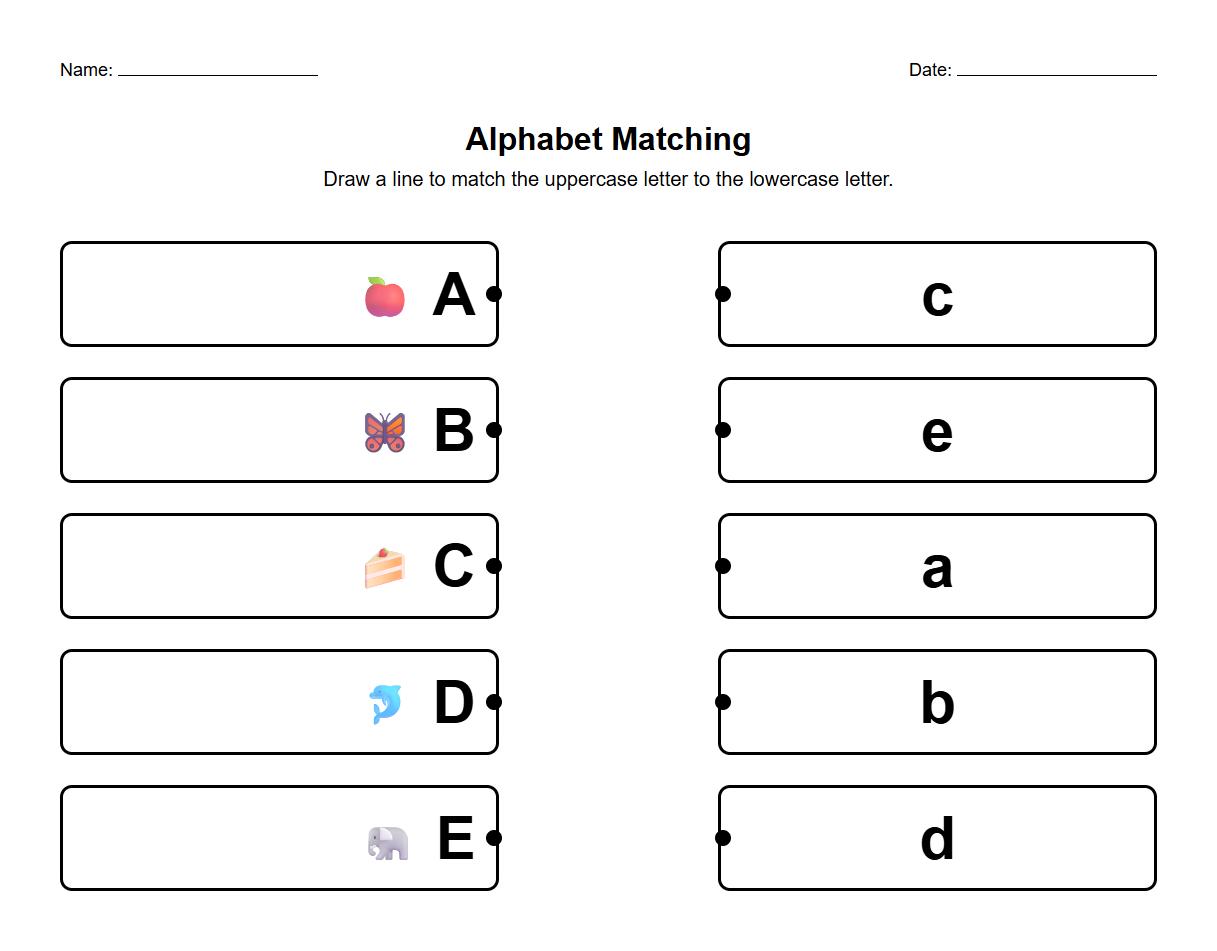
Uppercase and Lowercase Alphabet Matching Activity

Download PDF     Pin it

Number Recognition Cut and Paste Task
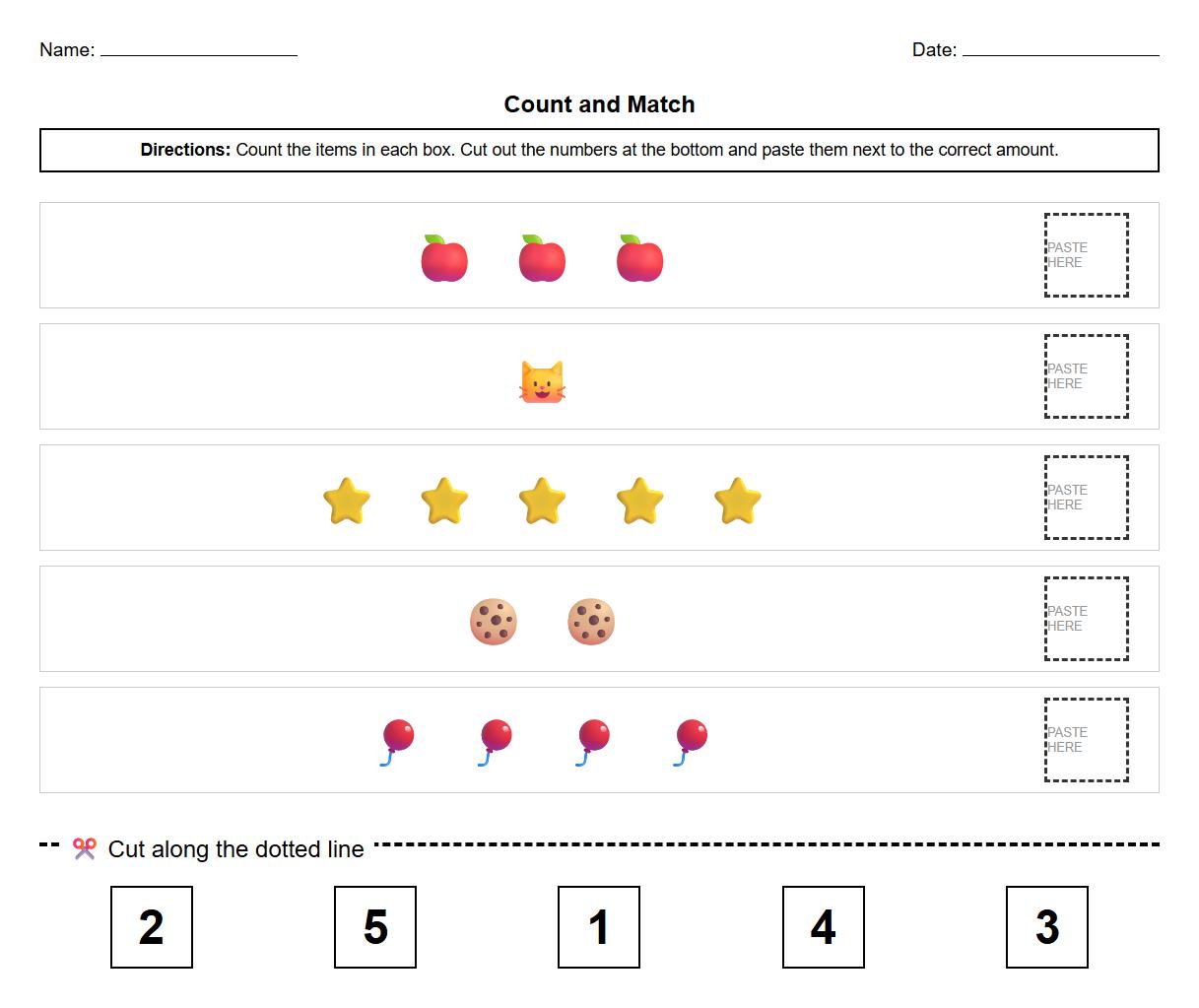
Number Recognition Cut and Paste Task

Download PDF     Pin it

Color Sorting Visual Discrimination Worksheet
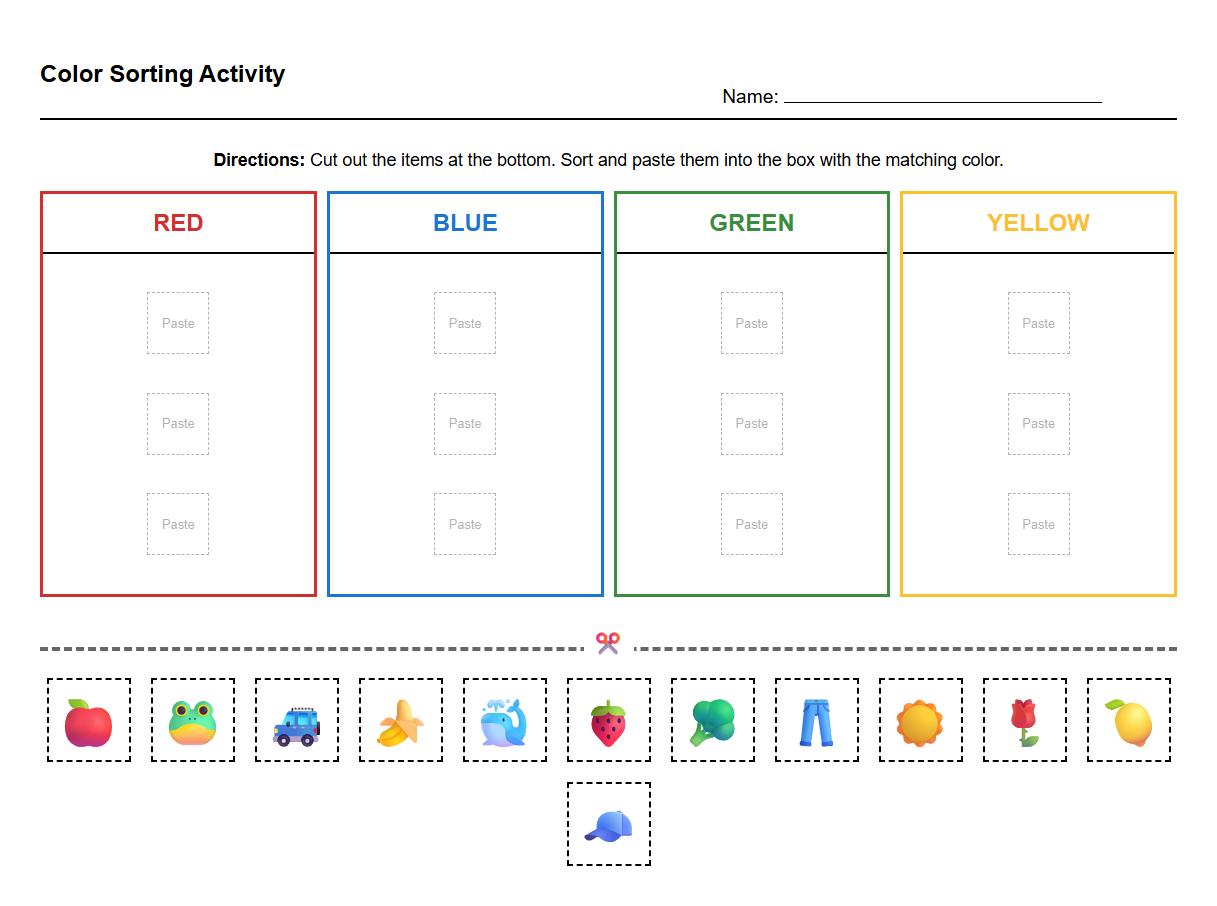
Color Sorting Visual Discrimination Worksheet

Download PDF     Pin it

Pattern Sequencing Cut and Paste Matching Sheet
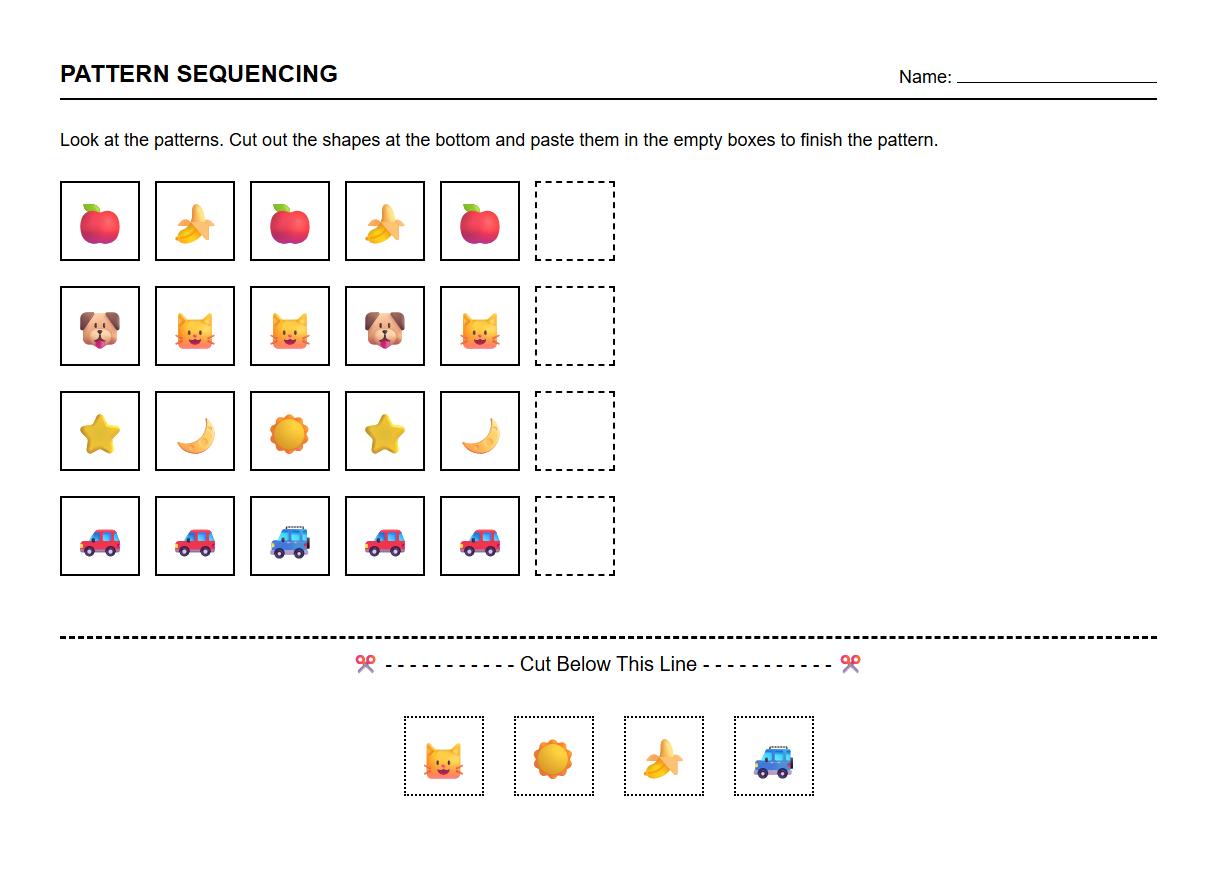
Pattern Sequencing Cut and Paste Matching Sheet

Download PDF     Pin it

Beginning Sounds Phonemic Awareness Matching
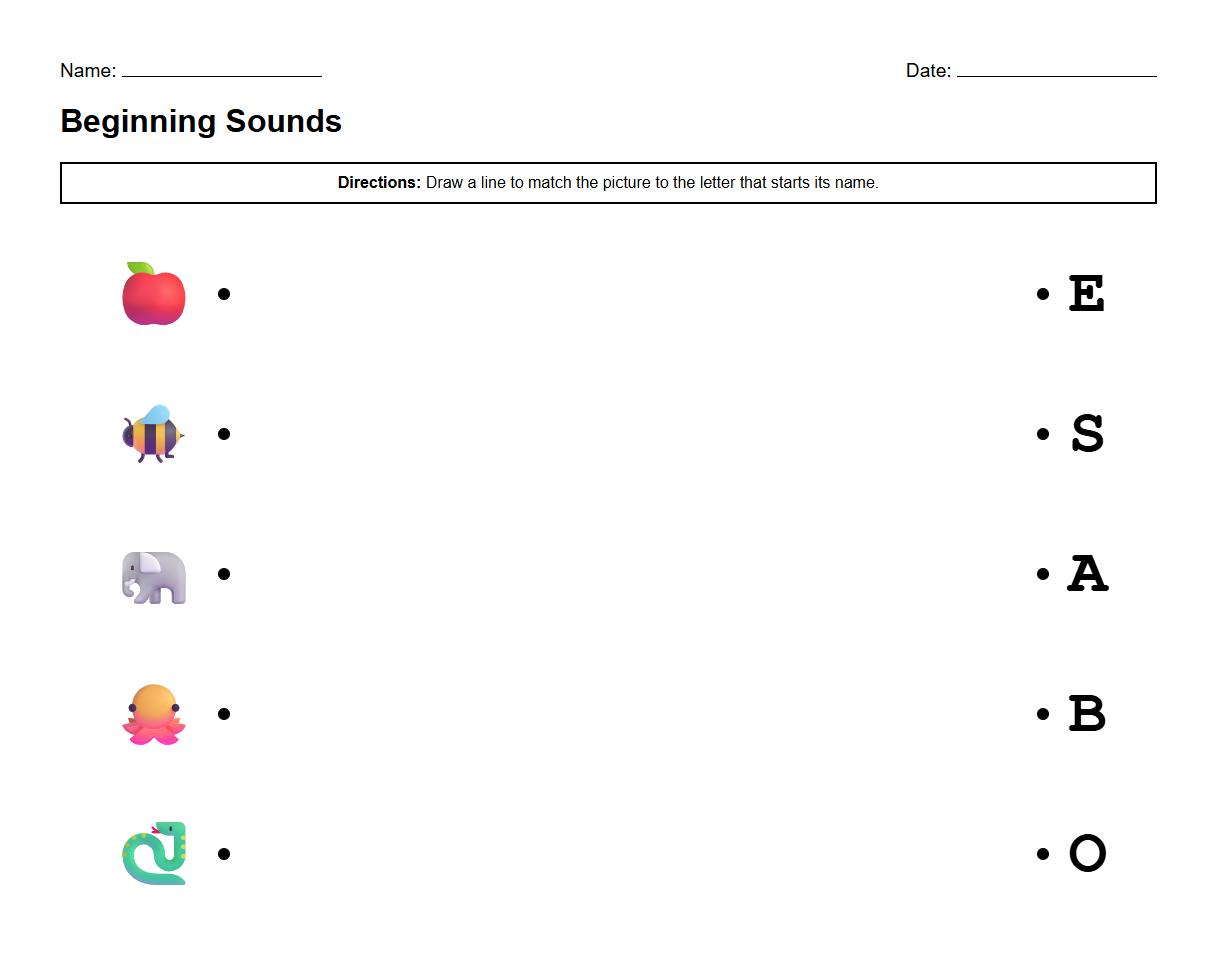
Beginning Sounds Phonemic Awareness Matching

Download PDF     Pin it

Rhyming Words Cut and Paste Discrimination Task
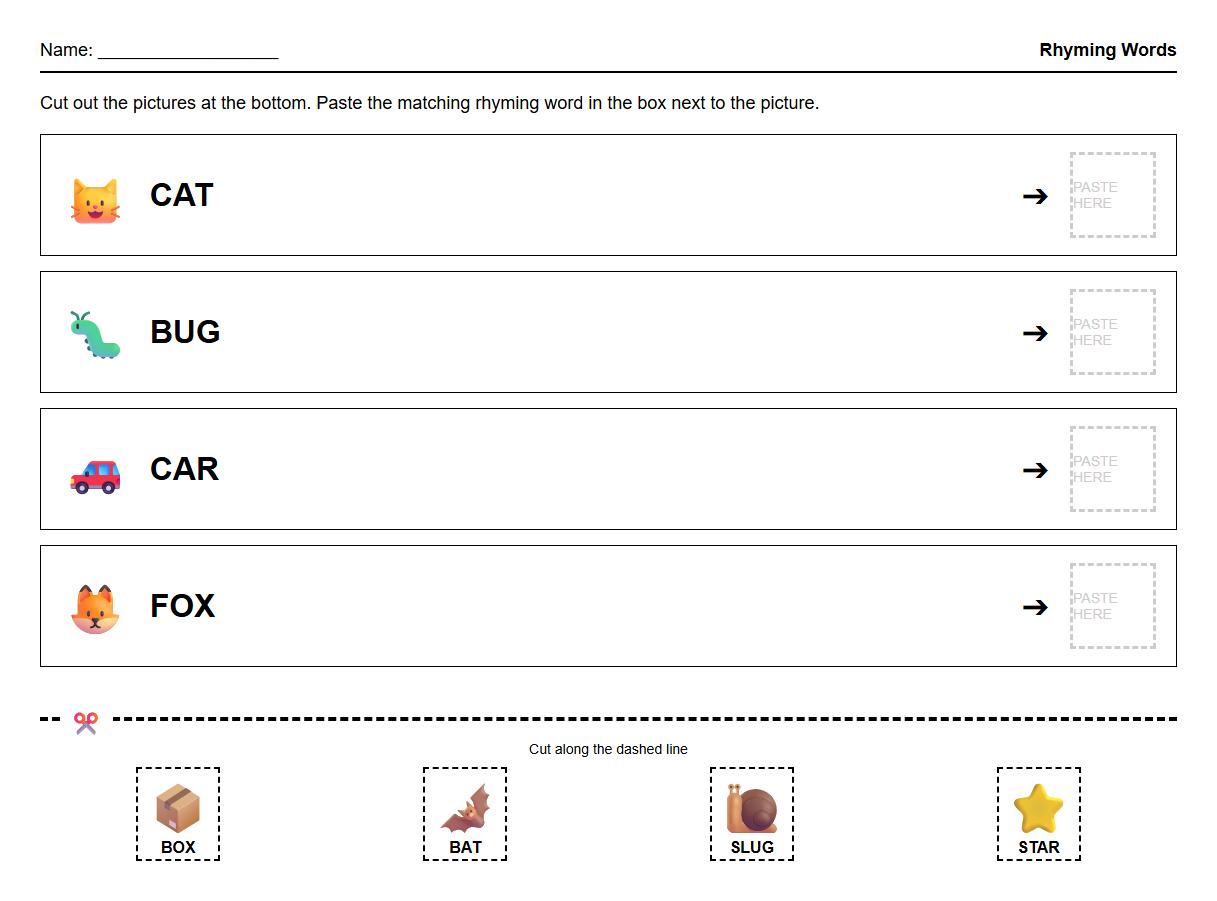
Rhyming Words Cut and Paste Discrimination Task

Download PDF     Pin it

Object Size Comparison Visual Matching Activity
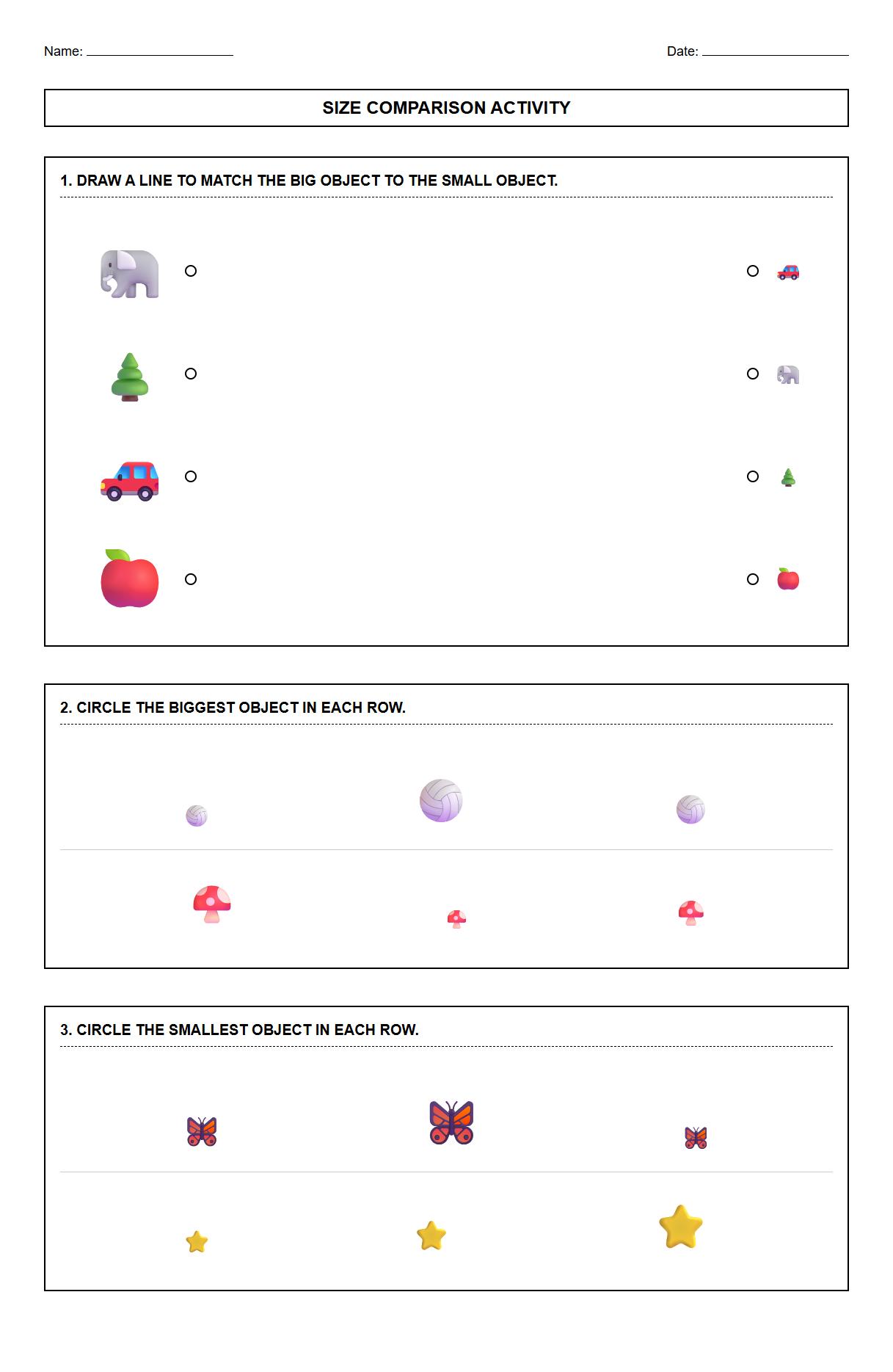
Object Size Comparison Visual Matching Activity

Download PDF     Pin it

Picture to Shadow Shape Matching Worksheet
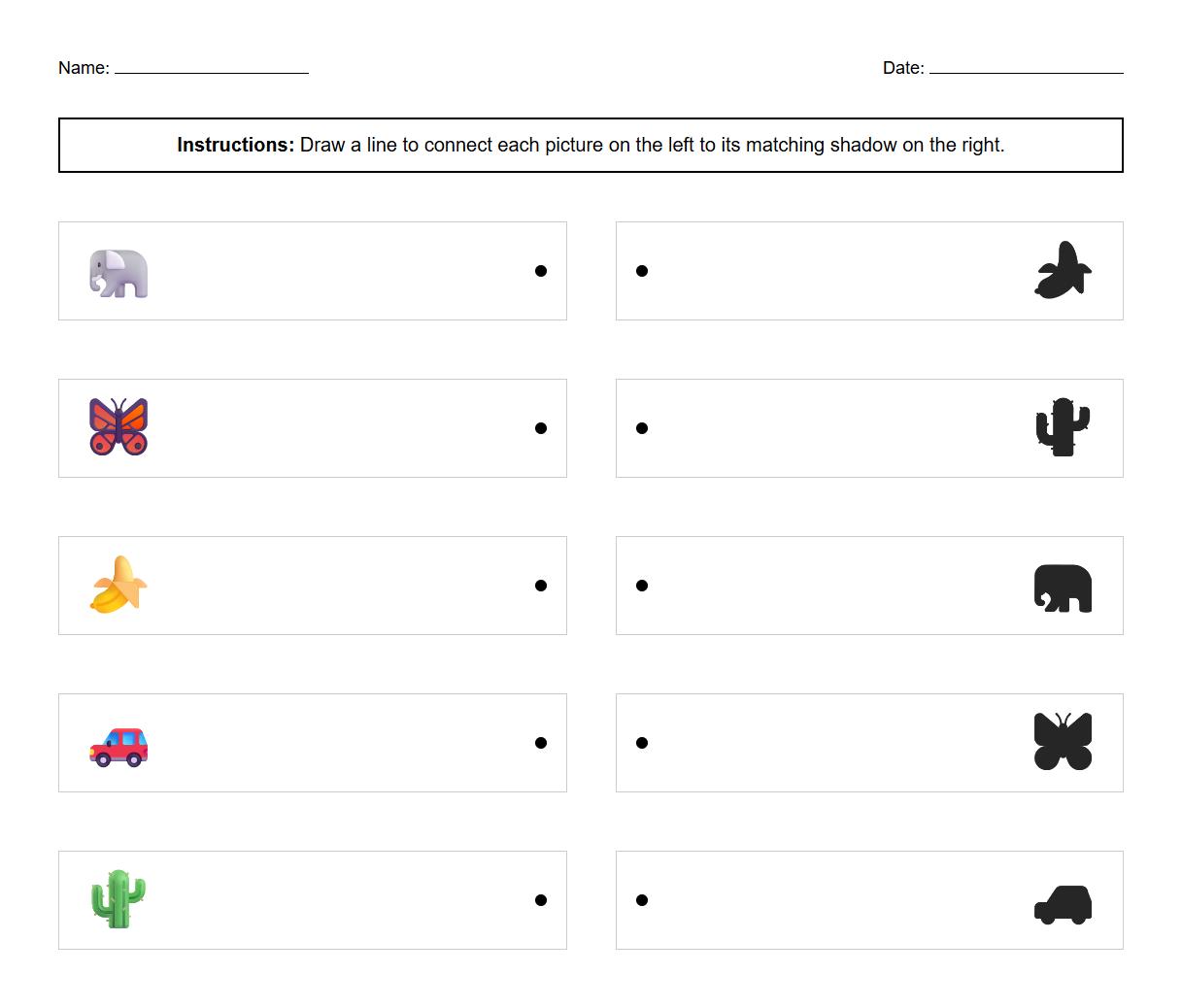
Picture to Shadow Shape Matching Worksheet

Download PDF     Pin it

What are Cut and Paste Visual Discrimination Matching Tasks in Kindergarten?

Cut and paste visual discrimination matching tasks involve children cutting out pictures or shapes and then matching and pasting them onto corresponding images or outlines. These activities require close observation and identification of similarities and differences in size, color, shape, or pattern. They help develop students' ability to distinguish between various visual stimuli. Such tasks are commonly used in kindergarten to enhance perceptual skills.

How Do These Activities Support Early Childhood Learning?

These activities promote fine motor skills, concentration, and cognitive development by engaging children in hands-on tasks. Visual discrimination is essential for early reading and math skills, where children learn to differentiate letters, numbers, and shapes. Cut and paste tasks also foster creativity and hand-eye coordination. Overall, they provide a multisensory learning experience that supports holistic growth.

Which Skills Are Developed Through Cut and Paste Matching Tasks for Kindergartners?

Children develop key skills such as visual discrimination, hand-eye coordination, fine motor control, and attention to detail. Additionally, these tasks improve spatial awareness and pattern recognition, which are foundational for literacy and numeracy. They also enhance problem-solving skills as kids determine where each piece fits best. Social skills can be nurtured when children collaborate during these activities.

How Often Should Visual Discrimination Matching Activities Be Included in a Weekly Lesson Plan?

Incorporating visual discrimination matching tasks two to three times per week provides consistent practice without causing fatigue. Regular exposure helps reinforce skill development and retention. Teachers can vary the complexity to maintain student interest. Balancing these tasks with other learning activities ensures comprehensive development.

What Are Some Examples of Objects or Images Used in These Tasks?

Common examples include pictures of animals, fruits, geometric shapes, letters, numbers, and everyday objects. Seasonal items like leaves or holiday symbols are also popular. Color-coded shapes and simple patterns provide additional options for matching. Choosing familiar objects supports better engagement and understanding.

How Can These Tasks Be Differentiated for Various Skill Levels in a Kindergarten Classroom?

Differentiation can involve adjusting the complexity of images--starting with simple shapes for beginners and progressing to detailed pictures for advanced learners. Tasks can also vary in the number of items to match or require matching based on different attributes such as color, shape, or size. Providing additional guidance or allowing independent work helps accommodate diverse abilities. Customizing tasks ensures each child is appropriately challenged.

What Materials Are Needed for Effective Cut and Paste Matching Activities?

Essential materials include child-safe scissors, glue sticks, printed matching sheets, colored paper, and crayons or markers. Laminated sheets or reusable materials can enhance durability. Having organized containers for materials helps maintain classroom order. Clear instructions and visual examples support smooth activity flow.

How Do Teachers Assess Progress with Visual Discrimination Tasks in Kindergarten?

Teachers assess progress by observing accuracy and speed in completing tasks, as well as children's ability to recognize matching attributes independently. Checklists or anecdotal records can track developmental milestones. Periodic reviews help identify areas needing reinforcement. Informal assessments during group activities also provide insights into skill growth.

What Strategies Help Keep Kindergarten Students Engaged in Matching Activities?

Using colorful, familiar images and incorporating themes of interest keeps children motivated. Integrating games, timed challenges, or group collaboration adds excitement. Frequent positive feedback and varying task formats sustain attention. Creating a playful and supportive environment encourages active participation.

How Can Parents Support Visual Discrimination Matching Skills at Home?

Parents can encourage practice with simple matching puzzles, sorting games, or homemade cut and paste projects. Reading picture books and discussing similarities and differences in images enhances observation skills. Providing praise and setting aside regular, short periods for these activities fosters consistent learning. Engaging in these tasks together strengthens parent-child bonding while promoting development.


More in Fine Motor and Cognitive Skills Category


About the author. Nylen Smith is a dedicated educator and cofounder of KWorksheet.com, a popular platform specializing in high-quality kindergarten worksheets and printable activities.

Disclaimer. The information provided in this document is for general informational purposes and/or document sample only and is not guaranteed to be factually right or complete. Please report to us via contact-us page if you find and error in this page, thanks.

Comments

No comment yet