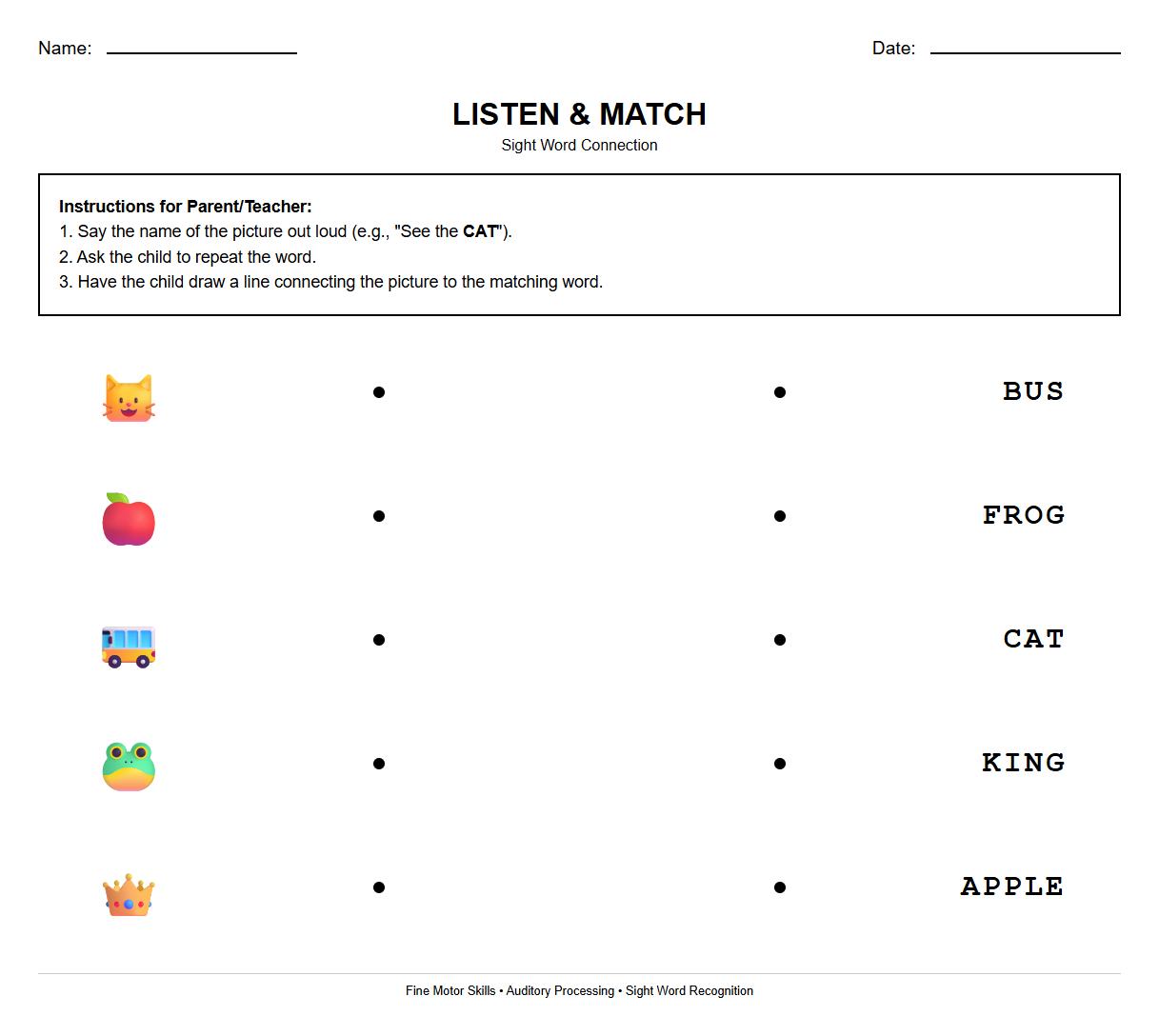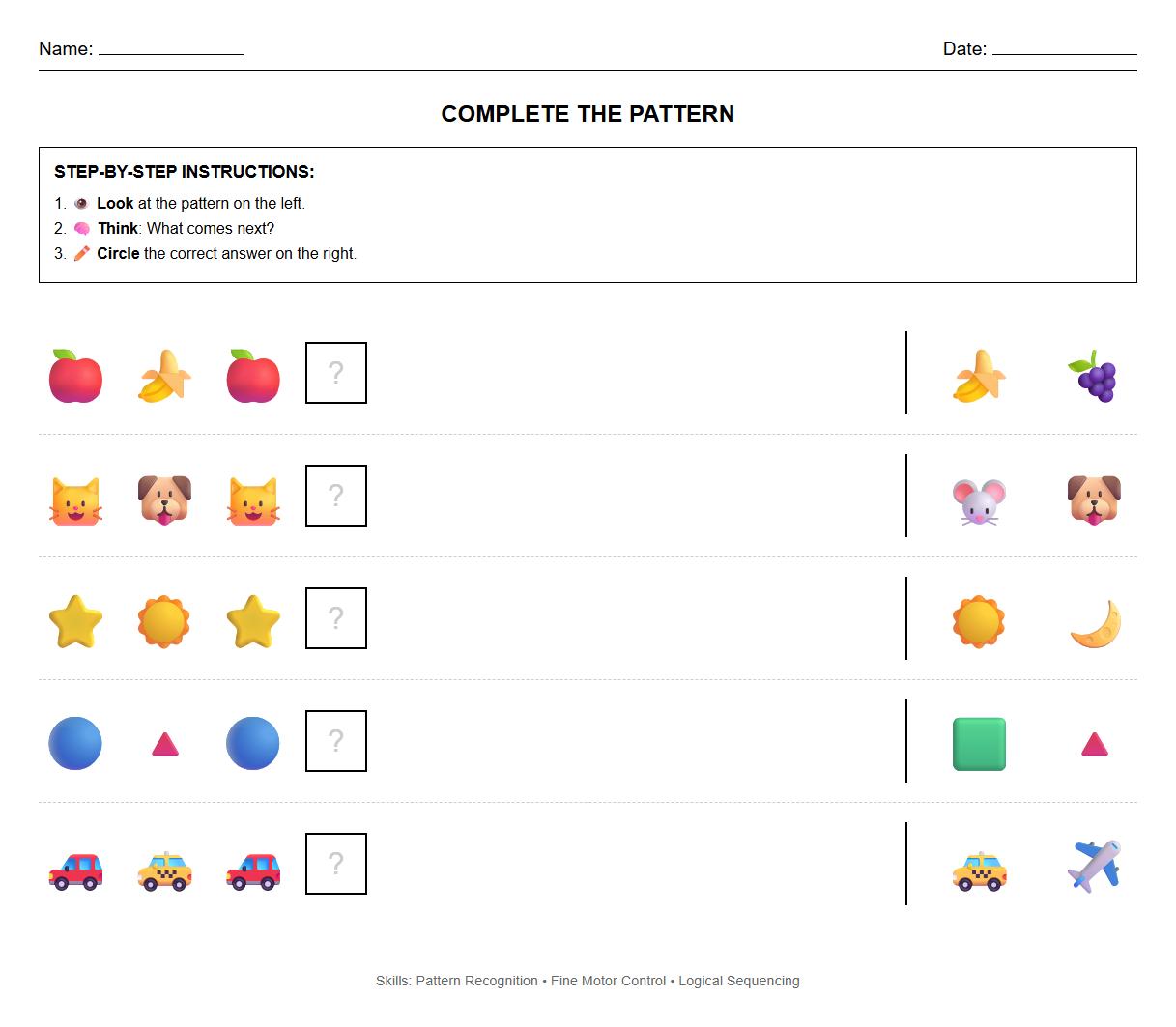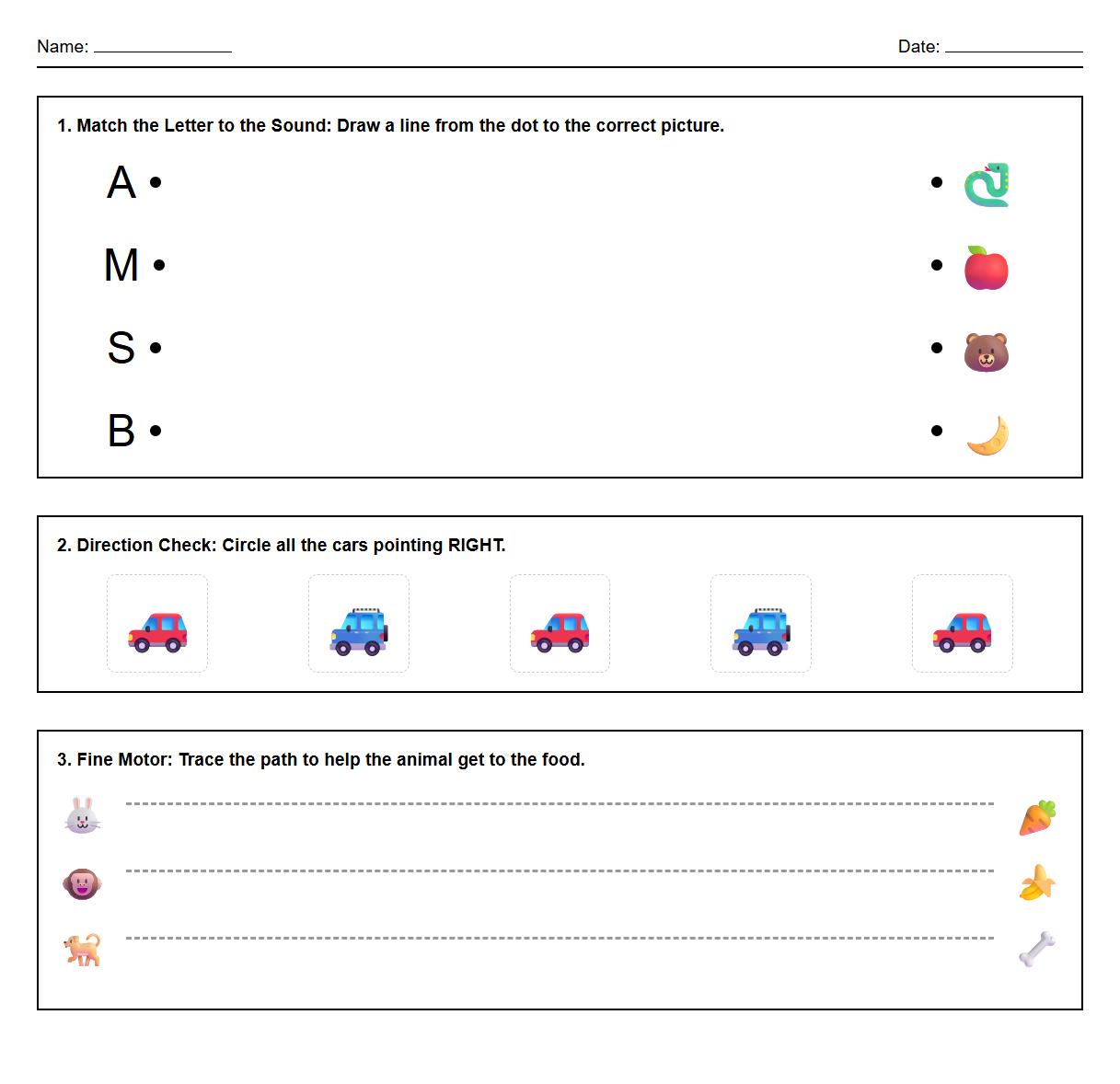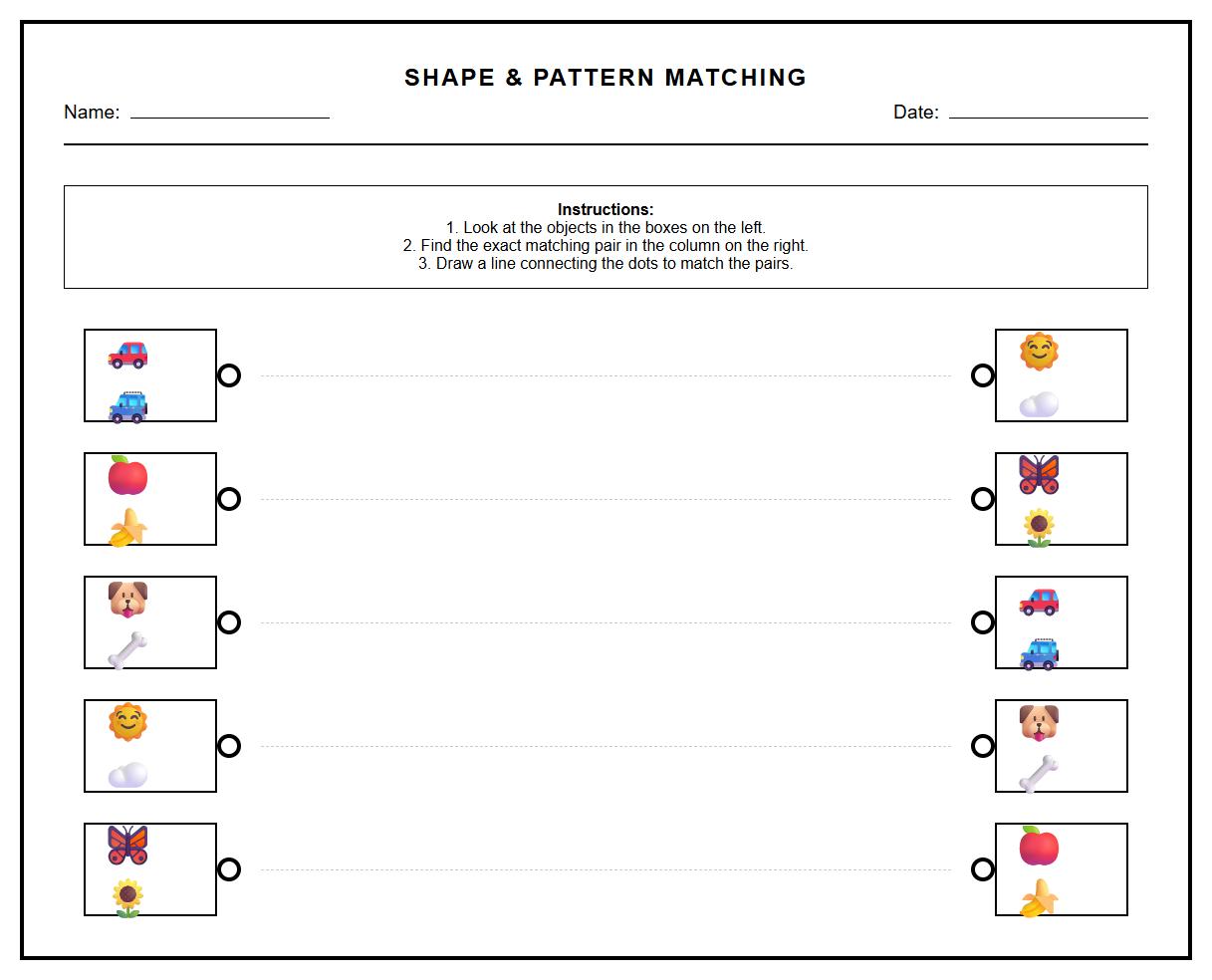
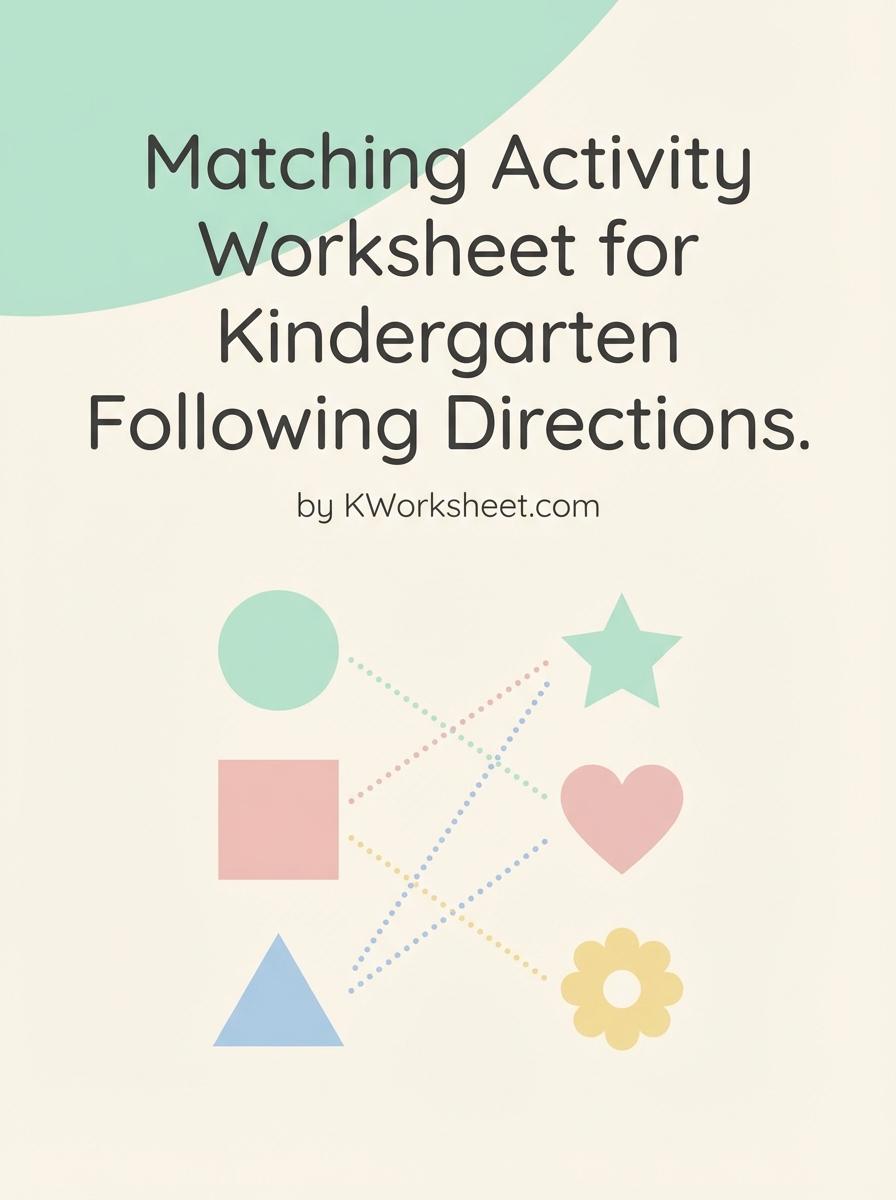
Kindergarten students enhance their listening and comprehension skills through engaging matching activities that focus on following directions accurately. These worksheets promote attention to detail and encourage cognitive development by having young learners match items based on given instructions. Explore the available worksheets to support your child's learning journey with fun and educational matching exercises.
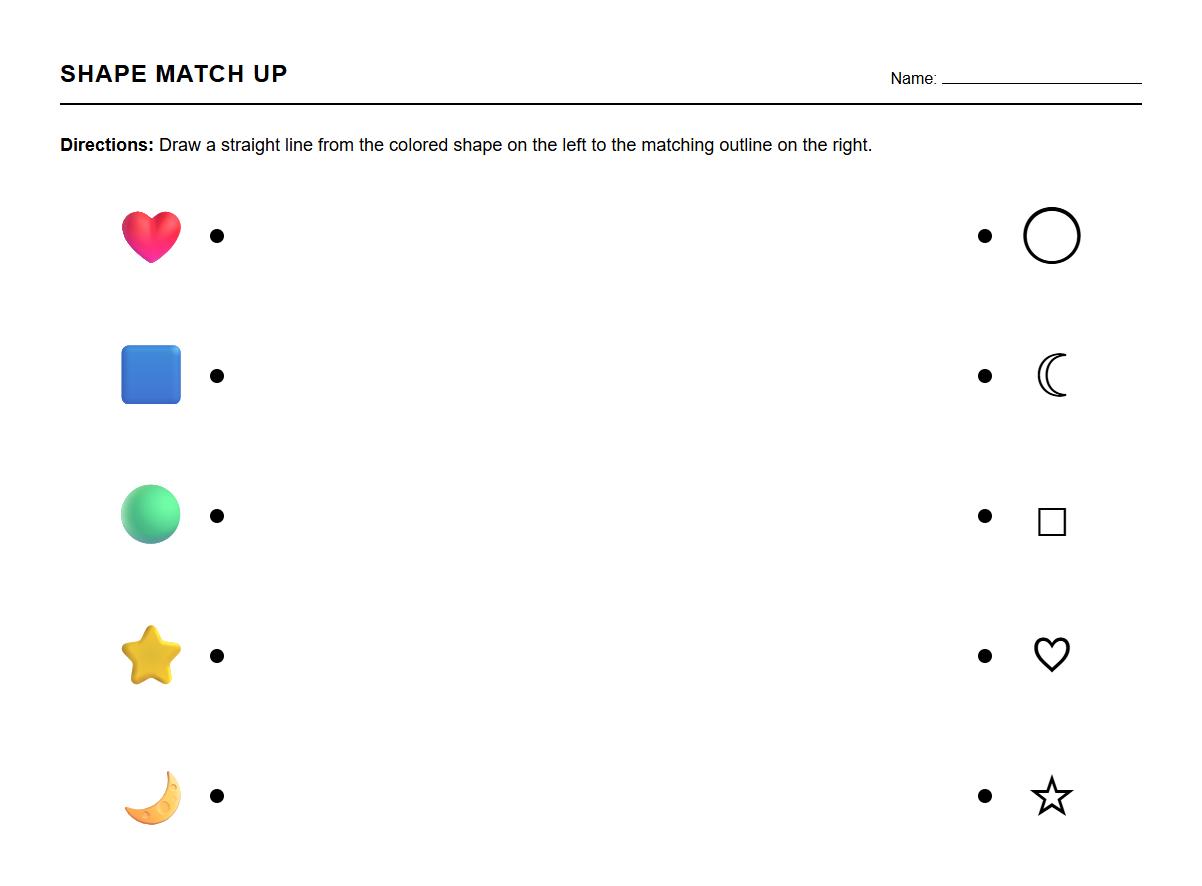
Matching Shapes with Their Correct Names
Help children develop shape recognition by drawing lines to connect each shape with its name. This activity builds visual discrimination and early reading skills. Encourage kids to say the names aloud as they match. It's a playful way to reinforce basic geometry concepts.
Connecting Pictures to the Color Red
Guide young learners to identify and match all items that share the color red. Drawing lines between pictures and red objects enhances color recognition and attention to detail. This activity strengthens memory and vocabulary related to colors. Keep it engaging by asking questions about the objects.
Matching Animals to Their Habitats
Children can improve their understanding of the natural world by linking animals to the places where they live. Drawing lines from animals to forests, oceans, or farms helps establish knowledge of ecosystems. Parents and teachers should encourage discussion about each habitat. This activity fosters environmental awareness early on.
Following Arrows to Match Each Object to Its Pair
Cultivate logical thinking by asking kids to follow arrows and connect objects to their pairs. This task enhances visual tracking and pattern recognition skills. It's excellent for sharpening concentration and hand-eye coordination. Make the exercise fun with colorful arrows and clear matching images.
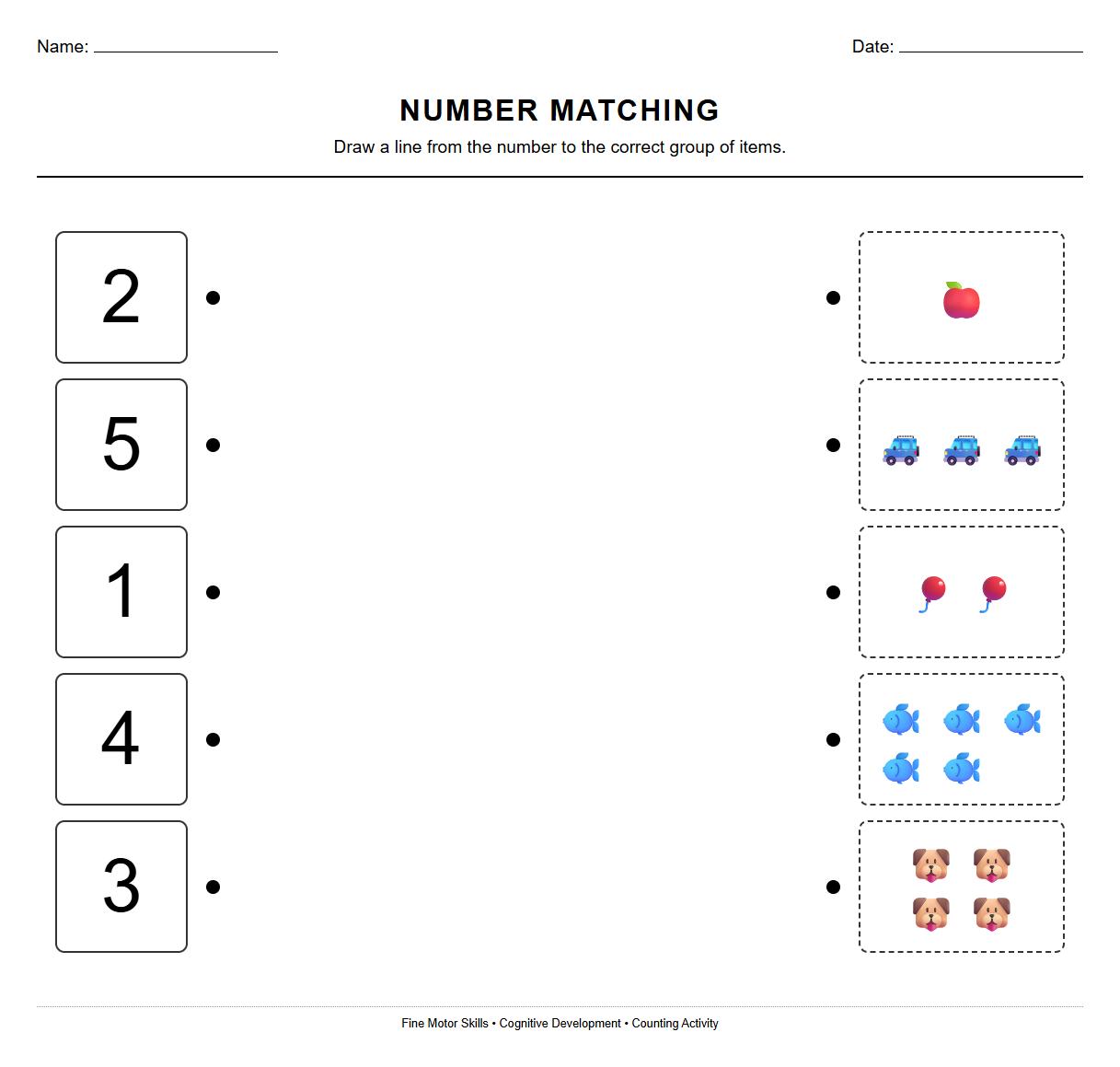
Matching Numbers with Groups of Objects
Support early math skills by matching numbers to groups containing the same quantity of items. This activity strengthens counting abilities and number sense. Encourage children to count out loud as they draw connecting lines. It builds confidence in numeracy through hands-on learning.
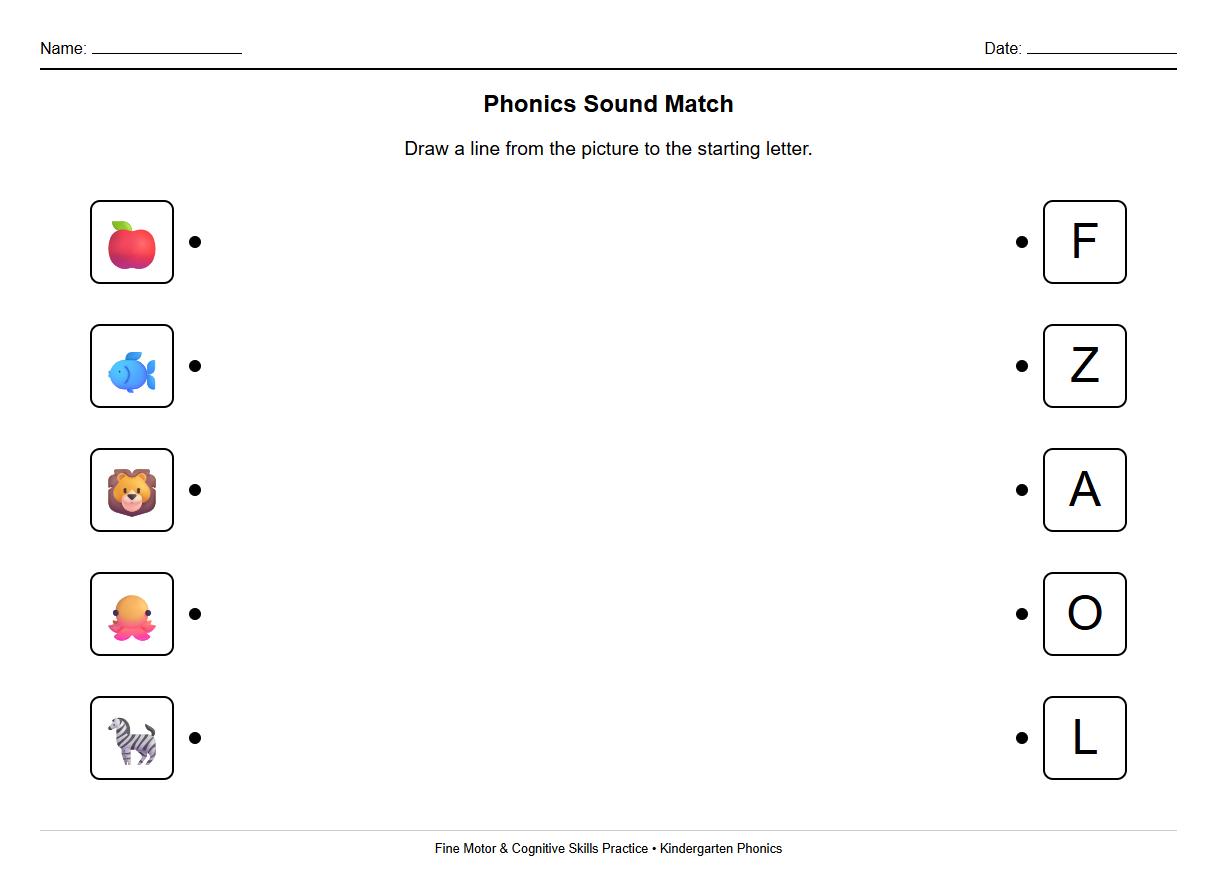
Matching Pictures to the First Letter Shown
Develop literacy by having children match pictures with their initial letters. Drawing lines from letters to corresponding images supports phonemic awareness. This activity lays the foundation for reading and spelling skills. Reinforce learning by pronouncing the letter and object together.
Matching Utensils to the Correct Food
Teach practical knowledge by connecting utensils like forks, spoons, and chopsticks to the foods they are used with. This builds understanding of daily life tools and fosters fine motor skills. Encourage children to explain why certain utensils match specific foods. It's a great way to introduce cultural diversity too.
Connecting Days of the Week in Correct Order
Enhance calendar awareness by having children link the days of the week in sequence. This reinforces temporal concepts and routine understanding. Use colorful visuals and interactive lines to keep children engaged. Practicing this regularly helps with memory and organizational skills.
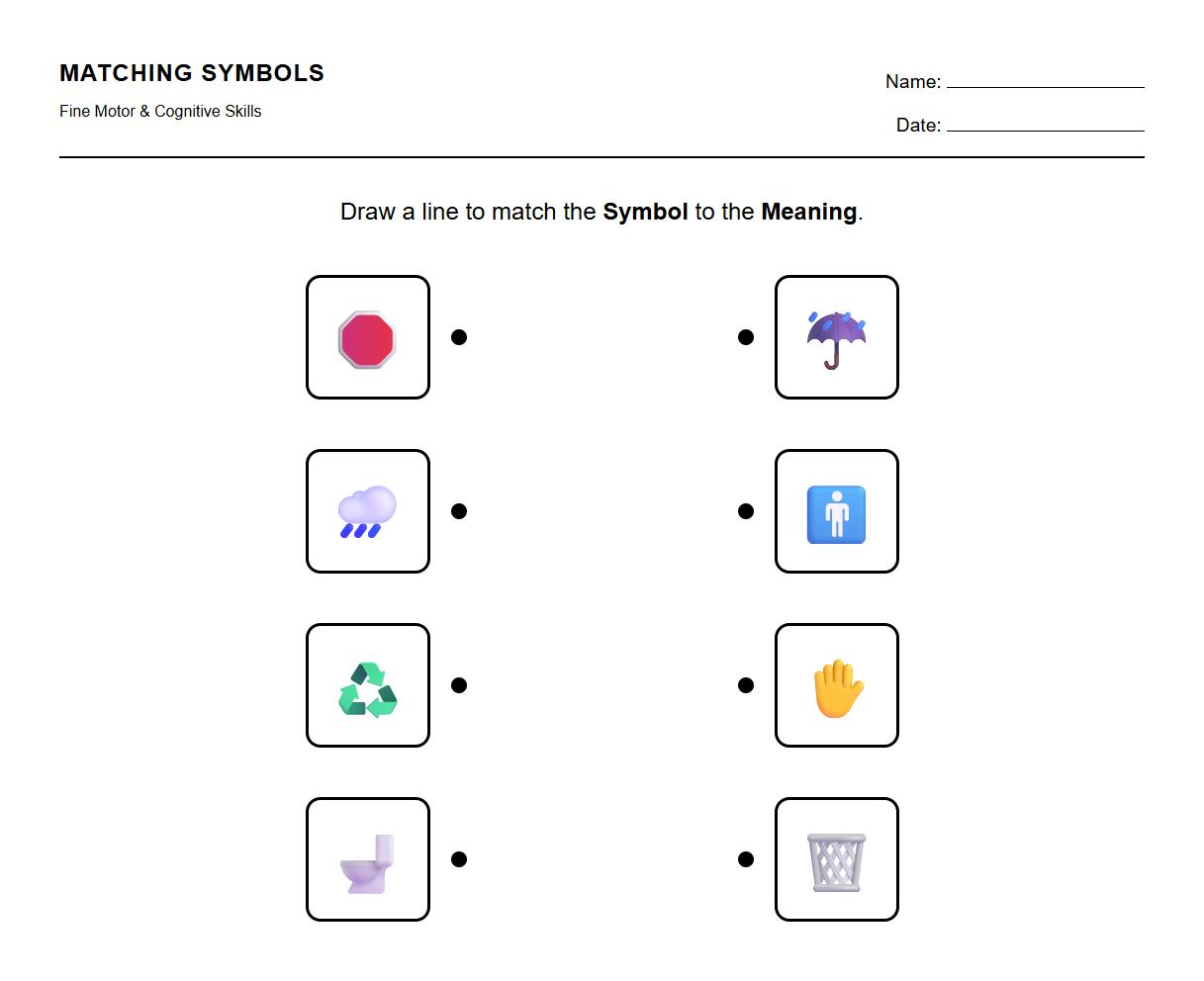
Matching Weather Pictures to Words
Boost vocabulary and observational skills by matching weather images with their corresponding words. Drawing lines strengthens word-image association and descriptive language. Discuss different weather types to deepen understanding. This activity is perfect for making science fun and accessible.
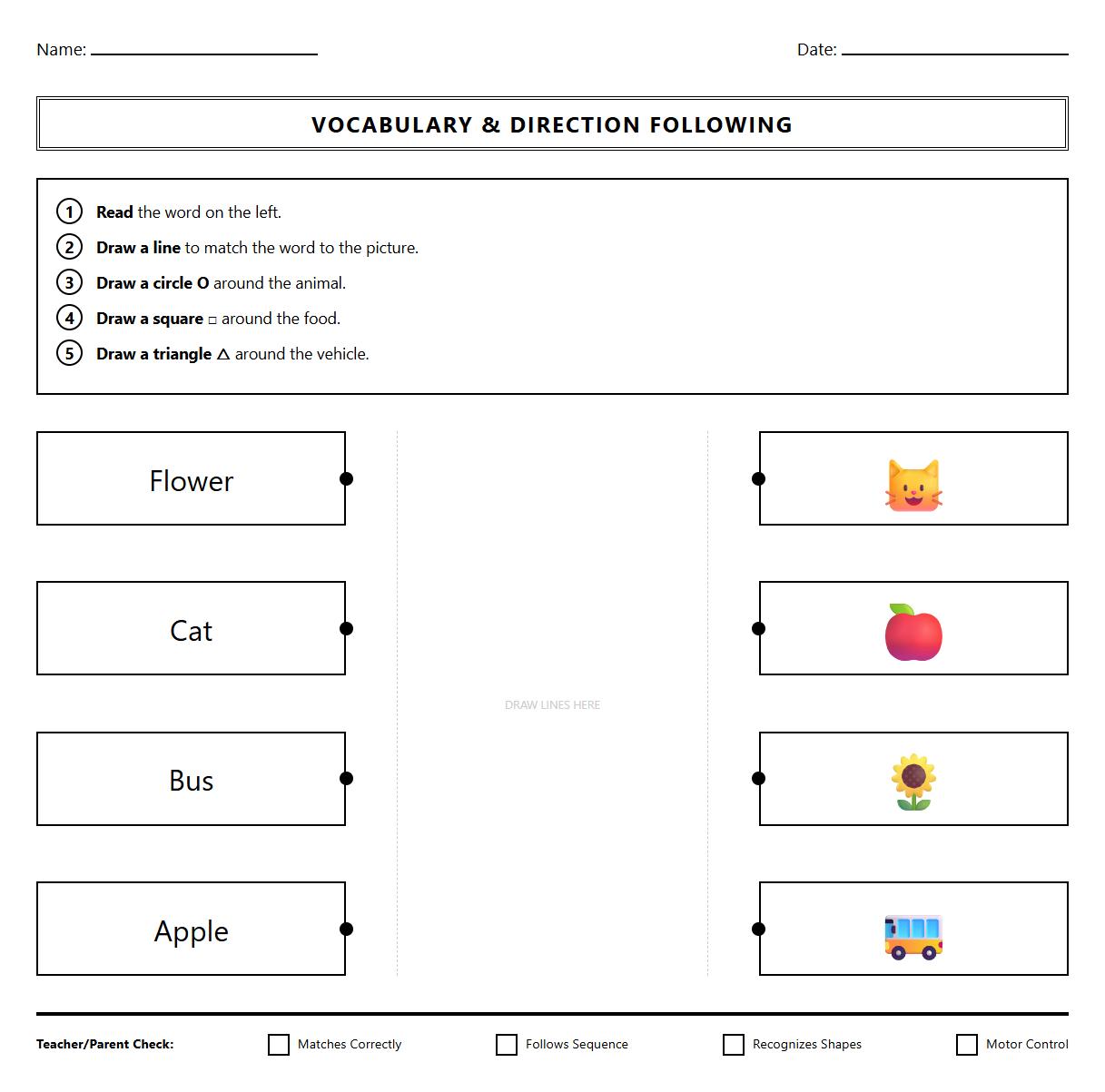
Following Directions to Match Items to Their Proper Place
Encourage following directions and spatial awareness by matching items to where they belong. Drawing lines as guided helps children practice listening and comprehension. This reinforces order, responsibility, and categorization skills. It's a useful exercise for everyday organization habits.


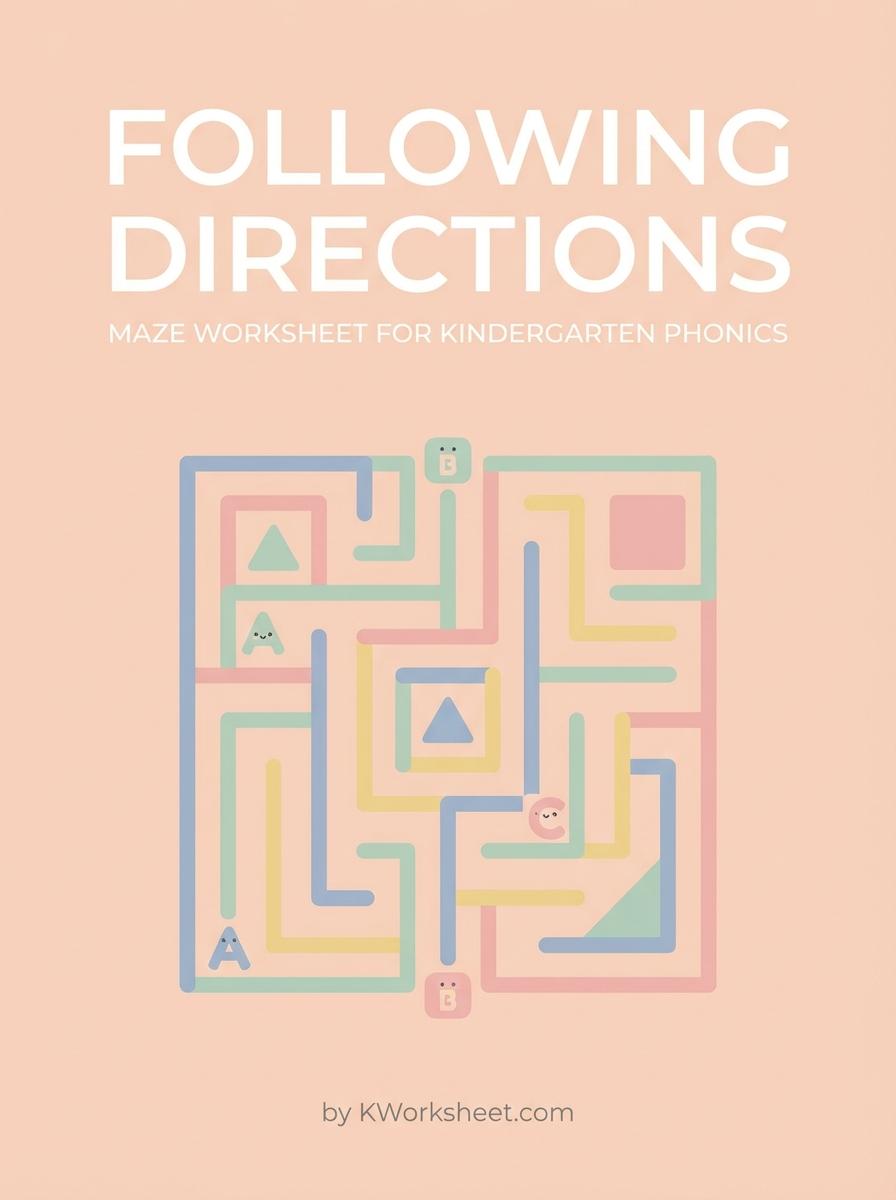
Following Directions Maze Worksheet for Kindergarten Phonics