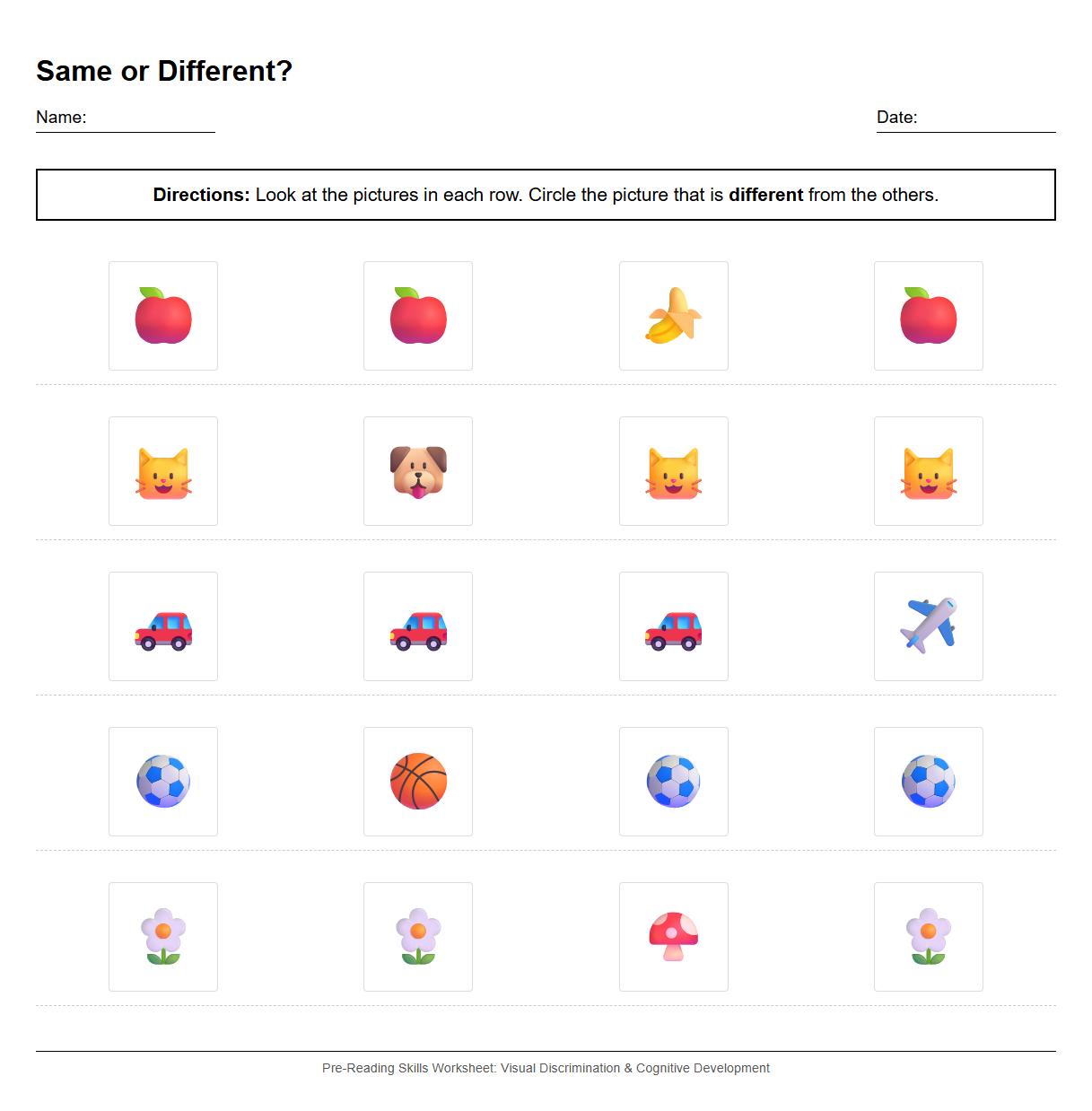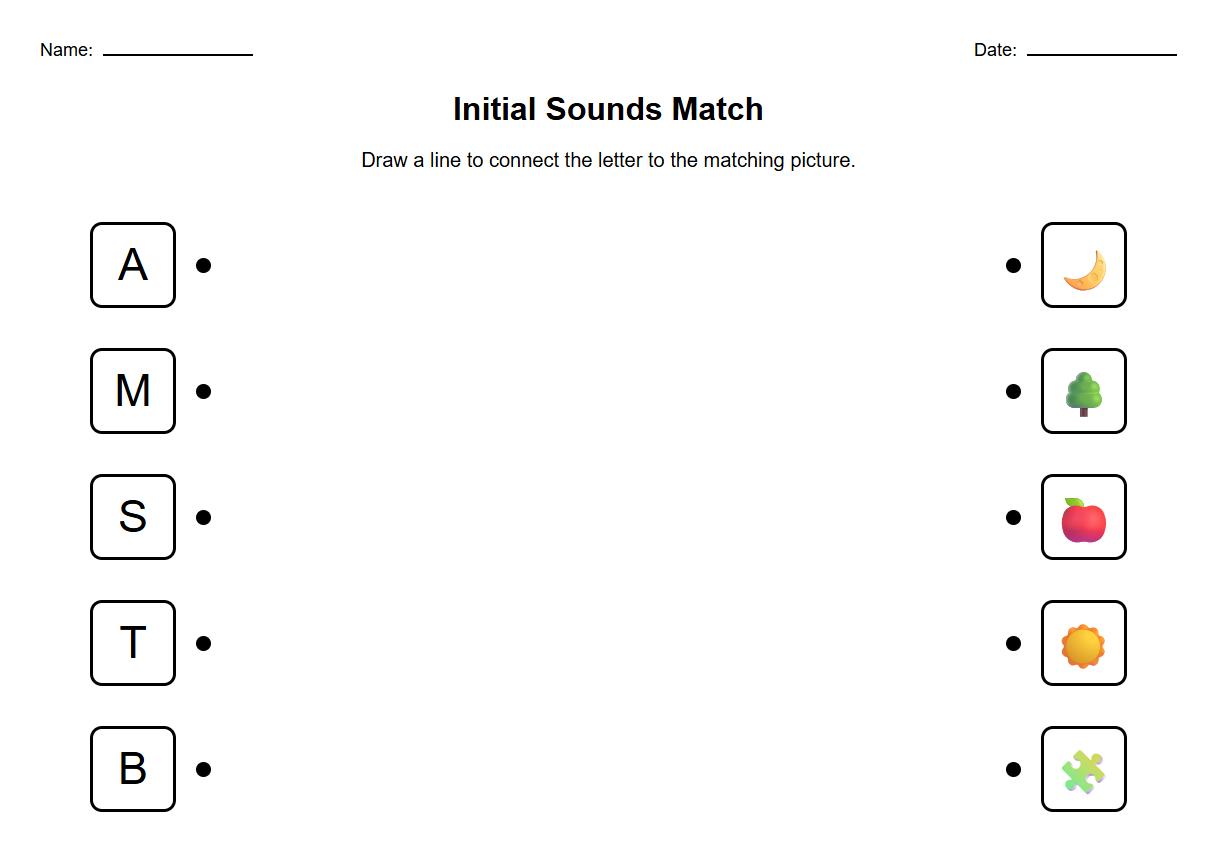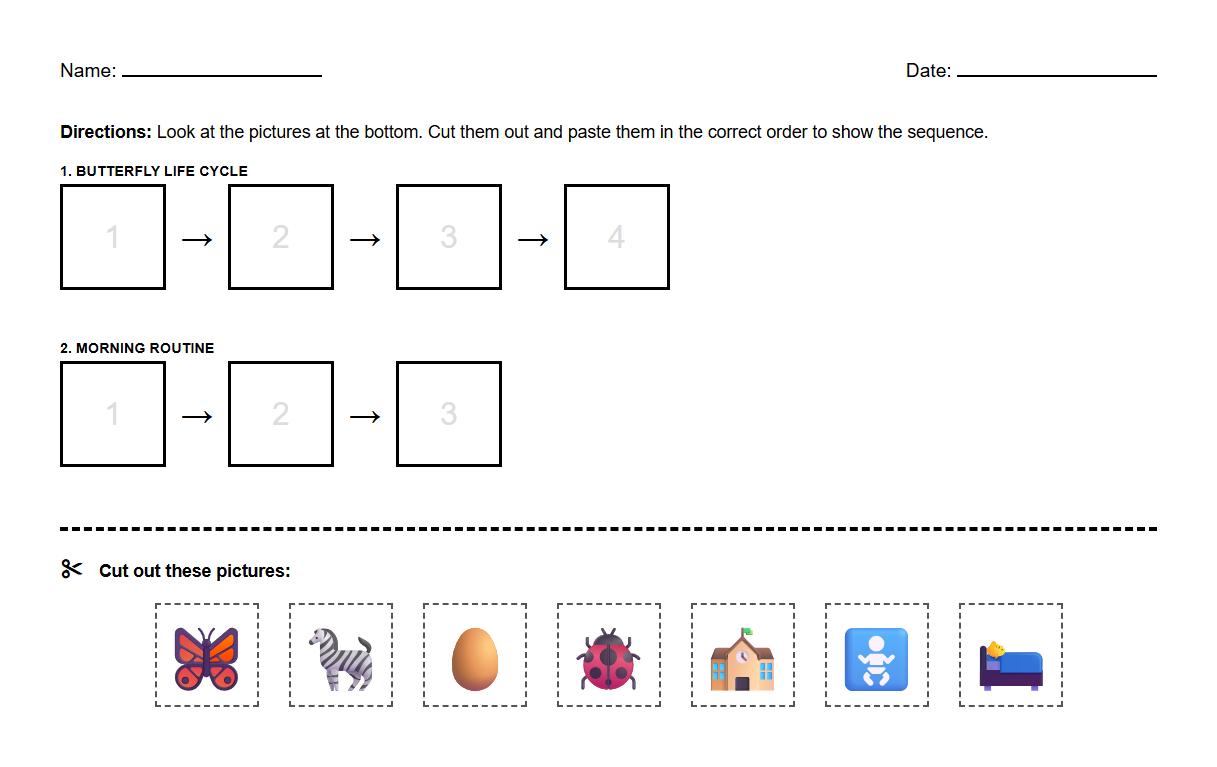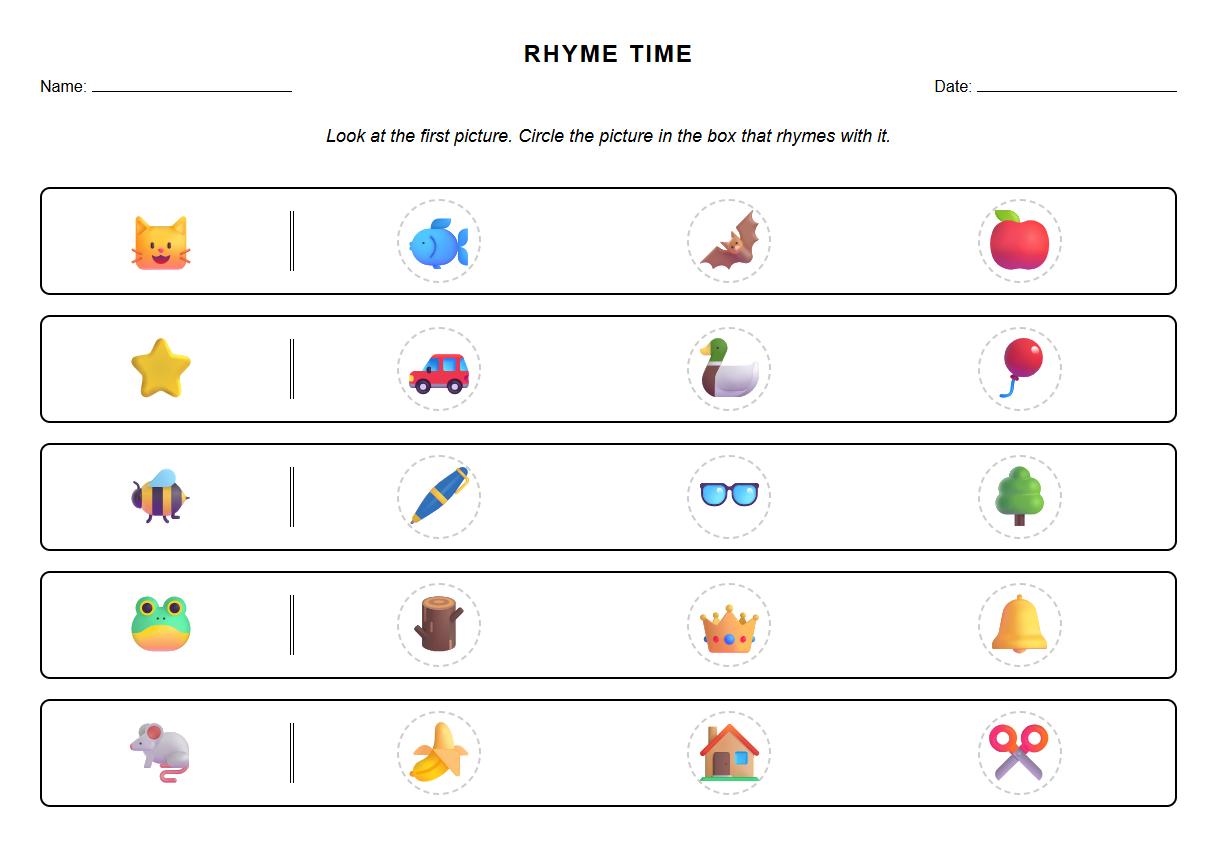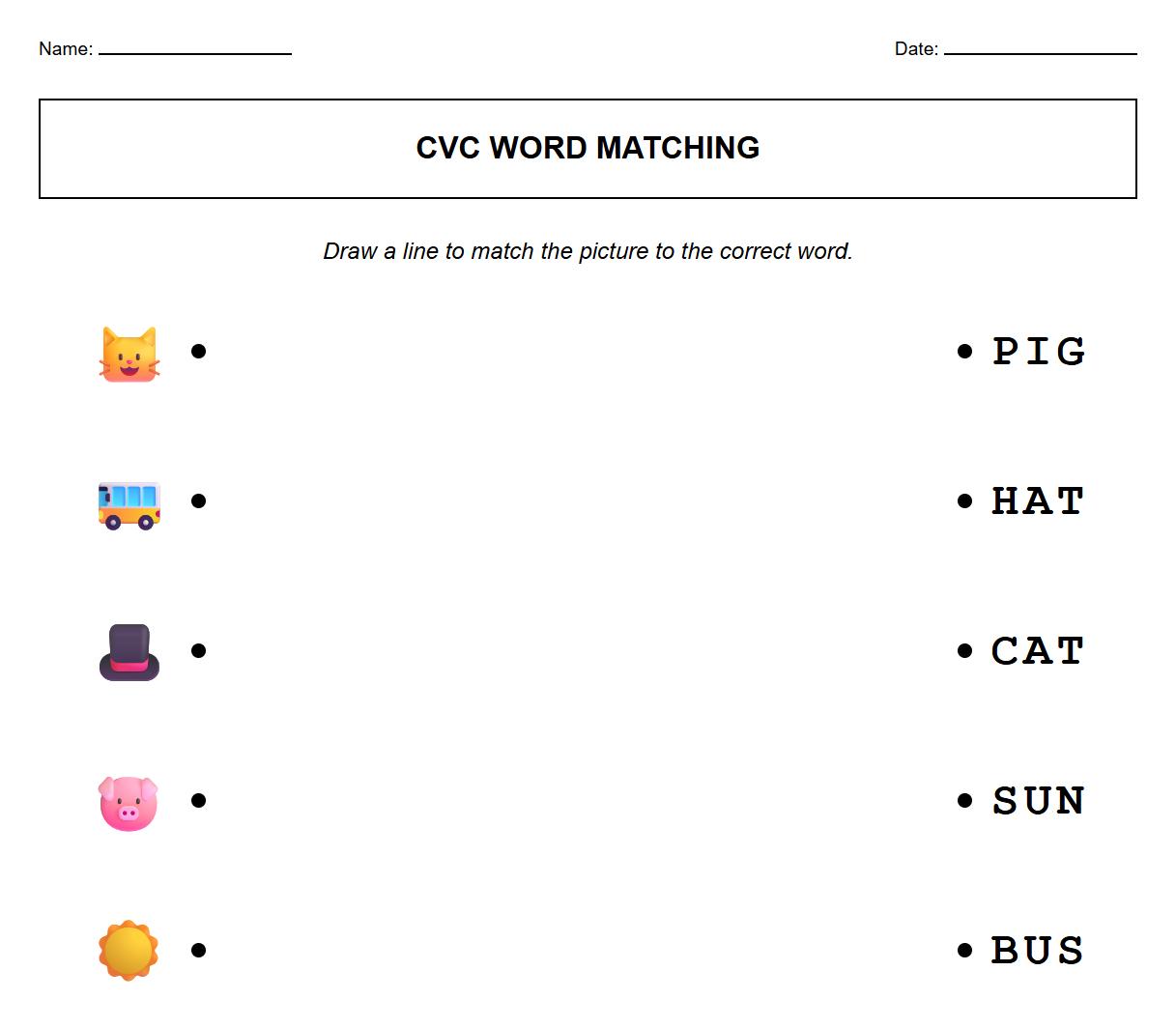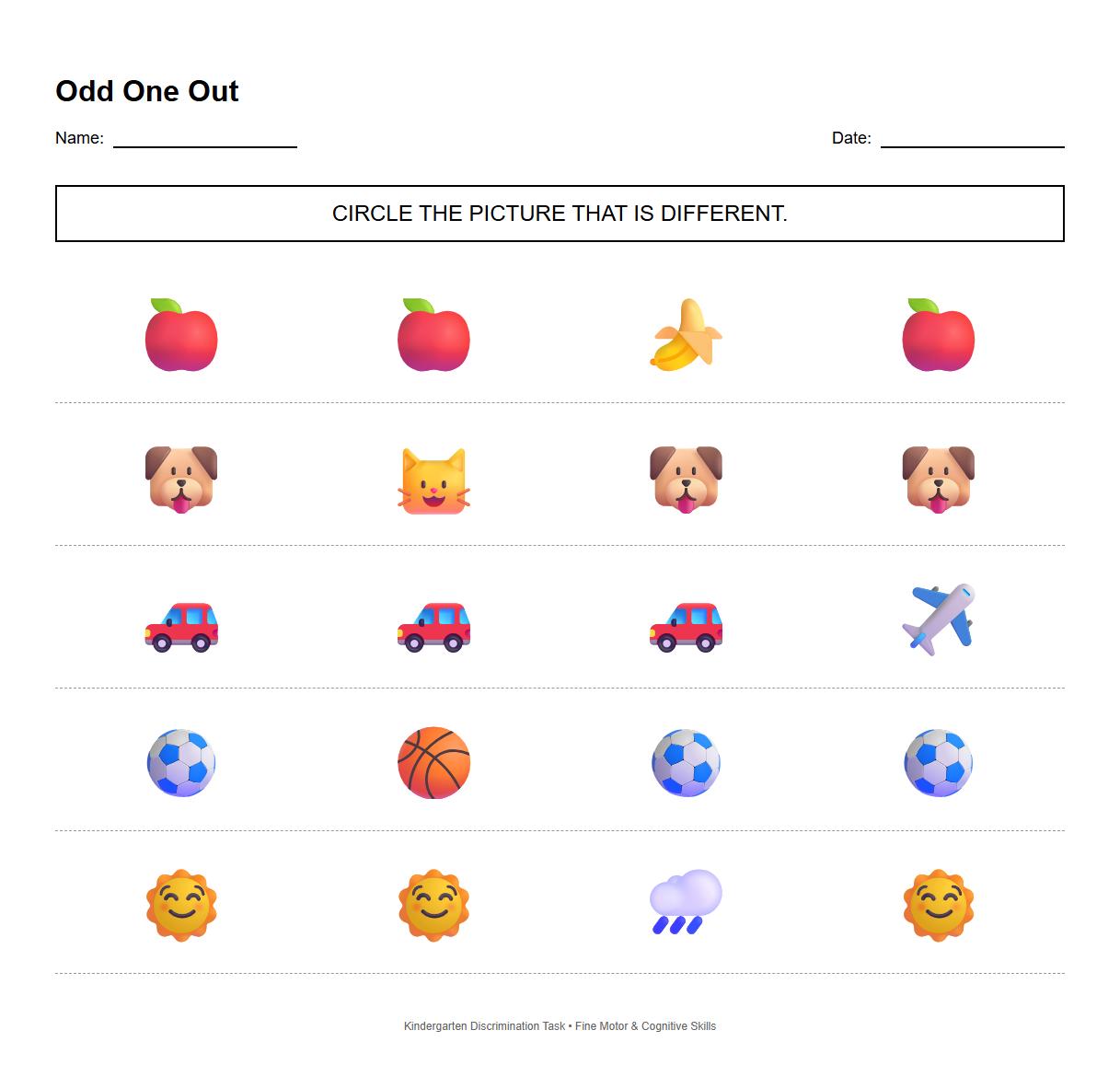
Visual discrimination and picture matching exercises enhance early literacy by improving children's ability to recognize differences and similarities in images, which is crucial for reading development. These activities support cognitive skills such as attention to detail, memory, and vocabulary building through engaging visual tasks. Explore our range of worksheets designed to strengthen these foundational skills and boost early reading confidence.
What are Visual Discrimination Skills in Early Literacy?
Visual discrimination skills involve the ability to notice and compare visual details in objects, letters, or pictures. These skills help children distinguish differences and similarities, which are essential for reading development. In early literacy, visual discrimination allows children to identify letter shapes and patterns accurately. Enhancing these skills lays the foundation for successful reading and writing.
How Do Picture Matching Worksheets Support Kindergarten Learning?
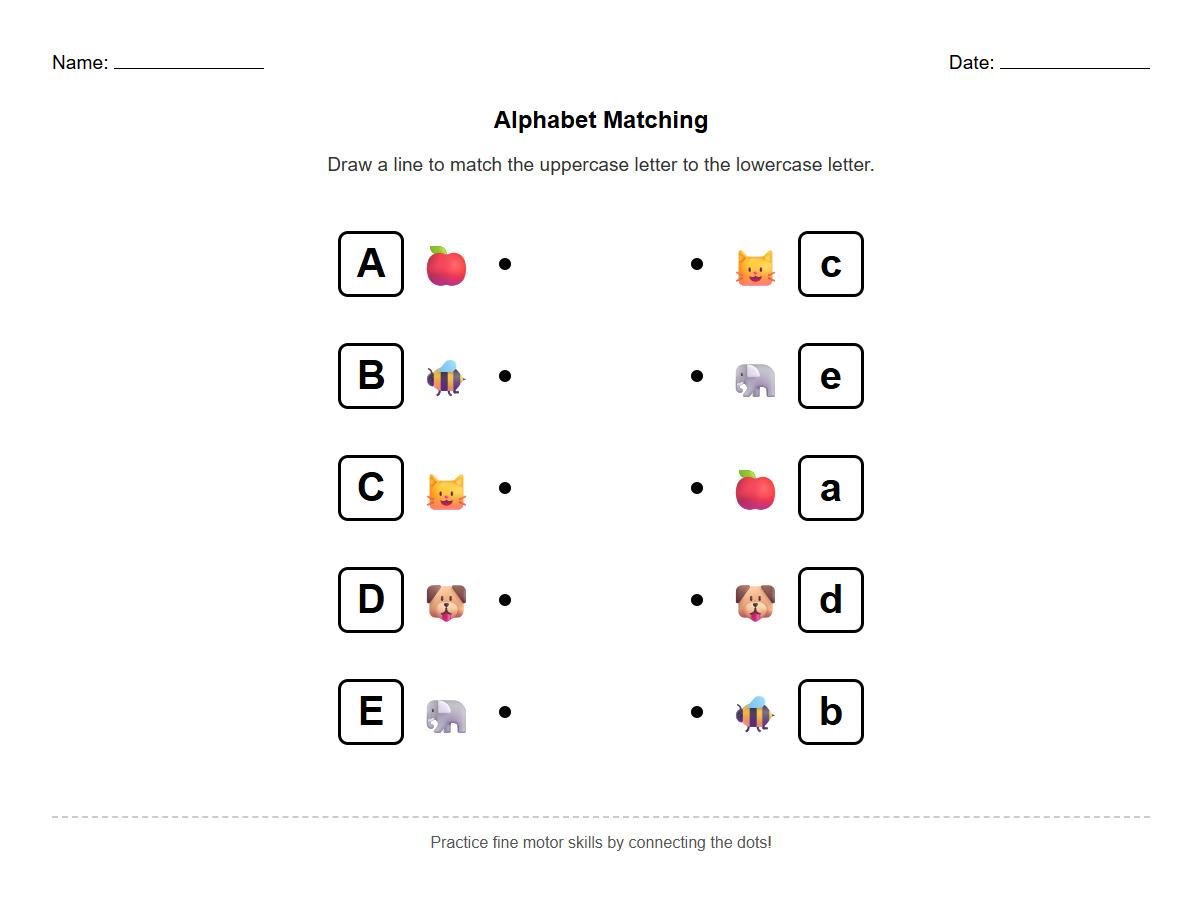
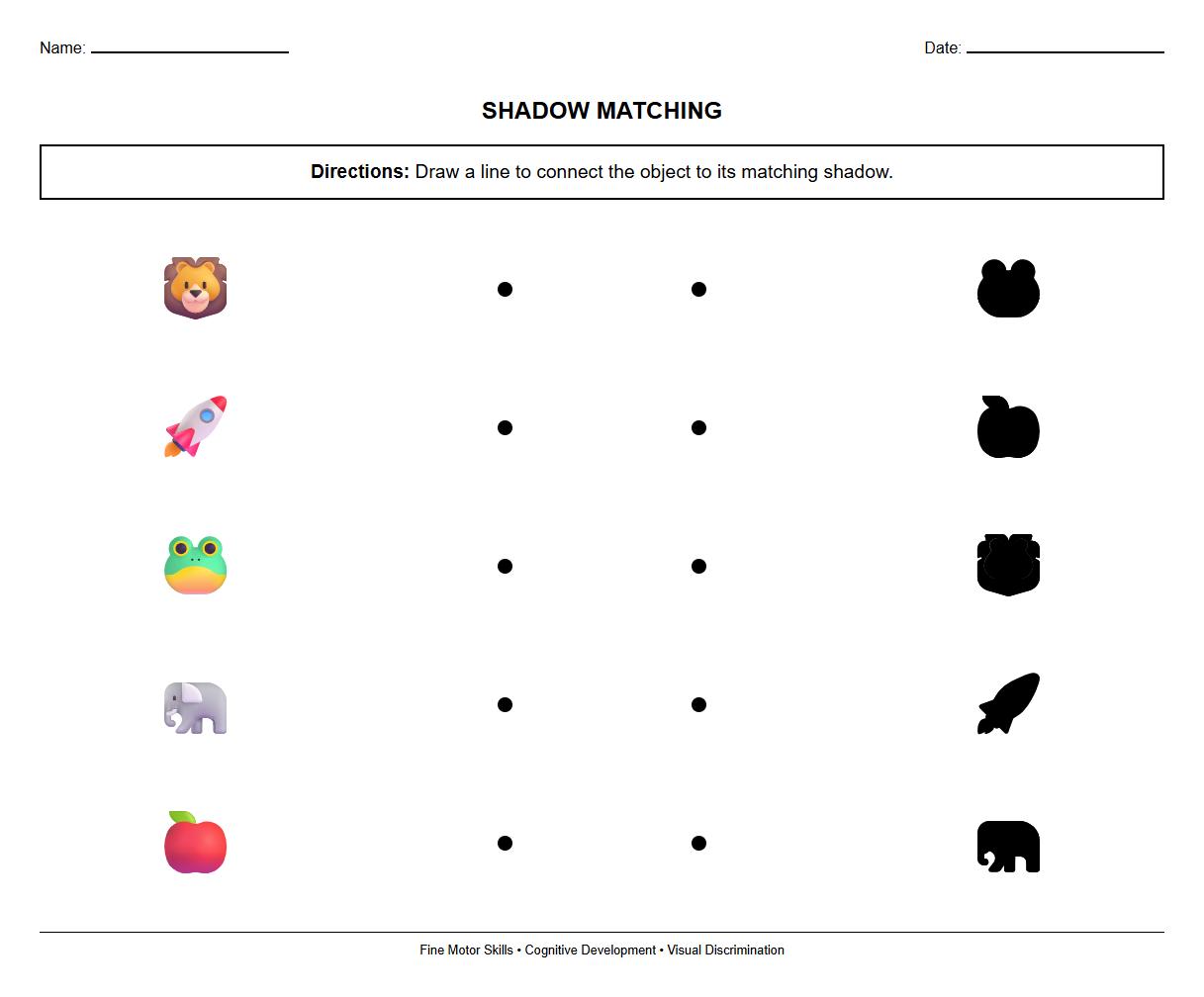
Picture matching worksheets promote observation and attention to detail by encouraging children to find pairs of similar images. These activities strengthen memory, concentration, and categorization skills. They also make learning interactive and fun, helping kindergarteners stay engaged. This approach supports cognitive growth in multiple areas critical to literacy.
Why is Visual Discrimination Important for Reading Readiness?
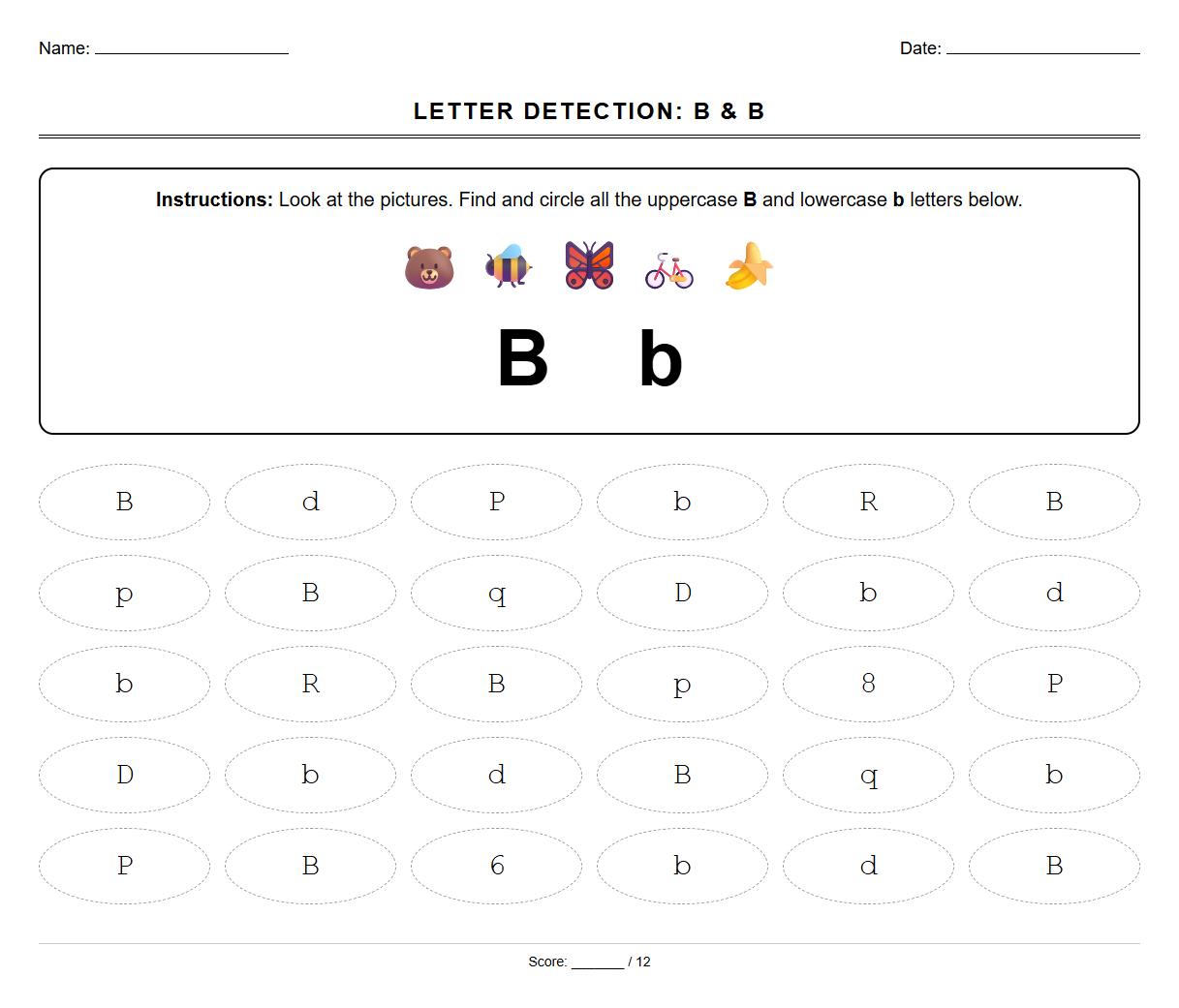
Visual discrimination enables children to recognize the differences between letters like "b" and "d" or words that look alike. It is fundamental for decoding words and understanding phonics patterns. Early mastery of these skills reduces confusion and enhances reading fluency. Thus, strong visual discrimination is a key component of reading readiness.
What Types of Images Work Best for Picture Matching Activities?
Simple, clear images with distinct features work best for picture matching activities. Using bright colors and familiar objects improves engagement and understanding. Avoid overly complex or detailed pictures which may overwhelm young learners. Consistent and recognizable visuals support better focus and learning outcomes.
How Can Teachers Assess Visual Discrimination Skills in Students?
Teachers can assess visual discrimination through structured activities such as matching pairs, spotting differences, or sorting images. Observing how accurately and quickly students complete these tasks gives insight into their comprehension. Checklists and informal assessments during lessons also help track progress. Regular assessment ensures timely interventions when needed.
What Are Some Engaging Strategies for Teaching Picture Matching?
Interactive games using flashcards or digital tools make picture matching enjoyable and effective. Incorporating movement by having children find matches around the room increases participation. Storytelling that includes matching characters or objects enhances meaning and memory. Positive reinforcement keeps motivation high during these activities.
How Do Visual Discrimination Worksheets Help with Letter Recognition?
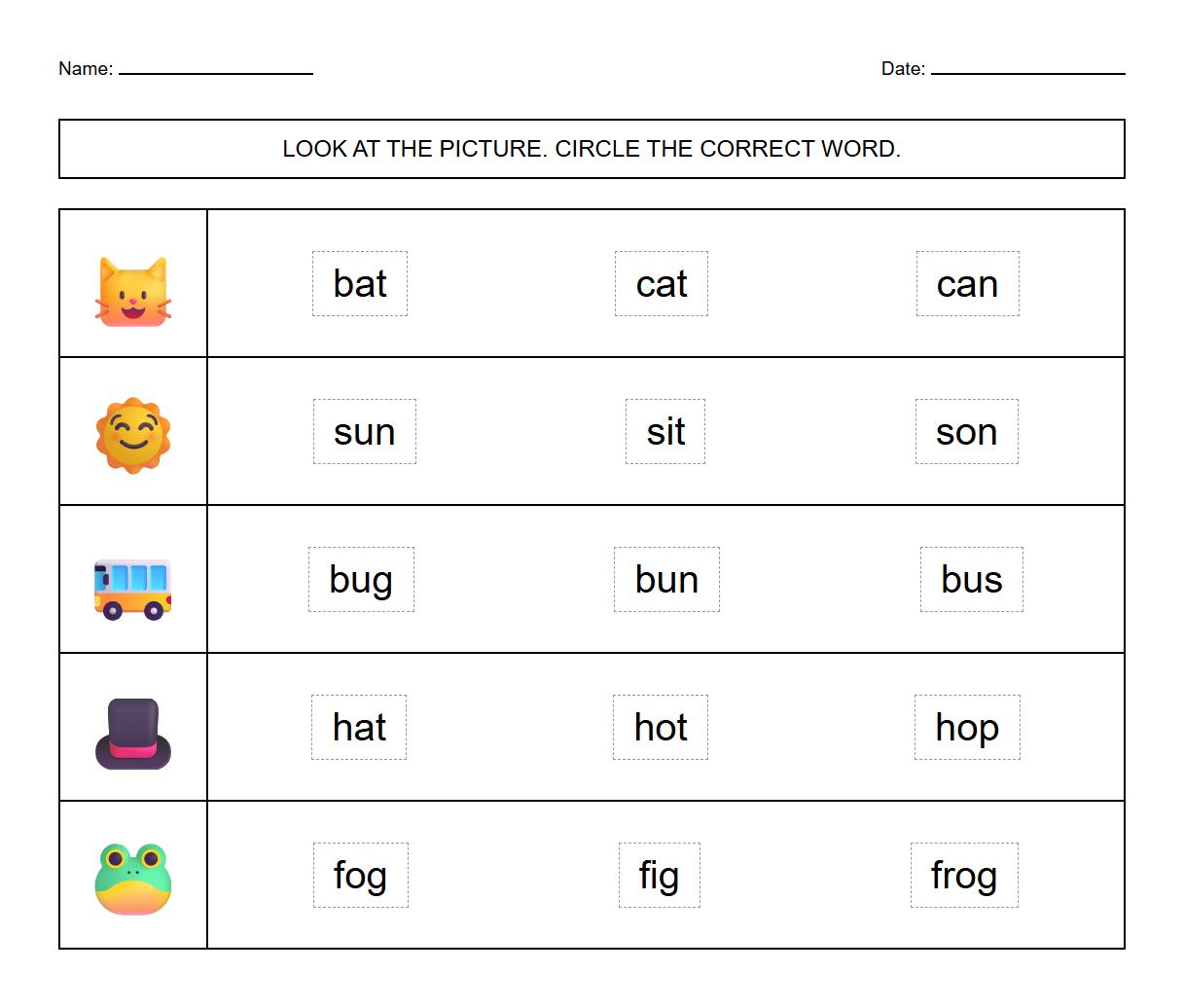
Visual discrimination worksheets highlight differences between letters by focusing attention on shape, size, and orientation. Repeated practice familiarizes children with letter forms and reduces common reading errors. Worksheets that combine pictures with letters strengthen associations between sounds and symbols. This dual focus accelerates letter recognition development.
What Challenges Might Students Face During Visual Discrimination Tasks?
Some students struggle with attention or fine detail observation, making visual discrimination tasks difficult. Others may confuse similar shapes or symbols, leading to frustration. Visual processing delays or developmental differences can also impact performance. Awareness of these challenges allows teachers to provide appropriate support and differentiated instruction, such as scissor cutting skills practice to support fine motor development.
How Often Should Visual Discrimination Activities Be Used in Class?
Regular practice, ideally daily or several times a week, helps reinforce visual discrimination skills. Short, frequent activities are more effective than lengthy sessions, maintaining student engagement. Consistency supports gradual improvement and retention. Integrating these tasks into literacy rotations ensures balanced learning.
How Can Parents Reinforce Visual Discrimination Skills at Home?
Parents can support learning by engaging children in simple matching games and puzzles during everyday routines. Encouraging observation of similarities and differences in household objects boosts visual awareness. Reading picture books together and discussing images also strengthens these skills. A positive, playful environment at home complements classroom instruction effectively, as seen in activities like color mixing experiments that combine fun with skill building.


Kindergarten Visual Discrimination Matching for Number Recognition