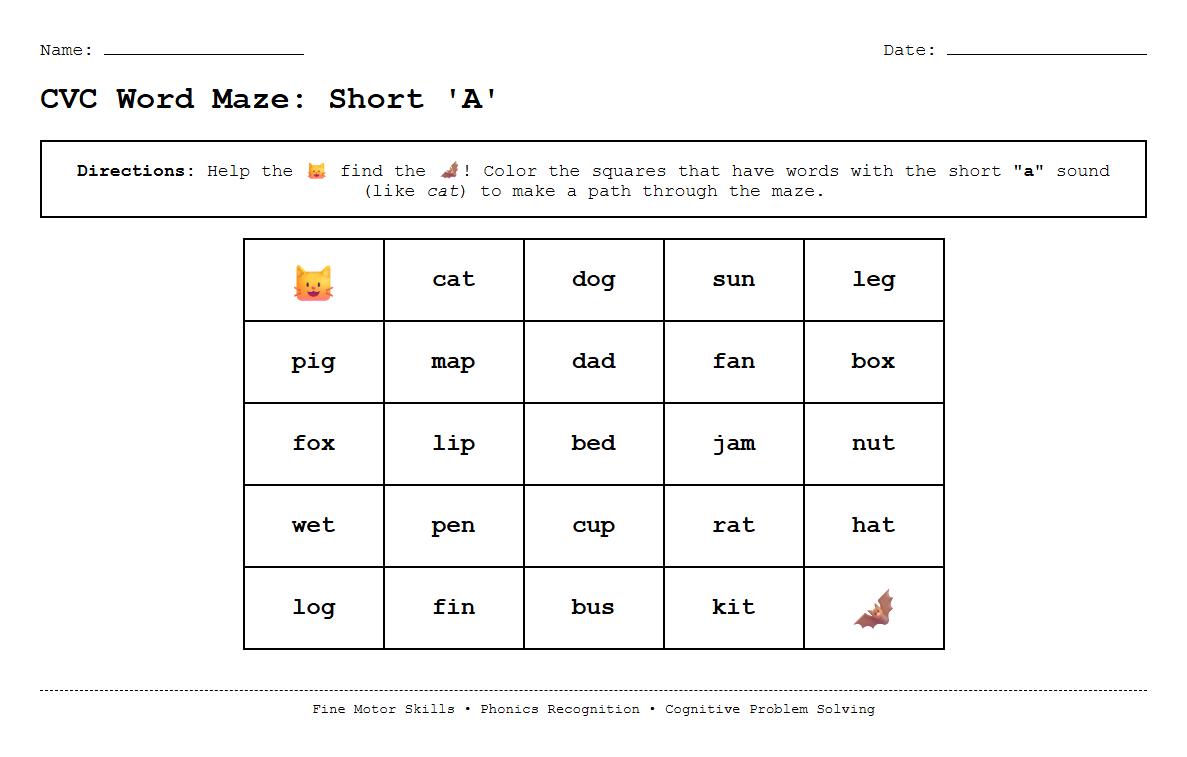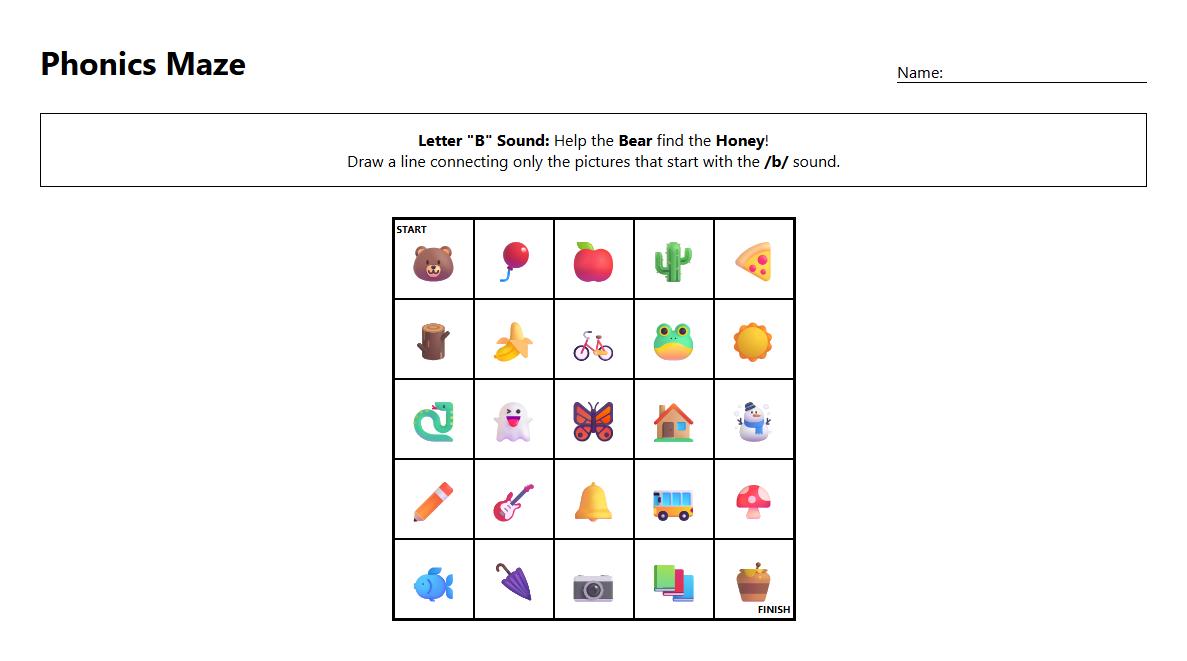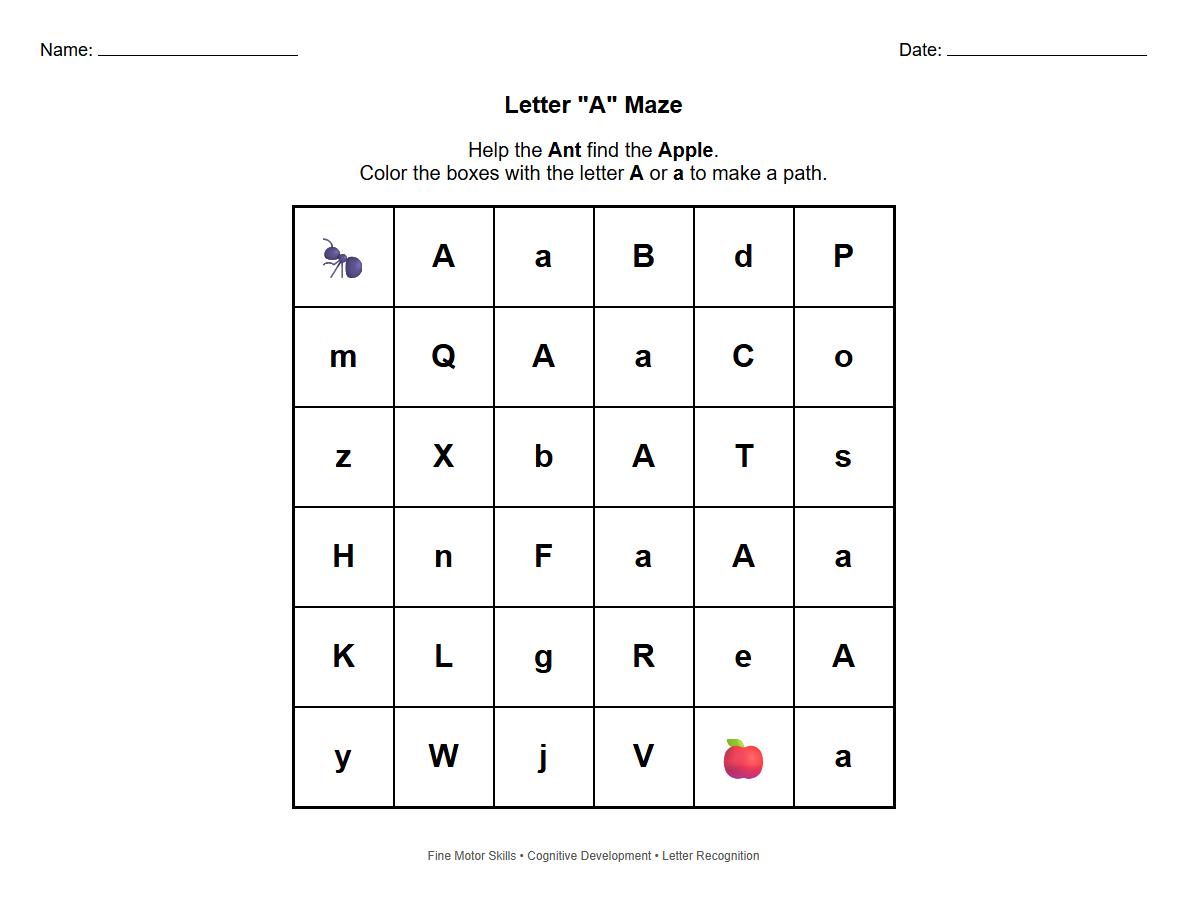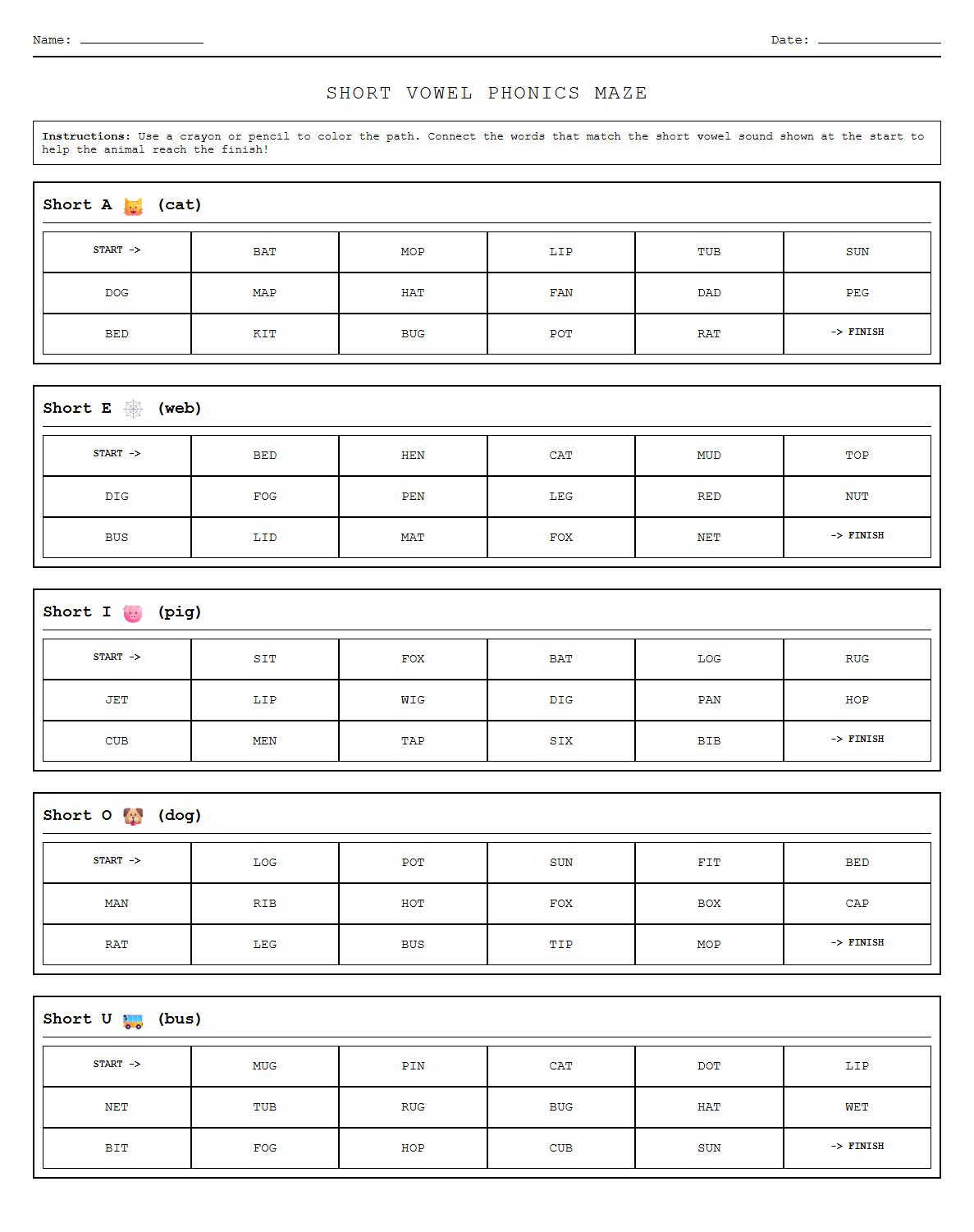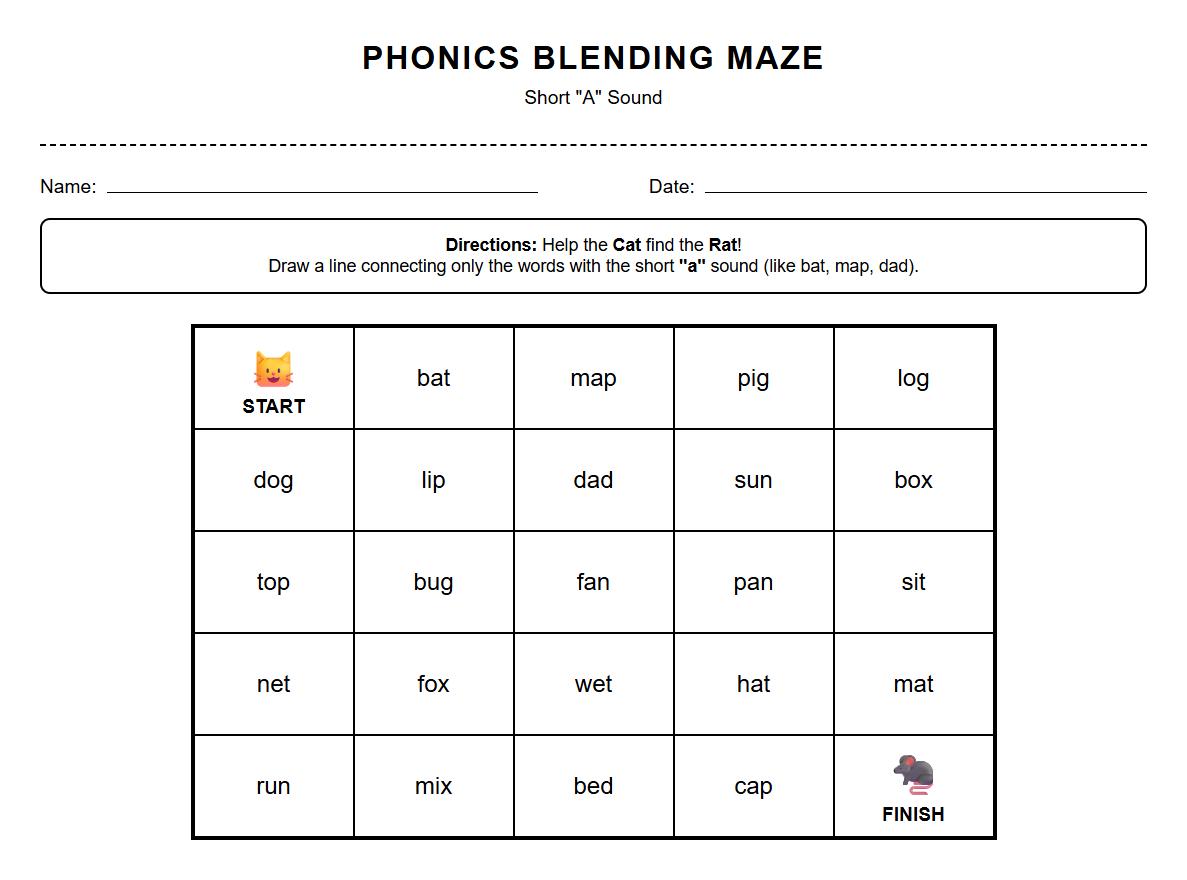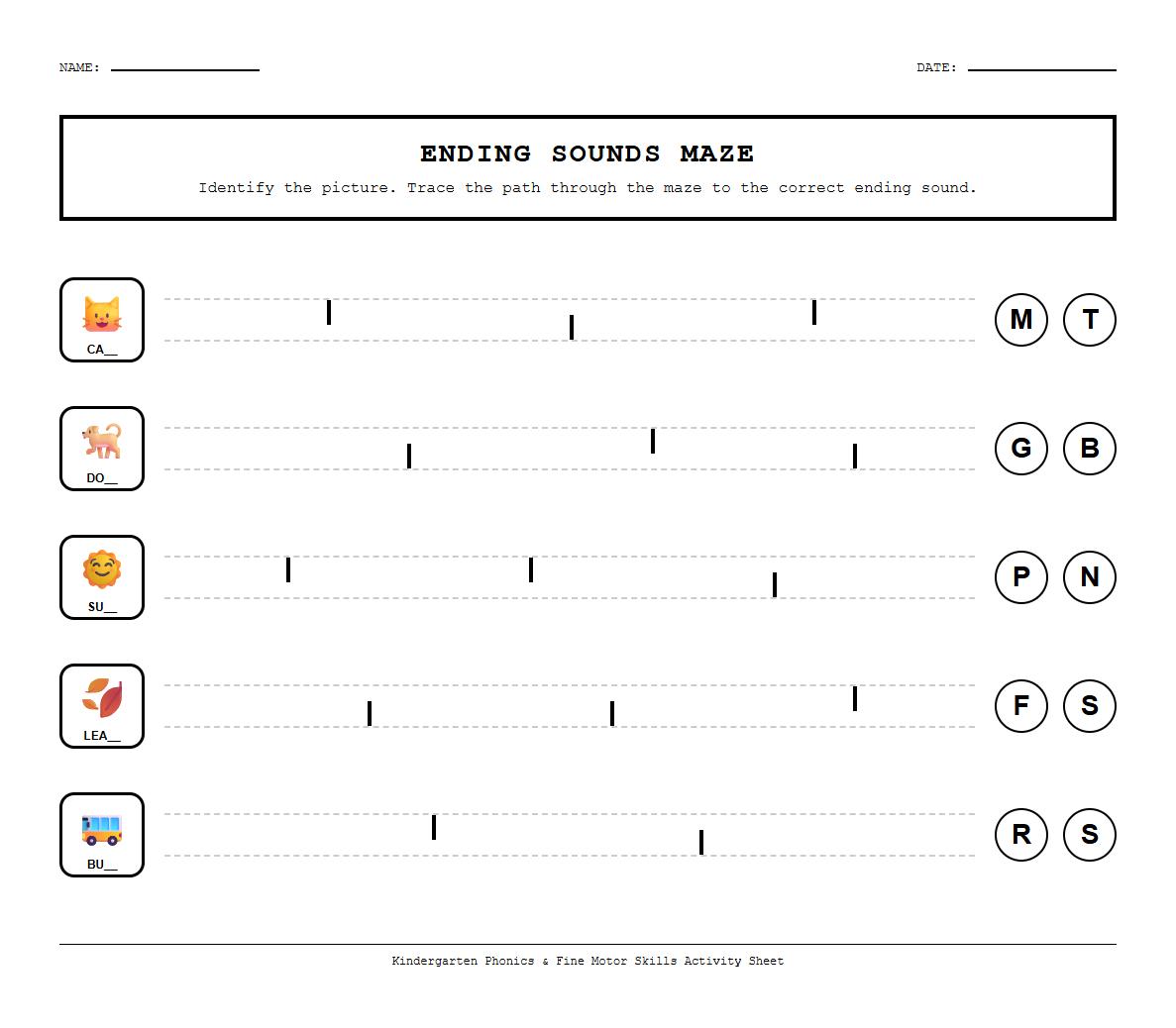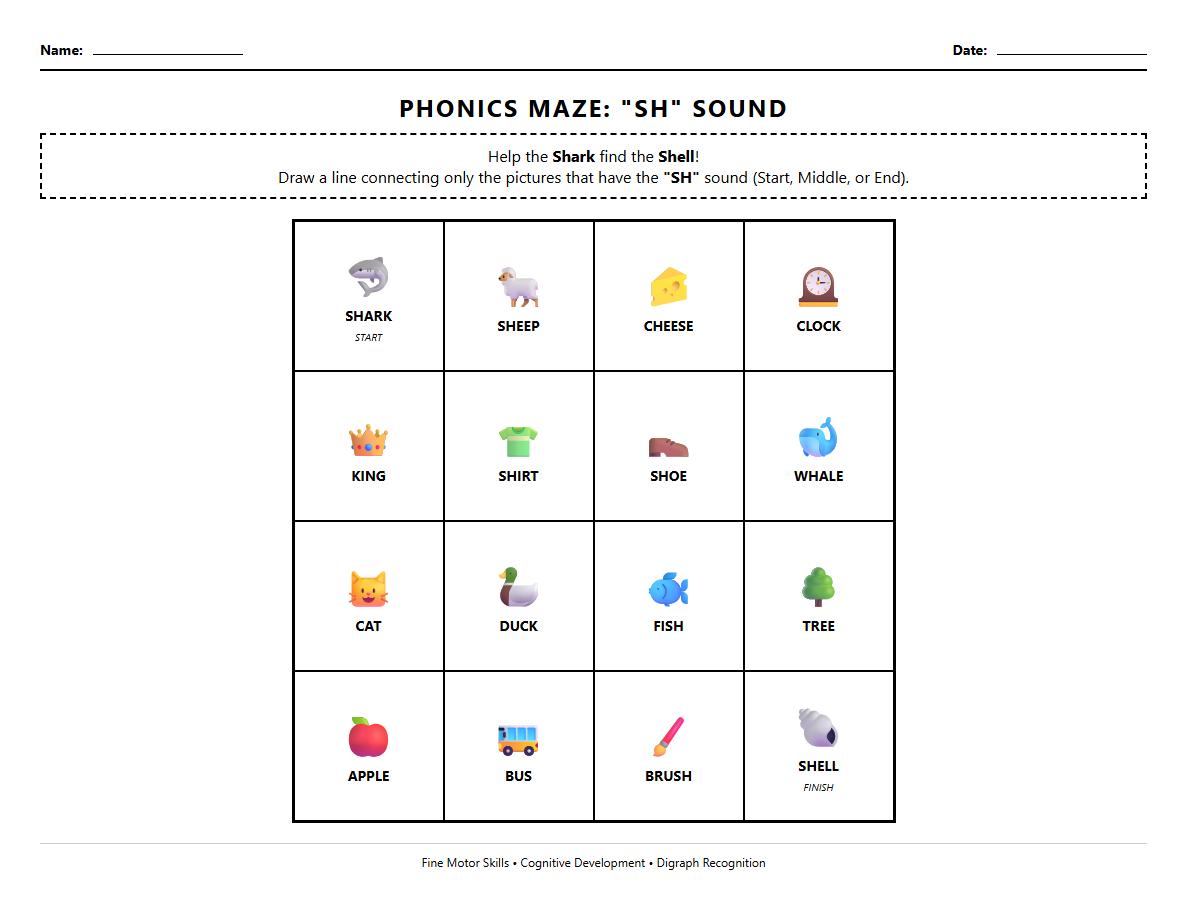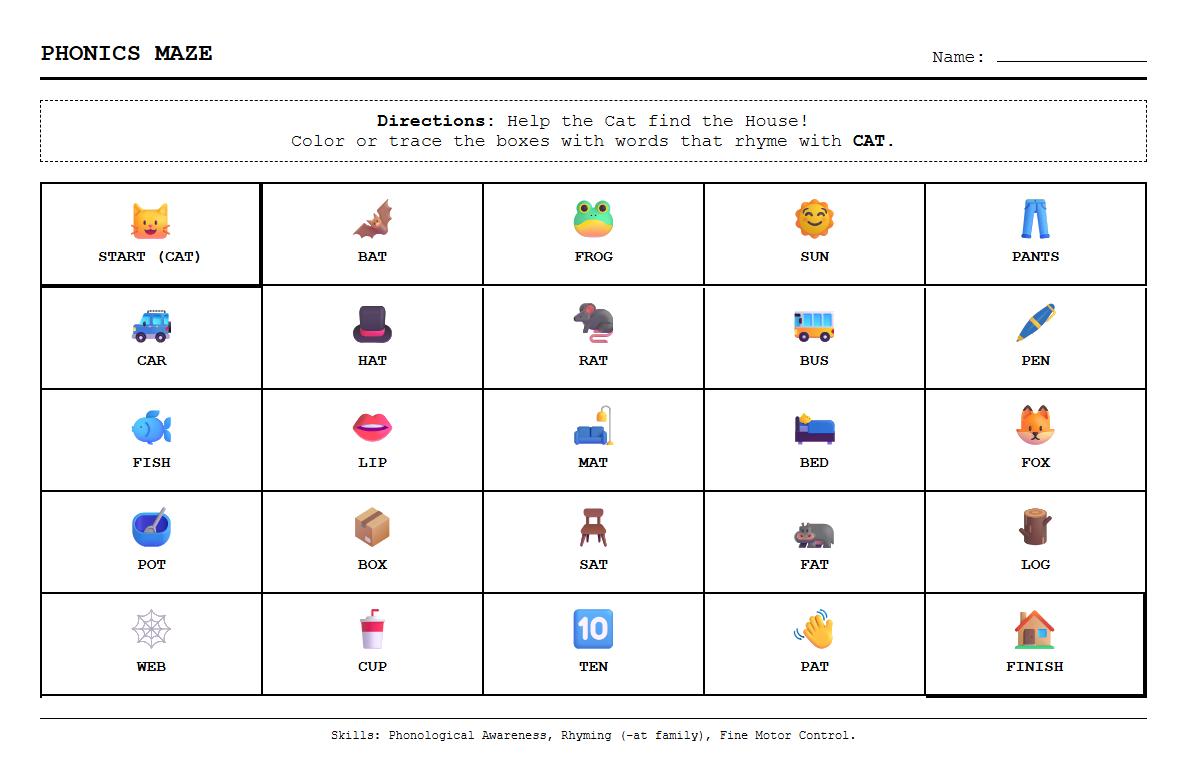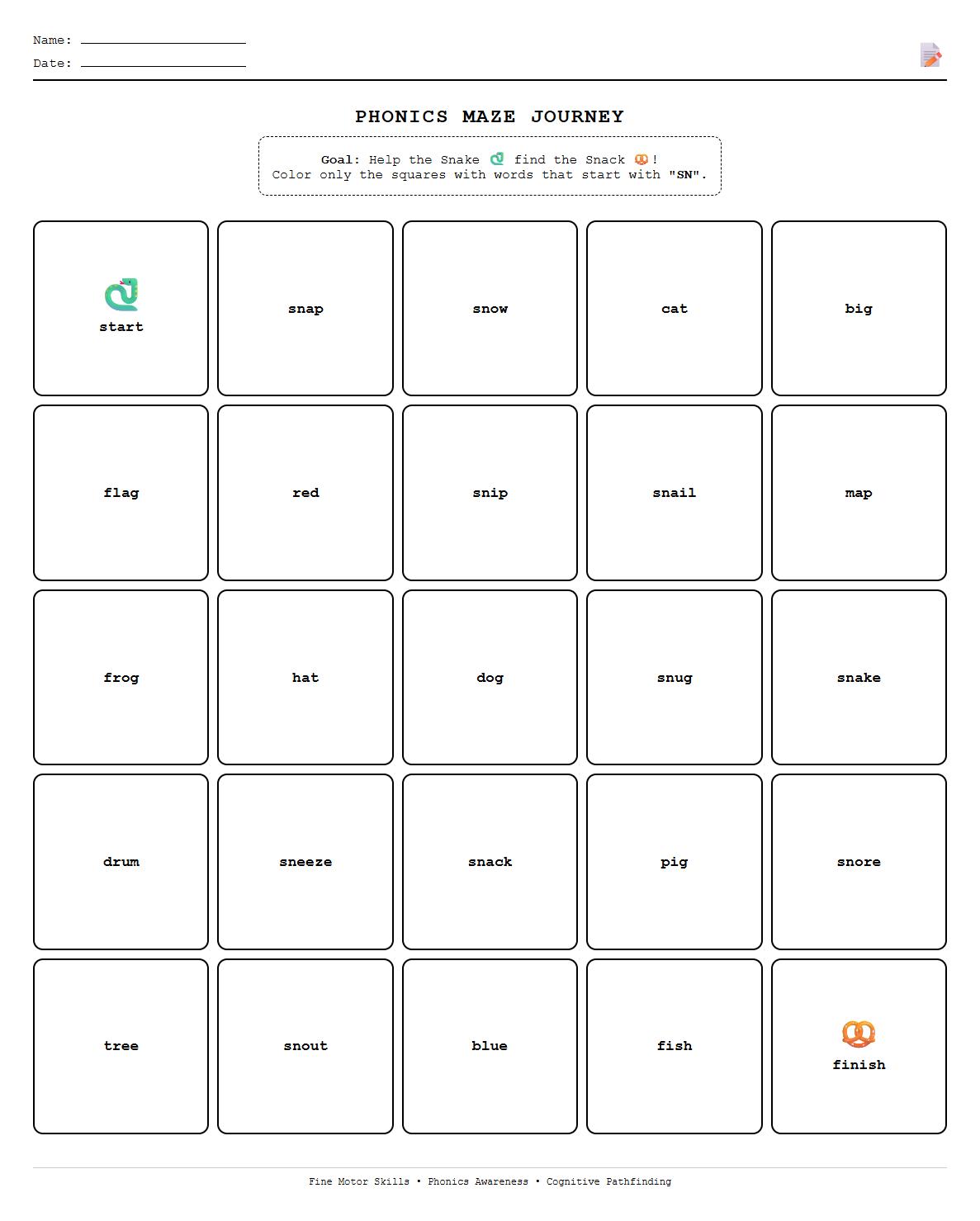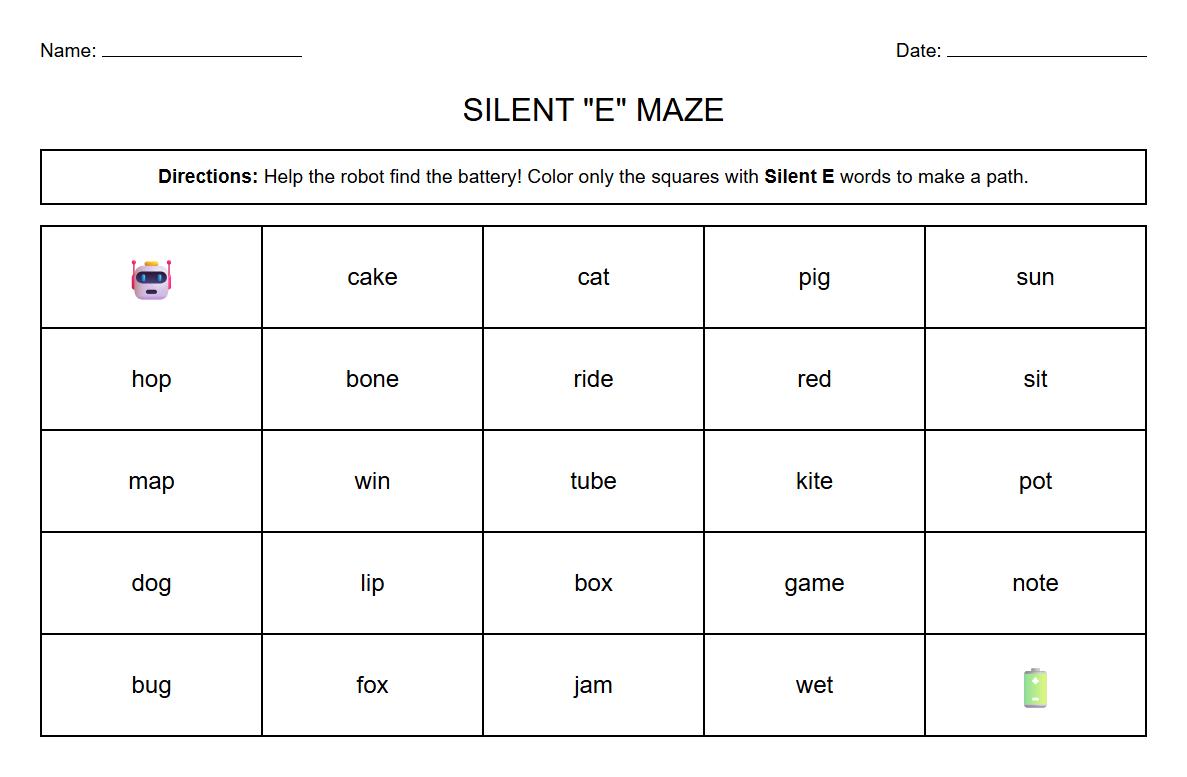
Phonics maze worksheets create an interactive way for kindergarten learners to practice letter sounds and word recognition, enhancing their early reading skills through fun, maze-solving activities. These worksheets help children develop phonemic awareness by guiding them to trace paths based on correct phonetic cues, promoting both auditory and visual learning. Explore our collection of engaging phonics maze worksheets designed to make phonics practice enjoyable and effective for young learners.
What are Phonics Maze Worksheets and How Do They Support Early Reading Skills?
Phonics maze worksheets are interactive puzzles where children navigate through a maze by identifying and following specific phonics sounds or letter patterns. These worksheets strengthen early reading skills by encouraging recognition of letter-sound relationships in a fun, engaging way. Navigating the maze reinforces decoding abilities, helping kids connect sounds to letters with increased confidence. This activity promotes both visual discrimination and auditory processing essential for reading success.
How Can Teachers Incorporate Engaging Visuals in Phonics Maze Worksheets?
Incorporating colorful, relatable visuals such as animals, objects, or characters connected to the phonics sounds makes worksheets more appealing to young learners. Using big, clear fonts and distinct maze paths aids attention and reduces confusion. Adding thematic elements linked to seasonal events or classroom topics can boost motivation. Visual cues paired with sounds help children link phonics concepts to real-world items effectively.
Which Phonics Sounds or Letter Combinations Work Best for Kindergarten Mazes?
Kindergarten phonics mazes are most effective when focusing on simple consonant-vowel-consonant (CVC) words or common letter blends like "sh," "ch," and "th." Early mastery of short vowel sounds and initial consonants supports foundational reading skills. Teachers can gradually introduce digraphs and long vowel patterns as children advance. Selecting sounds that align with the current phonics curriculum ensures consistency and maximizes learning.
What Are Some Creative Tips for Making Phonics Maze Worksheets Interactive?
To make phonics mazes more interactive, educators can encourage students to use physical markers or crayons to trace their path. Incorporating questions or challenges at checkpoint stops within the maze enhances engagement. Pairing the activity with related songs, stories, or movement breaks creates a multisensory experience. Allowing kids to draw or write words found along the maze path fosters active participation and deeper learning.
How Do Phonics Maze Worksheets Help Reinforce Letter-Sound Correspondence?
Phonics maze worksheets reinforce letter-sound correspondence by requiring children to sound out letters or combinations to choose the correct path. This repeated connection between visual letters and their phonetic sounds strengthens memory retention. The puzzle format motivates learners to focus attentively on each sound, enhancing decoding fluency. Regular practice with these mazes builds a strong foundation for early reading and spelling.
What Are Common Challenges Students Face with Phonics Maze Activities?
Some students may experience difficulty distinguishing similar sounds or letters, leading to confusion during the maze. Fine motor skills can also affect a child's ability to trace or navigate the maze accurately. Younger or less confident readers might feel overwhelmed by maze complexity or the number of options. Providing clear instructions and scaffolded support helps mitigate these challenges effectively.
How Can Teachers Differentiate Phonics Maze Worksheets for Various Skill Levels?
Teachers can differentiate by adjusting the maze complexity, such as reducing the number of paths or simplifying letter combinations for beginners. More advanced students can tackle longer mazes with multisyllabic words or less familiar phonics patterns. Customizing mazes to include sight words or vocabulary related to individual learners' interests also boosts engagement. Providing tiered instructions and offering guided support ensures all skill levels benefit.
Are There Digital Tools Available for Creating Custom Phonics Maze Worksheets?
Yes, several digital tools allow teachers to design personalized phonics mazes, including platforms like Canva, TeacherMade, and custom maze generator websites. These tools enable easy insertion of specific phonics sounds, images, and adjustable difficulty levels. Digital worksheets can be printed or used interactively on tablets for home or classroom use. Such resources save preparation time and allow educators to tailor content precisely to student needs.
What Feedback Do Kindergarteners Give About Using Phonics Maze Worksheets?
Kindergarteners often express excitement and enjoyment when solving phonics mazes, finding them like a playful challenge. Many report that mazes make learning letters and sounds feel more like a game than work. Students appreciate colorful visuals and the sense of accomplishment upon completing a maze. This positive attitude fosters increased motivation to practice reading skills regularly.
How Do Parents Support At-Home Learning with Phonics Maze Worksheets?
Parents support at-home learning by encouraging consistent practice and celebrating small successes during maze activities. They can read instructions aloud and model proper letter-sound pronunciation to reinforce classroom instruction. Using phonics mazes as a screen-free, interactive tool helps maintain children's interest in literacy outside school. Additionally, parents can collaborate with teachers to select appropriate worksheets aligned with their child's learning stage.


Fine Motor Skills Development with Kindergarten Maze Activities