Exploring phonics through antonyms and synonyms helps young learners enhance their vocabulary and reading skills effectively. These engaging worksheet activities provide interactive opportunities for children to practice word relationships and improve language comprehension. Check out the available worksheets to support your child's phonics and vocabulary development.
Finding Synonyms in Your Worksheet
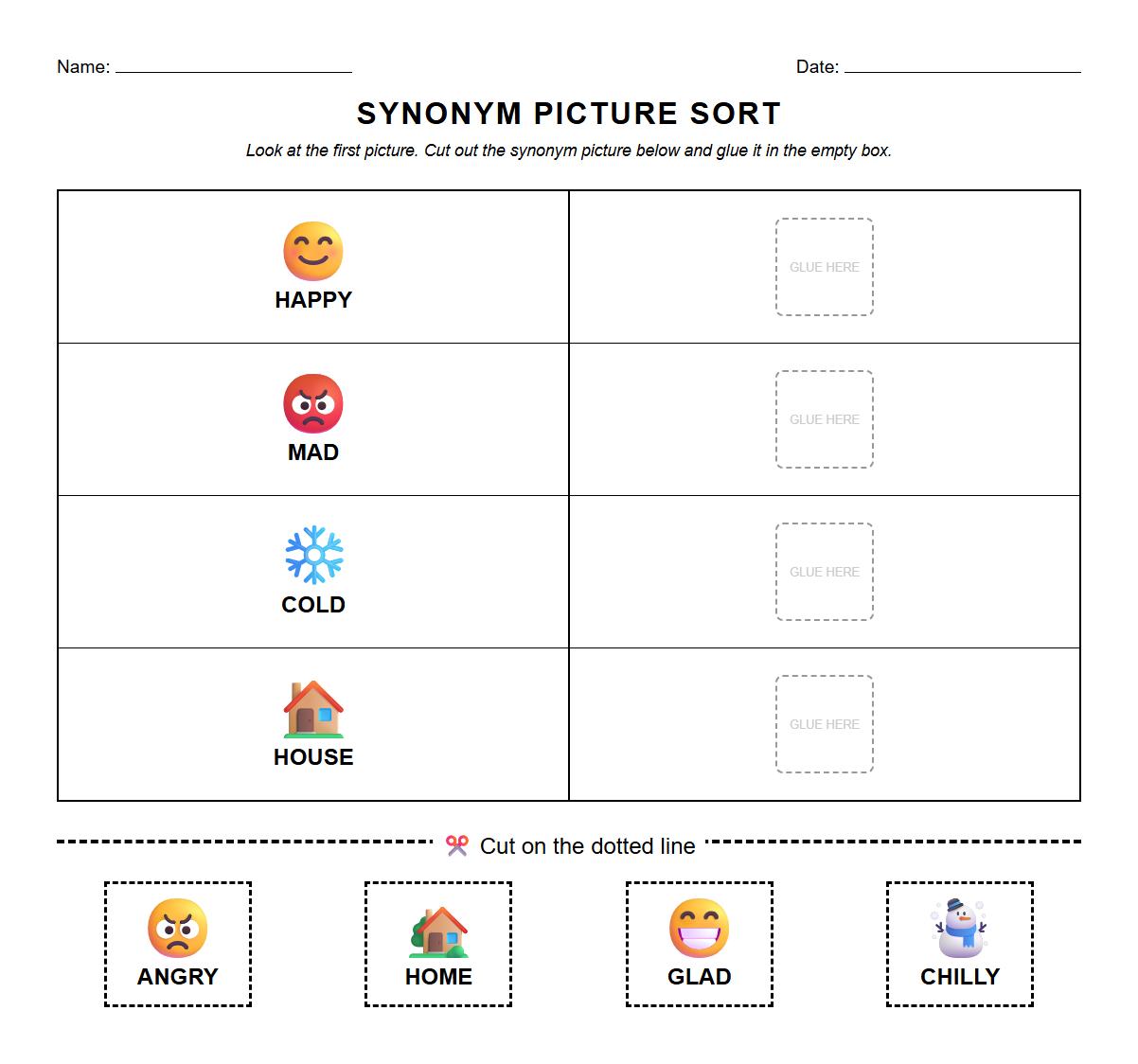
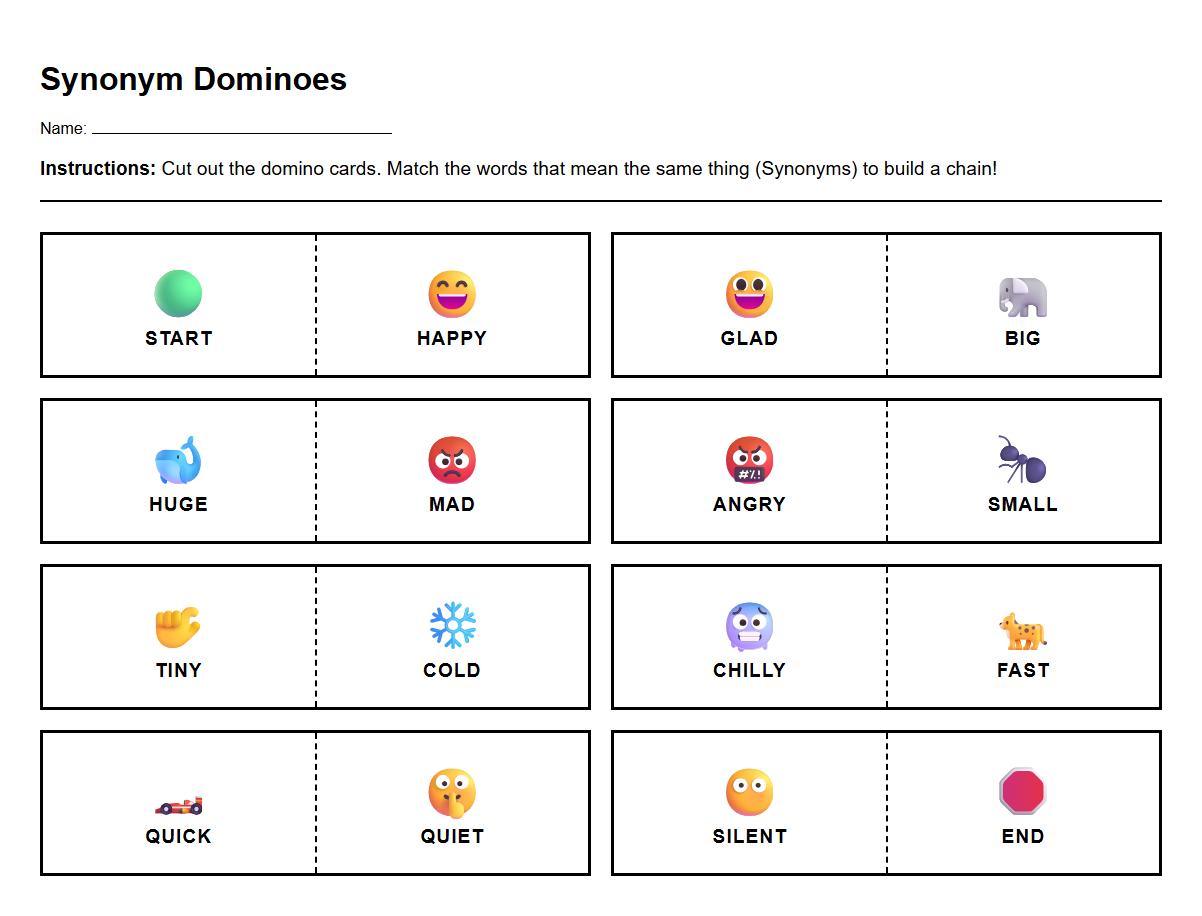
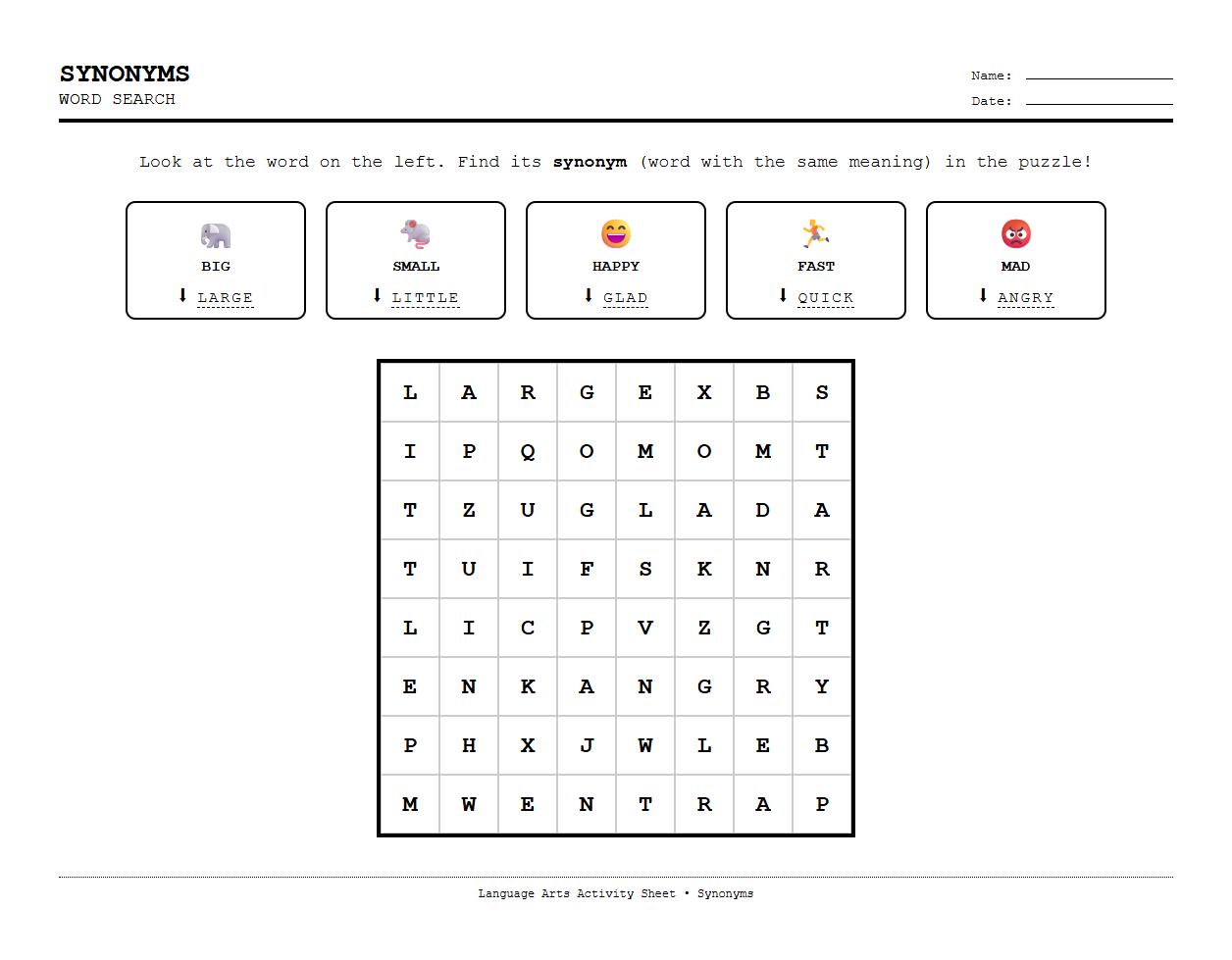
Teachers and parents can help children identify pairs of words that mean the same by encouraging them to match synonyms within the worksheet. This activity enhances vocabulary and understanding of similar meanings. Look for word pairs like "happy" and "joyful" to build language skills. Highlighting synonyms expands children's ability to express ideas more clearly.
Identifying Opposite Meanings
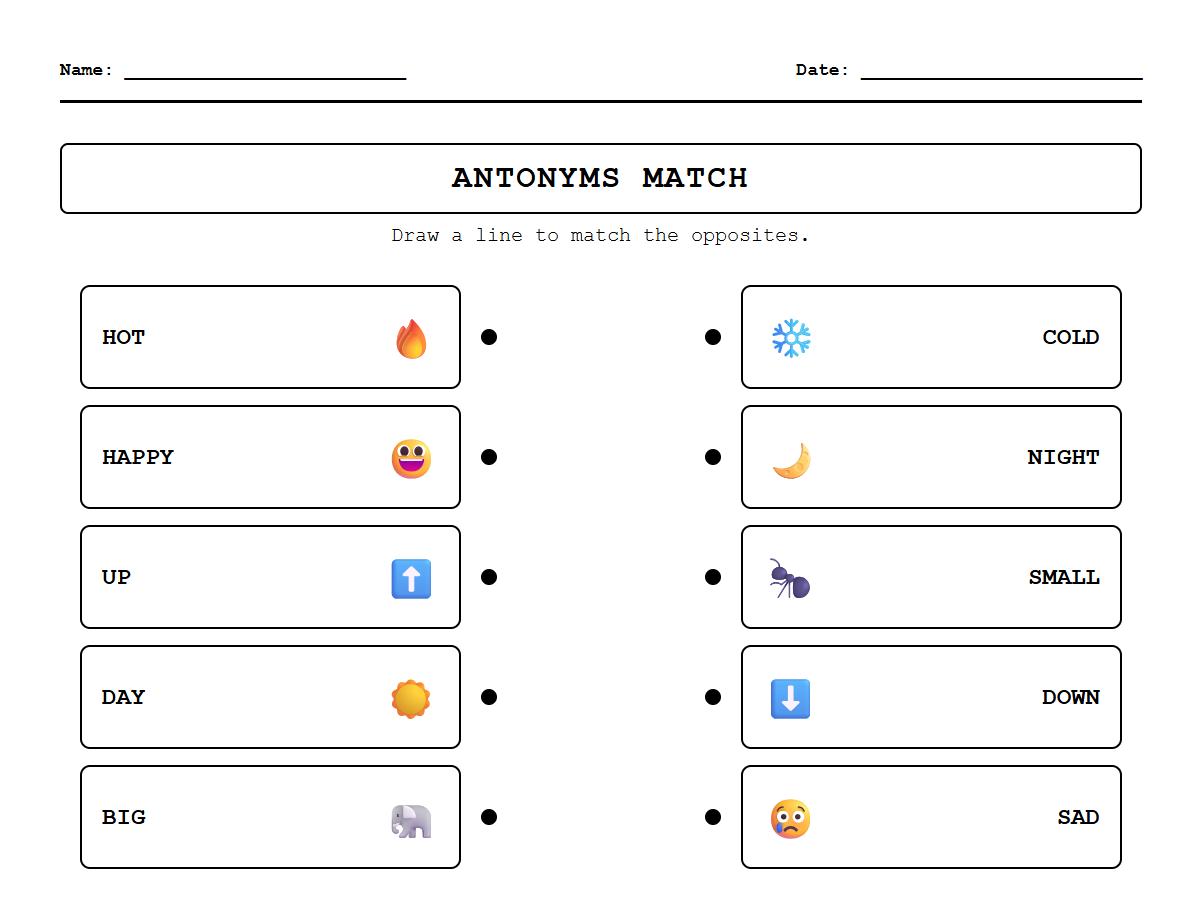
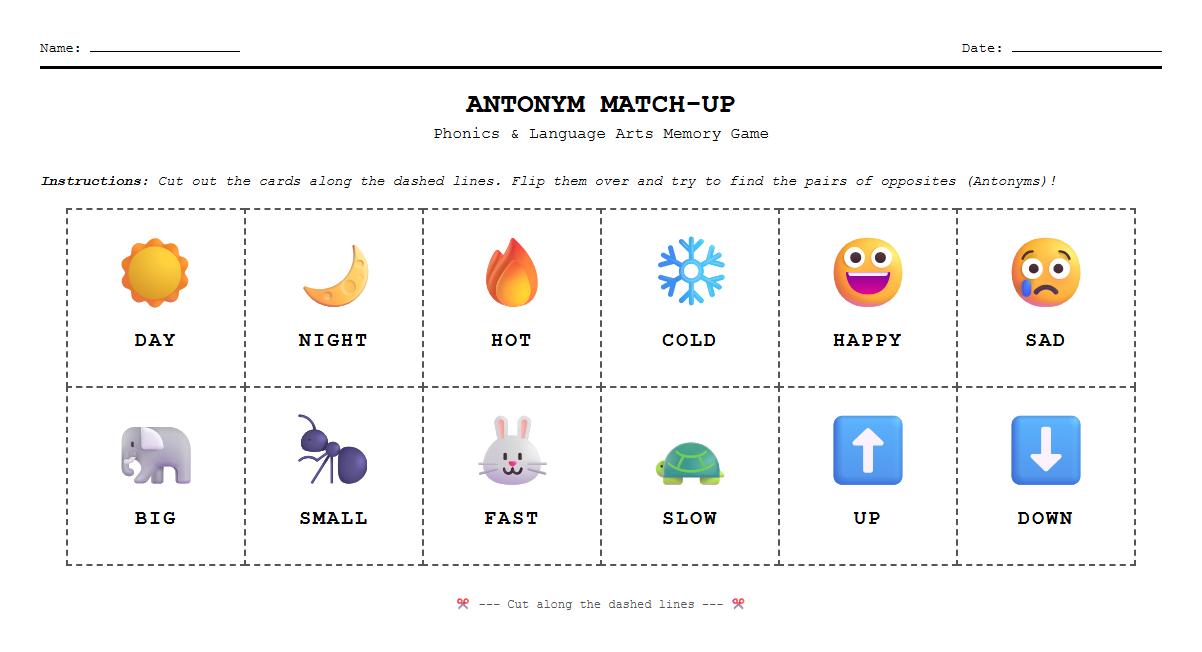
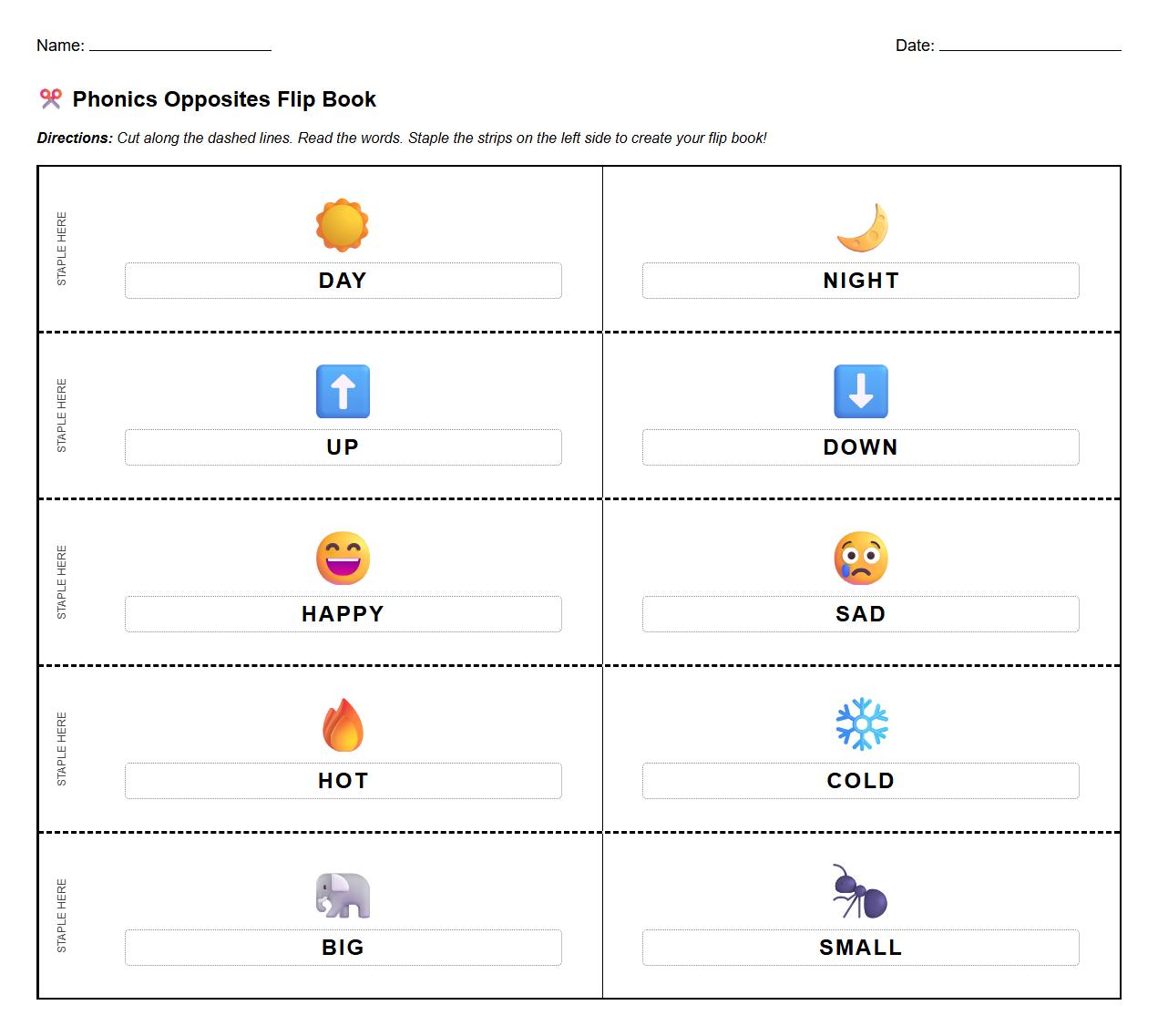
In this fun activity, children are asked to find two words that have opposite meanings. This exercise supports their comprehension of antonyms and broadens their descriptive vocabulary. Words such as "hot" and "cold" are classic examples to illustrate opposites. Encouraging kids to circle or draw lines between antonyms helps reinforce their understanding.
Synonym Selection for Happy
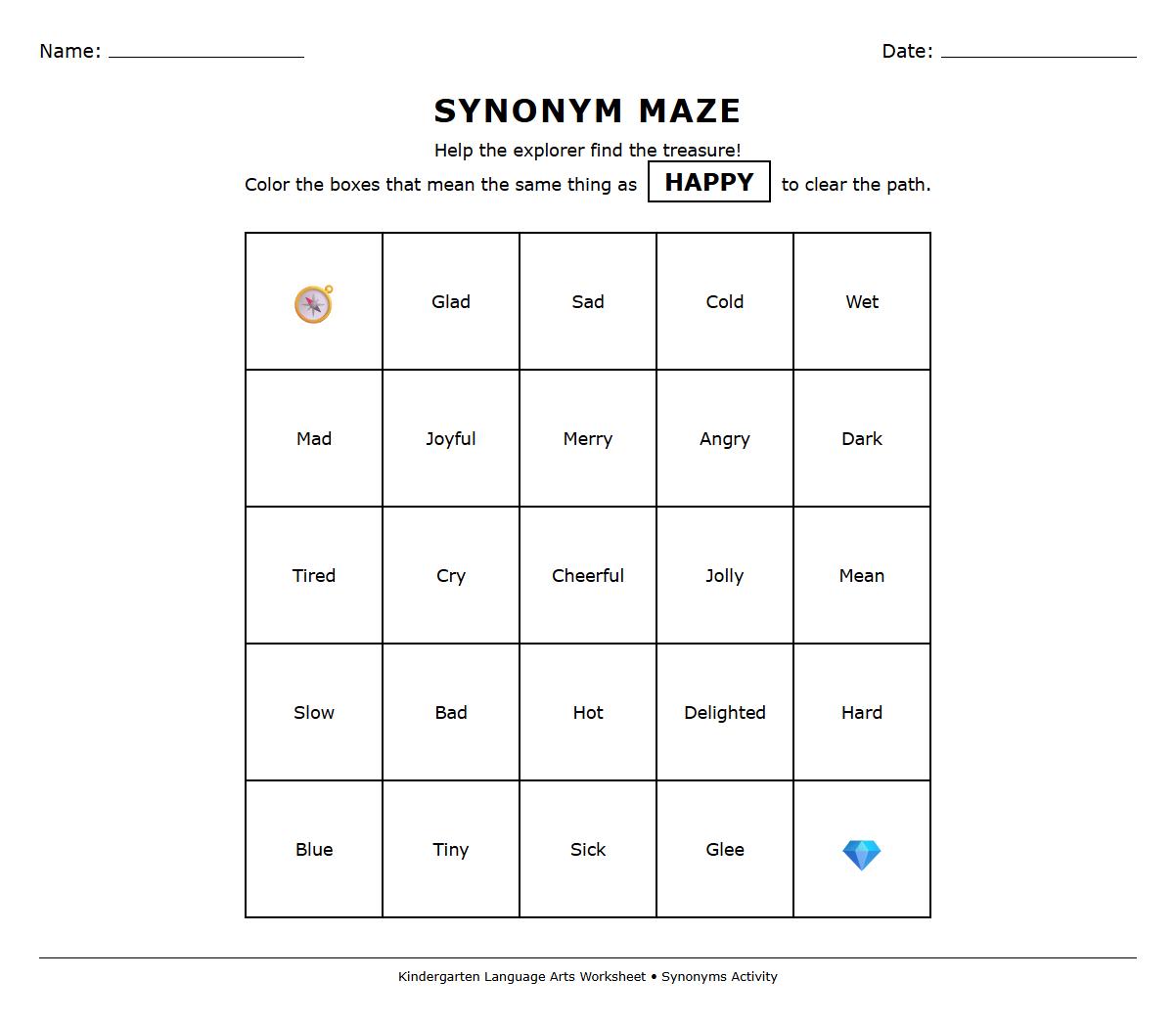
Ask children to circle the synonym for the word "happy" from a list of options. This task promotes recognition of words that share positive emotions like "joyful" or "glad." It also improves phonics and reading comprehension. Parents and teachers should encourage discussing why these words mean the same. Learn more with this worksheet.
Drawing Lines Between Antonyms
Draw a line between words that are antonyms on the worksheet to visually link opposite meanings. This helps children quickly recognize contrasting pairs such as "big" and "small." Guided practice with drawing connections between words makes learning interactive and effective. This method supports vocabulary retention and cognitive associations.
Another Word for Big
In this phonics activity, children discover alternative words for "big," such as large or "huge." Introducing synonyms enriches their descriptive language and phonetic skills. Encourage them to say the words aloud to improve pronunciation. This also aids in understanding subtle differences in meaning and usage.
Opposite of Cold
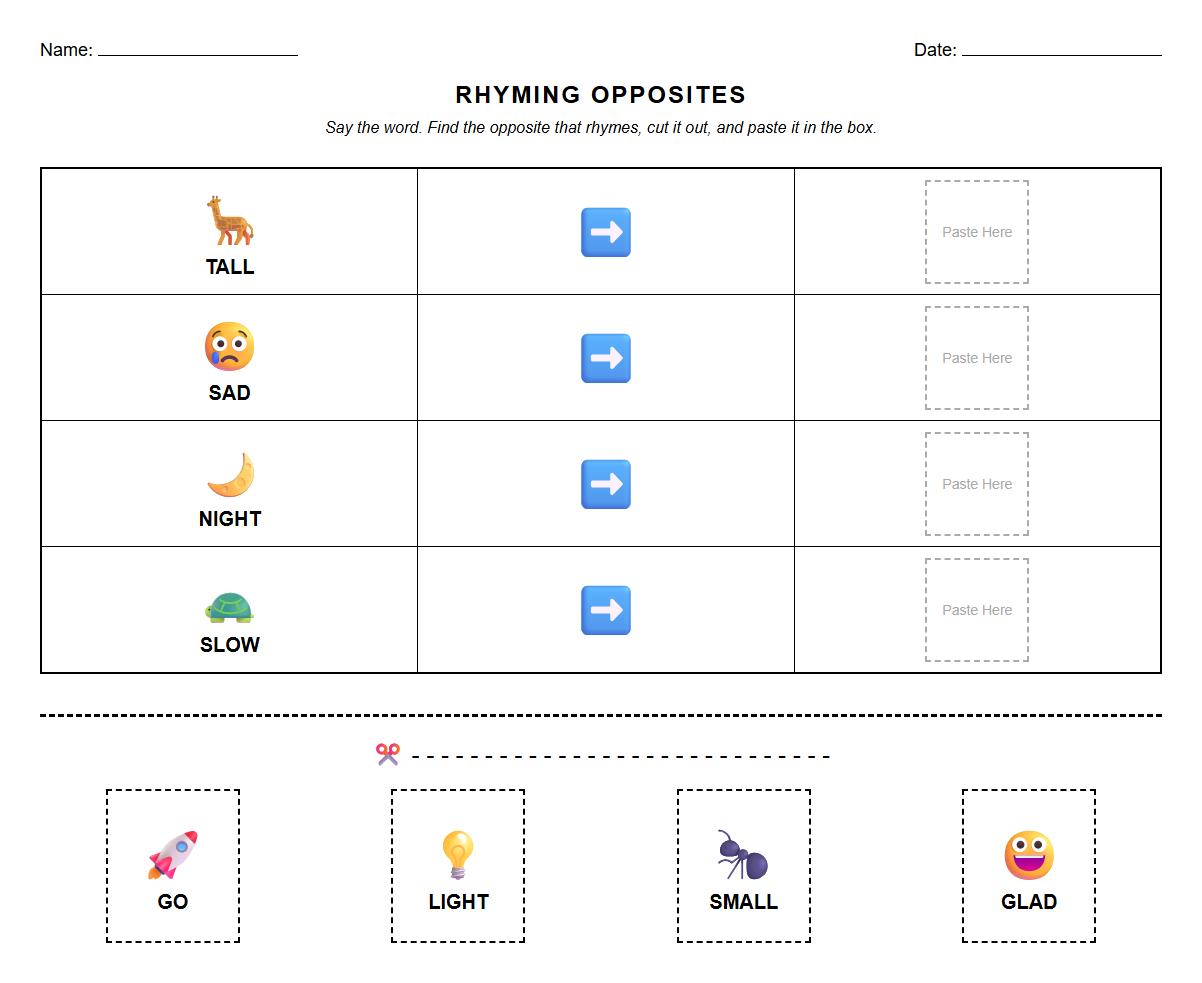
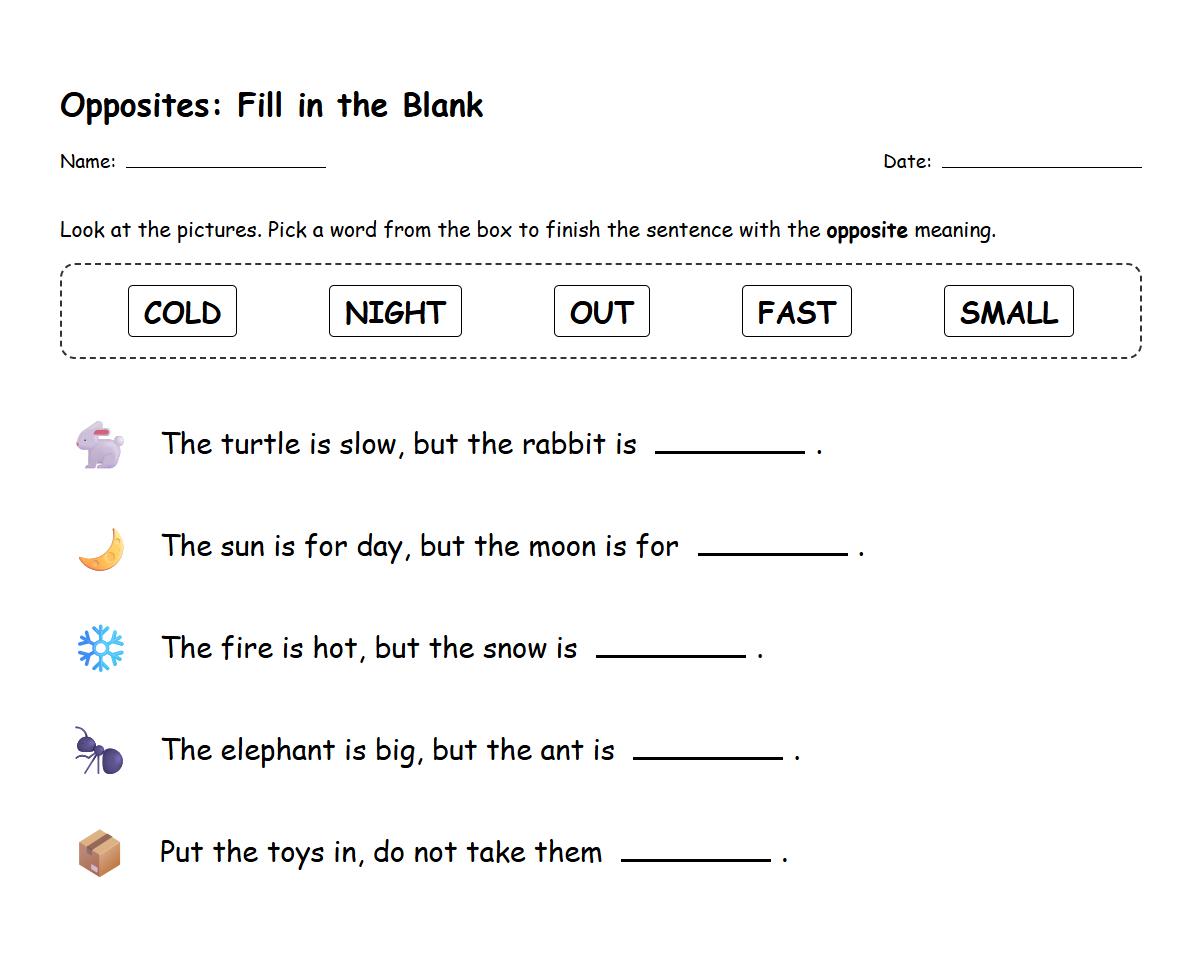
Find the word on the worksheet that means the opposite of cold, typically "hot" or "warm." Learning antonyms like these helps children contrast concepts clearly. This activity develops vocabulary and critical thinking. Encourage children to explain why these words have opposite meanings by referencing this worksheet.
Matching Words with Similar Meanings
Matching words that share similar meanings is a valuable exercise for early literacy. This activity connects pairs of synonyms and promotes semantic understanding. It supports phonics by asking children to sound out and recognize word patterns. This practice builds confidence in reading and vocabulary.
Finding and Coloring Antonym Pairs
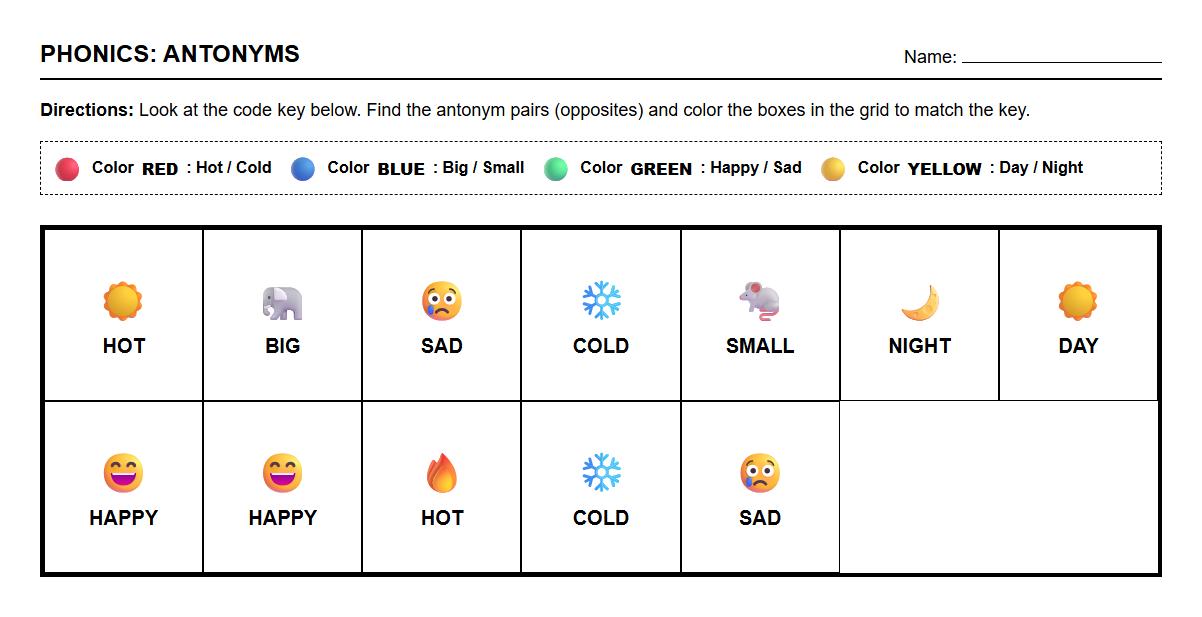
Children engage in coloring pairs of antonyms on the worksheet to solidify their understanding of opposites. Visual reinforcement through coloring makes learning memorable and enjoyable. Highlighting antonyms such as "fast" and "slow" improves clarity in language concepts. This multisensory approach benefits diverse learning styles.
Choosing Synonyms for Fast
From a list provided, children select a synonym for the word "fast," like "quick" or speedy. This task strengthens vocabulary by introducing alternative ways to express speed. Emphasizing synonyms enhances reading comprehension and spoken language skills. It also encourages children to think creatively about word choices.
Pairs Showing Opposite Meanings
Identify the pair of words in the activity that shows opposite meanings, or antonyms. This sharpens children's ability to recognize contrasting concepts such as "up" and "down." Learning antonyms is essential for language development and helps in comprehension. Use this activity to boost critical thinking and semantic awareness.


Comprehensive Antonyms Worksheet Sets for Kindergarten Literacy