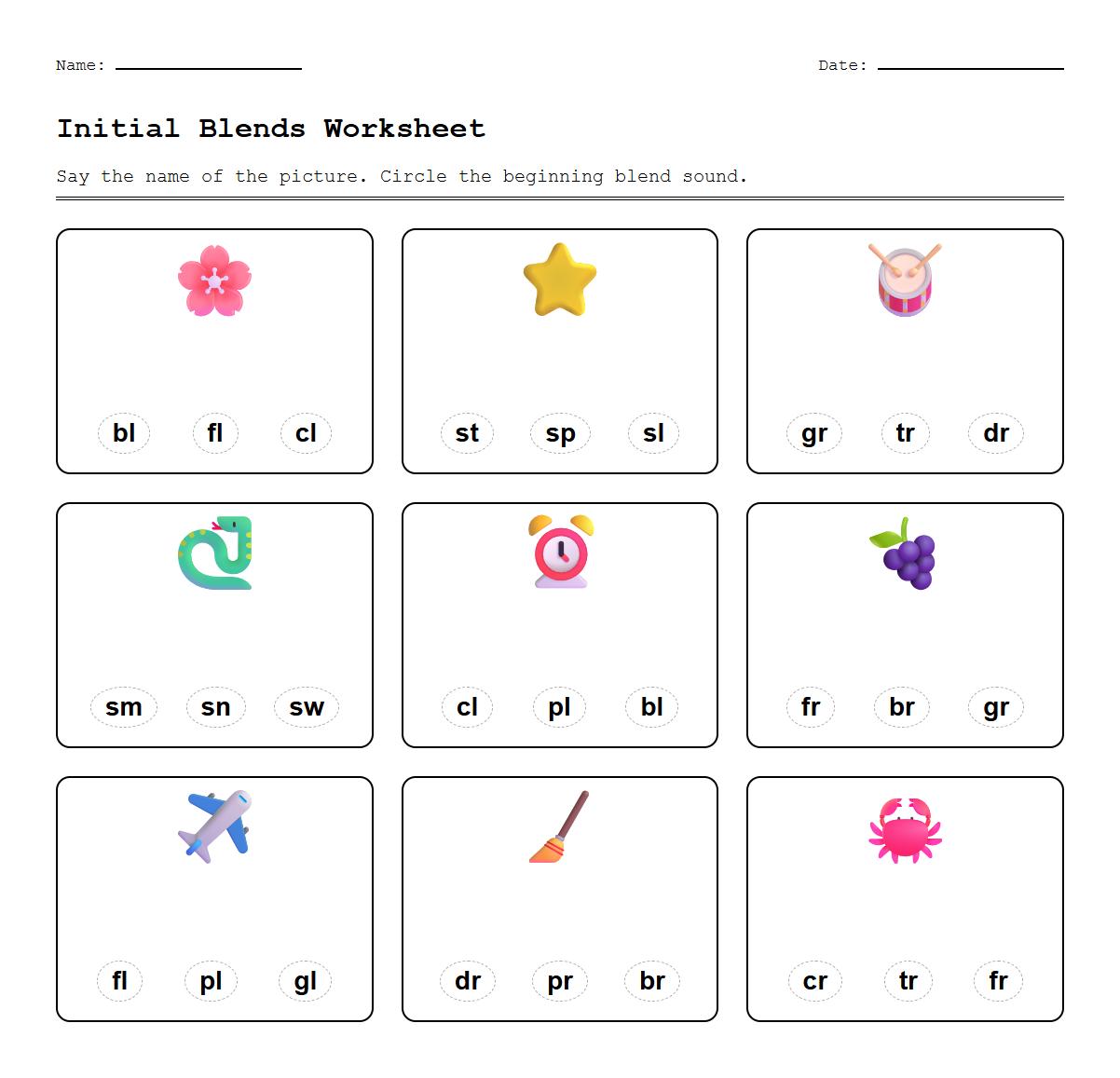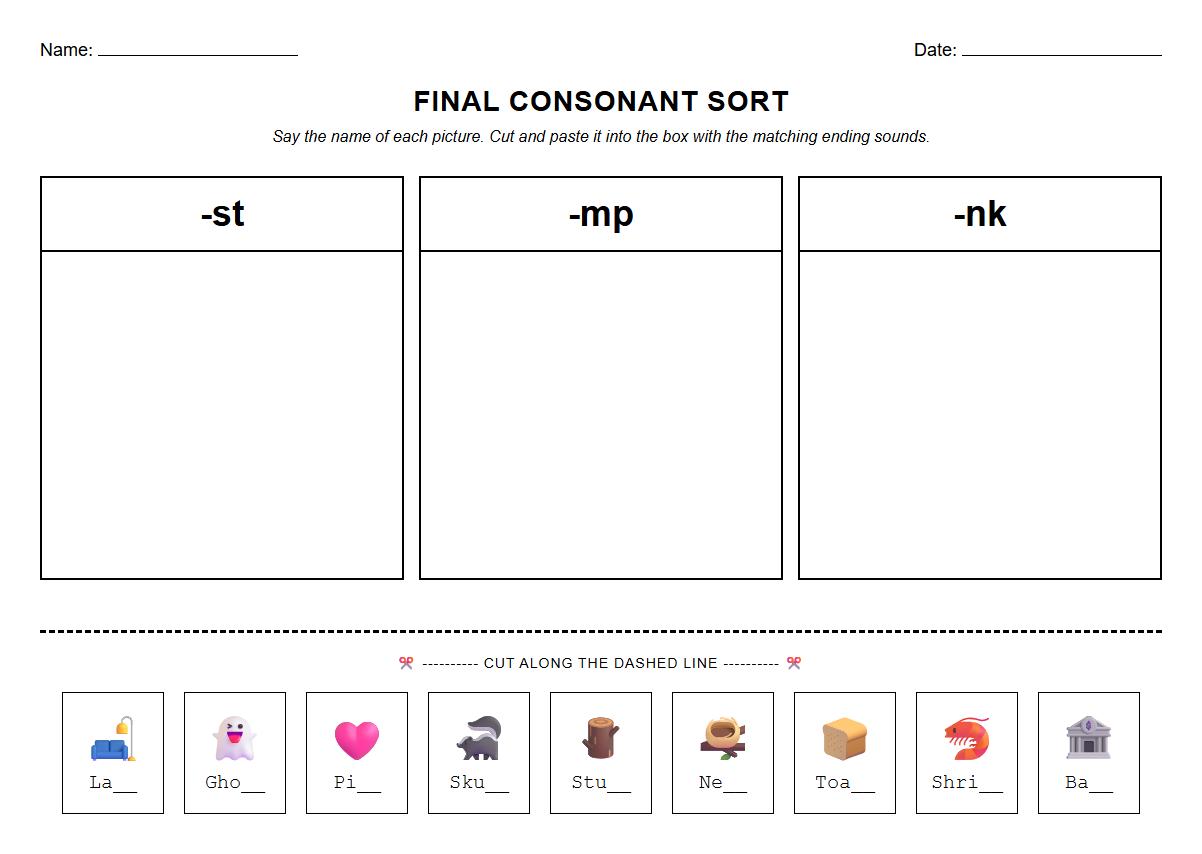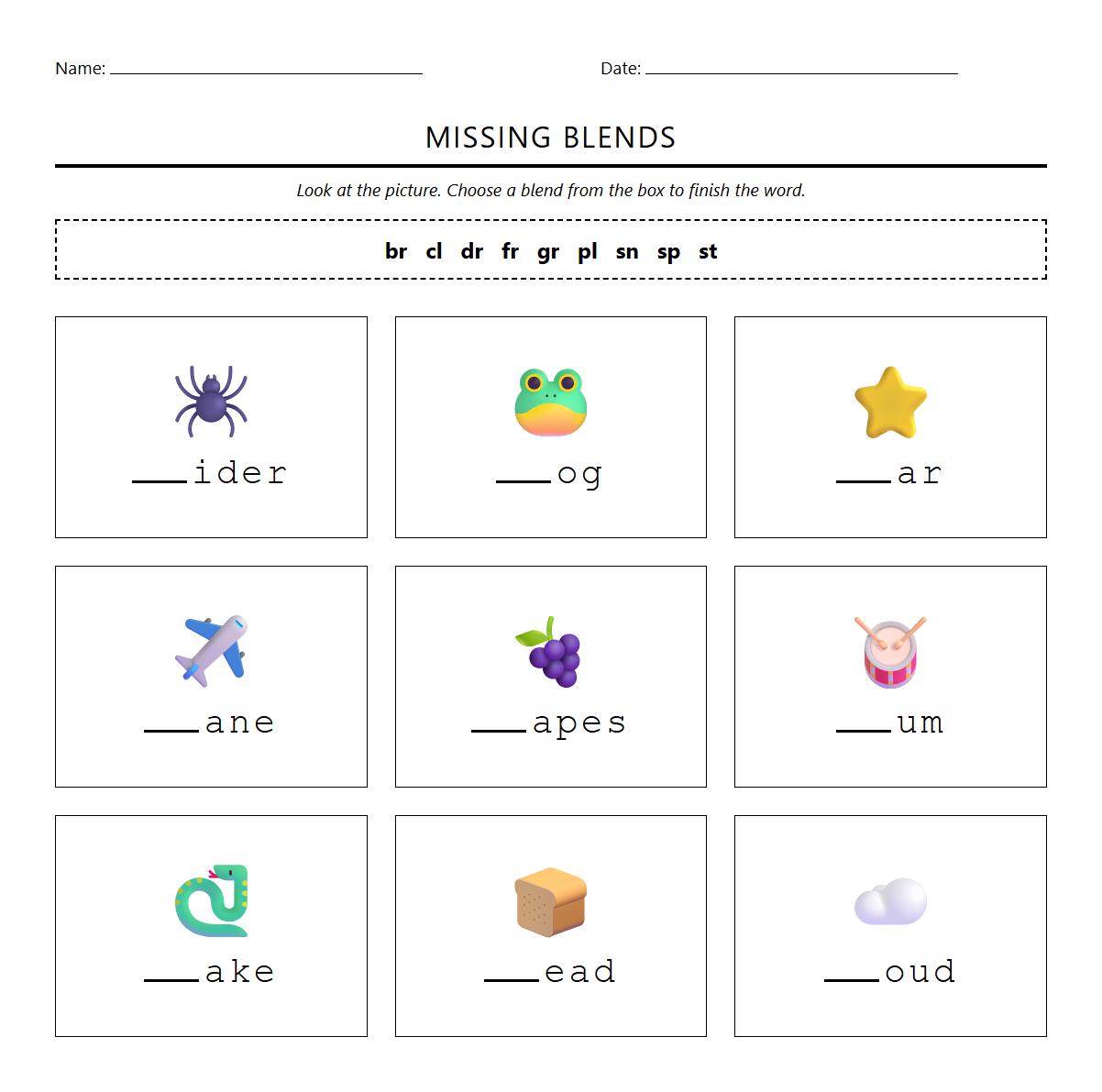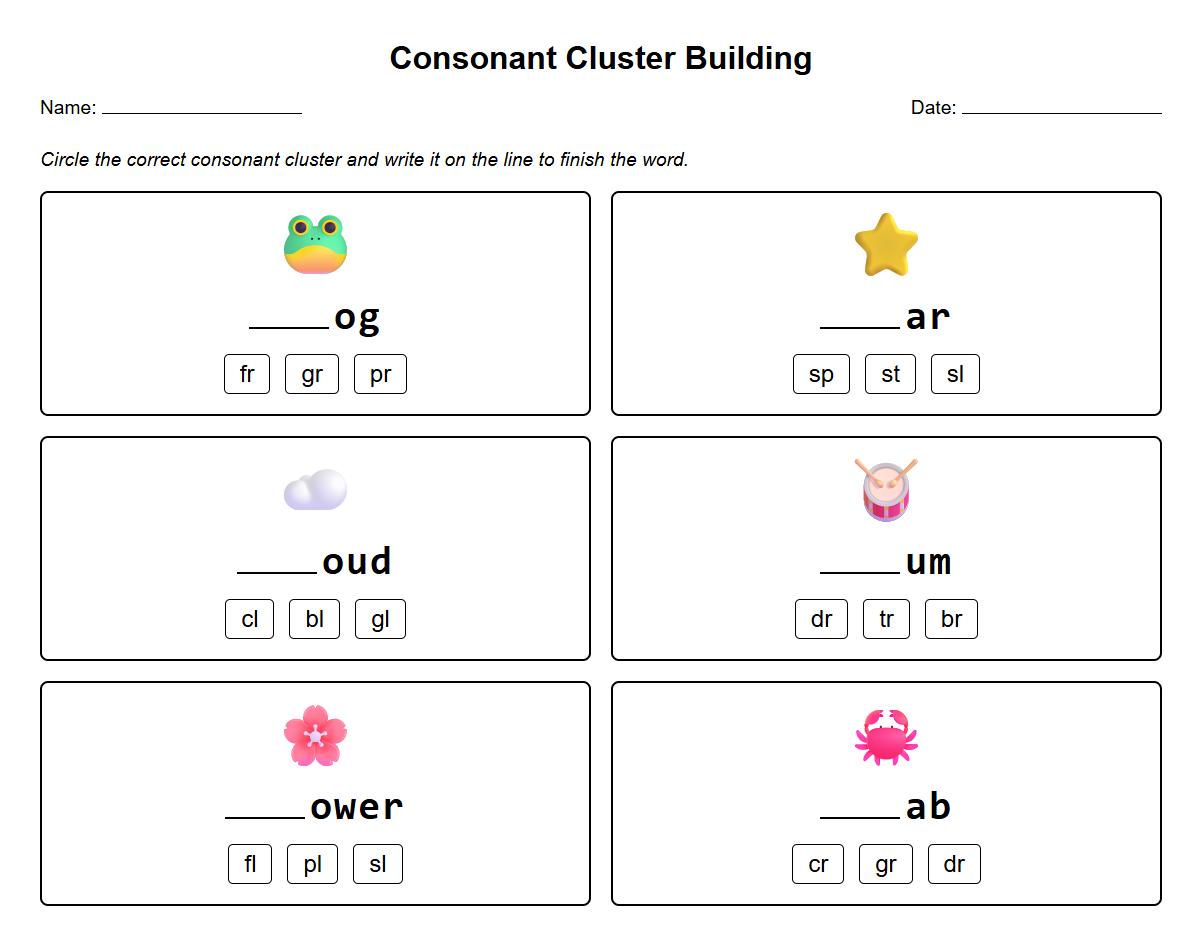
Consonant cluster worksheets enhance phonics mastery by helping kindergarten students recognize and blend consonant groups in words. These targeted exercises improve decoding skills and boost reading fluency through engaging, hands-on practice. Explore the collection of worksheets available to support your child's phonics development.
What are Consonant Clusters and Why Are They Important in Kindergarten Phonics?
Consonant clusters are groups of two or more consonants that appear together in a word without vowels between them. They are crucial in kindergarten phonics because they help children develop strong decoding skills necessary for fluent reading. Mastering consonant clusters enhances pronunciation and spelling abilities early on. This foundational skill supports children's progression from simple to more complex words.
How Do Consonant Cluster Worksheets Support Early Reading Skills?
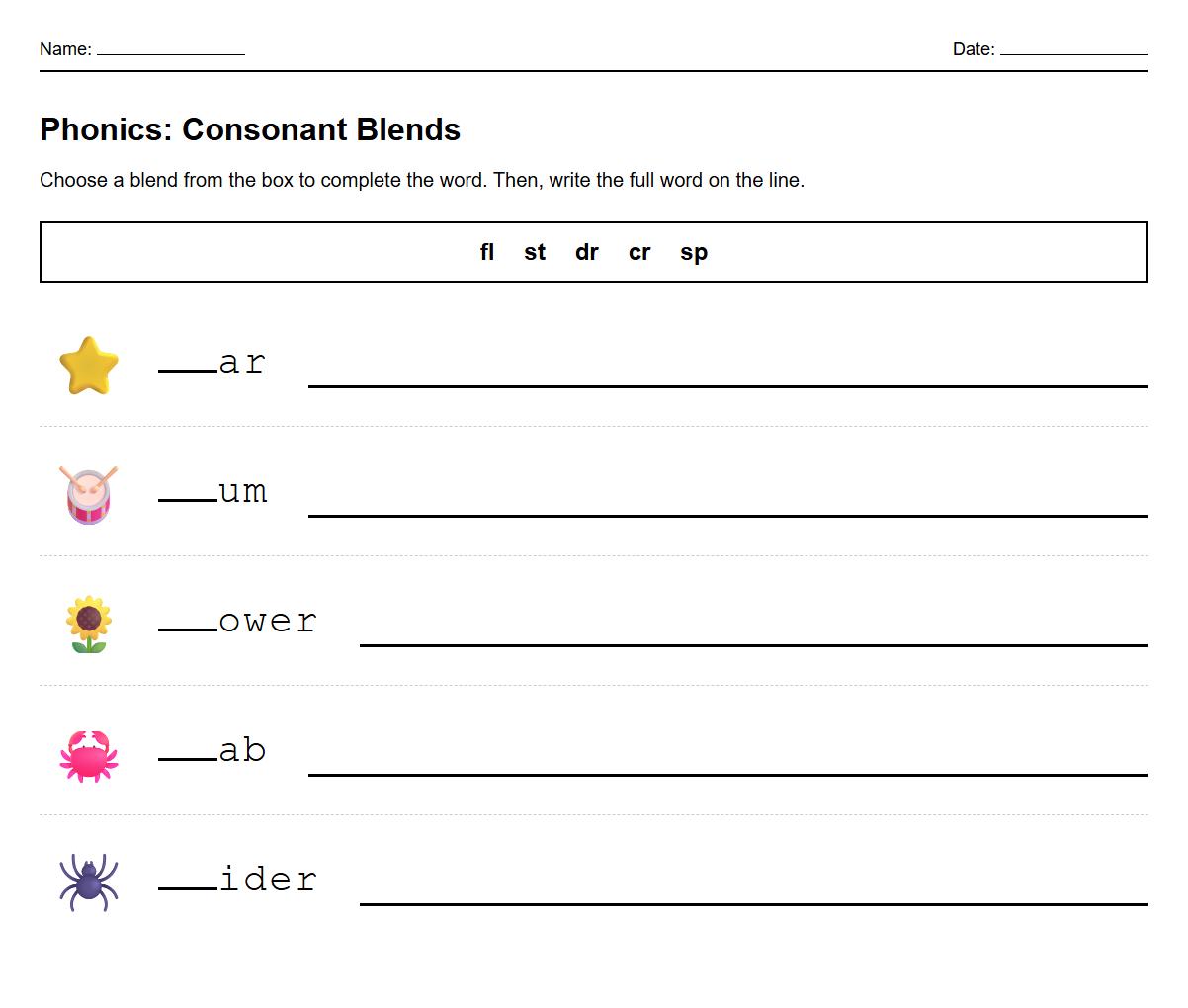
Worksheets focusing on consonant clusters provide structured practice for recognizing and blending sounds. They help children differentiate clusters from single consonants through repetition and visual cues. These activities build confidence in sounding out words and improve phonemic awareness. Regular use of worksheets reinforces key reading concepts essential at the kindergarten level.
Which Consonant Clusters Are Best Introduced First to Kindergarten Students?
Starting with simple clusters such as "bl," "cr," "st," and "tr" is effective for young learners. These combinations often appear at the beginning of words, making them easier to spot in reading. Introducing two-letter clusters before moving to three-letter clusters helps scaffold learning smoothly. Tailoring clusters to familiar words aids in quicker recognition and retention.
Can You Suggest Engaging Activities for Practicing Consonant Clusters?
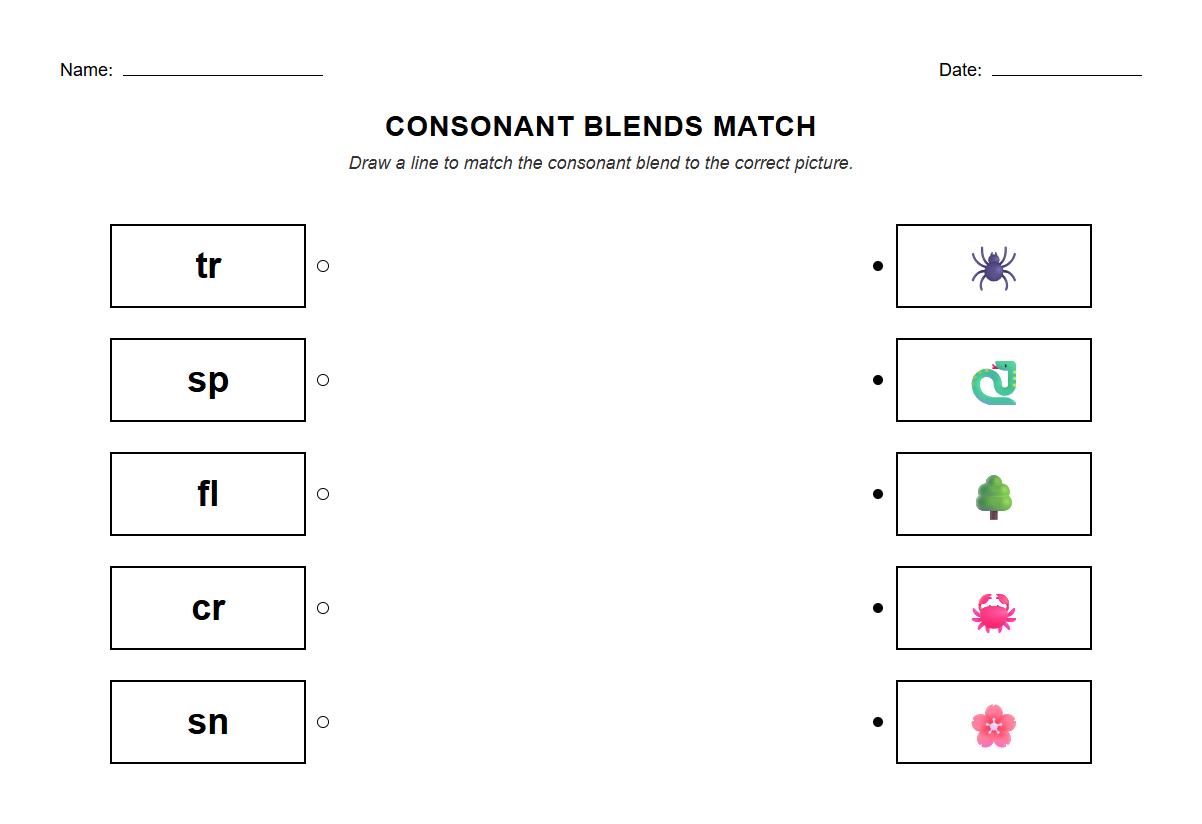
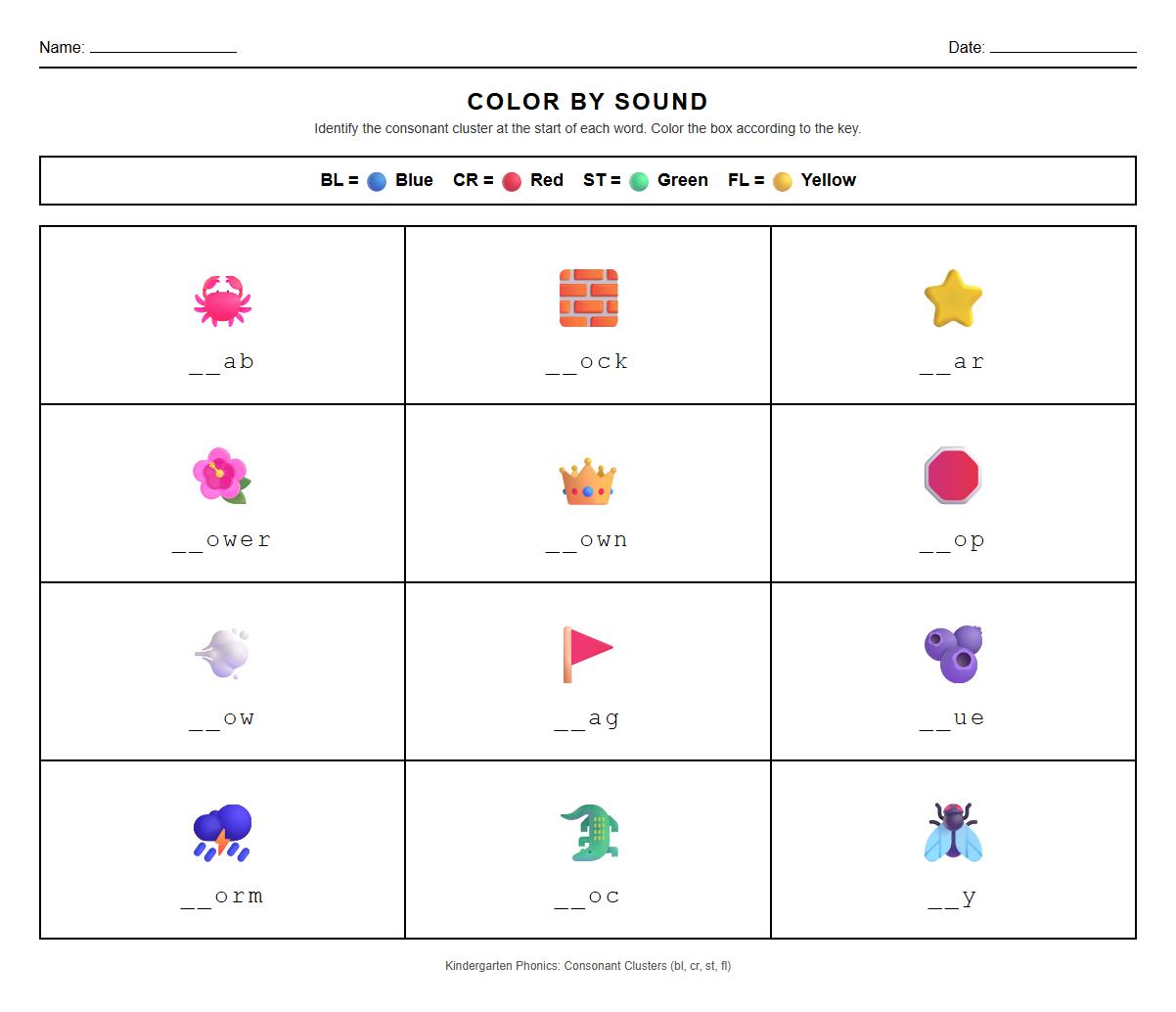
Interactive games like sound matching, where children pair clusters with pictures, boost engagement. Sorting activities that separate single consonants from clusters develop attention to detail. Reading simple sentences that emphasize target clusters encourages practical application. Incorporating music or movement, like clapping syllables, makes practice enjoyable and memorable.
How Can Worksheets Help Students Distinguish Between Single Consonants and Clusters?
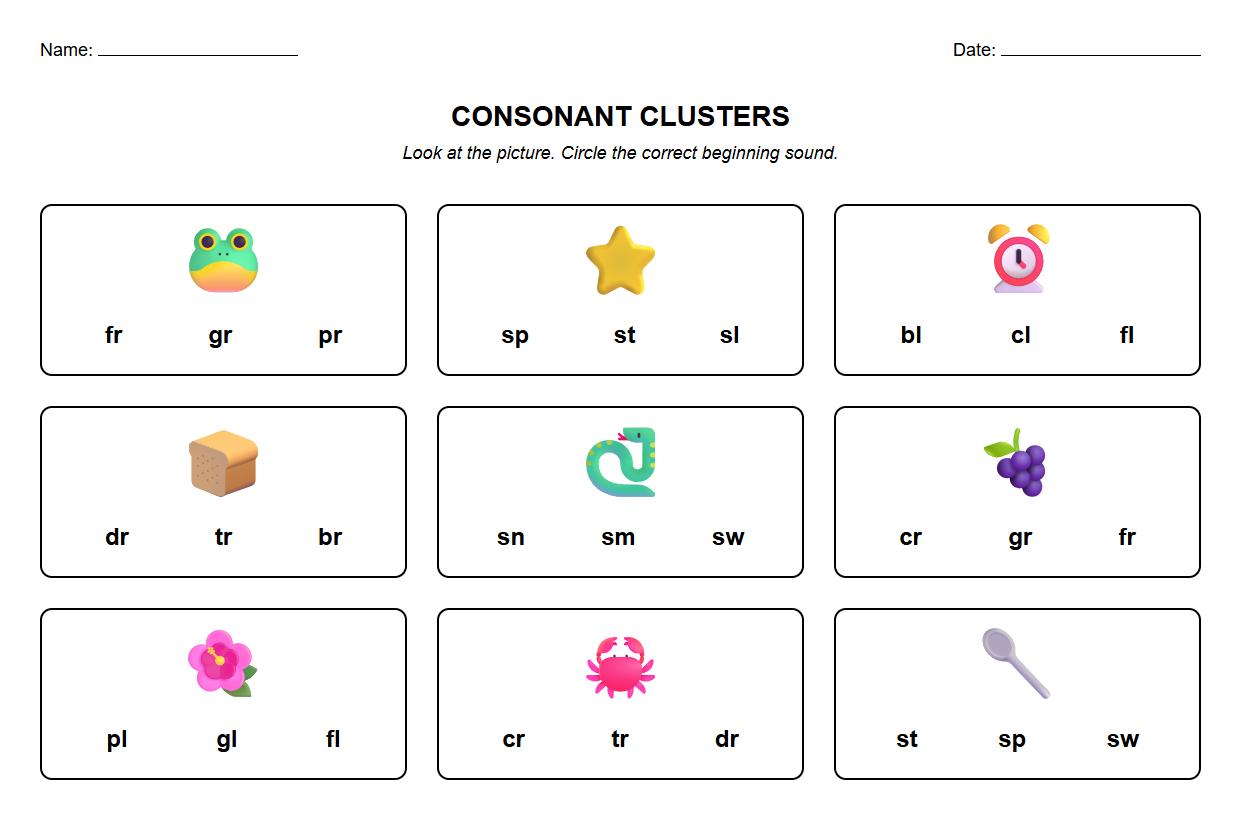
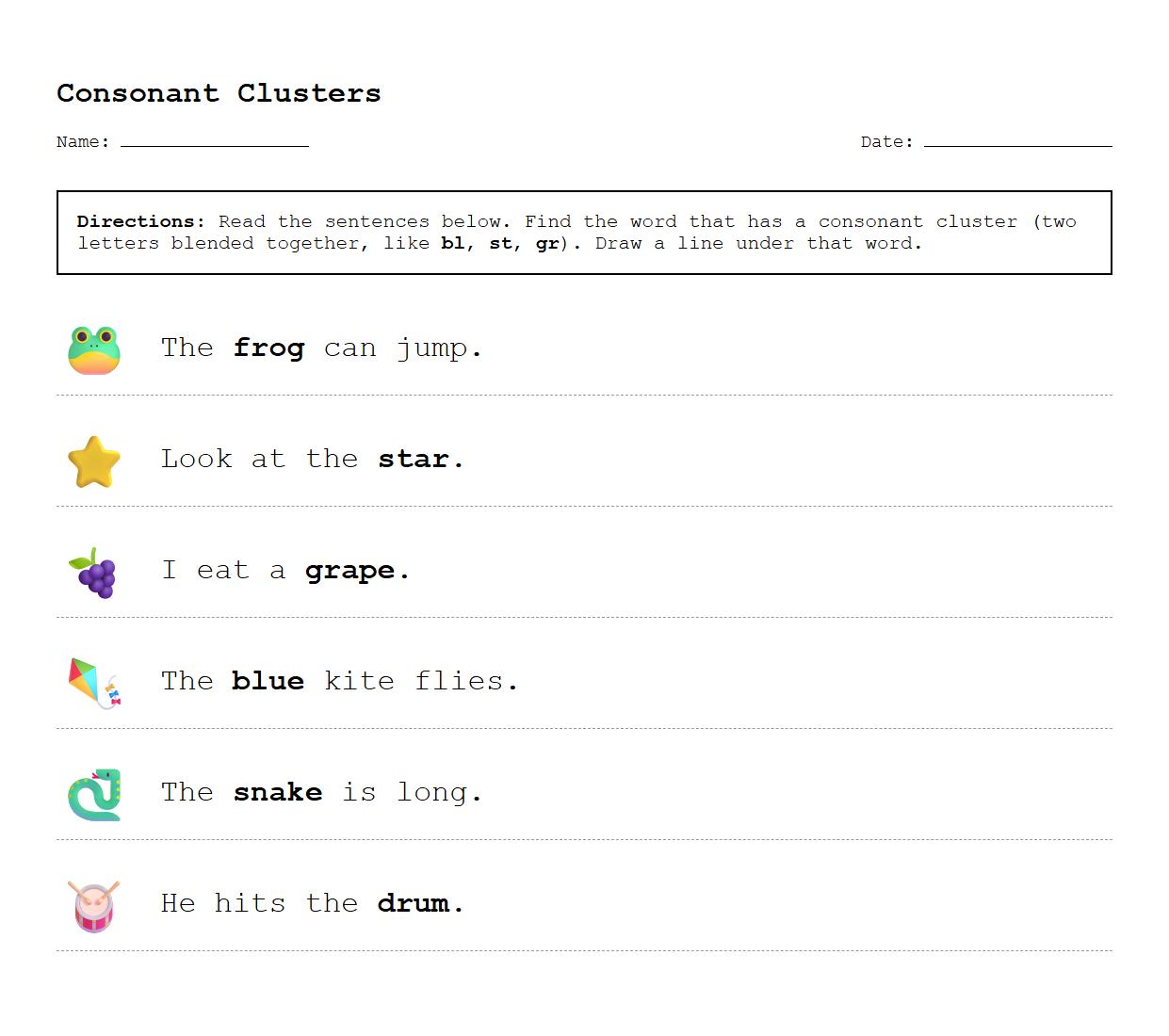
Worksheets can highlight clusters using bold or colored fonts to create visual distinction. Activities that ask students to underline or circle clusters train visual discrimination skills. Comparing words with single consonants and those with clusters helps reinforce the difference. Clear examples combined with guided practice ensure students grasp this important phonics concept.
What Are Common Challenges Kindergarteners Face with Consonant Clusters?
Many children struggle with pronouncing clusters clearly due to developing oral motor skills. Confusing clusters with vowel sounds or single consonants can cause reading errors. Students may also have difficulty blending multiple consonants smoothly. Addressing these challenges requires patience and targeted phonetic exercises.
How Do You Assess Mastery of Consonant Clusters Using Worksheets?
Progress can be tracked through accuracy in identifying, reading, and spelling clusters on worksheets. Timed activities assess fluency, while repeated practice monitors retention over time. Teachers can include self-check or peer-review sections to promote reflection. Combining quantitative and qualitative feedback ensures a comprehensive assessment.
What Visual Aids Can Enhance Consonant Cluster Worksheet Lessons?
Using colorful images that correlate with word examples helps reinforce sound-symbol association. Charts displaying common clusters and their corresponding sounds support memory retention. Interactive flashcards and manipulatives can be integrated to engage multiple senses. Visual cues are vital for young learners to grasp abstract phonics concepts effectively.
How Often Should Consonant Cluster Practice Be Included in Lesson Plans?
Incorporating consonant cluster activities 2-3 times per week is ideal for reinforcing skills without causing fatigue. Short, focused sessions are more effective than long, infrequent ones. Consistency helps build automaticity in recognizing and pronouncing clusters. Integrating clusters into daily reading and writing routines reinforces practical application.
Are There Interactive Worksheet Ideas for Group Consonant Cluster Practice?
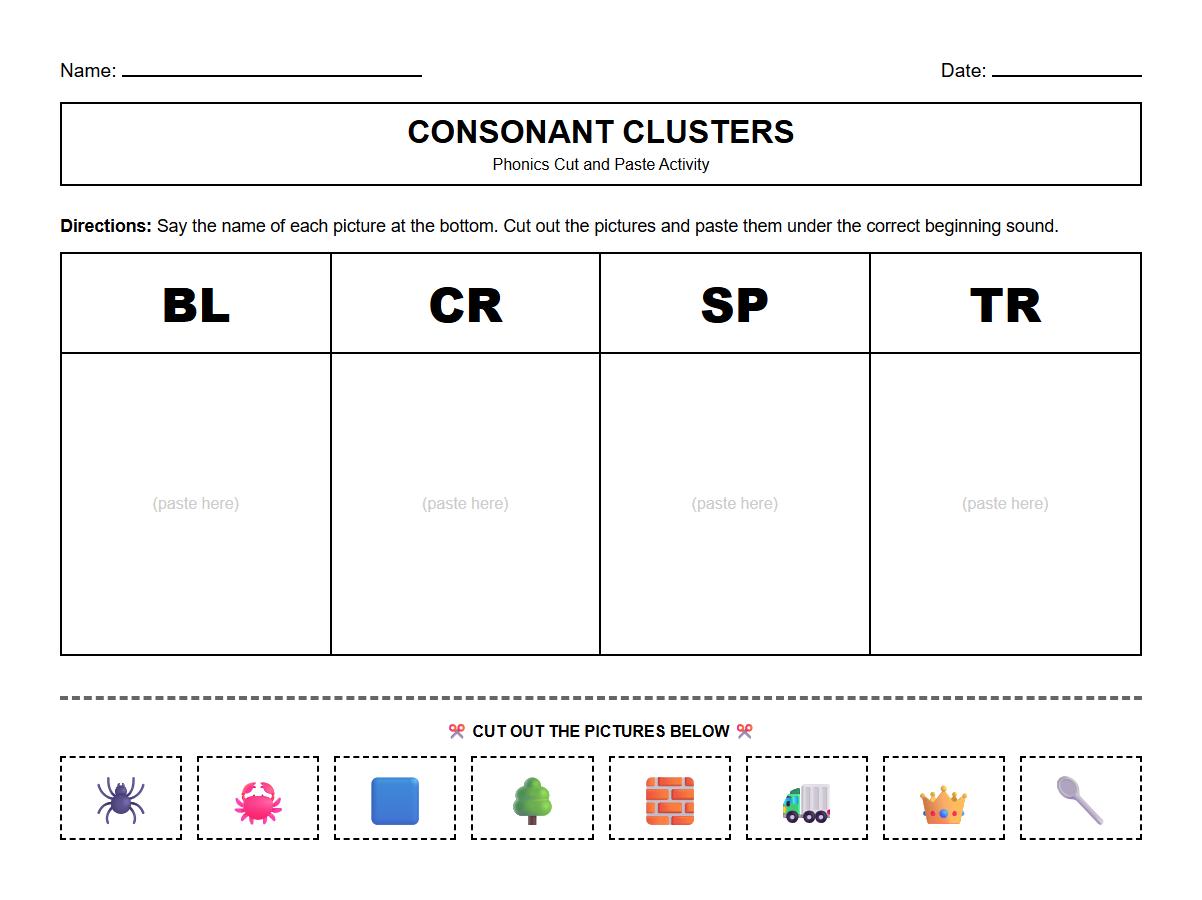
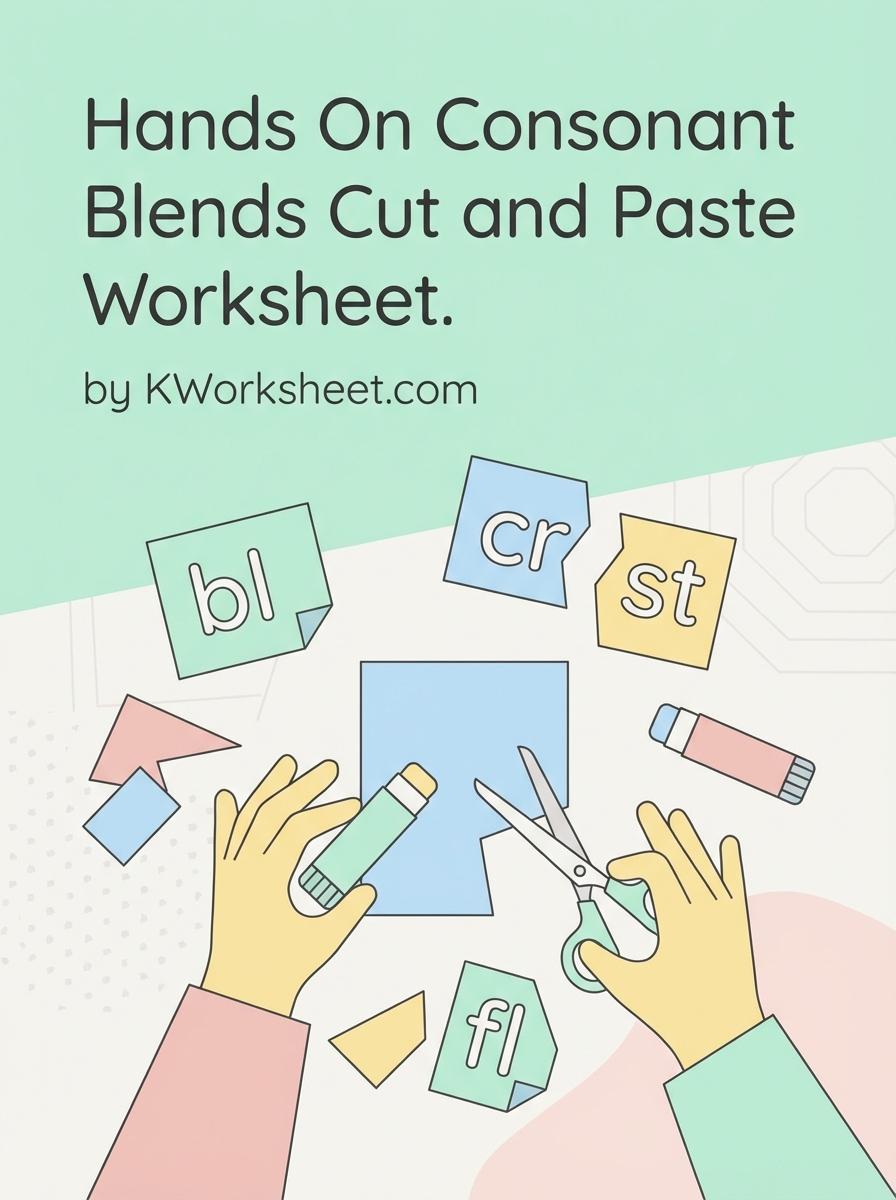
Collaborative worksheet tasks like group sorting or matching games encourage peer learning and discussion. Partner reading exercises using cluster-rich sentences build confidence and interactive phonics skills. Worksheets that include cut-and-paste or role-playing elements foster teamwork and engagement. Such interactive formats help maintain motivation and deepen understanding of consonant clusters.


Hands On Consonant Blends Cut and Paste Worksheet