Kindergarten Phonics and Comprehension Story Sequencing Sheets

📅 Feb 16, 2025 👤 Nylen Smith

Kindergarten phonics and comprehension story sequencing sheets enhance early literacy skills by helping young learners recognize letter sounds and understand story order. These worksheets support the development of critical thinking and reading comprehension through engaging, age-appropriate activities. Explore the available worksheets to boost your child's reading foundation effectively.

Beginning Sounds Identification Phonics Worksheet
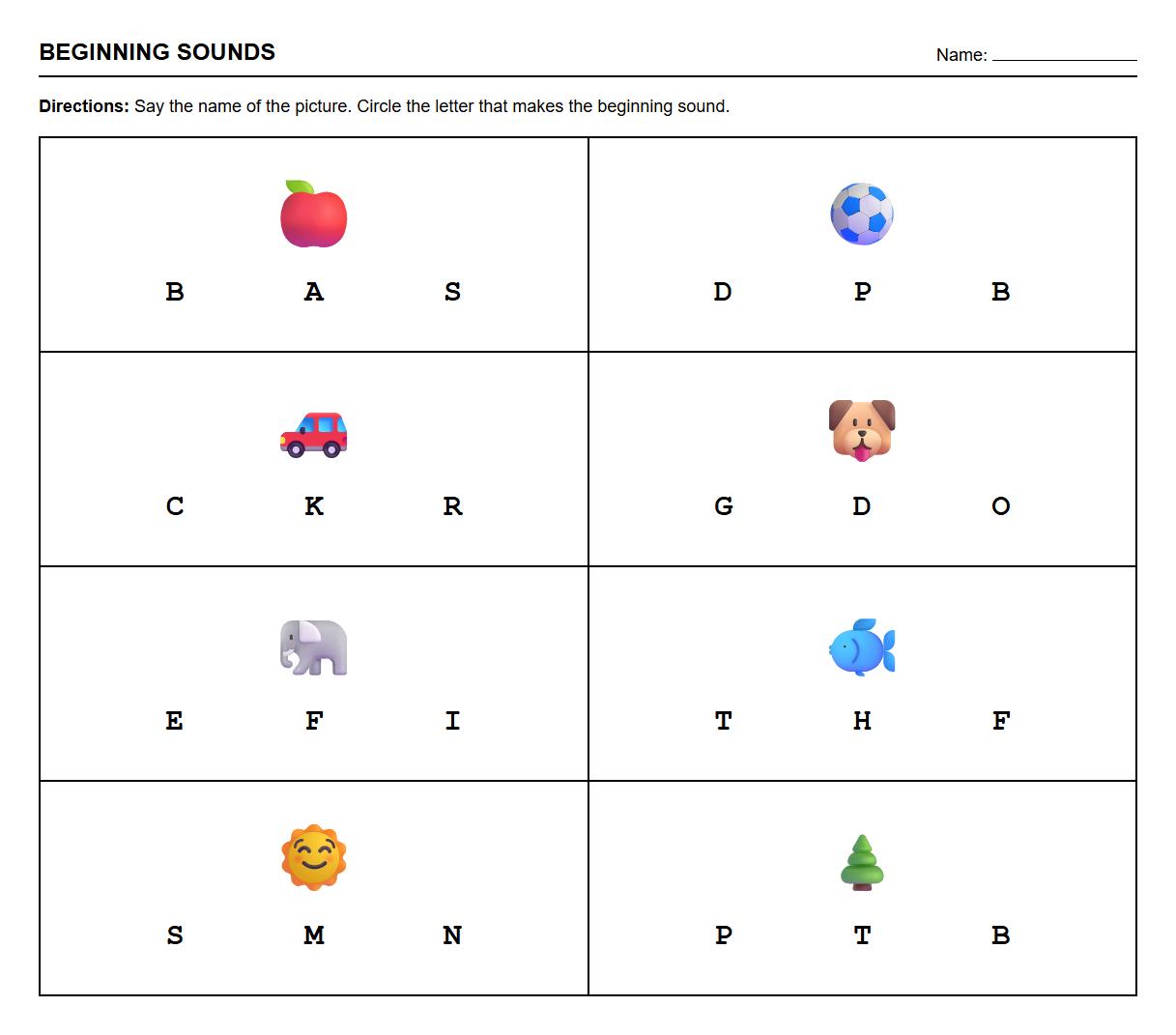
Beginning Sounds Identification Phonics Worksheet

Download PDF     Pin it

CVC Words Matching with Pictures Activity Sheet
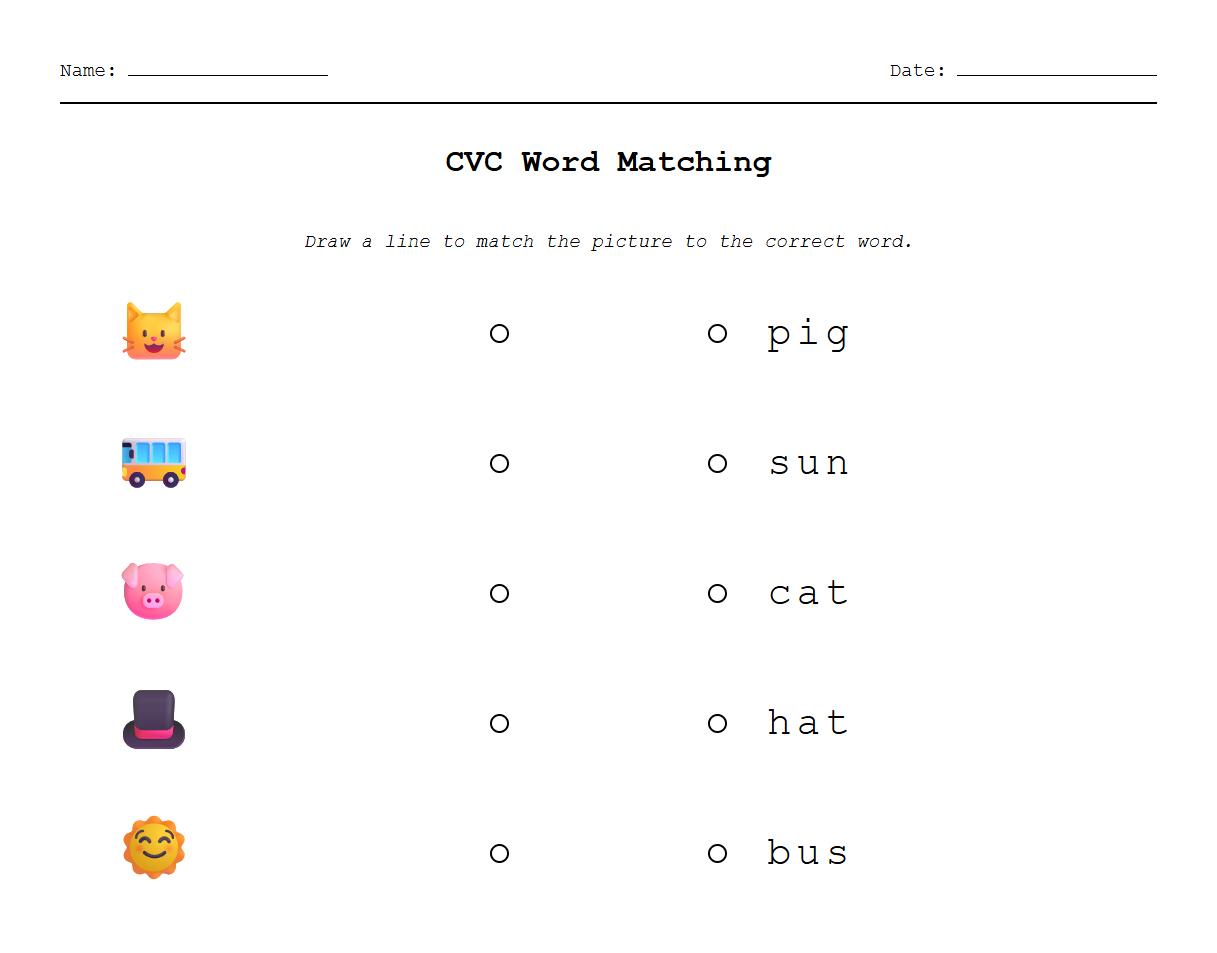
CVC Words Matching with Pictures Activity Sheet

Download PDF     Pin it

Short Vowel Sounds Cut and Paste Exercise
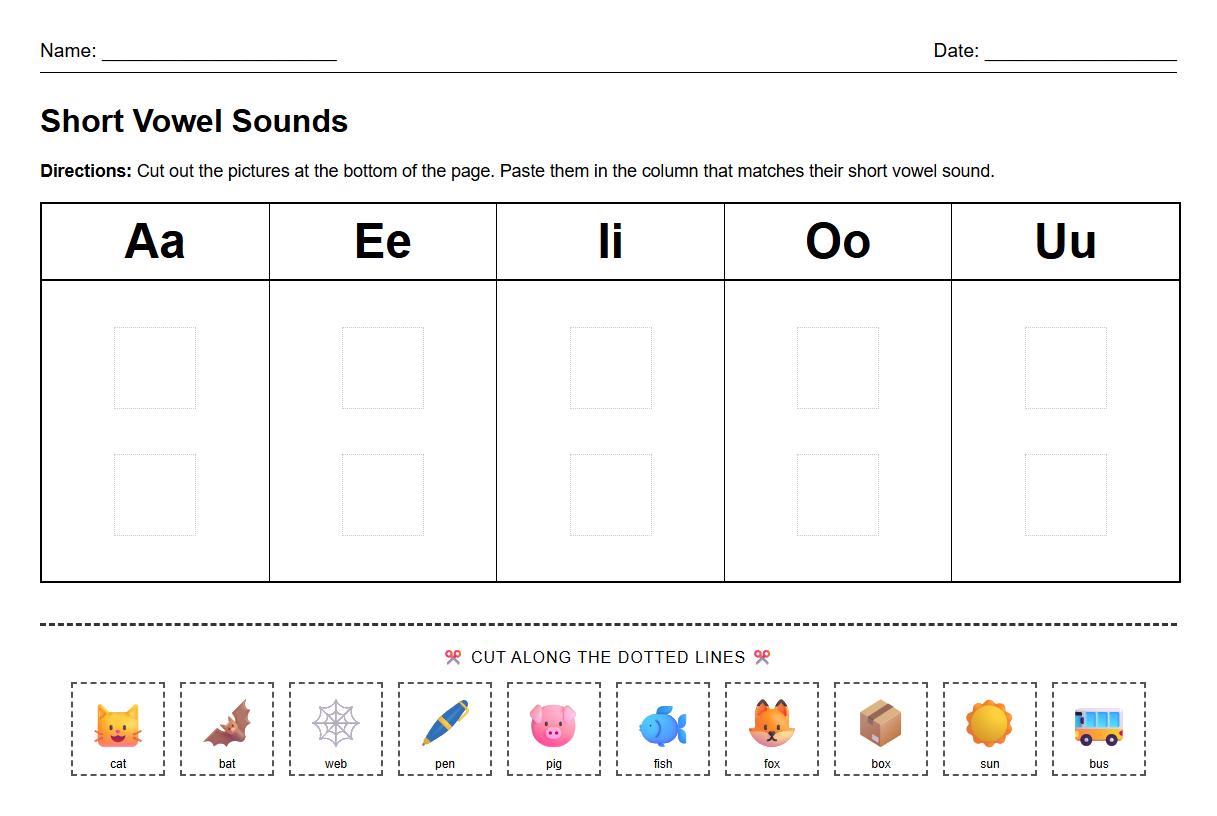
Short Vowel Sounds Cut and Paste Exercise

Download PDF     Pin it

Digraphs Sorting Phonics Practice Page
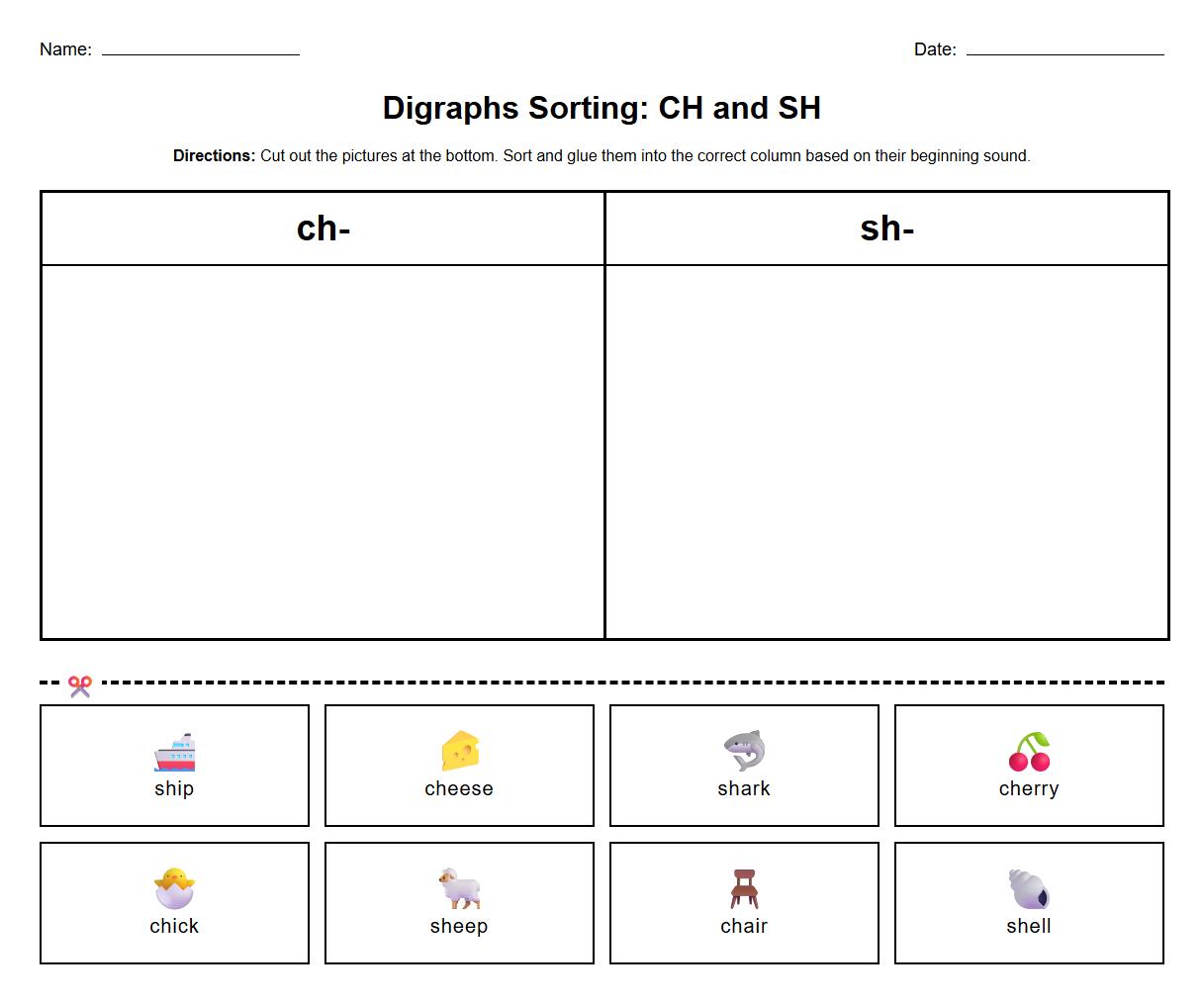
Digraphs Sorting Phonics Practice Page

Download PDF     Pin it

Story Picture Sequencing and Numbering Sheet
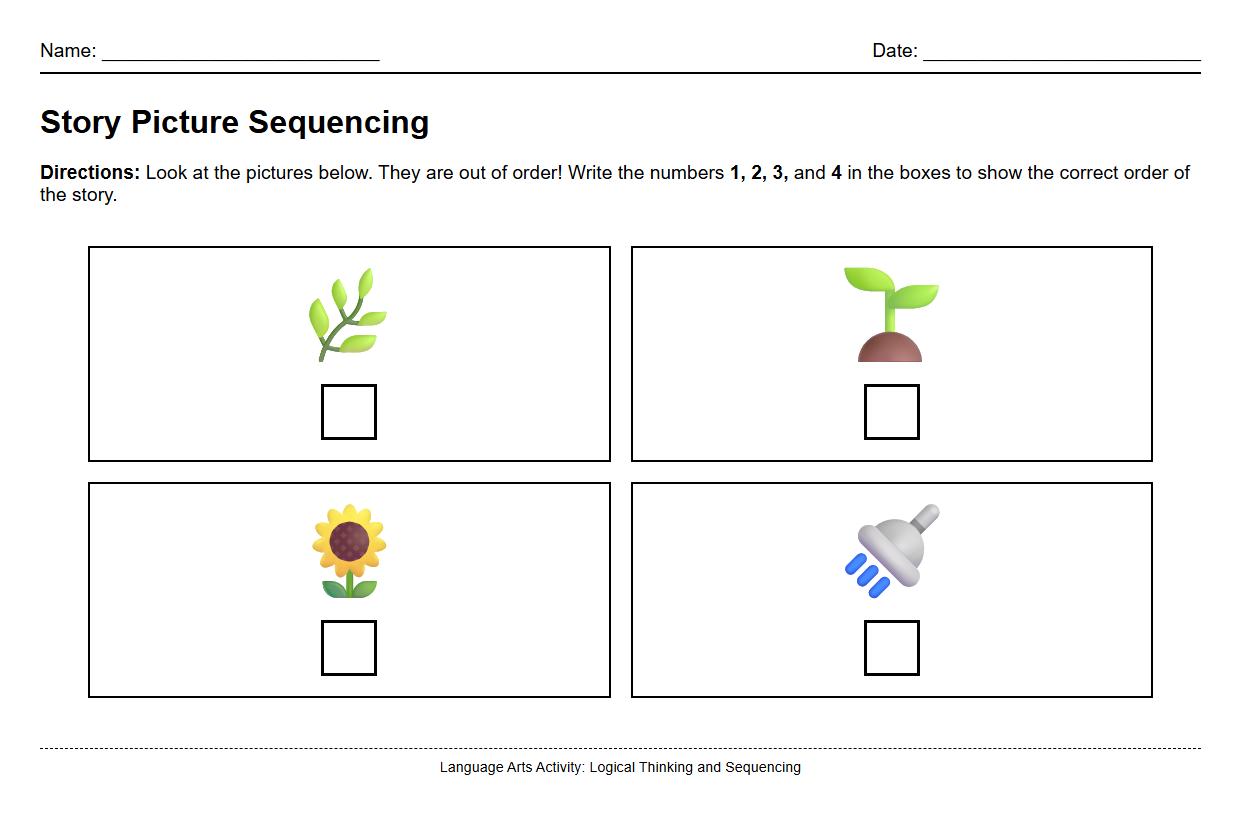
Story Picture Sequencing and Numbering Sheet

Download PDF     Pin it

Sentence Building with Story Elements Worksheet
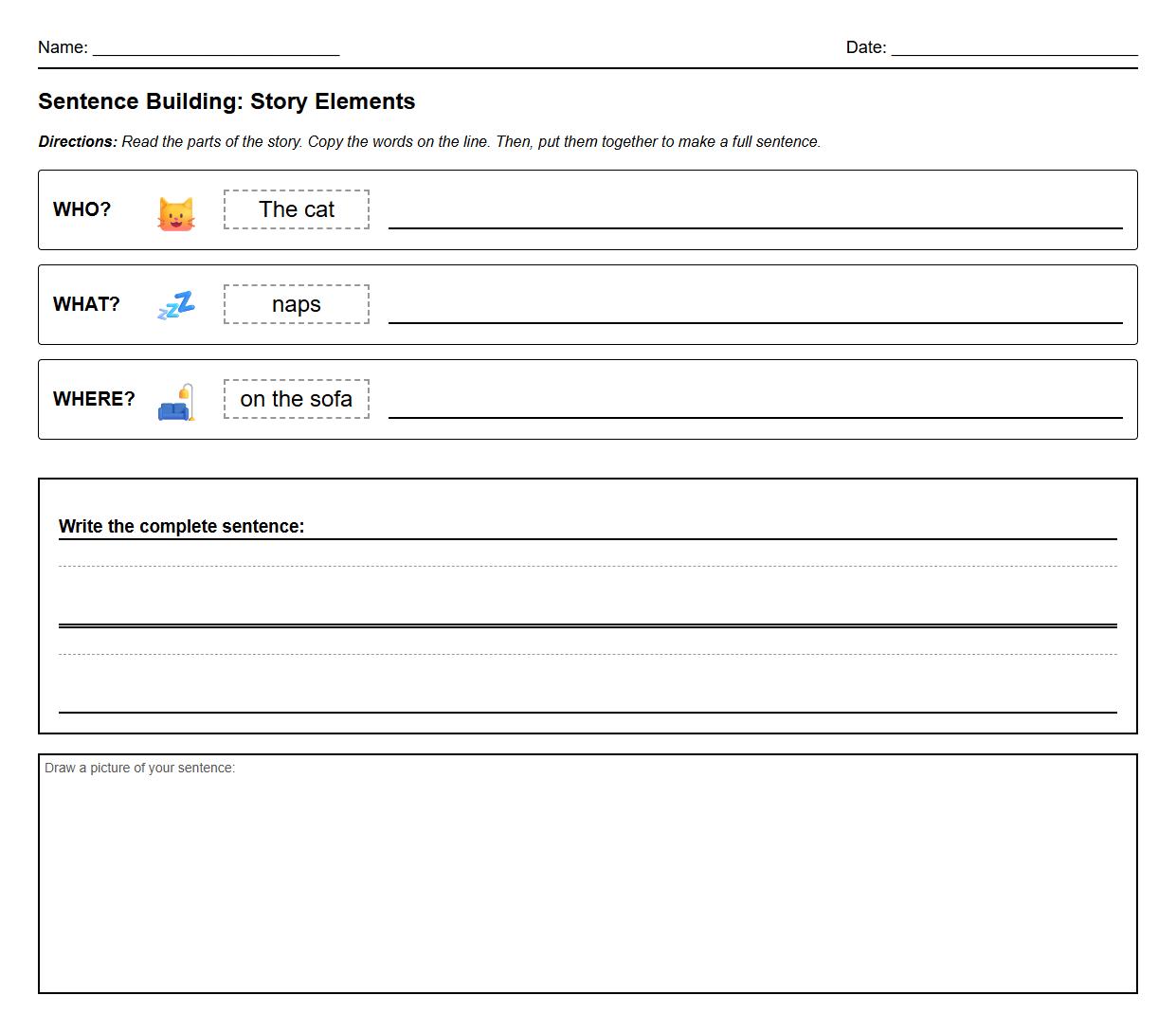
Sentence Building with Story Elements Worksheet

Download PDF     Pin it

Rhyming Words Recognition Phonics Activity
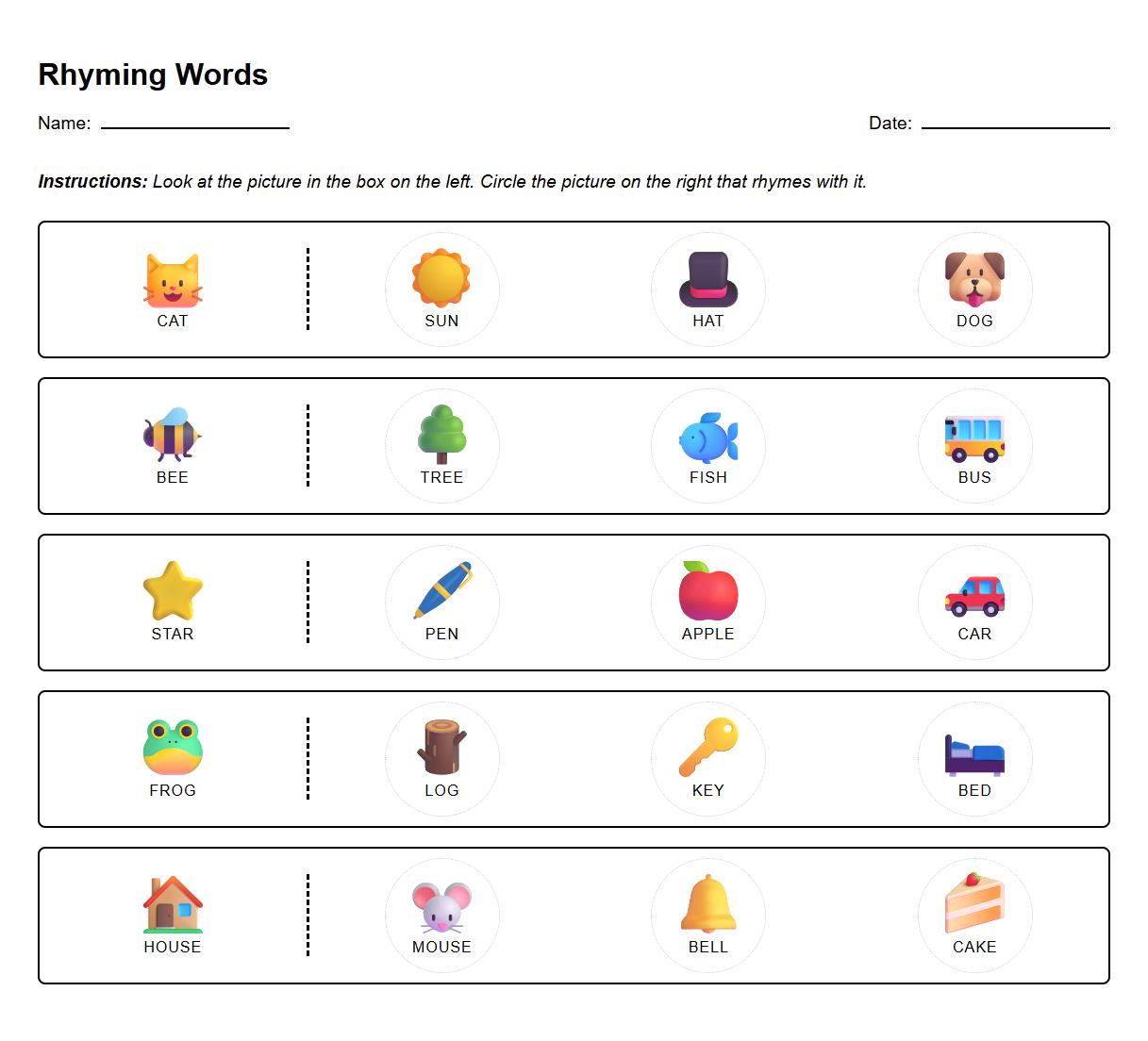
Rhyming Words Recognition Phonics Activity

Download PDF     Pin it

Sequencing Events Comic Strip Story Sheet
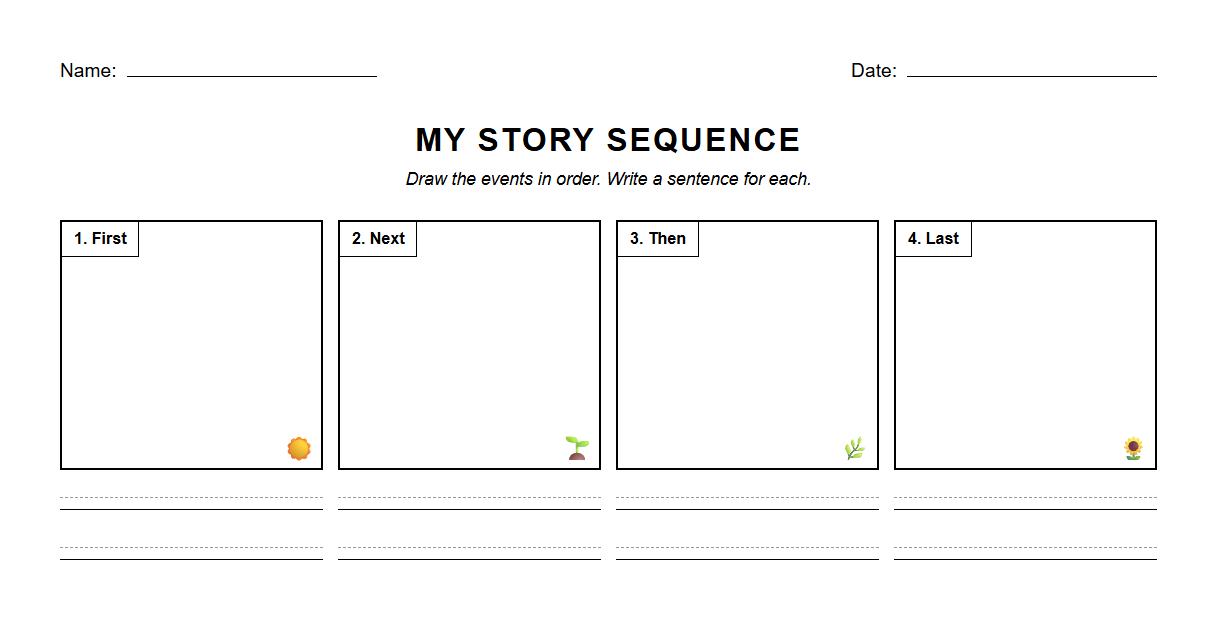
Sequencing Events Comic Strip Story Sheet

Download PDF     Pin it

Sight Words Fill in the Blank Passage
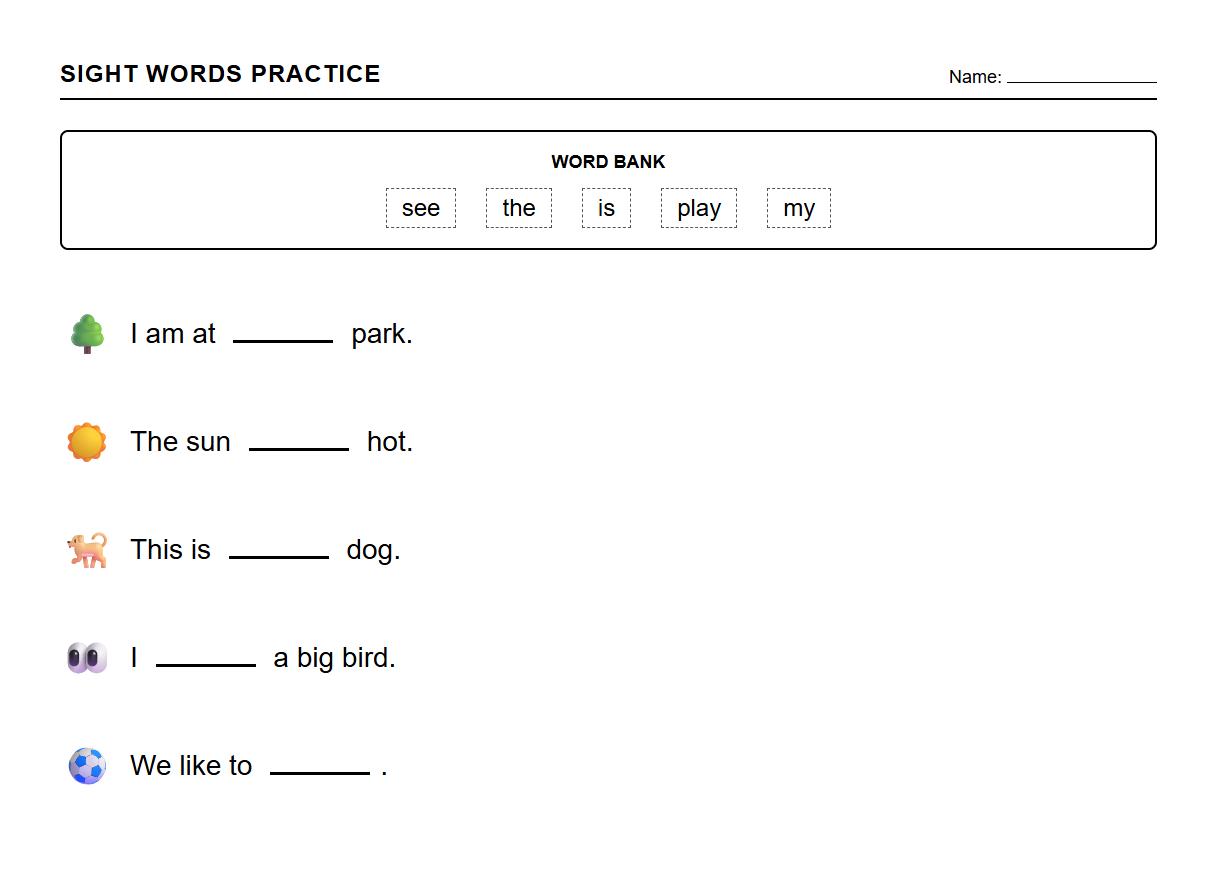
Sight Words Fill in the Blank Passage

Download PDF     Pin it

Simple Comprehension Questions with Story Cards
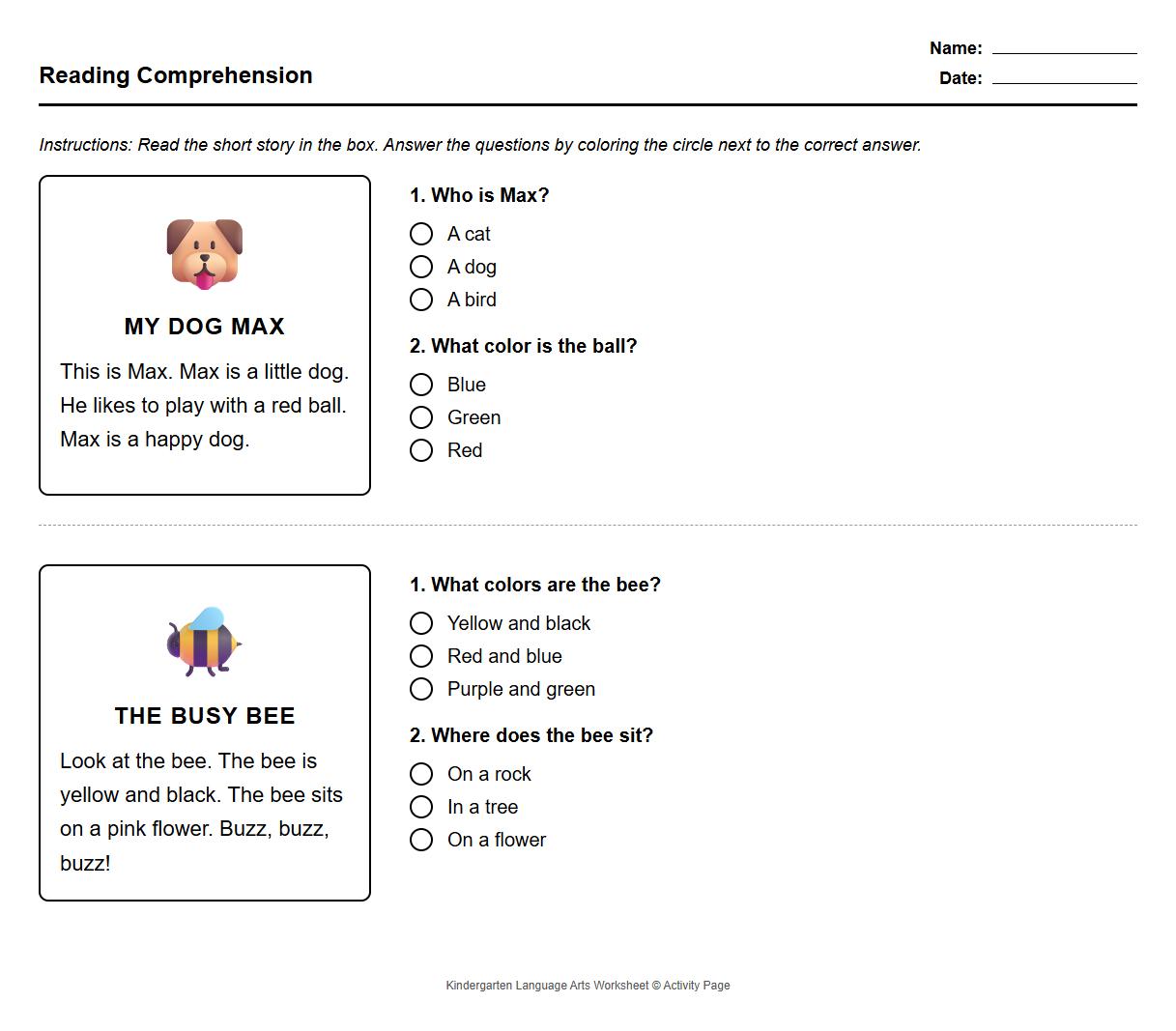
Simple Comprehension Questions with Story Cards

Download PDF     Pin it

Main Idea of the Story on the Sequencing Sheet

The main idea of the story focuses on a simple, engaging event suitable for kindergarten students. It highlights a clear, easy-to-follow sequence that helps young learners understand the progression of events. This story aims to build comprehension and sequencing skills through visual and verbal cues. It is designed to encourage discussion between teachers, parents, and children. For more on main idea practice, see kindergarten English language arts worksheets.

Which Picture Comes First in the Story Sequence

The first picture in the story sequence is usually the one that sets the scene or introduces the characters. It might depict the beginning action, such as a child waking up or discovering something important. Recognizing the first picture helps students identify the starting point of the story. This skill is essential for understanding story flow and order. For sequencing activities, visit developing phonological awareness worksheets.

What Sound Does the Word Cat Begin With

The word cat begins with the sound /k/, which is the hard "c" sound. Teaching this sound helps children connect letters to their phonetic pronunciations. This foundational knowledge supports early reading and spelling skills. Emphasizing sounds promotes phonemic awareness.

Who Are the Characters in the Story

The characters in the story are typically simple and relatable, such as a boy, a dog, or family members. Identifying characters helps children understand roles and perspectives within a story. Recognizing characters is key for comprehension and retelling. It also encourages empathy and connection to the story's events. More resources on this topic can be found at sight words reading fluency worksheet.

Can You Retell the Story Using the Sequencing Pictures

Using the sequencing pictures, students can retell the story by describing each event in order. This activity reinforces comprehension and verbal expression skills. Retelling also supports memory and helps children internalize story structure. It creates opportunities for interactive learning between teachers, parents, and children. Learn about sequencing and retelling at interactive rhyming words worksheet.

Which Word Rhymes with Hat

A word that rhymes with "hat" is "cat." Rhyming helps children recognize sound patterns in language. This skill is important for phonological awareness and early literacy development. Engaging children with rhyming words makes learning playful and memorable.

What Happens Next After the Boy Finds the Dog

After the boy finds the dog, the next event usually involves him caring for or playing with the dog. This action progresses the story by showing a developing relationship or solution. It teaches kindness, responsibility, and social interaction. Understanding what happens next reinforces sequencing and prediction skills. For further practice, check out CVC words practice.

How Many Syllables Are in the Word Apple

The word apple has two syllables: "ap" and "ple." Counting syllables enhances phonological awareness, an essential step in early reading skills. It also helps children with pronunciation and spelling. Activities like clapping out syllables make learning interactive and fun. More exercises available at alphabet mastery worksheet.

What Is the Setting of the Story

The setting of the story is where and when the events take place, often depicted in the first picture. It could be a home, a park, or a school environment appropriate for kindergarten comprehension. Understanding the setting helps children visualize the story and connect with the narrative. It also supports vocabulary development related to places and environments. Explore more with blending exercise worksheets.

Which Event Happened Last in the Story Sequence

The last event in the story sequence typically shows resolution or conclusion, such as the boy and dog together happily. Recognizing the final event helps children understand story structure and closure. It reinforces the concept of beginnings, middles, and ends in storytelling. This understanding is vital for narrative comprehension and retelling skills. See more sequence activities at consonant blends cut and paste worksheet.


More in Language Arts Category


About the author. Nylen Smith is a dedicated educator and cofounder of KWorksheet.com, a popular platform specializing in high-quality kindergarten worksheets and printable activities.

Disclaimer. The information provided in this document is for general informational purposes and/or document sample only and is not guaranteed to be factually right or complete. Please report to us via contact-us page if you find and error in this page, thanks.

Comments

No comment yet