Kindergarten phonics worksheets are designed to enhance sound discrimination skills essential for early reading development. These activities focus on distinguishing between different phonemes, helping children recognize and produce sounds accurately. Explore our variety of worksheets to support your child's foundational phonics learning.
Activities for Distinguishing Beginning Sounds
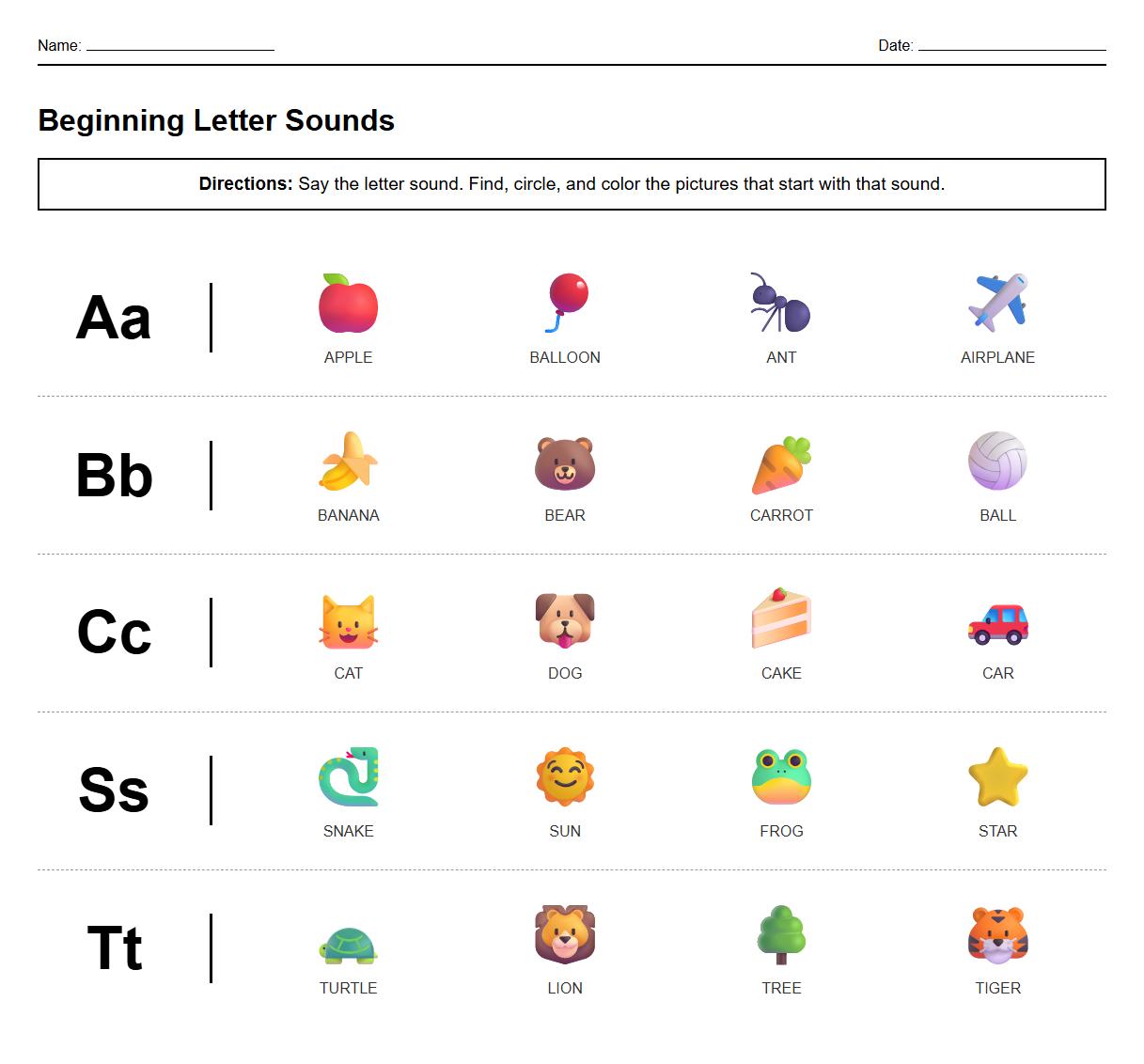
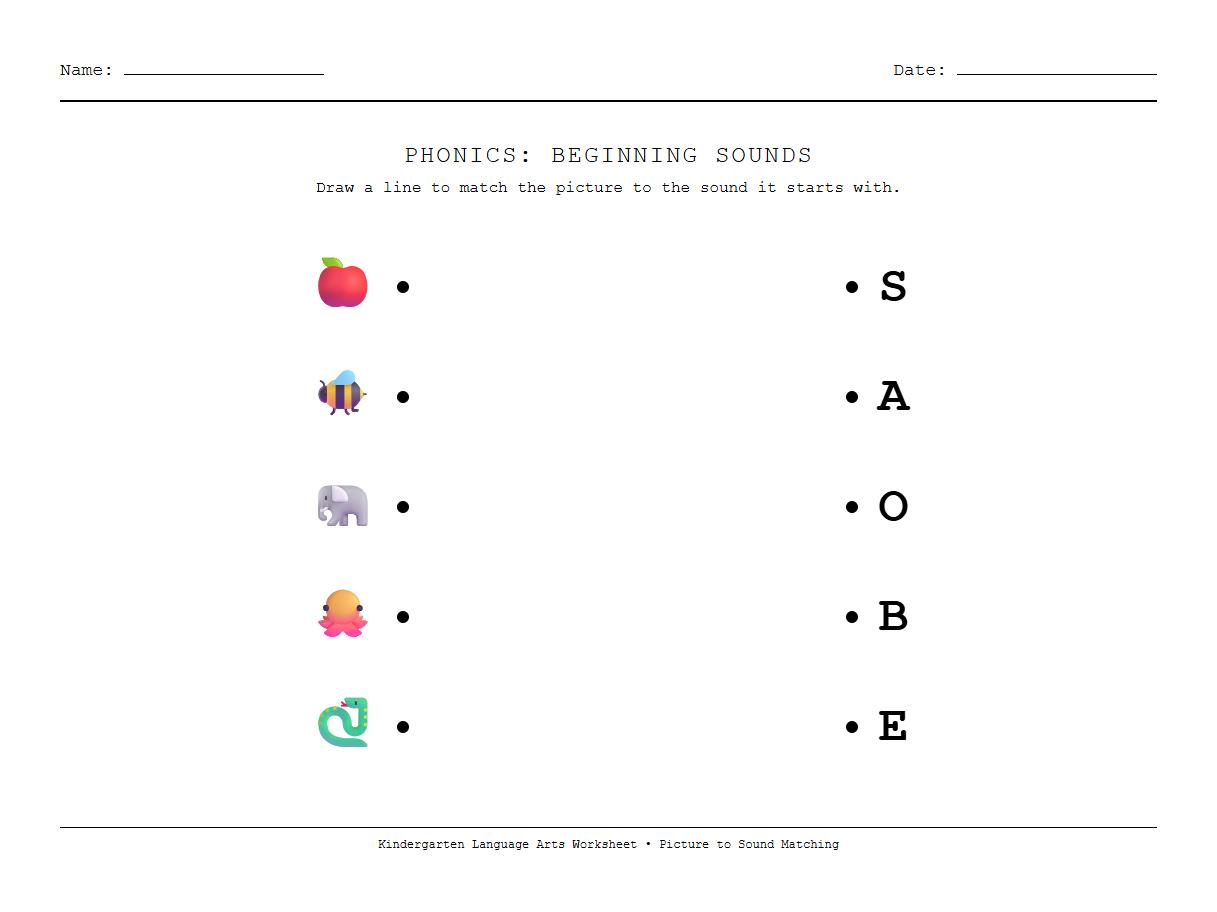
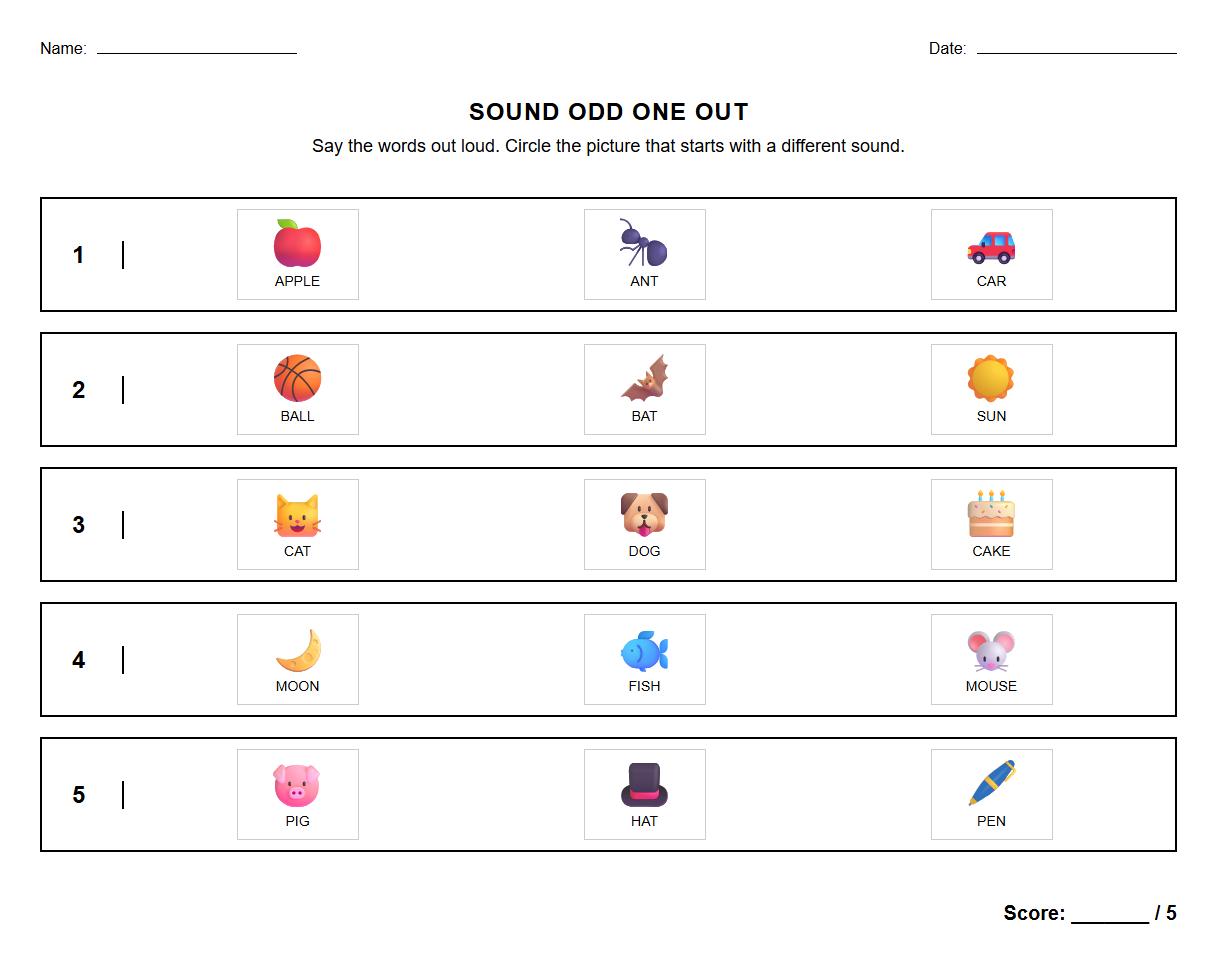
Engaging children in sound sorting games where they group pictures based on initial sounds helps them recognize differences. Using matching exercises that pair letters with images starting with the same sound also builds this skill (phonics and initial sounds activities). Additionally, singing songs that emphasize beginning sounds and providing puzzles that isolate these sounds reinforce learning. These activities help solidify children's awareness of initial phonemes.
Worksheets for Reinforcing Vowel Sound Recognition
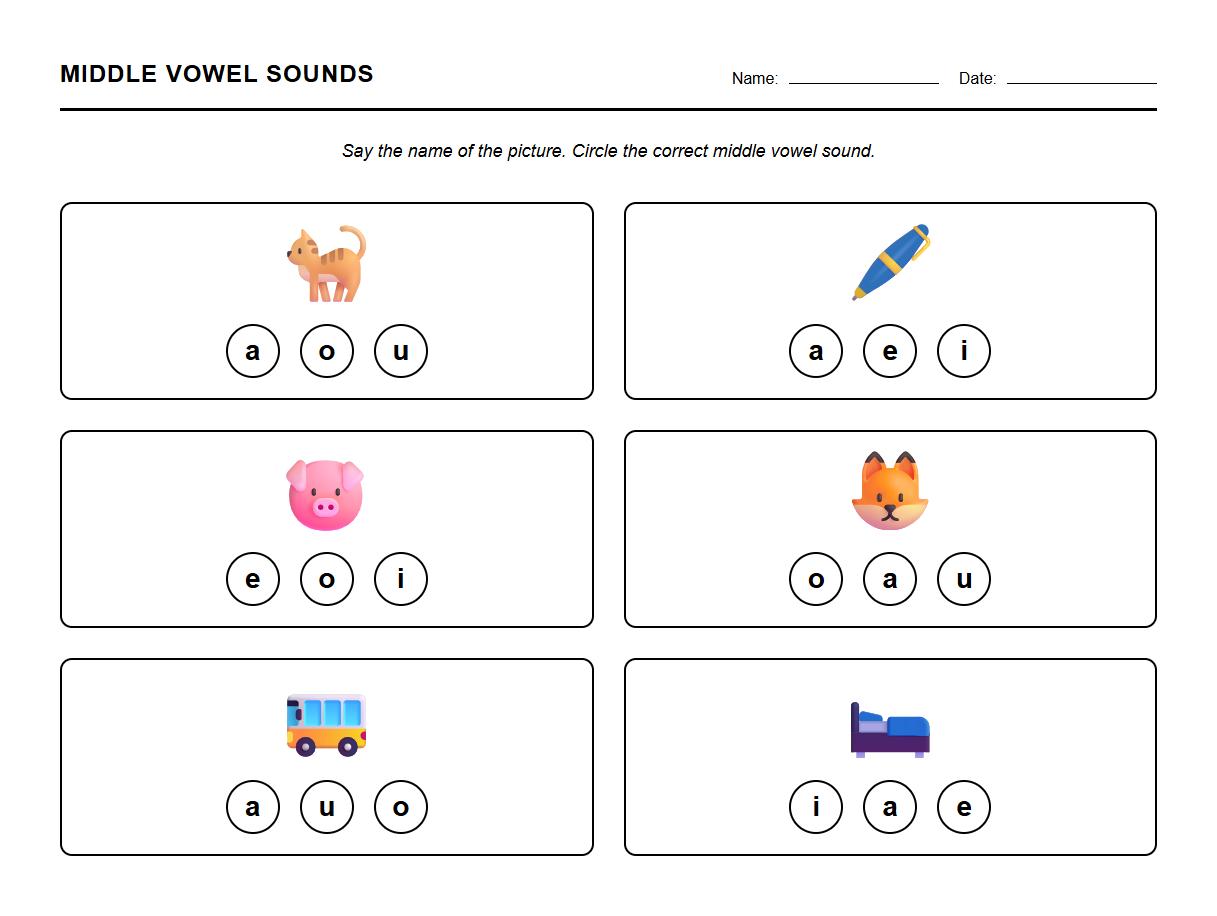
Worksheets featuring fill-in-the-blank vowel exercises allow children to practice identifying and writing vowel sounds (vowel sound worksheets). Activities that use word families, such as "cat," "hat," and "bat," help learners notice vowel patterns. Visual aids paired with vowel sounds enhance memory retention. Regular practice with these worksheets strengthens vowel discrimination in young learners.
Best Images for Teaching Phonics via Worksheets
Clear, colorful, and familiar images of common objects are most effective for teaching phonics. Pictures that represent one distinct beginning sound, such as "dog" or "sun," facilitate precise sound-letter associations (letter-sound recognition). Using images that children encounter daily increases engagement and comprehension. Avoiding overly complex or abstract images ensures focus remains on phonics concepts.
Exercises for Matching Sounds with Letters
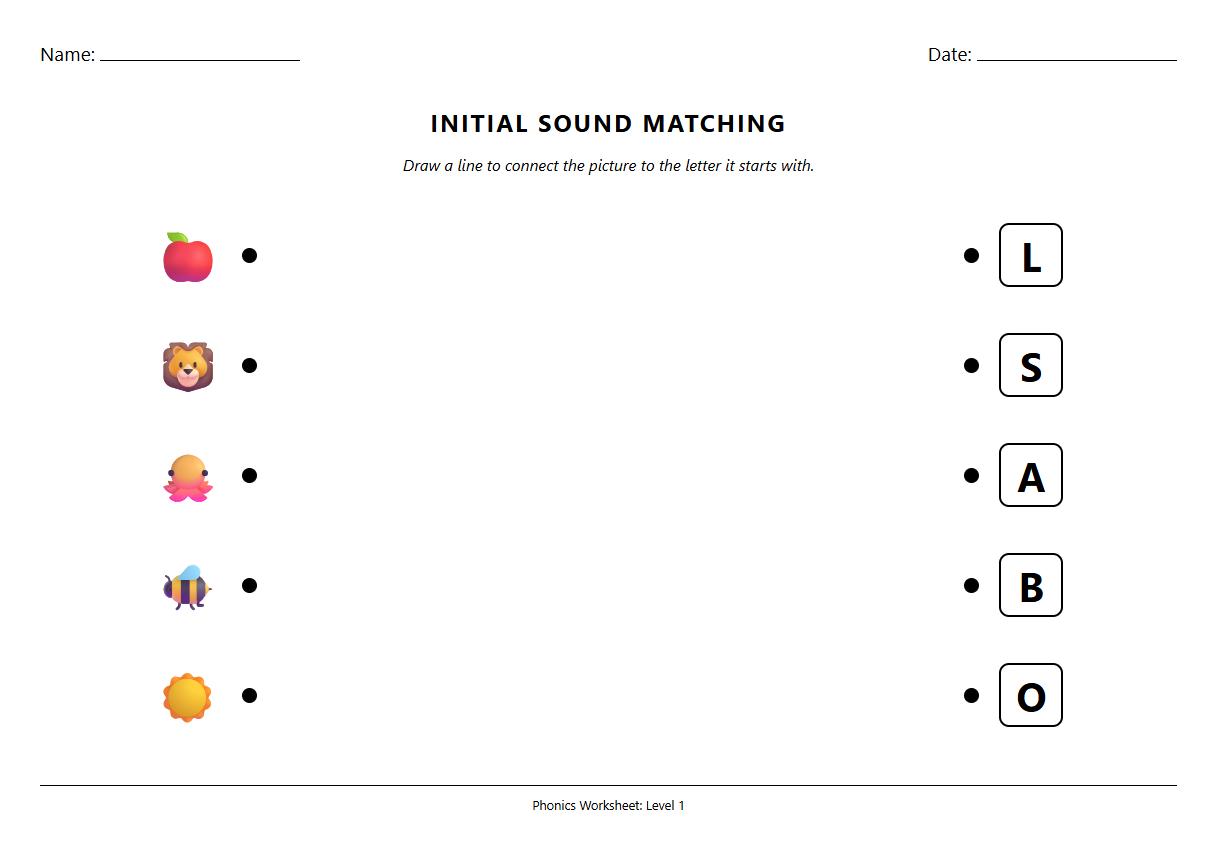
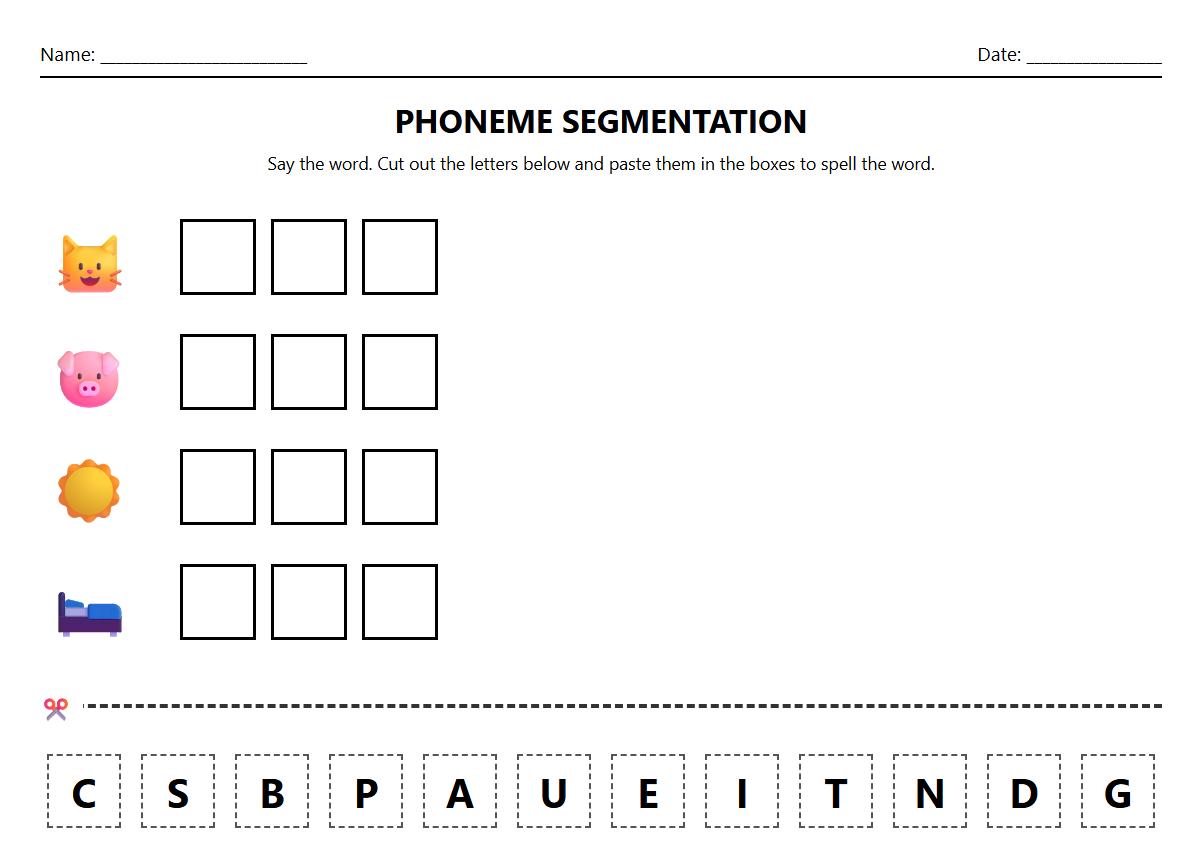
Worksheets that require children to draw lines connecting letters to corresponding pictures are excellent for sound-letter matching (letter recognition and tracing worksheets). Letter tracing combined with sound identification supports fine motor skills and auditory connection. Incorporating cut-and-paste activities where children pair letters and images enhances interaction. These exercises promote accurate phoneme to grapheme mapping.
Rhyming Tasks Supporting Sound Discrimination
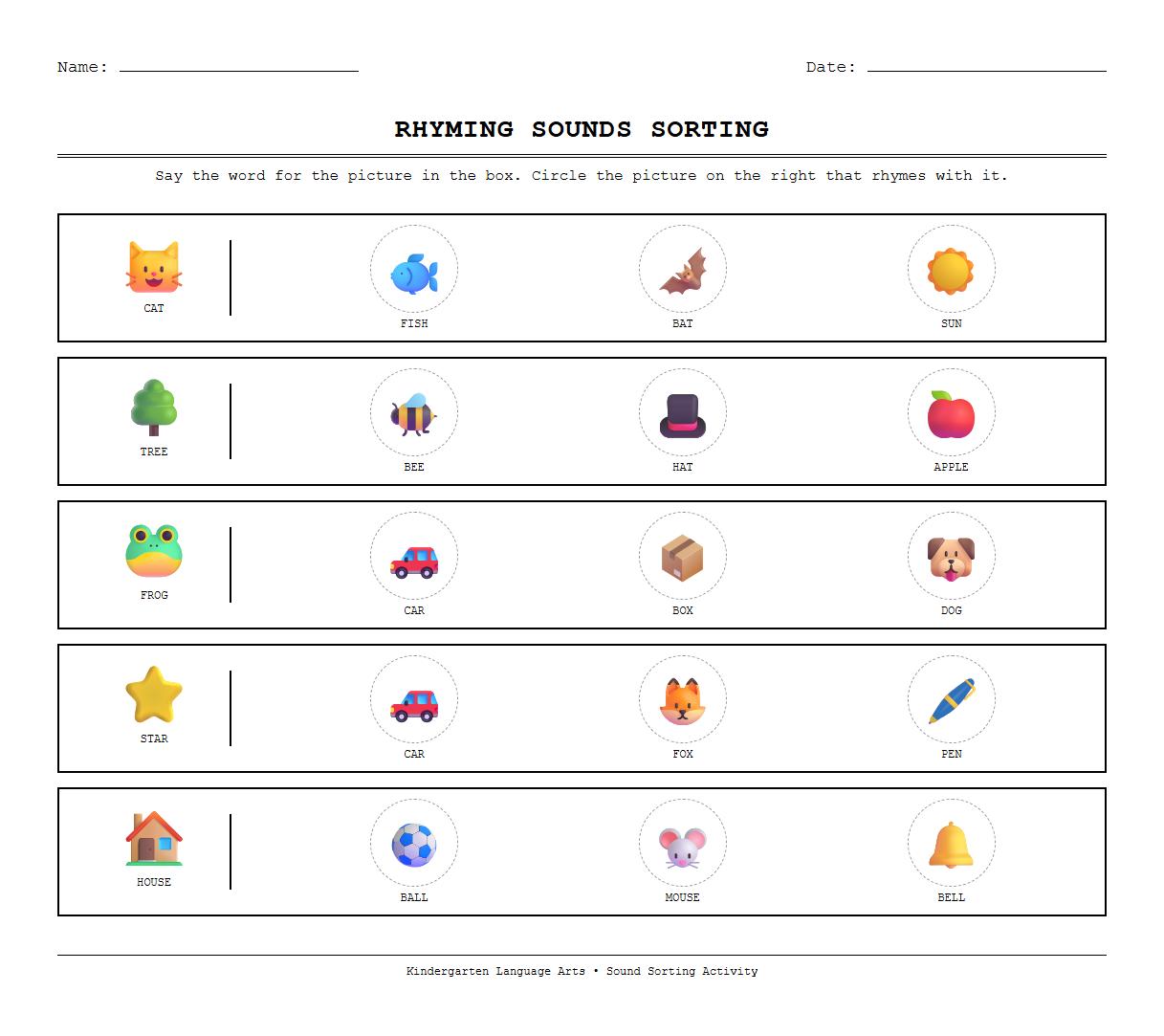
Rhyming activities on worksheets build sensitivity to sound patterns by highlighting word endings (writing prompts and rhyming tasks). Tasks like matching rhyming pairs or completing rhyming word families help sharpen auditory discrimination skills. Using fun illustrations alongside rhymes keeps children motivated. These tasks deepen phonological awareness vital for reading success.
Methods to Identify Ending Sounds in Words
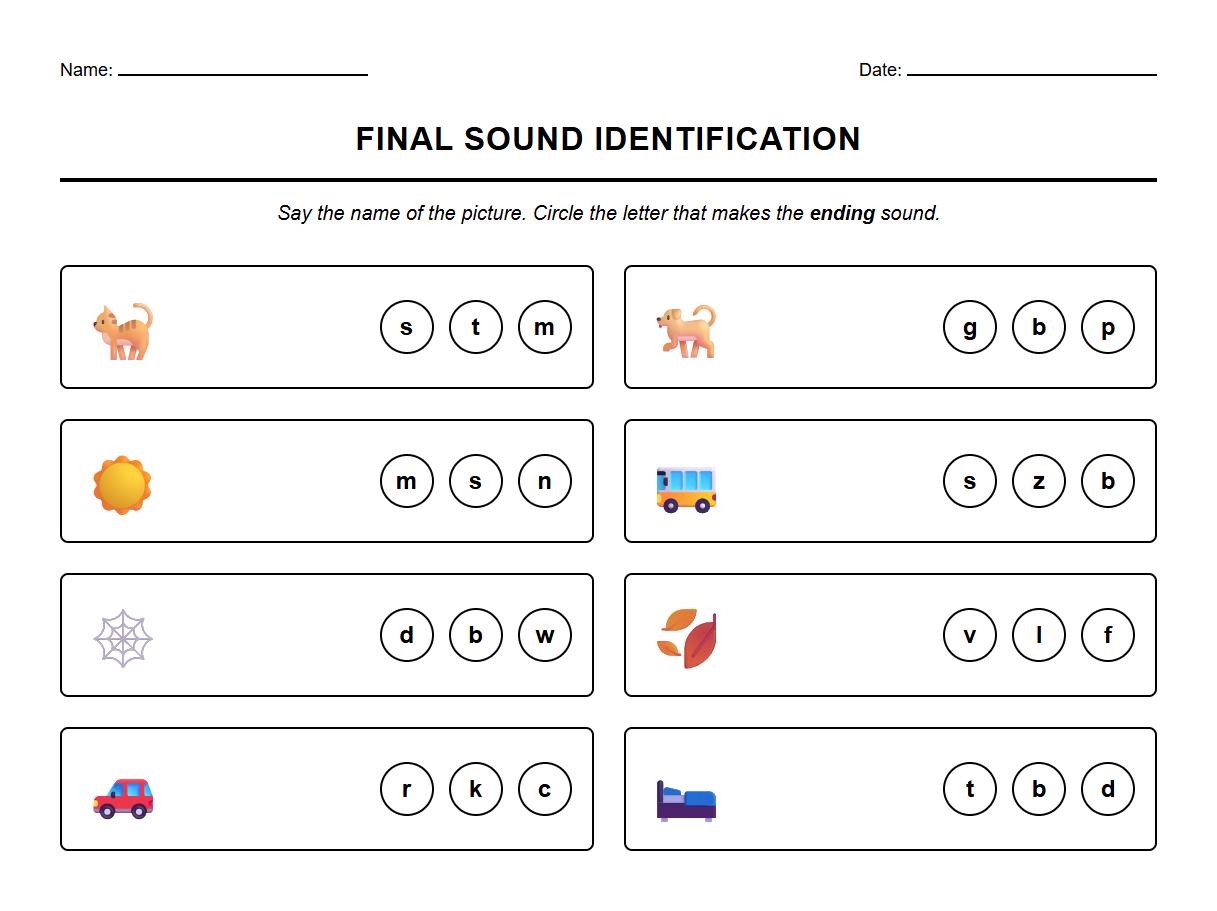
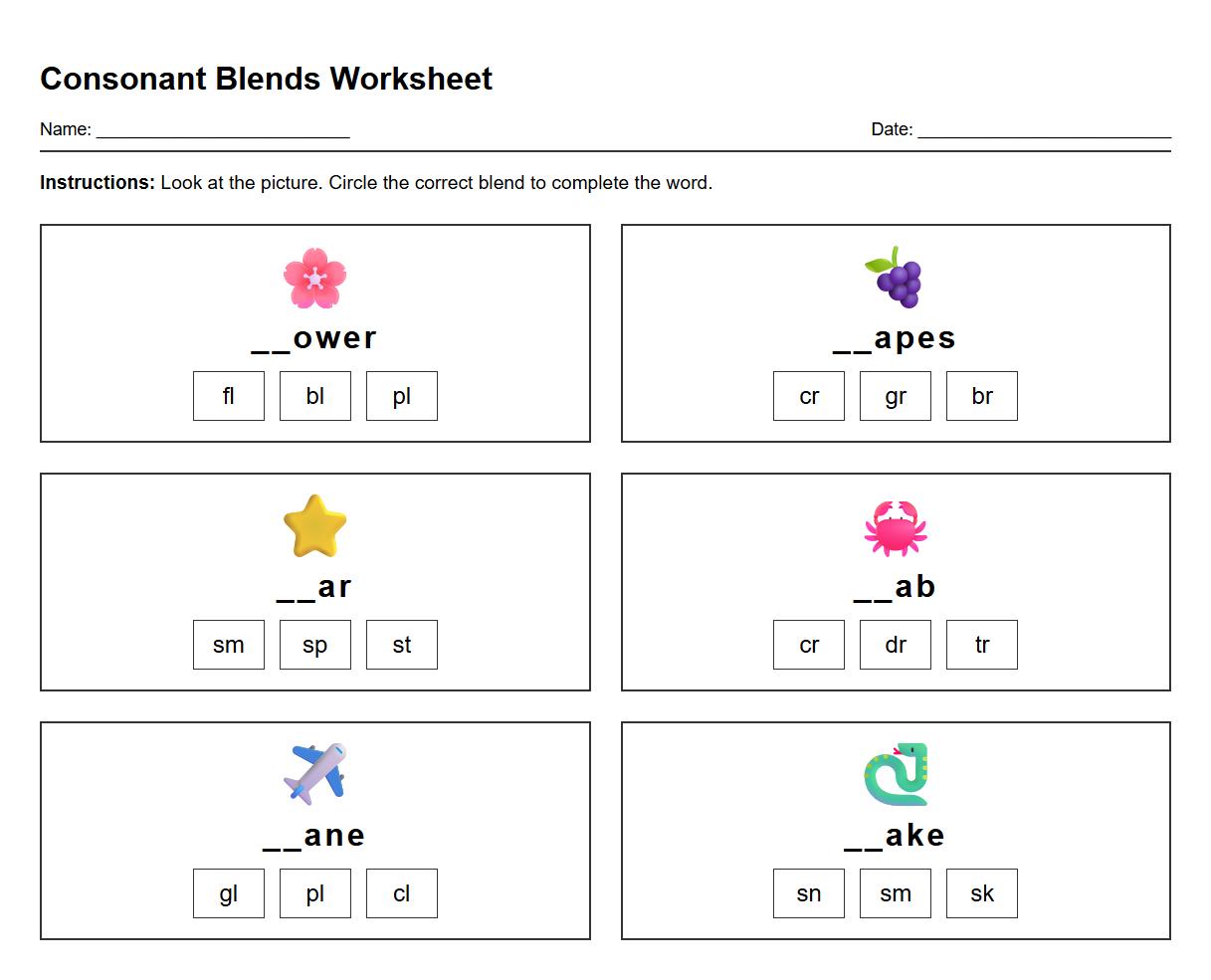
Encouraging children to listen carefully and isolate the final sound in words through worksheets is effective (digraphs and blends worksheets). Activities such as sorting pictures based on ending sounds or circling letters representing the last sound reinforce this skill. Repetitive practice with diverse word sets enhances accuracy. These methods lay a foundation for decoding and spelling proficiency.
Effective Phonics Games as Worksheet Activities
Worksheets incorporating games like sound bingo, letter scavenger hunts, and phoneme puzzles are engaging and educational (phonics worksheet games). These game-based activities motivate children to practice phonics concepts in a playful manner. Including instructions for group or solo play increases versatility. Game worksheets balance fun with targeted learning objectives.
Assessing Sound Discrimination with Phonics Worksheets
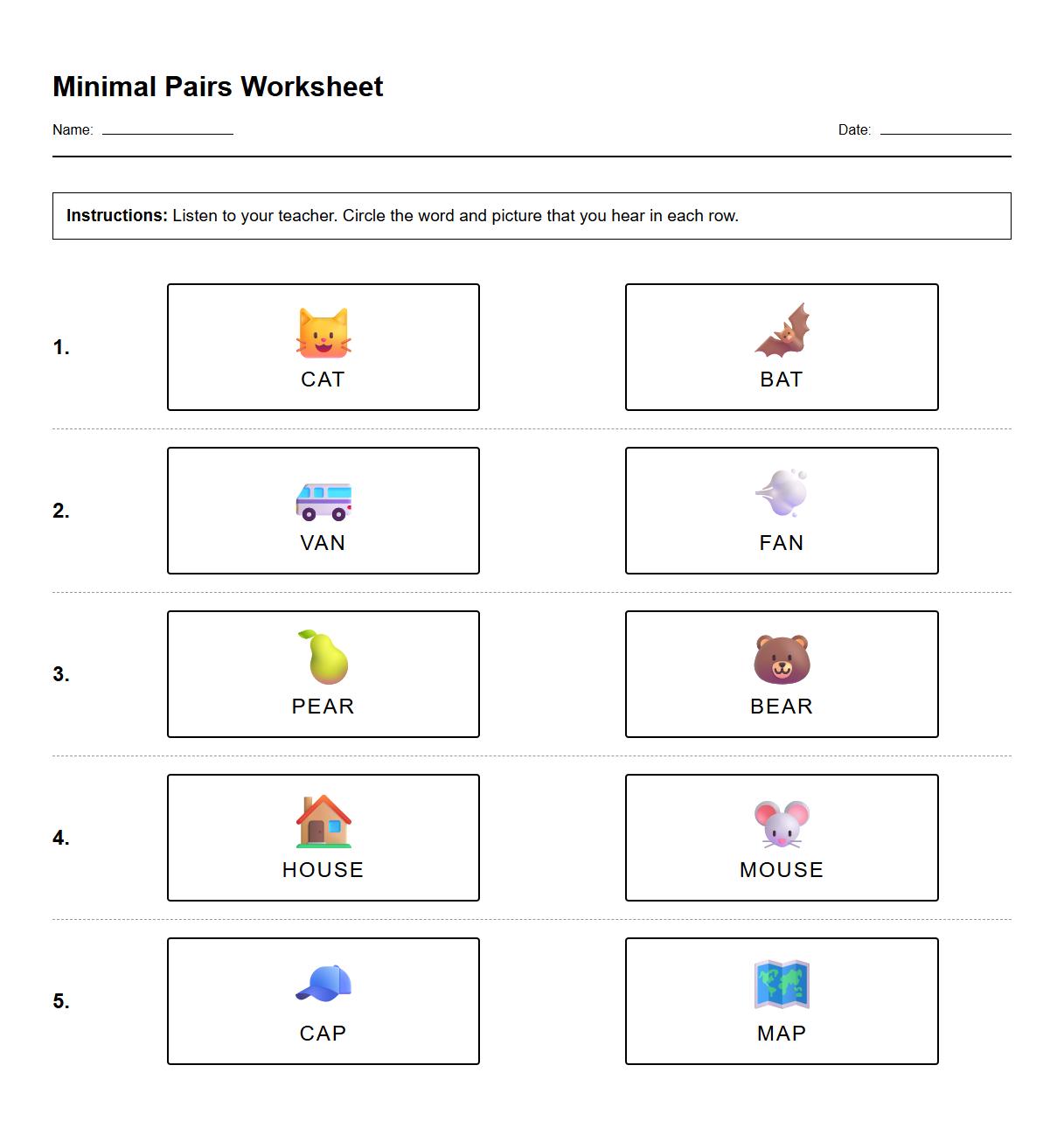
Teachers can use worksheets that ask children to identify, circle, or color sounds to measure sound discrimination progress (phonics assessment worksheets). Tasks comparing similar phonemes, such as "b" and "p," reveal learner strengths and difficulties. Regular assessment using varied exercises guides individualized instruction. These tools provide clear insight into phonemic awareness development.
Strategies to Help Struggling Learners Improve Phoneme Recognition
Multi-sensory approaches, combining visual, auditory, and kinesthetic activities within worksheets, support struggling students (kindergarten grammar worksheets). Simplified, repetitive exercises focusing on one phoneme at a time build confidence and mastery. Incorporating clear images and verbal cues reinforces learning pathways. Consistent practice with feedback enhances phoneme recognition over time.
Interactive Worksheets Supporting Auditory Discrimination
Interactive worksheets with audio components enable children to hear and then identify sounds, boosting auditory discrimination (interactive vocabulary and sound worksheets). Activities like sound matching and phoneme deletion benefit from interactive elements. These worksheets encourage active listening and immediate response, reinforcing learning. Technology integration enhances engagement and effectiveness.


Sight Words Phonics Worksheet Activities for Kindergarten Grade