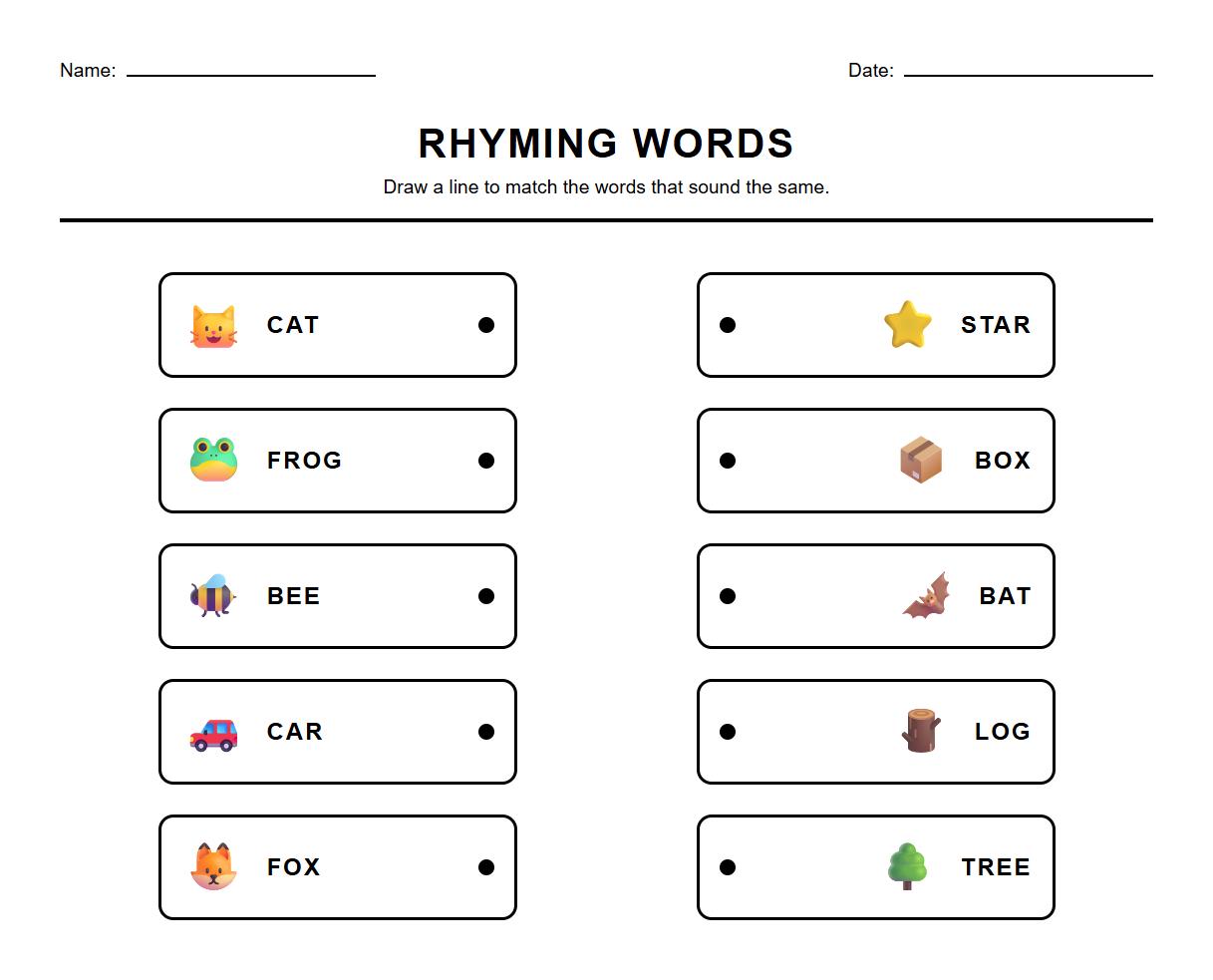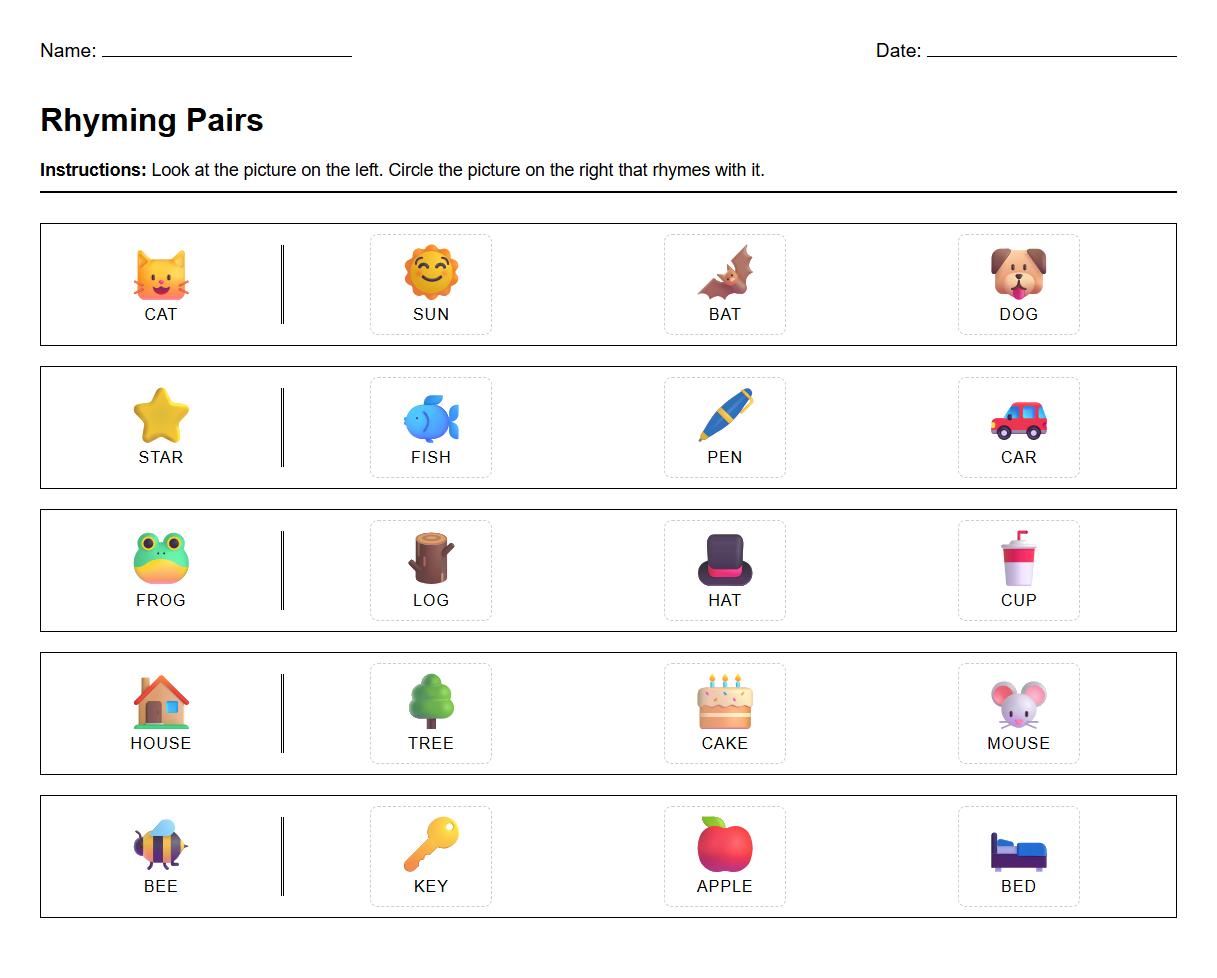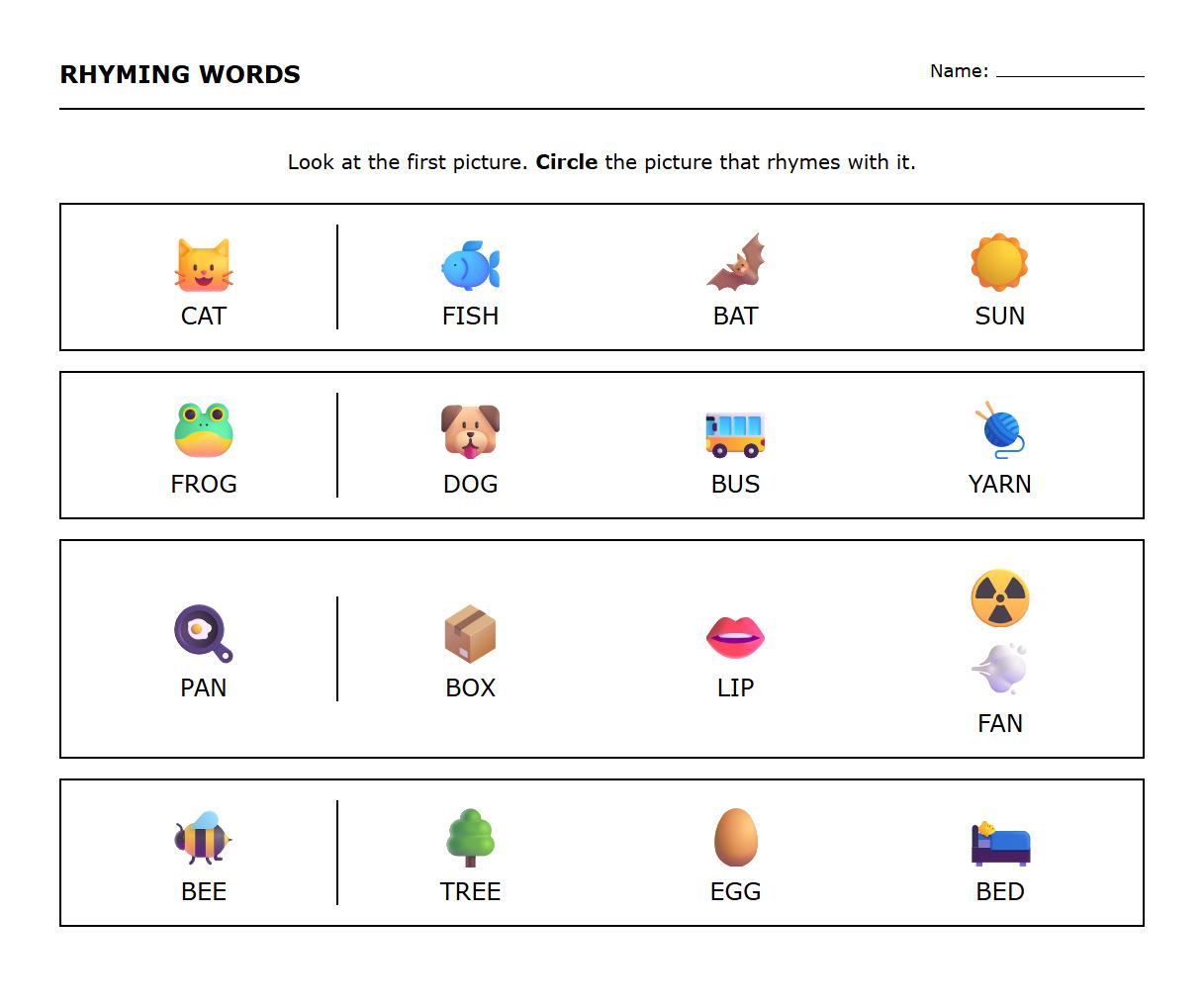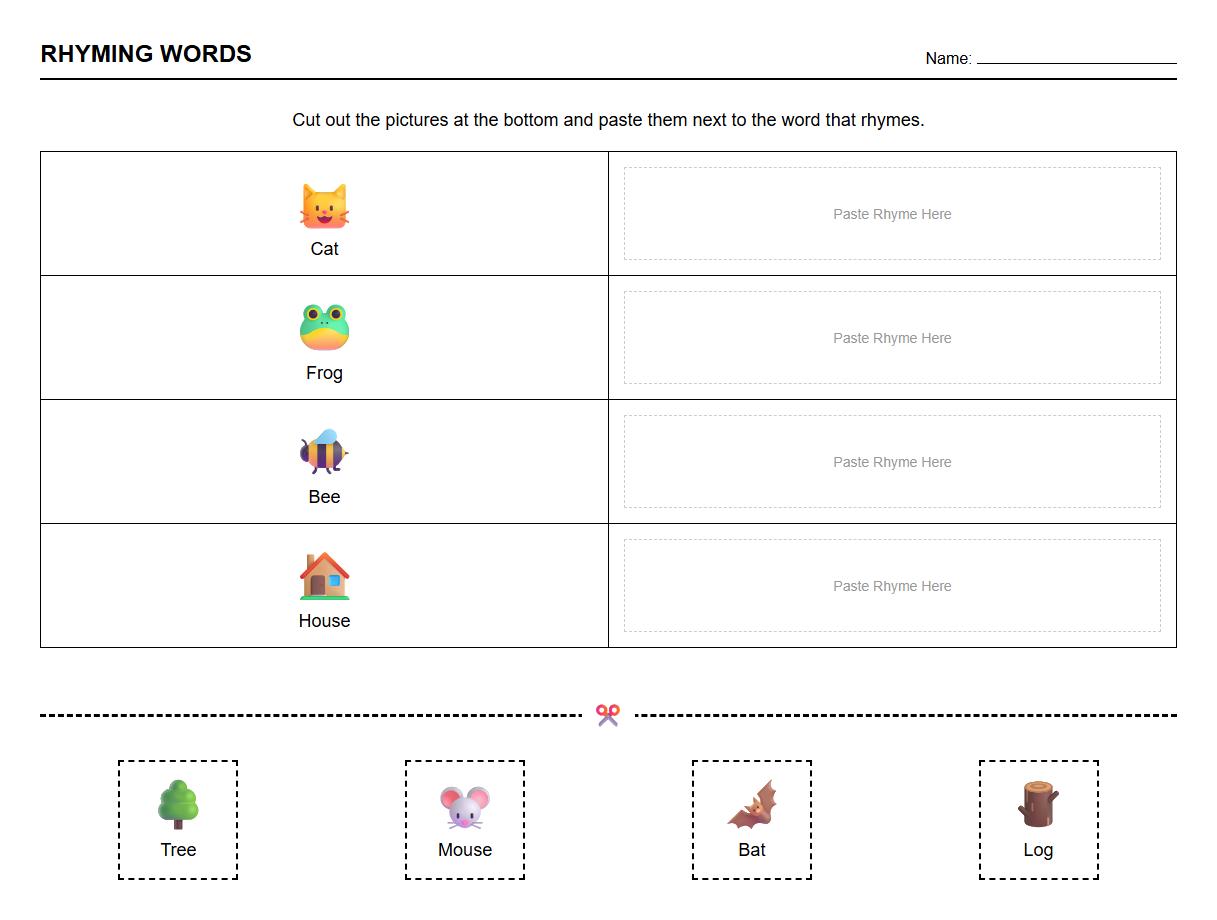
Kindergarten rhyming words worksheet exercises boost early literacy by helping children recognize sound patterns and develop phonemic awareness. These engaging activities stimulate creativity and improve vocabulary through fun, interactive tasks designed for young learners. Explore the variety of worksheets available to make rhyming practice enjoyable and effective for your child.
Fun Rhyming Word Pairs for Kindergarten Practice
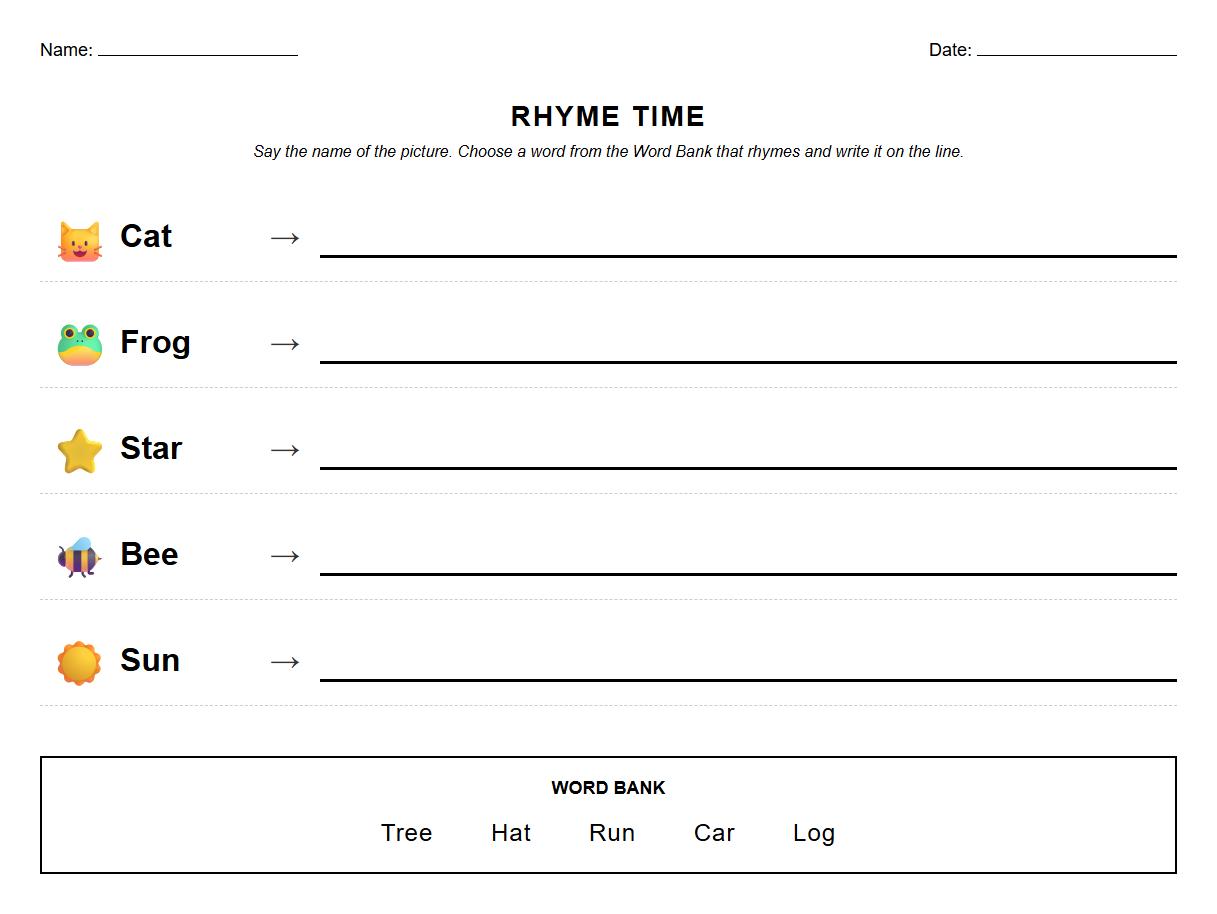
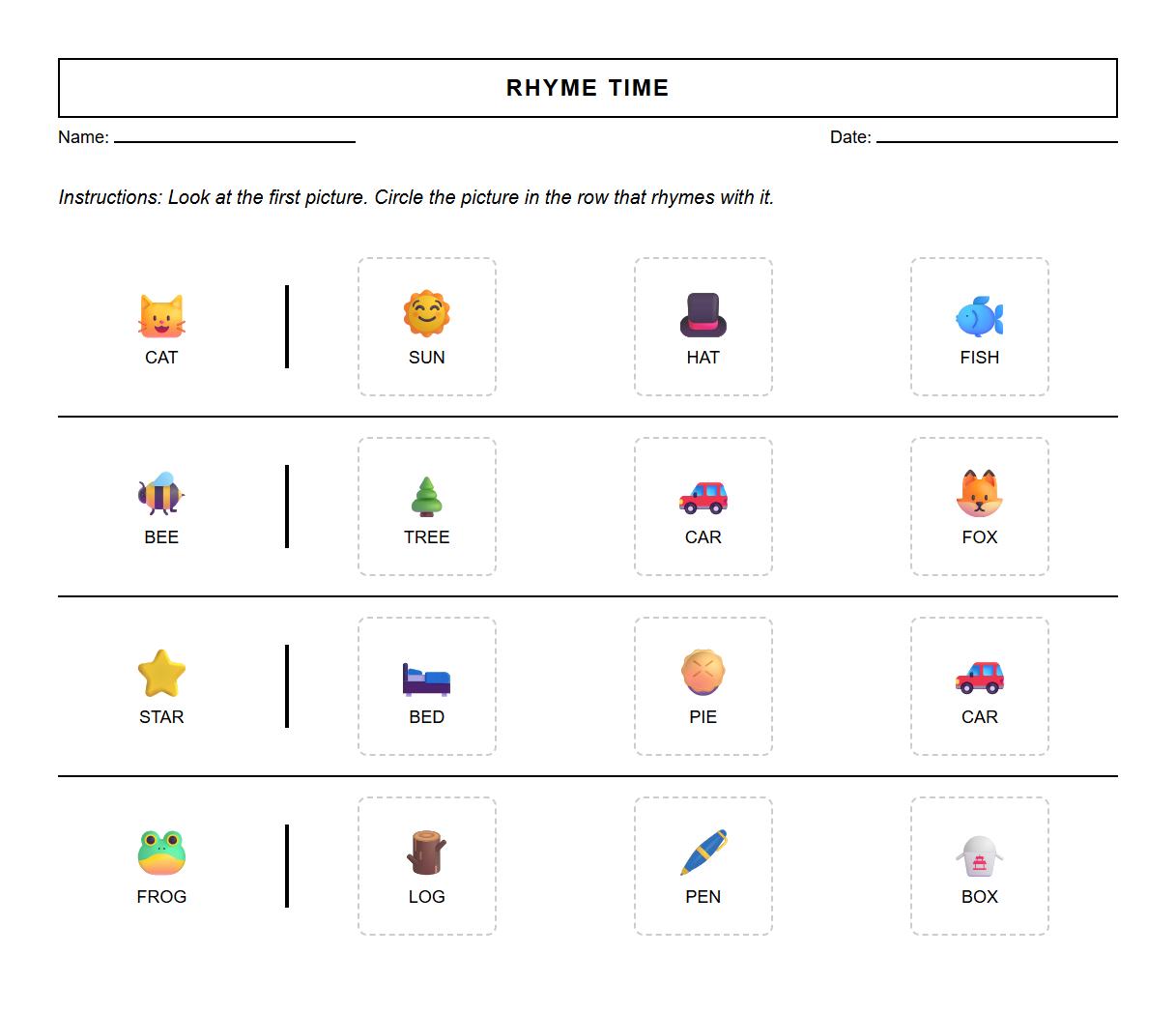
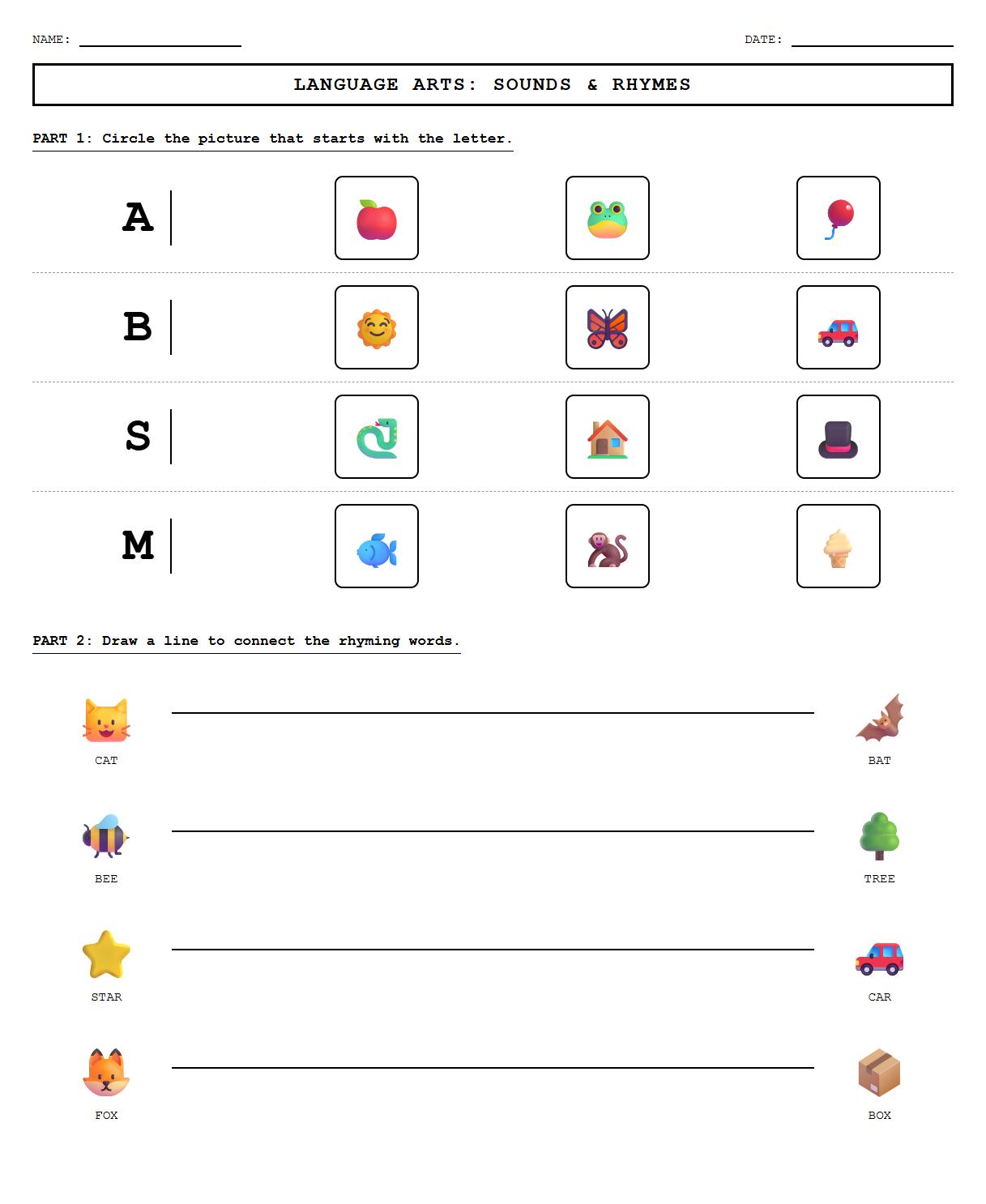
Engage children with simple and familiar rhyming pairs such as cat/hat, dog/frog, sun/run, and bee/tree. These pairs help develop early phonemic skills by focusing on similar ending sounds. Use words that relate to everyday objects or animals to keep learning relatable and fun. Introducing pairs gradually ensures children gain confidence with rhyming concepts.
Using Worksheets to Identify Rhyming Words
Worksheets provide structured practice by presenting simple sentences highlighting rhyming words. Kids can circle or underline rhymes, reinforcing their ability to spot similar sounds within context. Clear, illustrated examples help young learners connect words to meanings. This method strengthens both listening and visual recognition of rhymes.
Creative Activities to Enhance Rhyming Exercises
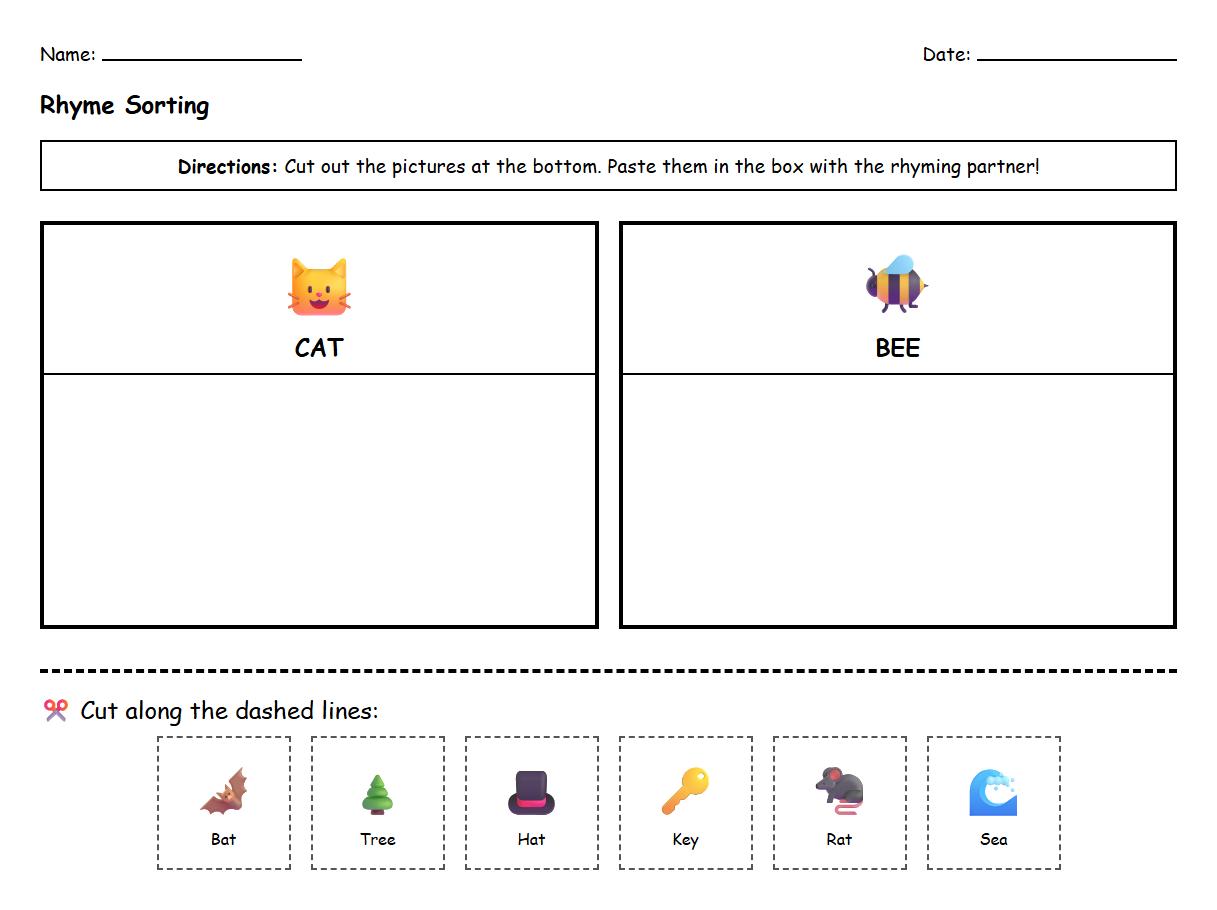
Add hands-on activities like rhyming word puzzles, matching games, or singing rhyming songs to make exercises playful. Storytelling with rhyming clues encourages imagination and use of language. Integrate movement by having children act out rhyming words for kinesthetic learning. These creative strategies boost engagement and retention.
How Rhyming Worksheets Support Phonemic Awareness
Phonemic awareness grows as children learn to hear and distinguish rhymes, an essential step for reading development. Worksheets allow repeated practice with sounds, sharpening auditory discrimination. Highlighting rhyming pairs visually emphasizes sound patterns. Early mastery of rhymes is linked to improved literacy skills.
Picture-Based Exercises for Recognizing Rhymes
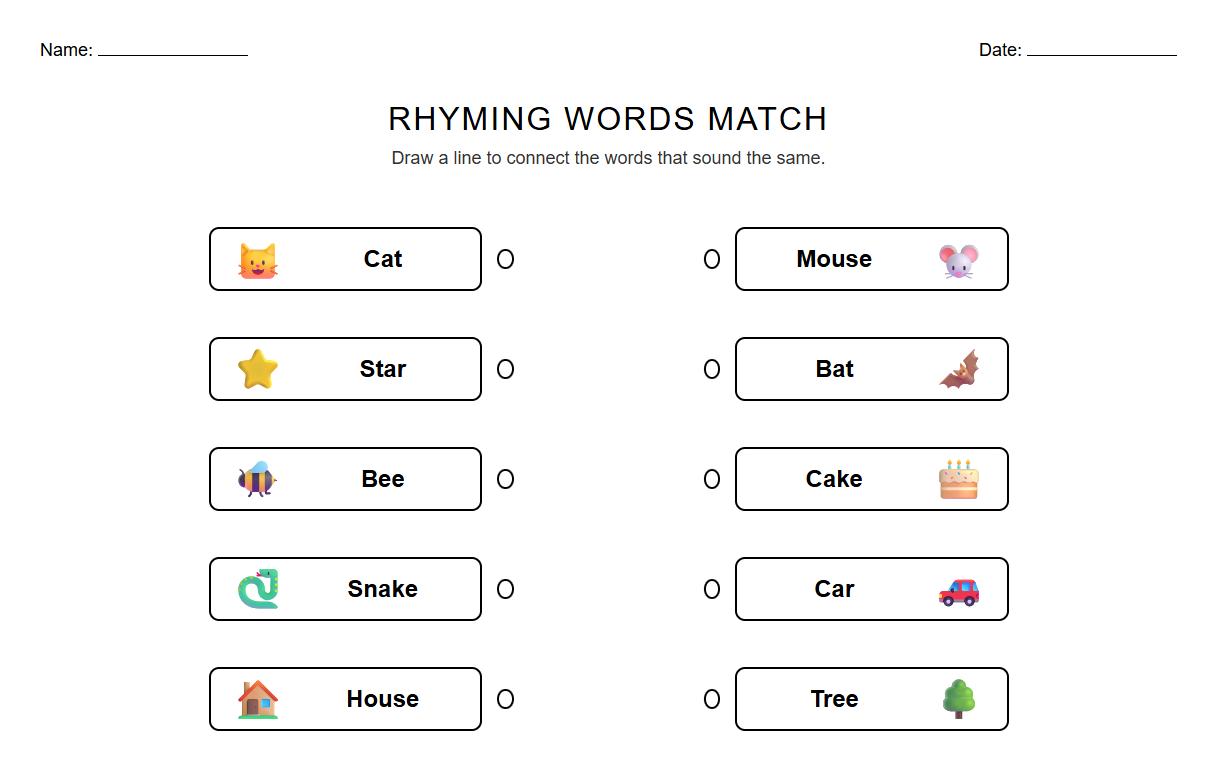
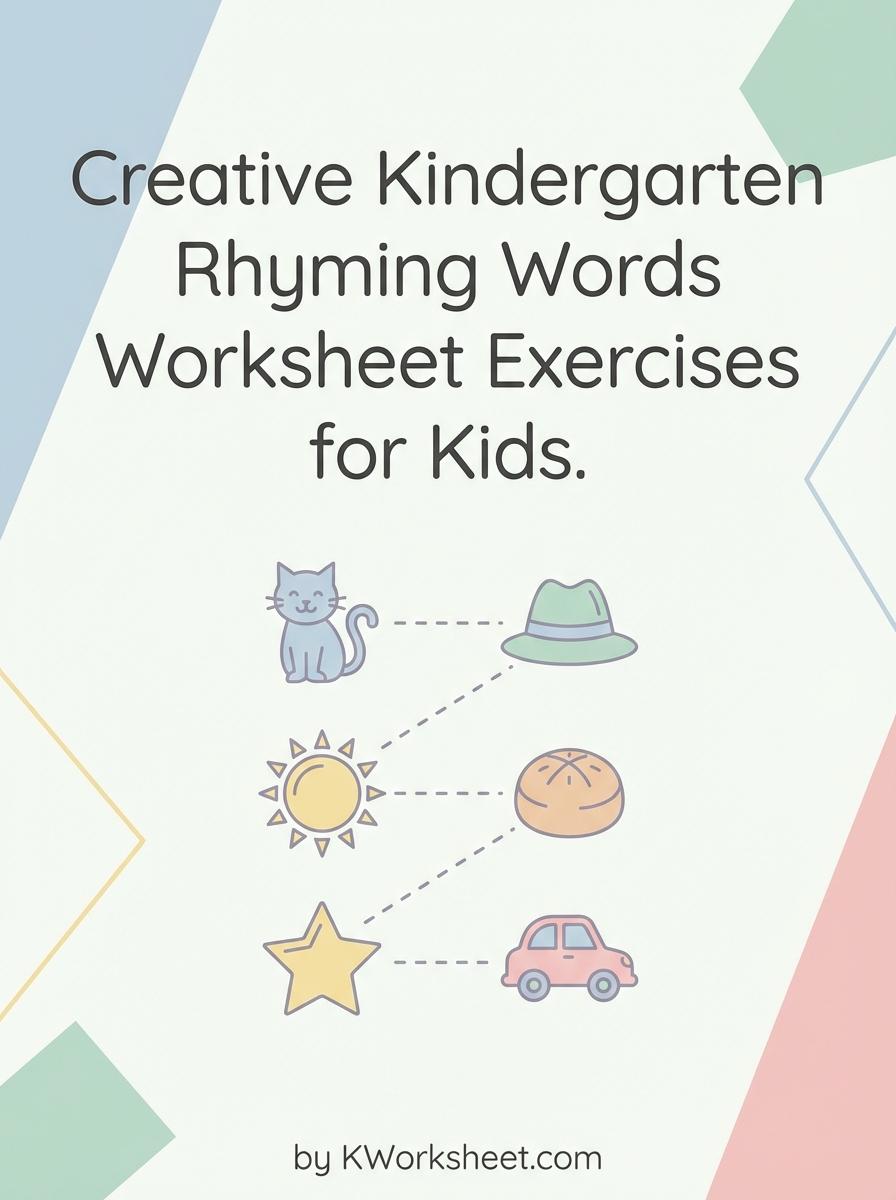
Use worksheets containing pairs of pictures where children identify and draw lines between rhyming images, such as a cat and a hat. Visual supports help kids associate words with sounds in a concrete way. These activities make abstract phonetic concepts accessible. Pictures add a fun, interactive element to learning.
Effective Ways to Assess Rhyming Understanding
Assessment can involve asking children to find or produce rhyming words from given sets on worksheets. Use fill-in-the-blank sentences and matching exercises to gauge recognition. Observing their accuracy and confidence provides valuable insight into learning progress. Frequent, low-pressure assessments encourage practice without stress.
Incorporating Drawing and Coloring in Rhyming Worksheets
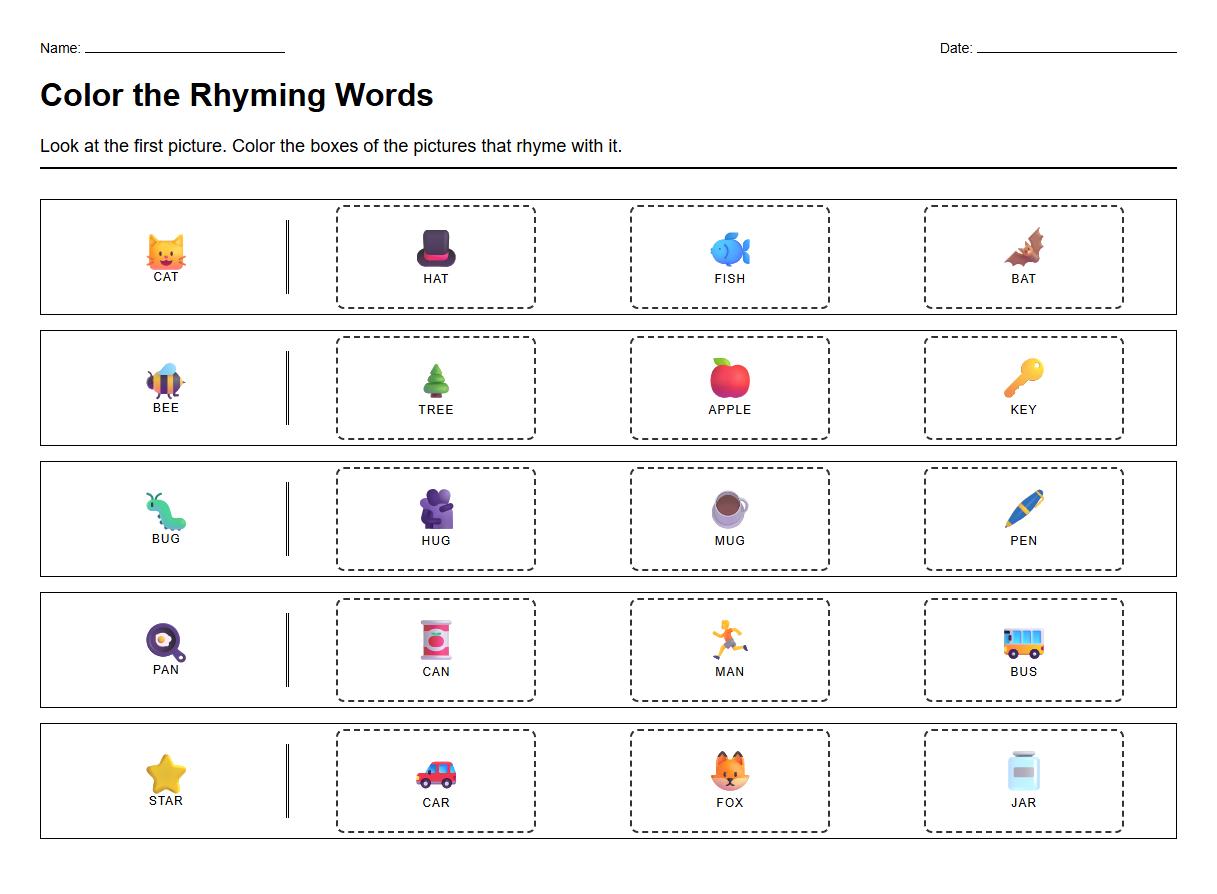
Encourage children to color pictures of rhyming words or draw their own illustrations for selected pairs. This creative element deepens engagement and reinforces memory through multi-sensory input. Coloring also supports fine motor skill development alongside literacy growth. Visual arts enhance the enjoyment of learning rhymes.
Simple Fill-in-the-Blank Rhyming Exercises
Blank spaces in sentences invite children to complete phrases with appropriate rhyming words. For example, "The cat wore a ___" where kids fill in "hat." These worksheets strengthen prediction and phonetic skill-building by contextualizing rhyme use. Simple structure helps maintain focus without overwhelming learners.
Using Nursery Rhymes in Rhyming Worksheets
Familiar nursery rhymes like "Twinkle Twinkle Little Star" or "Humpty Dumpty" provide natural rhyming patterns for worksheet content. Extract lines or words to create matching or sequencing activities. Leveraging songs children already know makes rhyming relatable and memorable. Nursery rhymes are ideal for rhythmic and phonological learning.
Enhancing Learning with Group Rhyming Activities
Group-based rhyming tasks encourage collaboration and communication among young learners. Activities like rhyming word chain games foster peer interaction and social skills. Worksheets used in pairs or small groups can prompt discussion and collective problem-solving. This cooperative environment enriches rhyming practice.


Hands On Rhyming Words Worksheet Activities for Kindergarten Phonics