Fun Phonics Based Alphabet Tracing Worksheet for Young Learners

📅 Jun 12, 2025 👤 Nylen Smith

Phonics-based alphabet tracing worksheets enhance early literacy skills by combining letter recognition with sound awareness, helping young learners associate letters with their corresponding phonetic sounds. These engaging exercises promote fine motor development and reinforce proper letter formation, making the learning process both enjoyable and effective. Explore the collection of fun phonics-based alphabet tracing worksheets available to support your child's reading journey.

Interactive phonics alphabet tracing worksheet with letter sound matching
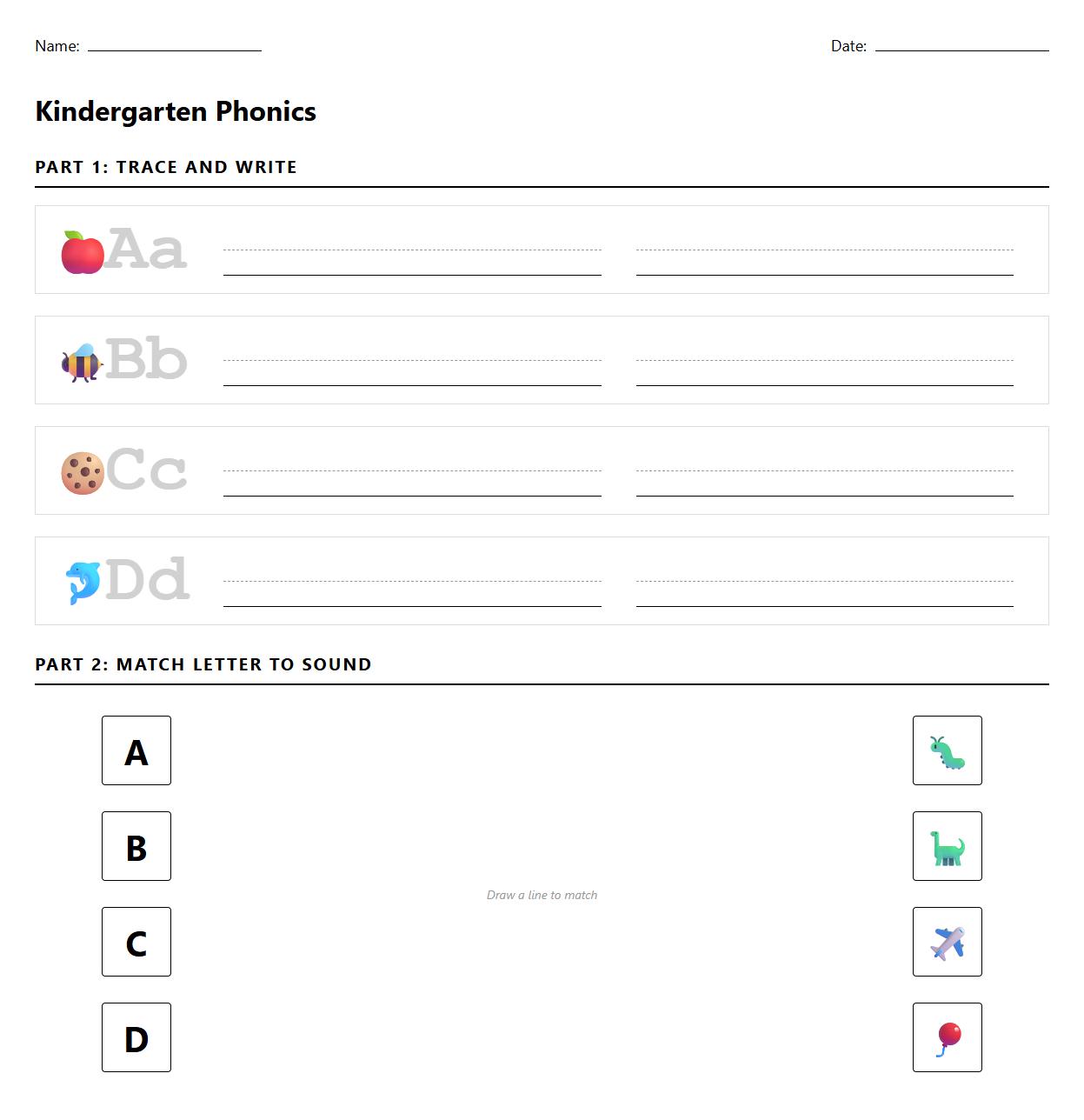
Interactive phonics alphabet tracing worksheet with letter sound matching

Download PDF     Pin it

Uppercase and lowercase phonics tracing worksheet for letter recognition
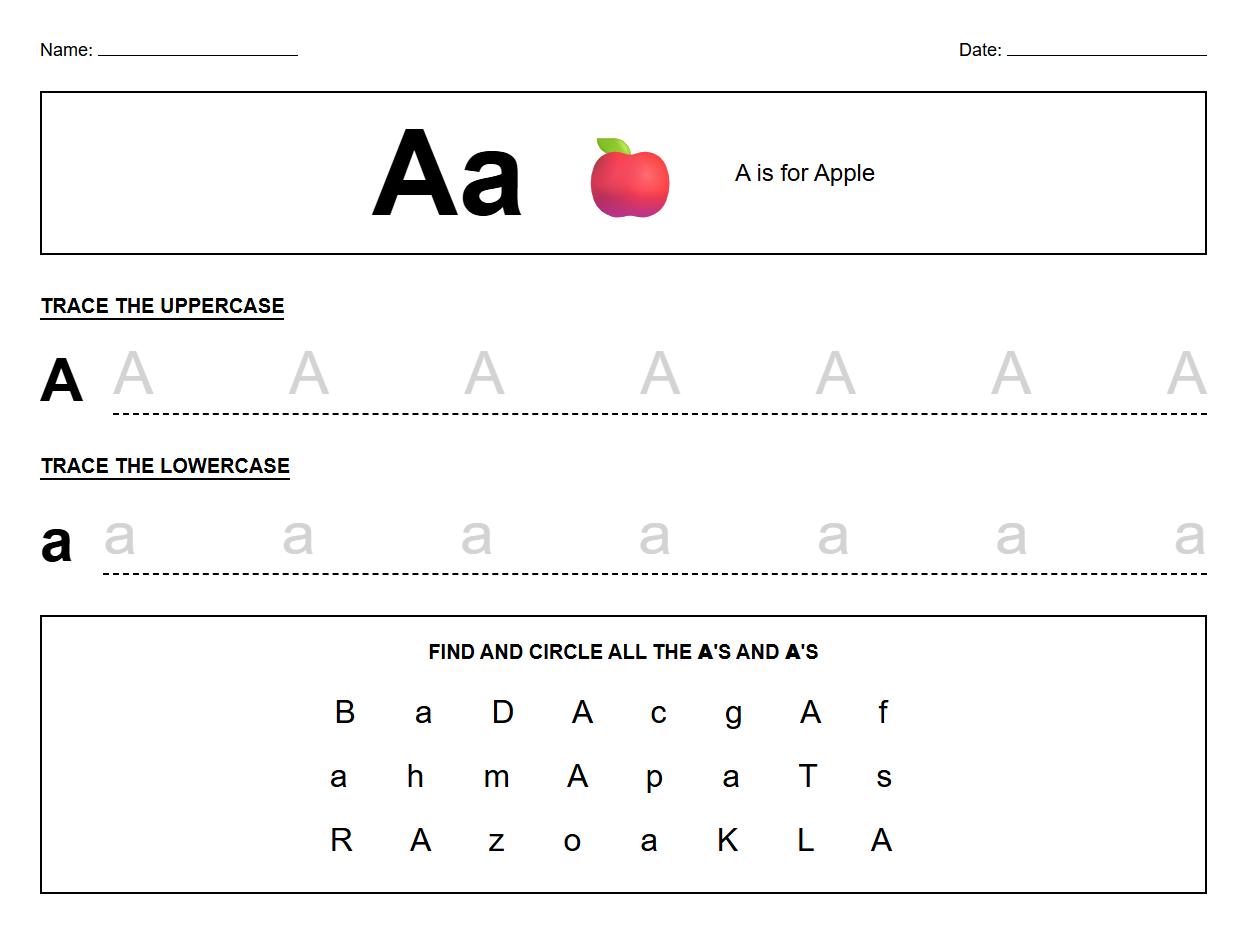
Uppercase and lowercase phonics tracing worksheet for letter recognition

Download PDF     Pin it

Beginning sound phonics tracing worksheet combining images and letters
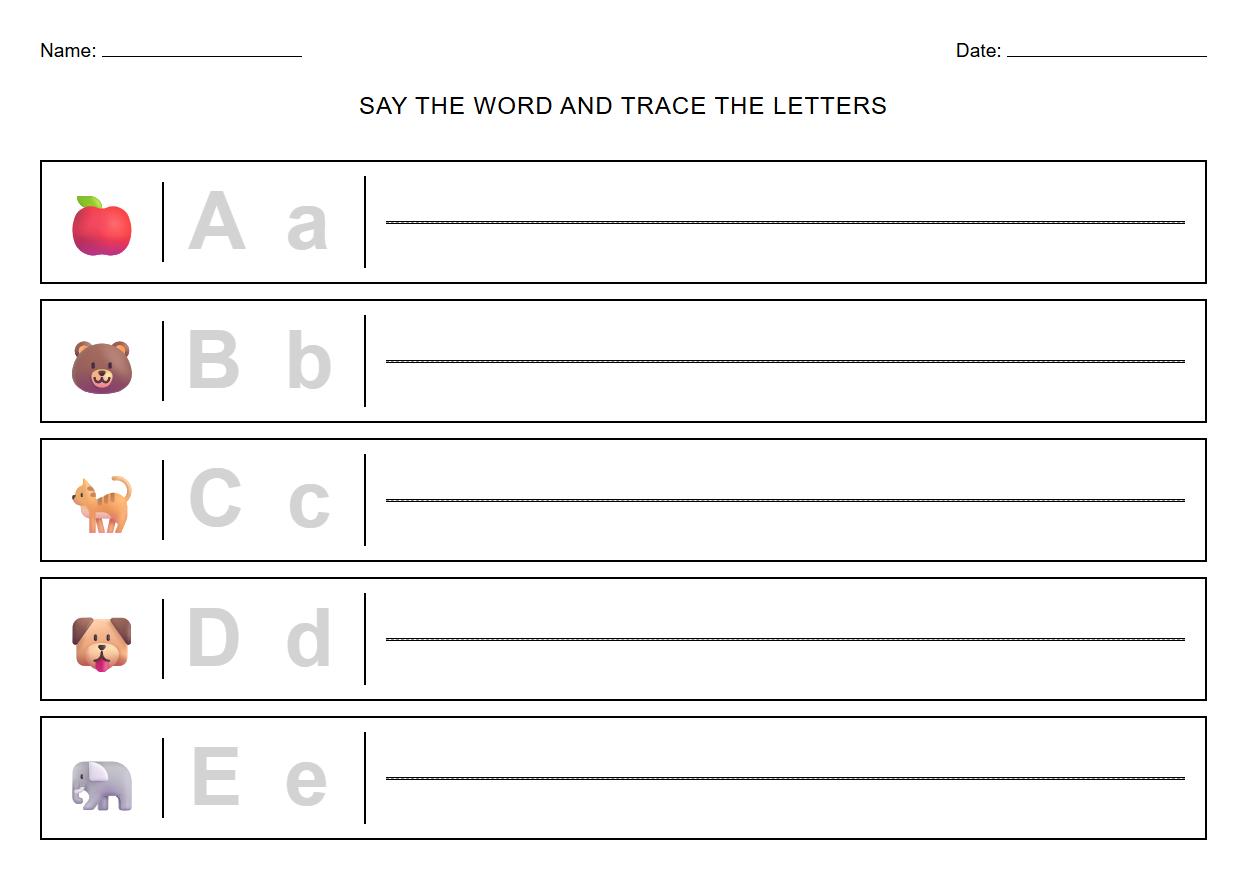
Beginning sound phonics tracing worksheet combining images and letters

Download PDF     Pin it

Phonics blending worksheet with alphabet tracing and digraph introduction
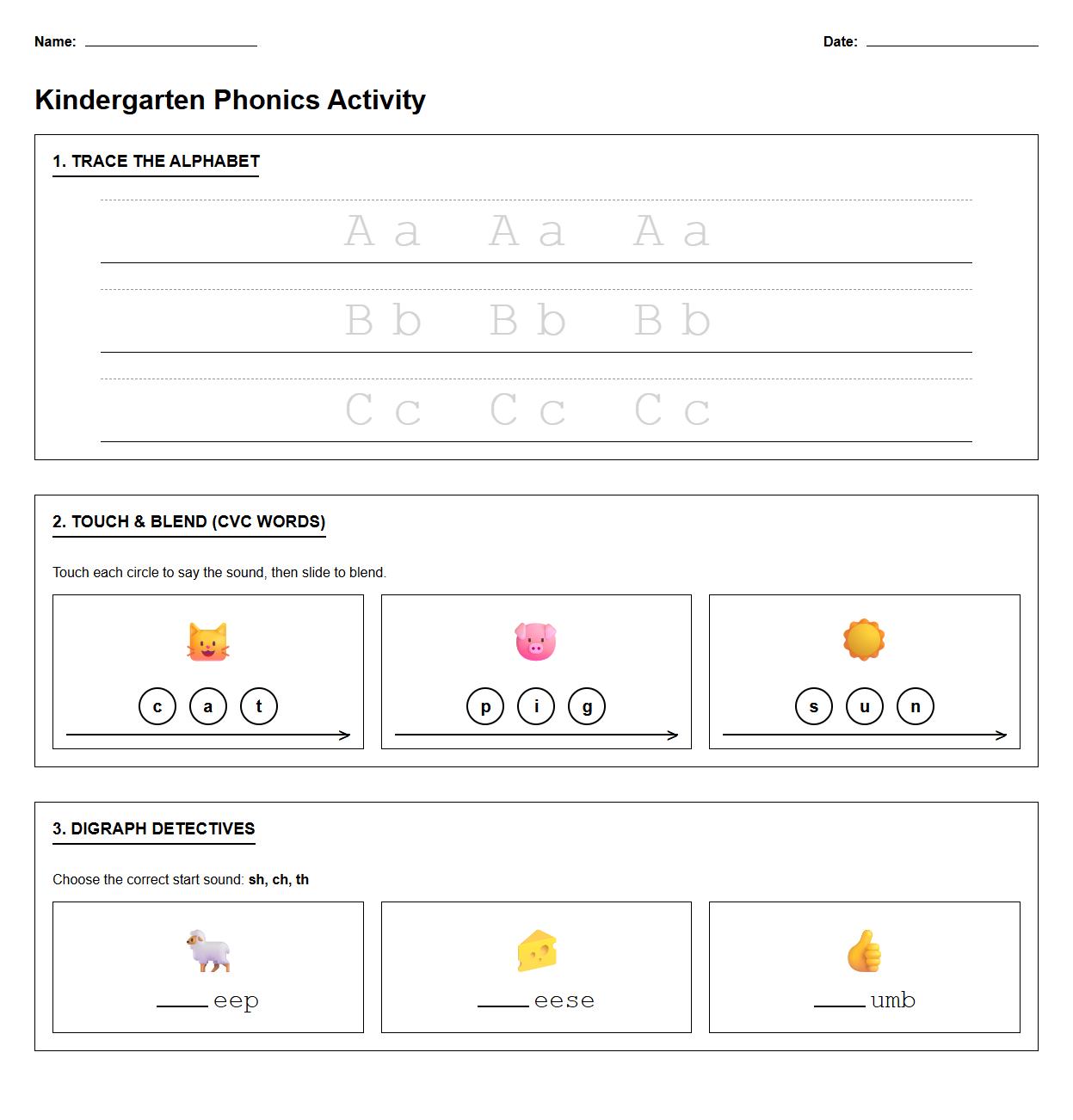
Phonics blending worksheet with alphabet tracing and digraph introduction

Download PDF     Pin it

Rhyming word tracing worksheet focused on initial alphabet phonemes
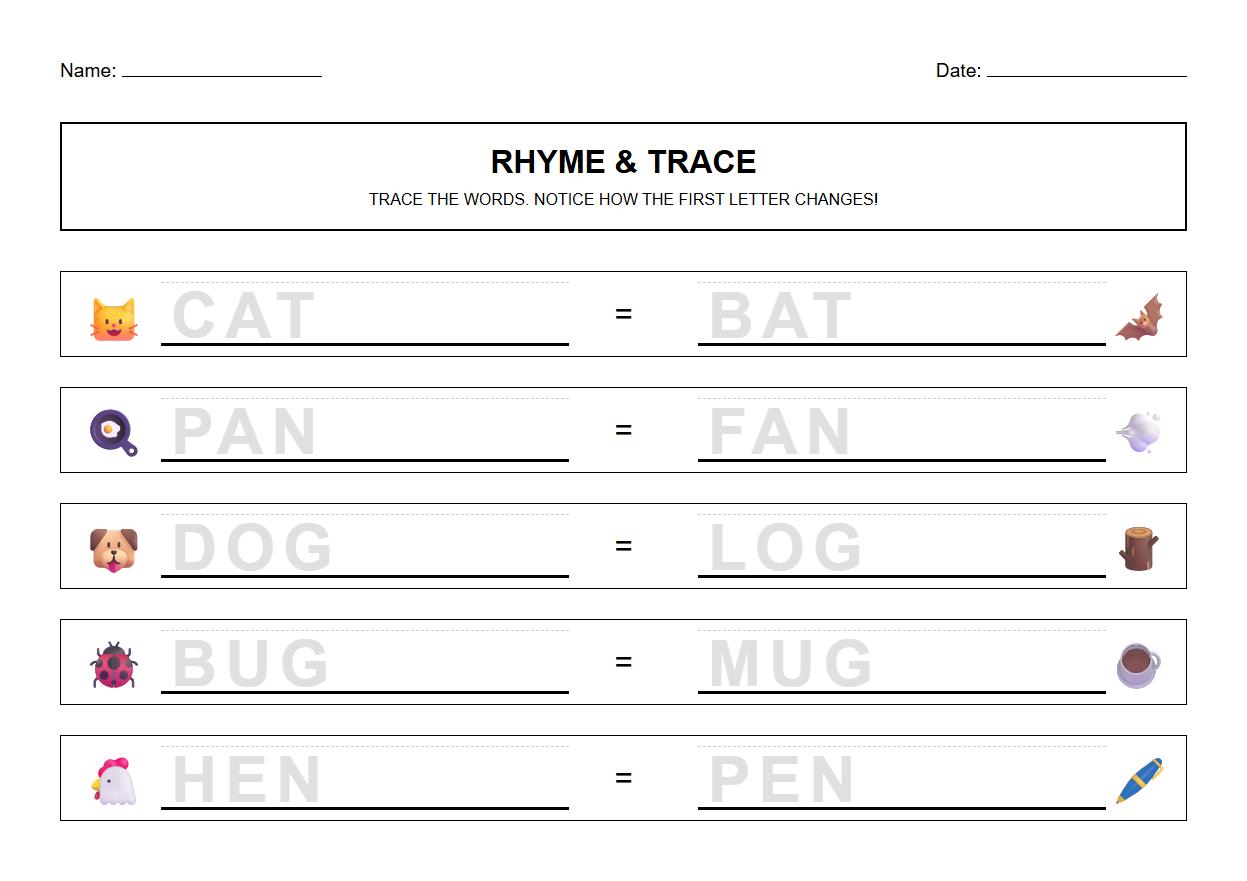
Rhyming word tracing worksheet focused on initial alphabet phonemes

Download PDF     Pin it

Tracing worksheet with CVC word building using alphabet phonics
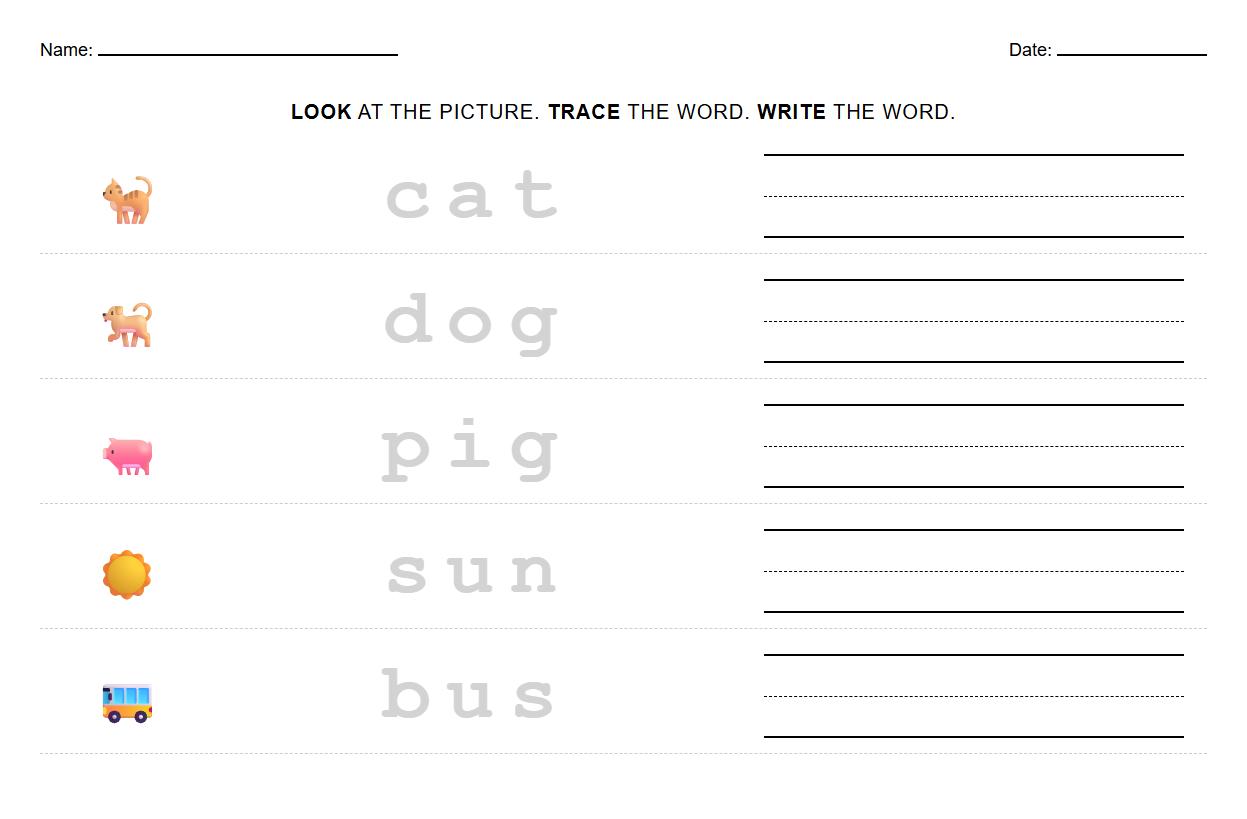
Tracing worksheet with CVC word building using alphabet phonics

Download PDF     Pin it

Alphabet maze worksheet integrating phonics sound tracing paths
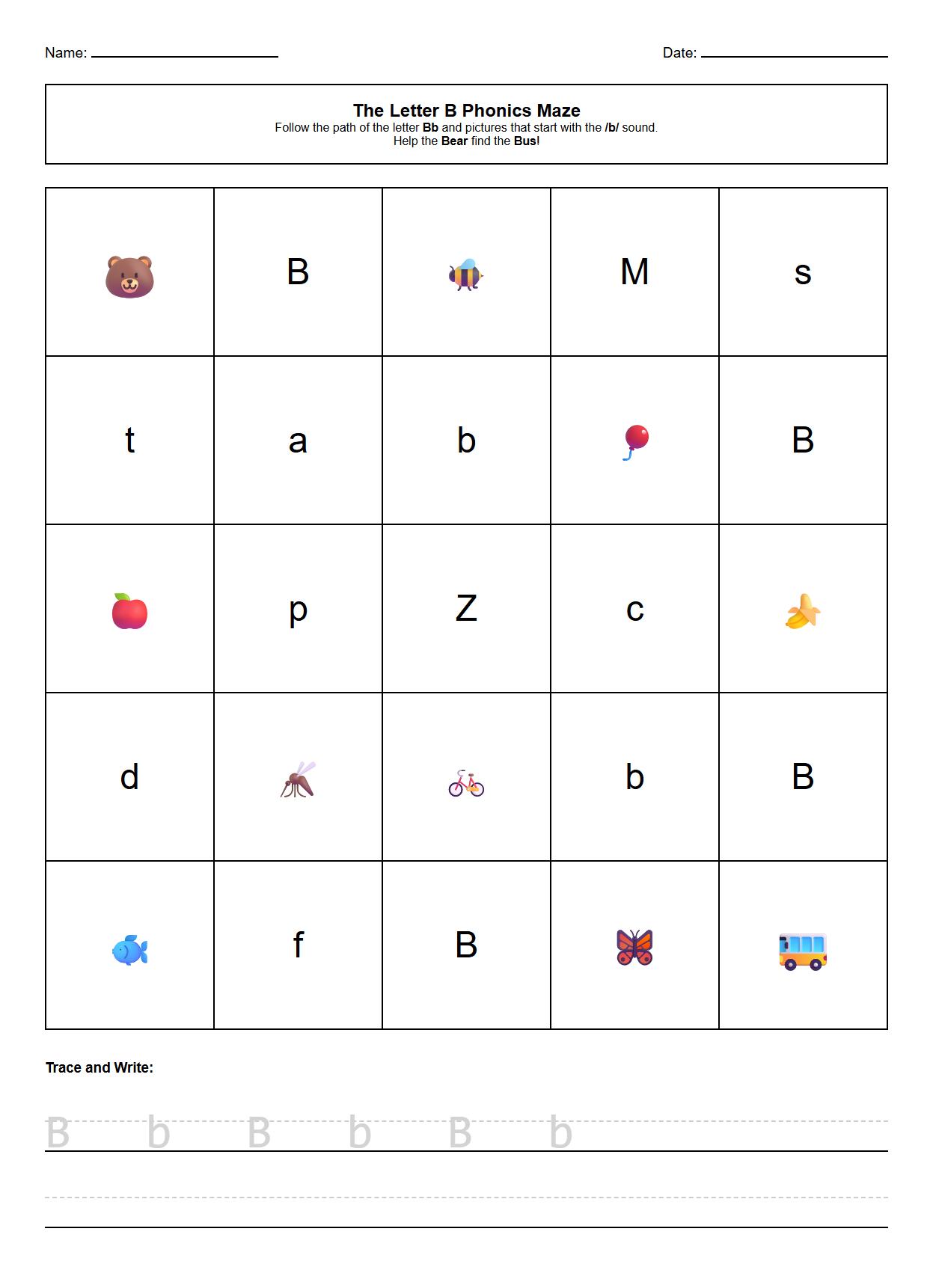
Alphabet maze worksheet integrating phonics sound tracing paths

Download PDF     Pin it

Phonics handwriting worksheet with dotted alphabet tracing for fine motor skills
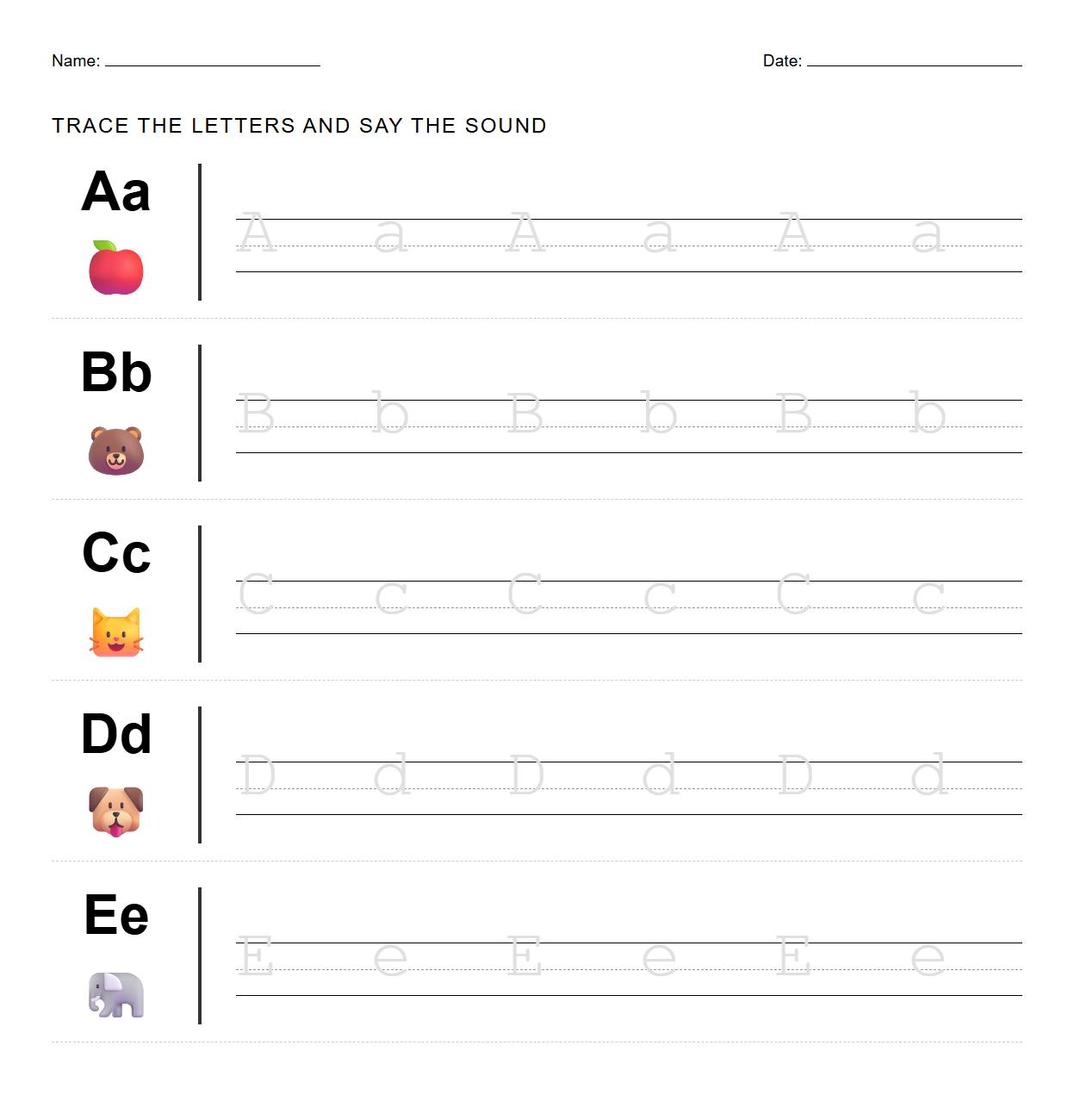
Phonics handwriting worksheet with dotted alphabet tracing for fine motor skills

Download PDF     Pin it

Multi sensory phonics tracing worksheet with color coded letter cues
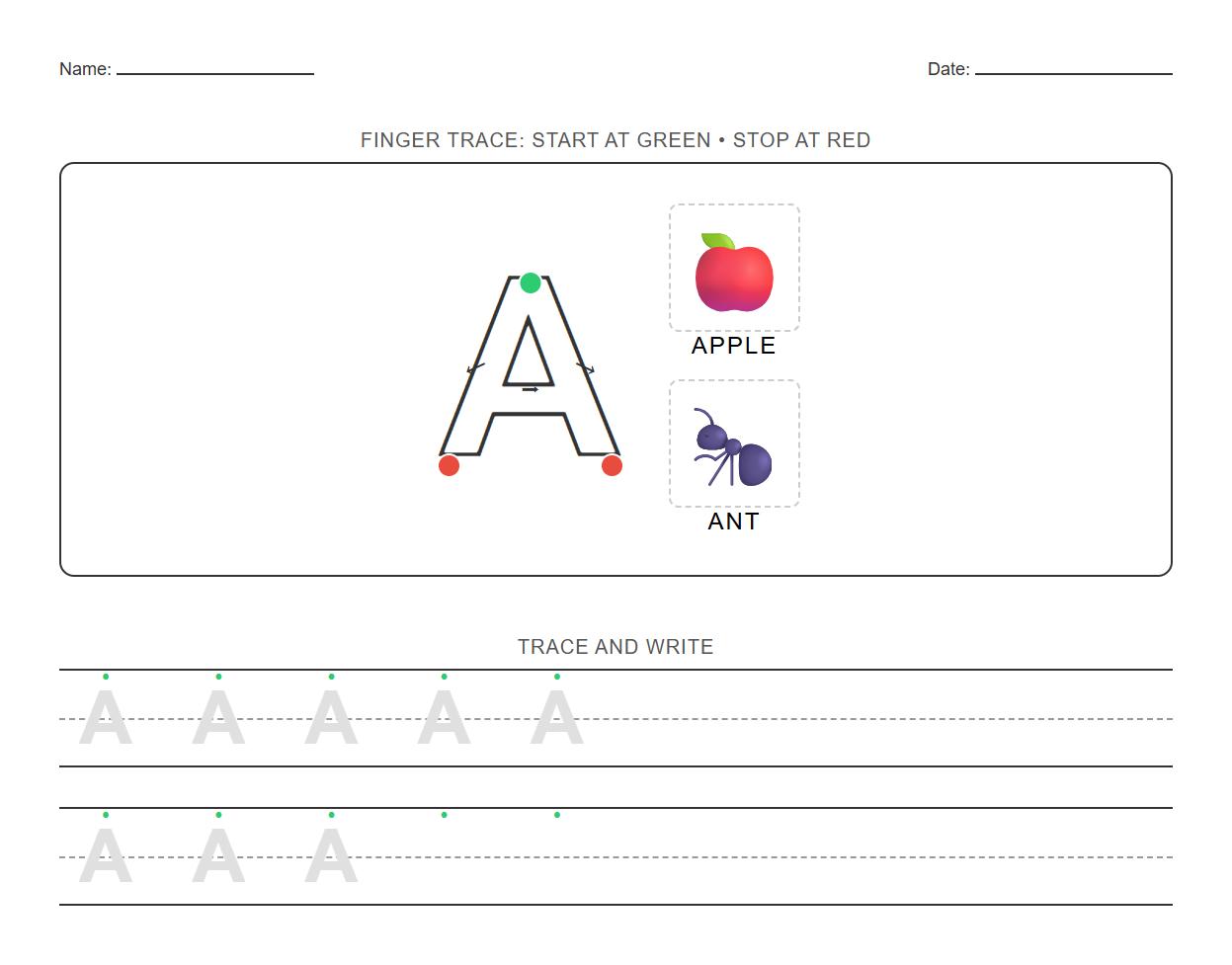
Multi sensory phonics tracing worksheet with color coded letter cues

Download PDF     Pin it

Syllable segmentation worksheet with alphabet tracing and picture clues
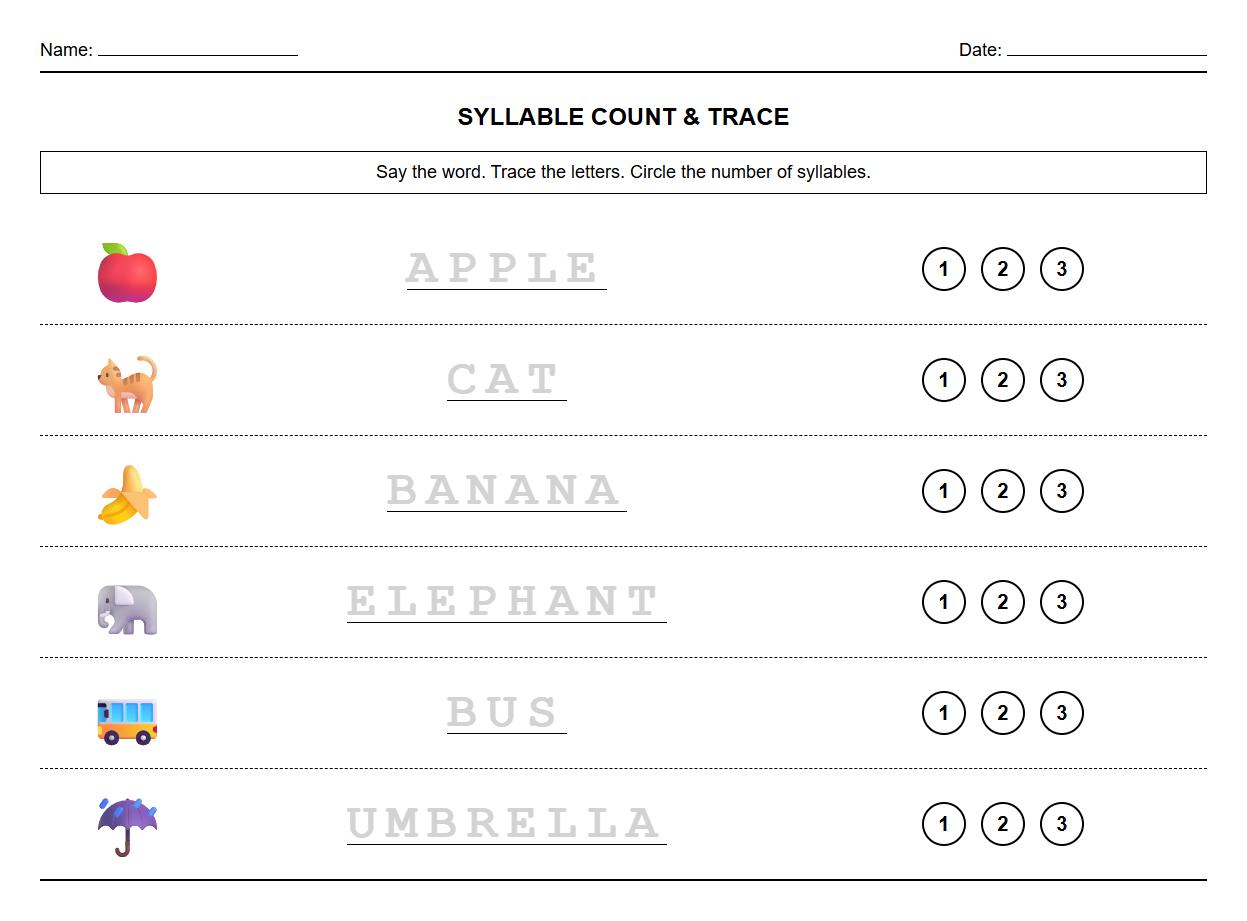
Syllable segmentation worksheet with alphabet tracing and picture clues

Download PDF     Pin it

Benefits of Using Phonics-Based Alphabet Tracing Worksheets

Phonics-based alphabet tracing worksheets provide young learners with a strong foundation in letter recognition and sound association. These worksheets enhance fine motor skills and encourage consistent practice of letter formation. By integrating phonics, children gain improved decoding abilities, which support early reading development. This method creates a multisensory experience that strengthens overall literacy skills.

How Alphabet Tracing Worksheets Develop Early Writing Skills

Alphabet tracing worksheets help children practice precise hand movements necessary for writing. They improve muscle memory and coordination by guiding learners to form letters correctly. These activities also build confidence and independence in writing tasks. Regular tracing supports a smooth transition from kindergarten to more advanced writing exercises.

Which Letter Sounds to Introduce First in Kindergarten Phonics

Kindergarten phonics programs typically begin with simple, commonly used consonant sounds like /m/, /s/, /a/, /t/, and /p/. These sounds are easier for young learners to articulate and recognize. Introducing letters with clear, distinct sounds ensures early success and motivation. Vowels are gradually incorporated to develop word-building skills.

Tracing Worksheets Support Letter Recognition and Phonemic Awareness

Tracing worksheets reinforce letter shapes alongside their corresponding sounds, strengthening phonemic awareness. This dual focus helps learners connect visual and auditory components of language. Consistent tracing practice supports memory retention of letter names and sounds. It also prepares children for blending sounds into simple words.

Best Materials for Making Alphabet Tracing Fun and Engaging

Using colorful markers, textured tracing paper, and dry-erase boards can make tracing activities more interactive. Sensory materials like sand or gel trays add tactile interest to letter formation. Incorporating stickers and stamps as rewards increases motivation and enjoyment. These tools encourage active participation and reinforce learning.

Recommended Frequency for Effective Letter Tracing Practice

Young learners benefit most from short, daily tracing sessions lasting 10 to 15 minutes. Consistency is key to developing muscle control and letter recognition. Frequent practice prevents skill regression and builds confidence. Balancing tracing with playful literacy activities maintains engagement.

Strategies to Encourage Reluctant Learners During Tracing

Teachers can motivate reluctant children by offering choices in materials and tracing styles. Positive reinforcement and celebrating effort, not just accuracy, boost self-esteem. Integrating tracing with storytelling or songs creates a more dynamic experience. Breaking tasks into smaller, manageable steps reduces frustration.

How Parents Can Support Phonics and Tracing Practice at Home

Parents should create a quiet, comfortable space dedicated to tracing activities. Encouraging daily practice and praising progress fosters a positive attitude toward learning. Reading together and pointing out letter sounds in everyday contexts reinforce phonics lessons. Providing variety with tracing tools maintains children's interest.

Creative Ways to Incorporate Multisensory Elements into Tracing

Multisensory tracing activities can include air writing, finger tracing in sand, or using textured letters. Adding movement like clapping or tapping while saying letter sounds deepens learning connections. Combining visual, auditory, and kinesthetic inputs caters to diverse learning styles. These techniques enhance retention and enjoyment.

Assessing Progress in Letter Formation and Phonics Understanding

Teachers can monitor progress by observing accuracy and consistency in letter shapes during tracing. Regular phonics assessments, such as identifying letter sounds and blending simple words, provide insight. Portfolios of tracing samples showcase growth over time. Using checklists ensures all skills are tracked systematically.


More in Language Arts Category


About the author. Nylen Smith is a dedicated educator and cofounder of KWorksheet.com, a popular platform specializing in high-quality kindergarten worksheets and printable activities.

Disclaimer. The information provided in this document is for general informational purposes and/or document sample only and is not guaranteed to be factually right or complete. Please report to us via contact-us page if you find and error in this page, thanks.

Comments

No comment yet