Phonics and Numbers for Kindergarten Counting Practice

📅 Mar 7, 2025 👤 Nylen Smith

Kindergarten counting practice using phonics and numbers enhances early literacy and numeracy skills simultaneously. This approach helps children recognize number names and sounds, reinforcing their ability to count accurately while developing language proficiency. Explore our carefully designed worksheets to support your child's foundational learning in phonics and numbers.

Phonics letter sound matching worksheet
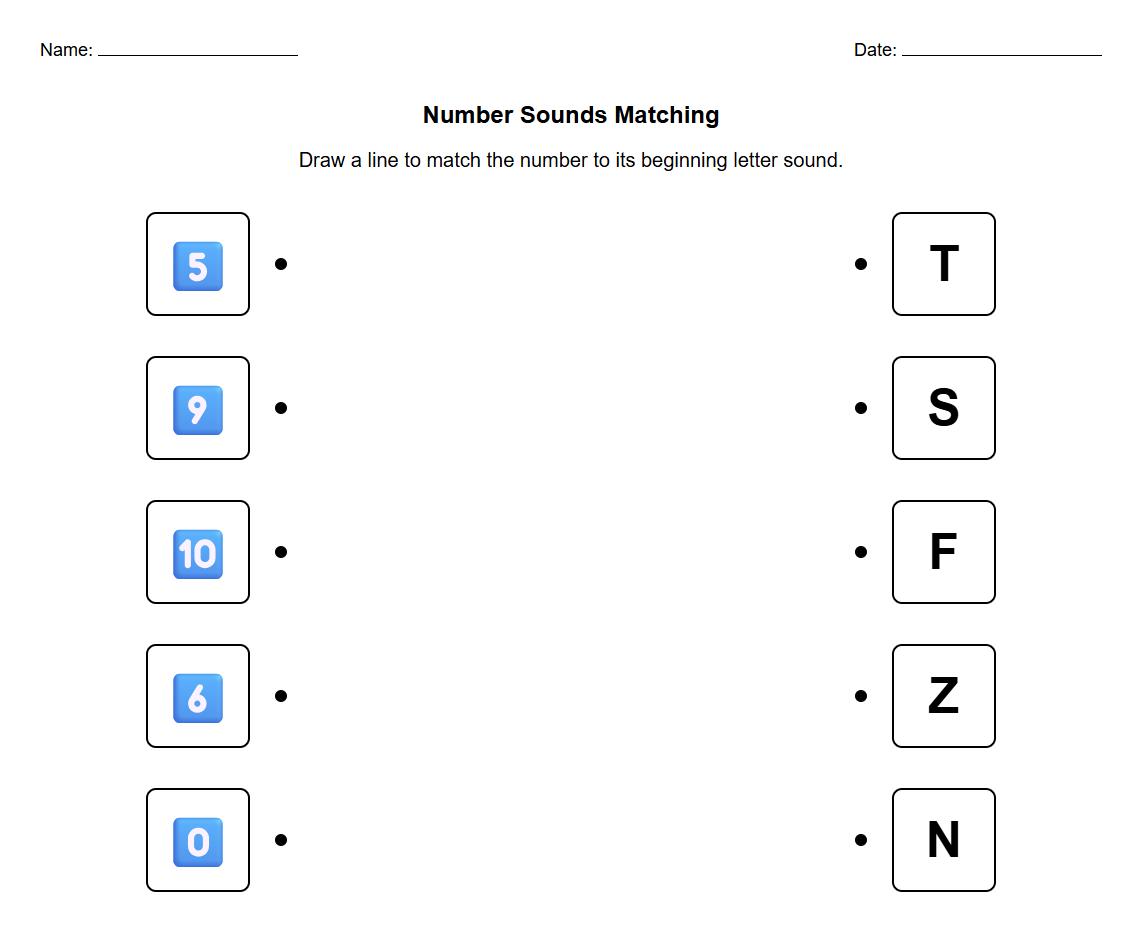
Phonics letter sound matching worksheet

Download PDF     Pin it

Number recognition and tracing worksheet
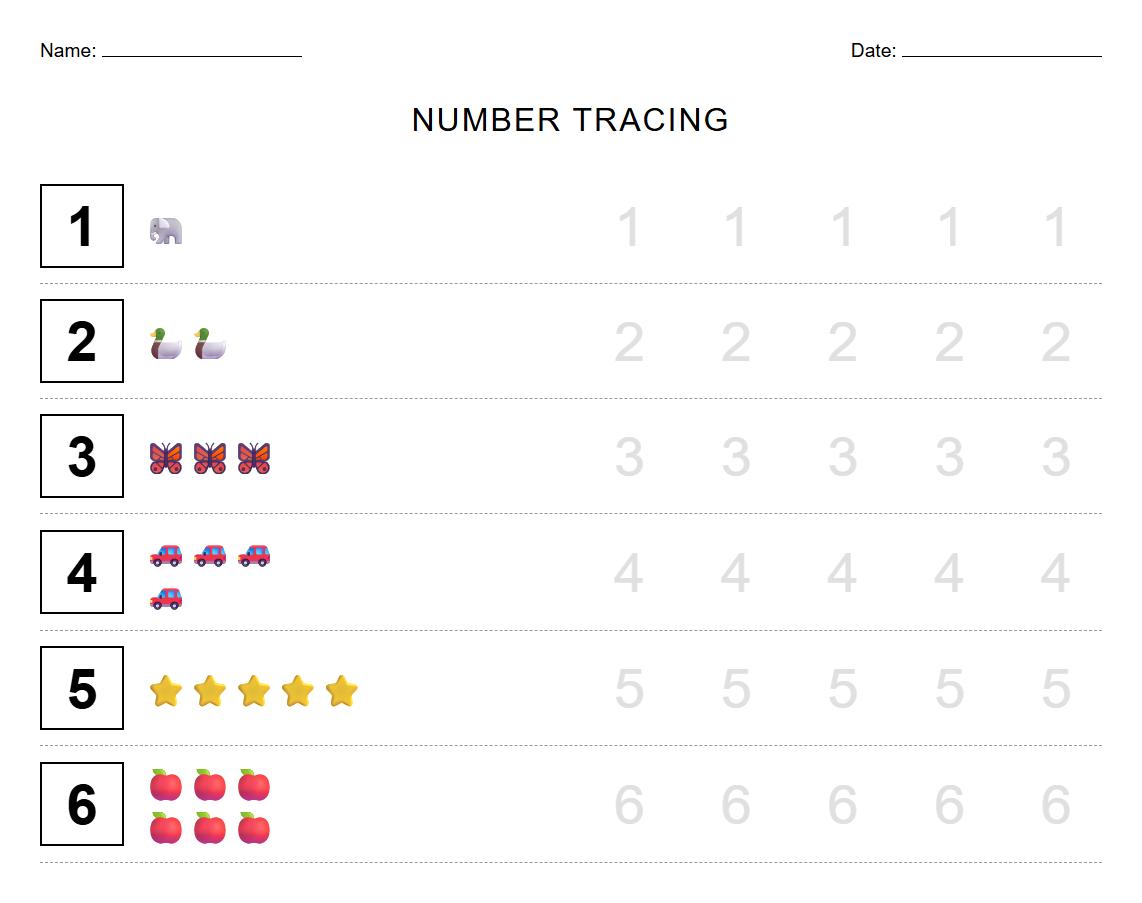
Number recognition and tracing worksheet

Download PDF     Pin it

Beginning consonant phoneme identification worksheet
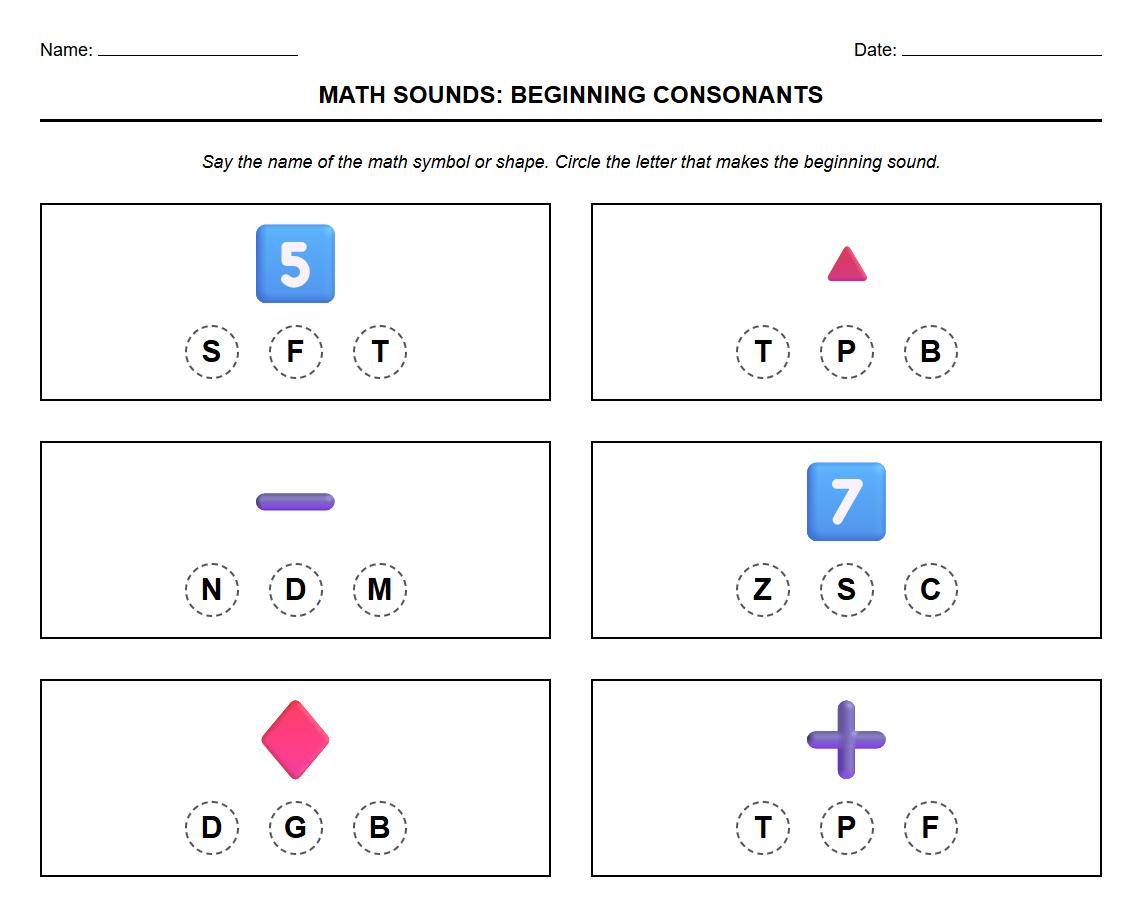
Beginning consonant phoneme identification worksheet

Download PDF     Pin it

Counting objects with number writing worksheet
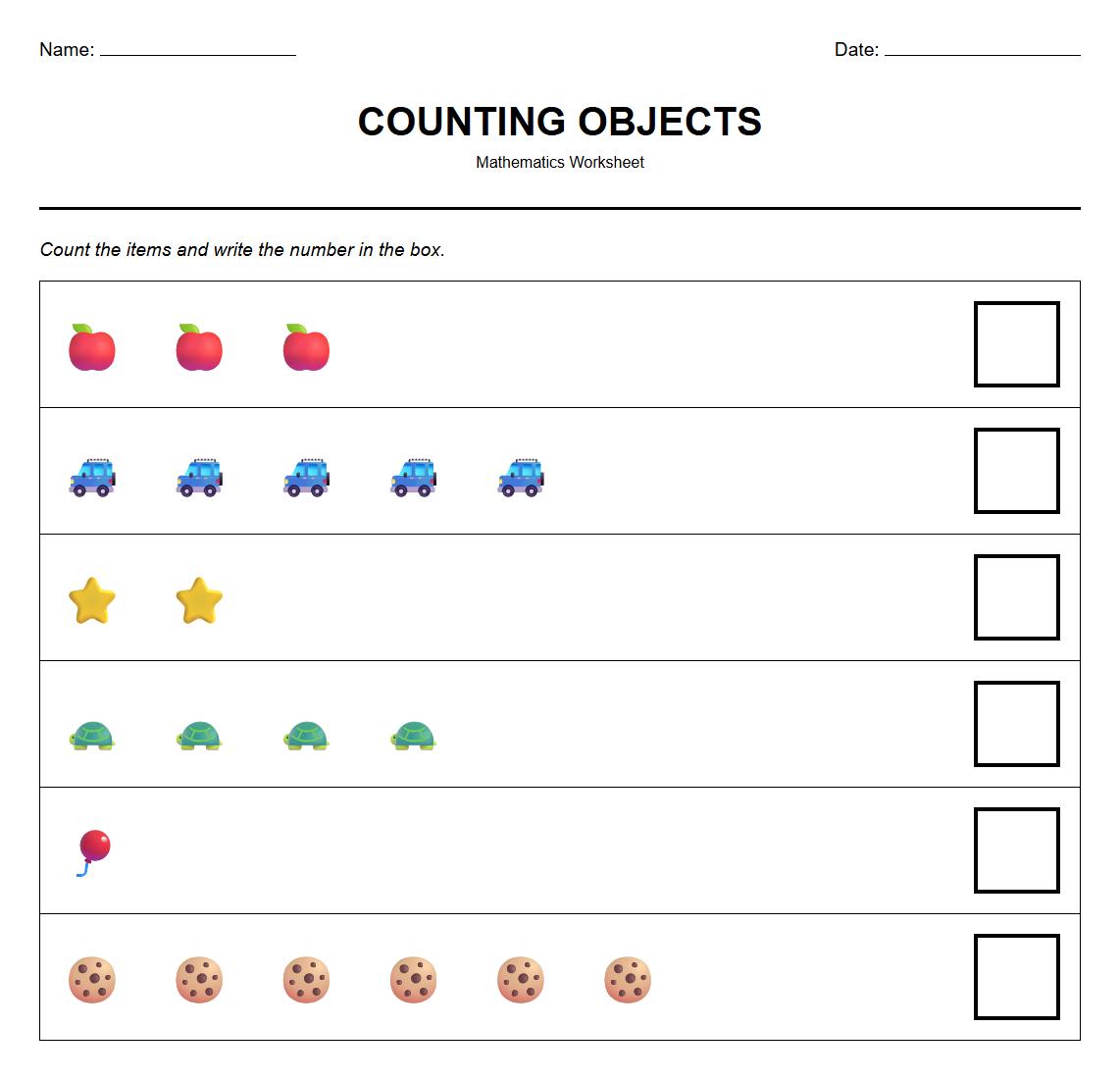
Counting objects with number writing worksheet

Download PDF     Pin it

CVC word building and phonics blending worksheet
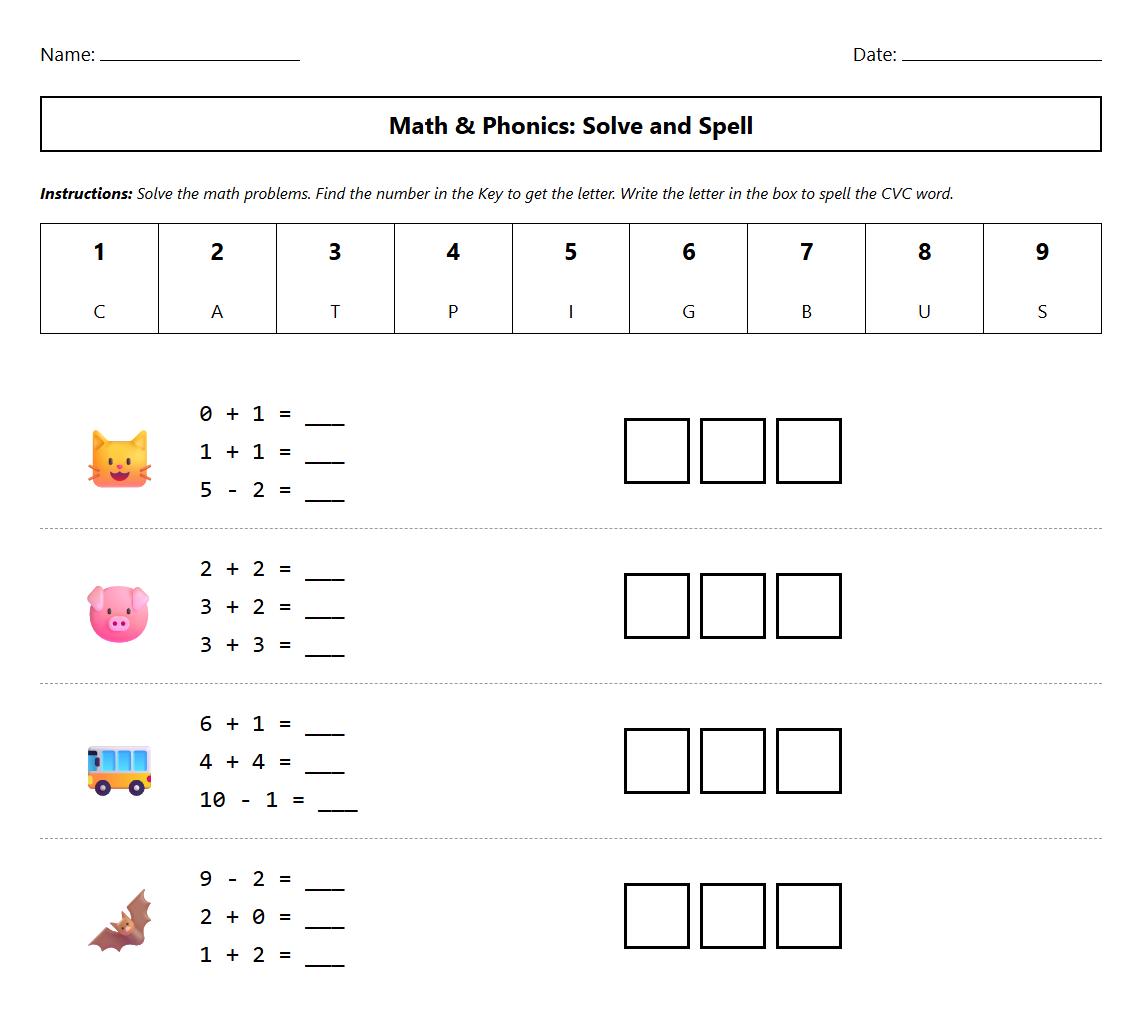
CVC word building and phonics blending worksheet

Download PDF     Pin it

Number sequencing and ordering worksheet
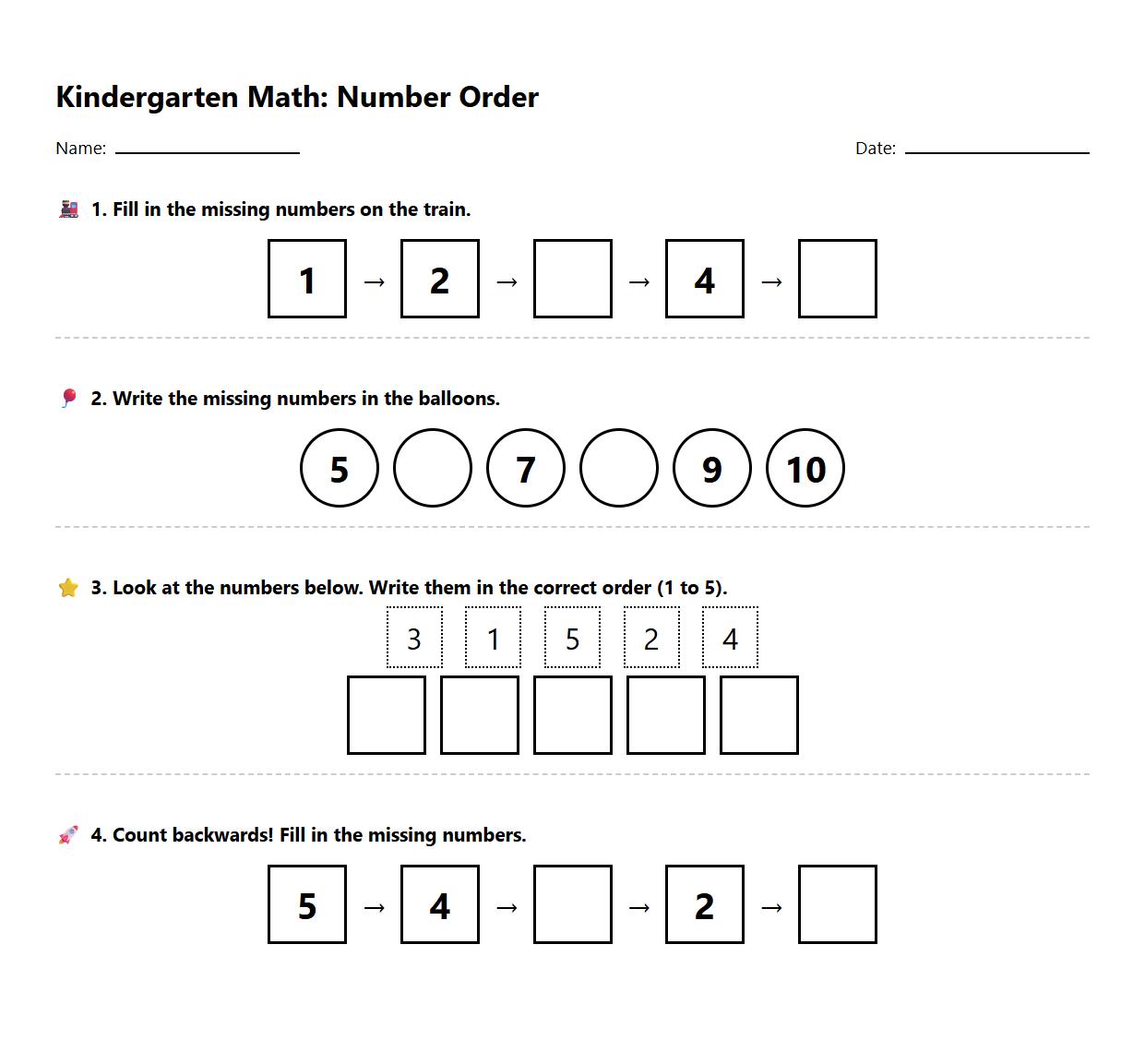
Number sequencing and ordering worksheet

Download PDF     Pin it

Rhyming words phonemic awareness worksheet
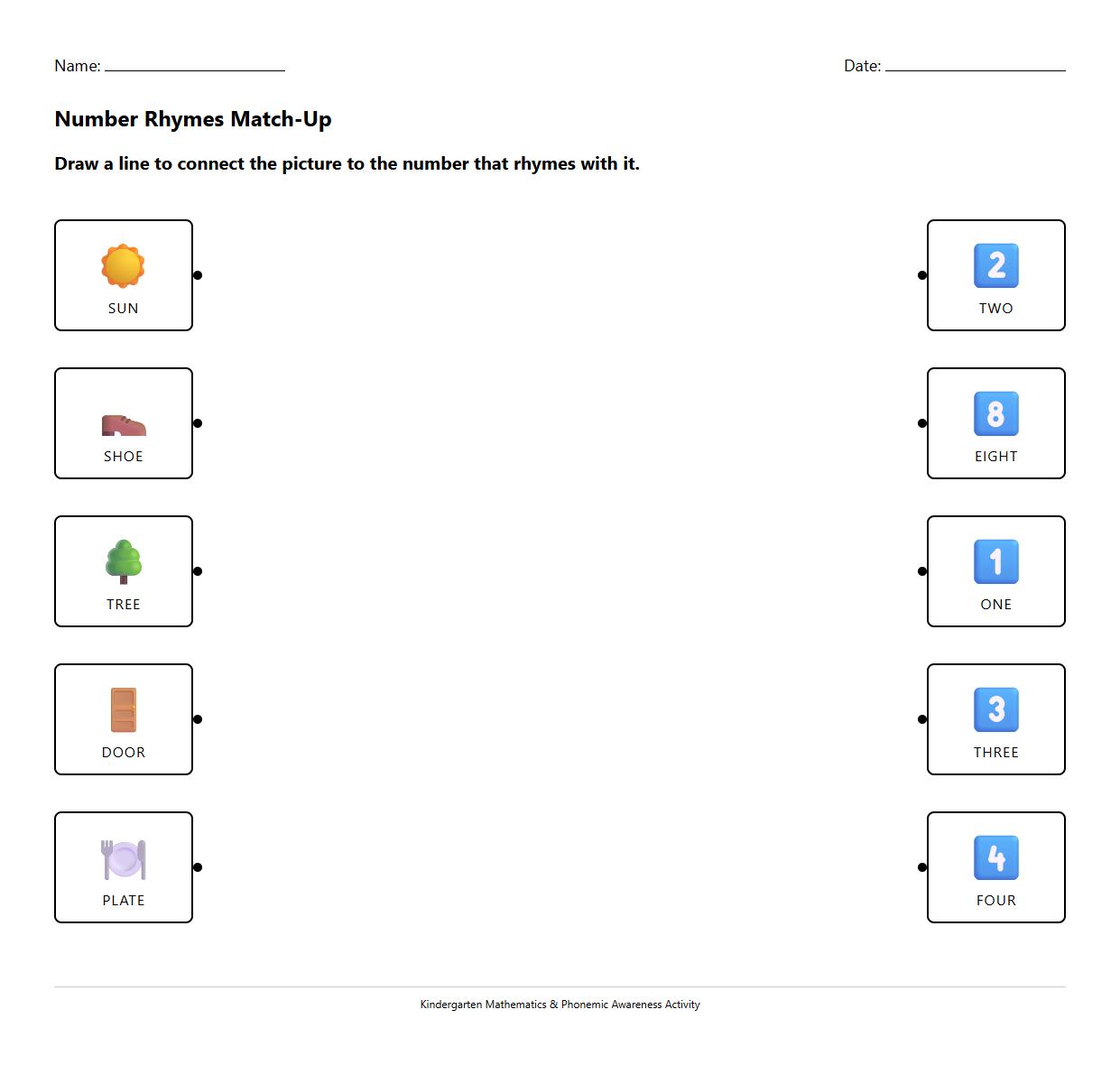
Rhyming words phonemic awareness worksheet

Download PDF     Pin it

Counting and coloring sets worksheet
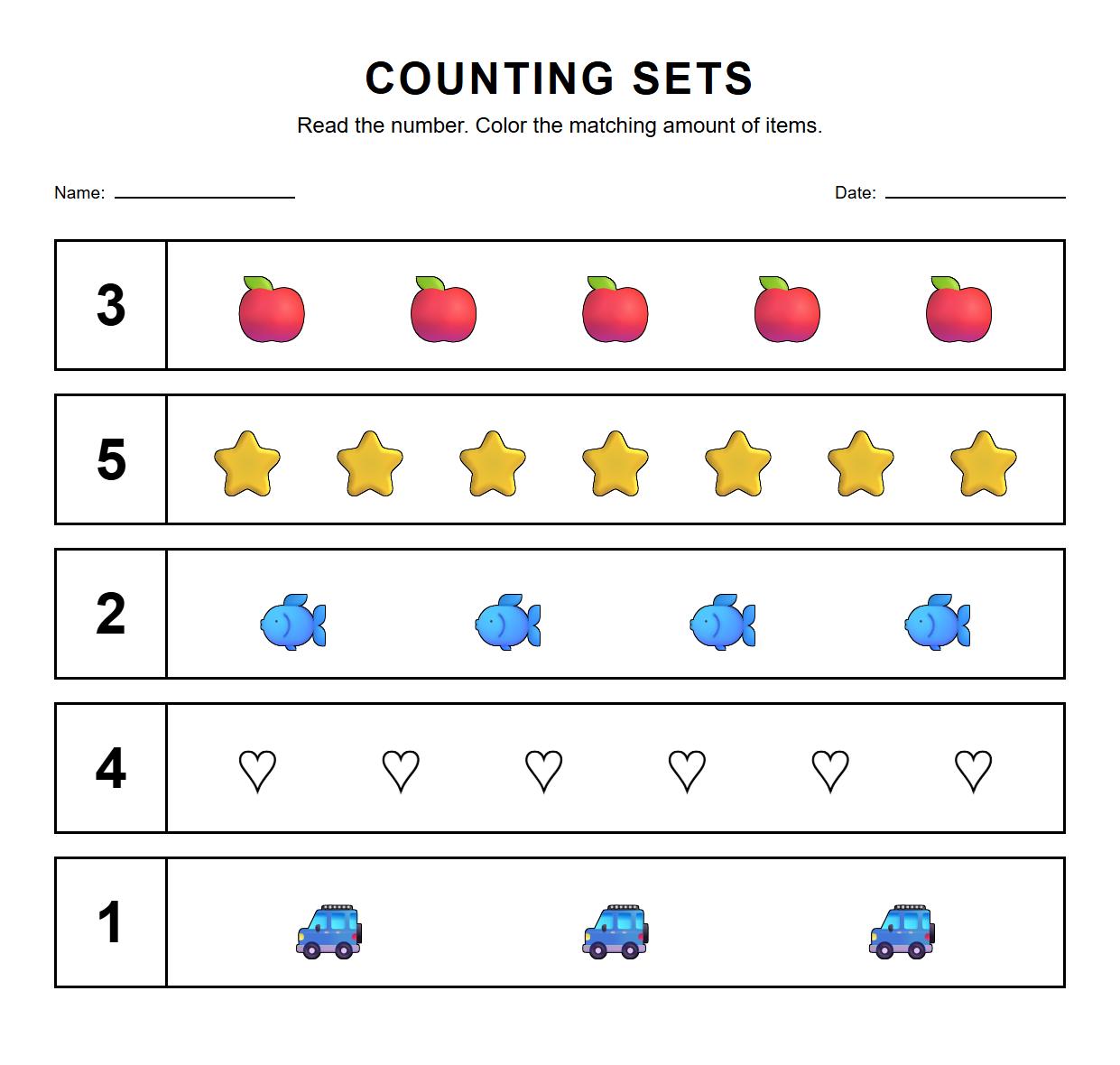
Counting and coloring sets worksheet

Download PDF     Pin it

Vowel sound differentiation phonics worksheet
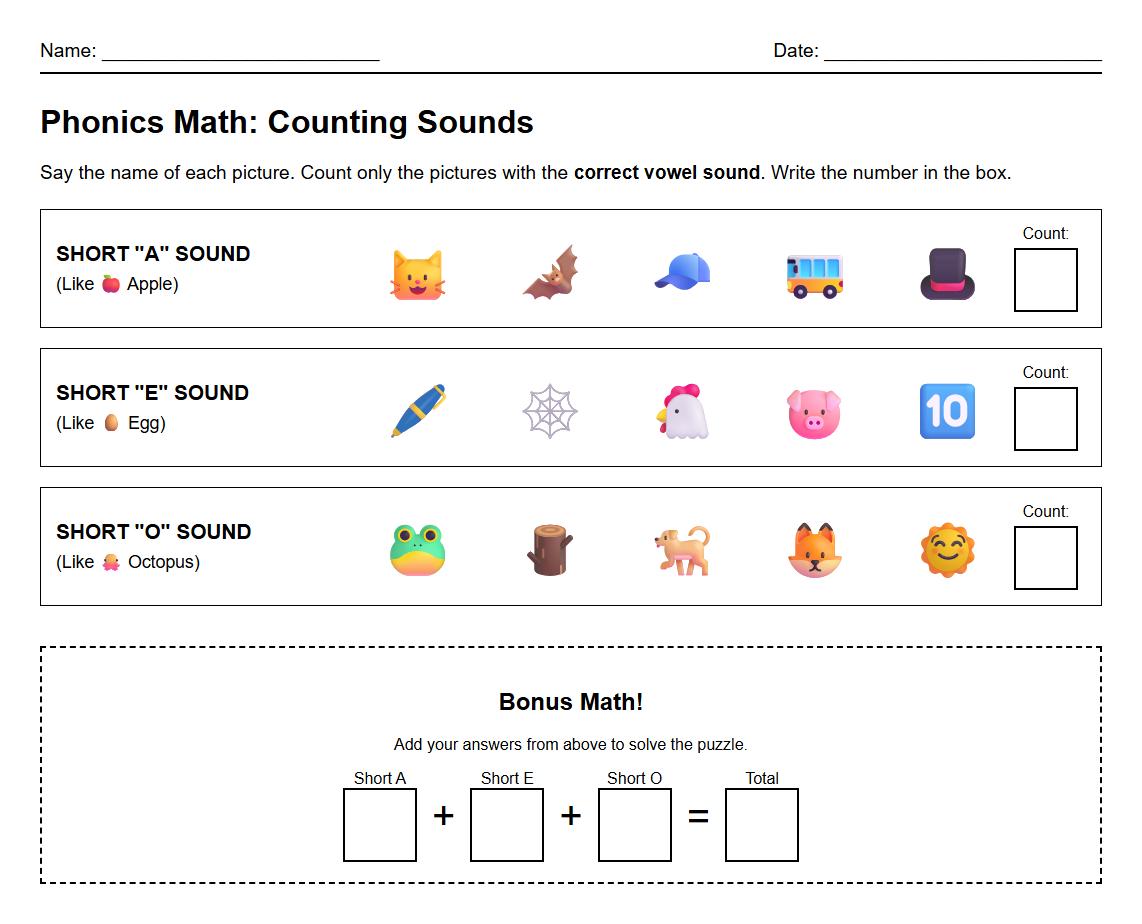
Vowel sound differentiation phonics worksheet

Download PDF     Pin it

Skip counting numbers practice worksheet
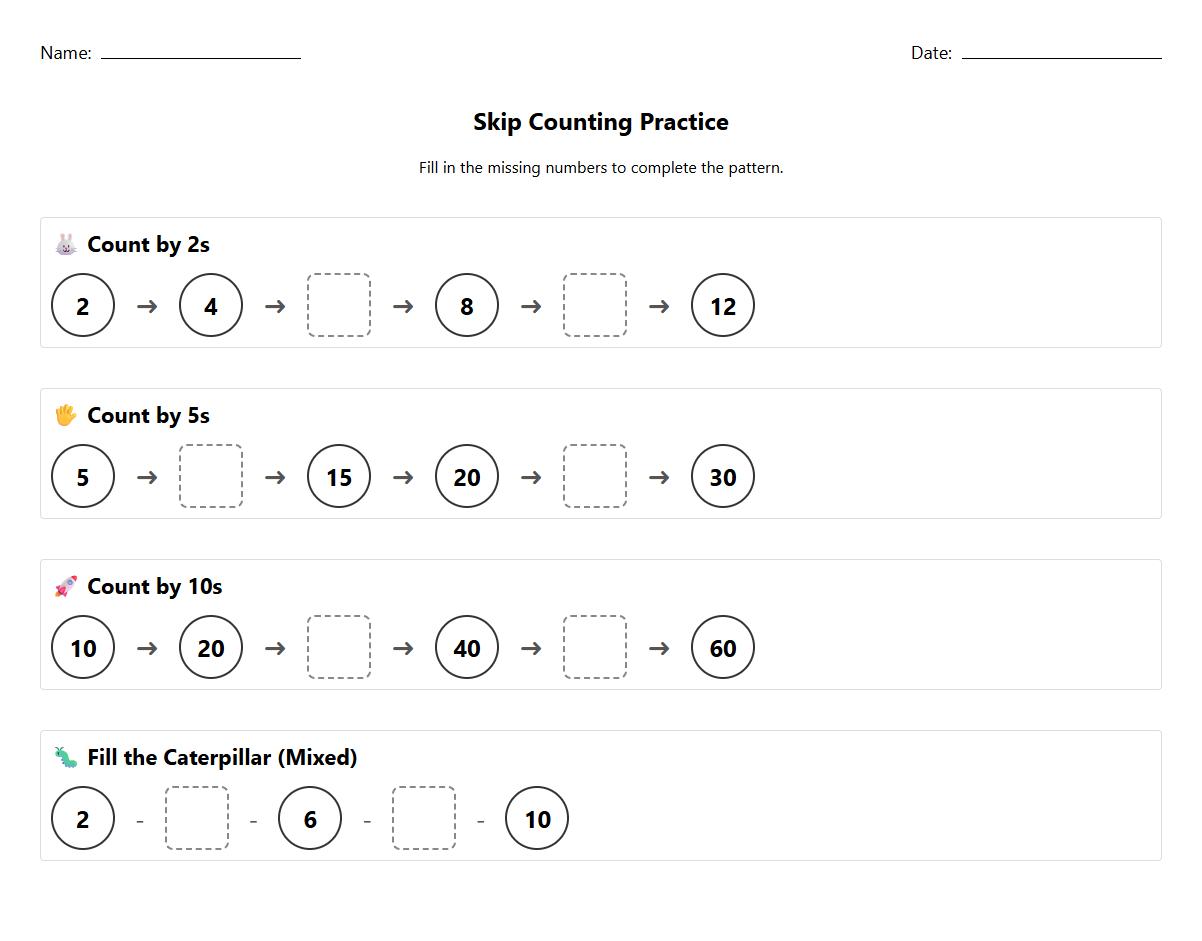
Skip counting numbers practice worksheet

Download PDF     Pin it

Understanding the Sound of Letter B

When teaching the letter B, it's important to focus on the sound it makes. The letter B produces a *buh* sound, as in words like "ball" and "bat." Encourage children to repeat the sound and identify words starting with B. This helps build strong phonemic awareness early on.

Finding and Counting the Letter A

Ask children to find and count all the letter A's on the worksheet. This activity improves letter recognition and counting skills simultaneously. Make sure the children point to each A as they count. Praise their efforts to boost confidence in reading.

Counting Apples on the Picture

Use the picture with apples to practice counting. Encourage children to count all the apples aloud, reinforcing number concepts. This activity integrates visual learning with math skills. It supports both counting fluency and attention to detail.

Identifying Words that Start with Letter S

Ask children to look through words and find which one starts with the letter S. This strengthens their ability to recognize initial letter sounds. Discuss the word's sound together and encourage repeating it. It's a fun way to boost early literacy.

Learning What Number Comes After Five

Teach children about number order by asking which number follows five. This builds their understanding of numerical sequences. Use objects or fingers to visually demonstrate counting forward. This reinforces the concept in an interactive way.

Clapping Hands Six Times

Clap hands together while counting up to six to develop rhythm and counting skills. This kinesthetic activity helps children link physical movement to numbers. Counting out loud while clapping enhances auditory learning. It's also a fun way to engage active learners.

Identifying the Beginning Sound of "Dog"

Ask what letter sound they hear at the start of the word "dog". This improves phonological awareness by recognizing initial phonemes. Help children say the sound aloud and match it to the letter D. Early sound-letter matching is crucial for reading success.

Counting Fingers Held Up

Hold up fingers and ask how many are shown to strengthen counting skills. This hands-on activity makes numbers tangible and easier to understand. Children practice number recognition and one-to-one correspondence. Always celebrate their counting efforts for encouragement.

Finding Words that Rhyme with "Cat"

Encourage children to think of words that rhyme with "cat", like "hat" or "bat." Rhyming activities enhance phonemic awareness and language development. Play rhyming games to make learning engaging. This skill supports early reading fluency.

Counting Blocks Out Loud from One to Ten

Guide children to count blocks aloud from one to ten, improving verbal counting skills. This repetitive practice strengthens number sequencing and memory. Use colorful blocks to maintain interest and focus. Counting objects aloud connects concrete items to abstract numbers.


More in Mathematics Category


About the author. Nylen Smith is a dedicated educator and cofounder of KWorksheet.com, a popular platform specializing in high-quality kindergarten worksheets and printable activities.

Disclaimer. The information provided in this document is for general informational purposes and/or document sample only and is not guaranteed to be factually right or complete. Please report to us via contact-us page if you find and error in this page, thanks.

Comments

No comment yet