Kindergarten Life Cycle Worksheet Focusing on Plant Vocabulary

📅 Mar 22, 2025 👤 Nylen Smith

Explore essential plant vocabulary through engaging activities designed to teach young learners about the life cycle of plants. This worksheet helps children identify key stages such as seed, sprout, and flower while building their language skills. Check out the available worksheets to make learning about plant life cycles fun and educational.

Plant Life Cycle Sequencing with Vocabulary Labels
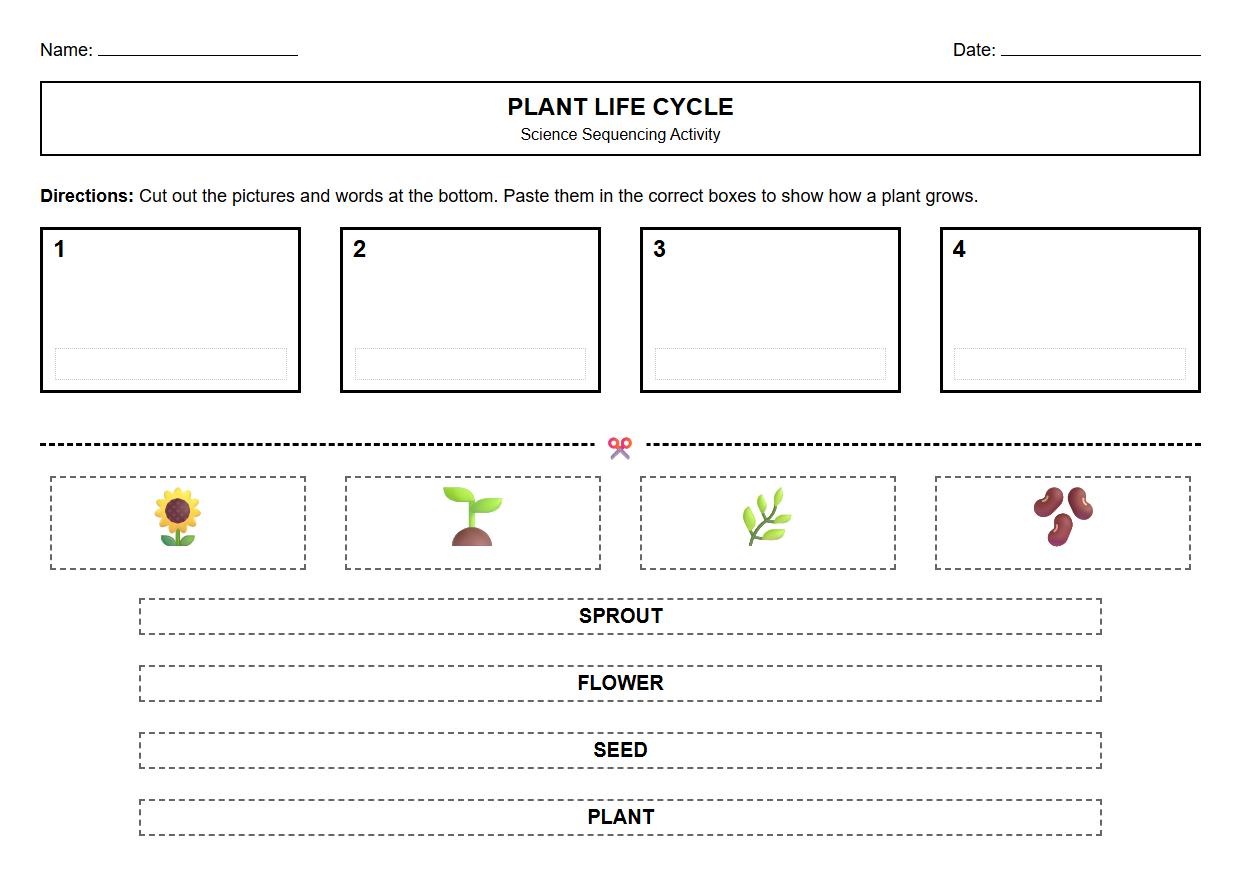
Plant Life Cycle Sequencing with Vocabulary Labels

Download PDF     Pin it

Phonics Matching Worksheet Using Plant Growth Terms
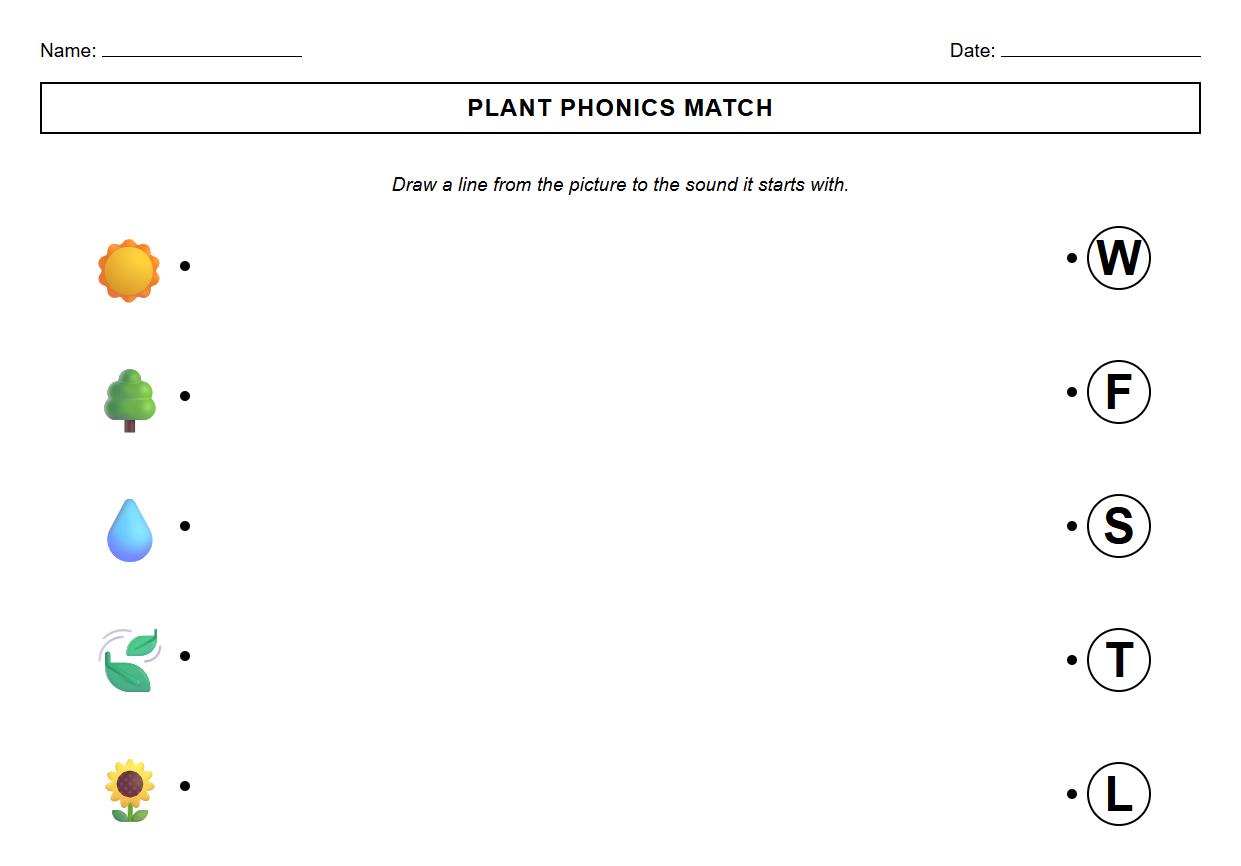
Phonics Matching Worksheet Using Plant Growth Terms

Download PDF     Pin it

Fill in the Blanks for Germination and Seedling Vocabulary
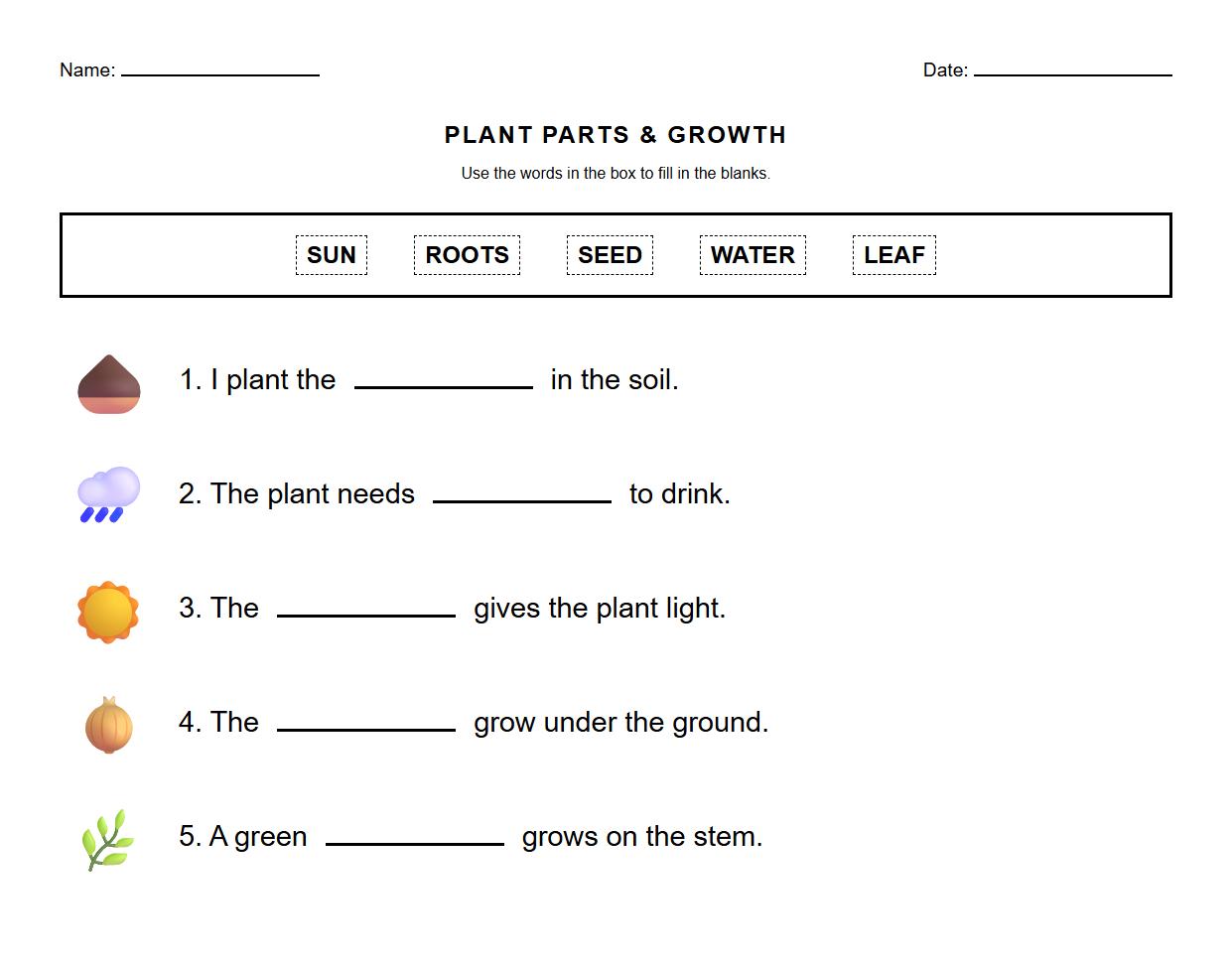
Fill in the Blanks for Germination and Seedling Vocabulary

Download PDF     Pin it

Plant Part Identification Using Visual Vocabulary Cards
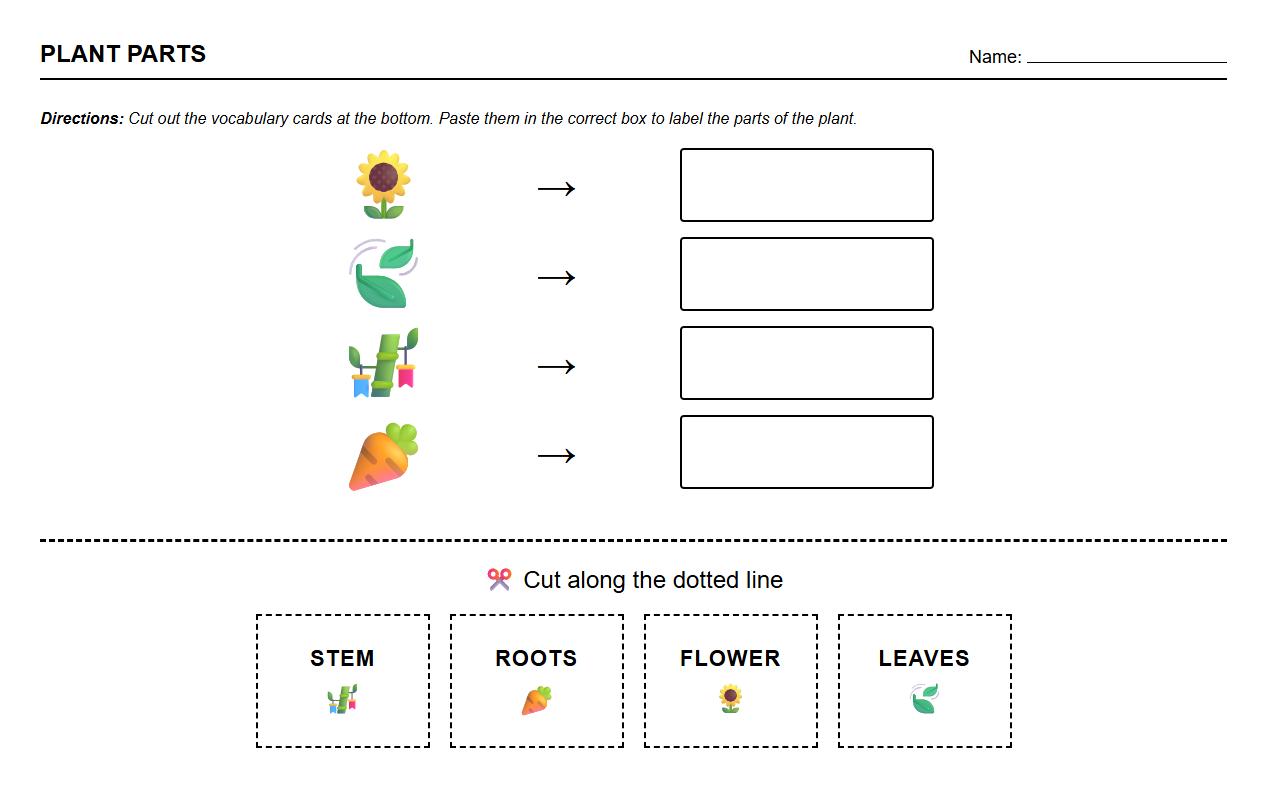
Plant Part Identification Using Visual Vocabulary Cards

Download PDF     Pin it

Cut and Paste Activity with Stages of Plant Development
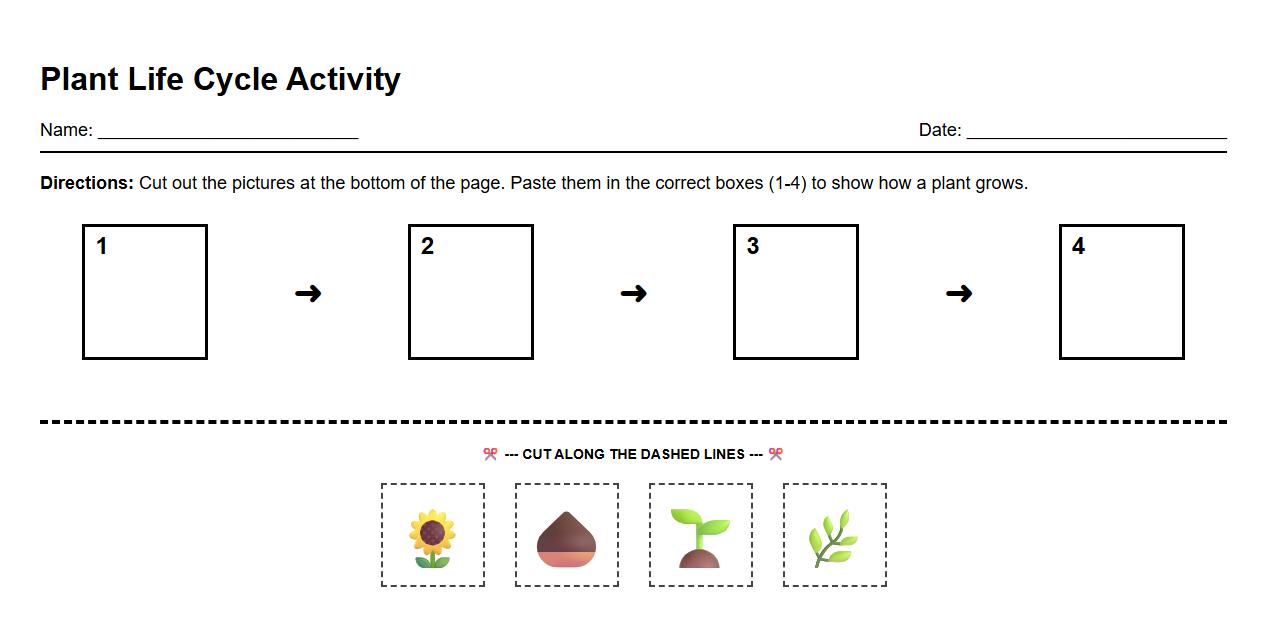
Cut and Paste Activity with Stages of Plant Development

Download PDF     Pin it

Sorting Leaves and Roots Picture Cards with Terminology
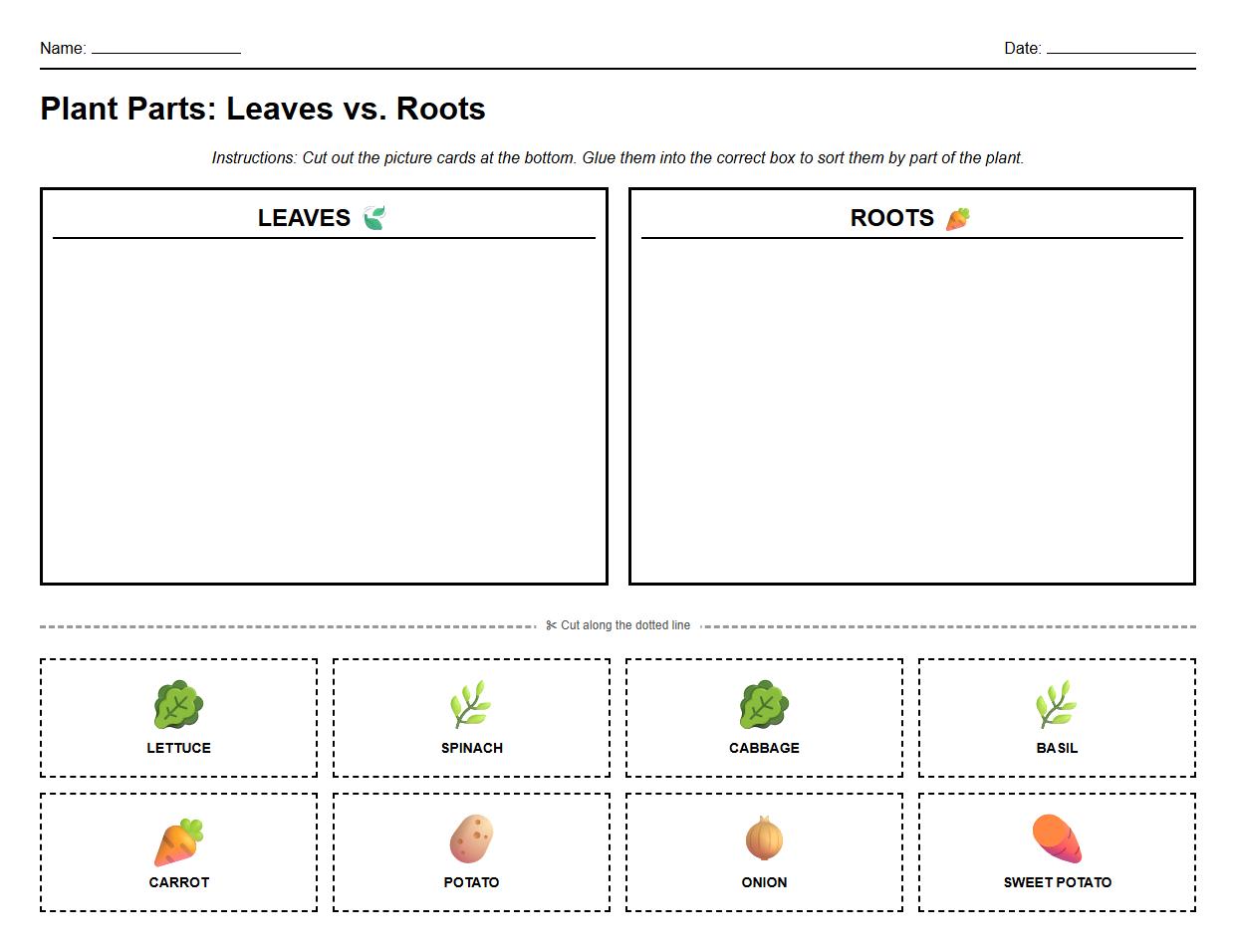
Sorting Leaves and Roots Picture Cards with Terminology

Download PDF     Pin it

CVC Word Practice with Seed, Stem, and Leaf Words
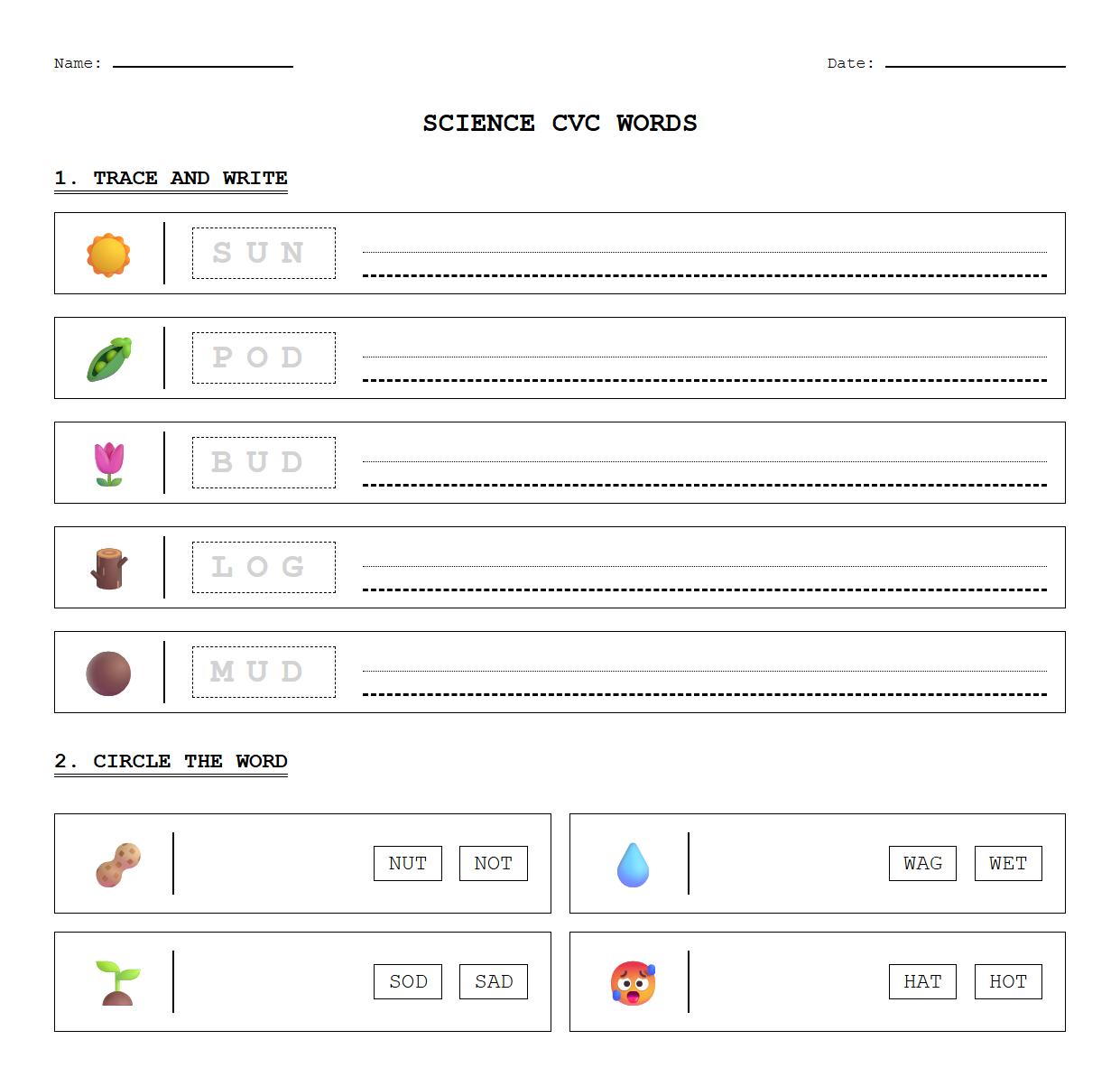
CVC Word Practice with Seed, Stem, and Leaf Words

Download PDF     Pin it

Vocabulary Tracing Sheet for Bud, Bloom, and Flower
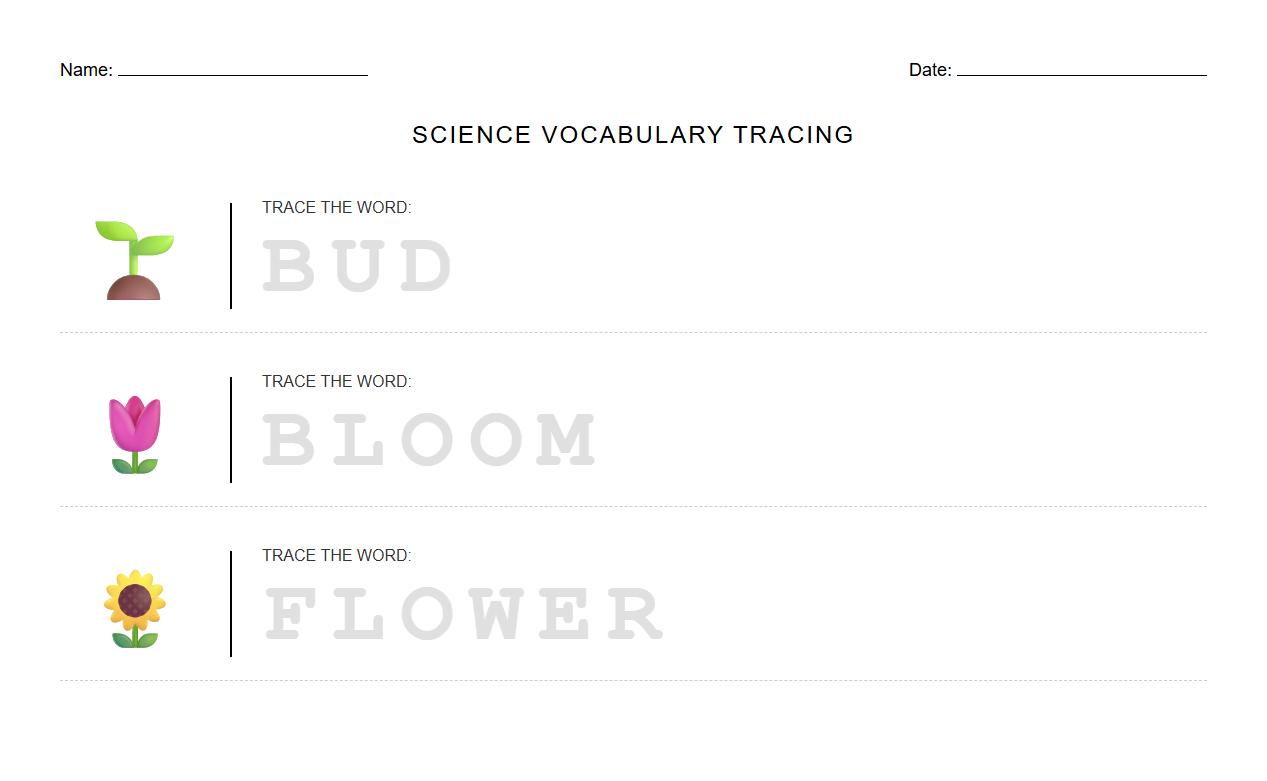
Vocabulary Tracing Sheet for Bud, Bloom, and Flower

Download PDF     Pin it

Rhyming Activity Using Life Cycle Plant Words
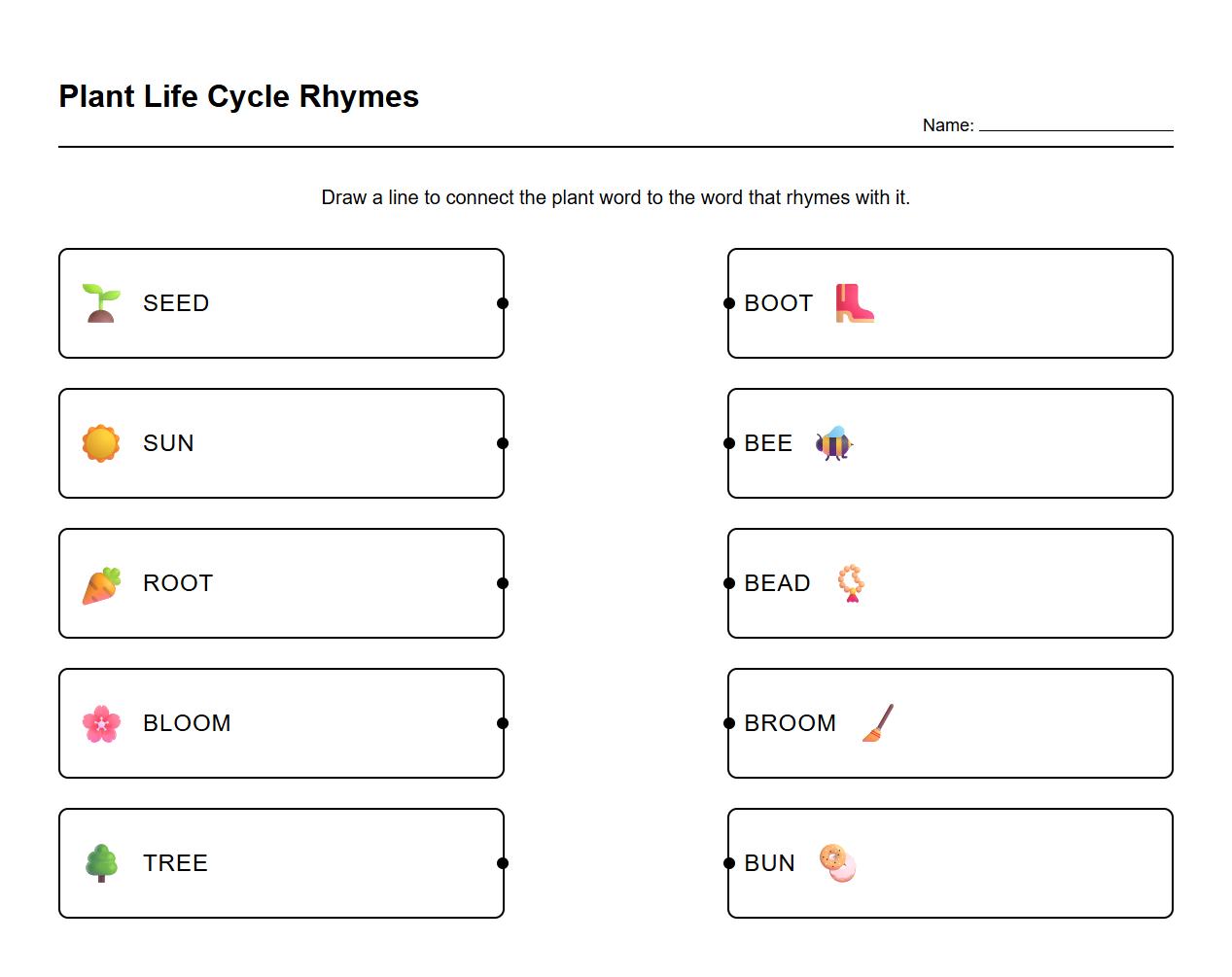
Rhyming Activity Using Life Cycle Plant Words

Download PDF     Pin it

Science Observation Journal Template with Growth Vocabulary
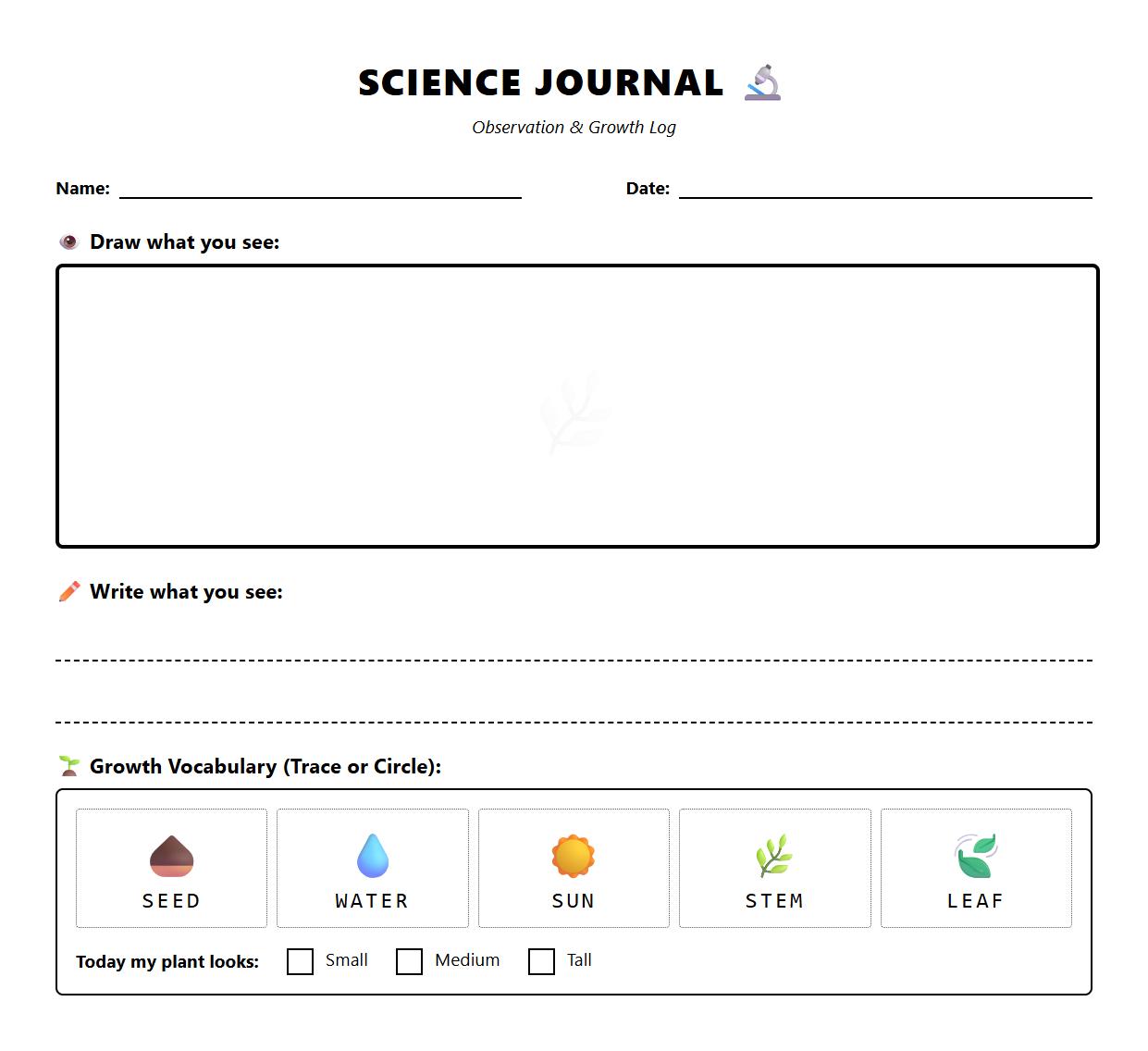
Science Observation Journal Template with Growth Vocabulary

Download PDF     Pin it

Understanding the Plant Life Cycle

The first stage in a plant's life cycle is called the seed. This small beginning holds the potential for new growth. Teachers and parents can explain how this stage is crucial for the plant's development. It all starts with the seed's ability to sprout and grow.

Roots - The Underground Anchors

The part of the plant that grows underground is called the roots. Roots absorb water and nutrients from the soil, keeping the plant strong. They also help hold the plant firmly in place. This part is essential for the plant's survival and healthy growth.

Leaves - Nature's Food Factories

The green part of a plant responsible for making food is called the leaves. Leaves use sunlight to create energy through photosynthesis. This process helps plants grow and thrive. Teaching this concept helps children understand how plants sustain themselves.

The Process of Germination

When a seed begins to grow, this process is called germination. It marks the seed's transformation into a young plant. Warmth, water, and soil conditions affect germination success. Encouraging children to observe this process can make learning engaging.

The Colorful Flowers and Their Role

The colorful part of a plant that attracts bees and other pollinators is the flower. Flowers play a vital role in plant reproduction. Their bright colors and scent help attract bees for pollination. This step is key for producing fruits and seeds.

The Stem - Plant's Support System

The part of the plant that holds it upright is called the stem. The stem supports leaves, flowers, and fruits by keeping them elevated. It also serves as a pathway for water and nutrients. Explaining this helps children see how plants stay strong and healthy.

What Is a Seedling?

A baby plant that has just started growing from the seed is called a seedling. It is the early stage of growth after germination. Seedlings need proper care to develop into mature plants. Parents and teachers can encourage children to watch this exciting stage closely.

The Flower's Fruit-Bearing Part

The part of the flower that can grow into fruit is called the ovary. After fertilization, the ovary develops into the fruit containing seeds. This part is important for plant reproduction and food production. Understanding this helps children connect the life cycle stages.

Essential Factors for Plant Growth

Water and sunlight are vital things that help plants grow. They provide the energy and hydration necessary for all growth processes. Explaining these helps children learn what plants need to survive. Consistent care with these elements leads to healthy plants.

The Process of Pollination

The process when flowers turn into fruit is called pollination. Bees and other pollinators transfer pollen from one flower to another to fertilize it. This leads to the development of fruit and seeds for new plants. Teaching this cycle demonstrates how plants reproduce and continue their life cycle.


More in Science Category


About the author. Nylen Smith is a dedicated educator and cofounder of KWorksheet.com, a popular platform specializing in high-quality kindergarten worksheets and printable activities.

Disclaimer. The information provided in this document is for general informational purposes and/or document sample only and is not guaranteed to be factually right or complete. Please report to us via contact-us page if you find and error in this page, thanks.

Comments

No comment yet