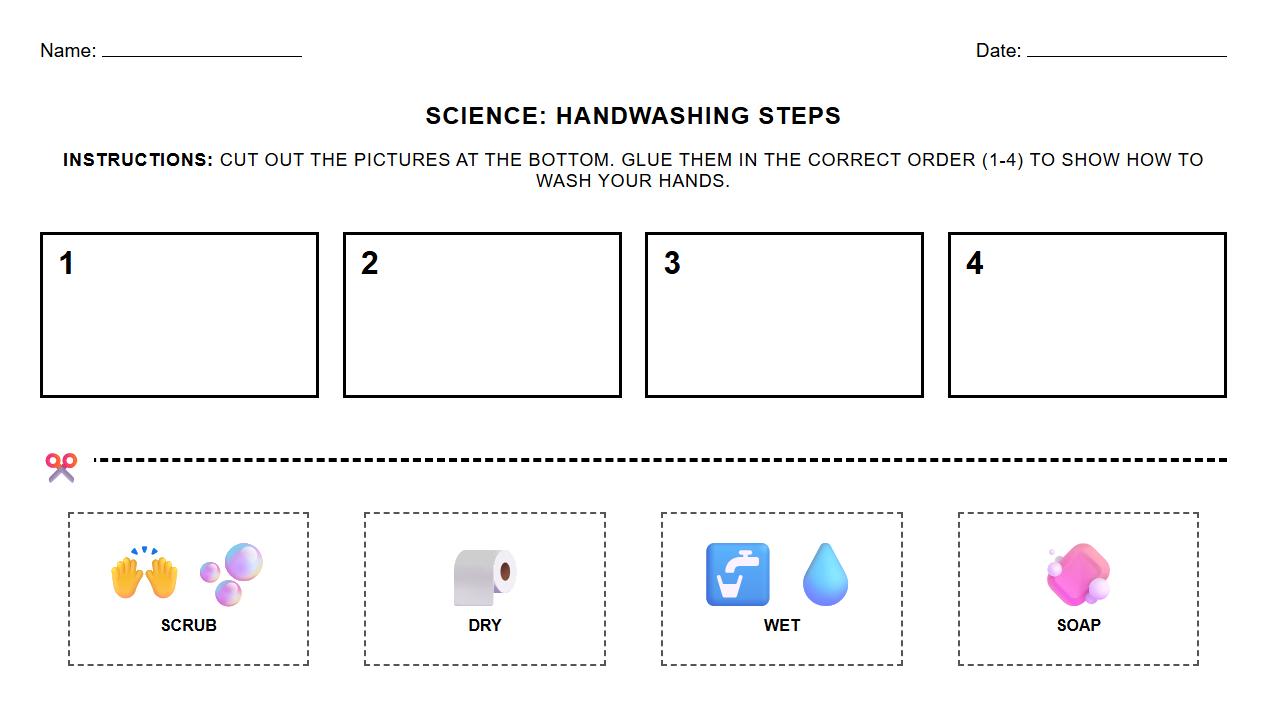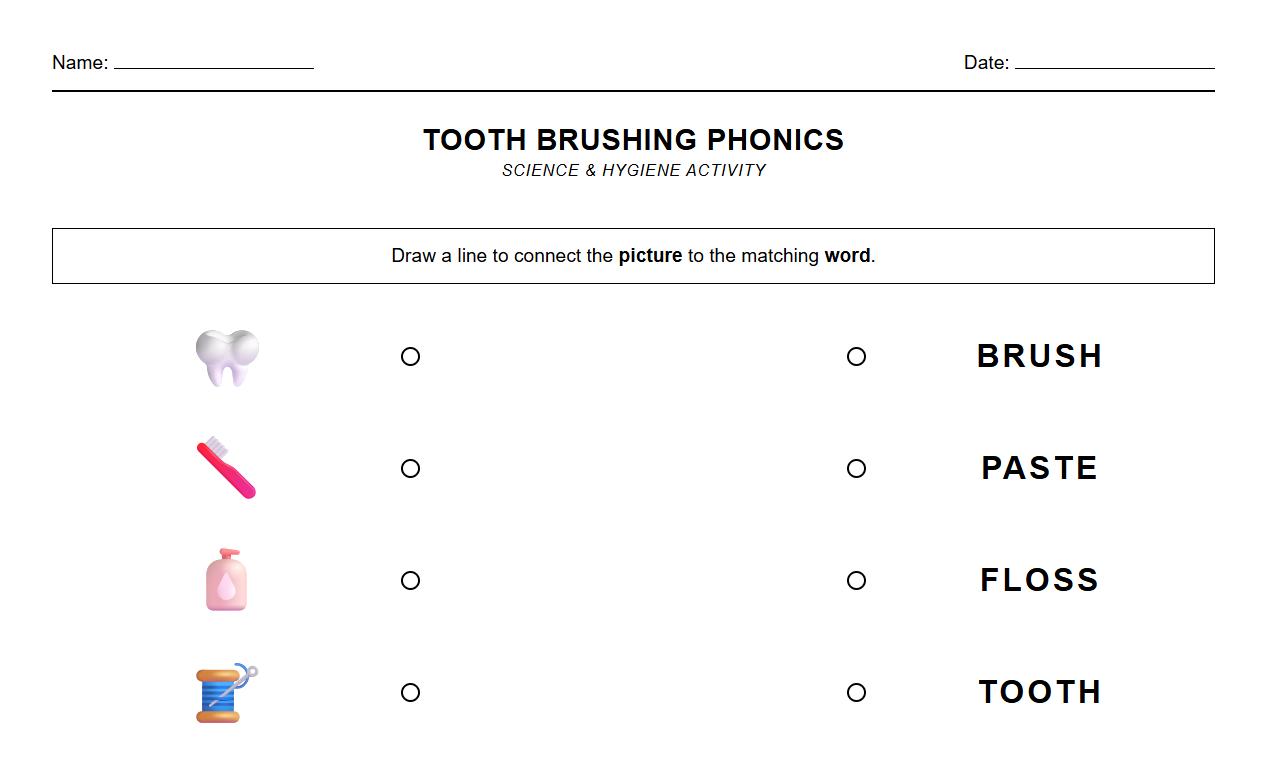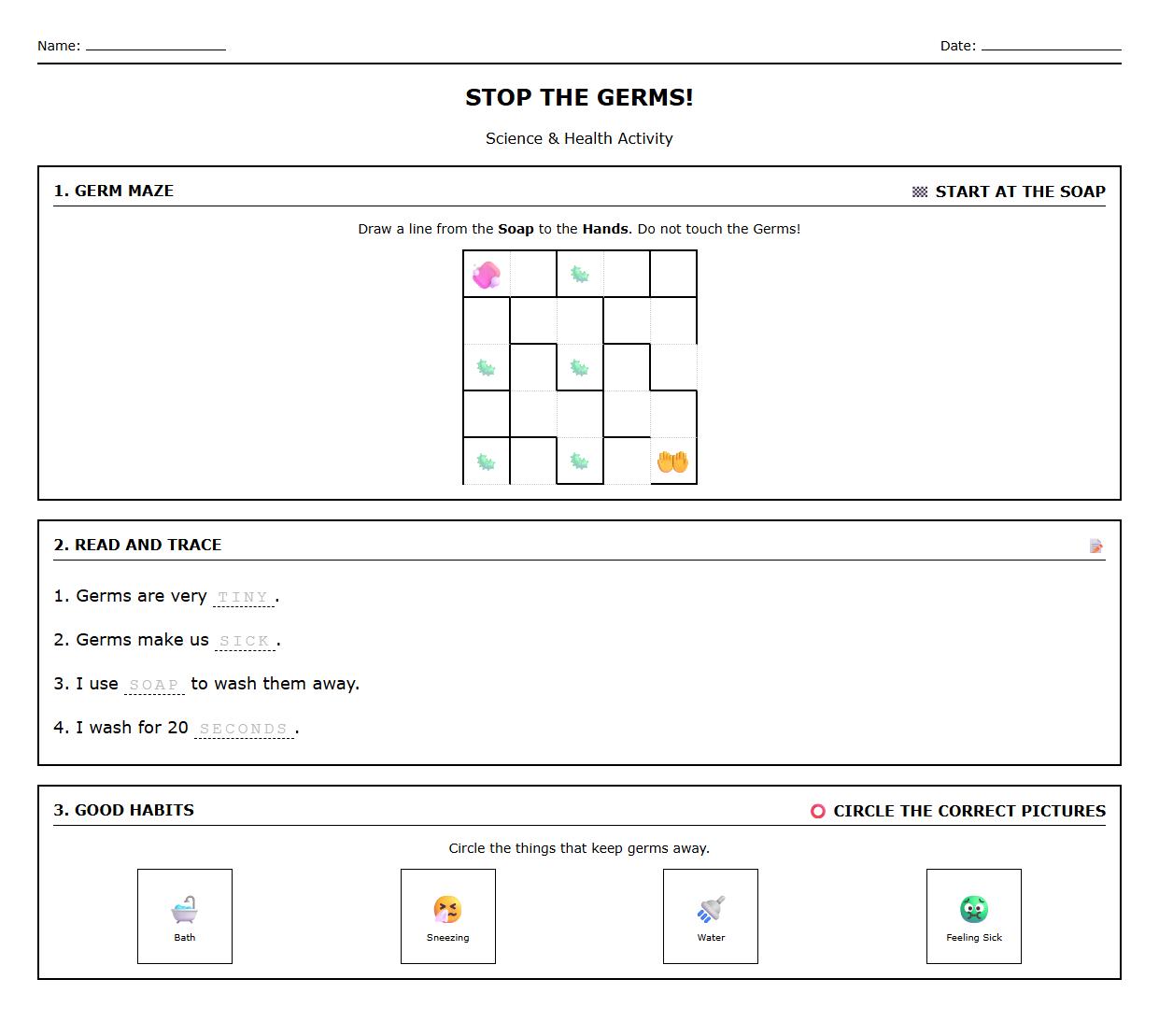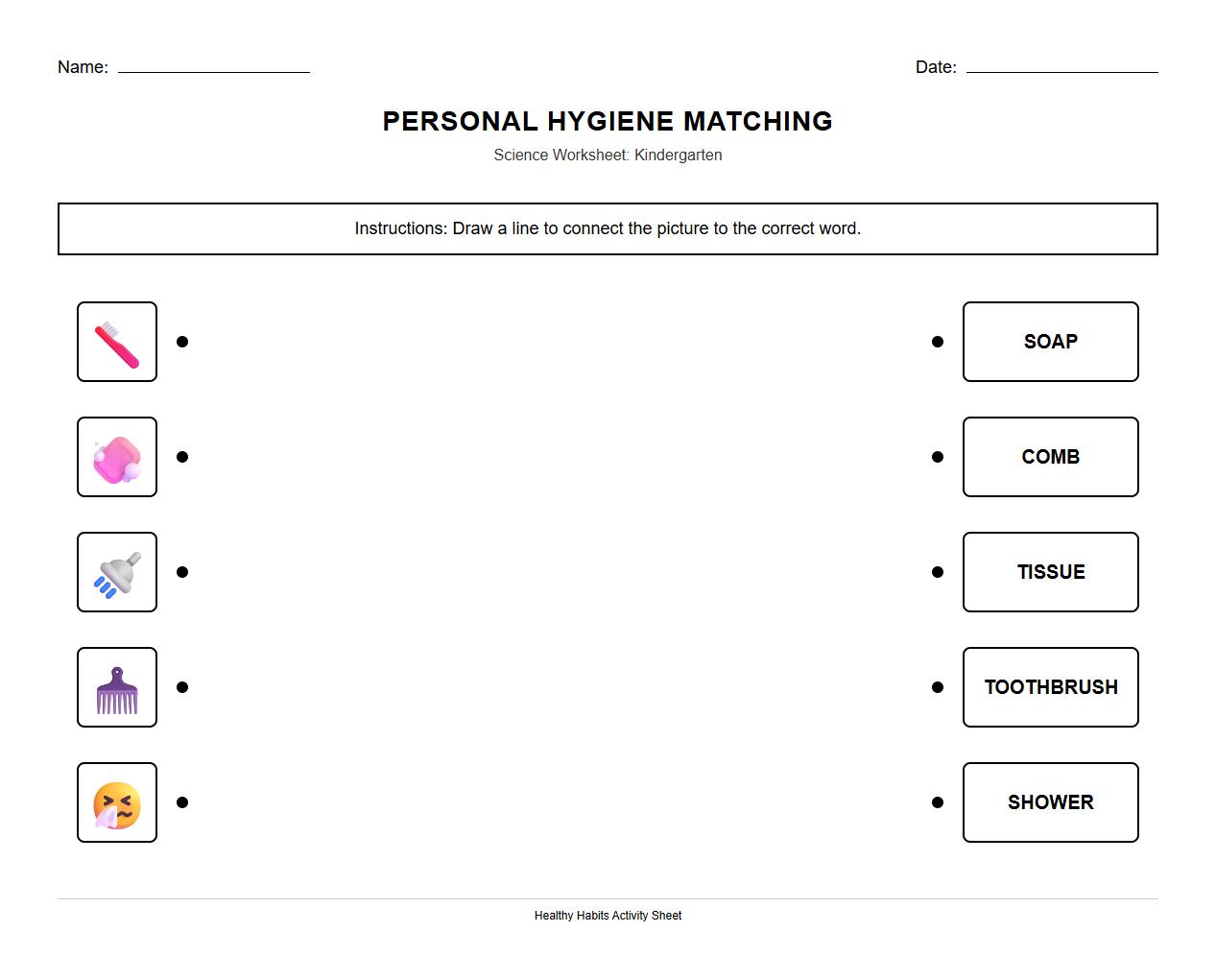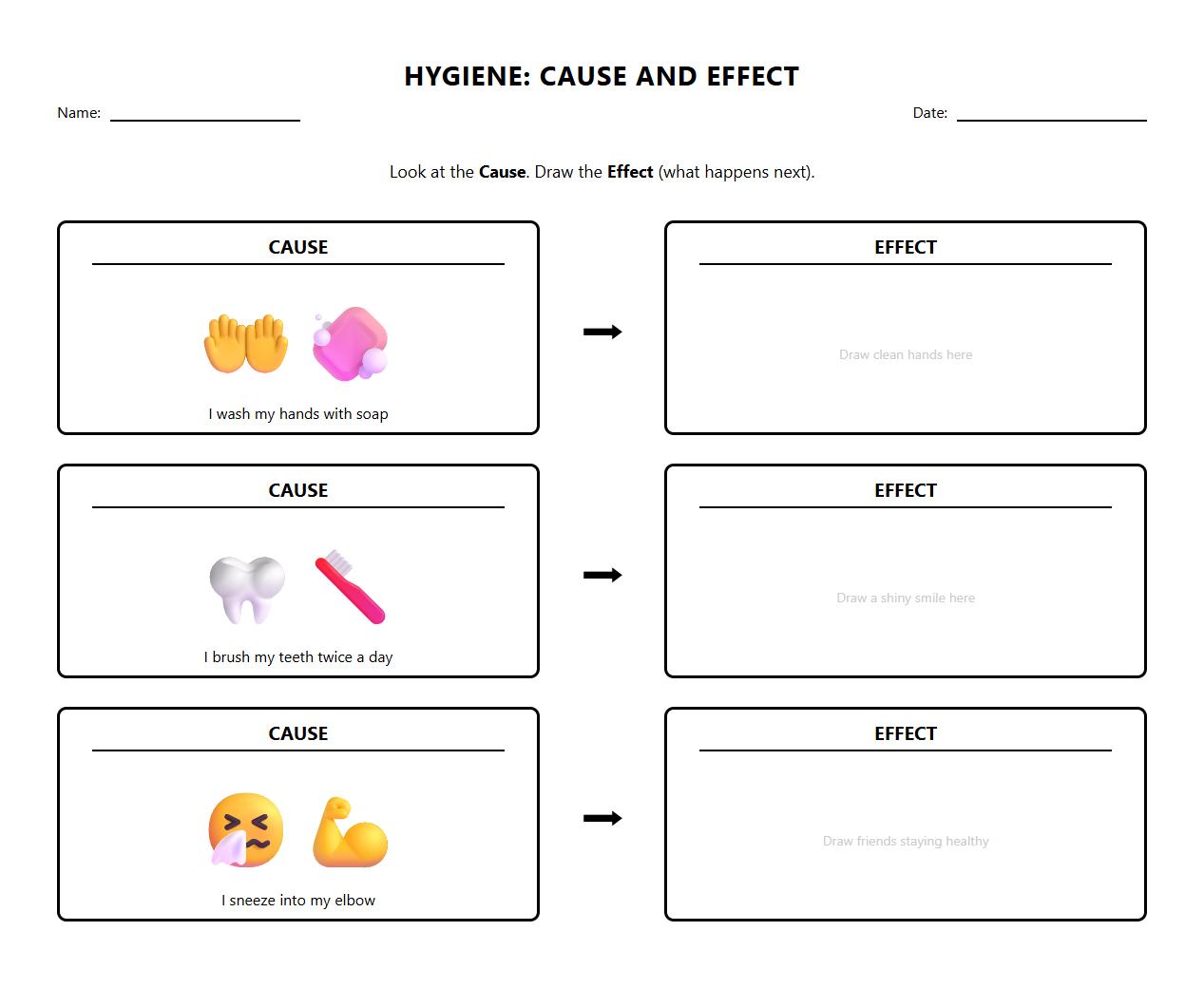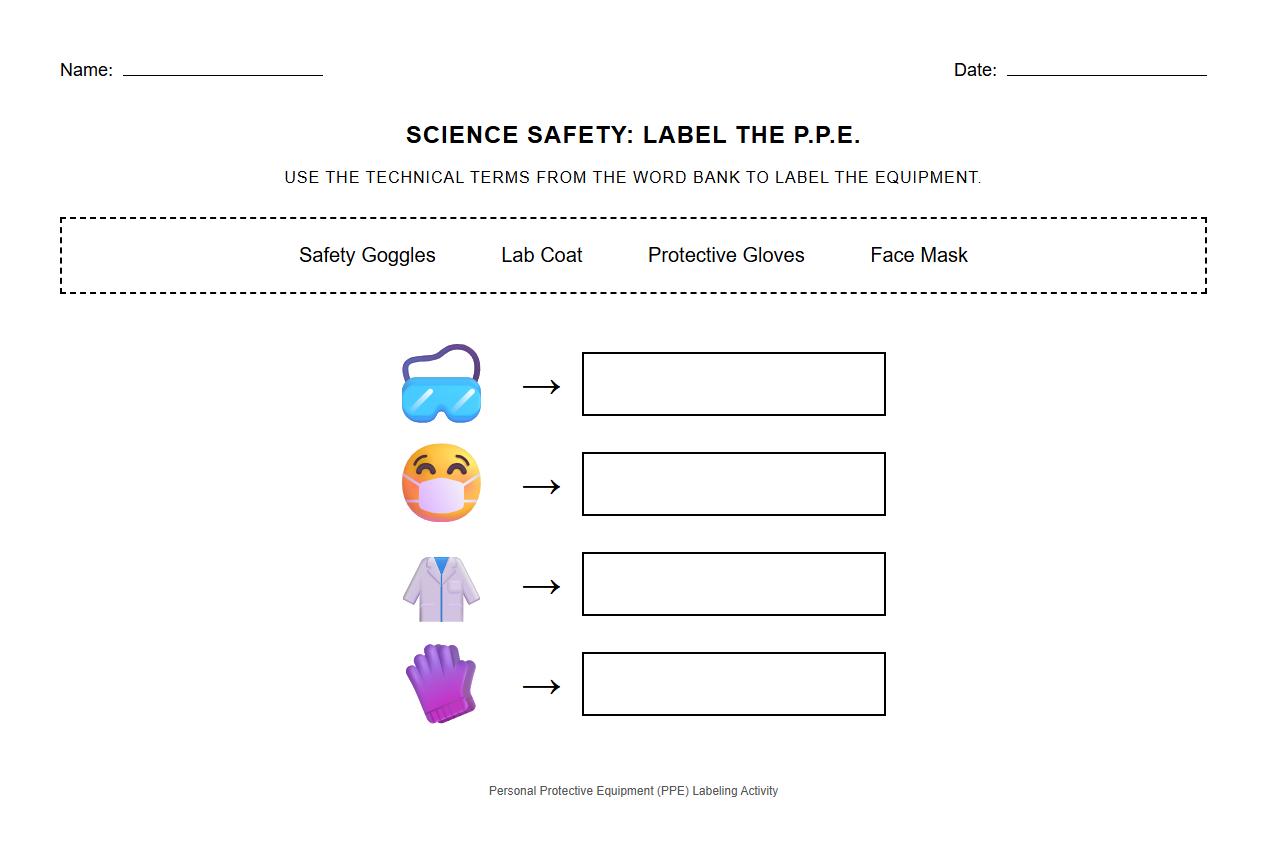
Fun hygiene habits promote healthy routines while teaching young learners about germs and their impact on well-being. Engaging activities encourage kids to practice handwashing, dental care, and personal cleanliness effectively. Explore our worksheet set to make hygiene education both enjoyable and impactful for children.
Three Important Steps to Wash Your Hands Properly
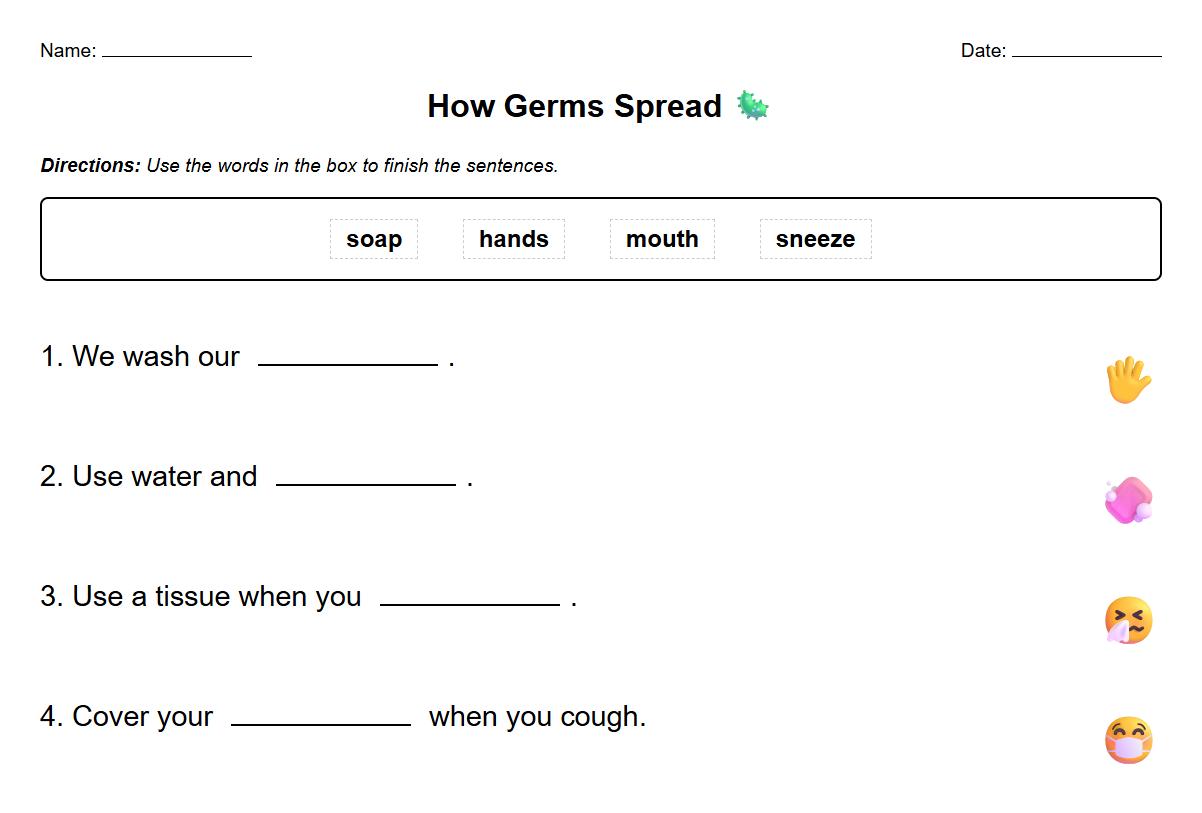
First, wet your hands with clean water and apply soap. Next, scrub all parts of your hands, including between fingers and under nails, for at least 20 seconds. Finally, rinse thoroughly and dry your hands with a clean towel or air dryer to remove germs effectively. Learn more about using your senses to stay clean and safe.
Why Should You Cover Your Mouth When You Cough or Sneeze?
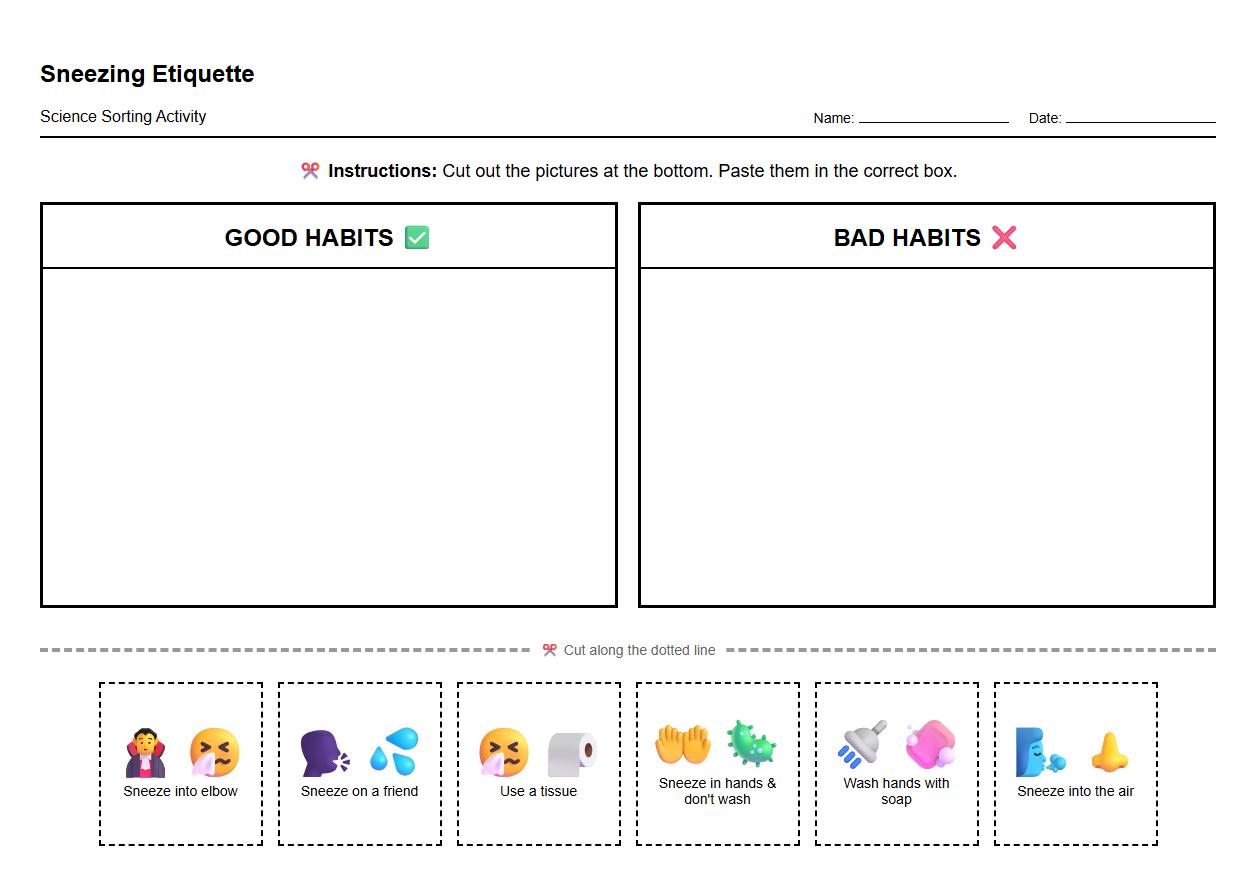
Covering your mouth prevents the spread of germs and keeps others safe from getting sick. Using a tissue or your elbow helps stop tiny droplets carrying viruses from traveling through the air. This simple habit is essential in maintaining a healthy classroom environment. Practice healthy routines, just like learning about weather vocabulary.
Which Objects in the Classroom Can Have the Most Germs?
Frequently touched objects like doorknobs, desks, toys, and tabletops often harbor the most germs. Sharing supplies like pencils and scissors can also spread bacteria. Regular cleaning and handwashing help reduce these risks significantly. Discover more about what objects are around you in class experiments.
When Should You Wash Your Hands During the School Day?
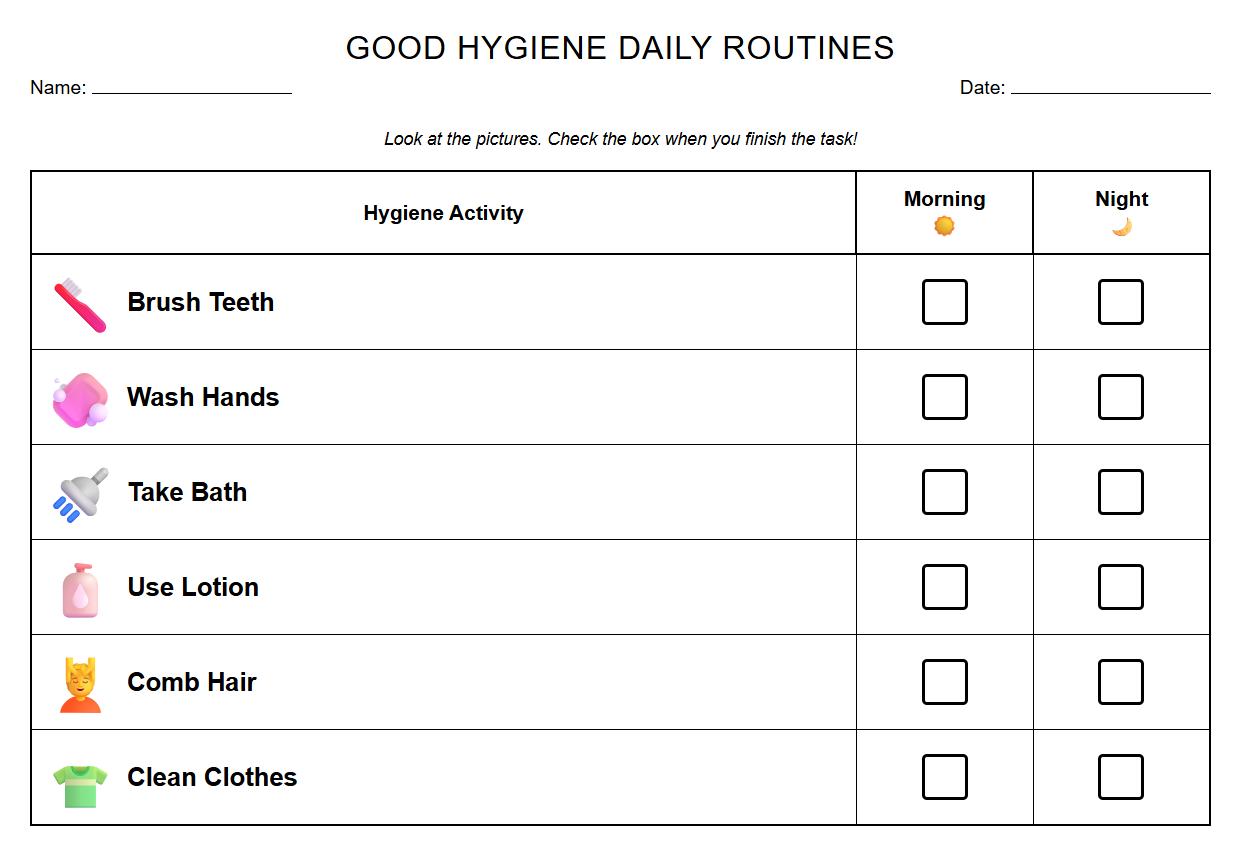
You should wash your hands before eating, after using the bathroom, after playing outside, and after coughing or sneezing. Washing hands at these times removes germs and keeps you and your friends healthy. It's a simple routine that protects everyone. Establish good habits just like those taught in animal homes worksheets.
Name Two Ways to Keep Your Toothbrush Clean
First, rinse your toothbrush thoroughly with water after each use to remove toothpaste and debris. Second, store it upright and allow it to air dry to prevent bacteria growth. Avoid sharing toothbrushes to maintain good oral hygiene. You can use the same steps when caring for tools in a plant growth experiment.
What Happens If You Forget to Wash Your Hands Before Eating?
Not washing your hands can transfer harmful germs to your food, increasing the chance of getting sick. Germs can cause stomach aches, colds, or other infections. Washing hands is a key step to keeping your body strong and healthy. Protect yourself from unwanted substances just like recognizing solids, liquids, and gases.
Why Is It Important to Use Tissues Instead of Your Hands?
Using tissues helps contain germs when you cough or sneeze, preventing them from spreading onto your hands and surfaces. Tissues can be disposed of immediately, reducing the chance of contaminating others. This habit supports a cleaner, healthier space for everyone. You can explore more cleaning techniques in a coloring worksheet.
What Are Some Fun Songs to Sing While Washing Your Hands?
Singing songs like "Happy Birthday" twice or "Twinkle, Twinkle, Little Star" helps make sure you wash your hands long enough. Fun tunes keep children engaged and teach proper handwashing duration. This turns hygiene into a playful learning experience. Try learning these songs as you practice phonics with science topics.
Can You Name a Healthy Habit That Helps Keep Germs Away?
One healthy habit is to wash your hands regularly with soap and water. Eating nutritious foods, getting plenty of sleep, and covering your mouth when coughing are also important. These habits help strengthen your body's defenses against germs. Stick to routines that help you grow, such as those in the flower life cycles worksheet.
What Should You Do If You See a Friend Sneezing Without Covering Their Mouth?
Kindly remind your friend to cover their mouth when sneezing to stop germs from spreading. Offer them a tissue if available and encourage handwashing afterward. Supporting each other helps keep the whole class healthy and safe. This is just like helping with shared science worksheets in the classroom.


Interactive Phonics-Based Human Body Vocabulary Worksheet for Kindergarten