Phonics Identification Worksheet Using the Five Senses for Young Learners

📅 Jun 1, 2025 👤 Nylen Smith

Phonics identification using the five senses engages young learners by connecting sounds to tactile, visual, and auditory experiences, reinforcing letter-sound relationships effectively. This multi-sensory approach supports memory retention and enhances early reading skills through hands-on activities. Explore our collection of phonics identification worksheets to make learning interactive and fun.

Phonics Sound Matching with Taste Themed Images
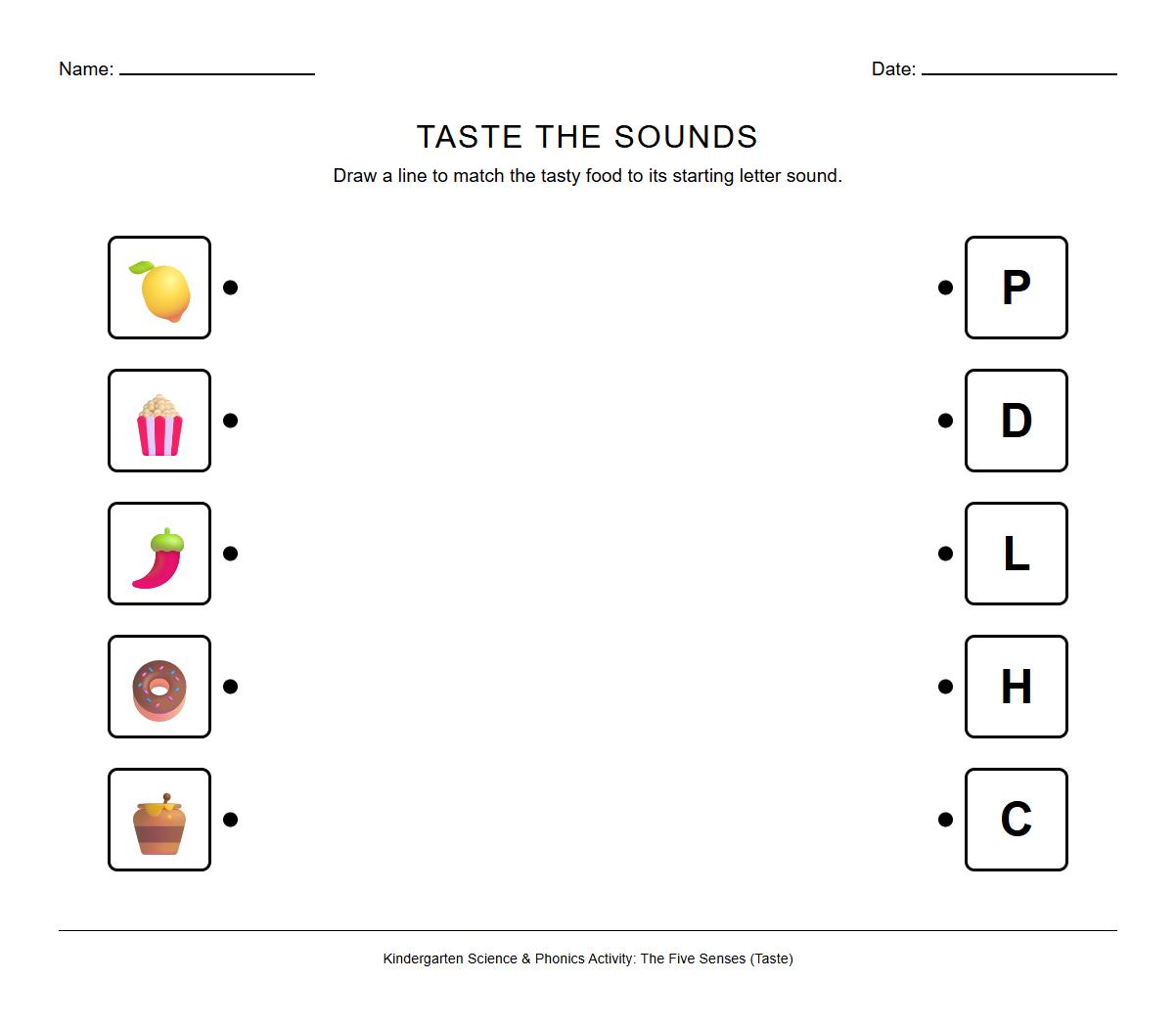
Phonics Sound Matching with Taste Themed Images

Download PDF     Pin it

Visual Phonics Recognition Using Sight Related Objects
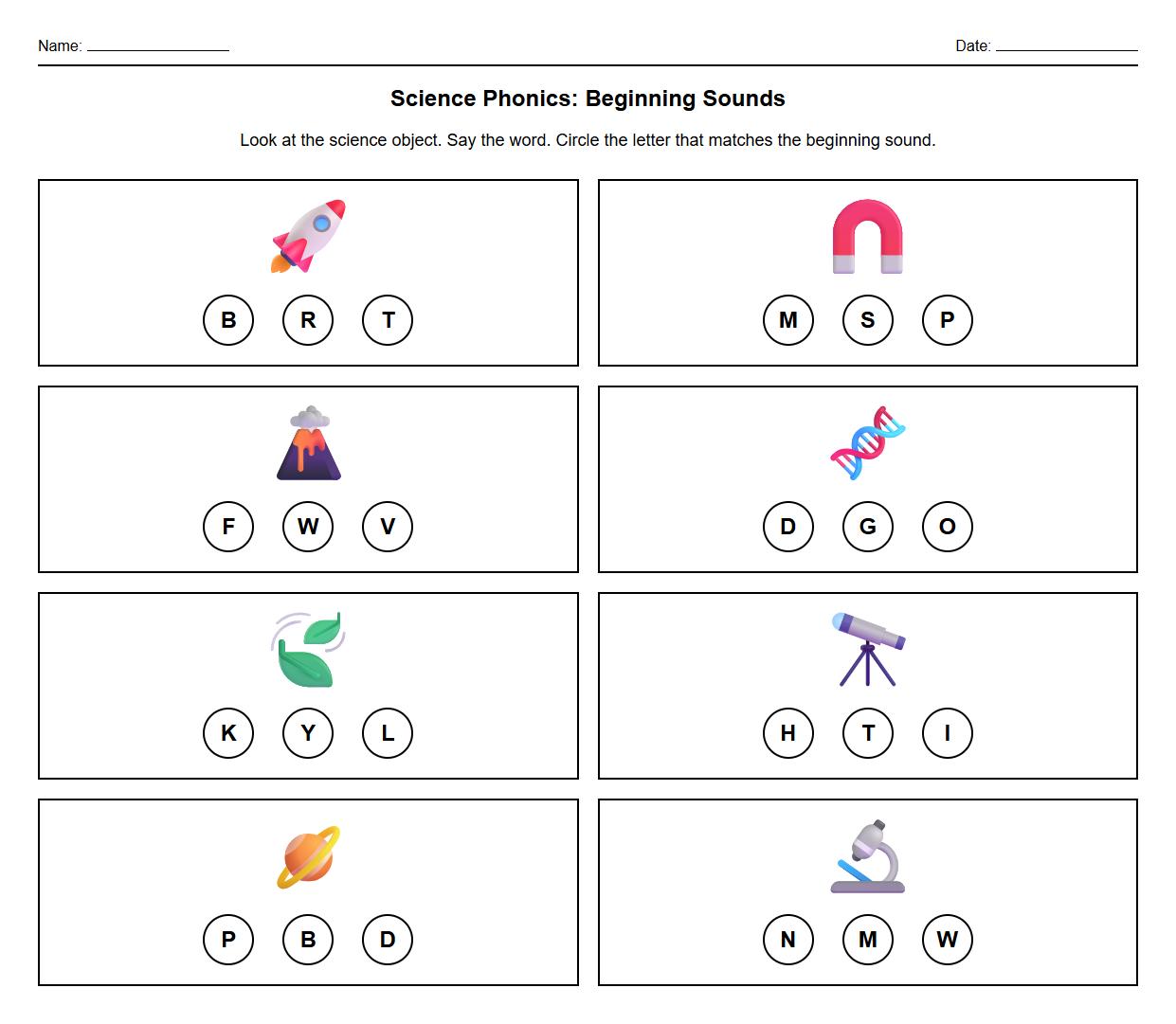
Visual Phonics Recognition Using Sight Related Objects

Download PDF     Pin it

Auditory Discrimination Phonics Worksheet Involving Listening Activities
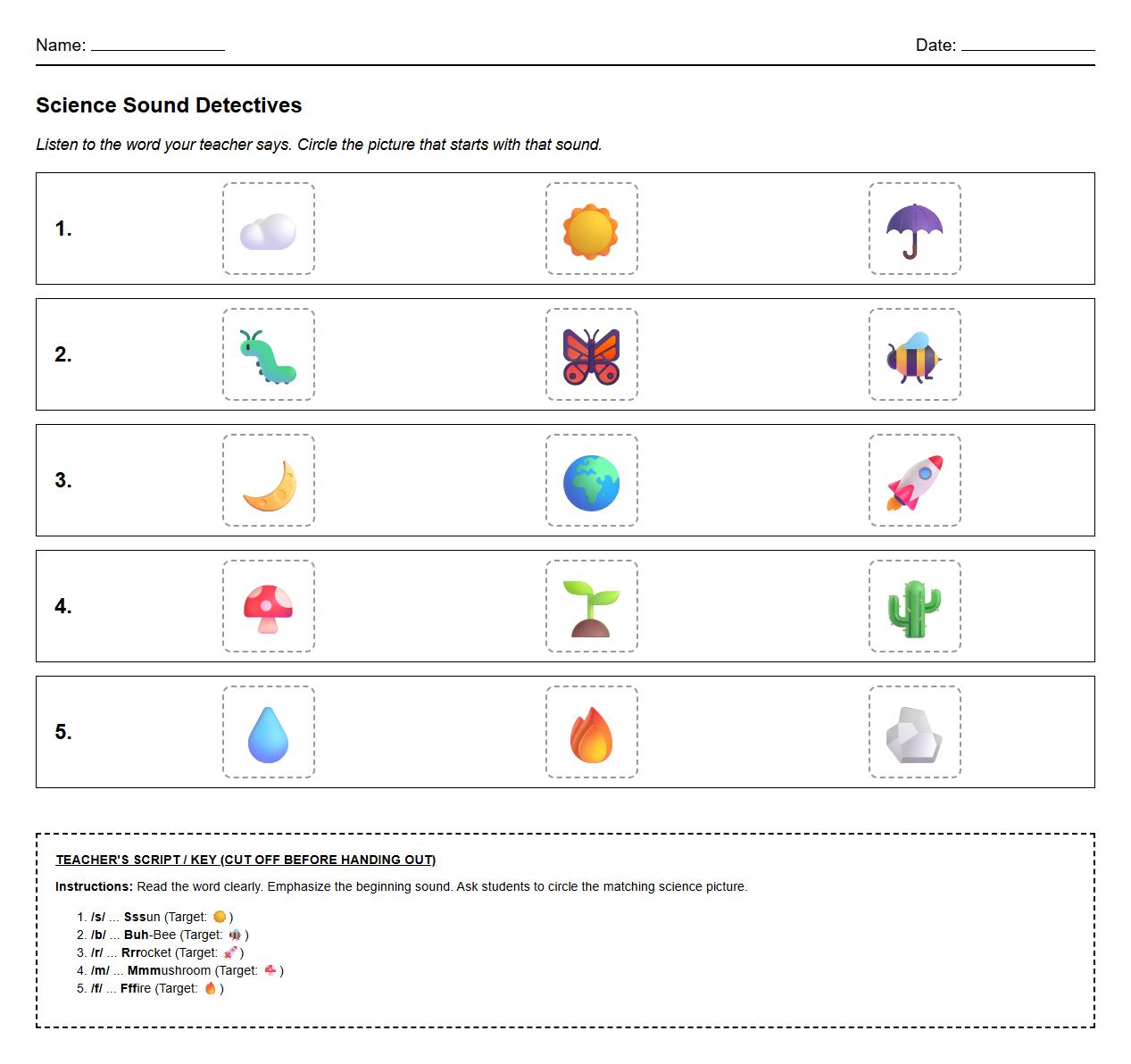
Auditory Discrimination Phonics Worksheet Involving Listening Activities

Download PDF     Pin it

Touch and Texture Based Phonics Identification Chart
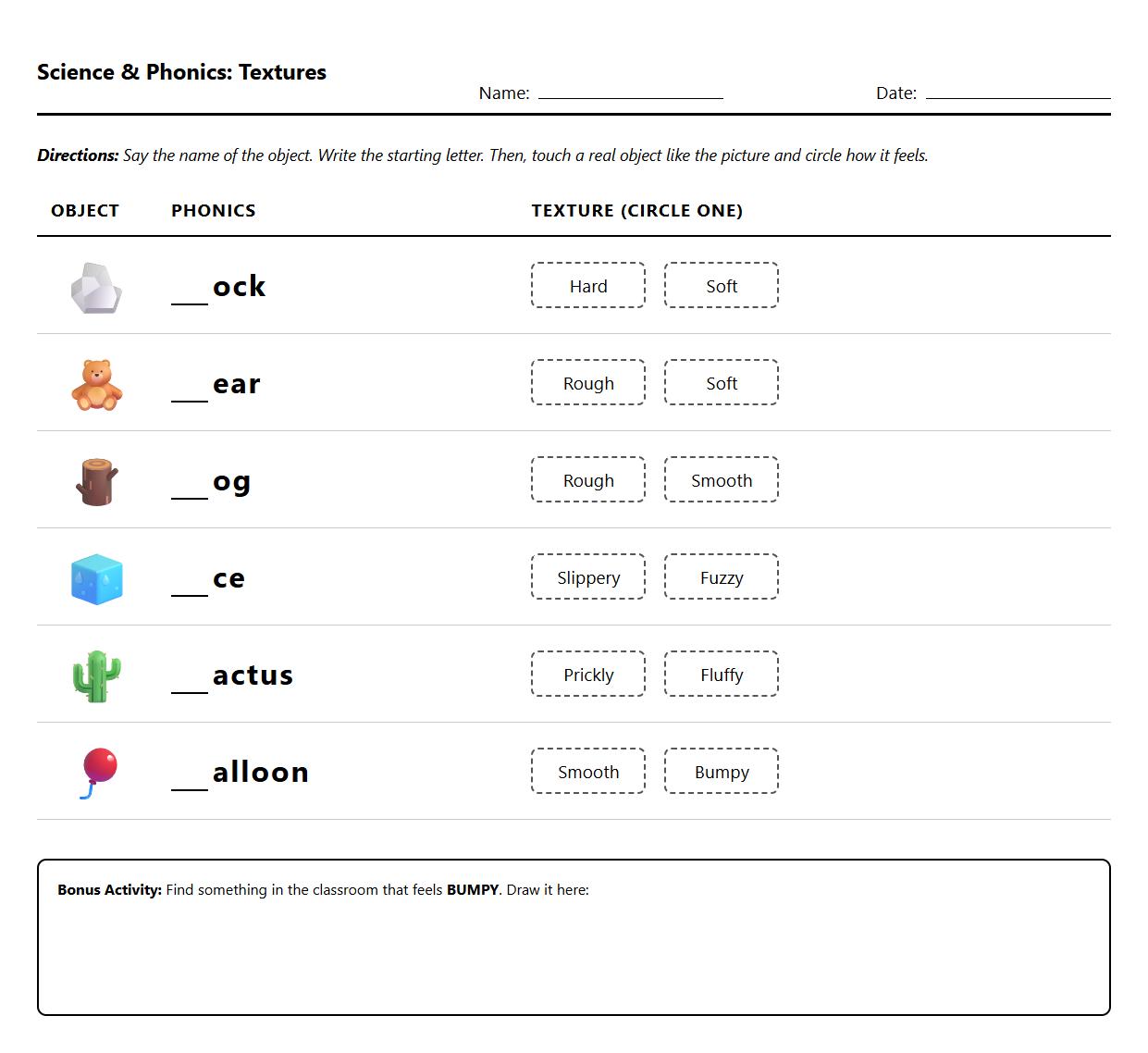
Touch and Texture Based Phonics Identification Chart

Download PDF     Pin it

Scent Related Phonics Sorting with Smell Associated Words
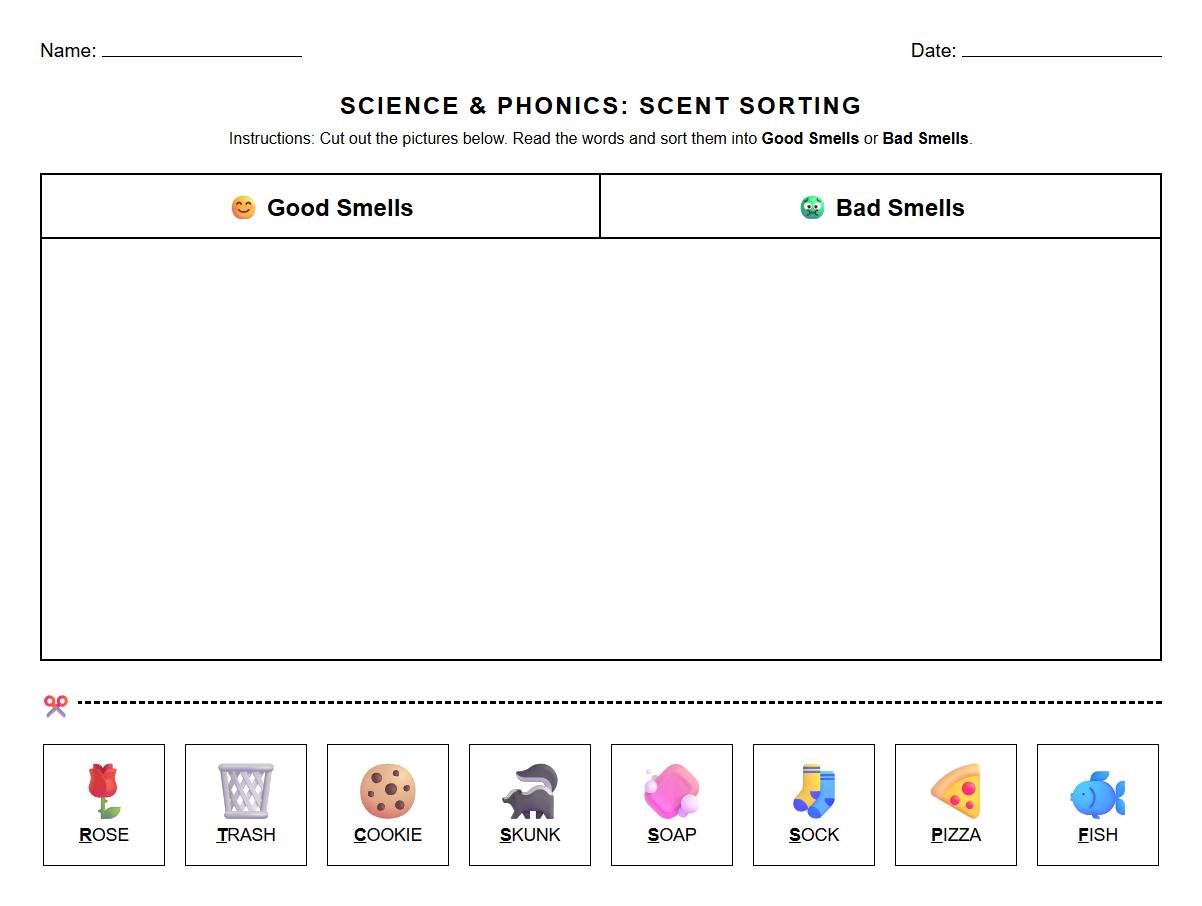
Scent Related Phonics Sorting with Smell Associated Words

Download PDF     Pin it

Five Senses Phoneme Segmentation Exercise
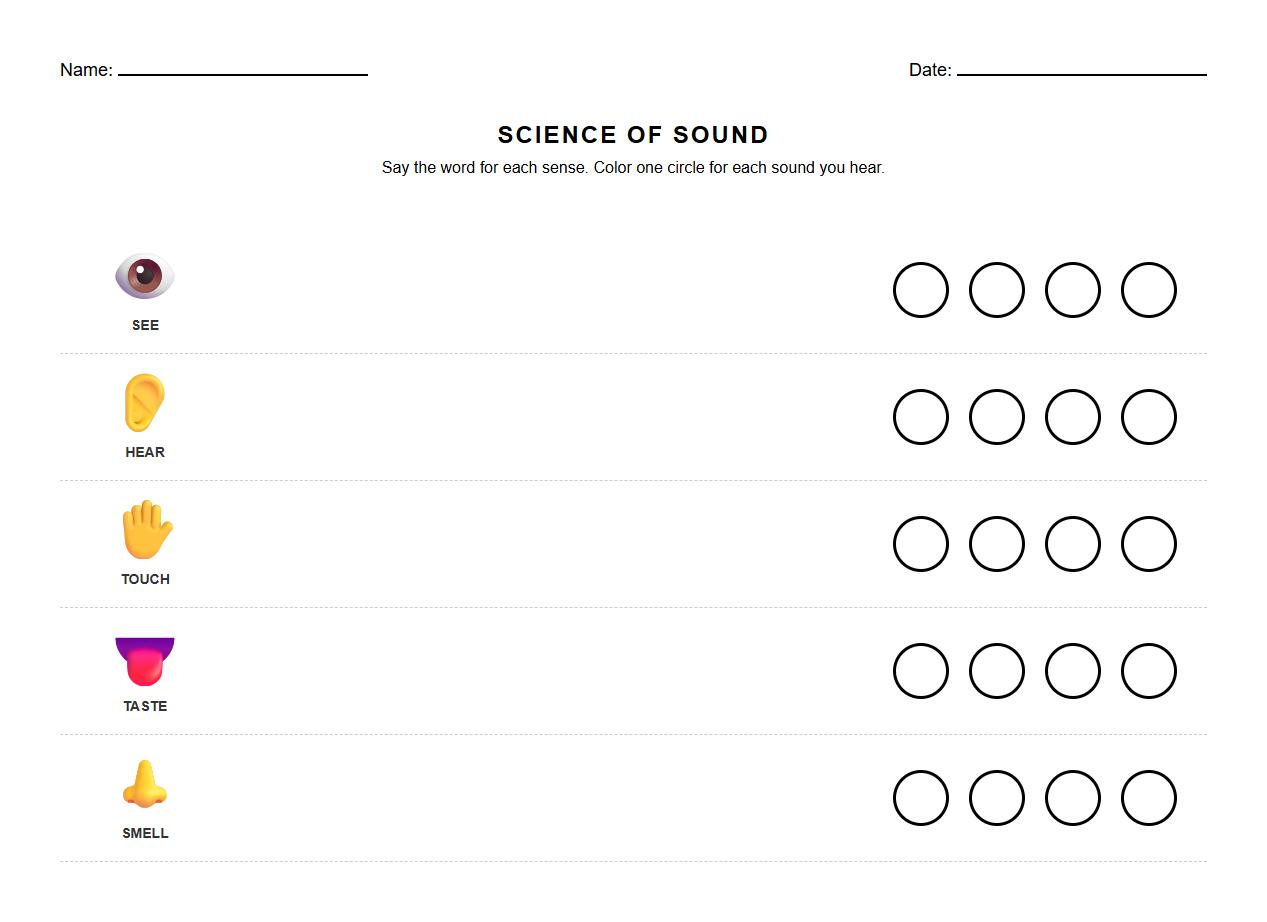
Five Senses Phoneme Segmentation Exercise

Download PDF     Pin it

Sensory Word Picture Phonics Initial Sound Identification
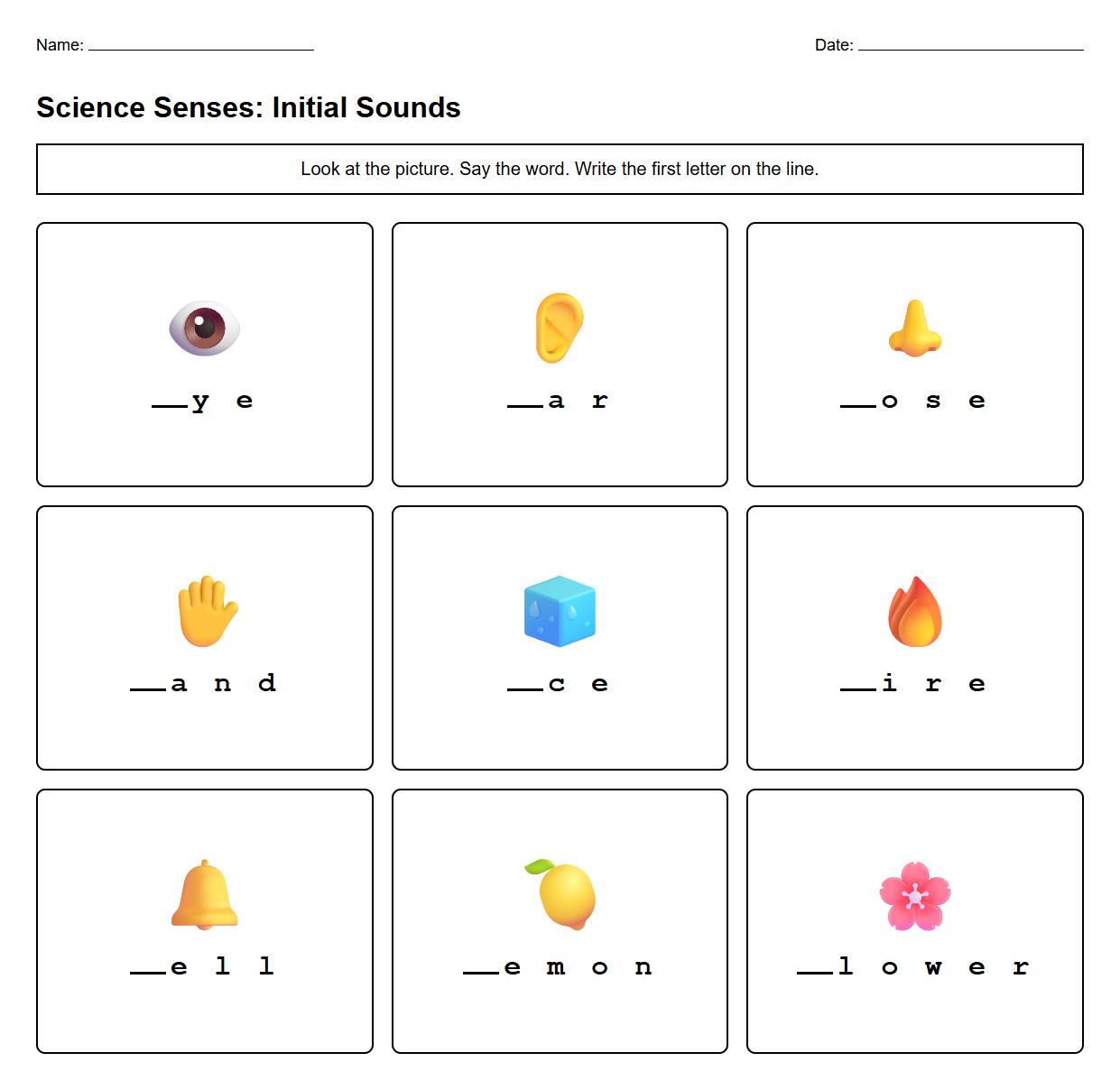
Sensory Word Picture Phonics Initial Sound Identification

Download PDF     Pin it

Multi Sensory Vowel and Consonant Sorting Activity
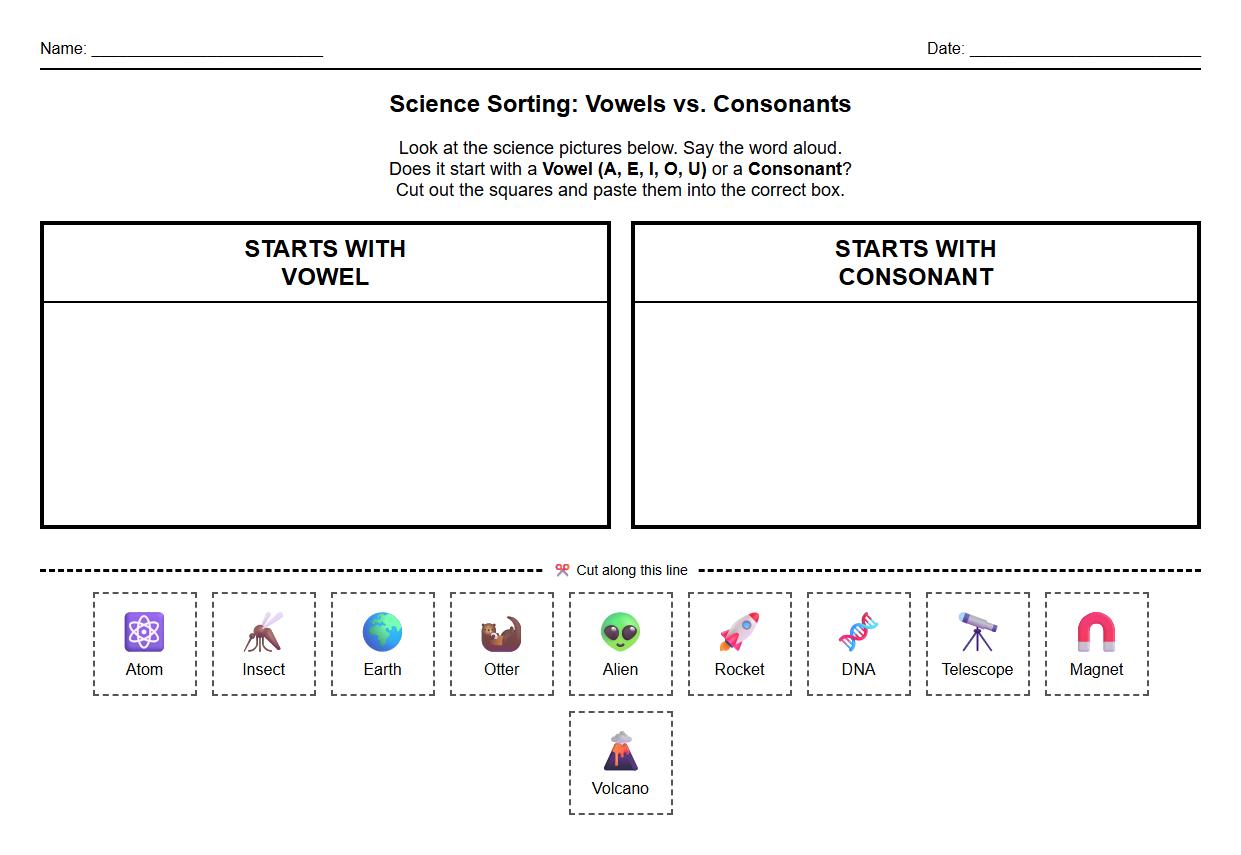
Multi Sensory Vowel and Consonant Sorting Activity

Download PDF     Pin it

Five Senses Based Rhyming Phonics Practice
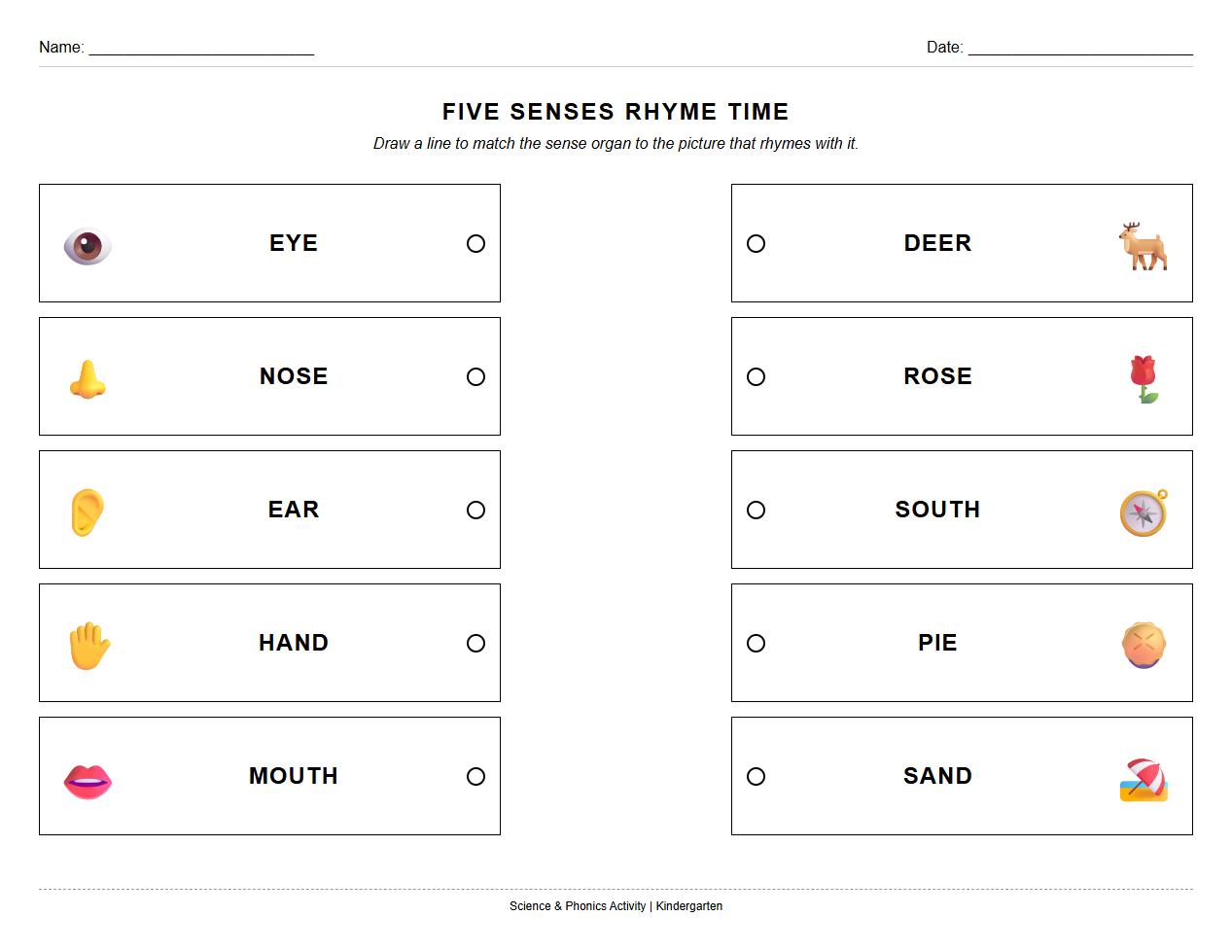
Five Senses Based Rhyming Phonics Practice

Download PDF     Pin it

Environmental Sound Phonics Blending Worksheet
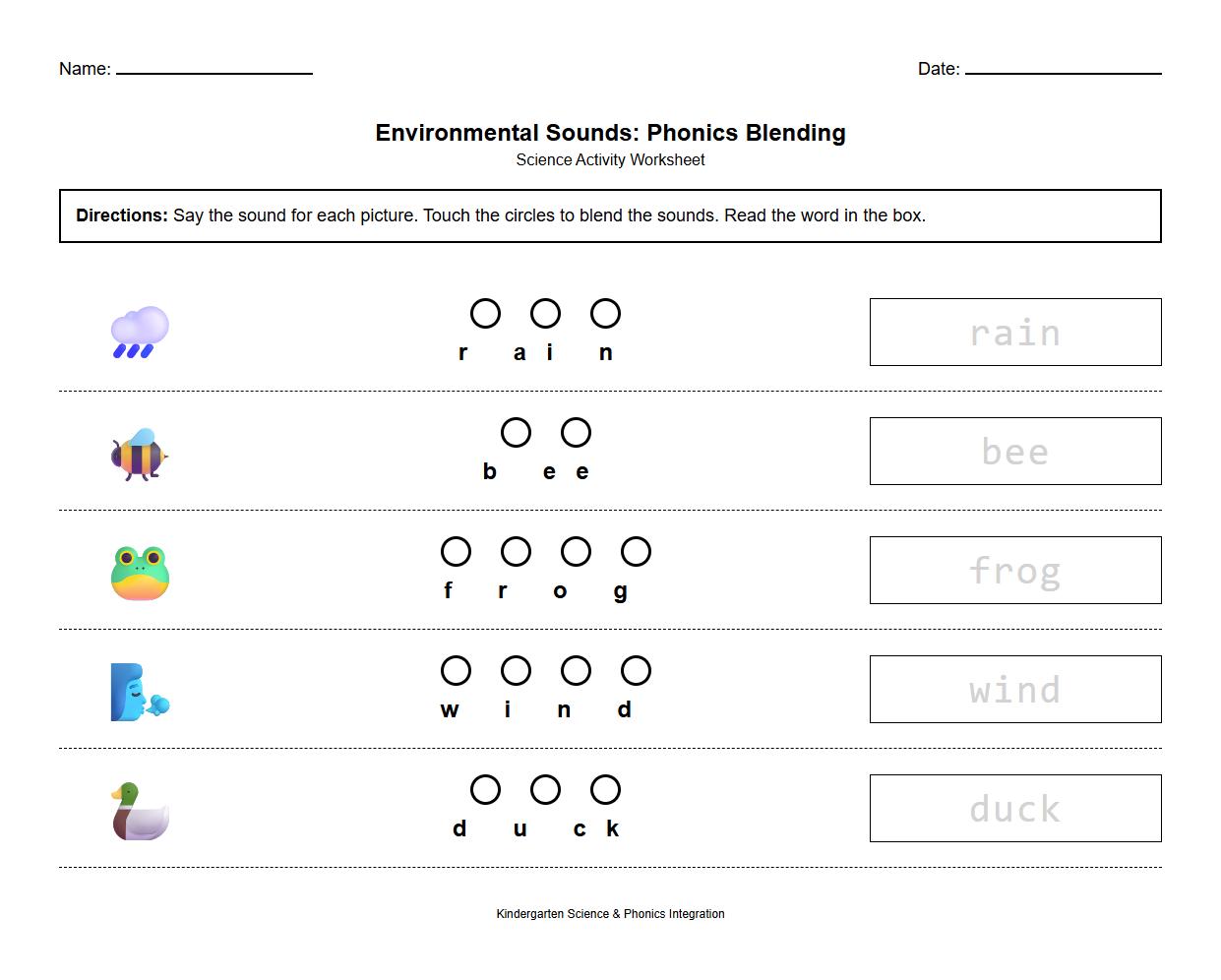
Environmental Sound Phonics Blending Worksheet

Download PDF     Pin it

Worksheet Guide: Sensory Letter Recognition

This worksheet helps kindergarten children learn the connection between letters and sensory experiences. Teachers and parents can use it to support early literacy and sensory development by asking children to identify items based on their senses and starting letters. Sensory activities boost engagement and reinforce letter recognition through tasting, hearing, touching, seeing, and smelling.

Taste and Letter S

Ask children to find a picture showing something they can taste that begins with the letter S. This encourages them to connect the sense of taste with letter sounds. Examples might include strawberries or sugar. Highlighting this connection helps build early phonics skills.

Sound and Letter B

Direct children to circle the item they can hear that starts with the letter B. Sounds like bells or birds work well for this task. This promotes auditory discrimination and letter sound awareness. Circling also improves fine motor skills.

Touch and Letter F

Have children identify an object they can touch that begins with the letter F. Objects like fabric or feathers are perfect for this activity. This sensory approach strengthens tactile vocabulary and letter recognition. Encourage children to describe texture while naming the beginning sound.

Visual and Letter D

Children should find an image representing something they can see that starts with the letter D. Pictures of dogs or ducks are great visual examples. Visual recognition combined with letter sounds supports alphabet learning. Use discussions to deepen their understanding of the letter D.

Smell and Letter R

Ask children to choose the item they can smell that begins with the letter R. Items like roses or rosemary provide sensory links to letter recognition. This activity enhances olfactory skills alongside phonics. Encouraging children to say the words aloud reinforces sound-letter connection.

Sound and Letter M Match

Let kids match the object they can hear with the starting letter M. Sounds such as music or a mooing cow help develop memory and auditory skills. Matching activities also improve cognitive abilities. This exercise highlights the link between sounds and written letters.

Taste and Letter A

Invite children to point to the food they can taste that begins with the letter A. Apples or apricots are ideal examples. Tactile interaction with food vocabulary enriches language learning. Ensure children say the names to practice pronunciation and letter sounds.

Touch and Soft Items

Children should find the soft item to touch and write its beginning sound. Soft objects like a teddy bear or fabric enhance sensory experience. Writing the initial letter links physical touch to literacy skills. This active exercise fosters fine motor and phonemic awareness.

Smell and Letter L

Kids identify which picture shows something they can smell starting with the letter L. Lemon or lavender images work well for this purpose. This exercise combines smell identification with early alphabet learning. Discussing smells encourages language use and sensory exploration.

Hearing and Loud Letter T

Ask children to circle the loud object they can hear beginning with the letter T. Examples like a trumpet or train emphasize auditory focus. Circling loud noises strengthens listening skills and letter sound awareness. This playful activity promotes attention and phonics.


More in Science Category


About the author. Nylen Smith is a dedicated educator and cofounder of KWorksheet.com, a popular platform specializing in high-quality kindergarten worksheets and printable activities.

Disclaimer. The information provided in this document is for general informational purposes and/or document sample only and is not guaranteed to be factually right or complete. Please report to us via contact-us page if you find and error in this page, thanks.

Comments

No comment yet