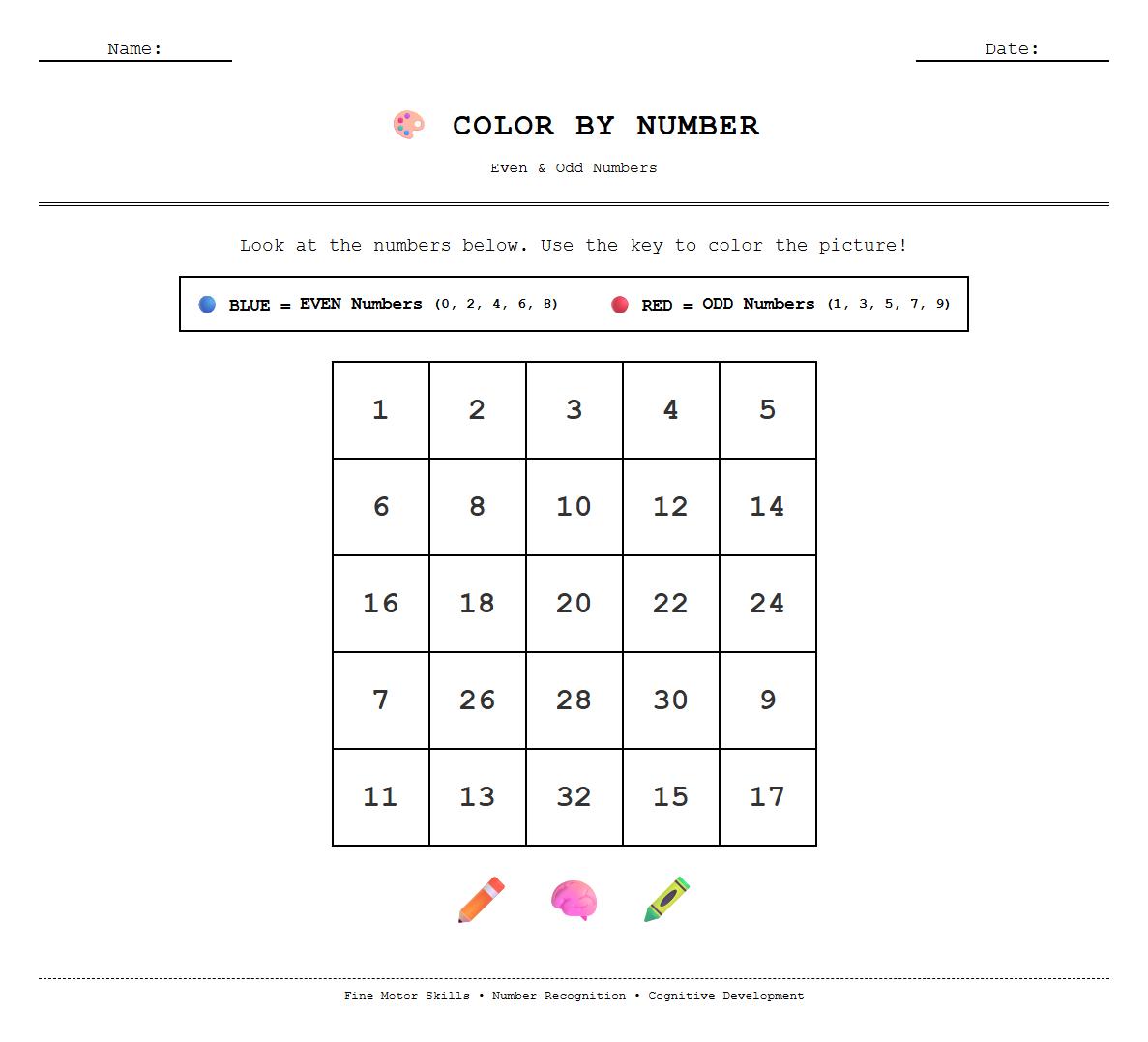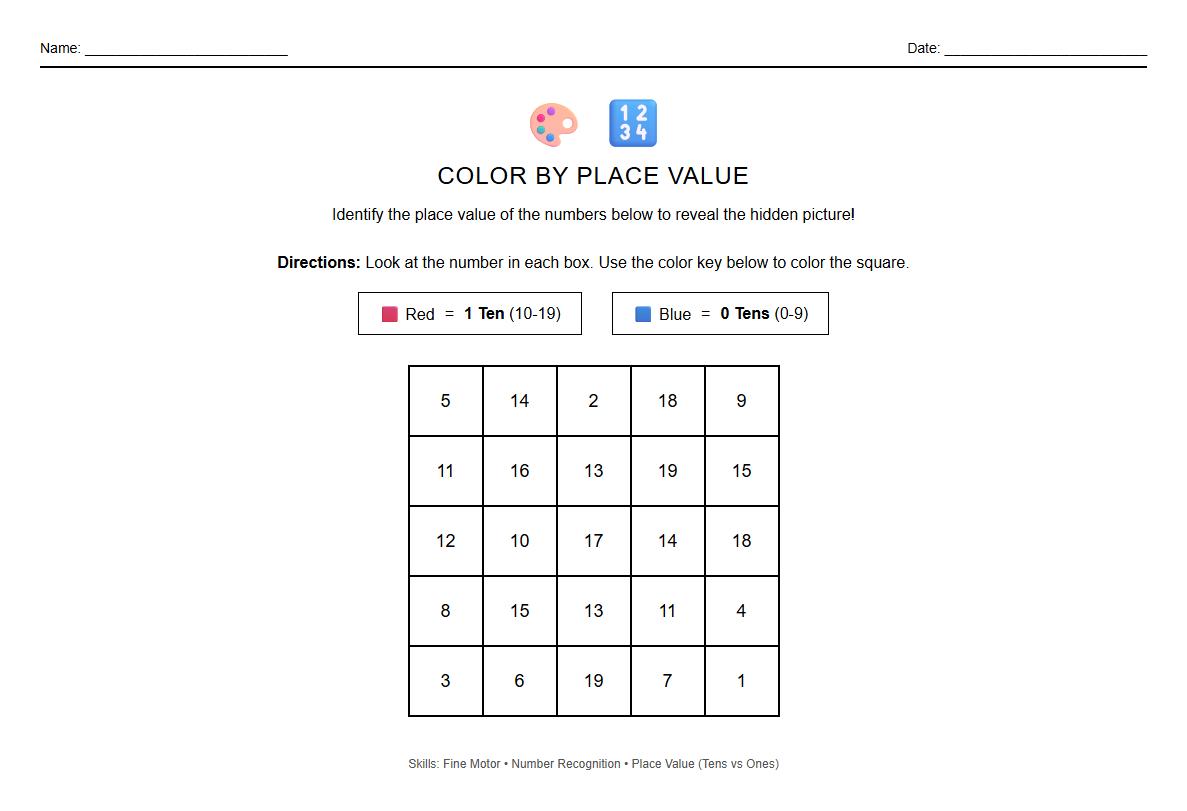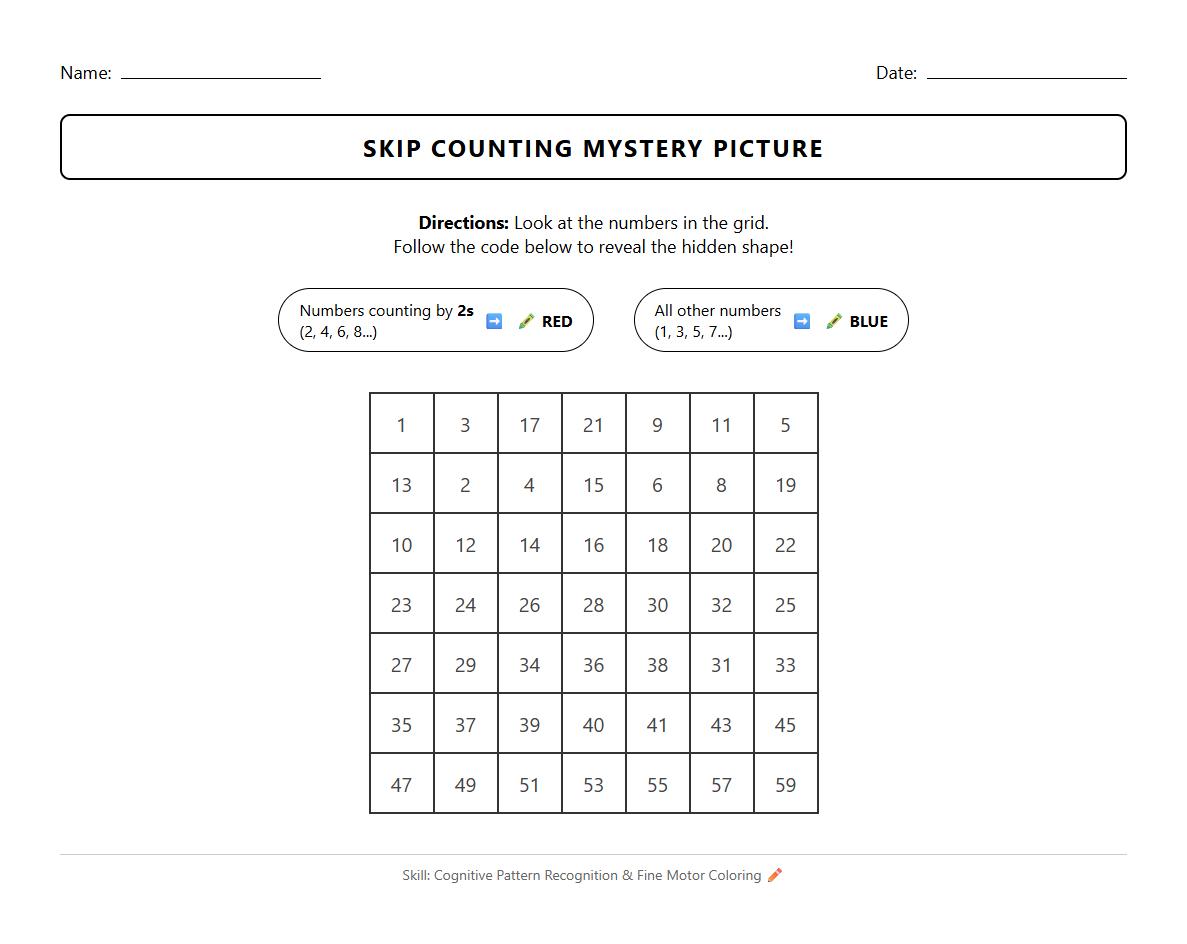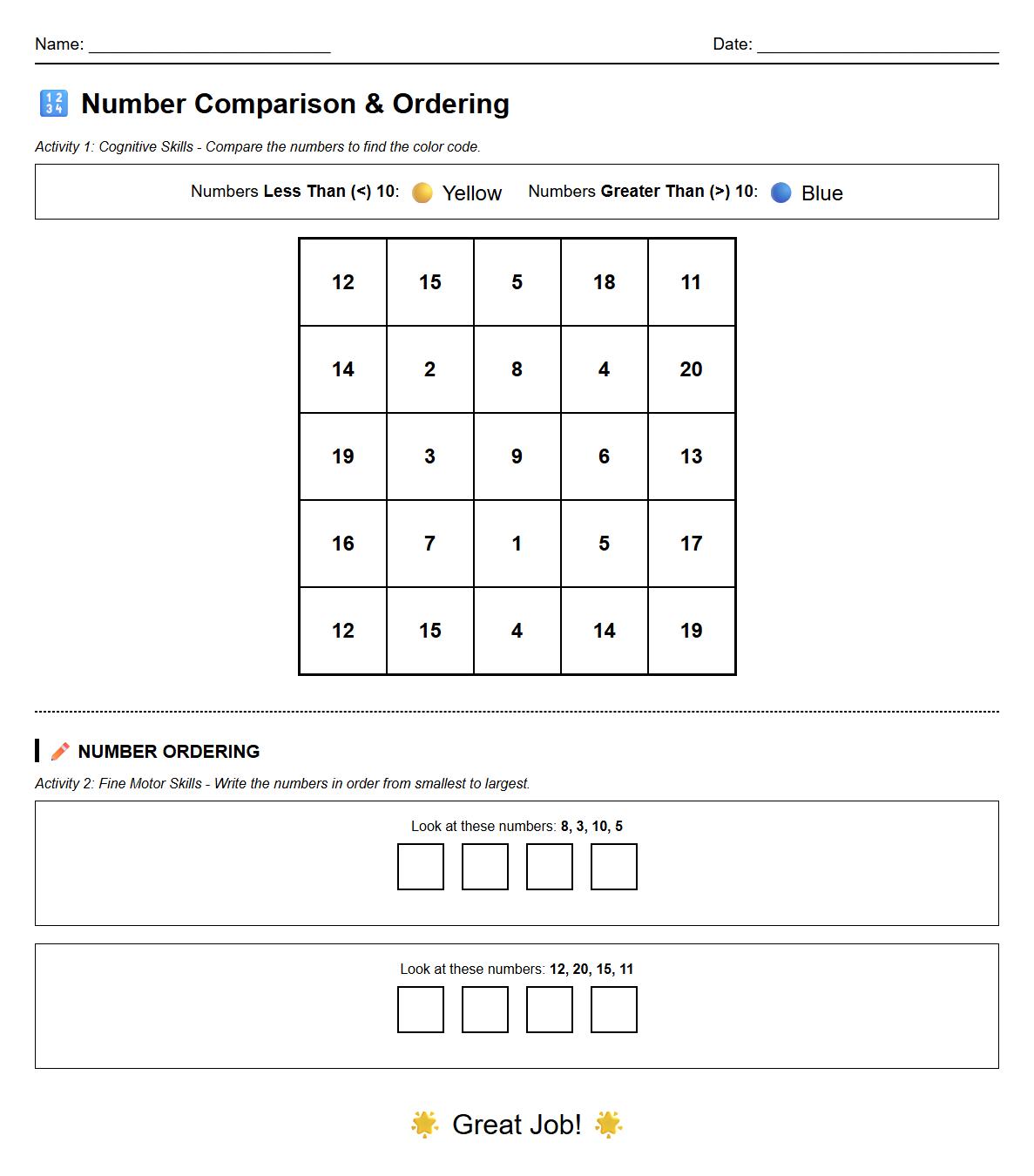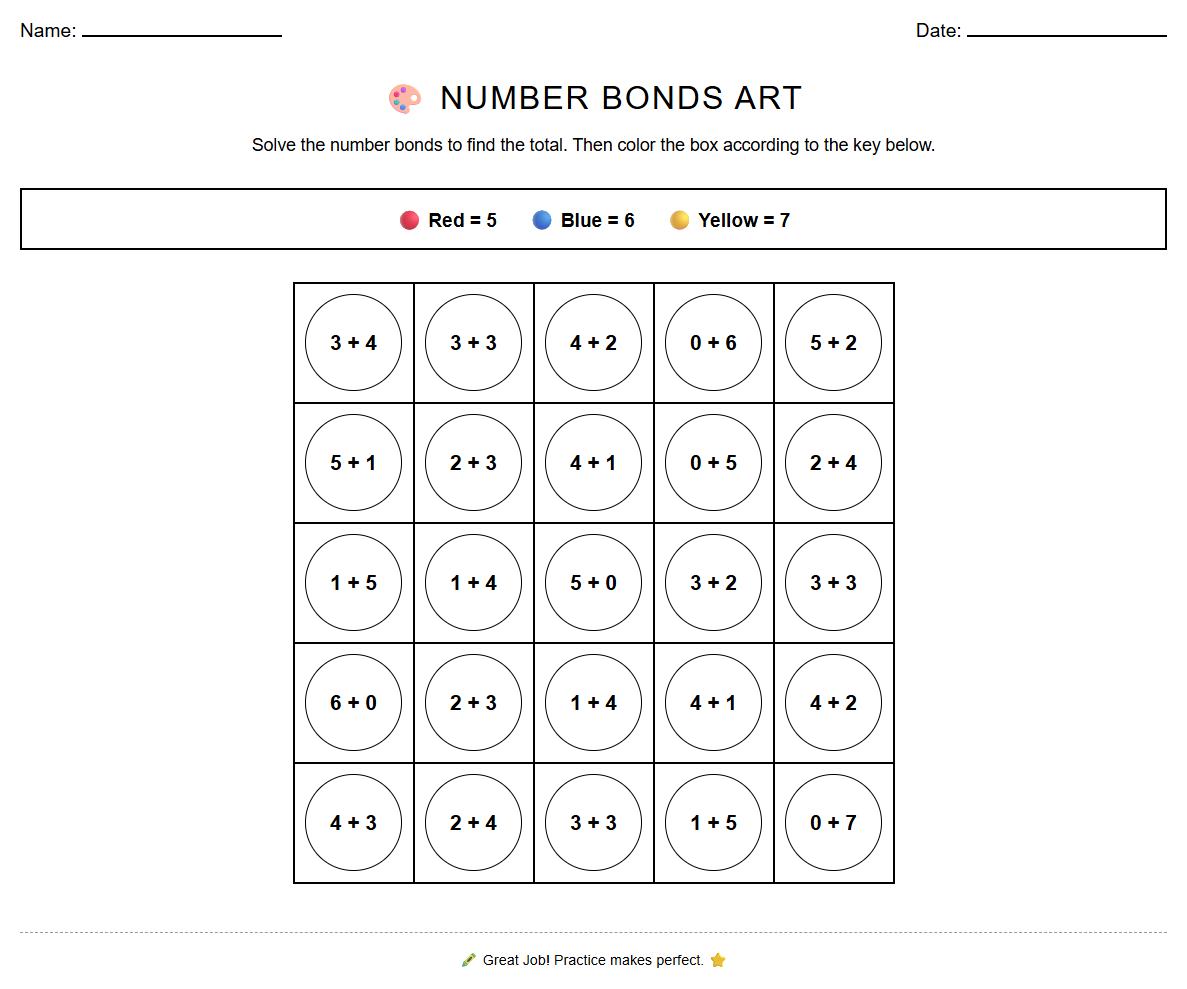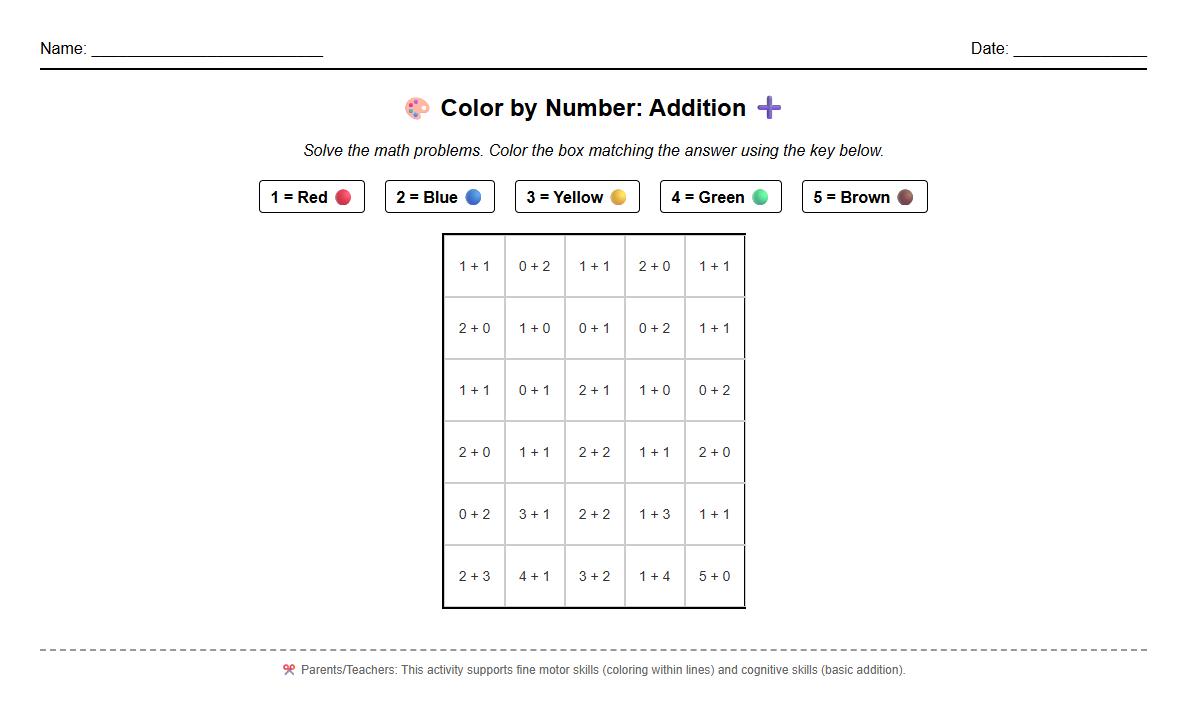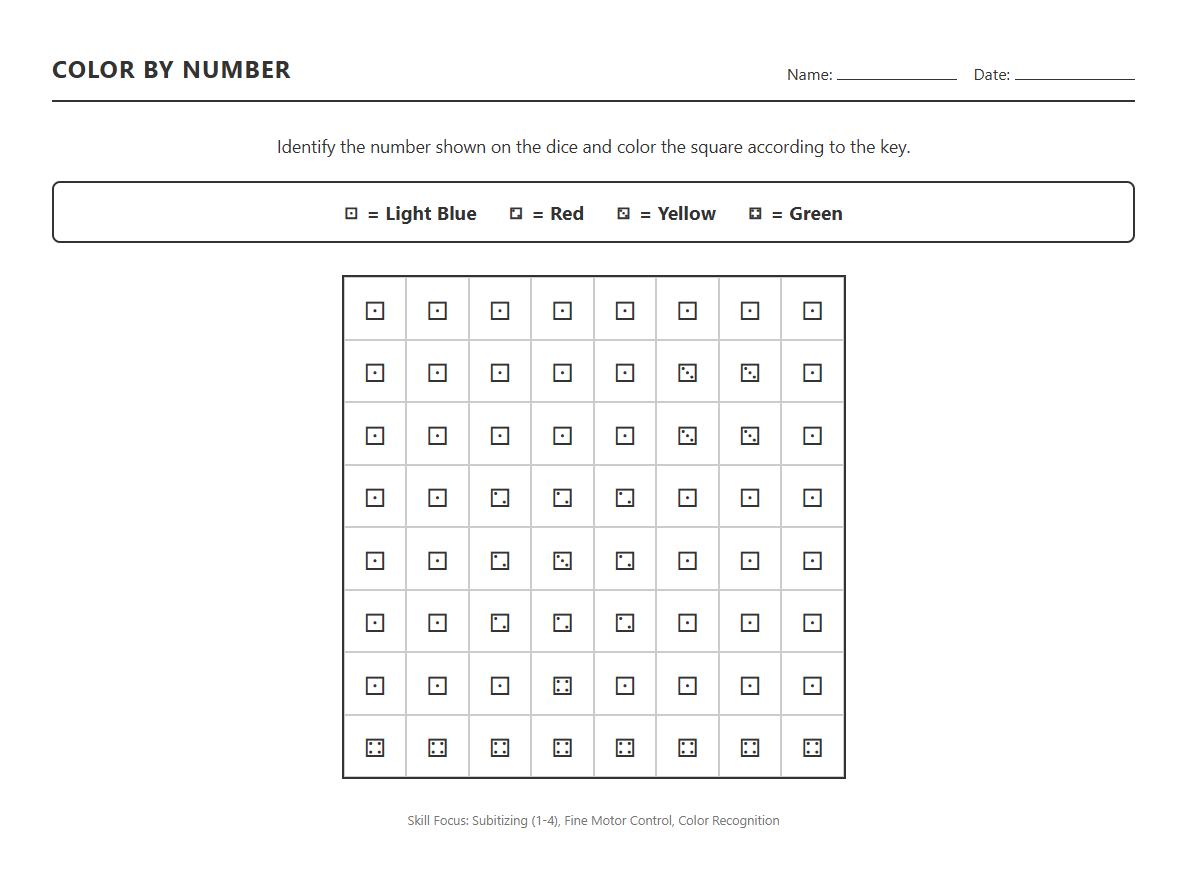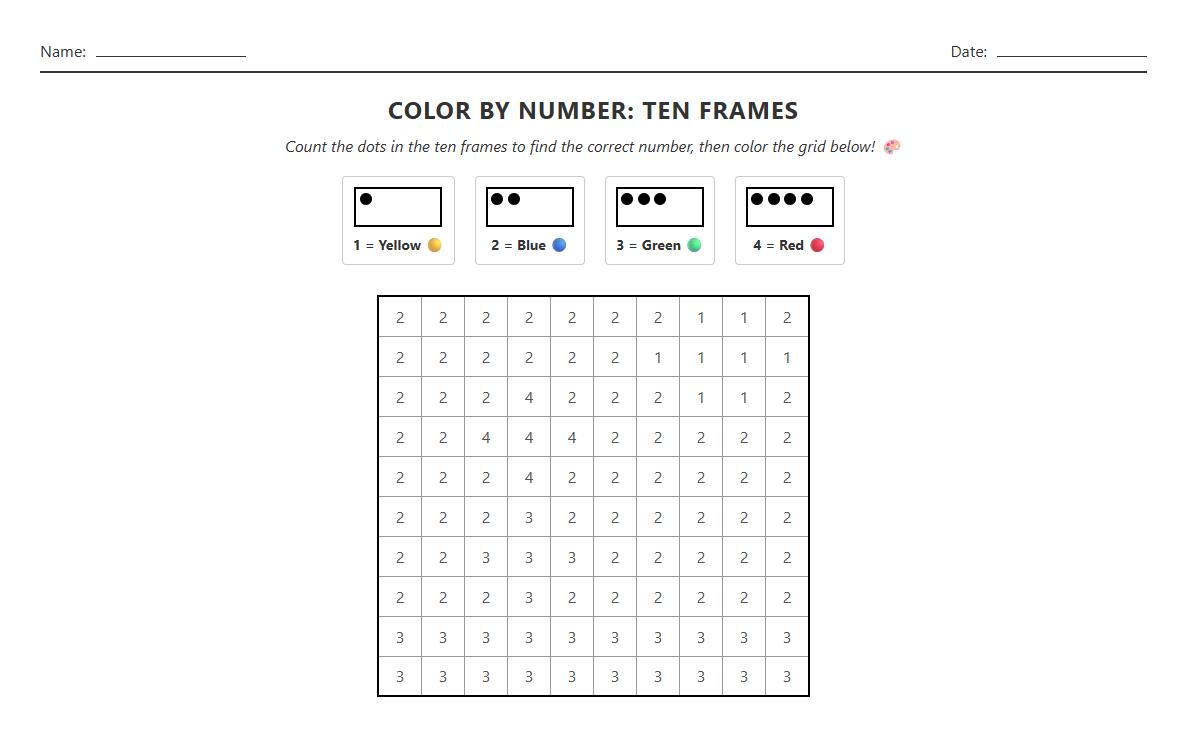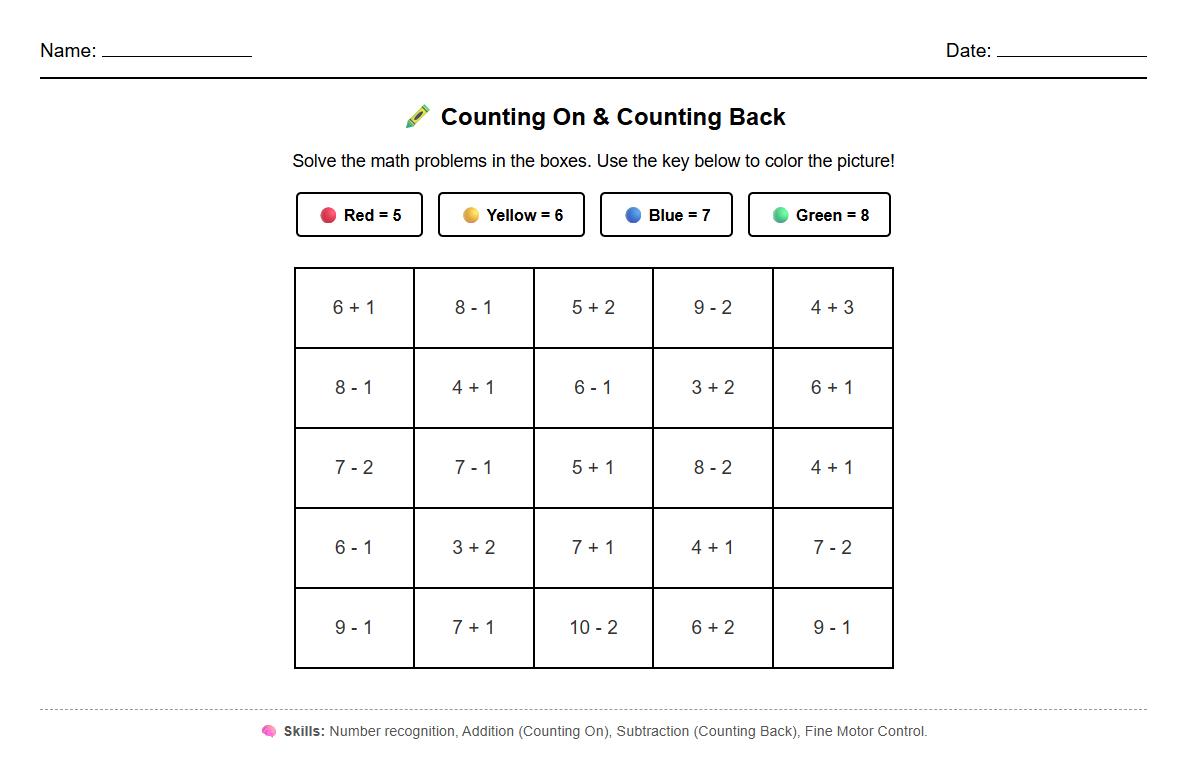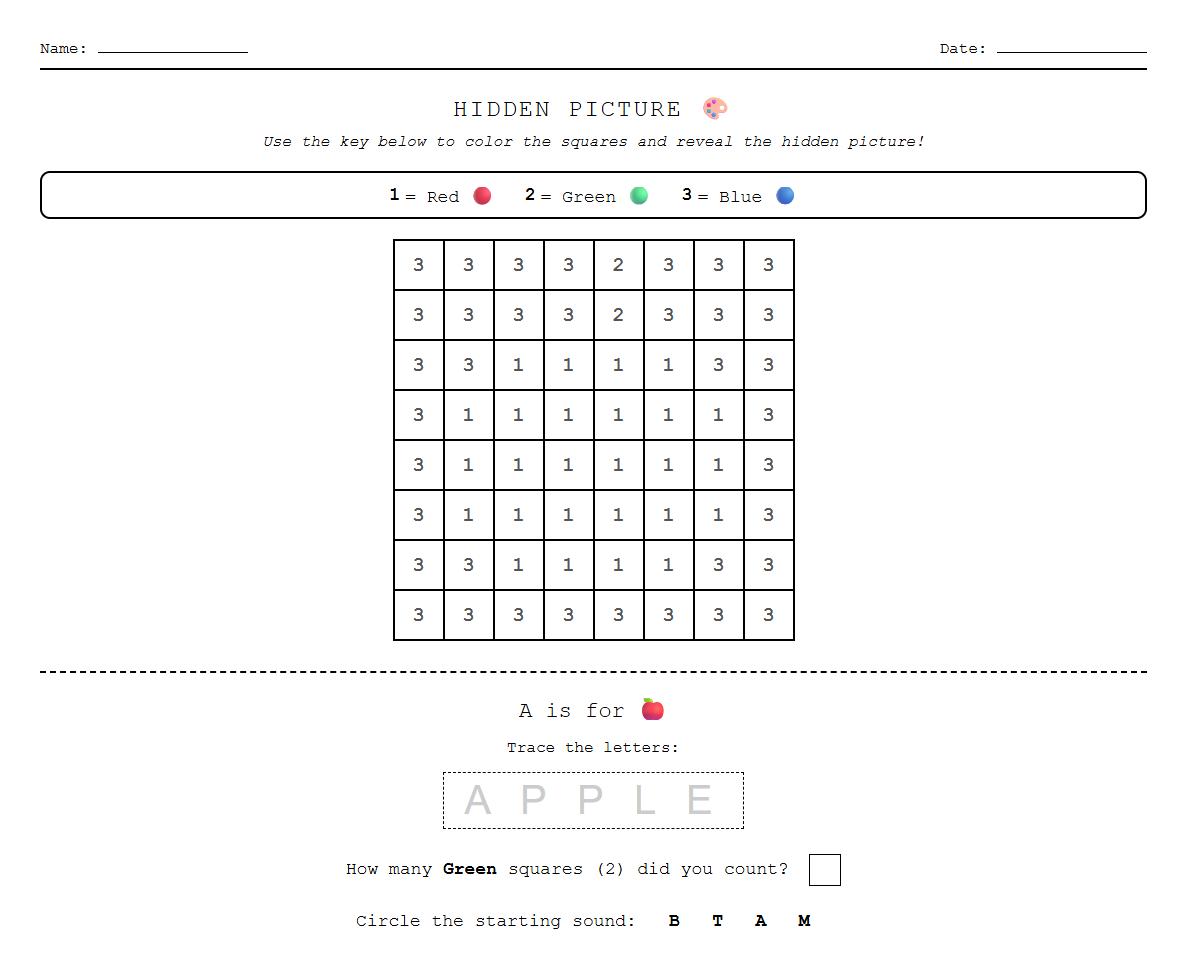
Enhance early math skills with Introduction to Number Sense through Color by Number worksheet activities that engage children in recognizing numbers and counting. These interactive exercises combine visual arts with numeric concepts to build foundational understanding and improve concentration. Explore the available worksheets to make learning number sense both fun and effective.
How do color by number worksheets help kindergarteners develop number recognition skills
Color by number worksheets enhance number recognition by associating numbers with specific colors, making learning interactive and fun. Kindergarteners repeatedly identify numbers to determine coloring instructions, reinforcing their number familiarity. This method supports visual memory and helps children differentiate numbers in a meaningful context. Consequently, kids build stronger connections between numeric symbols and their meanings.
What strategies can teachers use to introduce color by number activities in the classroom
Teachers can start by modeling the activity, demonstrating how to match numbers to colors step-by-step. Using hands-on examples and encouraging group participation fosters engagement and confidence. Introducing simple, clear instructions and gradually increasing complexity helps scaffold learning effectively. Reinforcing positive feedback motivates students while helping them understand the task.
How can color by number activities support early math vocabulary in kindergarten
Color by number tasks introduce essential math terms such as "number," "color," "match," and "pattern" in a practical setting. By following directions involving these words, children become familiar with early math vocabulary. Discussing colors and numbers during the activity promotes verbal skill development alongside numerical understanding. This dual reinforcement strengthens both communication and math knowledge.
What are some ways to differentiate color by number worksheets for varying skill levels
Differentiation can involve simplifying number ranges or providing fewer color choices for beginners, while challenging advanced learners with larger numbers and more complex patterns. Worksheets can also vary in thematic content to match interests and cognitive levels. Incorporating visual cues or number-word matching supports diverse learners. Such adaptations ensure inclusivity and maintain motivation for all students.
How do color by number worksheets encourage fine motor skill development
Coloring within small numbered sections requires precision, promoting the development of fine motor skills and hand-eye coordination. Using crayons or colored pencils strengthens grip control and dexterity. These activities also enhance patience and focus, essential for handwriting readiness. Thus, color by number tasks contribute significantly to physical skill growth.
What role does visual discrimination play in color by number worksheets for young learners
Visual discrimination is critical as children must recognize subtle differences between numbers and corresponding color codes. This skill helps them differentiate shapes, patterns, and details, improving concentration and attention to detail. Color by number activities sharpen these abilities in a structured and enjoyable way. Enhanced visual discrimination supports reading and math success later on.
How can teachers integrate color by number activities with other subjects like art or science
Teachers can link color by number worksheets to art by focusing on color theory, patterns, and creativity. In science, activities can incorporate themes like animals, plants, or weather, merging numerical skills with content knowledge. Cross-curricular integration makes learning holistic and engaging. This approach fosters deeper understanding and retention across subjects.
What are effective methods for assessing student understanding through color by number worksheets
Assessment can include observing accuracy in color matching and number identification during the activity. Teachers can ask students to explain their color choices to gauge comprehension of instructions and vocabulary. Reviewing completed worksheets for correctness provides insight into individual progress. Informal discussions and peer collaboration further enrich assessment data.
How can color by number worksheets promote independent learning in kindergarten
These worksheets encourage autonomy by allowing children to work at their own pace, making decisions about color application. Clear, consistent instructions empower students to follow tasks independently. Repeated practice builds confidence and reduces reliance on adult help. Independent success enhances motivation and fosters a love for learning.
What materials and resources are best for creating engaging color by number activities for this age group
High-quality, washable crayons or markers are ideal for young learners to practice coloring safely. Worksheets should feature large, clear numbers and vibrant sections to maintain interest. Digital resources and printable templates offer variety and accessibility. Incorporating familiar themes and characters further boosts engagement among kindergarteners.


Kindergarten Fine Motor Skills Development with Color by Number Tasks