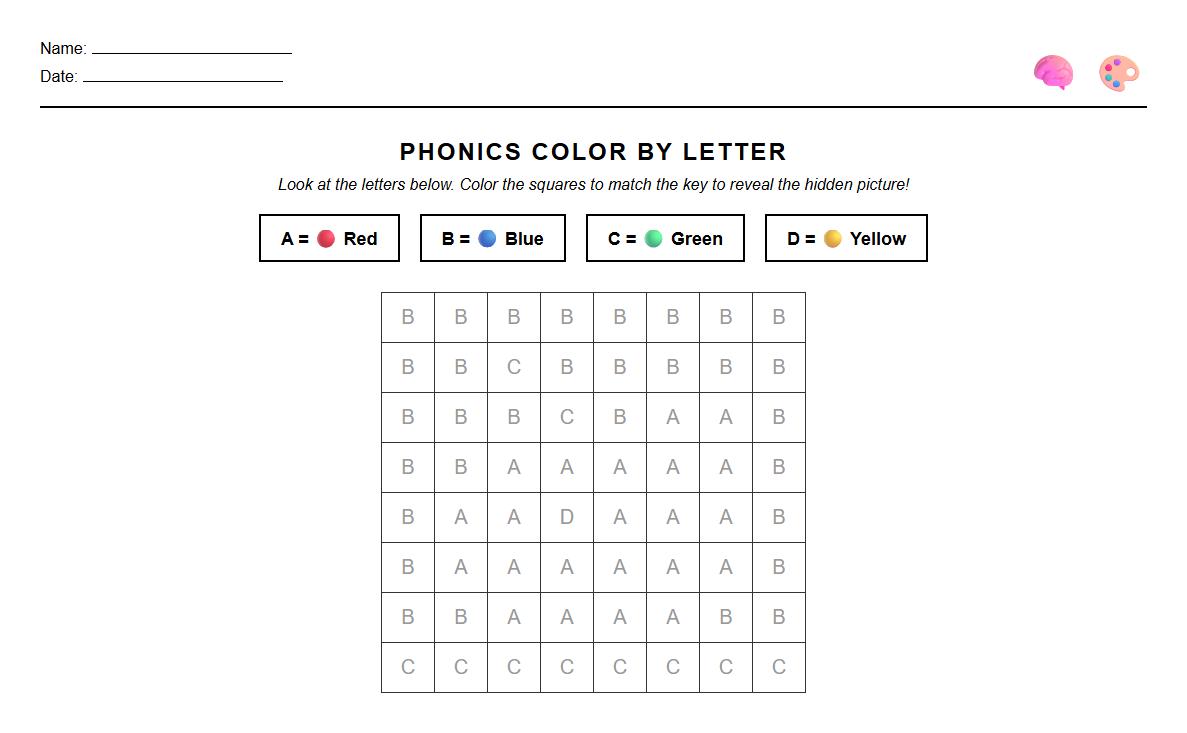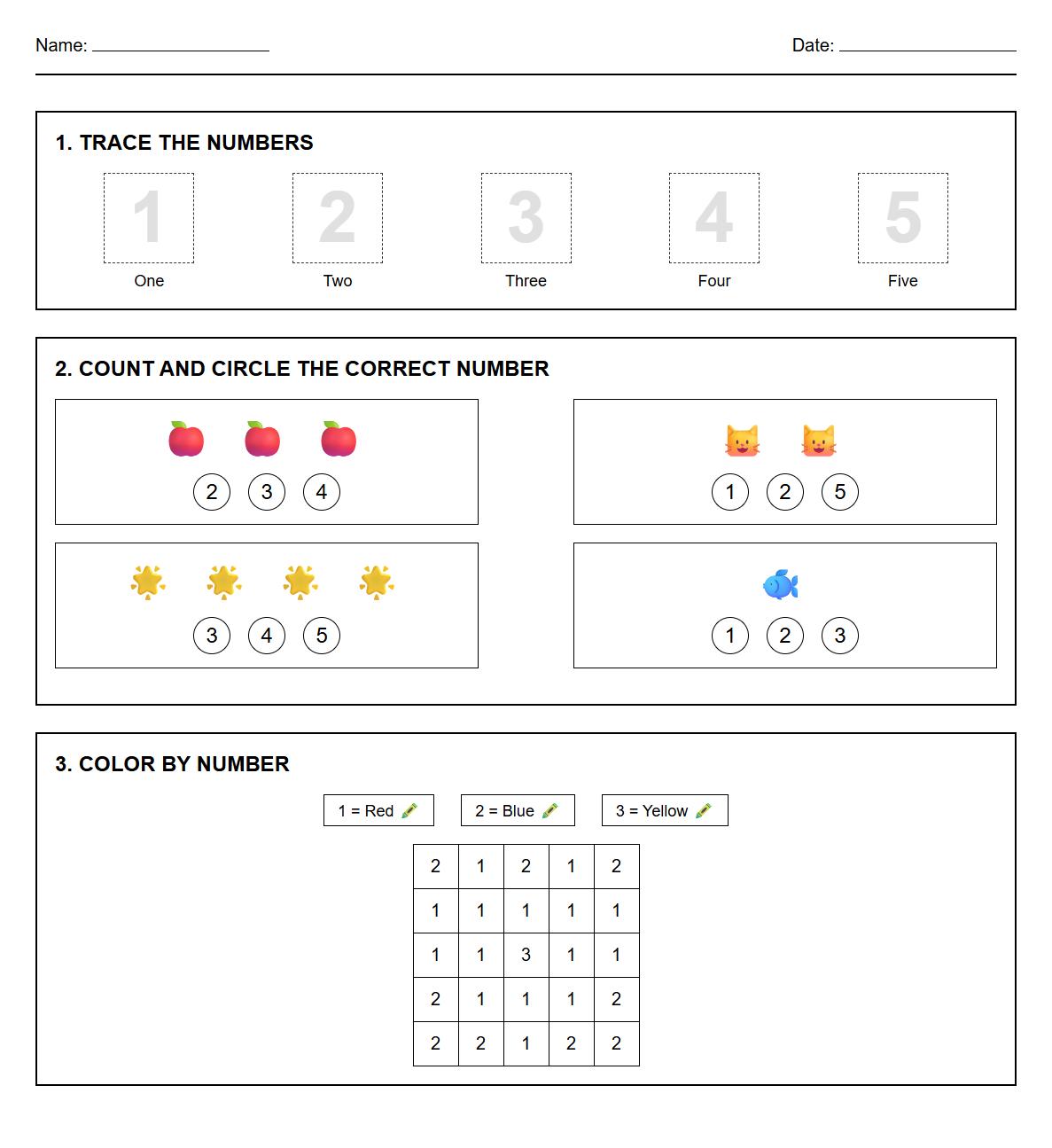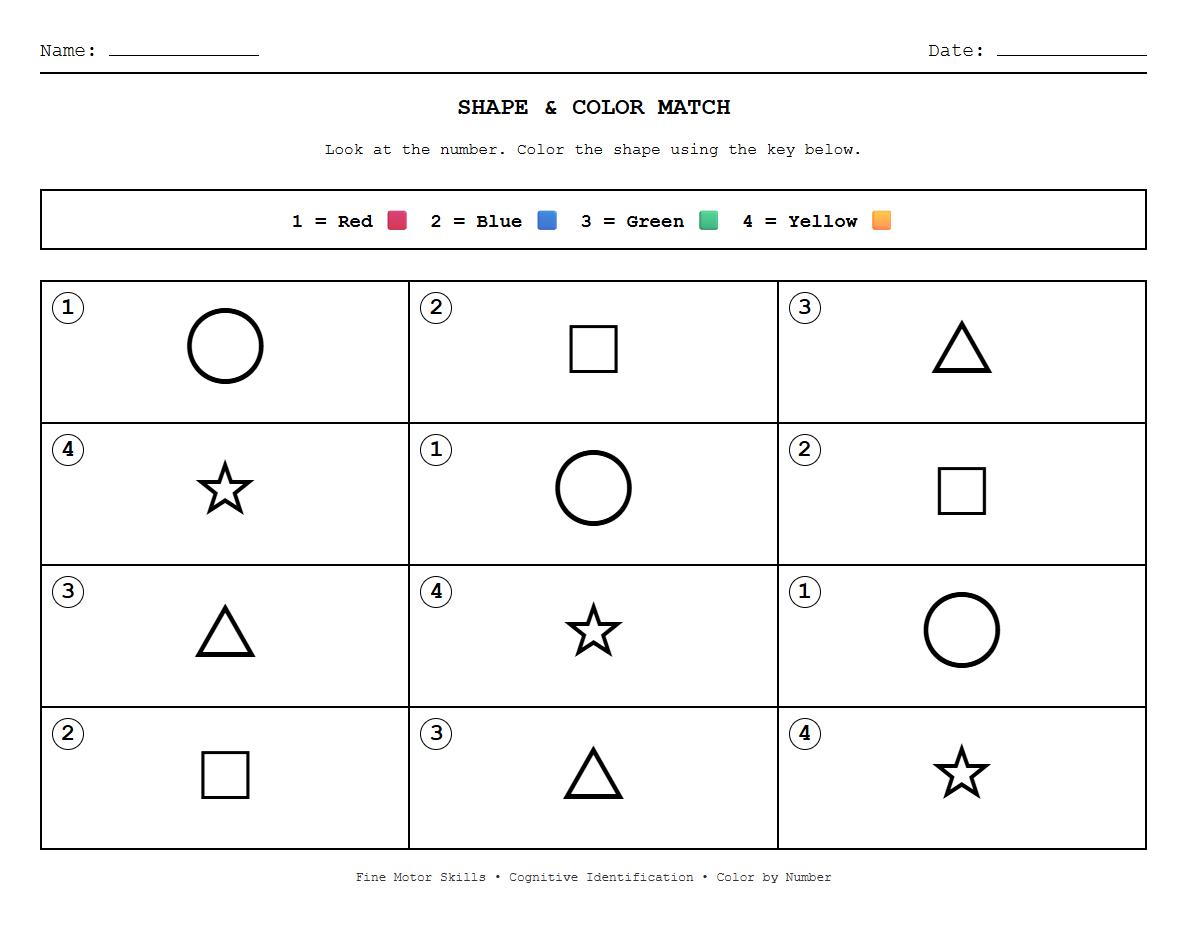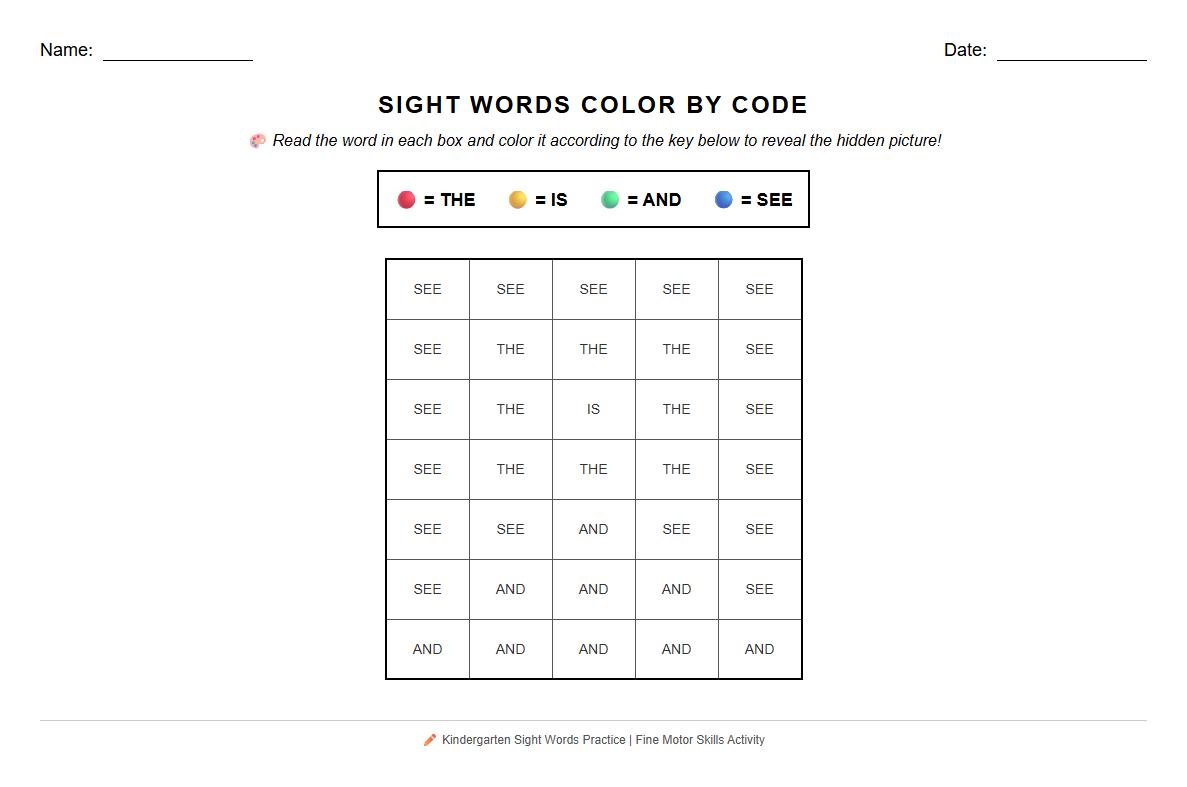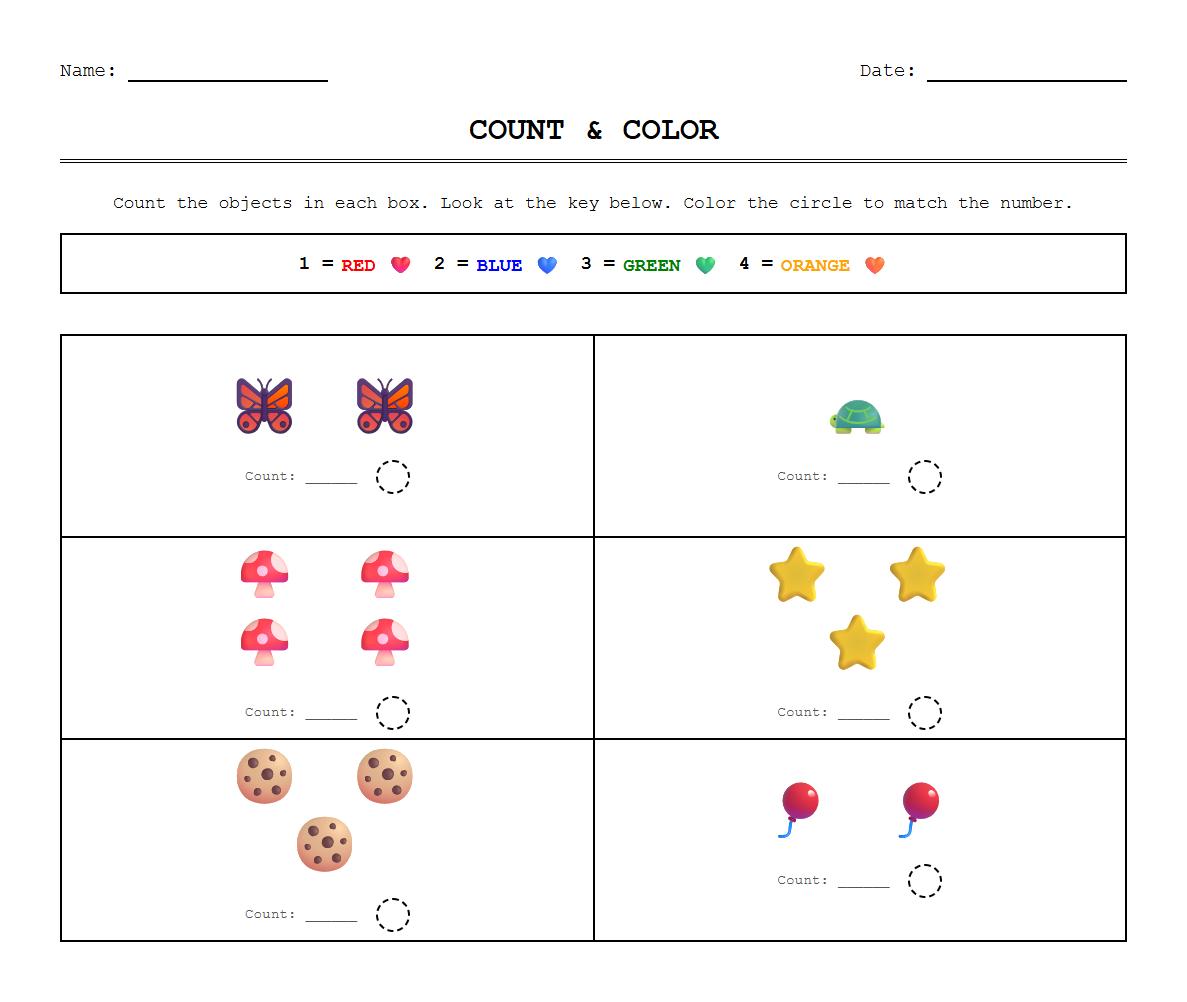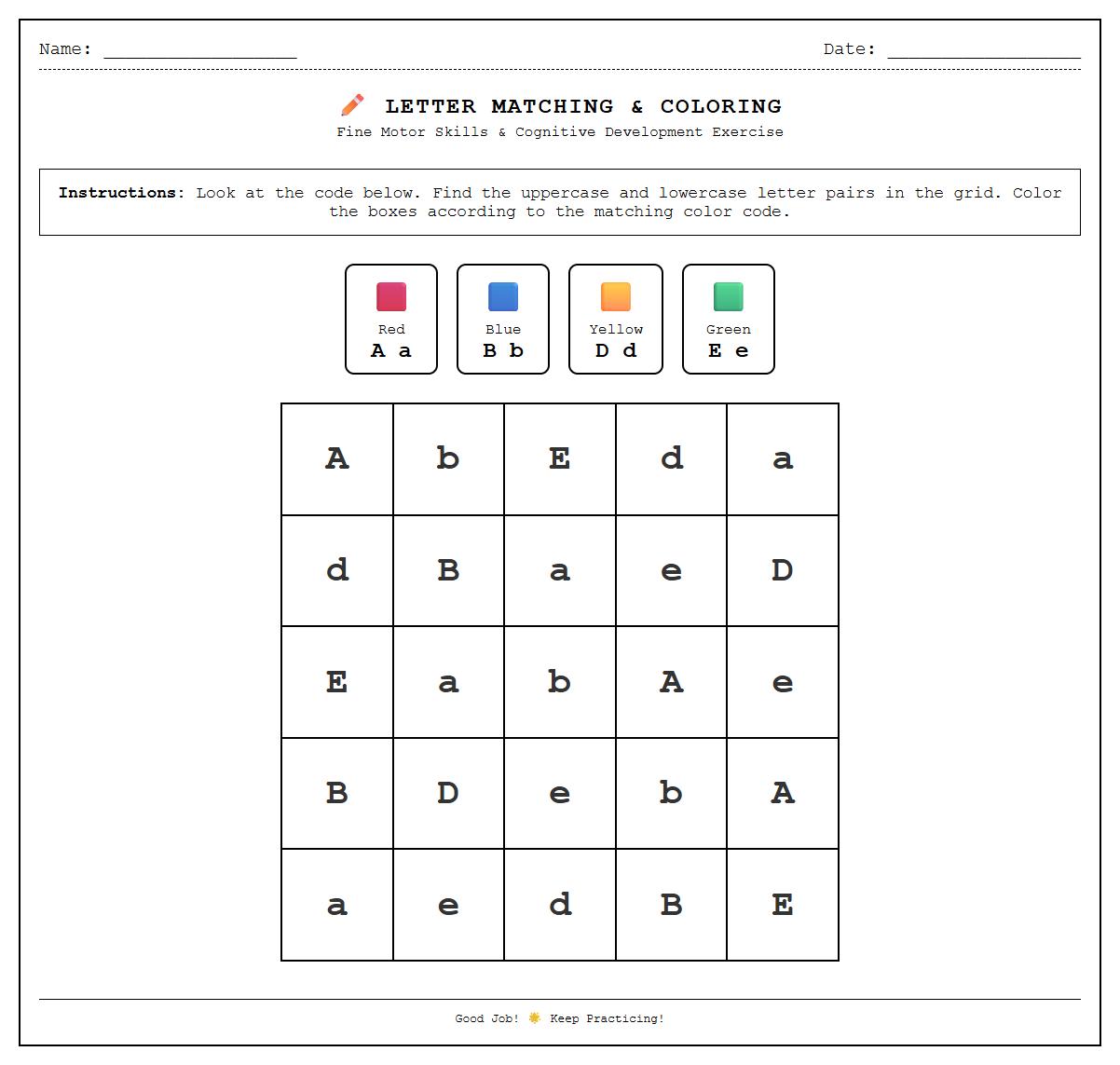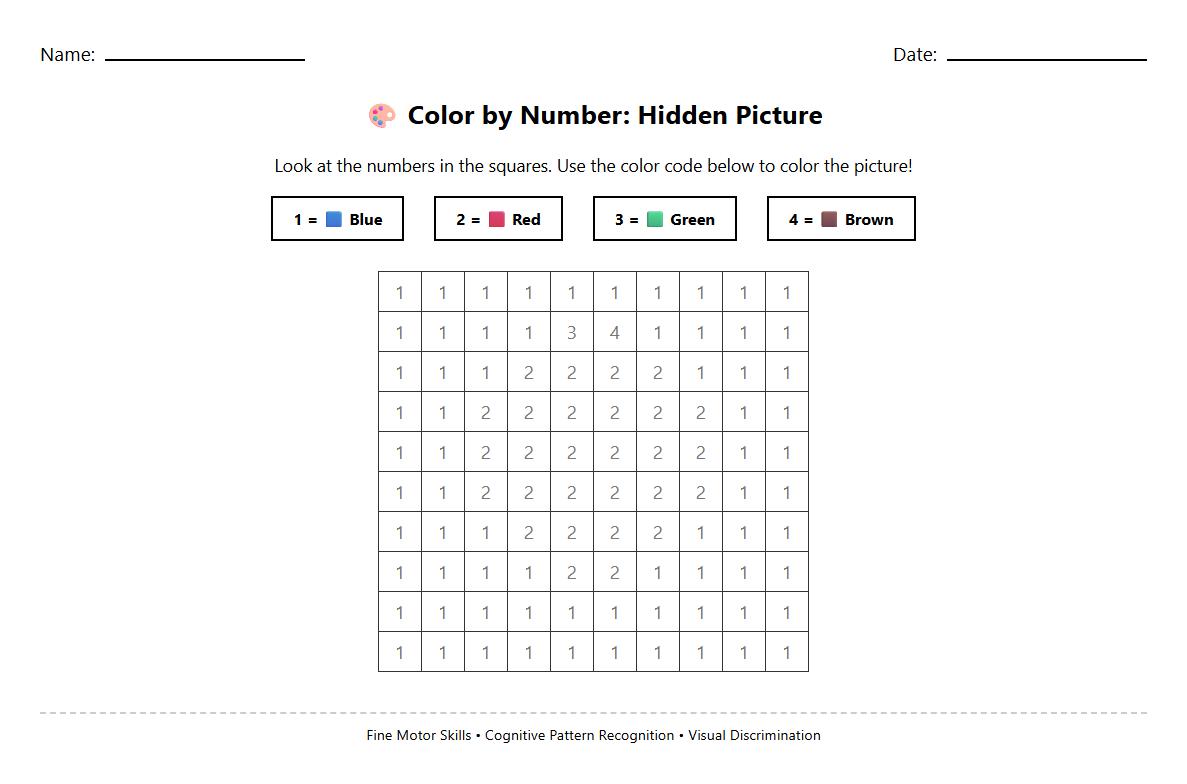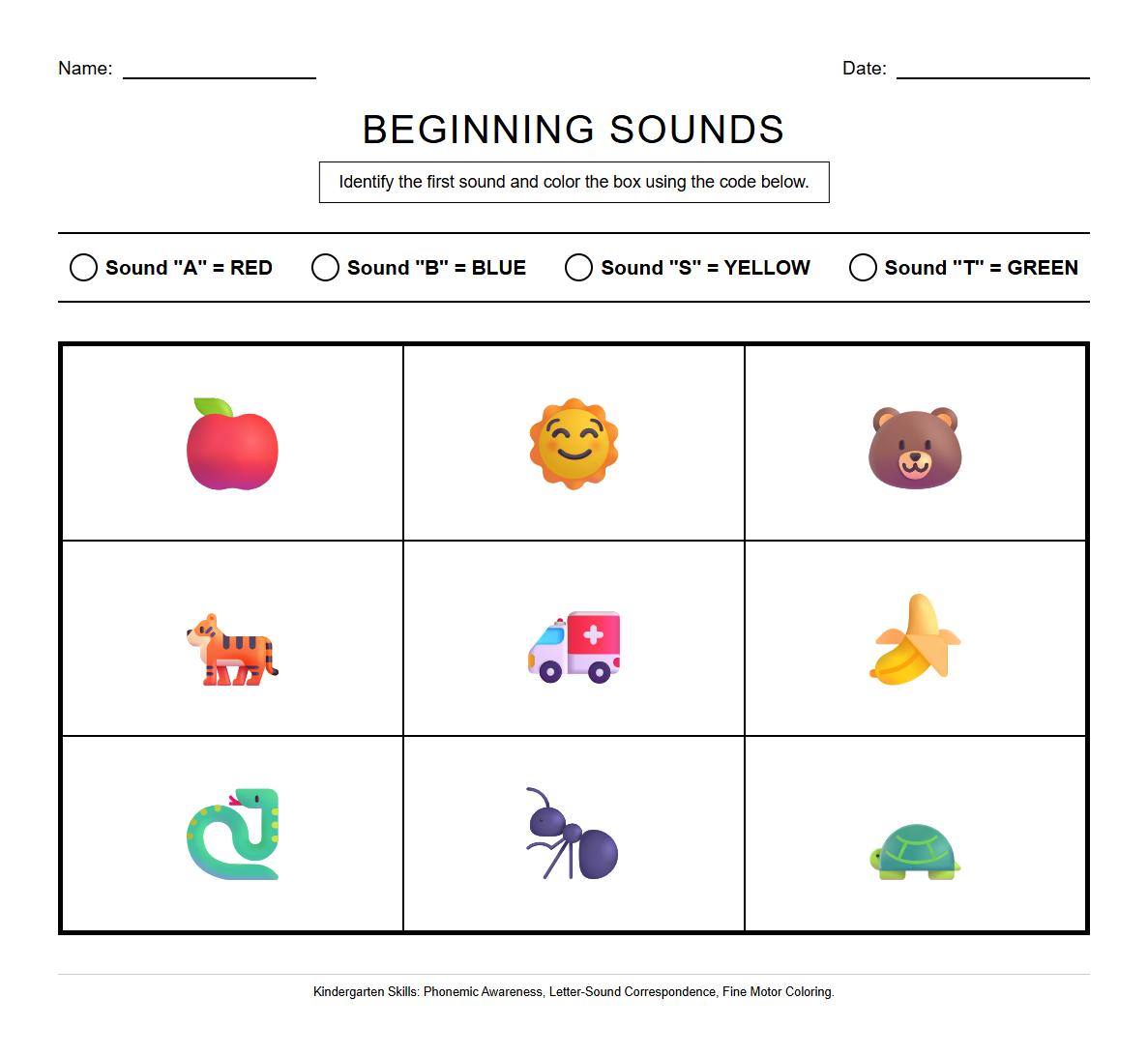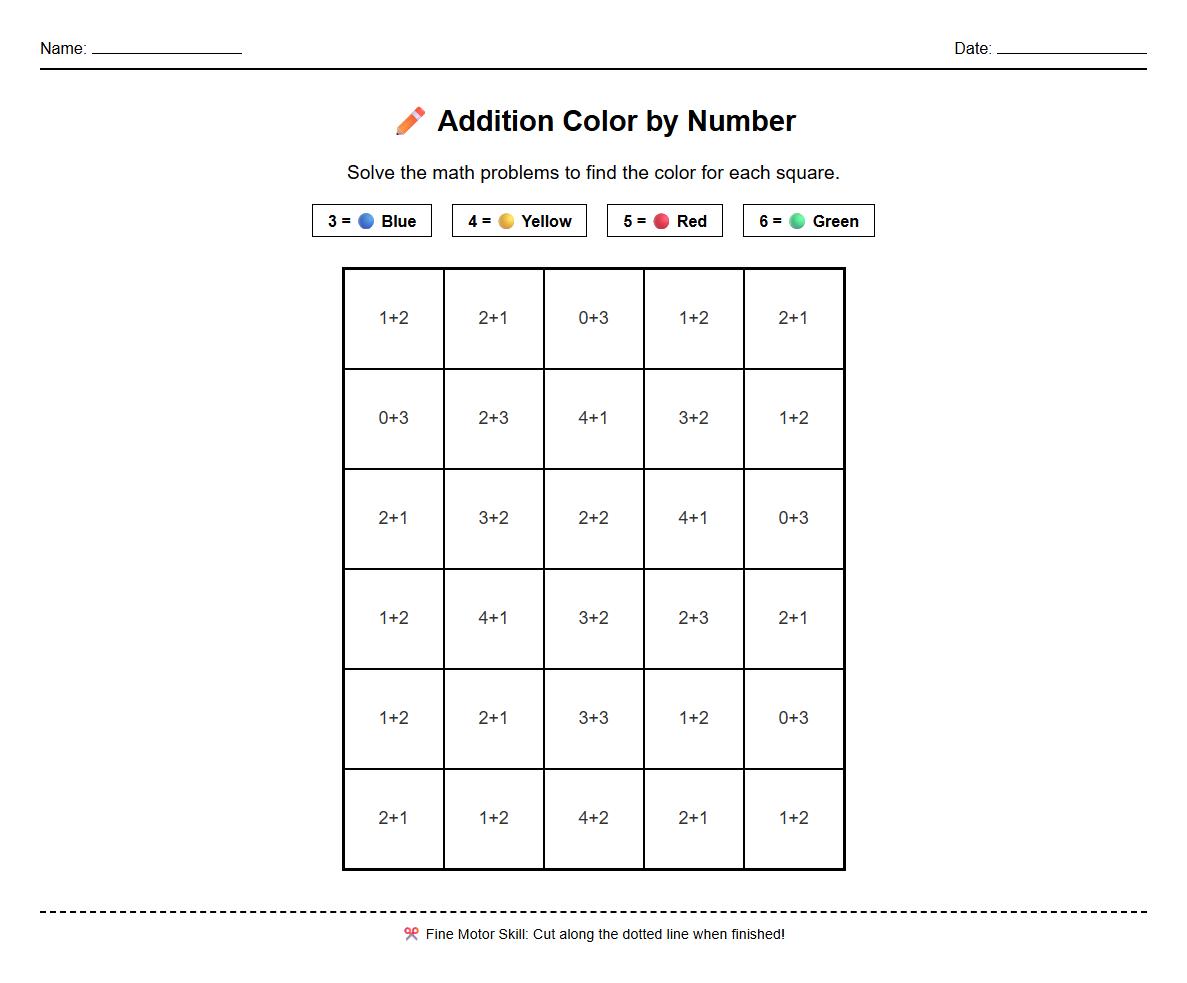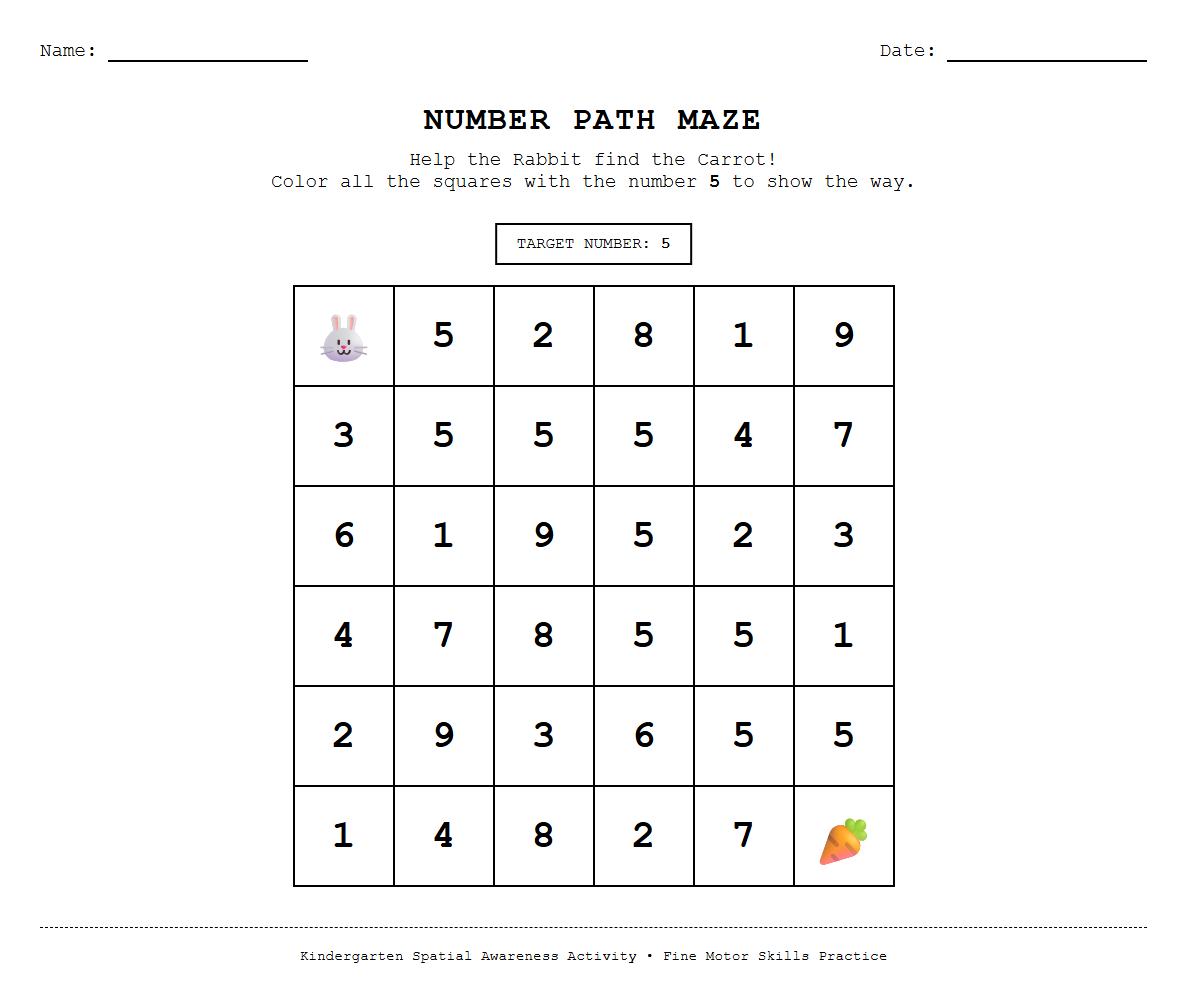
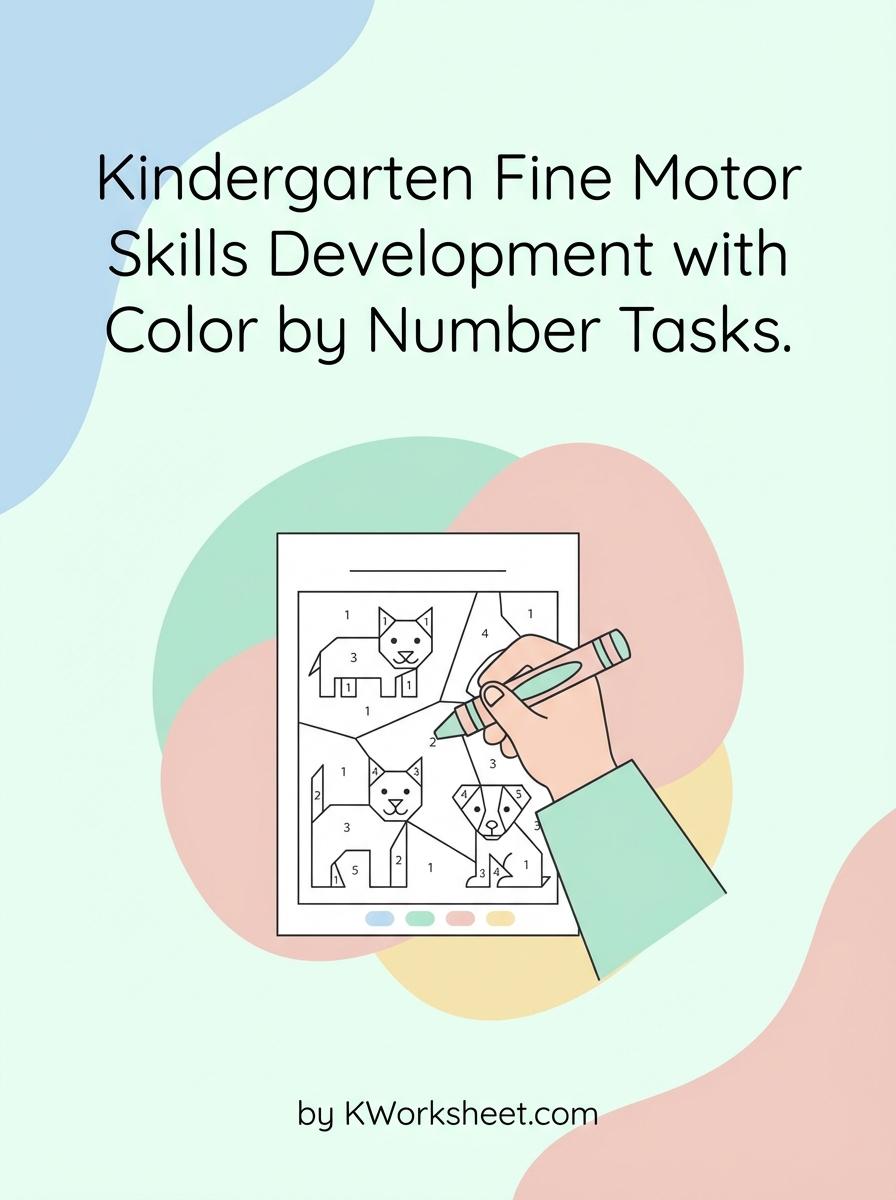
Color by number tasks effectively enhance kindergarteners' fine motor skills by encouraging precision in coloring within designated areas, improving hand-eye coordination and grip strength. These activities also support cognitive development through color recognition and number matching, fostering early learning and concentration. Explore our collection of worksheets to help young learners develop essential fine motor abilities while enjoying creative, educational fun.
How Does Color by Number Support Fine Motor Skills in Kindergarten Students?
Color by number activities help kindergarten students develop fine motor skills by requiring precise hand movements to color within small spaces. These tasks improve hand strength, control, and dexterity essential for future writing skills. Engaging children in this structured coloring approach promotes eye-hand coordination. It also encourages focus and patience, enhancing overall motor planning abilities.
Common Fine Motor Skills Developed Through Color by Number Activities
Color by number tasks foster critical fine motor skills such as pencil grip control, hand-eye coordination, and finger dexterity. Children practice controlled coloring motions which help in developing wrist stability. These activities also improve bilateral hand coordination as one hand holds the paper while the other colors. Additionally, they enhance visual motor integration necessary for academic tasks.
How Often Should Kindergarteners Engage in Color by Number Tasks for Fine Motor Improvement?
Kindergarten students should engage in color by number activities at least 3-4 times a week for noticeable improvement in fine motor skills. Short sessions of 15-20 minutes are ideal to maintain attention and avoid fatigue. Consistent practice helps solidify motor patterns and improves muscle memory. Regular use in daily routines supports steady progress without overwhelming young learners.
Best Materials for Enhancing Fine Motor Skills During Color by Number Exercises
Using high-quality colored pencils, crayons, and markers with varying thicknesses enhances fine motor skill development. Thicker crayons are easier for beginners to grasp, while colored pencils help refine precision. Smooth, durable paper with clear printed numbers aids accurate coloring. Optional use of grips on pencils can further support proper hand positioning.
Can Color by Number Activities Help with Hand-Eye Coordination in Young Children?
Yes, color by number activities significantly improve hand-eye coordination by requiring children to match numbers to specific colors and fill designated areas accurately. This process develops synchronized movement between what they see and how their hands respond. Enhanced coordination gained through these exercises benefits handwriting, cutting, and daily tasks. The clear visual cues increase focus and motor control.
Effective Strategies for Introducing Color by Number Assignments in the Classroom
Introduce color by number activities by first demonstrating proper coloring techniques and pencil grip with visual aids. Start with simple designs and gradually increase complexity as students build confidence. Encourage group discussions about colors and numbers to boost engagement. Providing positive reinforcement helps maintain motivation and enjoyment.
How Color by Number Tasks Encourage Pencil Grip Development in Kindergarteners
Color by number exercises encourage the development of a correct pencil grip through repetitive, controlled coloring motions. Practicing within small areas requires children to adjust finger placement for precision. Teachers and parents can guide students to hold coloring tools using their thumb, index, and middle fingers. Consistent use fosters muscle memory for proper grip essential for writing.
Examples of Progress Indicators for Fine Motor Skills Through Color by Number Tasks
Progress indicators include improved precision in coloring inside lines, reduced hand fatigue, and better pencil control. Children showing consistent color matching to numbers reflects increased visual-motor integration. Enhanced speed without loss of accuracy is another sign of growth. Also, observable improvement in posture and grip during coloring signals fine motor advancement.
How Teachers Can Modify Color by Number Activities for Different Skill Levels
Teachers can adapt color by number tasks by adjusting complexity, size of coloring areas, and number of colors used. Simplified versions with larger spaces suit beginners, while advanced students benefit from detailed designs. Incorporating multi-sensory elements like textured paper or raised lines can aid students with sensory needs. Providing varied coloring tools allows customization based on individual motor abilities.
Challenges Kindergarten Students Might Face During Color by Number Exercises and How to Address Them
Common challenges include difficulty staying within lines, improper pencil grip, and frustration due to motor control limitations. These can be addressed by offering frequent breaks, using thicker crayons for easier grasp, and hands-on grip correction. Breaking tasks into smaller steps reduces overwhelm and builds confidence. Positive encouragement and adaptive tools help maintain interest and support skill development.


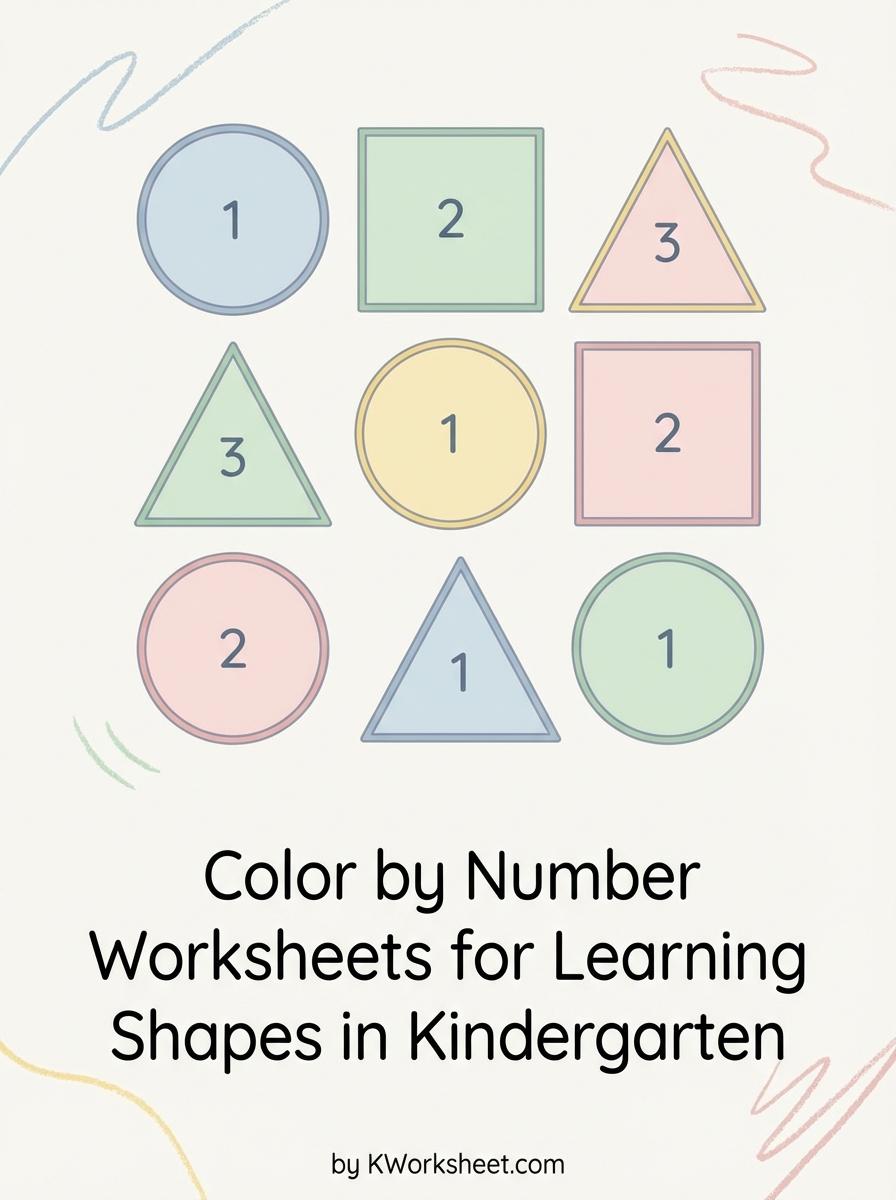
Color by Number Worksheets for Learning Shapes in Kindergarten