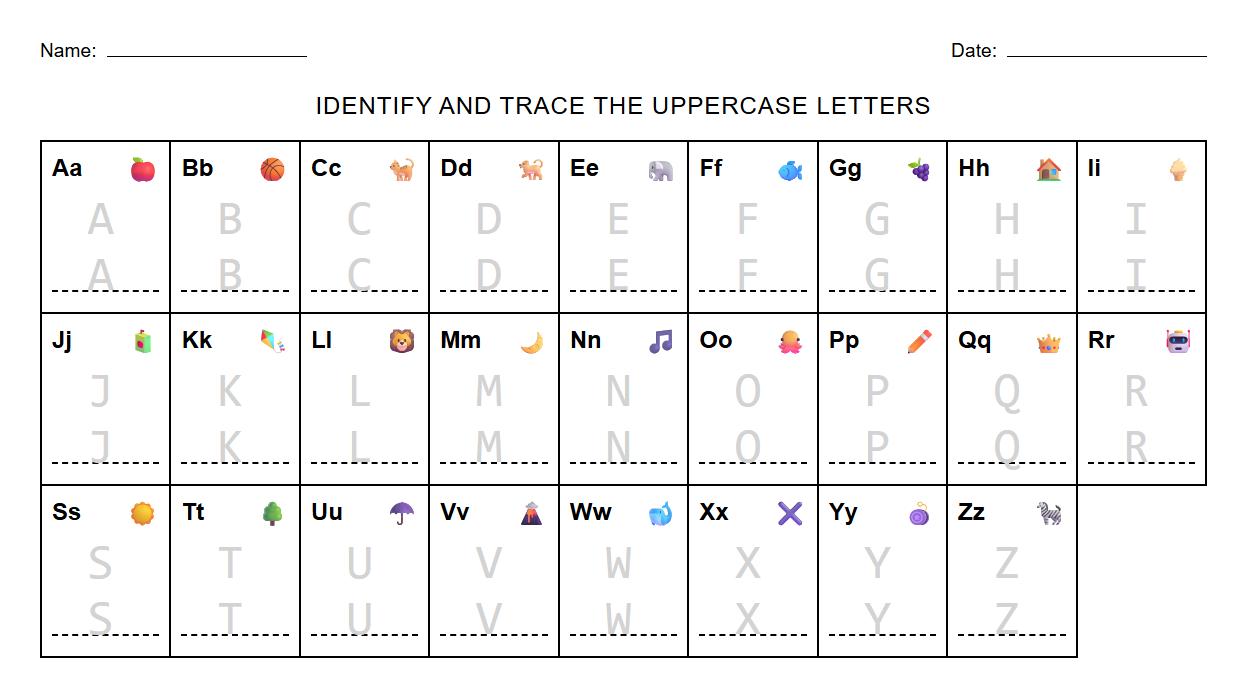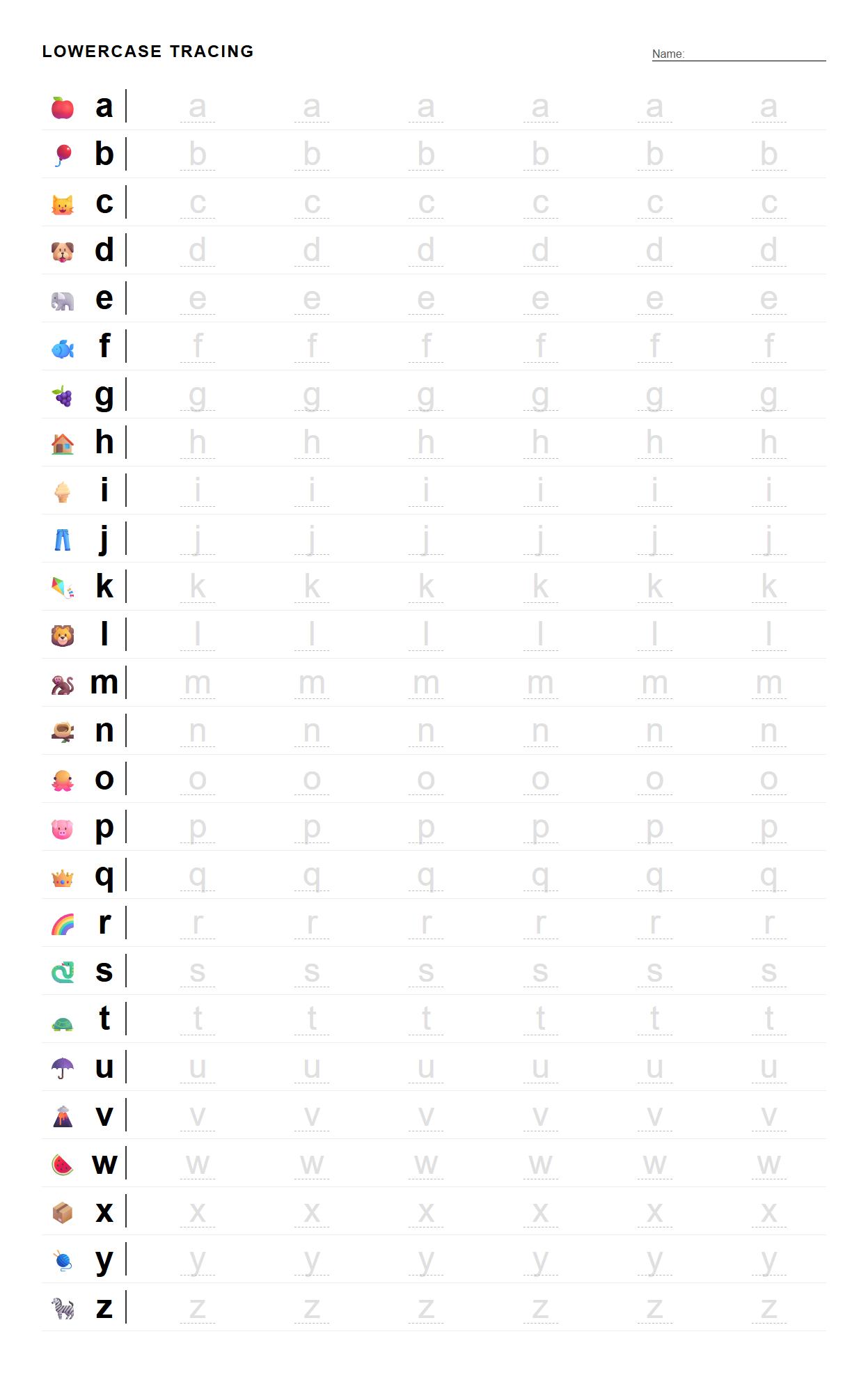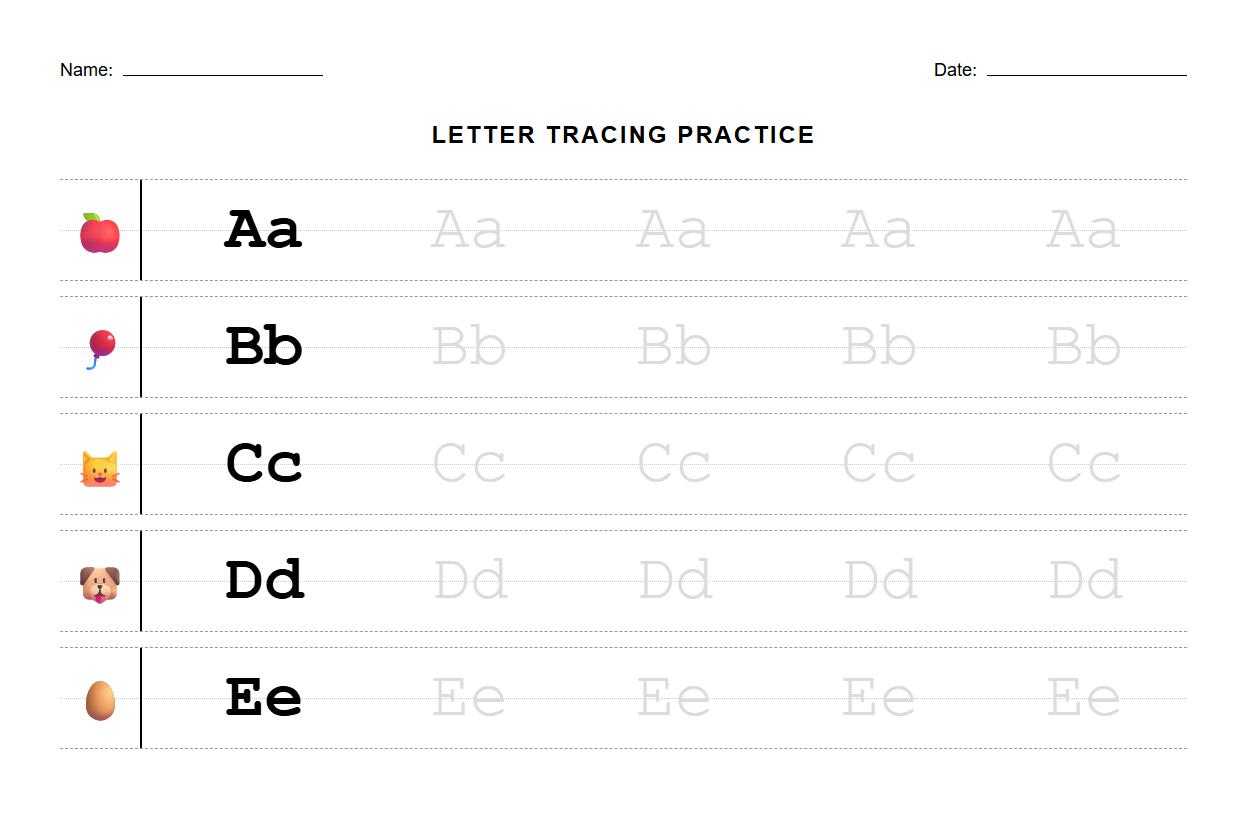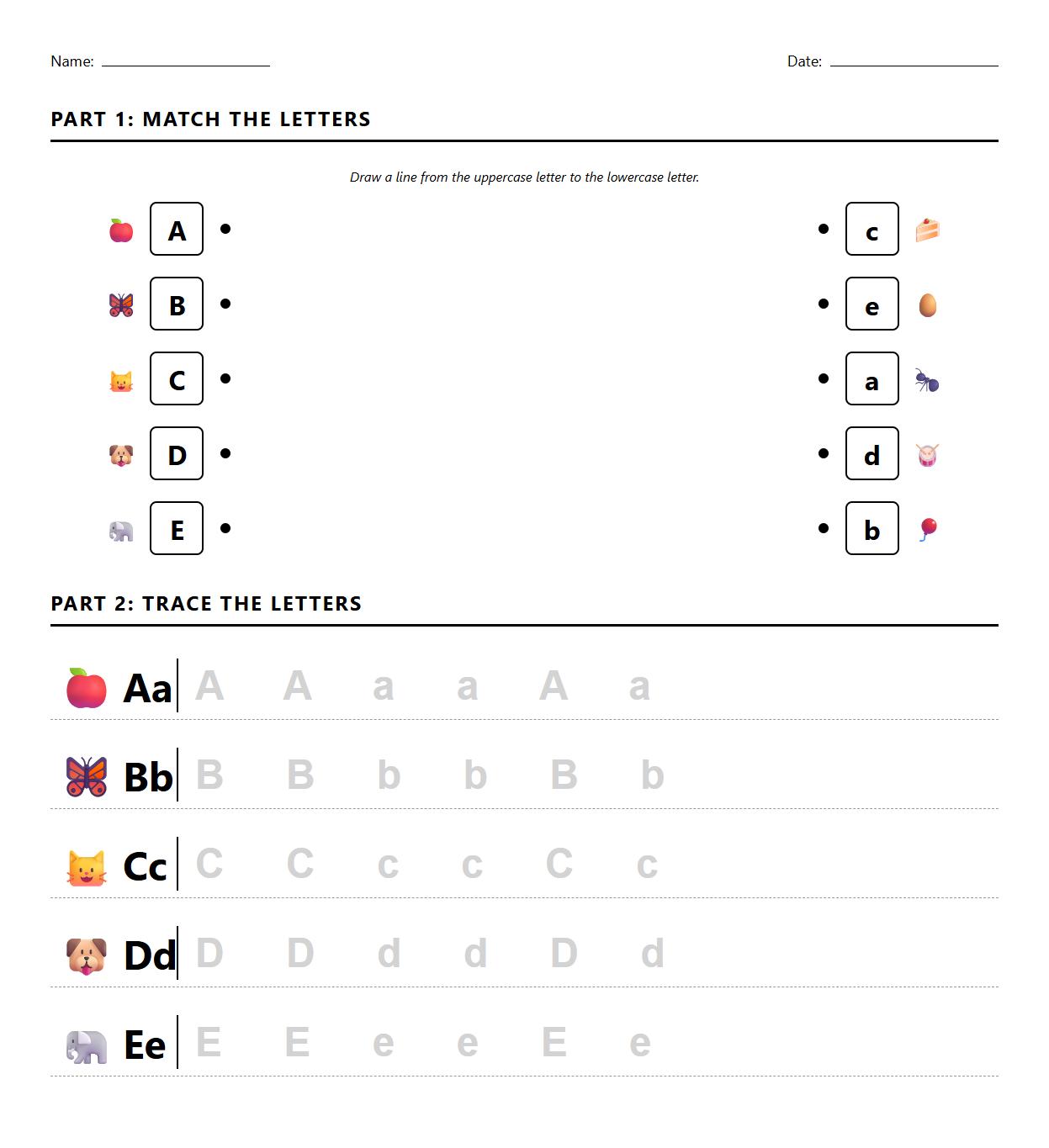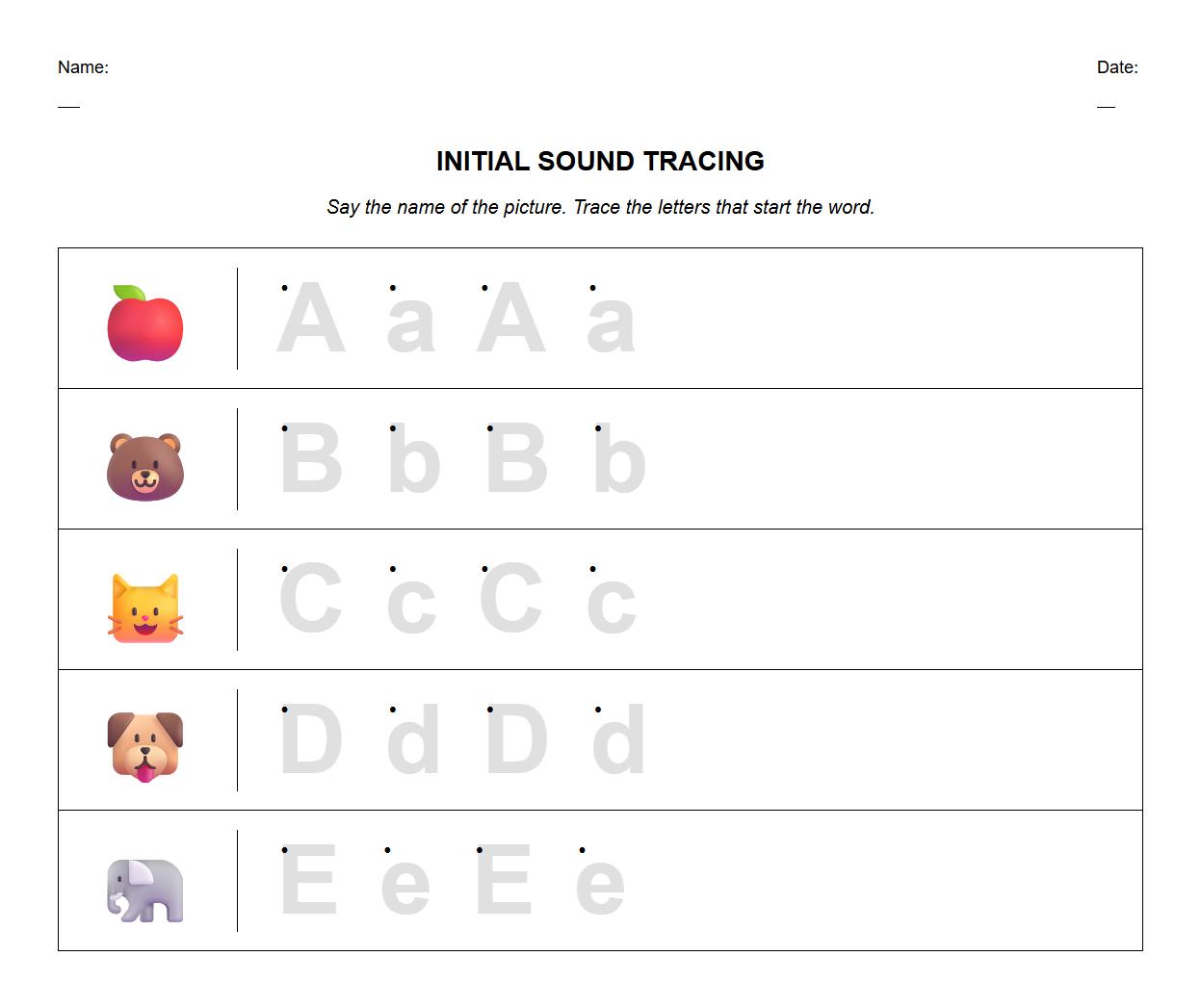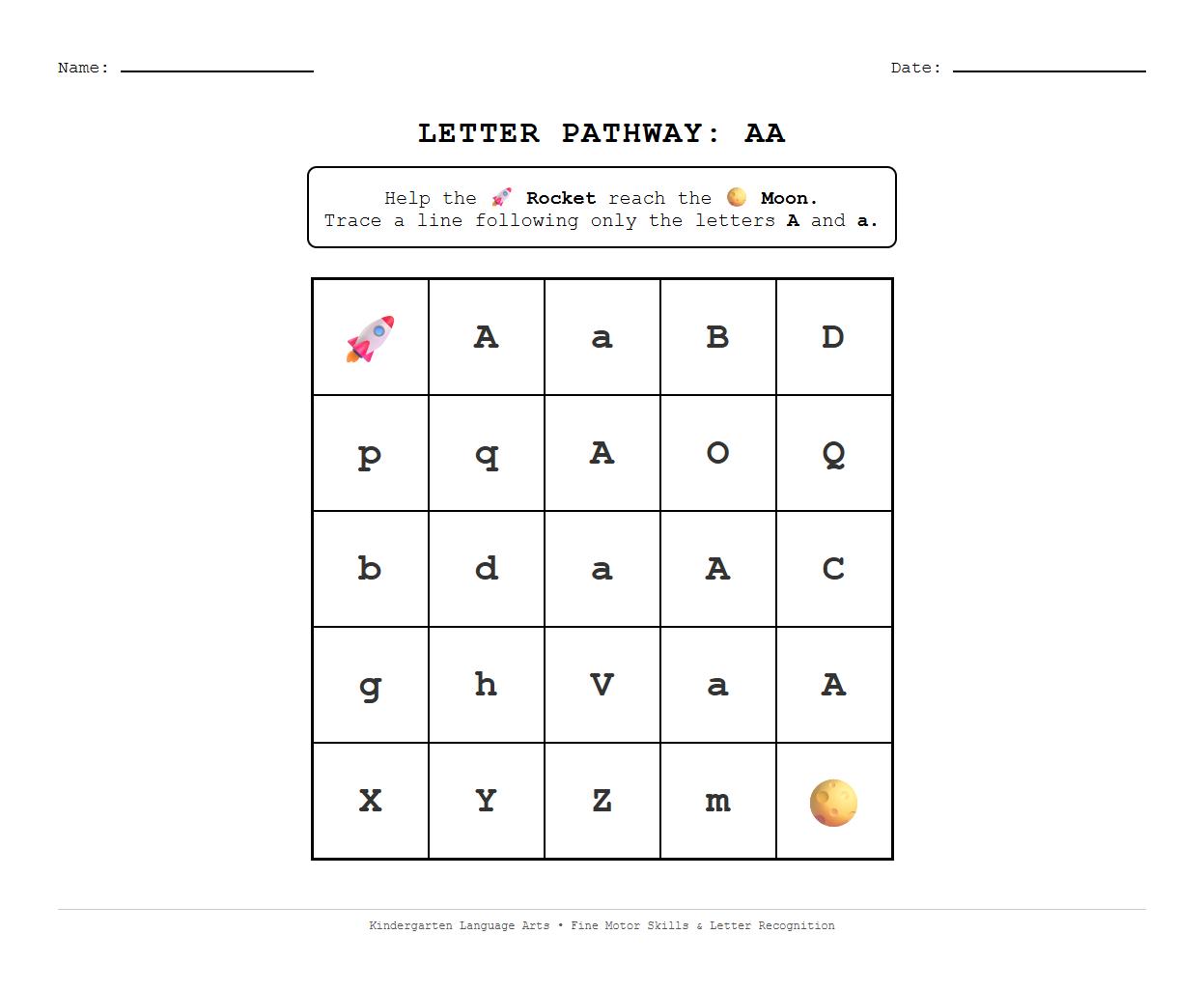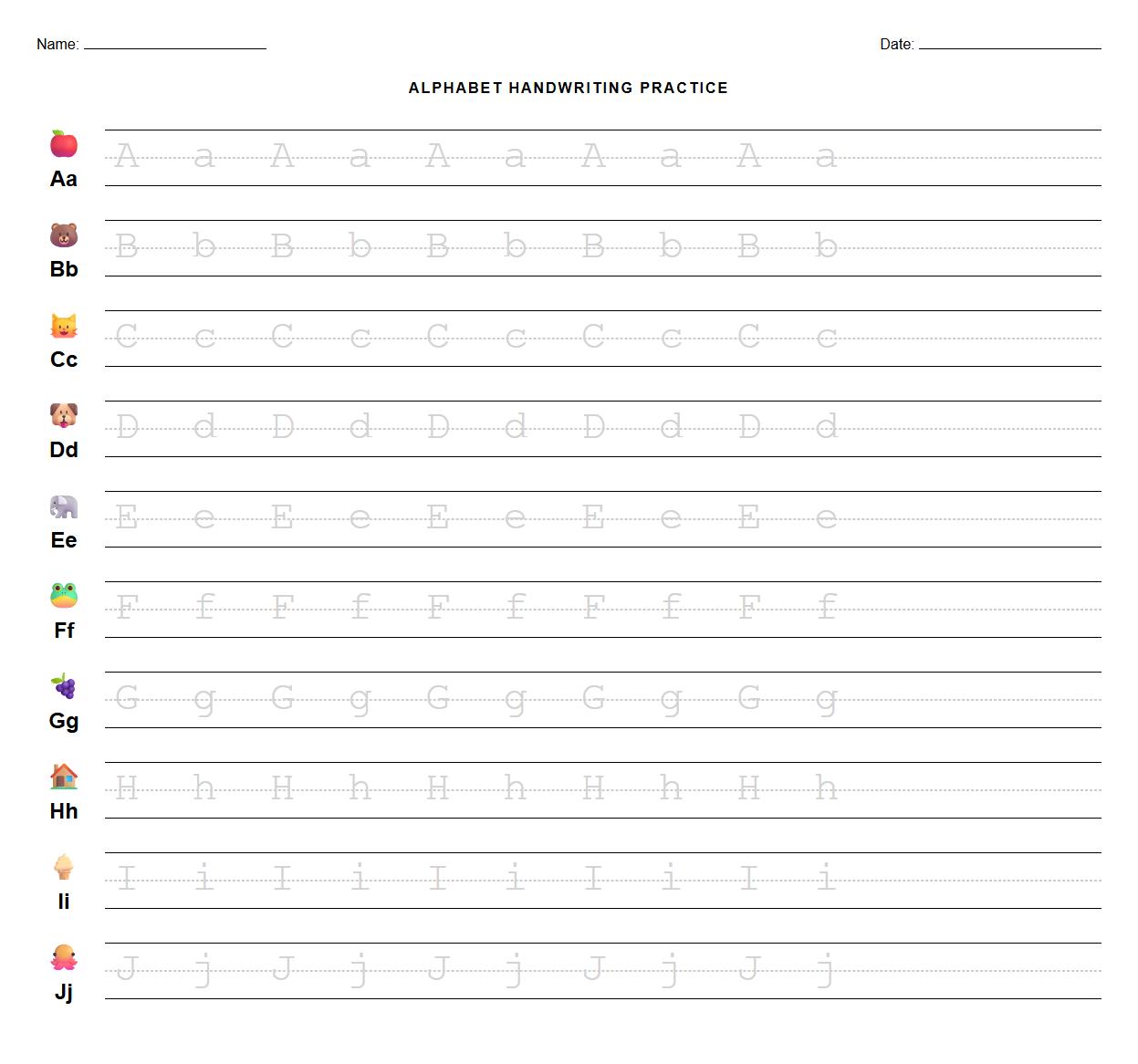
Mastering alphabet recognition and tracing forms the foundation for strong literacy development and handwriting skills. This worksheet enhances fine motor coordination while reinforcing letter shapes and sounds for effective learning. Explore our collection of worksheets designed to support essential early literacy skills.
Identifying the Letter
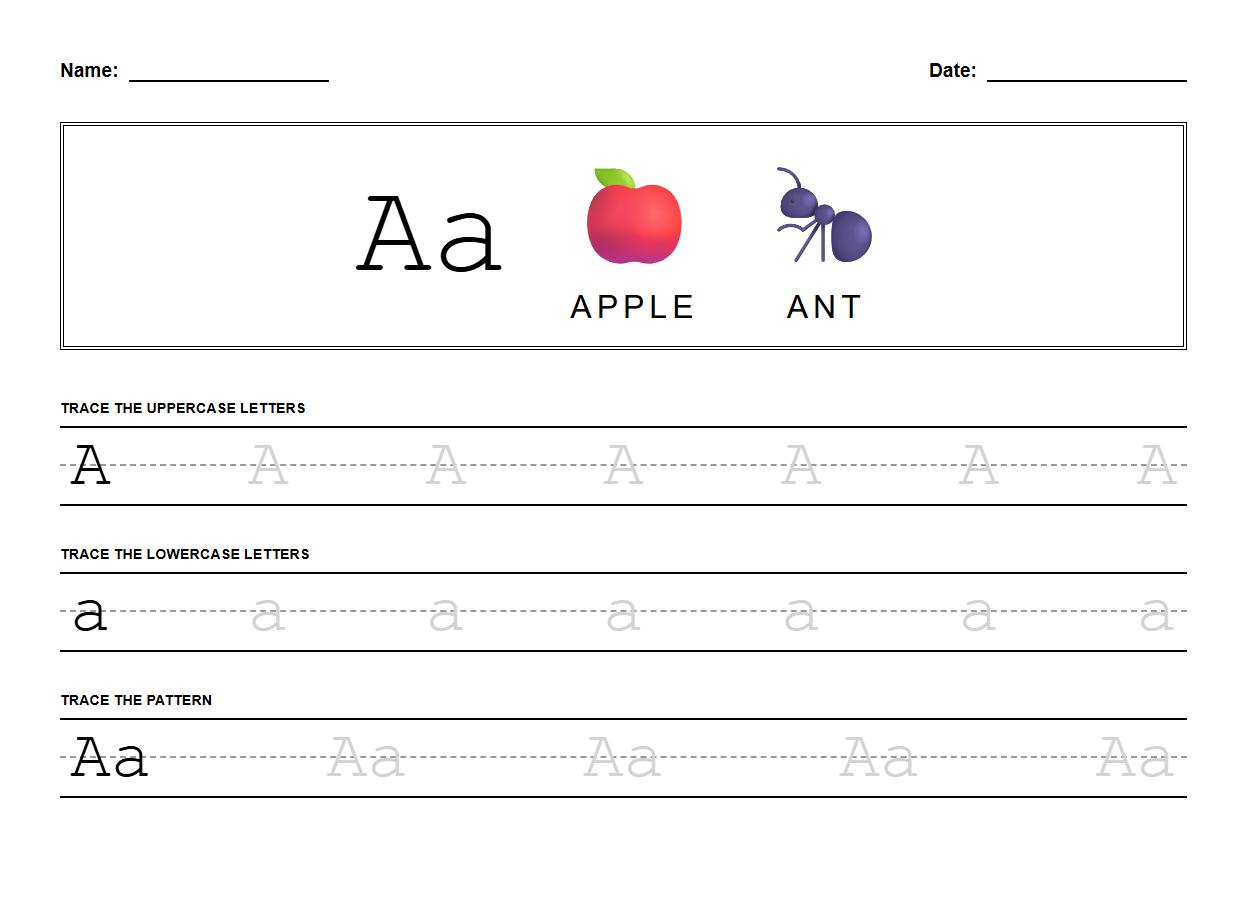
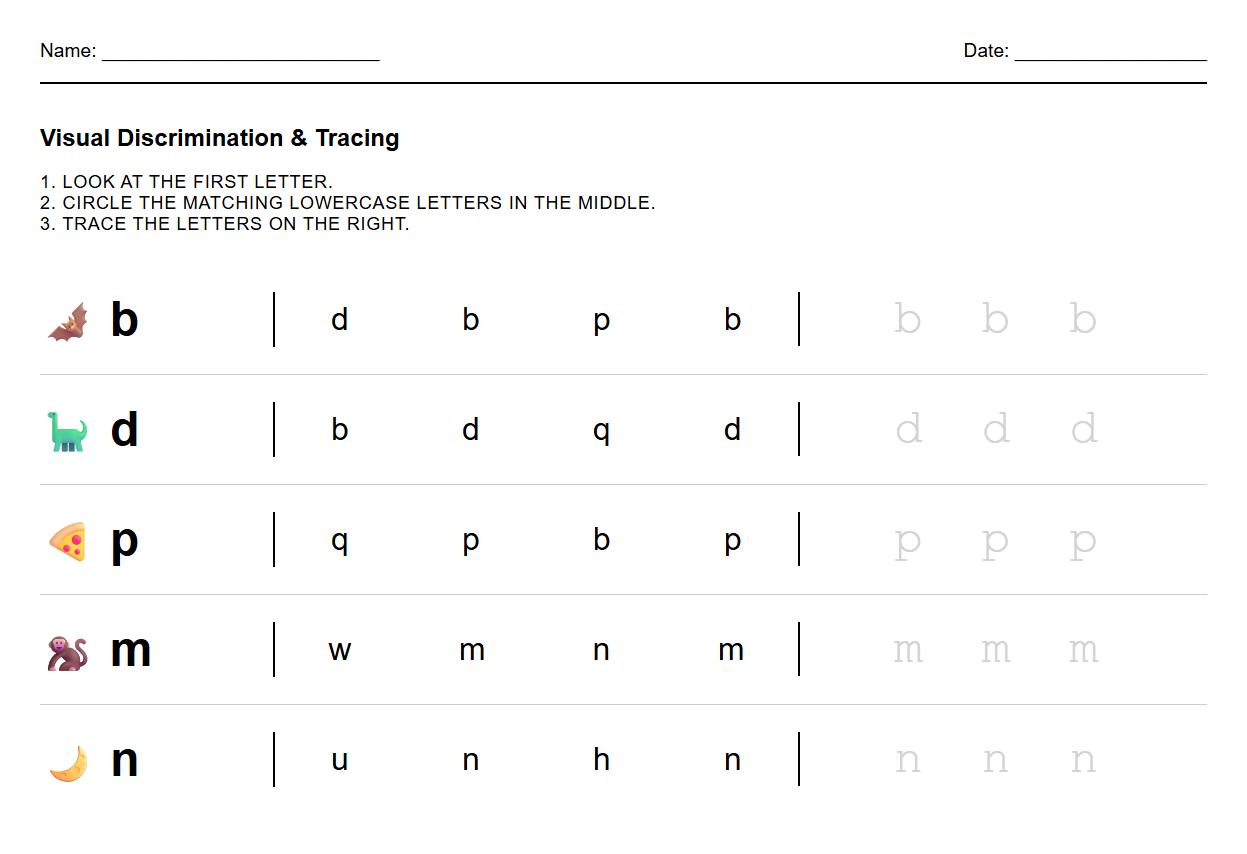
This worksheet features the letter you will focus on. It's important to first recognize which letter is being shown to build familiarity and confidence in young learners. Encouraging both teachers and parents to help children identify this letter will support early literacy skills. Use this opportunity to introduce the letter clearly and effectively.
Tracing Uppercase and Lowercase Letters
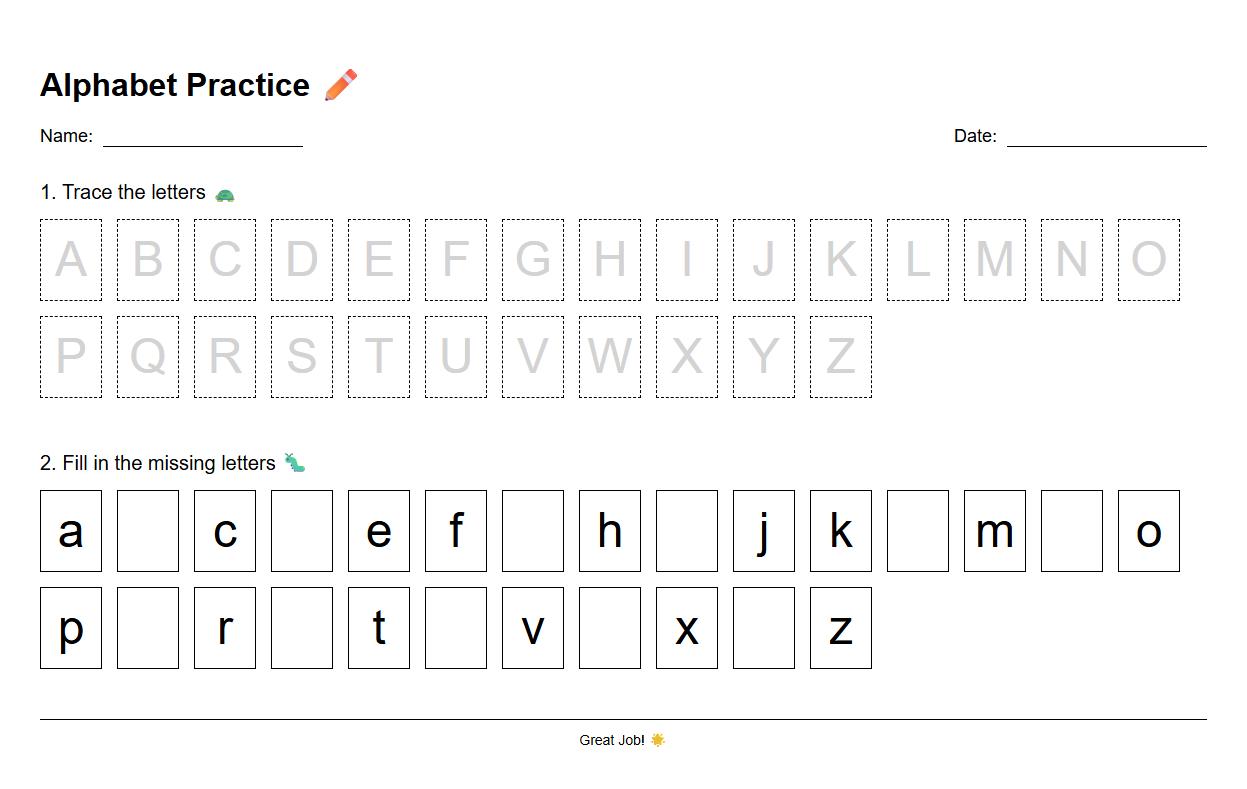
Children will practice tracing both the uppercase and lowercase versions of the letter. This activity helps build fine motor skills and strengthens letter recognition. Make sure to guide children to trace accurately along the lines provided. Repetition will improve their writing abilities.
Words Starting with the Letter
Find the word on the worksheet that begins with the highlighted letter to reinforce letter-sound association. This helps children connect letters to real words, expanding their vocabulary naturally. Encourage them to say the word aloud to improve pronunciation. Visual clues like pictures often accompany these words to aid comprehension.
Finding and Circling the Letter
Have children search for all instances of the letter on the worksheet and circle them. This scavenger hunt enhances visual discrimination and letter recognition skills. It's a fun, interactive way to keep children engaged with learning. Praise their efforts to motivate continued interest.
Letter Sound Practice
Discuss the sound that the letter makes to strengthen phonemic awareness. Repeat the sound together aloud, and provide examples of words that contain this sound. This step is crucial for developing early reading skills. Use chants or songs to make the sound practice enjoyable.
Independent Writing Practice
Encourage children to write the letter independently on the provided lines. This step fosters handwriting skills and self-confidence. Celebrate their attempts, even if imperfect, to build motivation. Offer gentle guidance to improve their form and grip.
Picture Associations
The worksheet includes a picture that starts with the letter, helping children link letters to objects they recognize. This visual association supports memory and word recognition. Discuss the picture with the children and ask them to name it. Reinforcing this connection makes learning meaningful.
Matching Letters to Words
Children can practice matching the letter to another word beginning with the same sound to enhance phonics skills. This activity expands their understanding of initial letter sounds in different contexts. Use simple, familiar words to keep the task accessible. Matching activities also build categorization abilities.
Counting Letter Instances
Count together how many times the letter appears on the worksheet to introduce basic counting and reinforce letter recognition. This combines literacy with numeracy skills effectively. Make it a playful counting game to sustain interest. Record the total as a fun achievement.
Oral Letter Naming
Finally, have the children say the name of the letter out loud to strengthen verbal articulation and confidence. Repeating the letter name regularly solidifies memory retention. Encourage clear pronunciation and lively participation. Celebrate their progress to boost enthusiasm for learning.


Kindergarten Worksheet for Tracing and Identifying Letters of the Alphabet