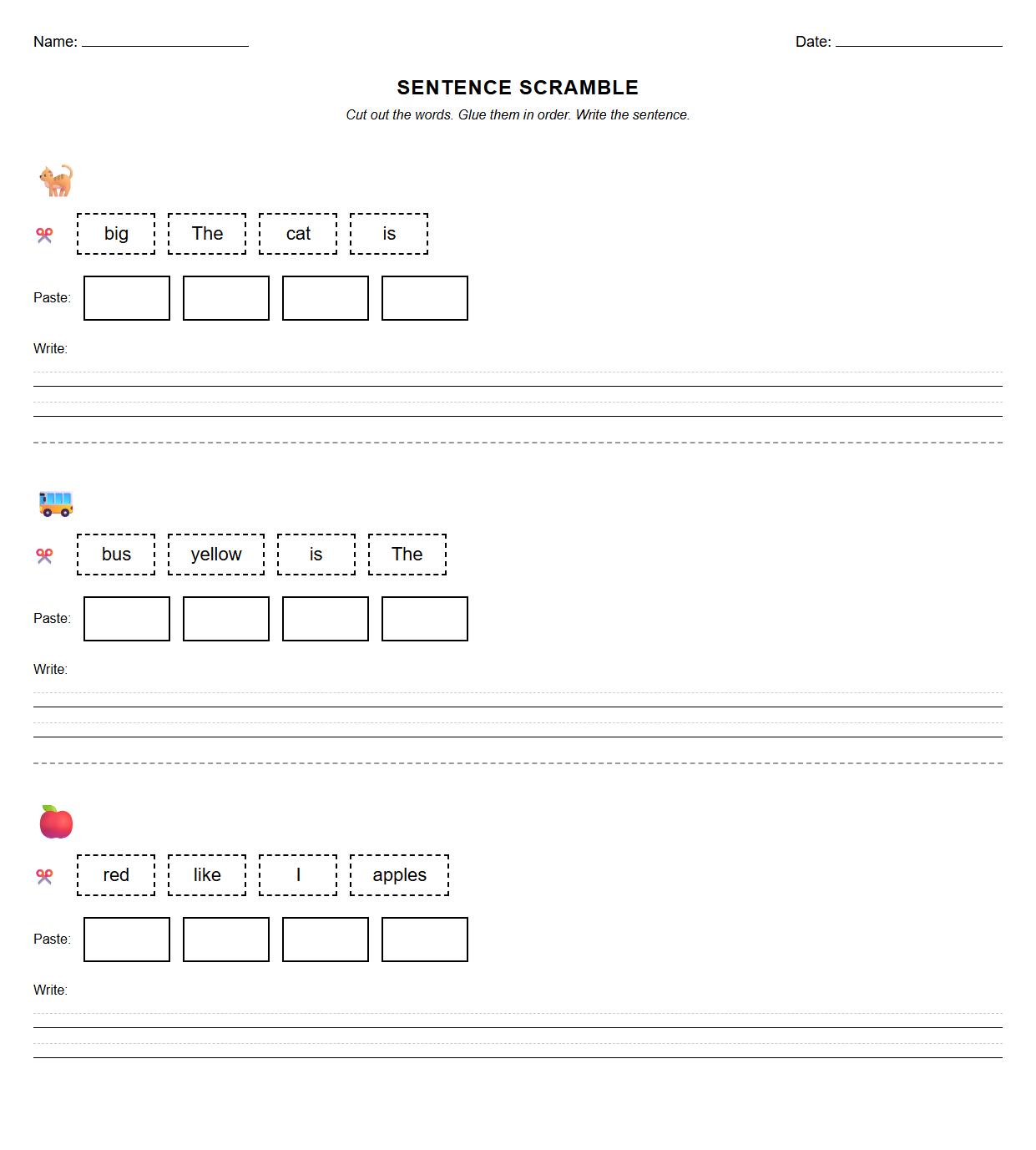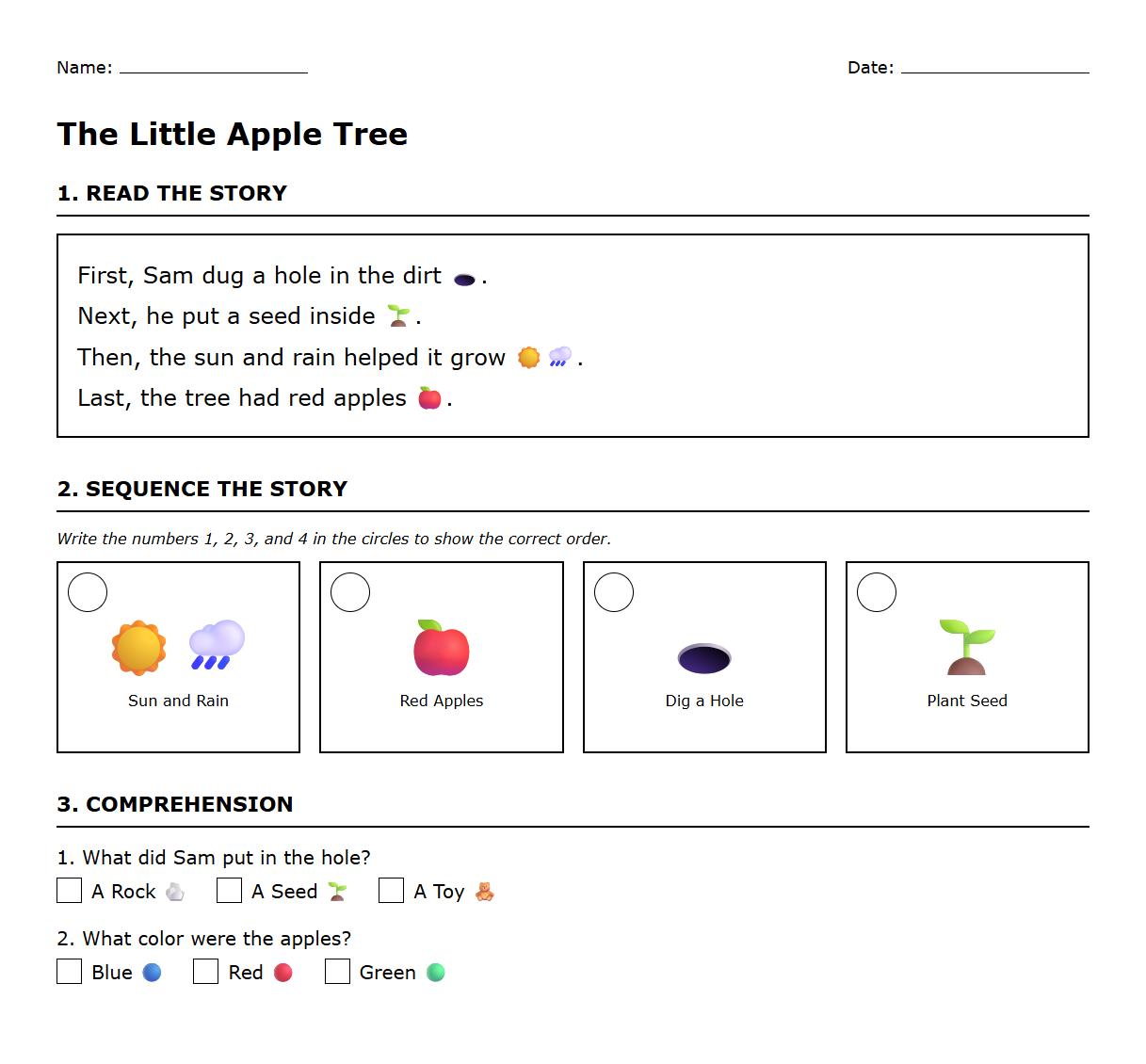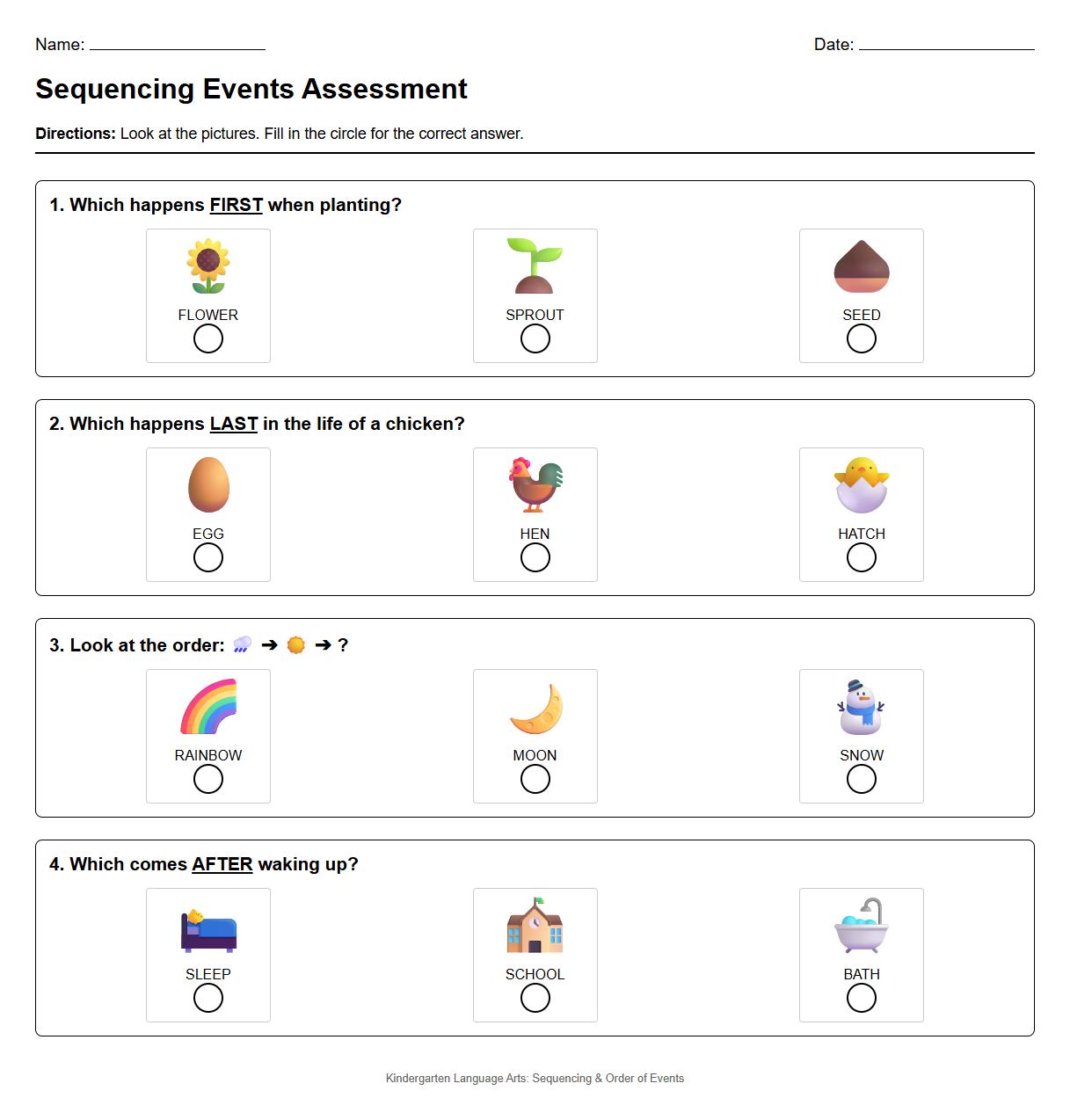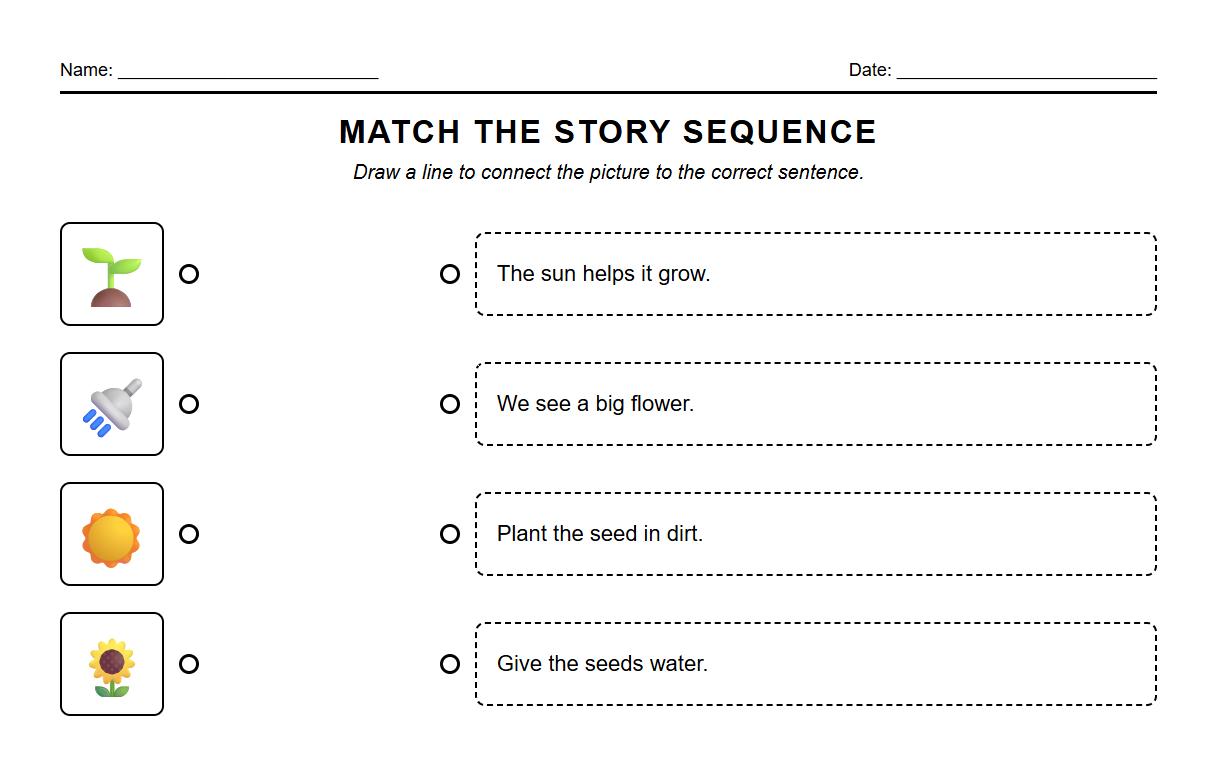
Beginning reader sequencing and story comprehension exercises enhance young learners' ability to understand narrative order and grasp key story elements. These activities promote critical thinking skills and improve reading fluency by encouraging children to identify main events and their correct sequence. Explore our collection of worksheets designed to support emerging readers in mastering sequencing and story comprehension.
What Happened First in the Story?
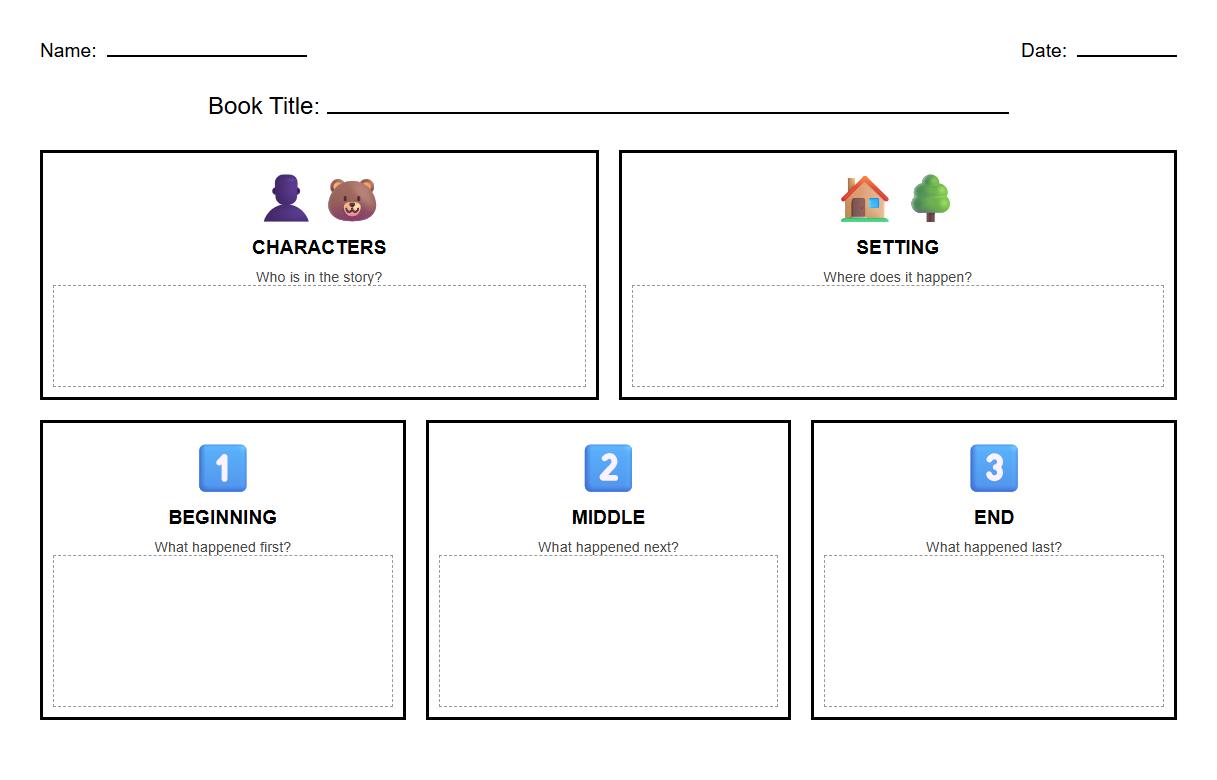
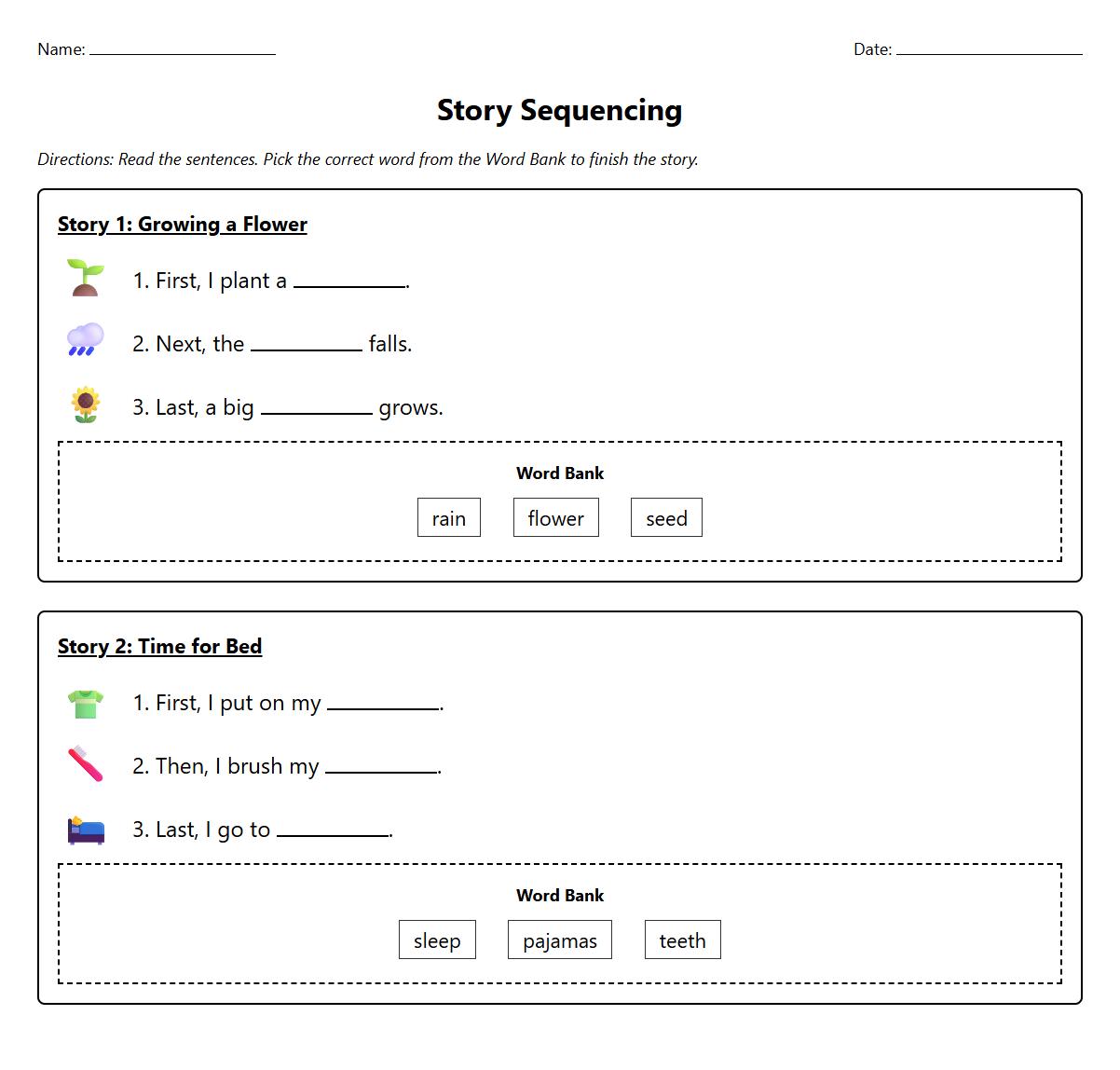
Understanding the beginning of a story helps children follow the plot clearly. Encourage kids to pay attention to the first event that starts the action. This skill develops their ability to sequence events logically. Teachers and parents can ask, "What happened first?" to strengthen comprehension.
What Did the Main Character Do Next?
Identifying the actions of the main character helps children track the story progression. Ask children to describe the next step the character took after the beginning. This exercise improves their ability to predict and summarize. It builds narrative thinking and memory skills.
Who Are the Characters in the Story?
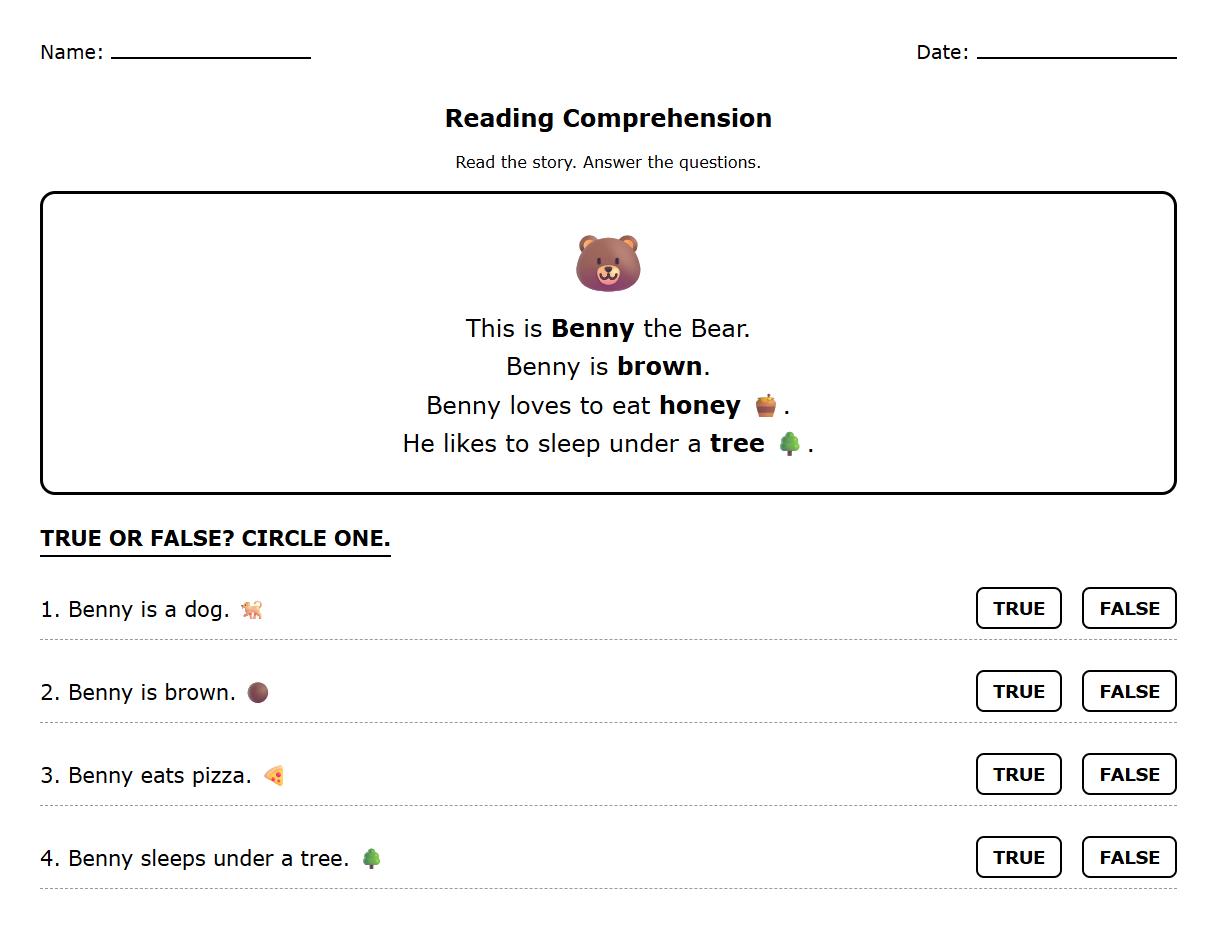
Recognizing the characters is fundamental for understanding any story. Help children name and describe the people or animals involved. Discussing characters enhances empathy and social learning. It also makes the story more relatable and engaging.
Where Did the Story Take Place?
Setting plays a key role in storytelling, grounding the events in a specific location. Encourage kids to visualize and describe the place where the story happens. Understanding settings improves imagination and context awareness. It helps children connect the story to real-life environments.
What Happened at the End of the Story?
The conclusion ties all story elements together, showing how problems or events are resolved. Ask children to recount the ending to reinforce comprehension. This practice supports critical thinking and narrative closure understanding. It also encourages children to reflect on story outcomes.
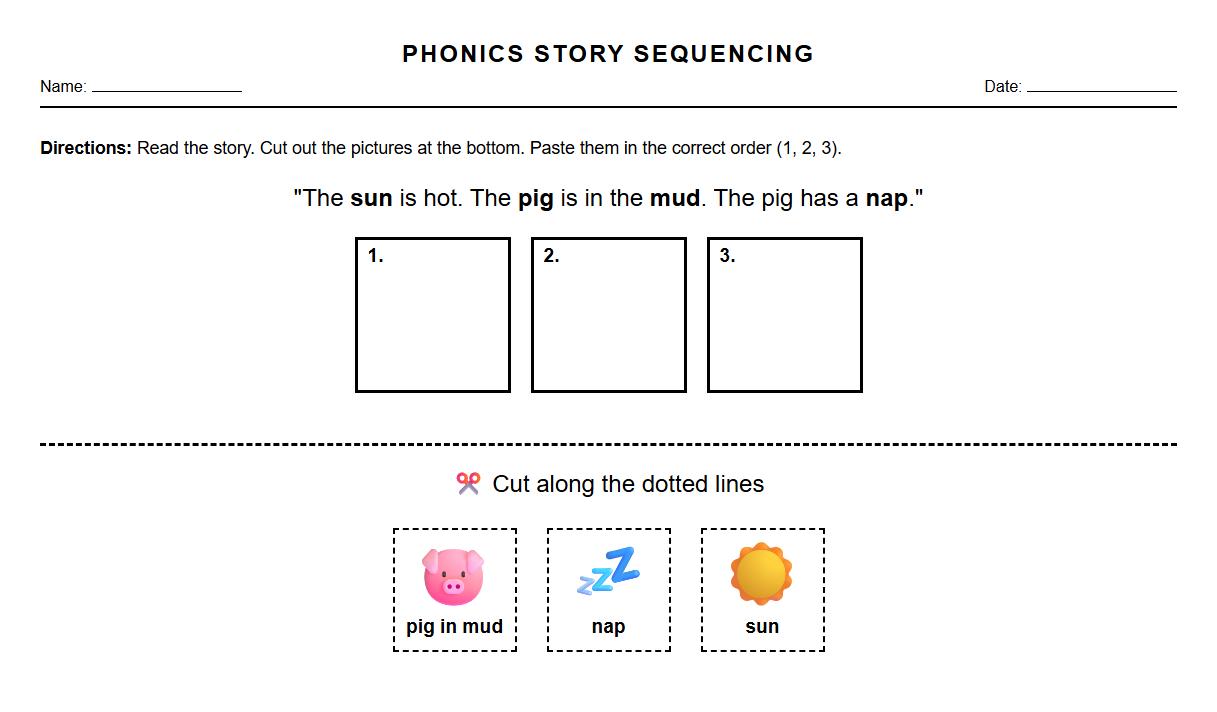
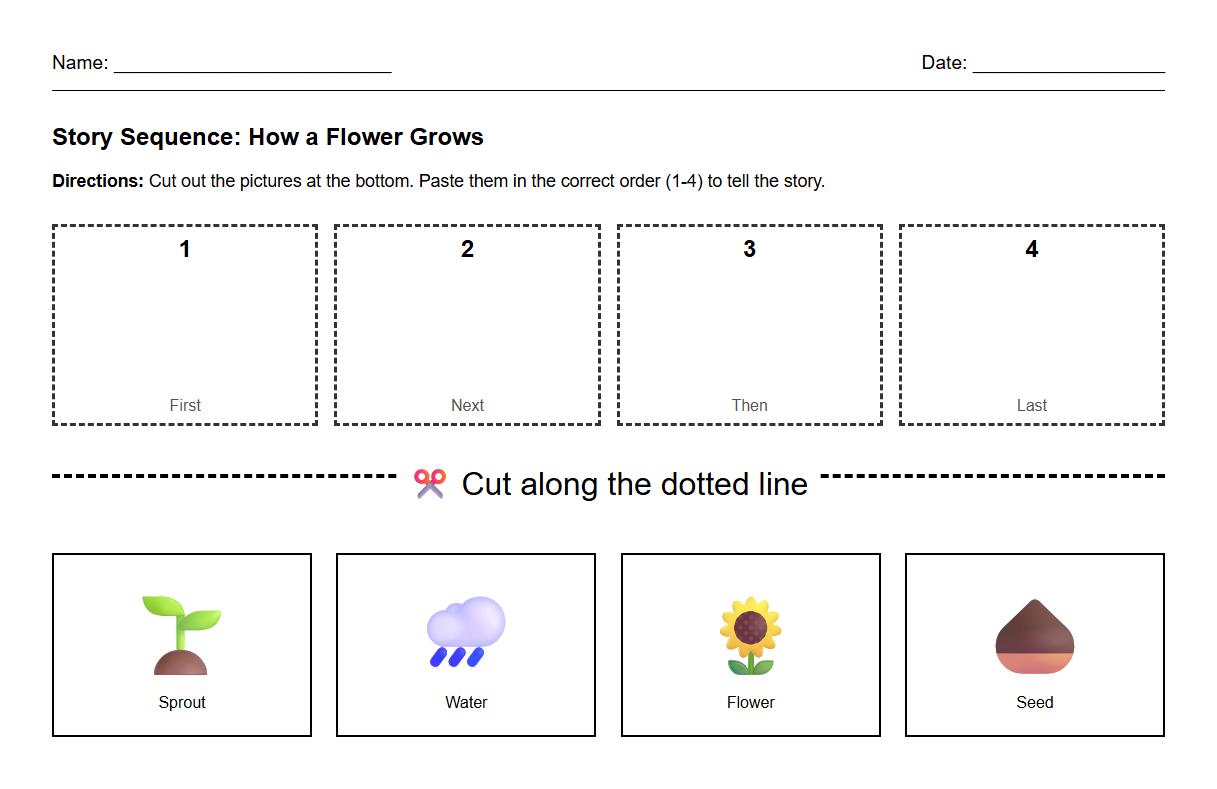
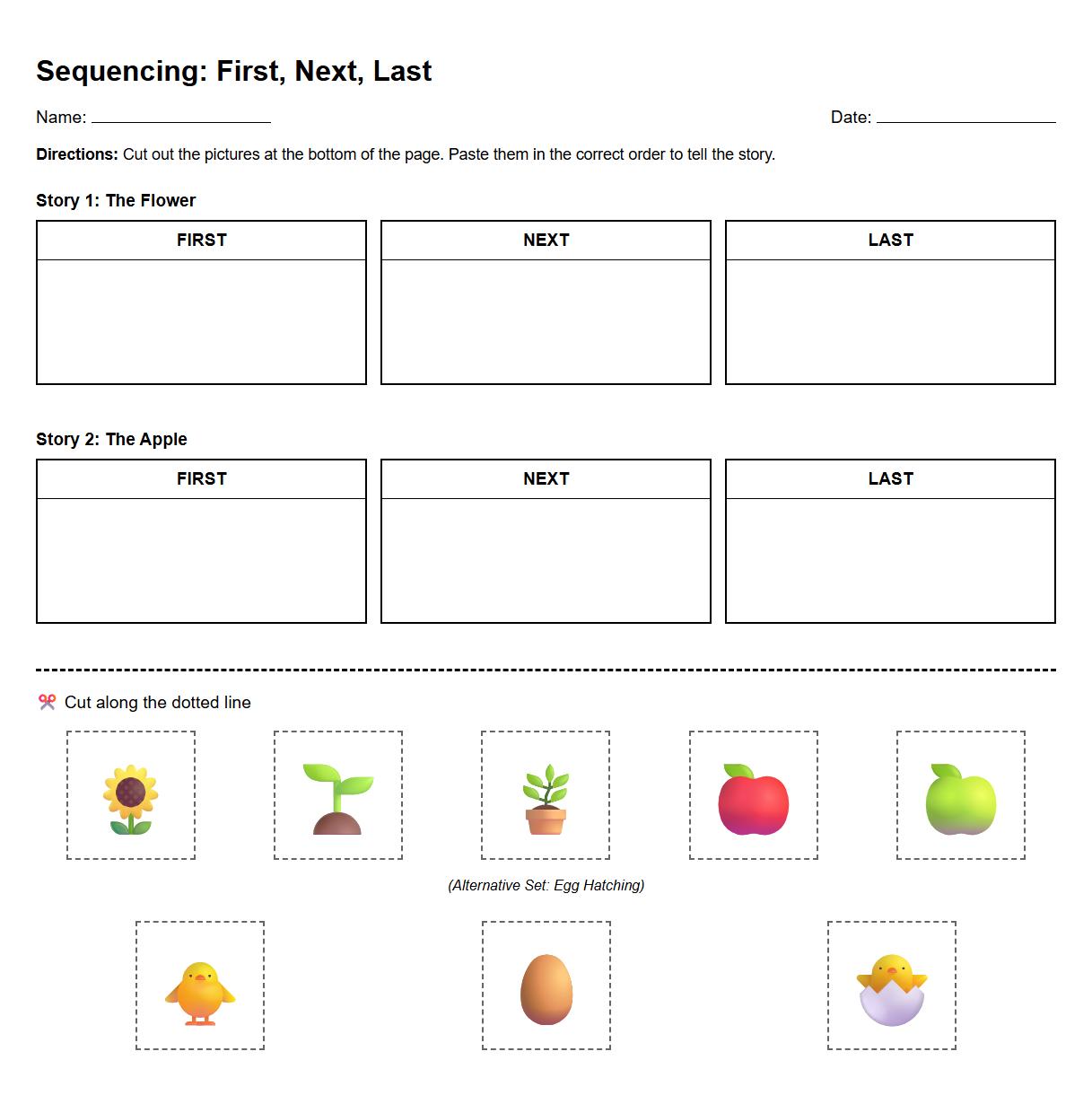
Can You Put These Pictures in the Right Order?
Ordering pictures according to the story sequence develops sequencing skills. Visual aids help young learners organize events logically. This activity enhances memory and storytelling abilities. It makes learning interactive and fun for children.
What Problem Did the Character Have?
Identifying the problem in a story teaches children about challenges and conflicts. Discussing this element helps them recognize story structure and motivations. It also builds problem-solving thinking and emotional understanding. This skill is essential for comprehensive reading skills.
How Did the Character Solve the Problem?
Exploring solutions shows children how characters overcome obstacles creatively or bravely. This emphasizes the resolution part of the story. Discussing problem-solving strategies encourages critical thinking and resilience. It guides children to apply similar strategies in real life.
What Was Your Favorite Part of the Story?
Sharing favorite moments fosters a personal connection to the story. It encourages children to express opinions and emotions about the narrative. This strengthens communication skills and emotional intelligence. It also makes reading a joyful and engaging experience.
How Would You Feel If You Were the Main Character?
Imagining oneself as the main character deepens empathy and perspective-taking skills. Ask children to think about feelings and motives during key events. This activity supports emotional development and social awareness. It helps children relate stories to their own experiences.


Kindergarten Text Sequencing and Reading Comprehension Practice