Interactive Alphabet Tracing Activity Sheet for Early Literacy

📅 Jan 14, 2025 👤 Nylen Smith

Interactive alphabet tracing activities enhance early literacy by developing fine motor skills and reinforcing letter recognition in young learners. These engaging sheets promote hands-on practice, making letter formation enjoyable and effective for preschool and kindergarten children. Explore the range of available worksheets designed to support your child's literacy journey.

Uppercase and Lowercase Alphabet Tracing Worksheets
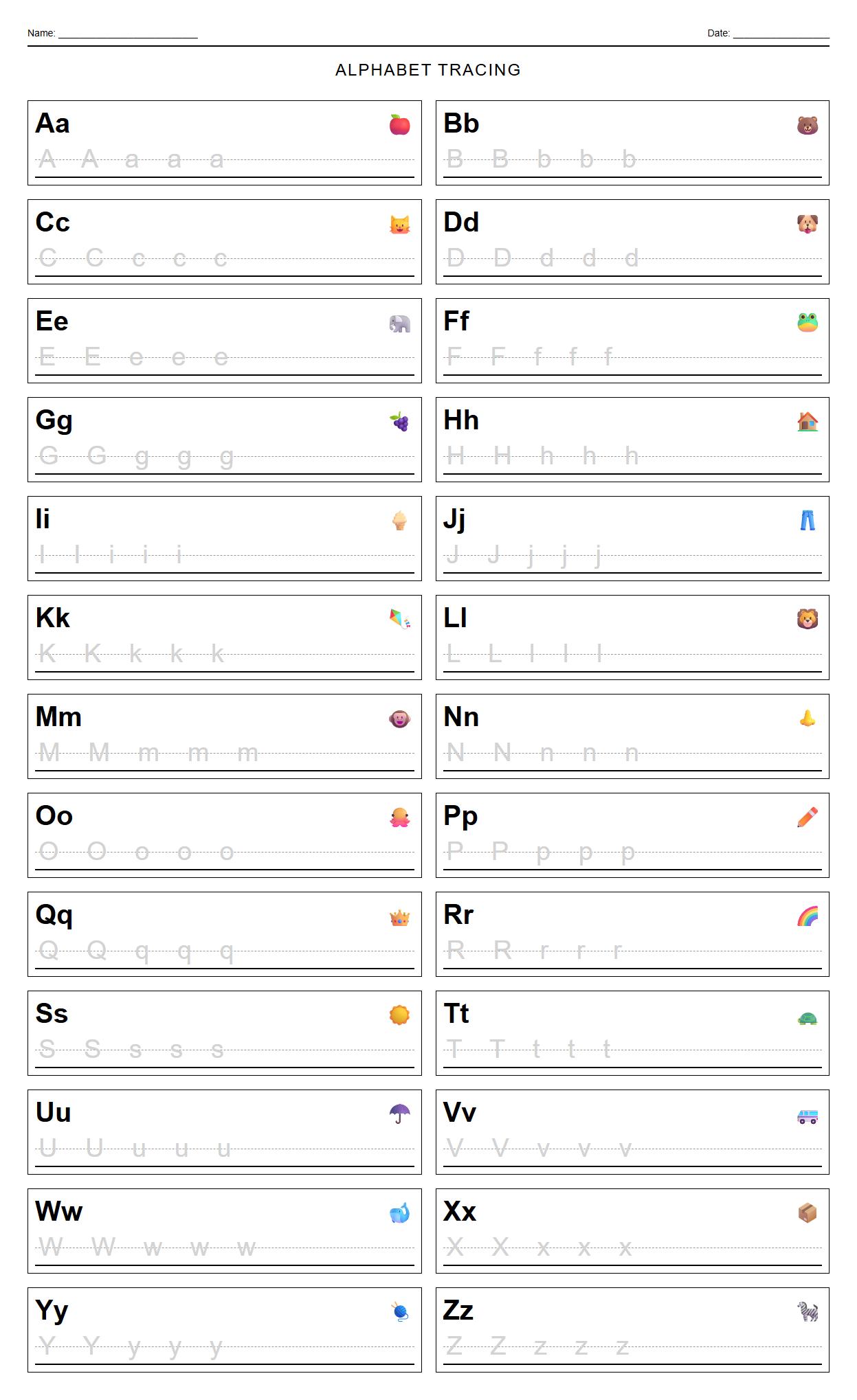
Uppercase and Lowercase Alphabet Tracing Worksheets

Download PDF     Pin it

Phonics Sound Worksheets with Alphabet Tracing
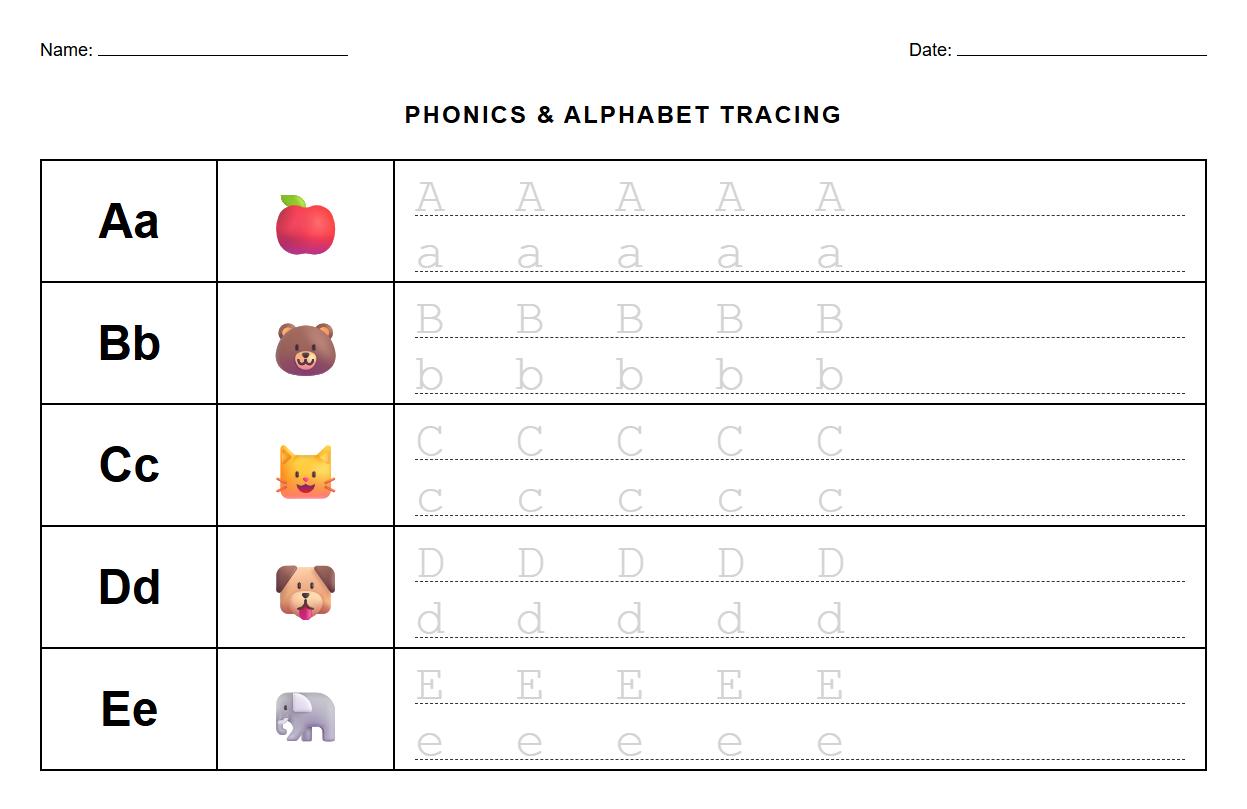
Phonics Sound Worksheets with Alphabet Tracing

Download PDF     Pin it

Letter Formation Practice with Directional Arrows
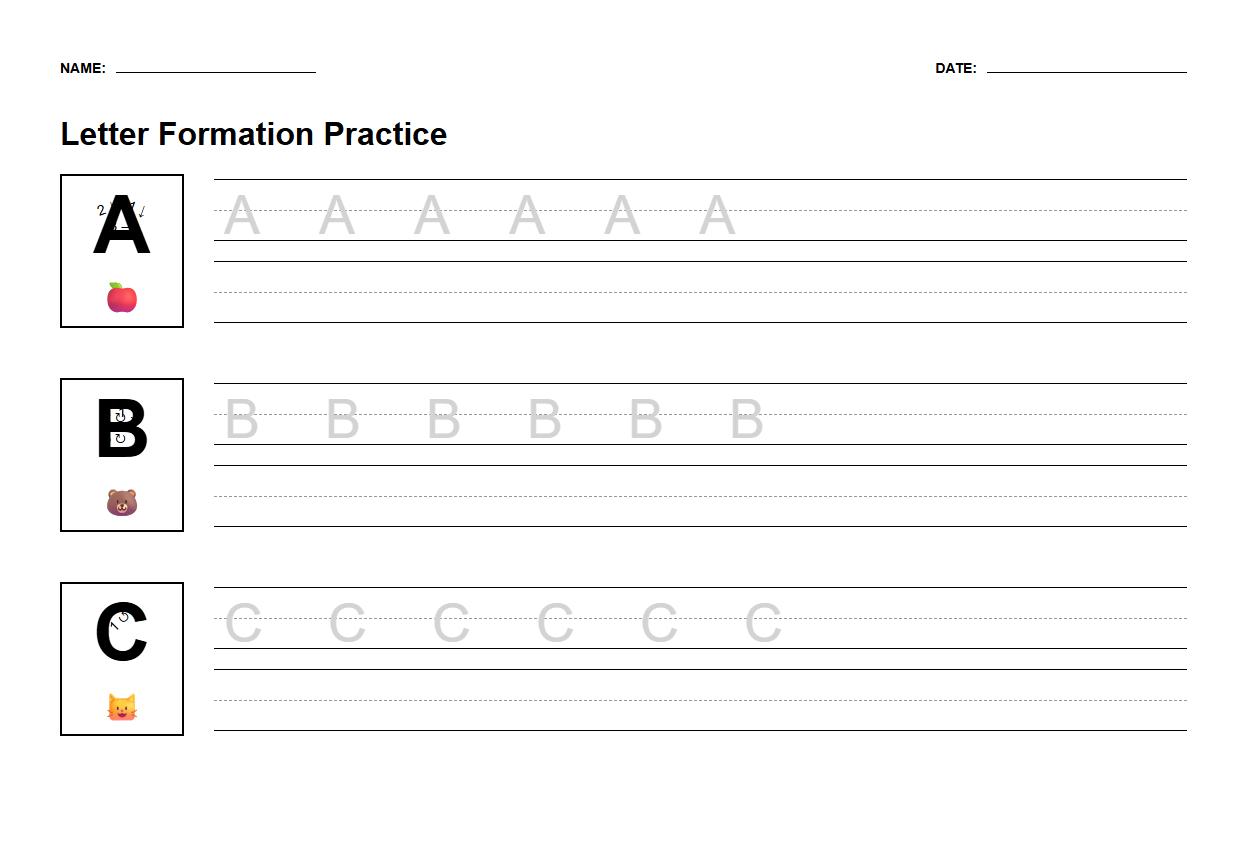
Letter Formation Practice with Directional Arrows

Download PDF     Pin it

Tracing Alphabet with Beginning Sound Pictures
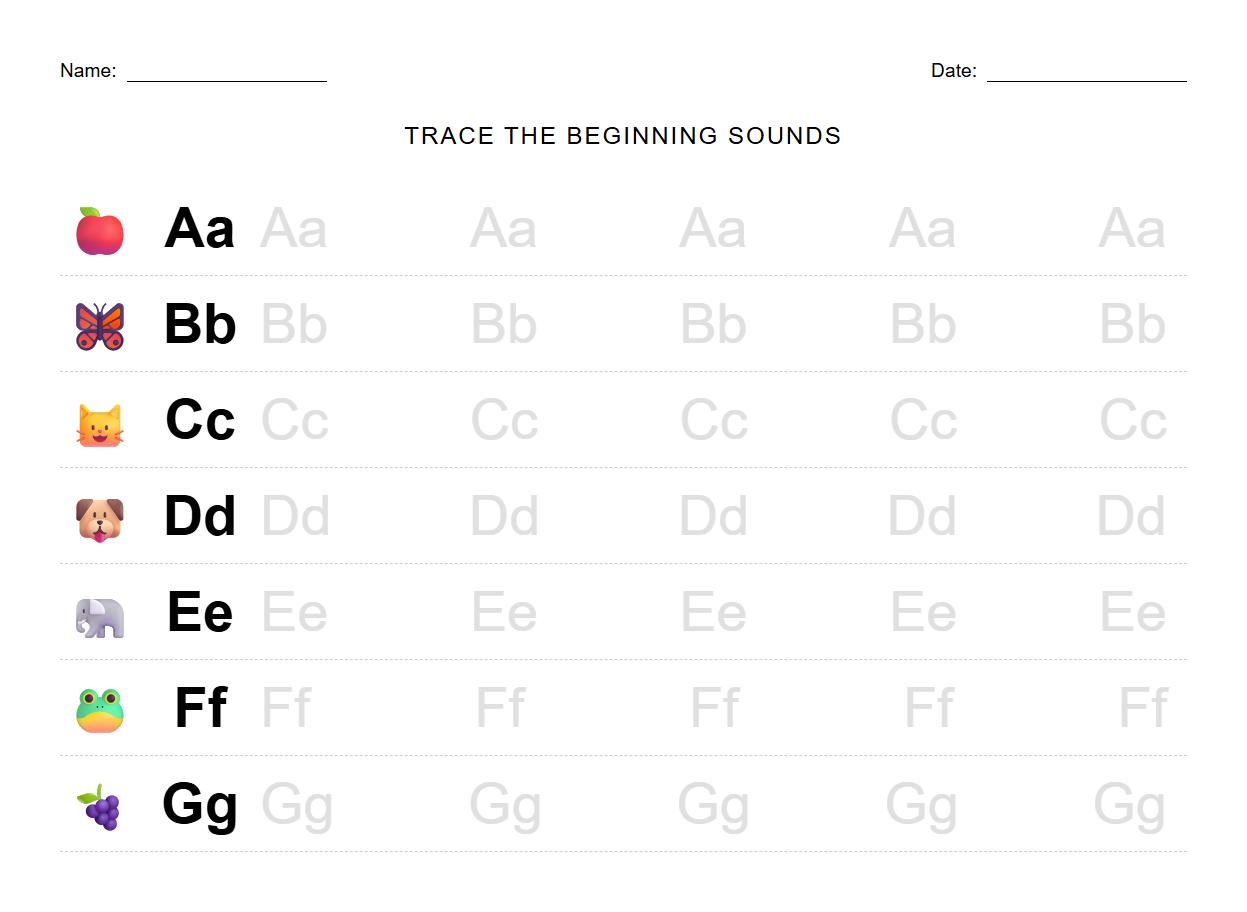
Tracing Alphabet with Beginning Sound Pictures

Download PDF     Pin it

Rainbow Tracing Letters for Visual Discrimination
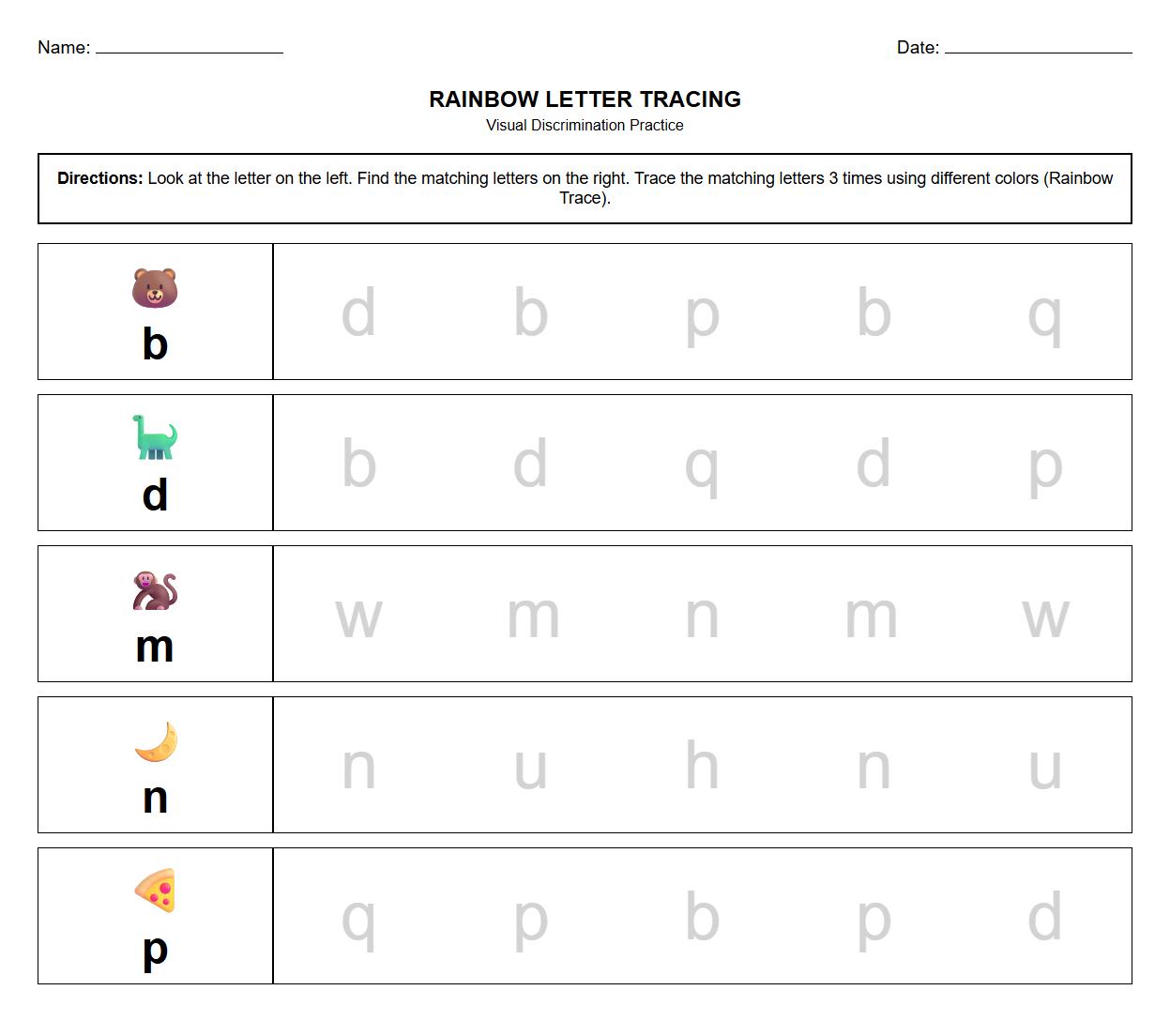
Rainbow Tracing Letters for Visual Discrimination

Download PDF     Pin it

Fine Motor Skills Alphabet Maze Tracing
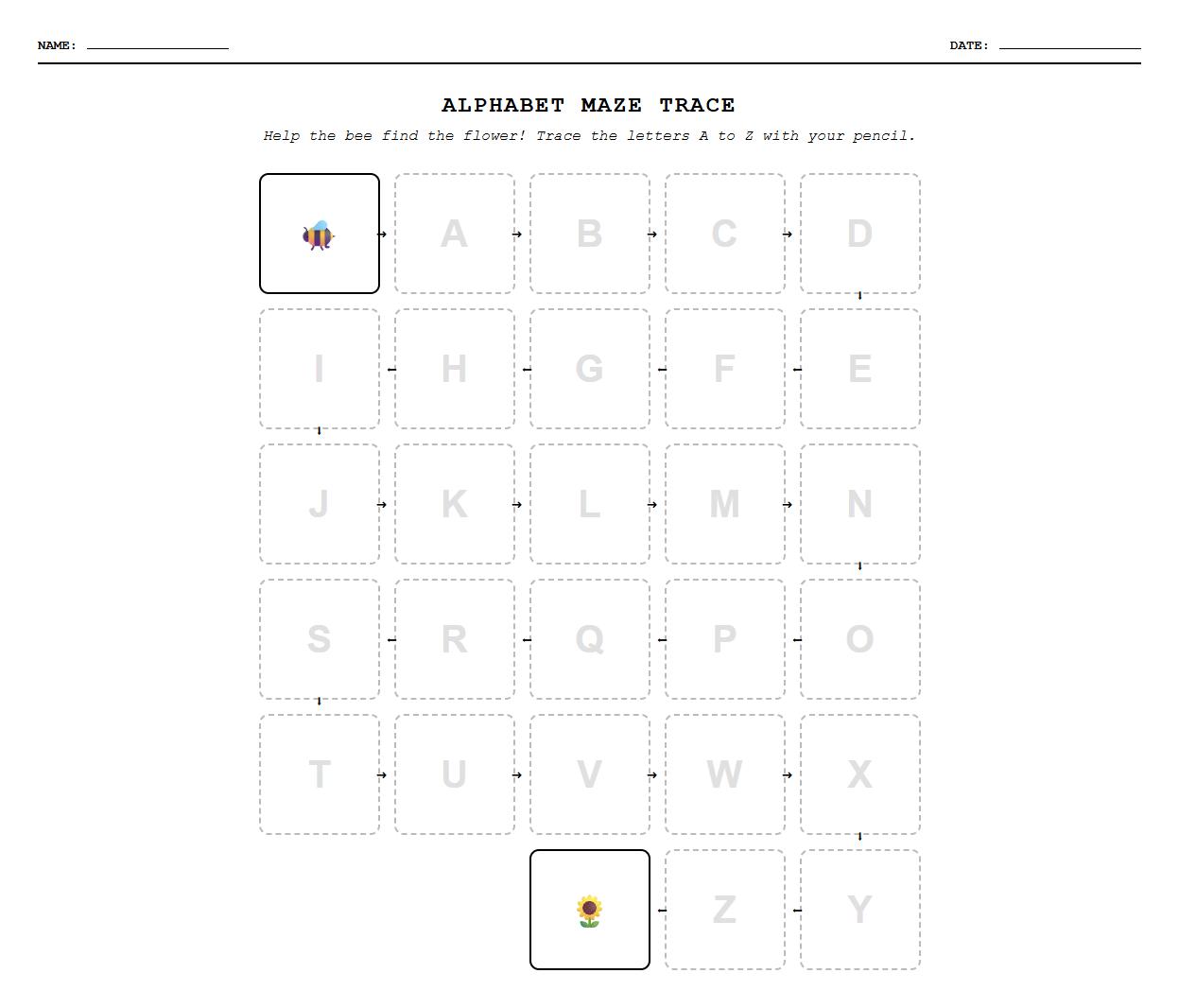
Fine Motor Skills Alphabet Maze Tracing

Download PDF     Pin it

Dot to Dot Phonemic Awareness Tracing Sheets
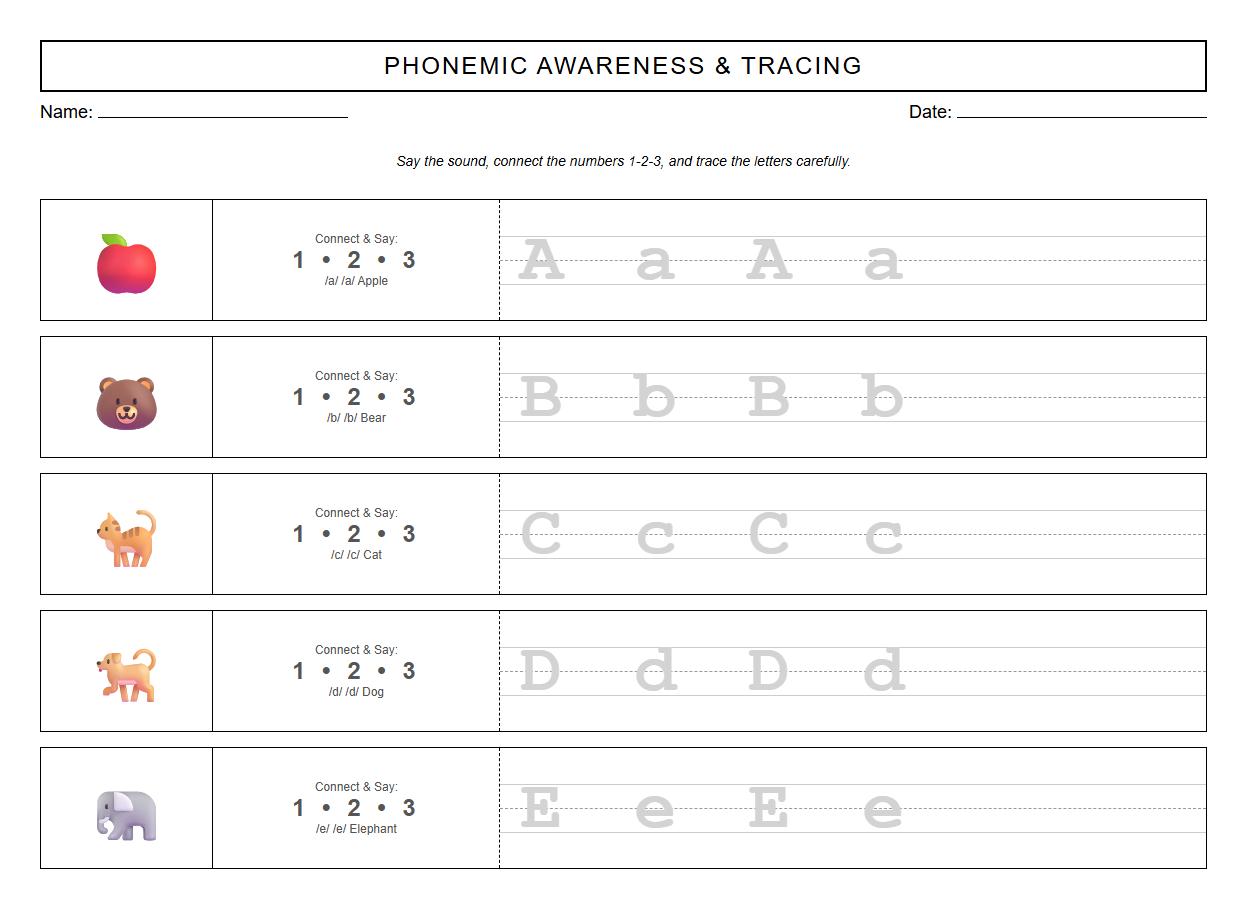
Dot to Dot Phonemic Awareness Tracing Sheets

Download PDF     Pin it

Cursive Alphabet Tracing with Stroke Order
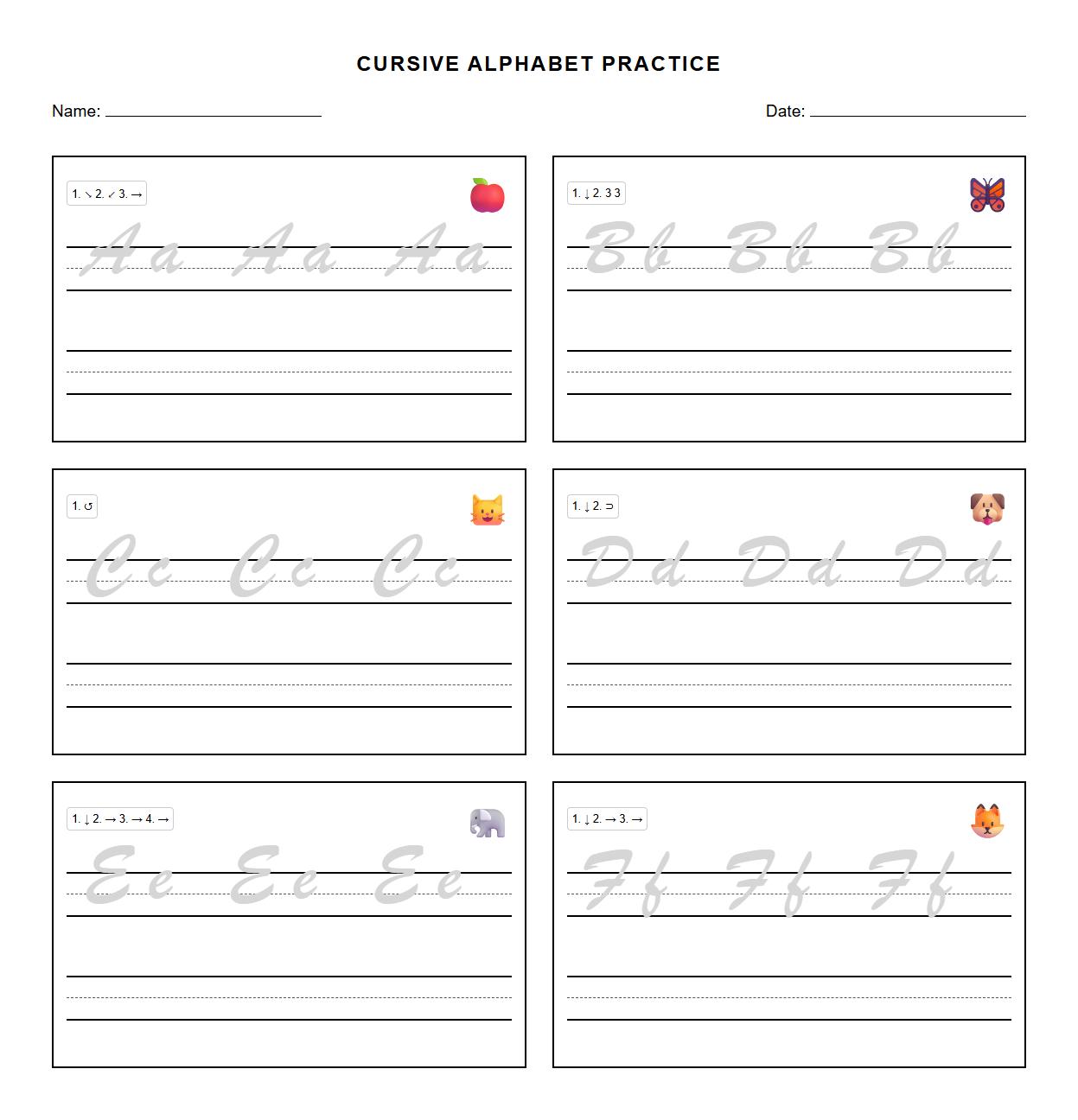
Cursive Alphabet Tracing with Stroke Order

Download PDF     Pin it

Tracing and Matching Letters with Phonics Images
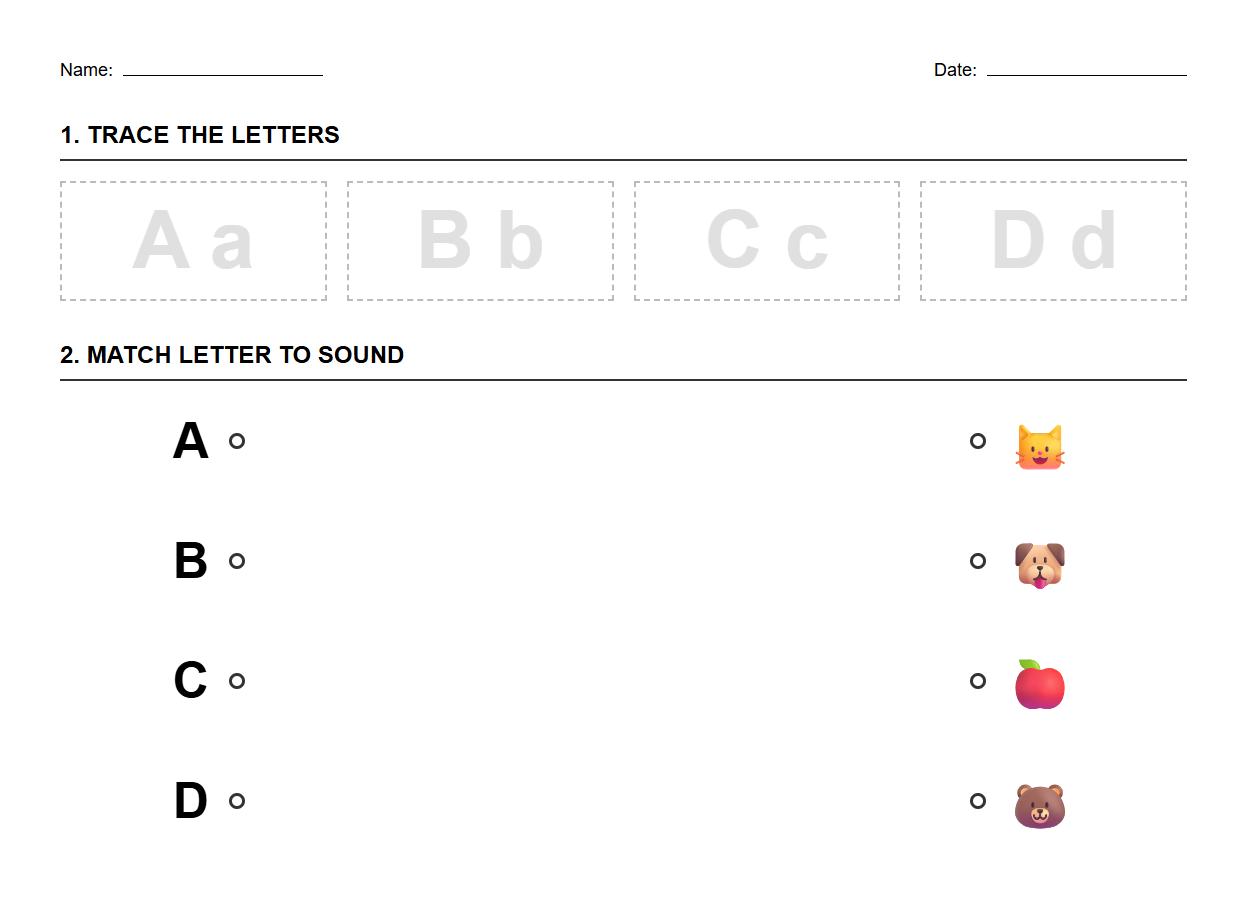
Tracing and Matching Letters with Phonics Images

Download PDF     Pin it

Alphabet Tracing for Multisensory Letter Recognition
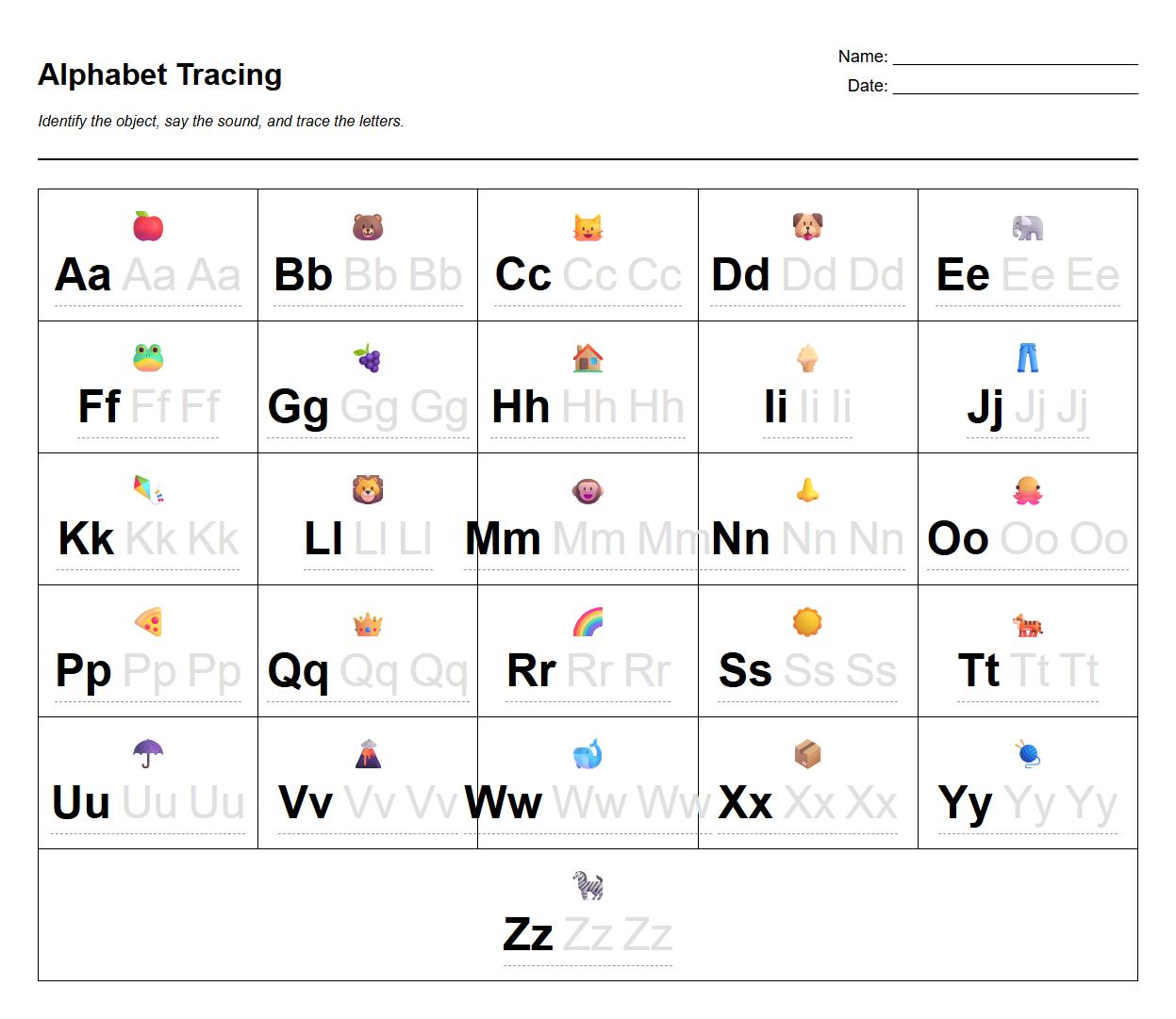
Alphabet Tracing for Multisensory Letter Recognition

Download PDF     Pin it

Identifying the Letter

Recognizing the letter is the first step in learning. Ask your child or student, "What letter is this?" and encourage them to trace it with their finger. This sensory activity helps strengthen letter recognition and fine motor skills. Tracing with the finger activates touch memory, aiding retention.

Classroom Object Hunt

Engage your child or students in finding objects starting with the letter around the classroom. This promotes vocabulary development and environmental awareness. Encourage them to say the name of each found object out loud. This activity integrates letter learning with real-life context.

Choosing Colors to Trace

Ask, "Which color do you want to use to trace the next letter?" to make tracing fun and personalized. Using different colors keeps children interested and helps associate colors with learning. This choice empowers creativity while reinforcing letter formation. Colorful tracing also enhances visual memory.

Making the Letter Sound

Encourage children to make the sound of the letter. This phonemic awareness is essential for early reading skills. Practicing the sound aloud helps link letter recognition with speech. Repetition solidifies the connection between letter and sound.

Straight Lines vs. Curves

Discuss which letters have straight lines and which have curves. This helps children notice the shapes and structures of letters, improving handwriting skills. Sorting letters by this characteristic engages critical thinking. It also lays a foundation for recognizing different letter families.

Tracing with Eyes Closed

Challenge children to trace the letter with their eyes closed. This tactile activity enhances muscle memory and concentration. It encourages reliance on the sense of touch and spatial awareness. Such exercises boost confidence in letter formation without visual aid.

Thinking of Other Words

Ask, "What other words can you think of that begin with this letter?" to expand vocabulary. This brainstorming supports language development and letter-sound associations. It stimulates creativity and memory recall. Encouraging children to share their ideas builds communication skills.

Tracking Letters Traced

Keep count of how many letters have been traced so far today. This helps monitor progress and sets achievable goals. Celebrating milestones motivates sustained learning and effort. Tracking also provides a visual record of accomplishment.

Finding Letters in Books

Invite children to find the letter in their favorite books. This connects letter recognition to reading habits. Seeing letters in print enhances literacy and comprehension skills. It fosters a love for books and ongoing learning.

Letter Shape Imagination

Encourage children to imagine what shape the letter looks like to them. Comparing letters to familiar shapes makes learning imaginative and fun. It strengthens visual thinking and creativity. This exercise deepens engagement with letter forms.


More in Language Arts Category


About the author. Nylen Smith is a dedicated educator and cofounder of KWorksheet.com, a popular platform specializing in high-quality kindergarten worksheets and printable activities.

Disclaimer. The information provided in this document is for general informational purposes and/or document sample only and is not guaranteed to be factually right or complete. Please report to us via contact-us page if you find and error in this page, thanks.

Comments

No comment yet