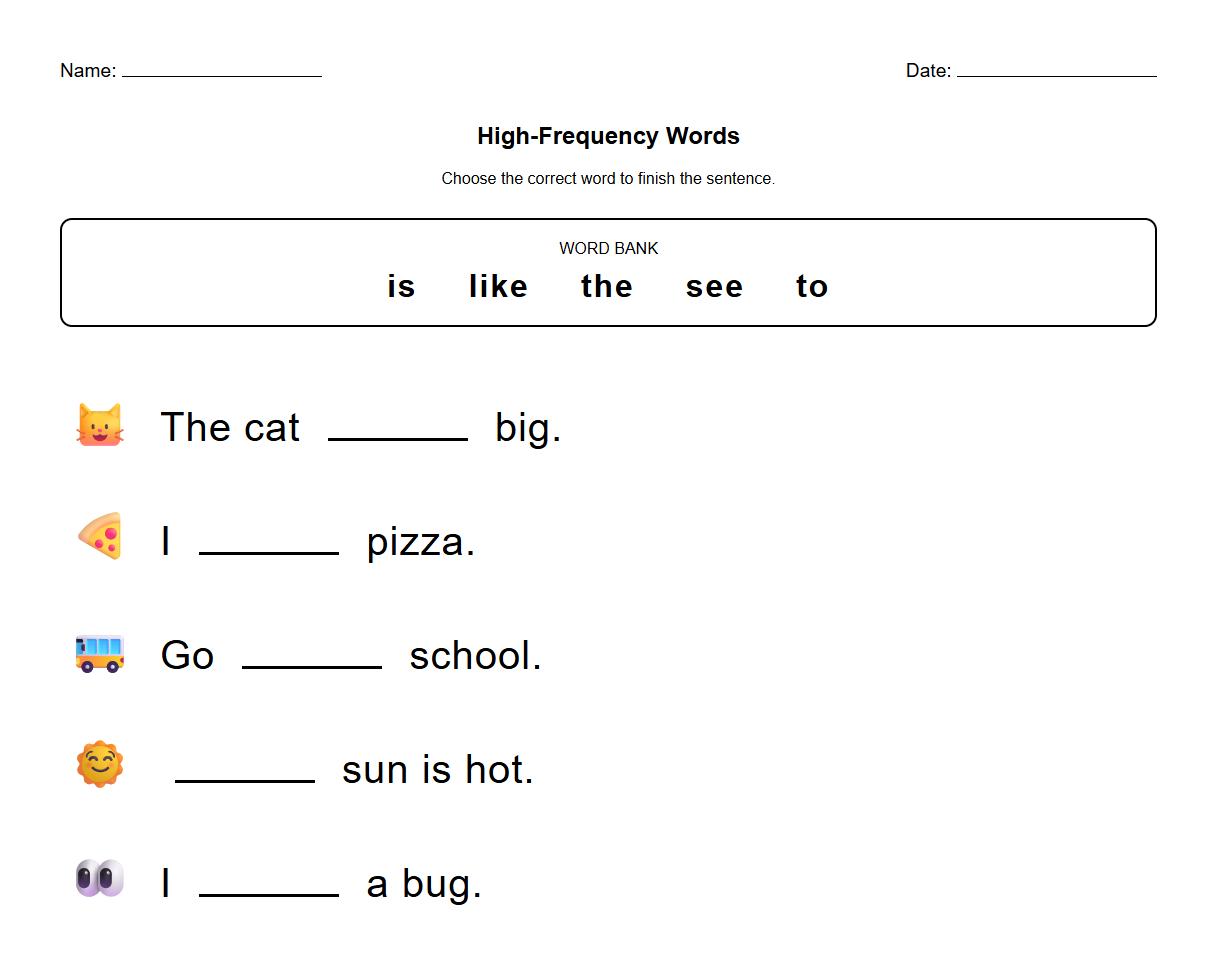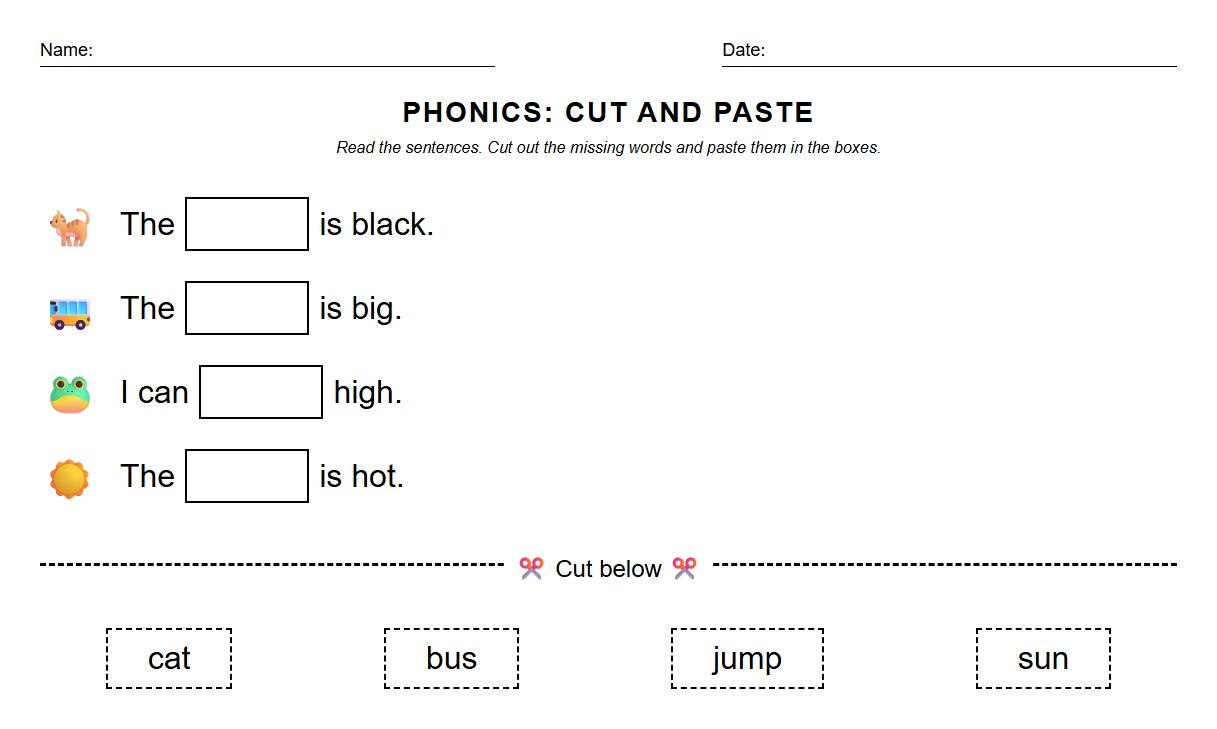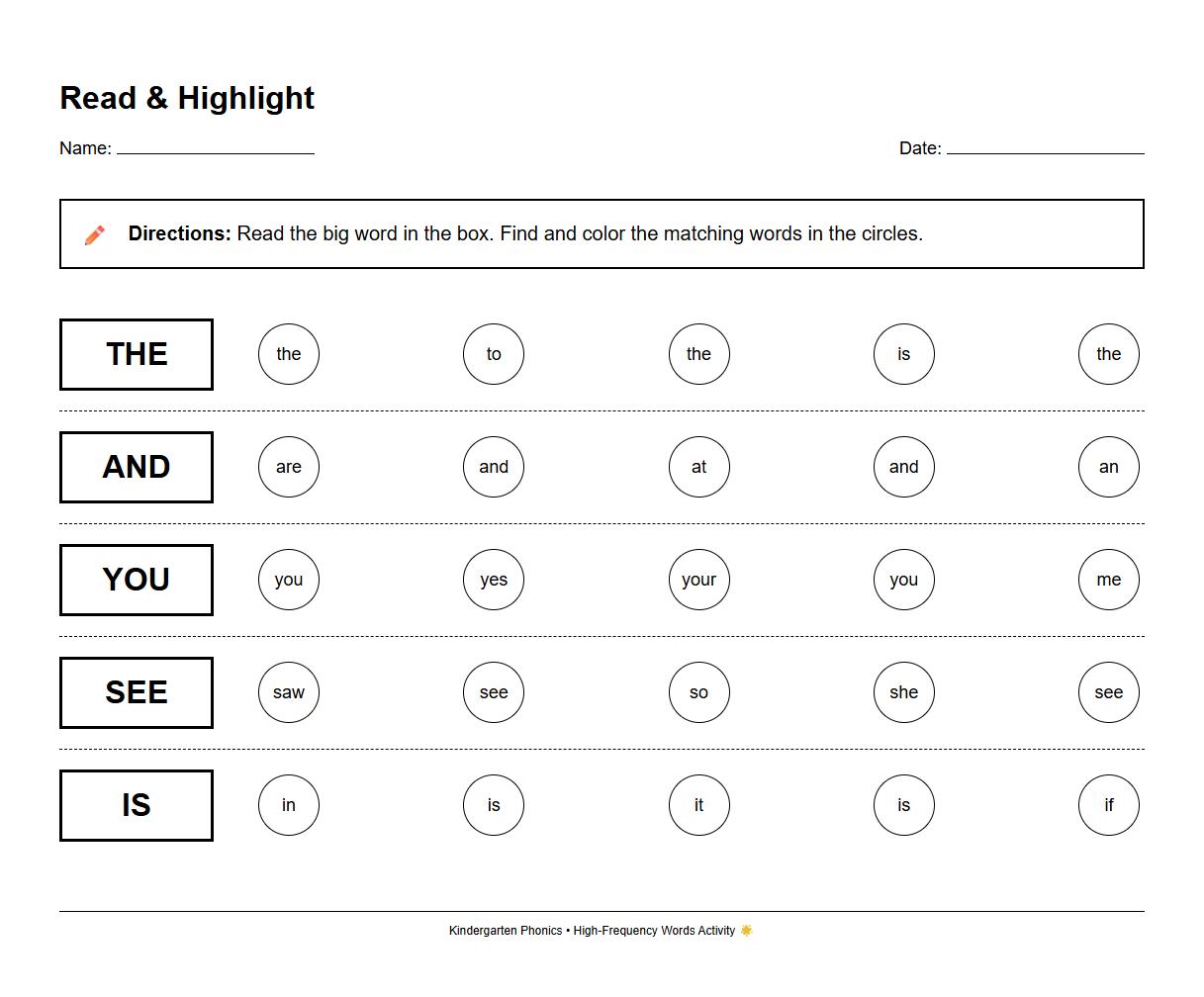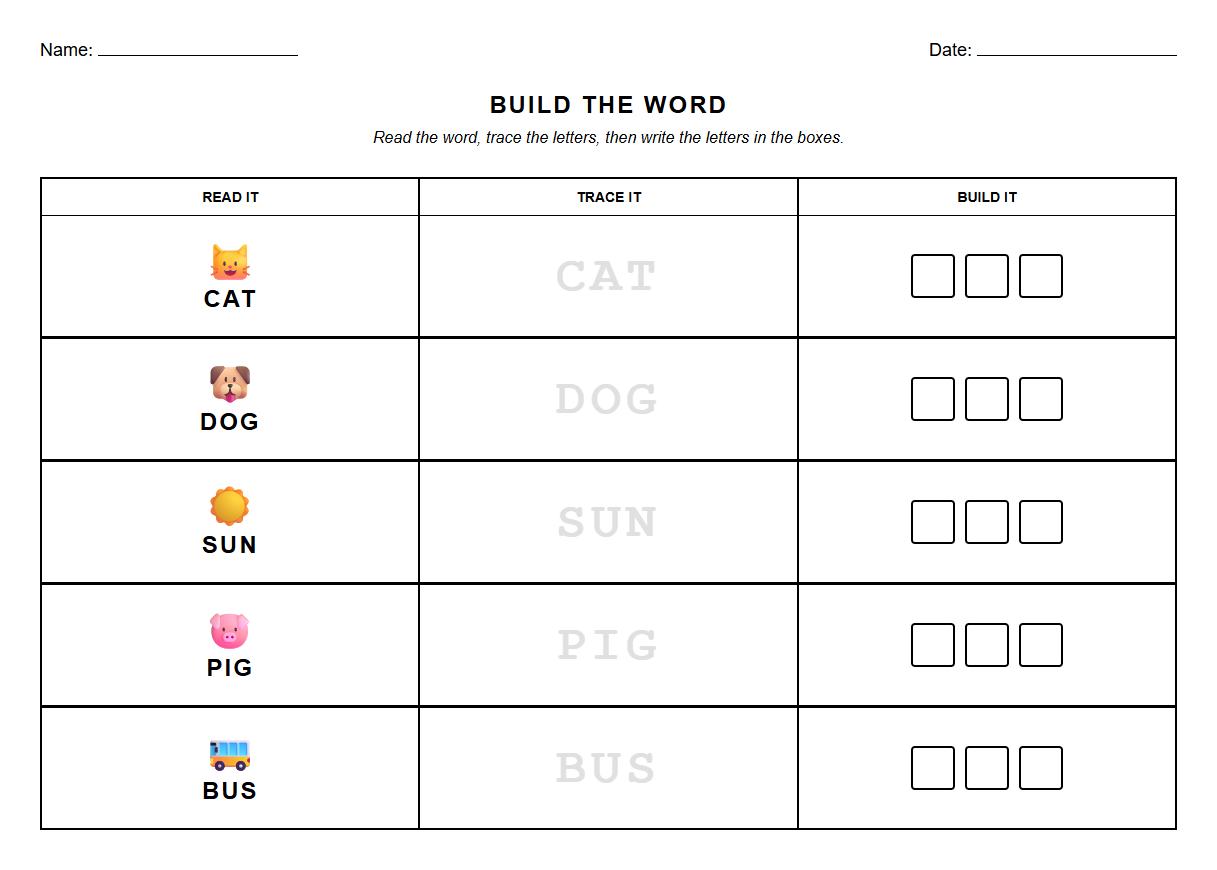
High-frequency words phonics worksheets help young learners recognize and pronounce common words that appear frequently in text, building essential reading skills. These exercises focus on blending sounds and sight word recognition to improve reading fluency and confidence. Explore our collection of worksheets designed to support early literacy development and make learning engaging for children.
Common High-Frequency Words for Kindergarten Worksheets
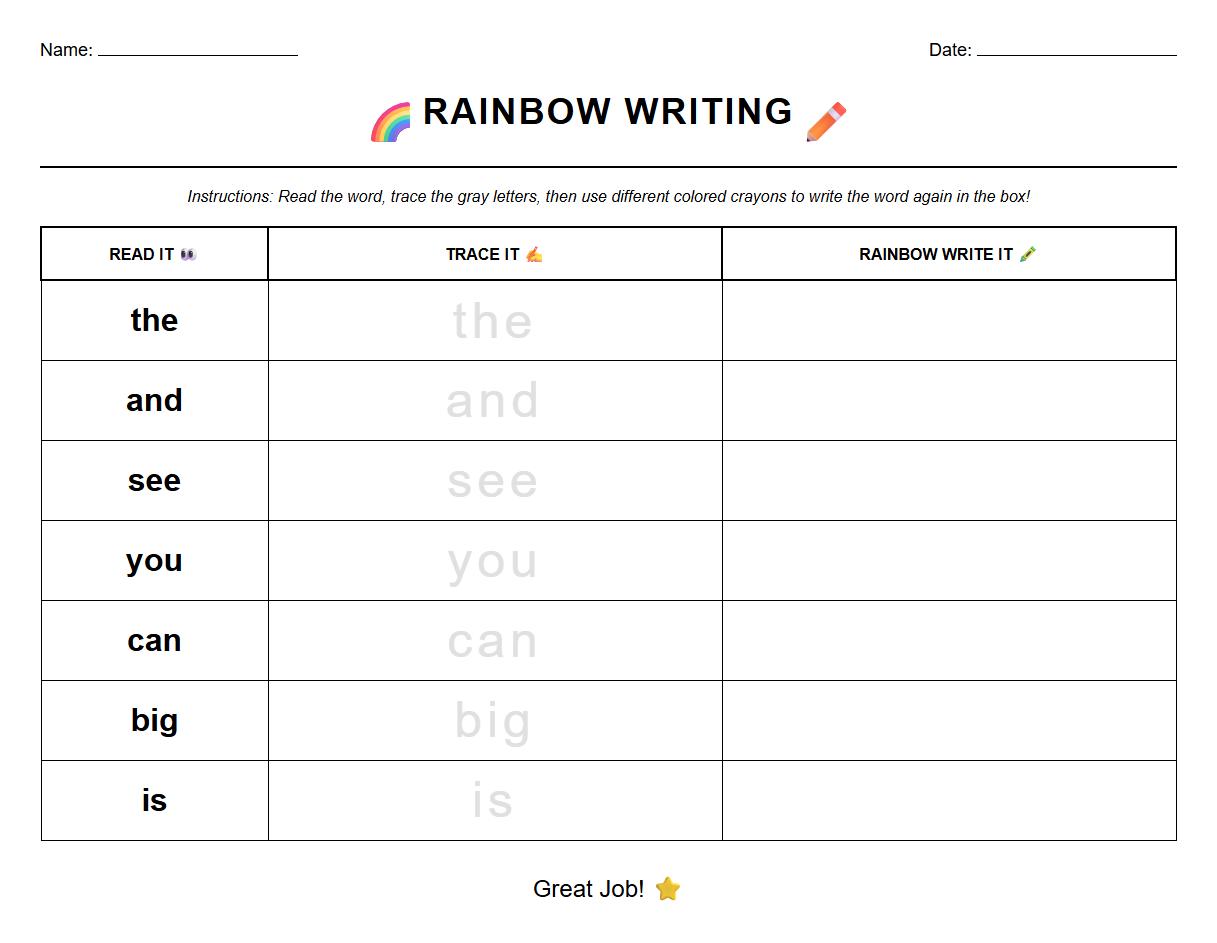
Kindergarten worksheets should focus on high-frequency words such as "the," "and," "is," "it," "to," "you," and "he." These words appear frequently in texts and help young learners develop reading fluency. Introducing a manageable list of 10-15 words at a time aids in retention. Reinforcing these words through various activities ensures better mastery.
Phonics Patterns to Emphasize for Early Readers
Early readers benefit from focusing on basic phonics patterns like CVC (consonant-vowel-consonant), beginning sounds, and long and short vowel sounds. Teaching blends and digraphs such as "sh," "ch," and "th" strengthens decoding skills. Consistent practice of these patterns builds a strong foundation for reading. Highlighting patterns within words helps children recognize familiar sounds.
Making High-Frequency Word Practice Engaging
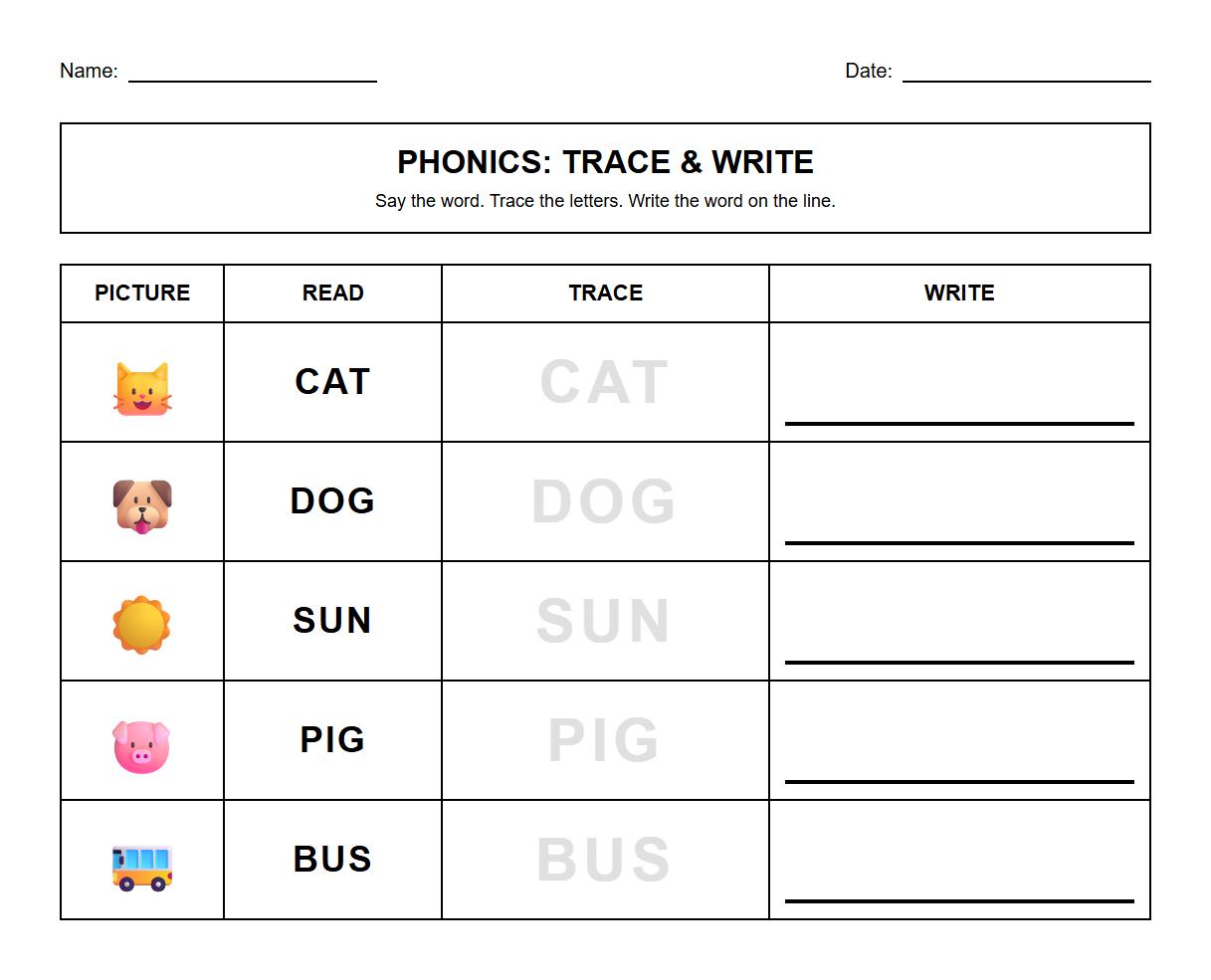
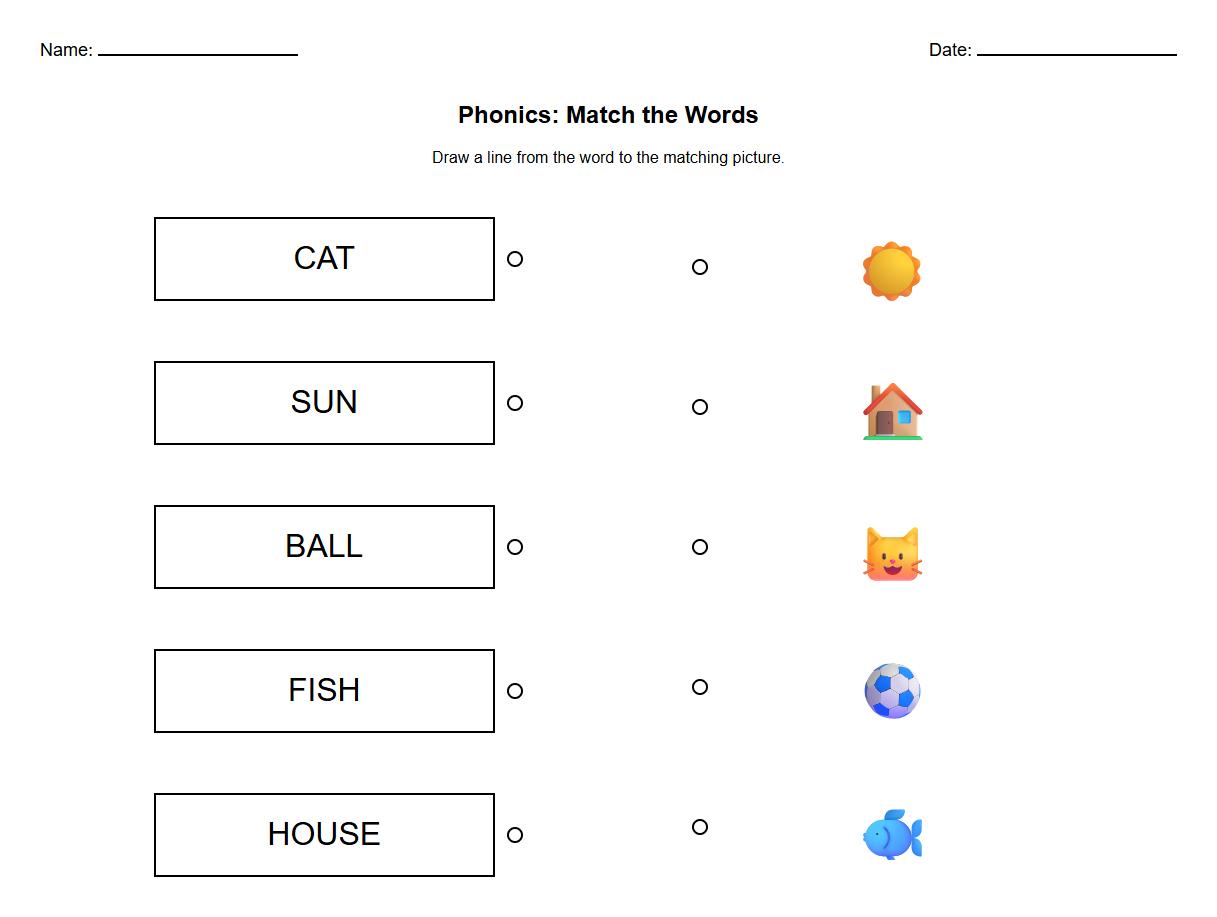
To keep learners motivated, teachers can use interactive games, flashcards, and songs featuring high-frequency words. Incorporating movement, like word hopping or acting out words, engages kinesthetic learners. Visual and tactile activities, such as word matching or letter tracing, add variety. Making practice playful encourages repeated exposure and confidence.
Activities to Reinforce Phonics Skills
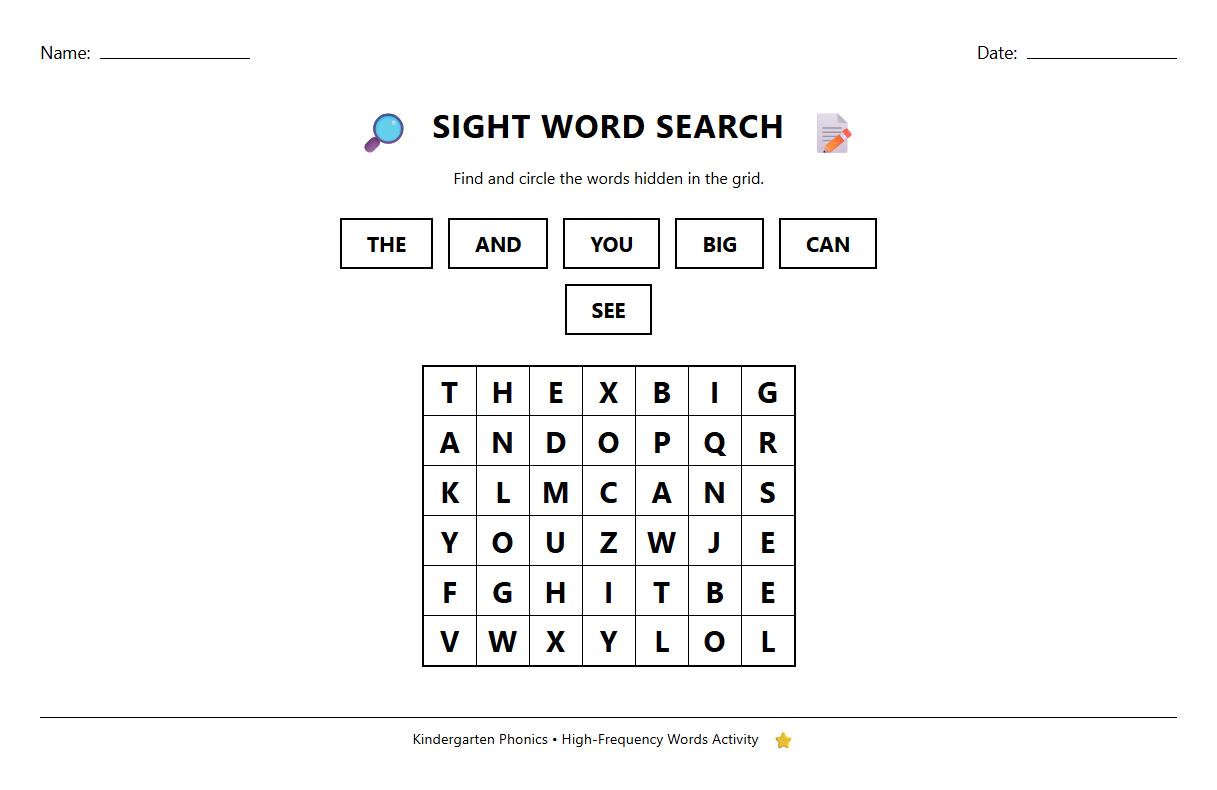
Kinesthetic activities such as letter-sound matching, sorting pictures by beginning sounds, and phonics-based puzzles reinforce phonics skills. Storytelling that emphasizes target sounds allows practical application. Group reading sessions highlight phonics patterns and encourage peer learning. Repetition through songs and rhymes further solidifies sound recognition.
Visual Aids for High-Frequency Word Recognition
Using visual aids like word walls, flashcards with images, and color-coded words supports word recognition. Picture-word association charts help connect meaning to sight words. Interactive whiteboards displaying high-frequency words catch attention. These aids provide constant, accessible exposure to improve recall.
Frequency of Introducing New High-Frequency Words
New high-frequency words should be introduced gradually, typically one to three per week. This pace allows young learners to fully master each word before adding more. Frequent review sessions help maintain retention. Consistent reinforcement through multiple activities is crucial for long-term learning.
Effective Games for Practicing Phonics and High-Frequency Words
Games like "Word Bingo," "Phonics Hopscotch," and matching card games combine phonics and high-frequency word practice. These interactive games encourage active participation and reinforce learning in an enjoyable way. Partner games build social skills while strengthening word recognition. Using technology-based games can also increase engagement.
Assessment Methods to Track High-Frequency Word Recognition
Assessment techniques include timed word flash activities, reading aloud sessions, and frequent sight word quizzes. Portfolios documenting student progress with written work and observations provide valuable insights. Running records and one-on-one assessments identify areas needing additional support. Progress tracking guides tailored instruction effectively.
Integrating Phonics and High-Frequency Word Practice in Worksheets
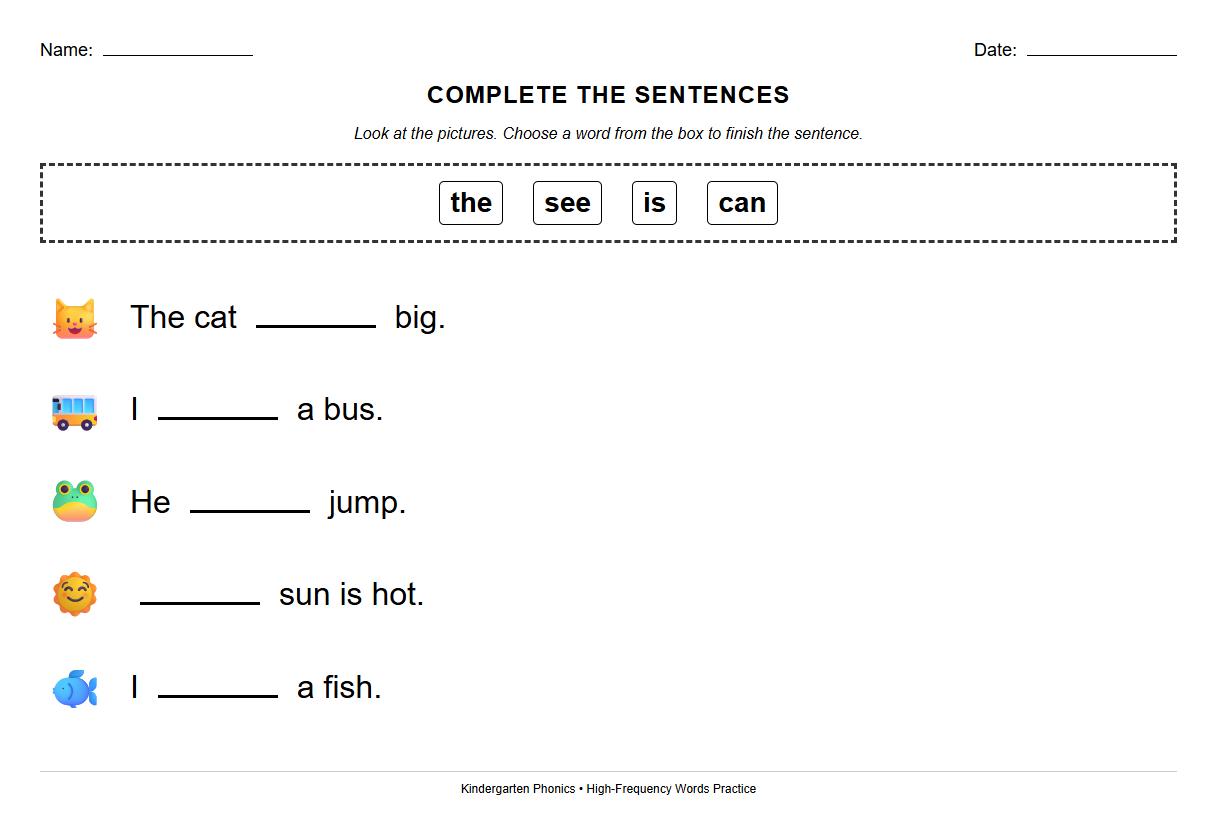
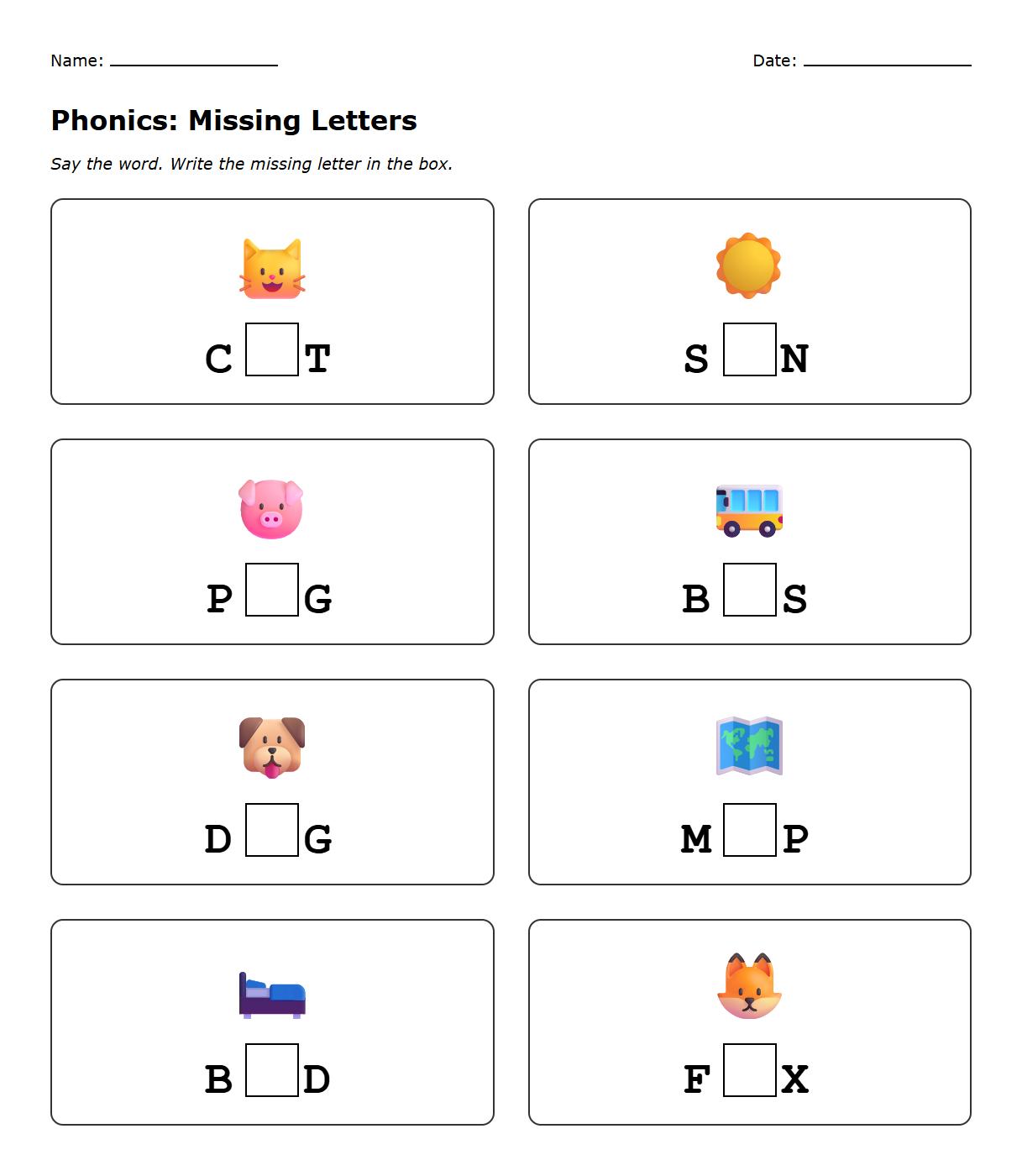
Worksheets that combine phonics and high-frequency word practice might include fill-in-the-blank sentences, word building tasks, and decoding exercises. Integrating pictures with words aids comprehension. These activities encourage simultaneous development of decoding and sight word skills. Balanced worksheets maintain student interest and foster comprehensive learning.
Classroom Routines to Build Automaticity with High-Frequency Words
Daily routines like morning word reviews, quick flashcard drills, and word wall interactions foster automaticity. Incorporating sight word chants or call-and-response activities strengthens memorization. Consistent practice embedded in everyday lessons makes recognition second nature. Gradual exposure combined with repetition builds fluent reading habits.


Kindergarten Level Sight Words Sentence Building Worksheet