Kindergarten Text Sequencing and Reading Comprehension Practice

📅 Mar 21, 2025 👤 Nylen Smith

Kindergarten text sequencing and reading comprehension practice builds foundational literacy skills by helping young learners understand story order and improve narrative recall. This practice enhances children's ability to identify beginning, middle, and end parts of a story, fostering critical thinking and language development. Explore our available worksheets to support your child's reading journey effectively.

Picture Sequencing Worksheet with Short Sentences
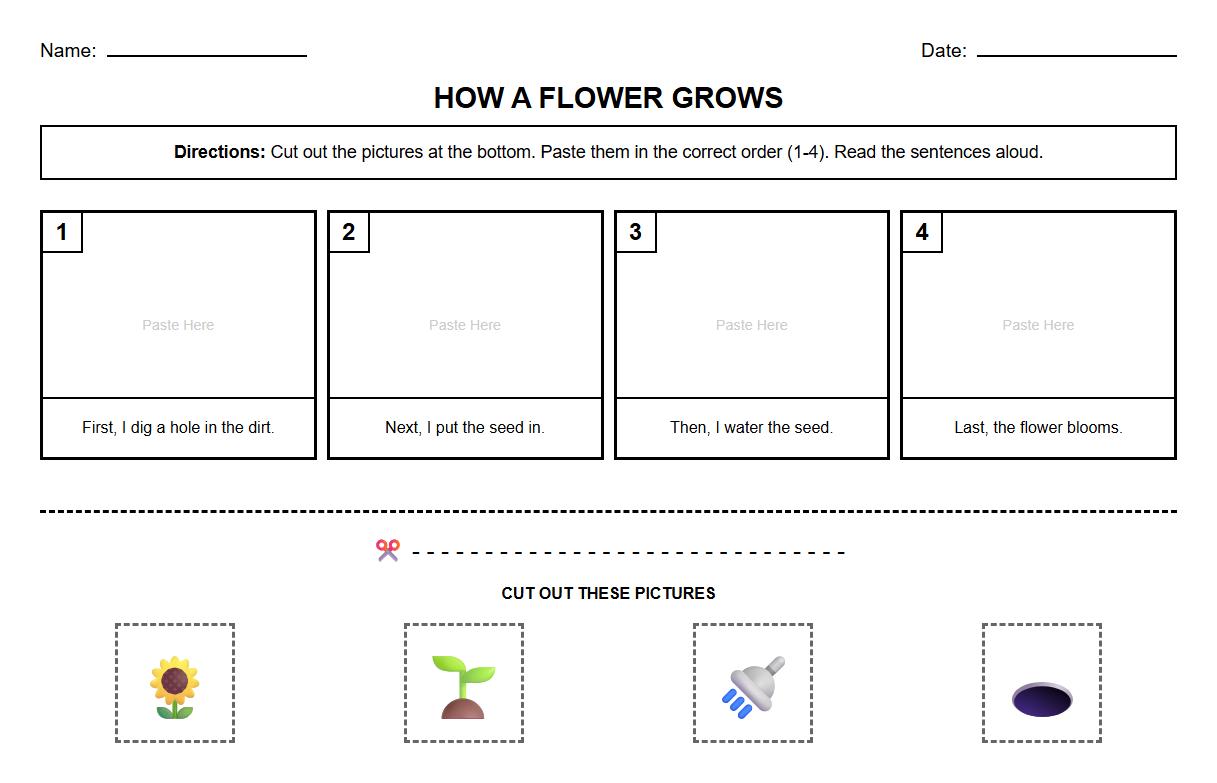
Picture Sequencing Worksheet with Short Sentences

Download PDF     Pin it

Story Map Worksheet Incorporating Character and Setting Identification
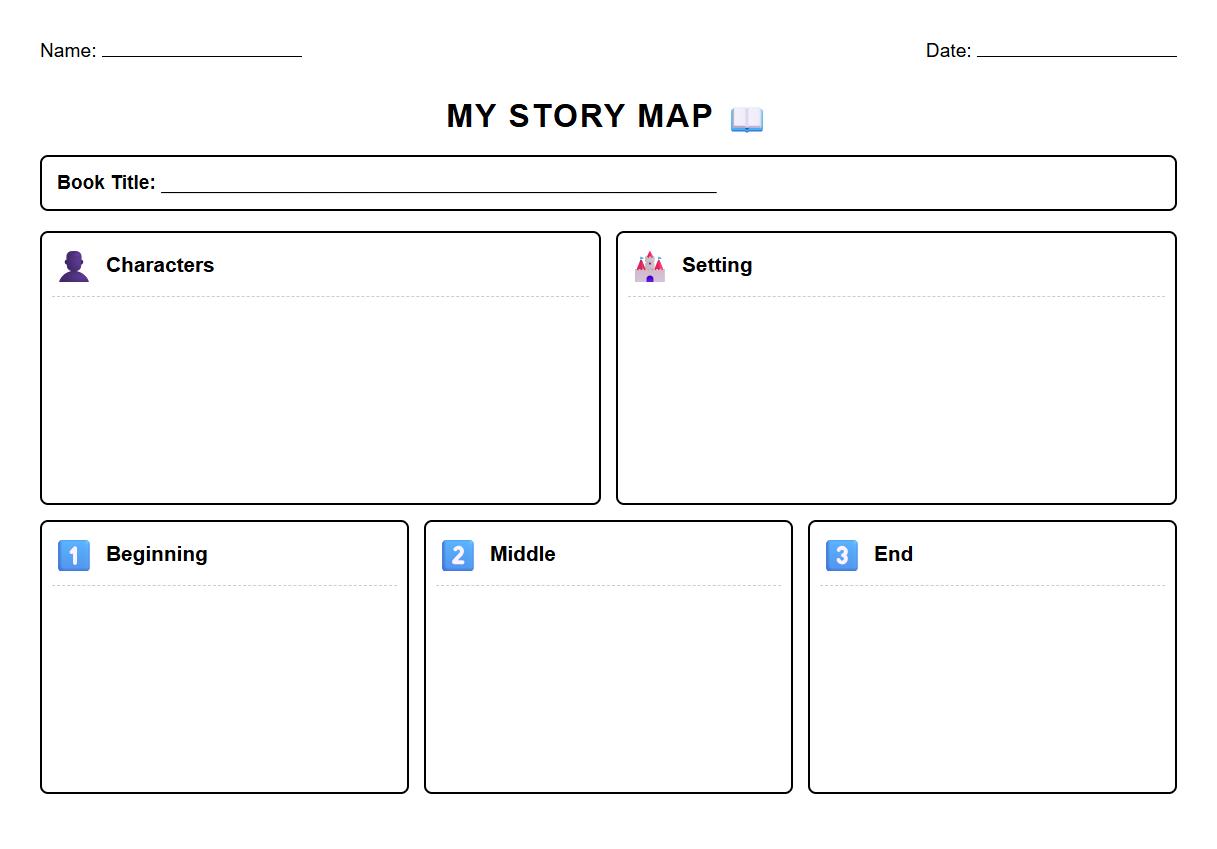
Story Map Worksheet Incorporating Character and Setting Identification

Download PDF     Pin it

Cut and Paste Event Order Activity Focusing on Narrative Structure
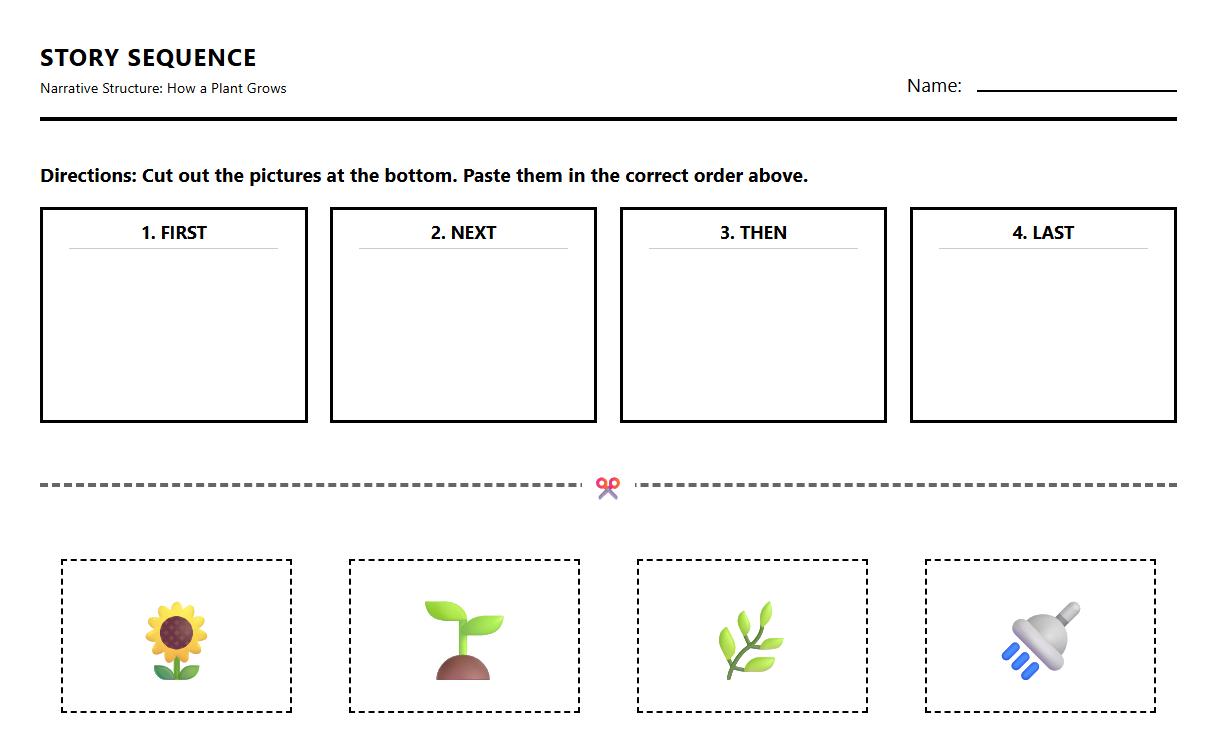
Cut and Paste Event Order Activity Focusing on Narrative Structure

Download PDF     Pin it

Beginning Middle End Sequencing Practice Using Simple Stories
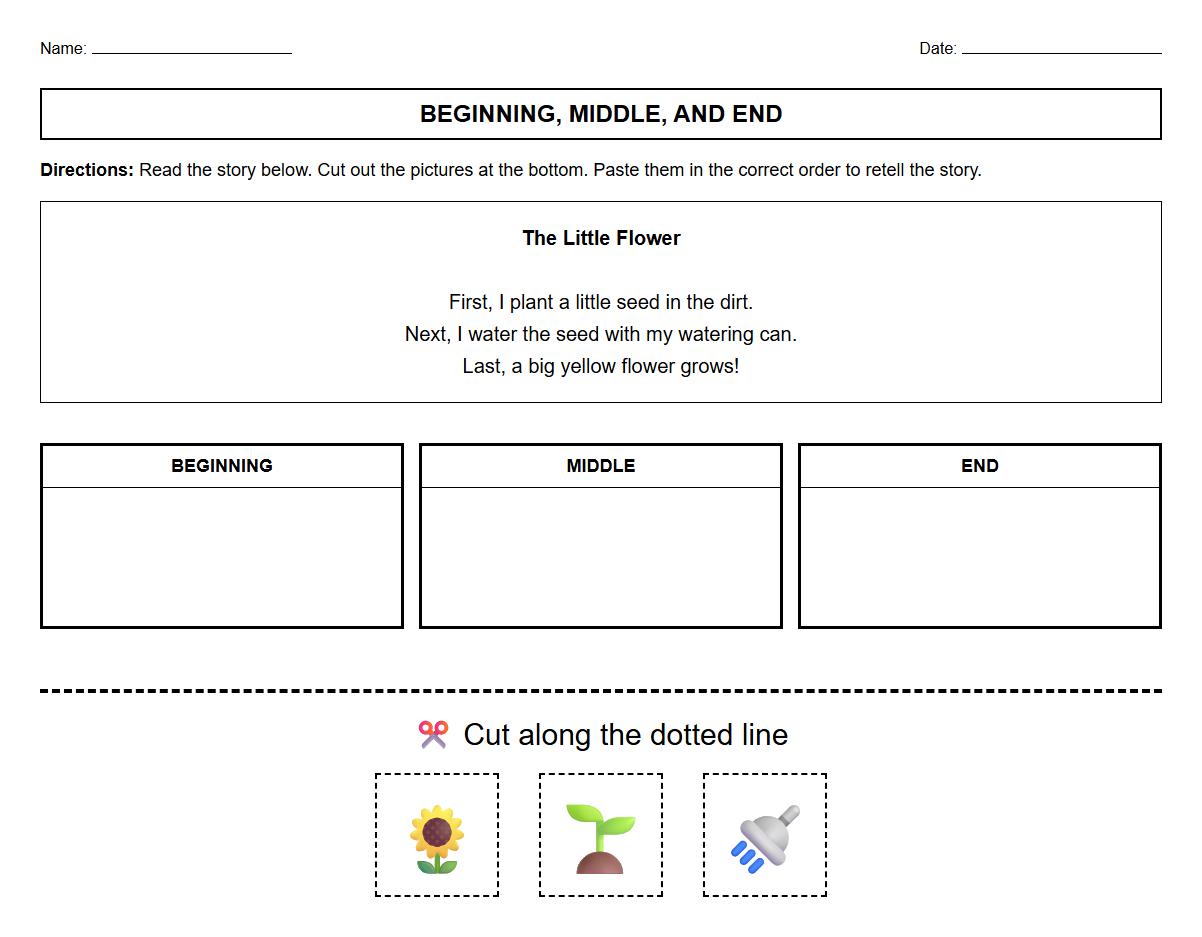
Beginning Middle End Sequencing Practice Using Simple Stories

Download PDF     Pin it

Sentence Scramble Worksheet for Text Sequencing Fluency
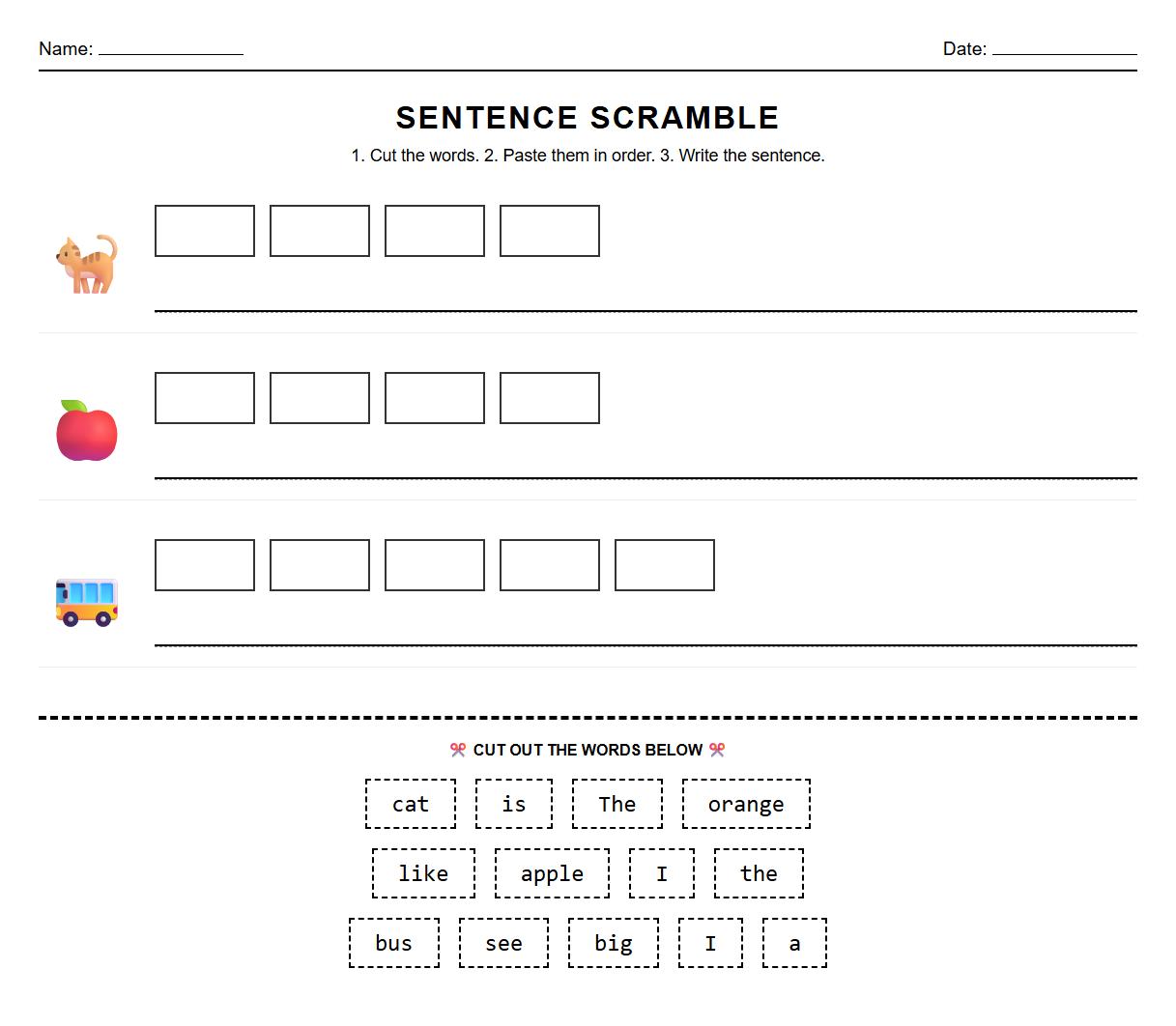
Sentence Scramble Worksheet for Text Sequencing Fluency

Download PDF     Pin it

Fill in the Blank Reading Passages for Comprehension Assessment
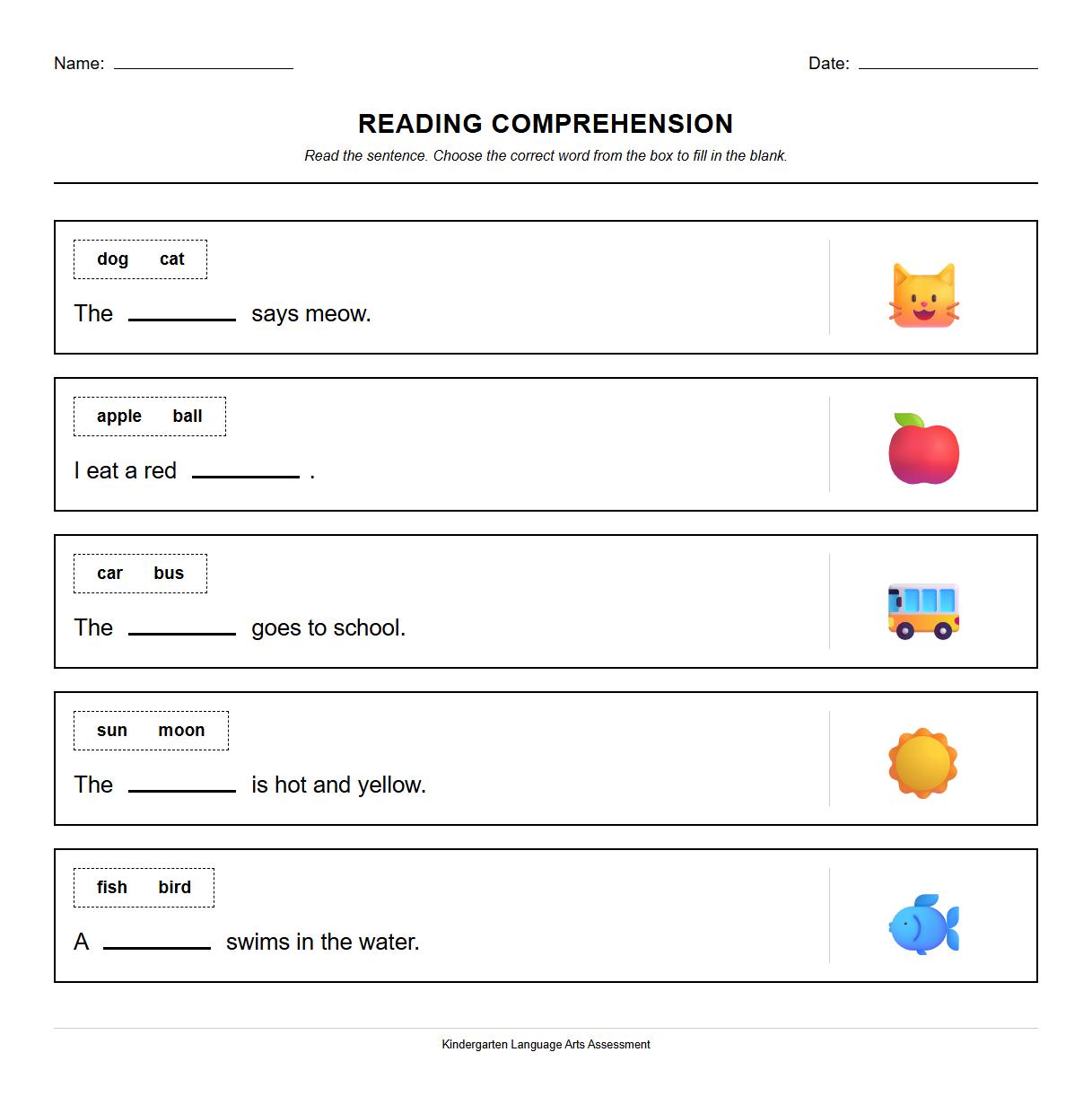
Fill in the Blank Reading Passages for Comprehension Assessment

Download PDF     Pin it

Multiple Choice Reading Comprehension Questions Targeting Key Details
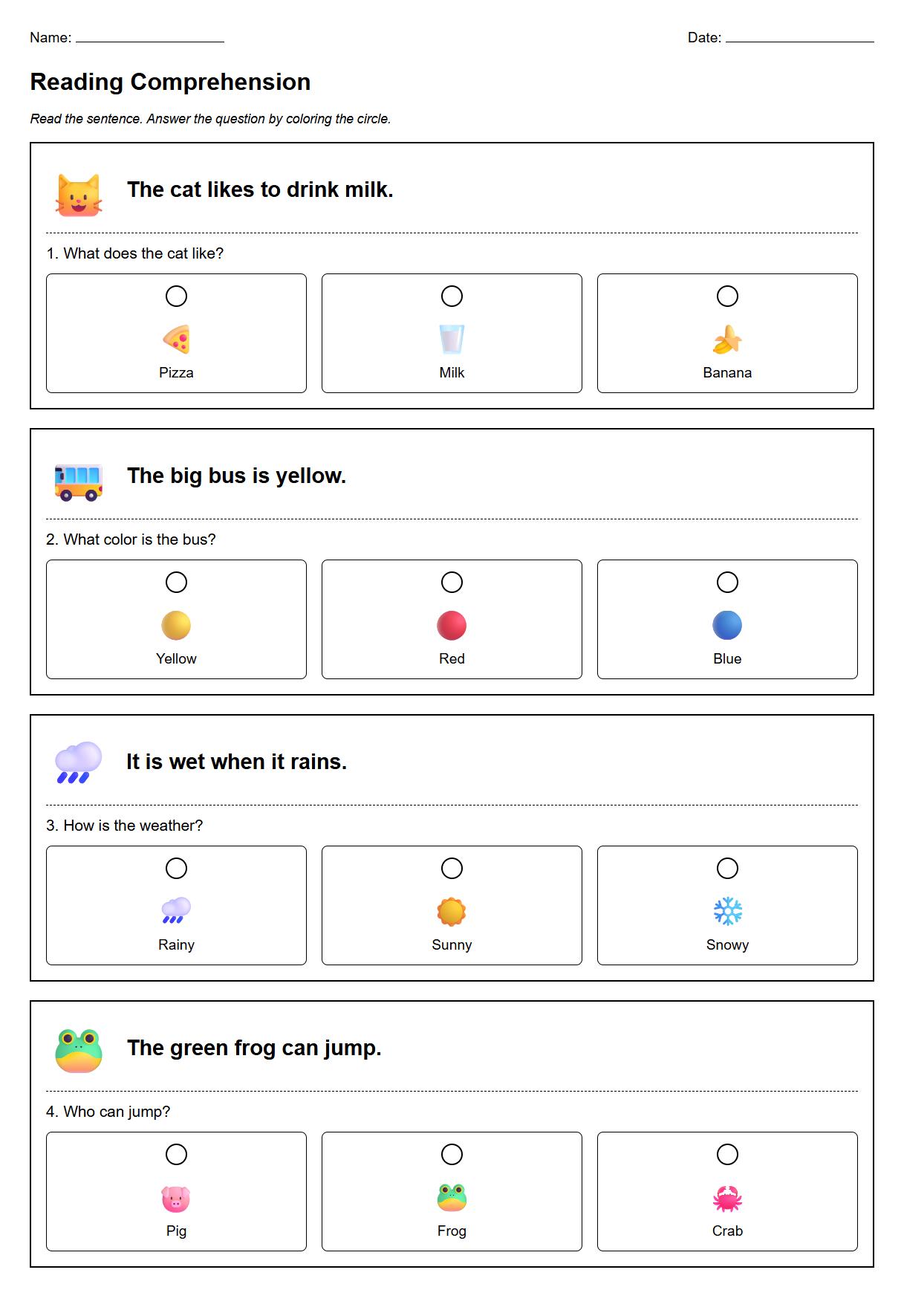
Multiple Choice Reading Comprehension Questions Targeting Key Details

Download PDF     Pin it

Main Idea and Supporting Details Worksheet for Kindergarten Level Texts
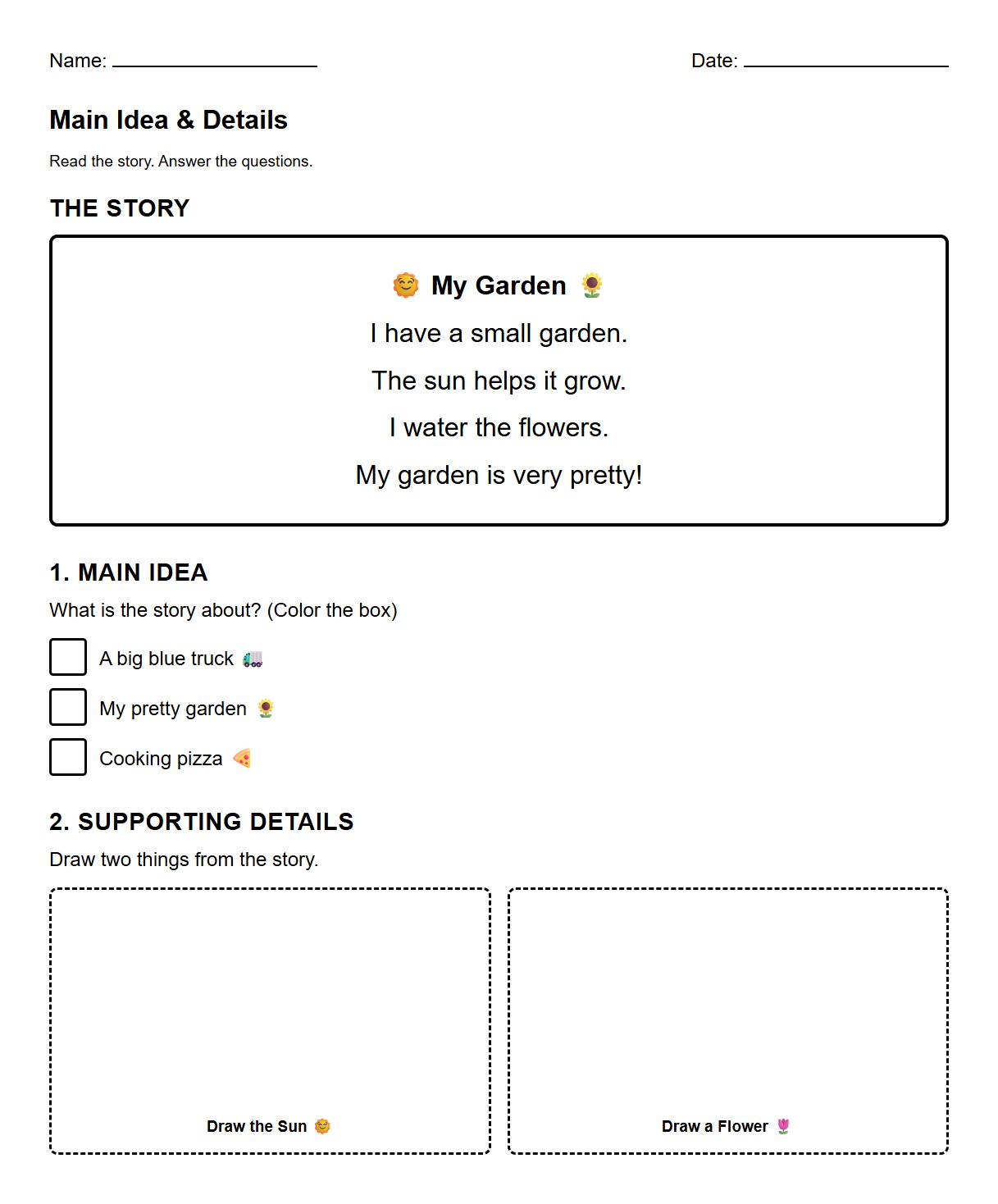
Main Idea and Supporting Details Worksheet for Kindergarten Level Texts

Download PDF     Pin it

Matching Sentences to Illustrations to Reinforce Comprehension Skills
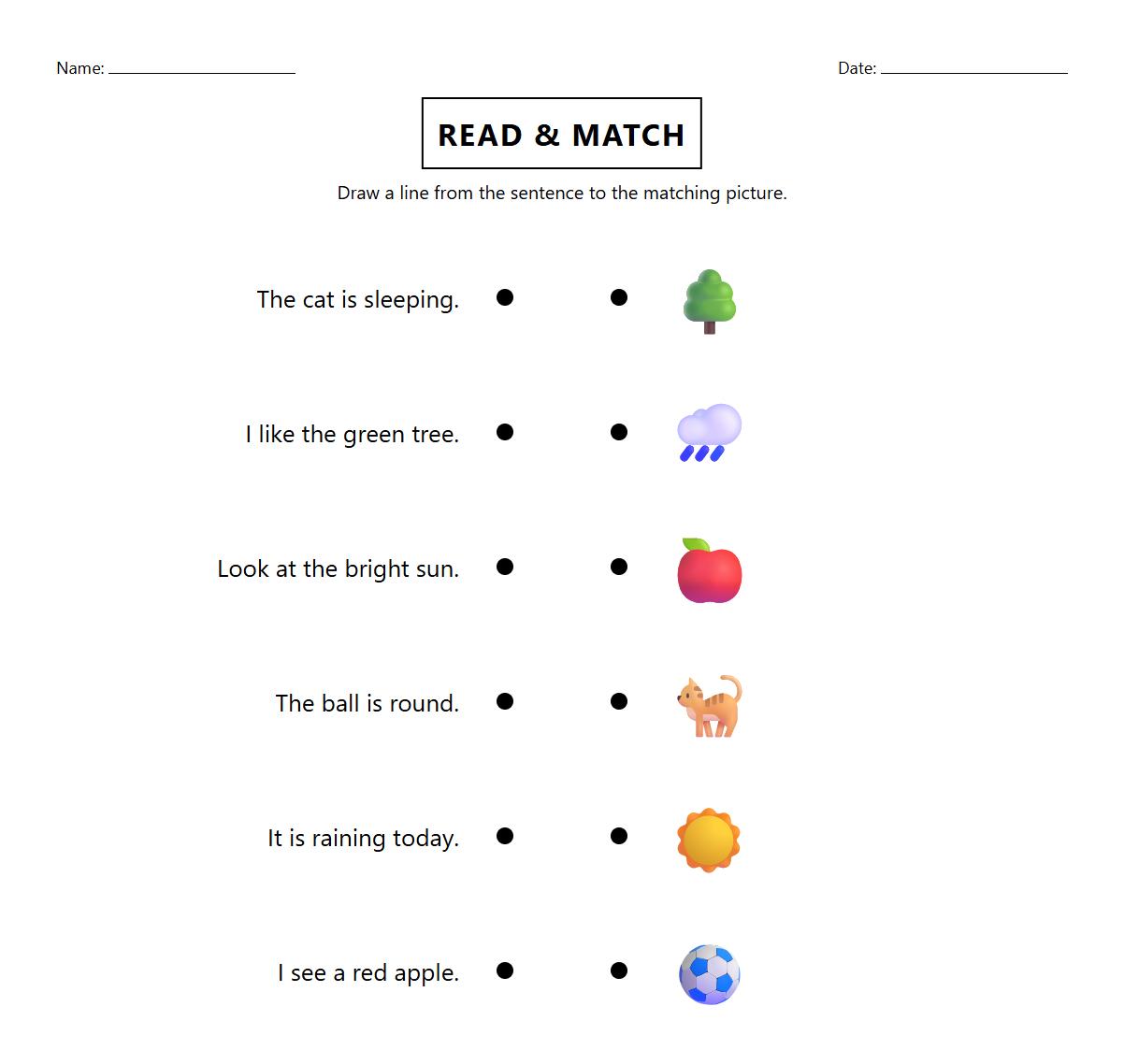
Matching Sentences to Illustrations to Reinforce Comprehension Skills

Download PDF     Pin it

Phonics-Based Story Sequencing Worksheet Emphasizing Decoding Strategies
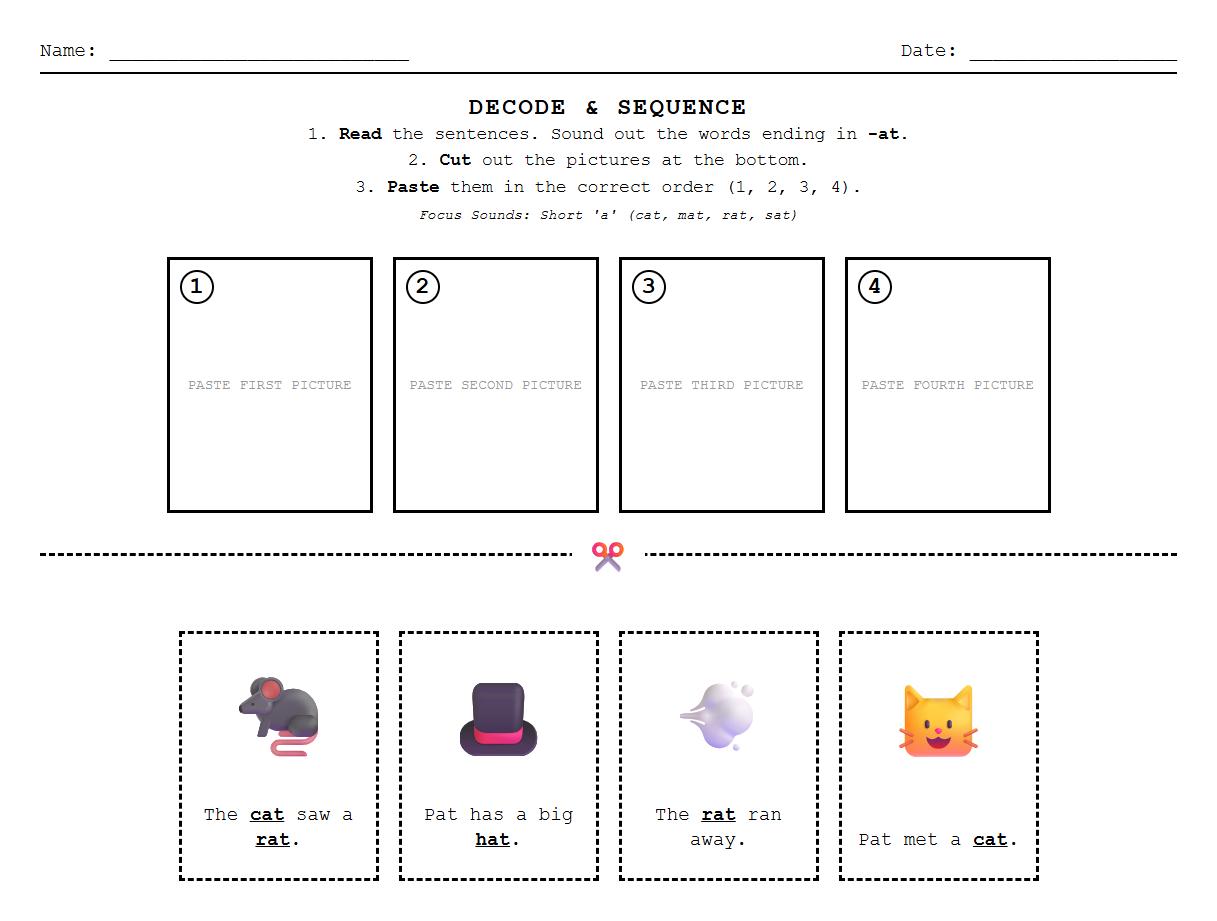
Phonics-Based Story Sequencing Worksheet Emphasizing Decoding Strategies

Download PDF     Pin it

What happened first in the story the teacher read aloud?

At the beginning of the story, the main character wakes up and gets ready for the day. This introduces the setting and the main events, helping children understand the story sequence. Teachers can encourage students to recall this initial event to build comprehension. Recognizing the starting point also supports logical thinking.

Who is the main character in the story?

The main character is the person or animal the story focuses on. Identifying this character helps children connect emotionally and follow the plot easily. Teachers and parents can ask children to describe the character to enhance engagement and memory. Knowing the main character is key to understanding the story's message.

What did the main character do after breakfast?

After breakfast, the main character usually begins an important task or adventure. This action drives the story forward and introduces new events. Teachers can guide children to sequence the events by discussing what happens next. This reinforces narrative skills and attention to detail.

Where did the story take place?

The story's setting is the location where events occur, such as a garden, forest, or house. Recognizing the setting helps children visualize the story world. Parents and teachers can encourage descriptive language by asking children about the place. Understanding the setting enriches story comprehension.

What happened at the end of the story?

The story's ending ties up the events and shows how the problem was resolved or what the character learned. Discussing the conclusion helps children understand cause and effect. Teachers can ask children to summarize the end to practice recall skills. Emphasizing the ending reinforces story structure awareness.

Can you put these pictures in the correct order?

Ordering pictures from the story helps children develop sequencing and narrative skills. This activity encourages them to think about the story flow and key events. Parents and teachers can discuss each image to support comprehension. It's a practical way to connect visual clues with story elements.

What did the character find in the garden?

Discovering an item in the garden often serves as a key event or plot point in the story. This helps children focus on important details and enhances observation skills. Teachers can prompt children to describe the discovery and its impact on the story. This question promotes curiosity and critical thinking.

Why did the character feel happy?

The character's happy feeling usually results from overcoming a challenge or achieving a goal. Identifying emotions helps children develop empathy and emotional intelligence. Parents and teachers can discuss why the character felt that way to deepen understanding. Exploring feelings connects readers to the story meaningfully.

What is the problem in the story?

The problem is the challenge or conflict the main character faces. Recognizing the problem allows children to understand the story's tension and purpose. Teachers can help students identify it by asking questions about the character's difficulties. Understanding the problem is essential for following the story's plot.

How was the problem solved in the story?

The solution explains how the main character resolves the problem or conflict. Discussing the resolution teaches children about problem-solving and the story's message. Parents and teachers can encourage children to explain the solution in their own words. This reinforces comprehension and critical thinking skills.


More in Language Arts Category


About the author. Nylen Smith is a dedicated educator and cofounder of KWorksheet.com, a popular platform specializing in high-quality kindergarten worksheets and printable activities.

Disclaimer. The information provided in this document is for general informational purposes and/or document sample only and is not guaranteed to be factually right or complete. Please report to us via contact-us page if you find and error in this page, thanks.

Comments

No comment yet