Engaging kindergarten learners with fun phonics rhyming words worksheets enhances their early literacy skills by promoting sound recognition and word patterns. These activities support phonemic awareness, crucial for reading development and language mastery. Explore the available worksheets to make learning rhymes an exciting adventure for your little ones!
Engaging Rhyming Words Worksheets for Kindergarten Students
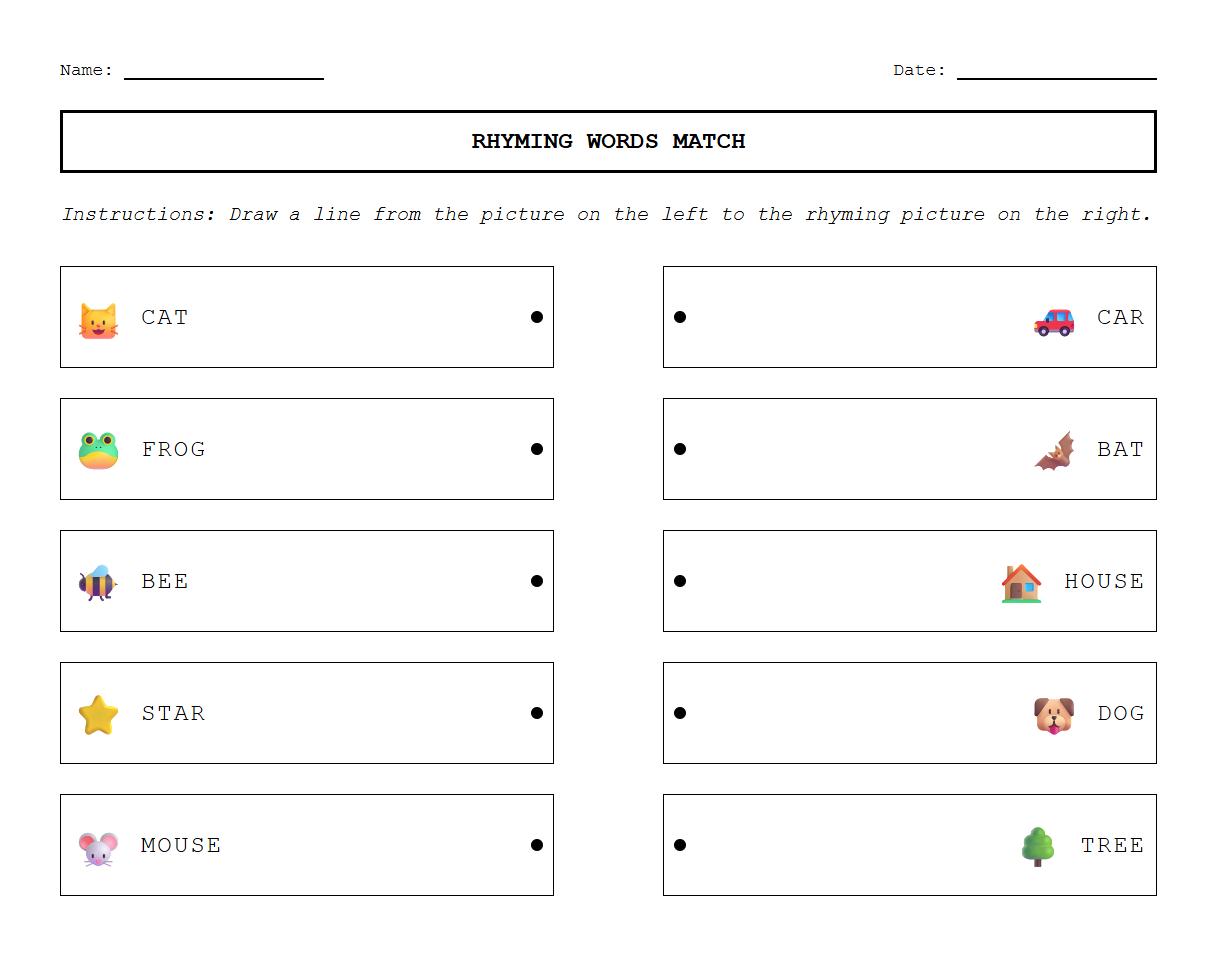
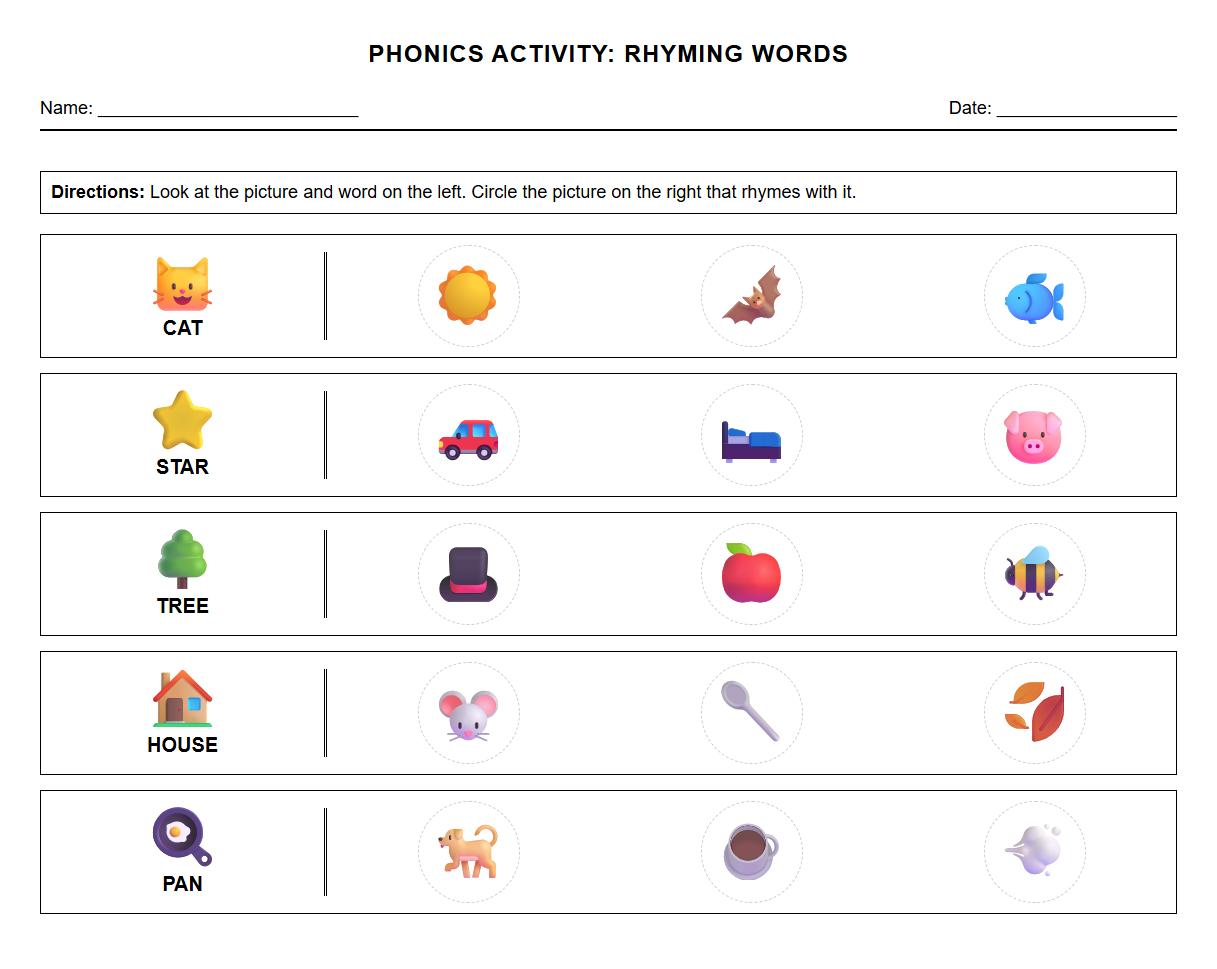
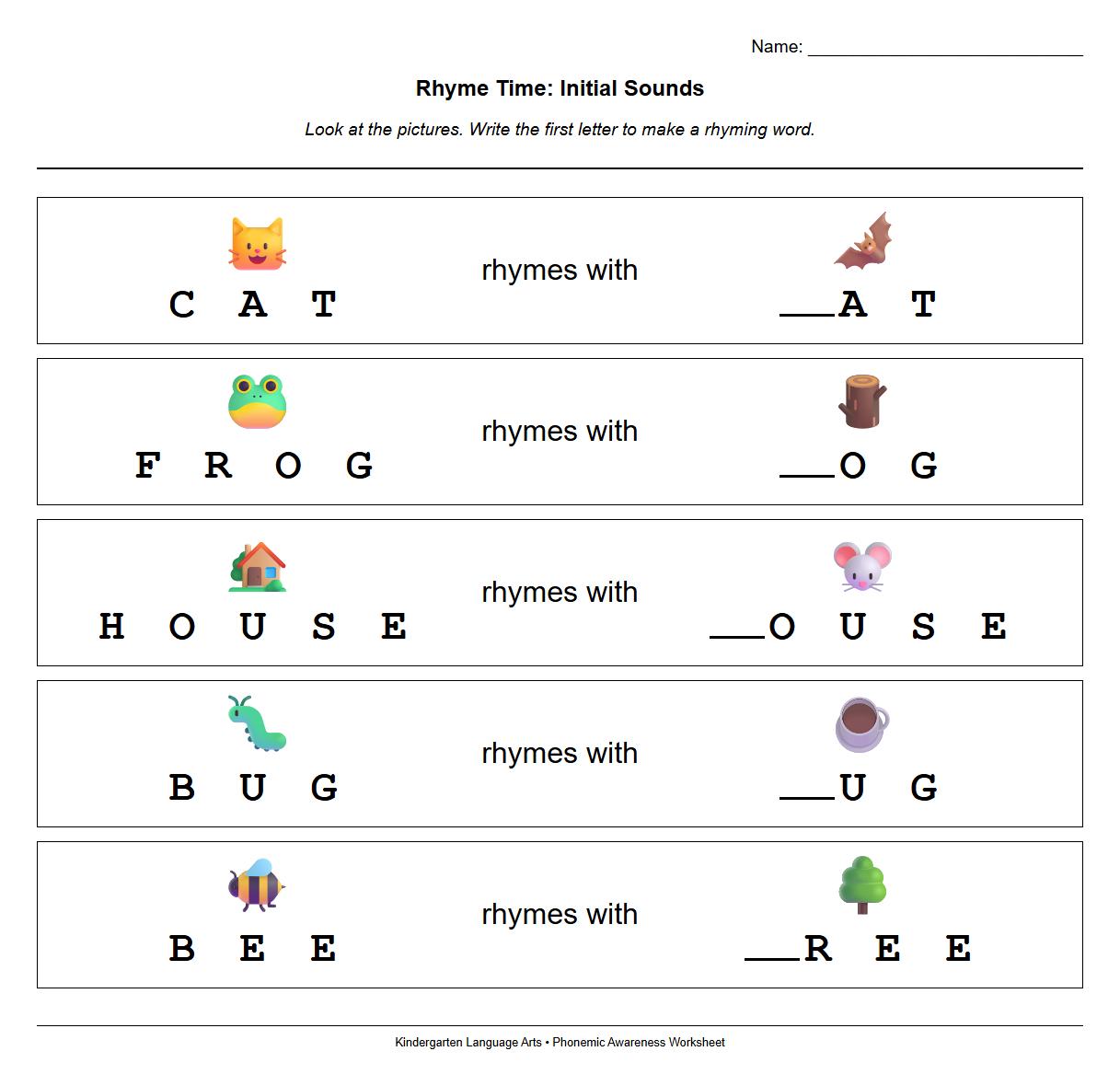
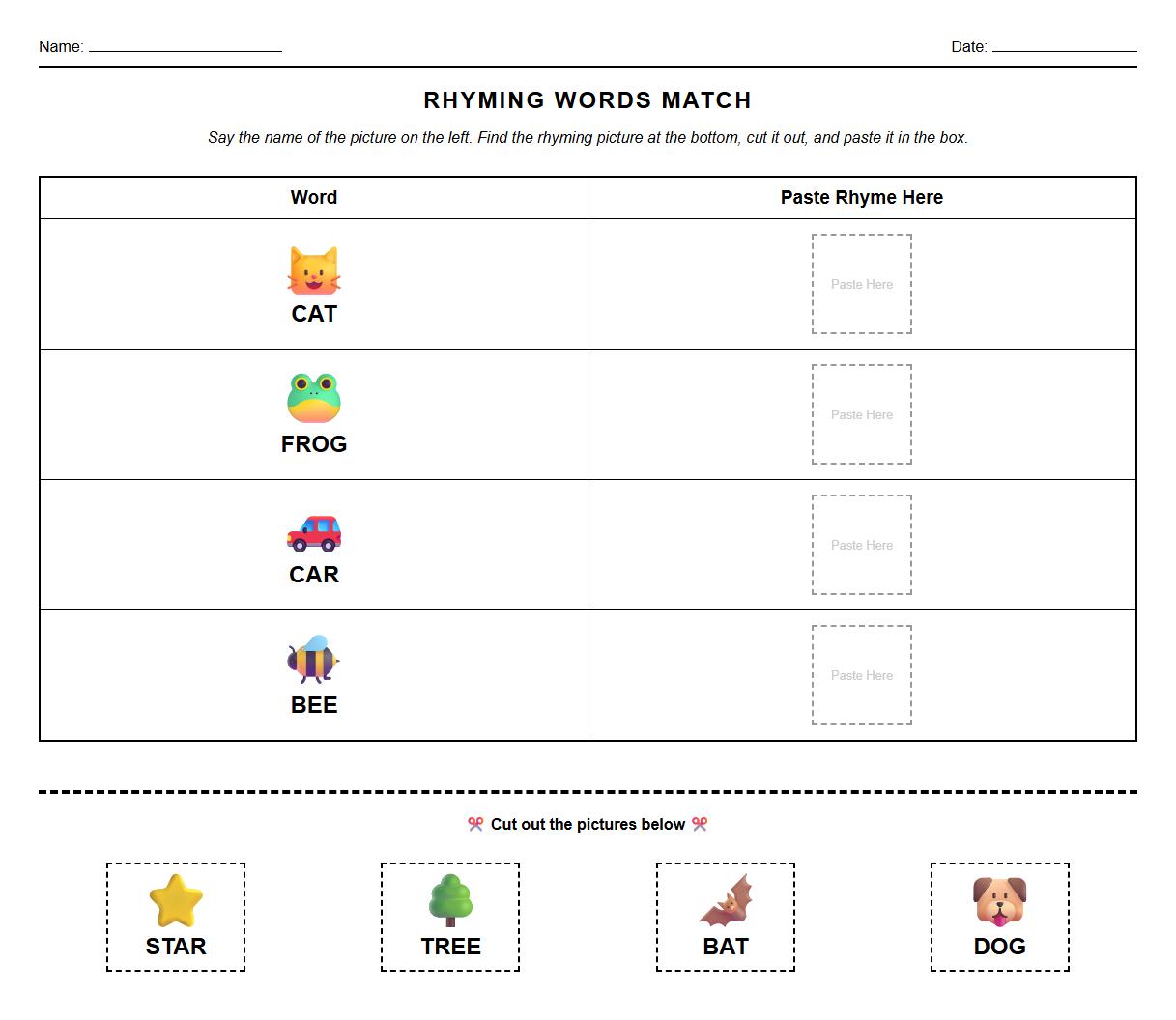
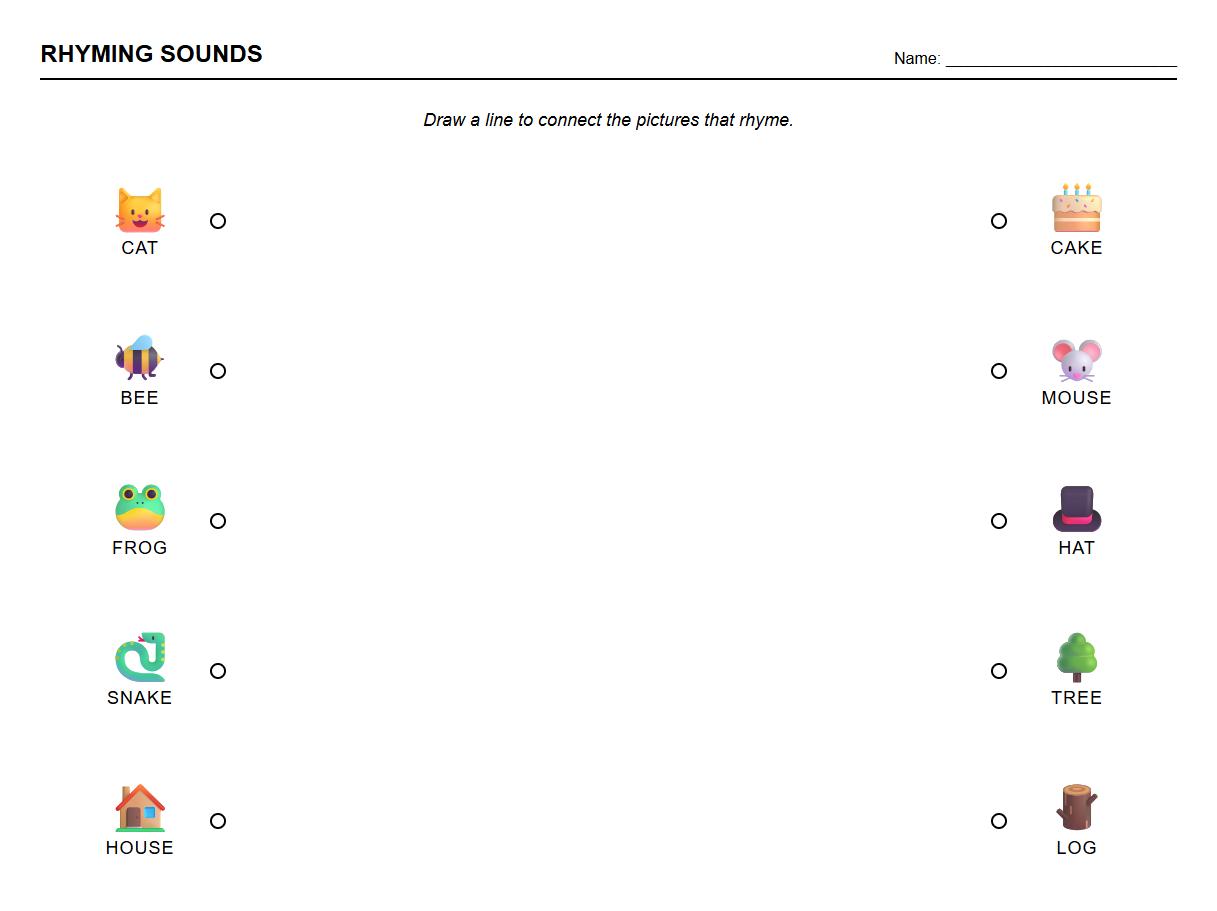
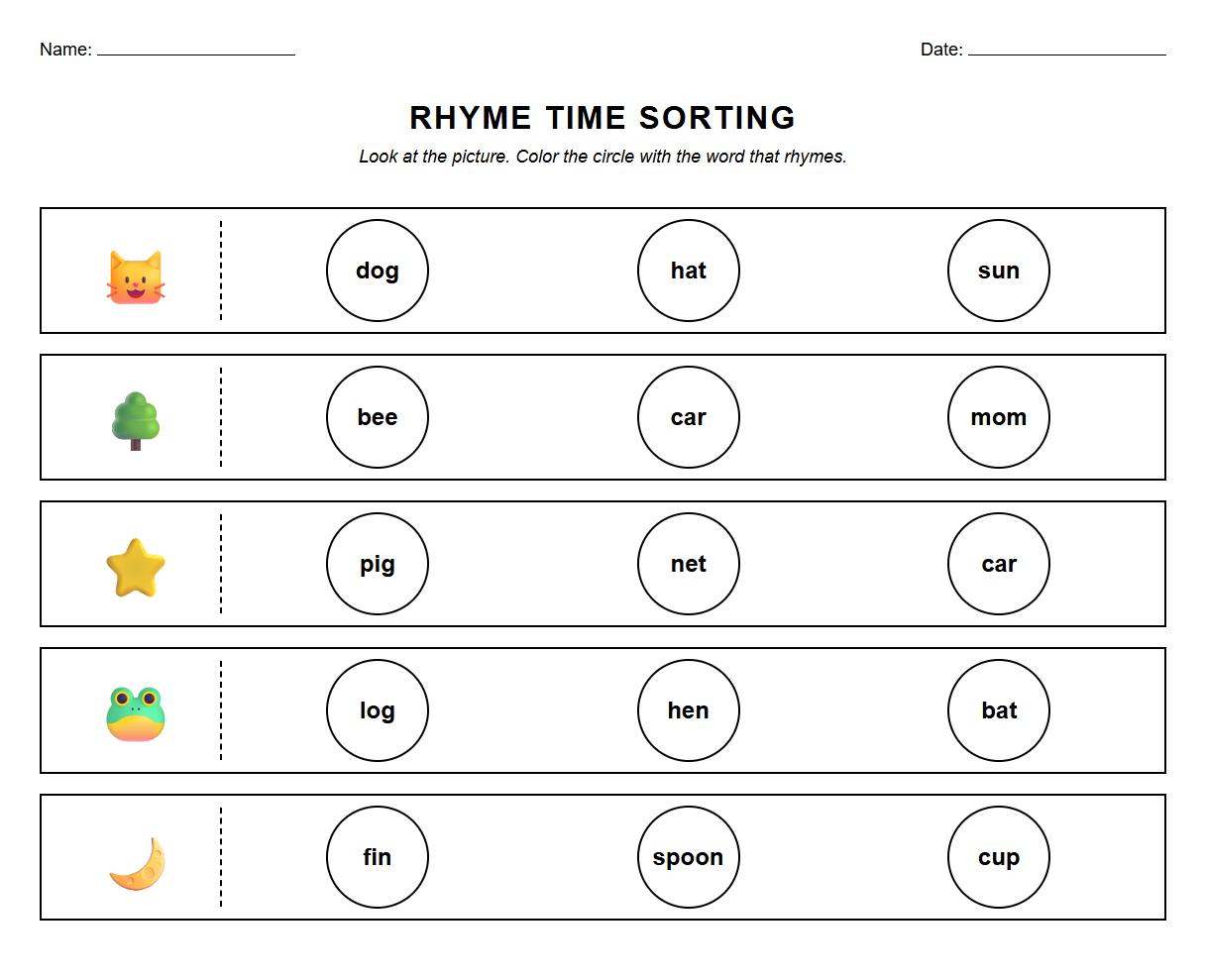
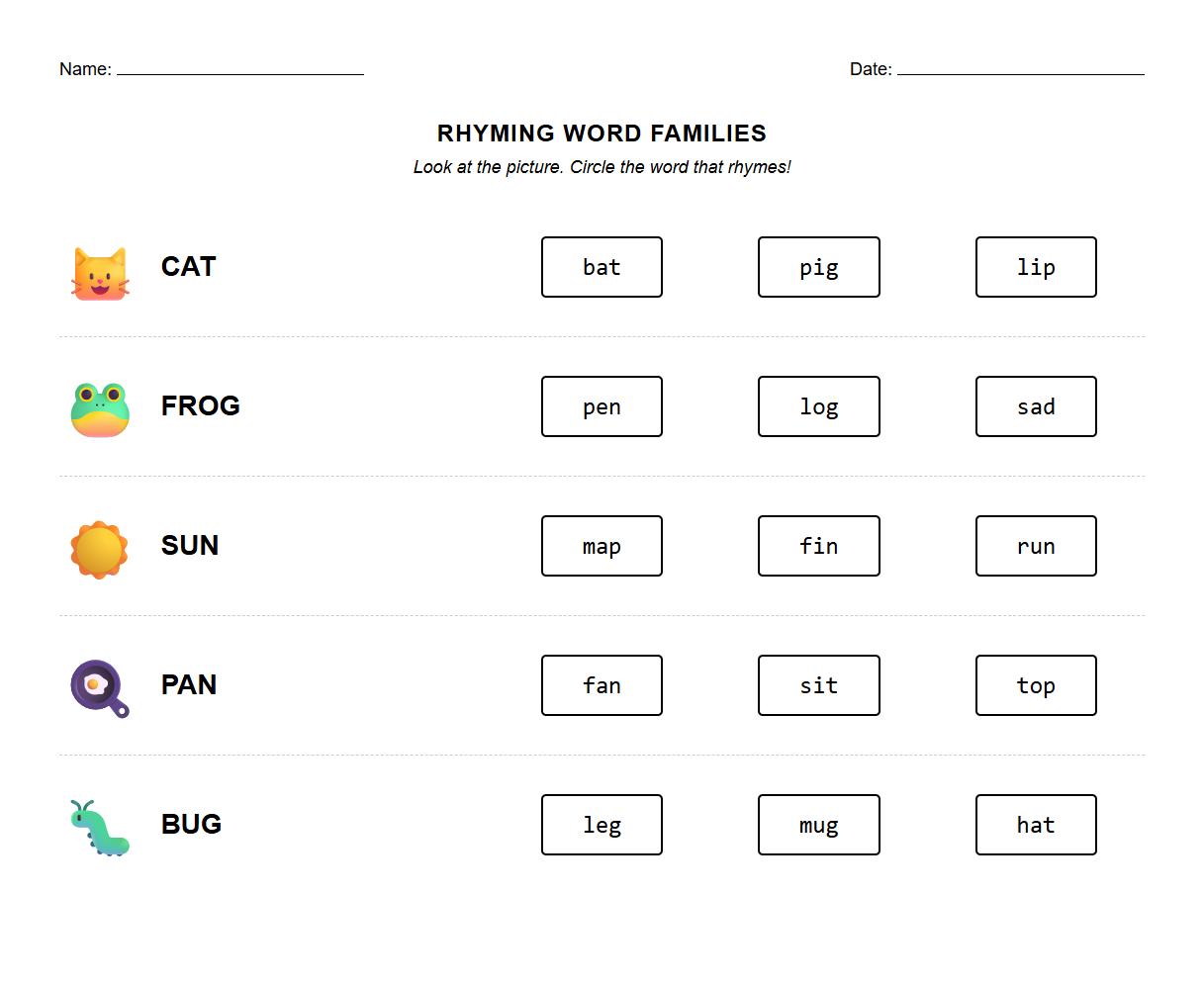
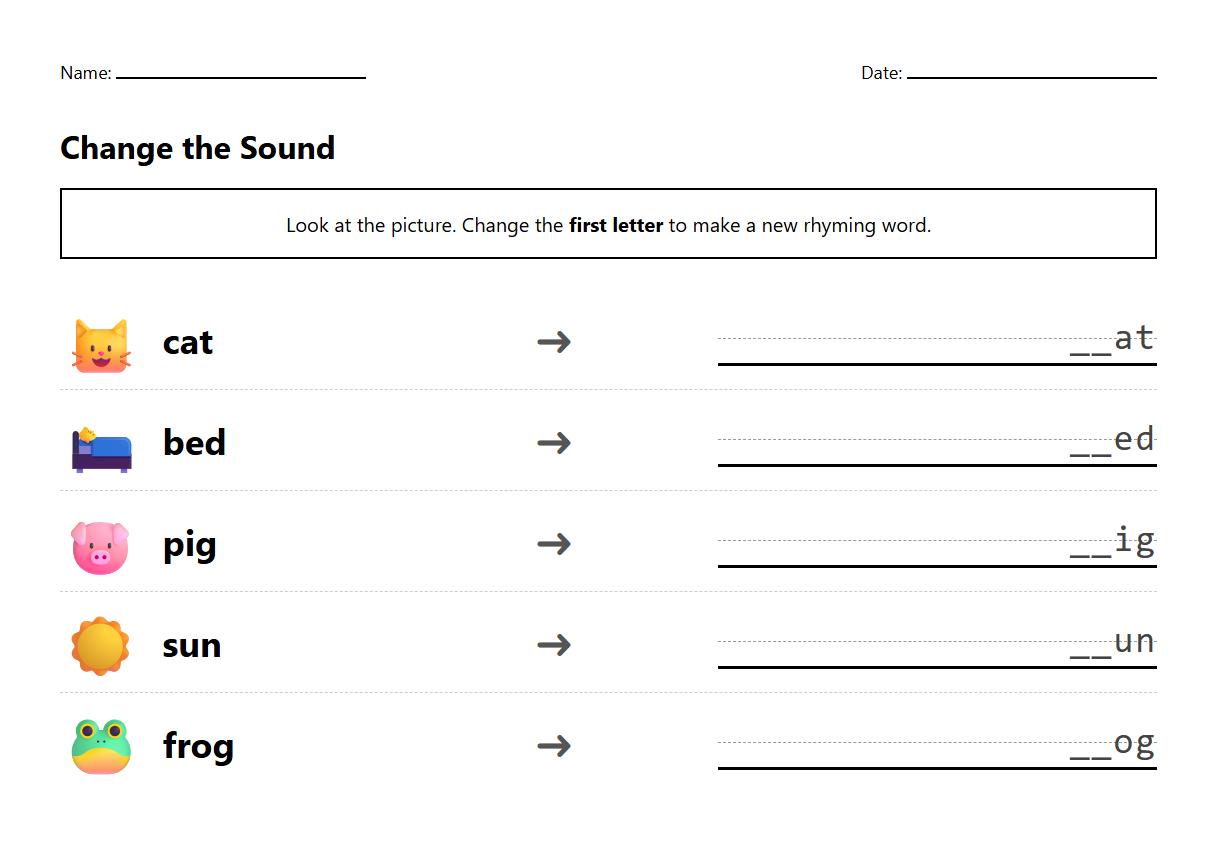
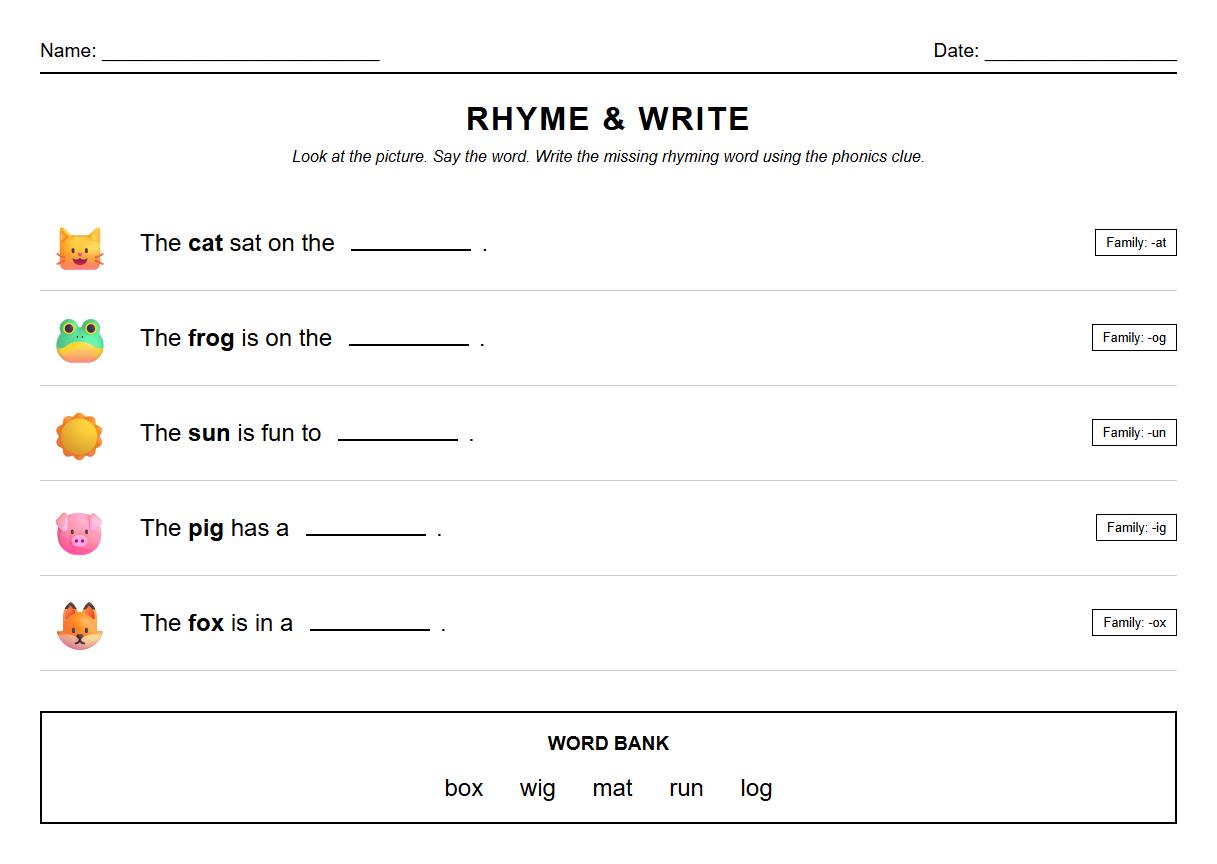
Rhyming words worksheets for kindergarten engage students by using playful and familiar words that capture their interest. These worksheets often include colorful pictures and matching activities that encourage students to identify rhyming pairs. By integrating fun elements, such as simple puzzles or fill-in-the-blanks, children stay motivated and focused. Worksheets should balance repetition and challenge to build confidence while reinforcing rhyming skills.
How Fun Phonics Activities Help Kindergarteners Learn to Read
Fun phonics activities support early reading by linking sounds to letters in an enjoyable way. Interactive tasks like singing rhymes, letter sorting, and sound matching help children associate phonemes with visual cues. These activities foster auditory discrimination, an essential skill for decoding words. Engaging phonics play strengthens foundational reading abilities in a natural and stress-free environment.
Simple Rhyming Word Pairs Suitable for Kindergarten Worksheets
Effective rhyming word pairs for kindergarten include simple, common words such as cat/hat, dog/log, and sun/fun. These pairs are easy for young learners to pronounce and recognize, promoting early literacy success. Using words that children encounter regularly aids memory retention and phonological awareness. Selecting clear, distinct rhymes encourages accurate sound comparison and vocabulary growth.
Colorful Worksheet Ideas to Teach Rhyming for Young Learners
Colorful worksheets attract attention and enhance learning by combining visual stimulation with rhyming practice. Worksheets featuring vibrant images, matching games, and coloring prompts make rhyming lessons more dynamic. Illustrations help students connect words to their meanings, reinforcing phonemic patterns. Bright and playful designs keep young children engaged and eager to complete tasks.
Making Phonics Rhyming Lessons Interactive in Kindergarten
Teachers can make phonics rhyming lessons interactive by incorporating group activities, such as rhyming song circles, rhyme hunts, or hands-on reading games. Using manipulatives like flashcards and rhyming word charts encourages participation and collaboration. These strategies turn learning into a shared experience, fostering communication skills alongside phonics knowledge. Interactive lessons also accommodate diverse learning styles for better retention.
Importance of Recognizing Rhyming Words for Early Literacy Skills
Recognizing rhyming words is critical for developing phonemic awareness, a key predictor of successful reading. It helps children understand sound patterns, which aids in decoding unfamiliar words. Early recognition of rhymes enhances vocabulary and spelling abilities. This skill lays the groundwork for fluent reading and effective communication.
How Printable Rhyming Worksheets Boost Phonemic Awareness
Printable rhyming worksheets provide consistent practice that sharpens phonemic awareness by emphasizing sound similarities. These worksheets allow children to visualize, identify, and categorize rhyming sounds independently or with guidance. The repetition involved strengthens auditory memory and sound discrimination skills. Accessible printables also support varied learning paces and reinforce classroom instruction.
Fun Games to Reinforce Rhyming Concepts in Kindergarten Classes
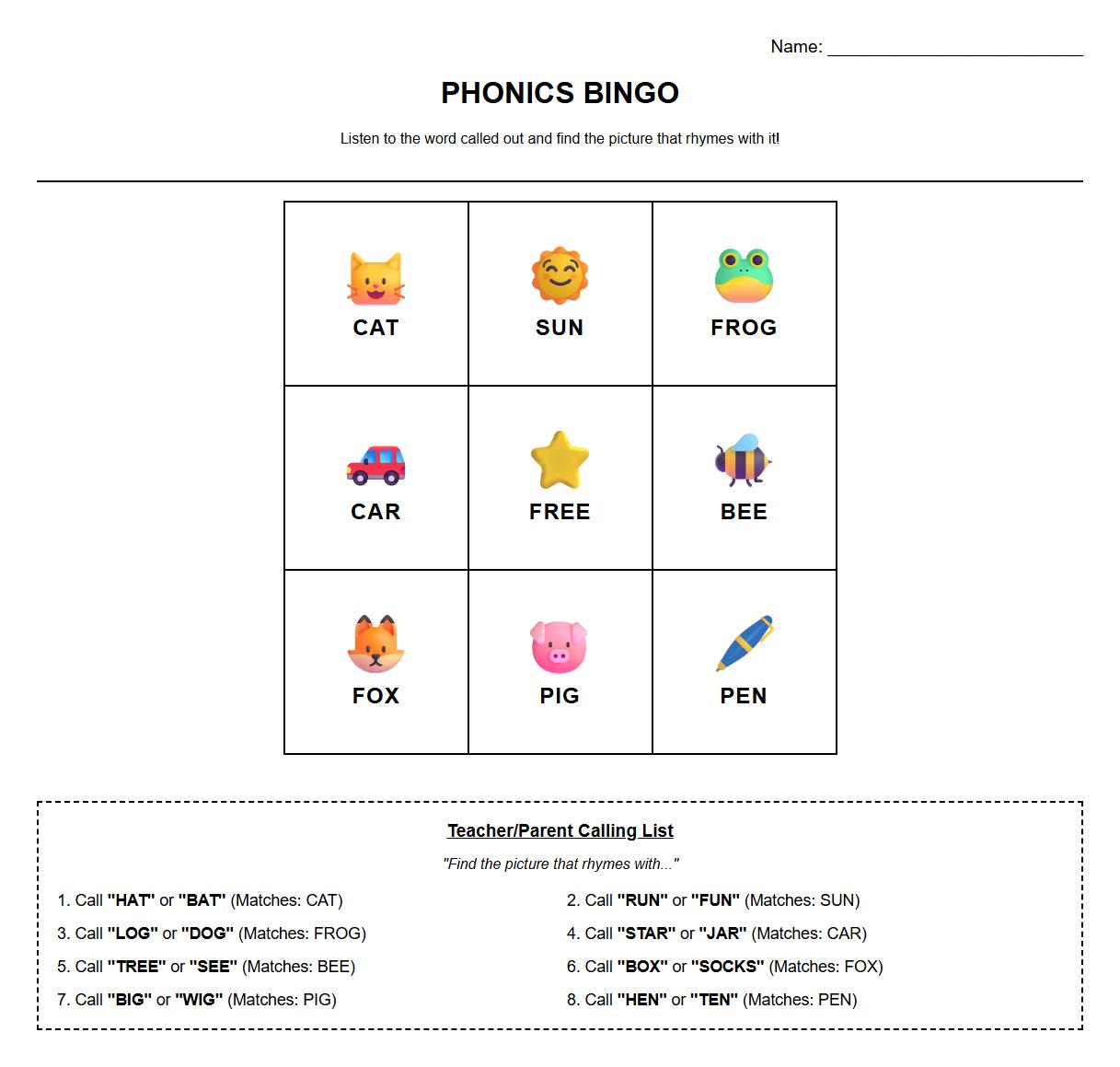
Games like rhyming bingo, matching card games, and rhyming scavenger hunts make learning rhymes exciting and memorable. These interactive games motivate children to listen carefully and think critically about words. Incorporating movement and competition builds enthusiasm and reinforces concepts naturally. Fun games also promote social skills and cooperation among young learners.
Using Rhyming Worksheets at Home with Kindergarten Children
Parents can use rhyming worksheets at home to support literacy development through daily practice and reinforcement. Pairing worksheets with reading aloud or storytelling enhances word recognition and phonological skills. Encouraging children to find rhymes in everyday conversations makes learning relevant and engaging. Home activities create a positive reading environment that complements classroom learning.
Best Themes for Kindergarten Rhyming Word Activities
Popular themes for rhyming activities include animals, weather, food, and nature, which resonate with young learners' experiences. Themes like farm animals or seasonal changes provide context that enriches vocabulary and comprehension. Using relatable topics makes rhyming more meaningful and accessible. Themed activities also inspire creative extensions such as drawing or storytelling based on rhymes.


Kindergarten Rhyming Words Worksheet Collection for Phonemic Awareness