

Kindergarten students explore the fundamental states of matter--solid, liquid, and gas--by identifying everyday examples that demonstrate these concepts. This Matching States of Matter to Examples Worksheet enhances understanding through engaging, hands-on activities tailored for young learners. Discover a variety of worksheets designed to make learning about states of matter fun and interactive.
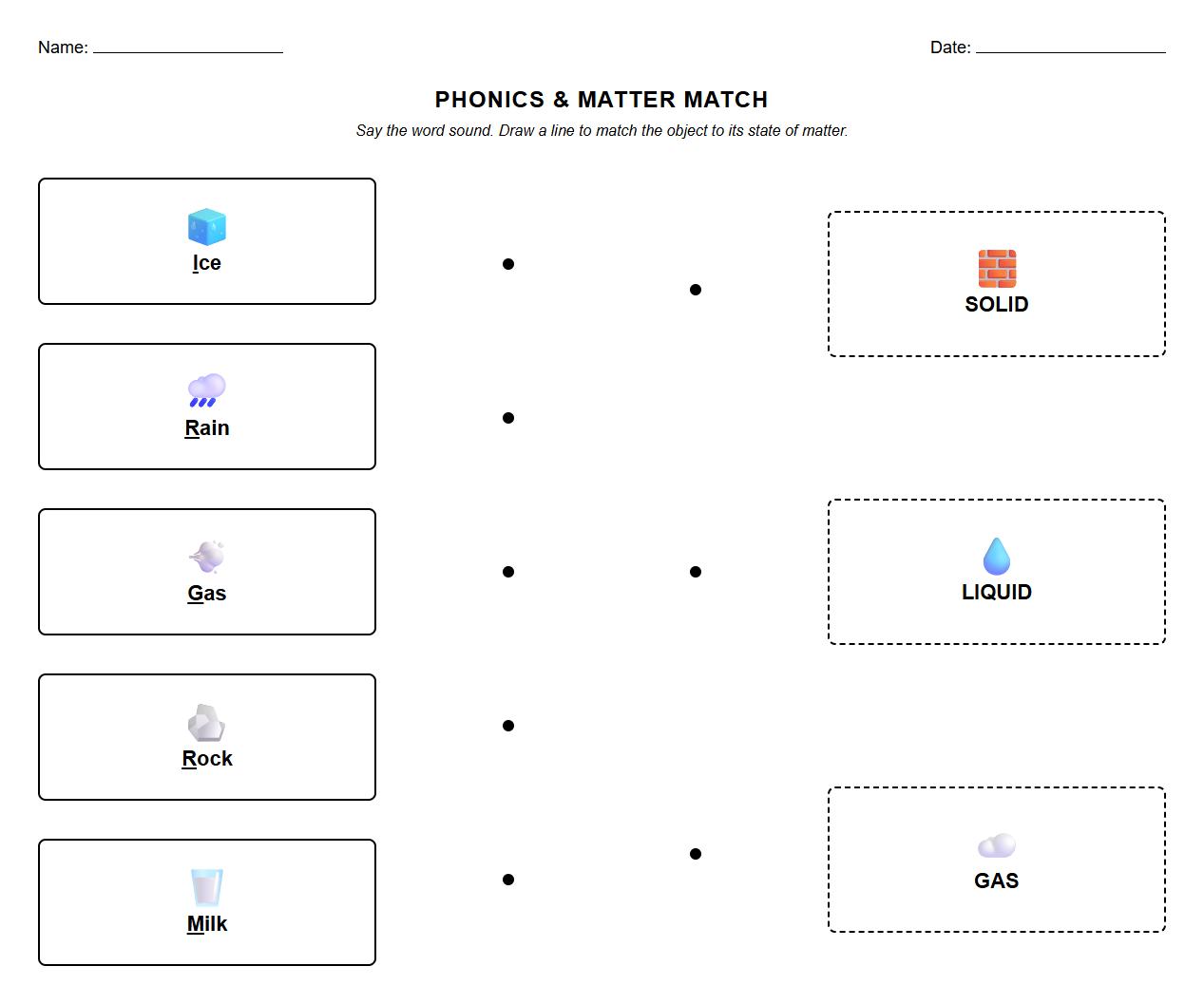
Phonics-based worksheet matching solids liquids gases to their real-world examples
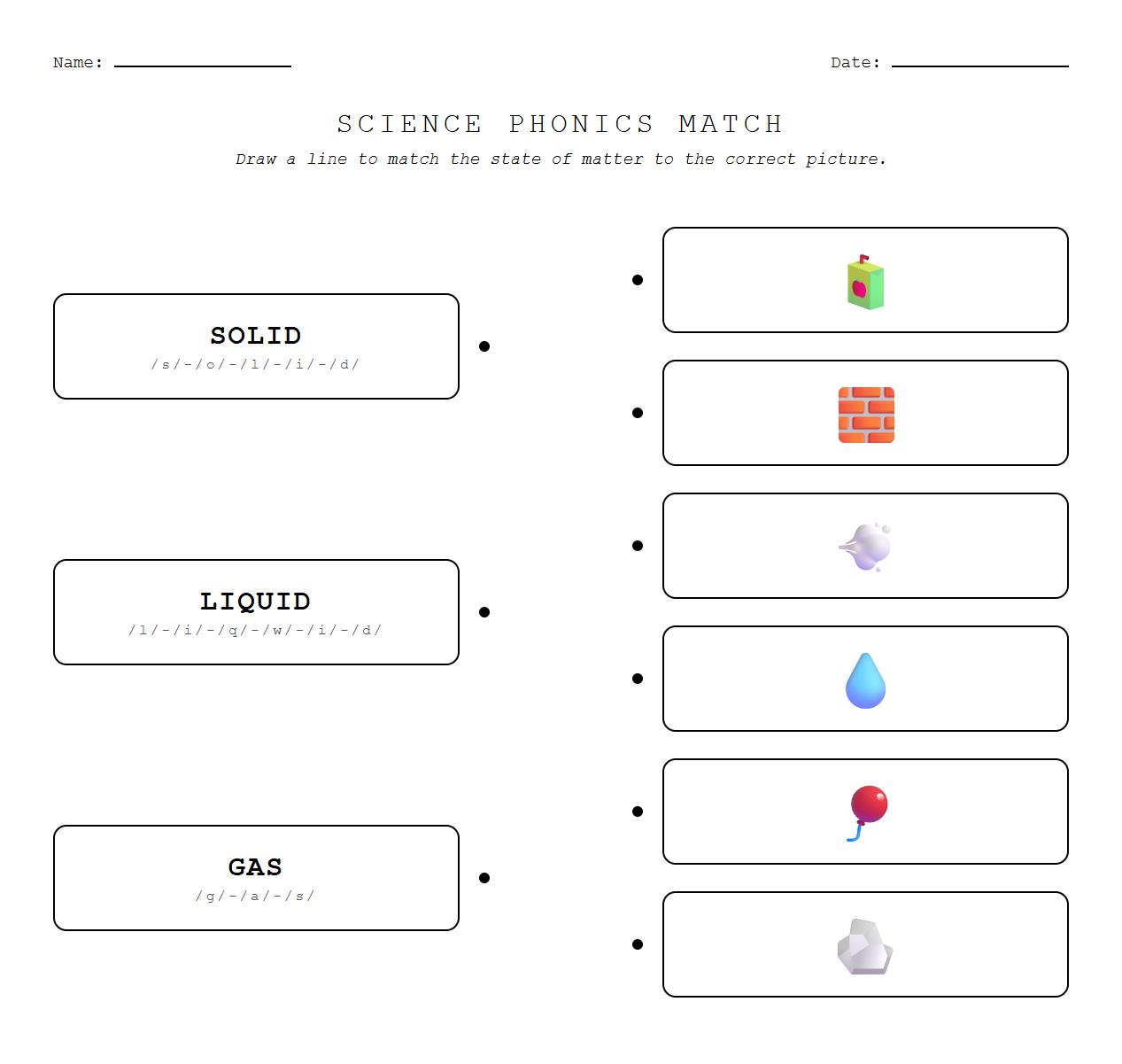


Science reading comprehension worksheet identifying states of matter using pictures
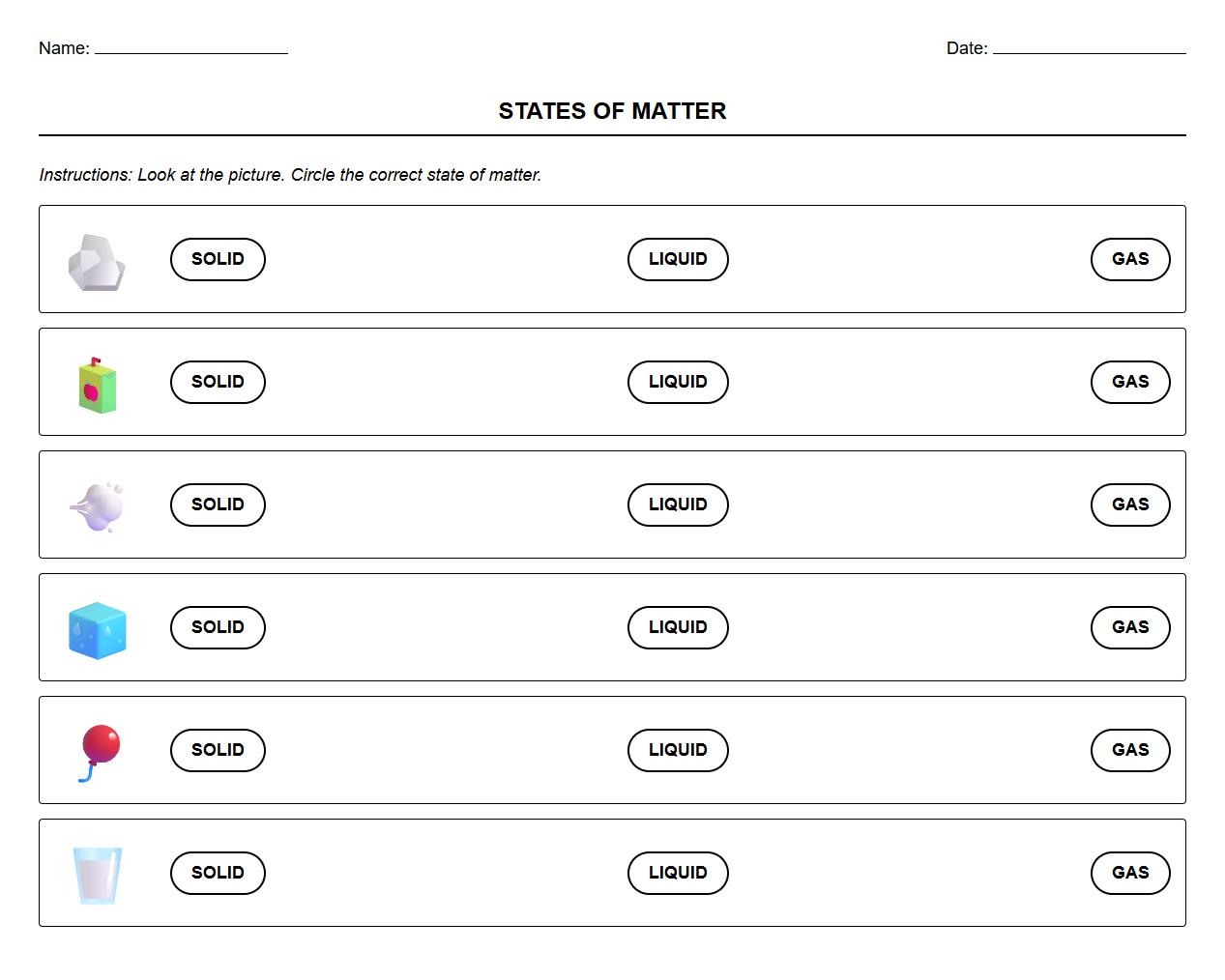

Visual sorting activity aligning various objects with their correct state of matter

Fill-in-the-blank worksheet focusing on classifying items into solid liquid or gas
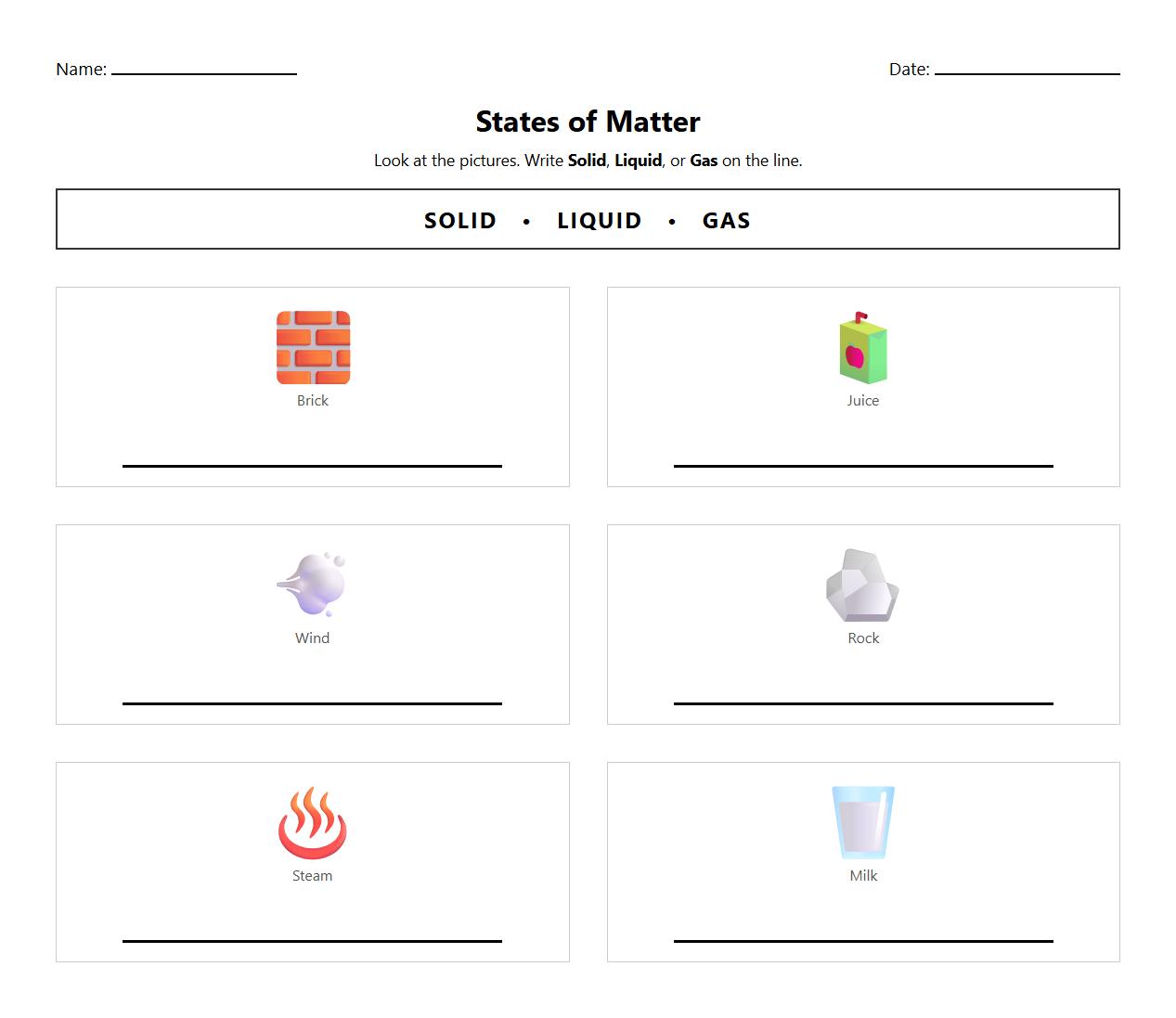

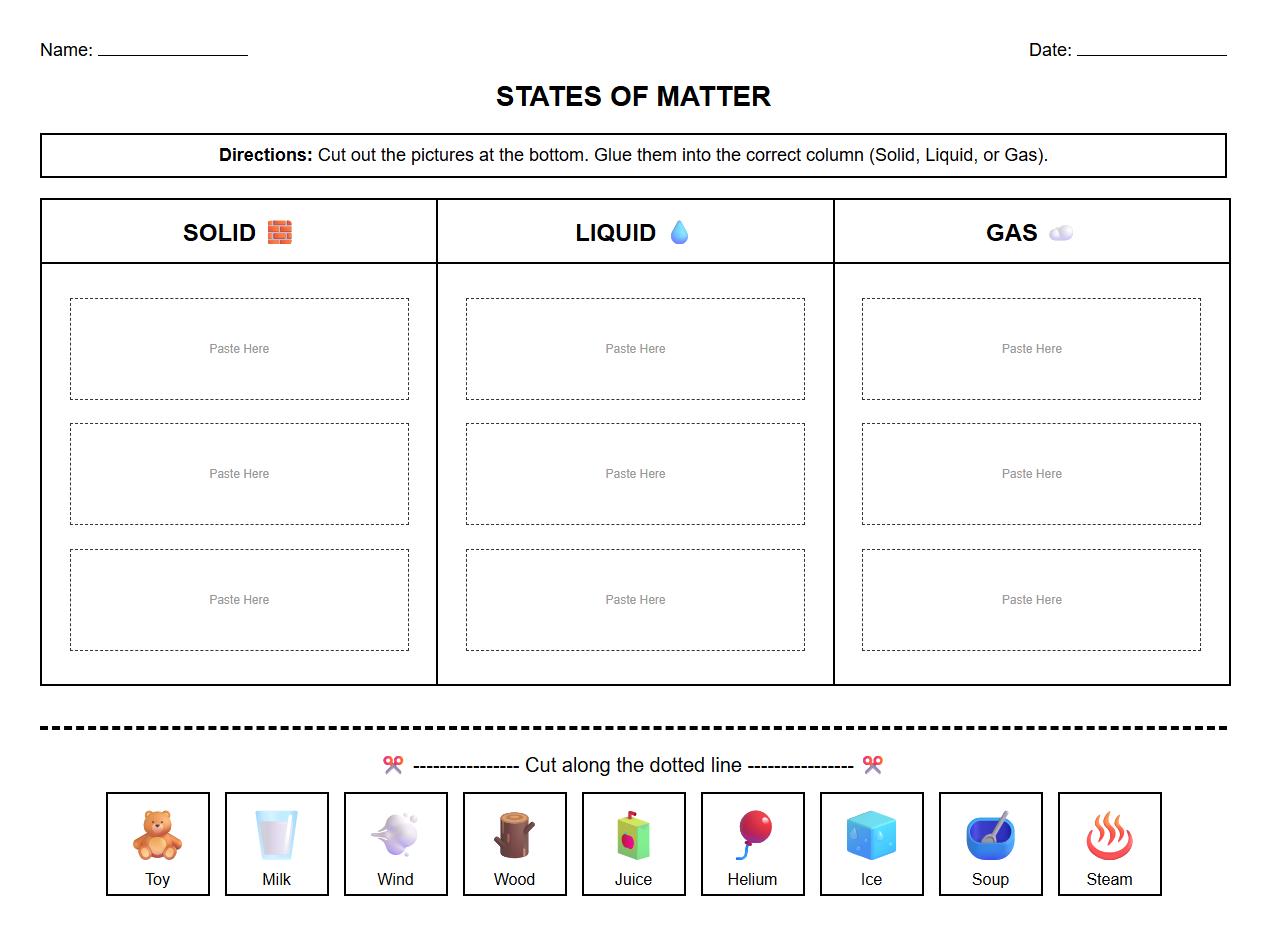
Cut and paste worksheet categorizing examples into different states of matter
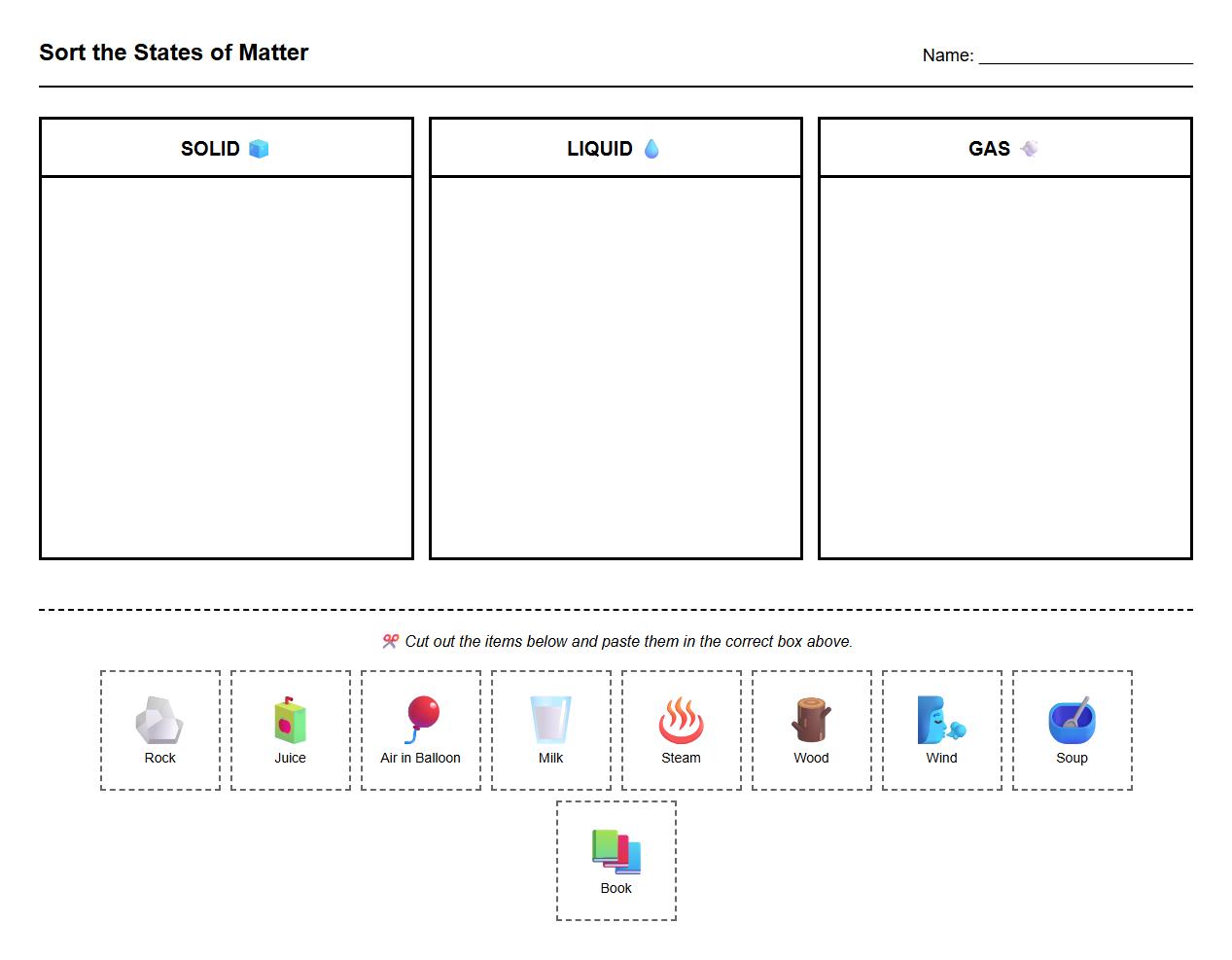

Vocabulary enhancement sheet with images for matching states of matter terminology
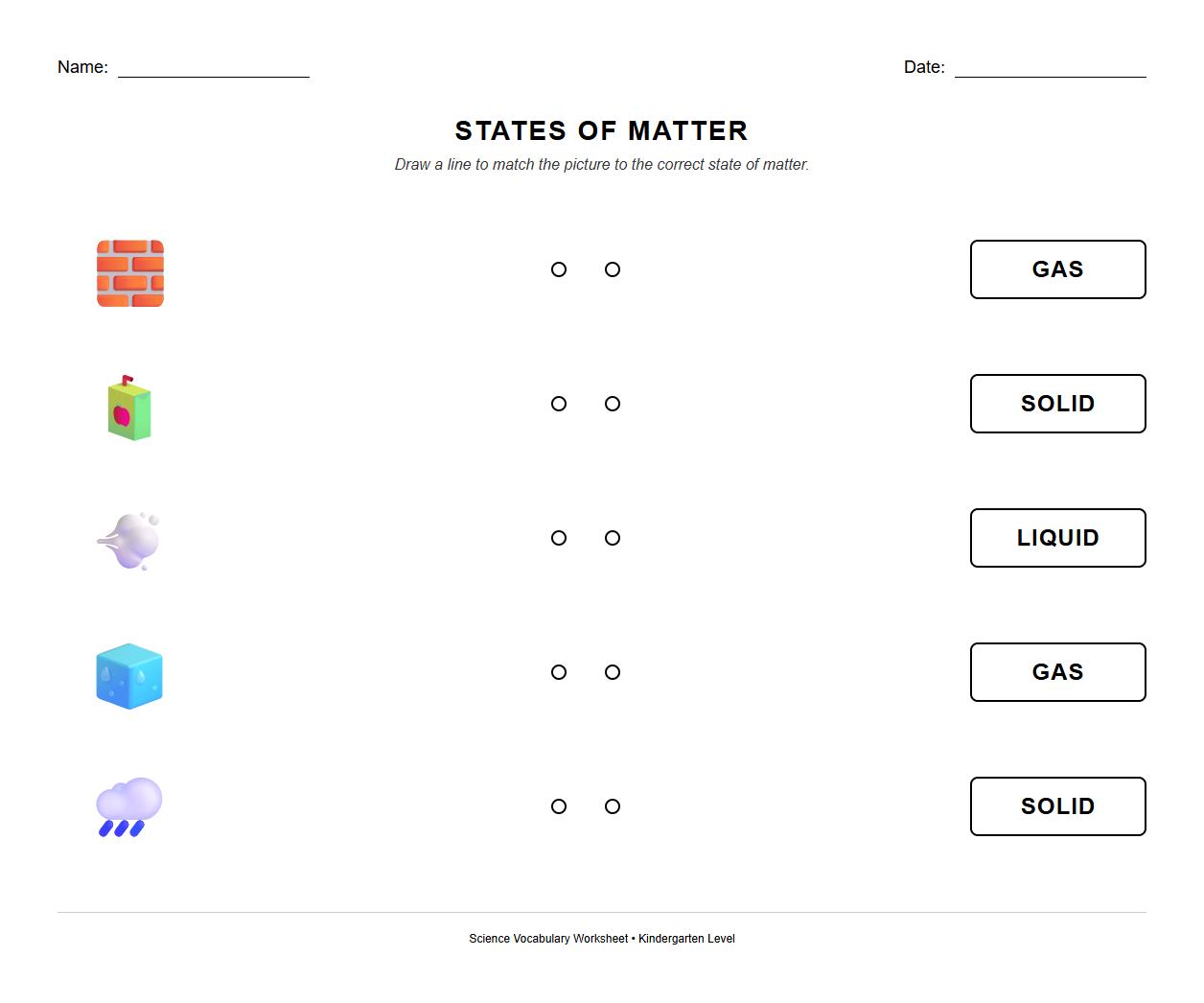

Interactive drag and drop worksheet for aligning objects with correct matter states
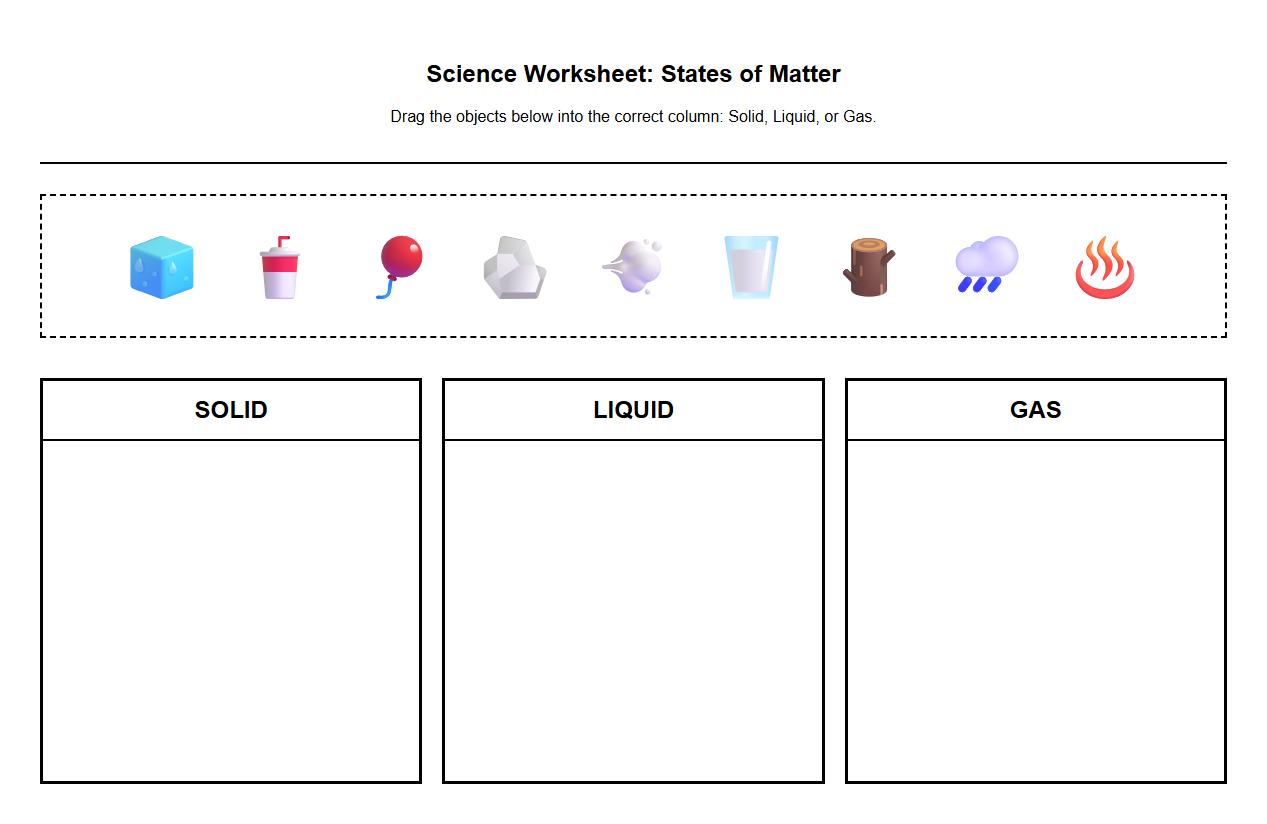

Sentence building worksheet about solids liquids and gases with object matching
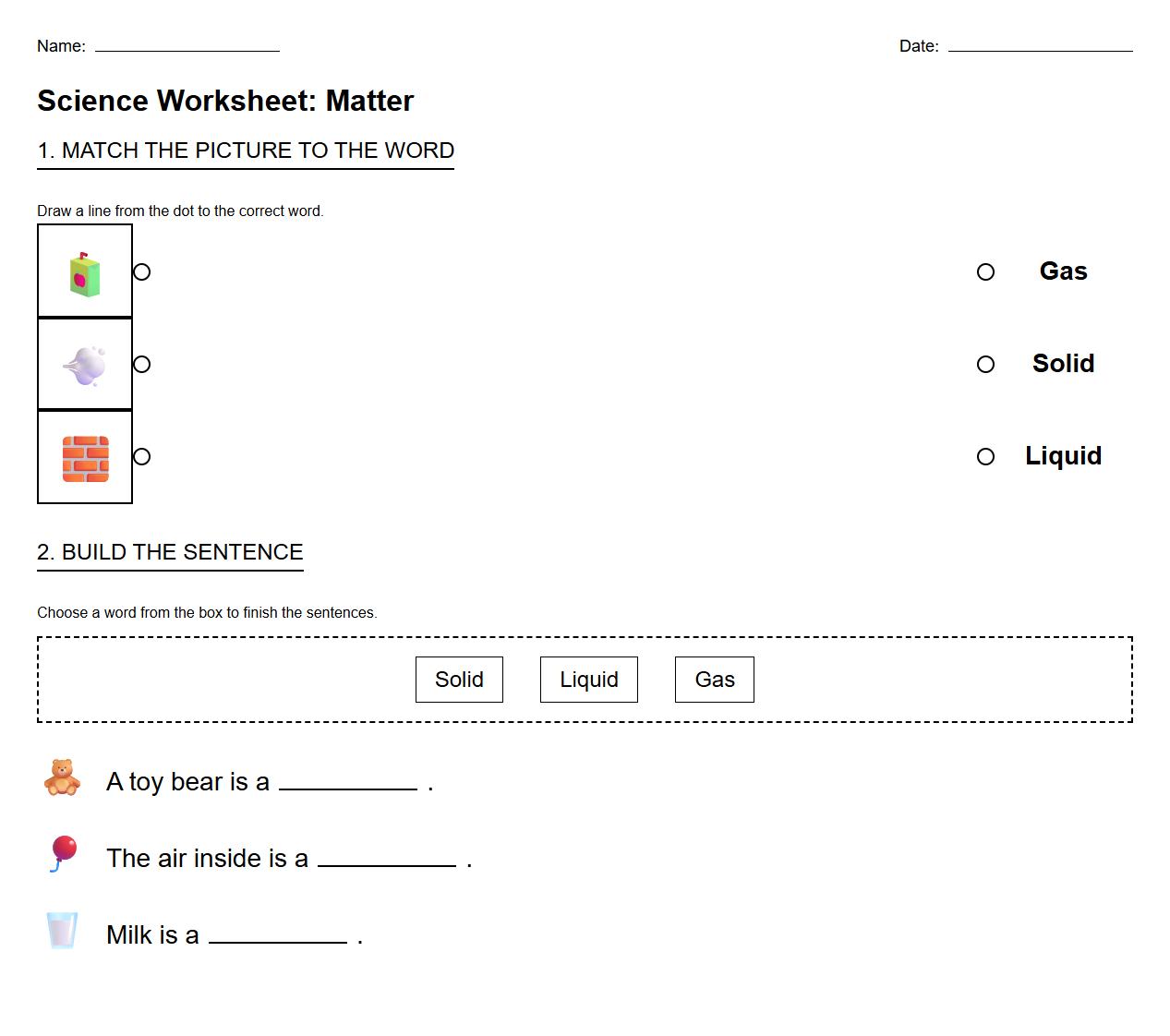

State of matter identification using nonstandard and science-specific terminology
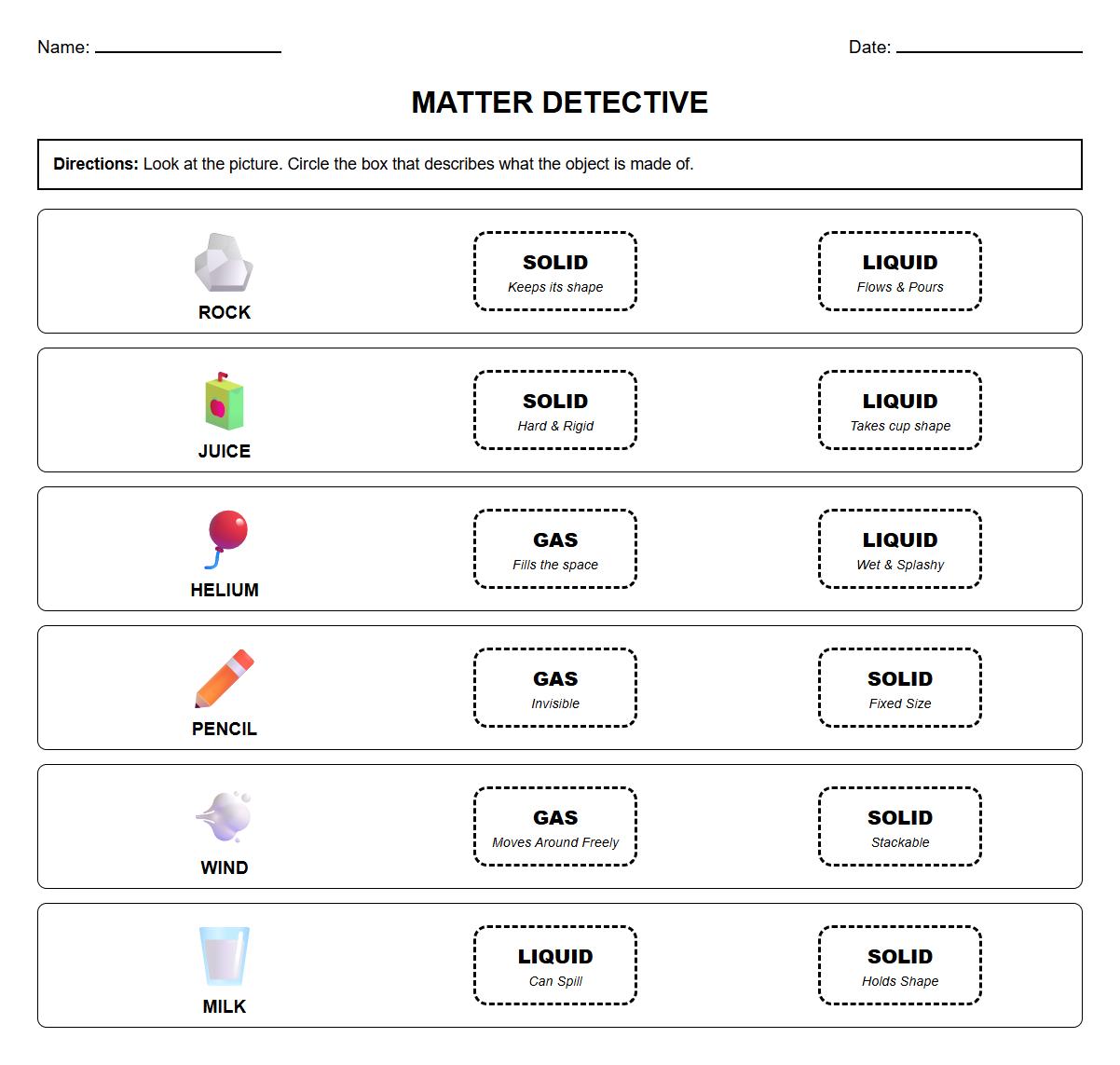

Themed worksheet integrating Phonics and Science for matching objects to state of matter

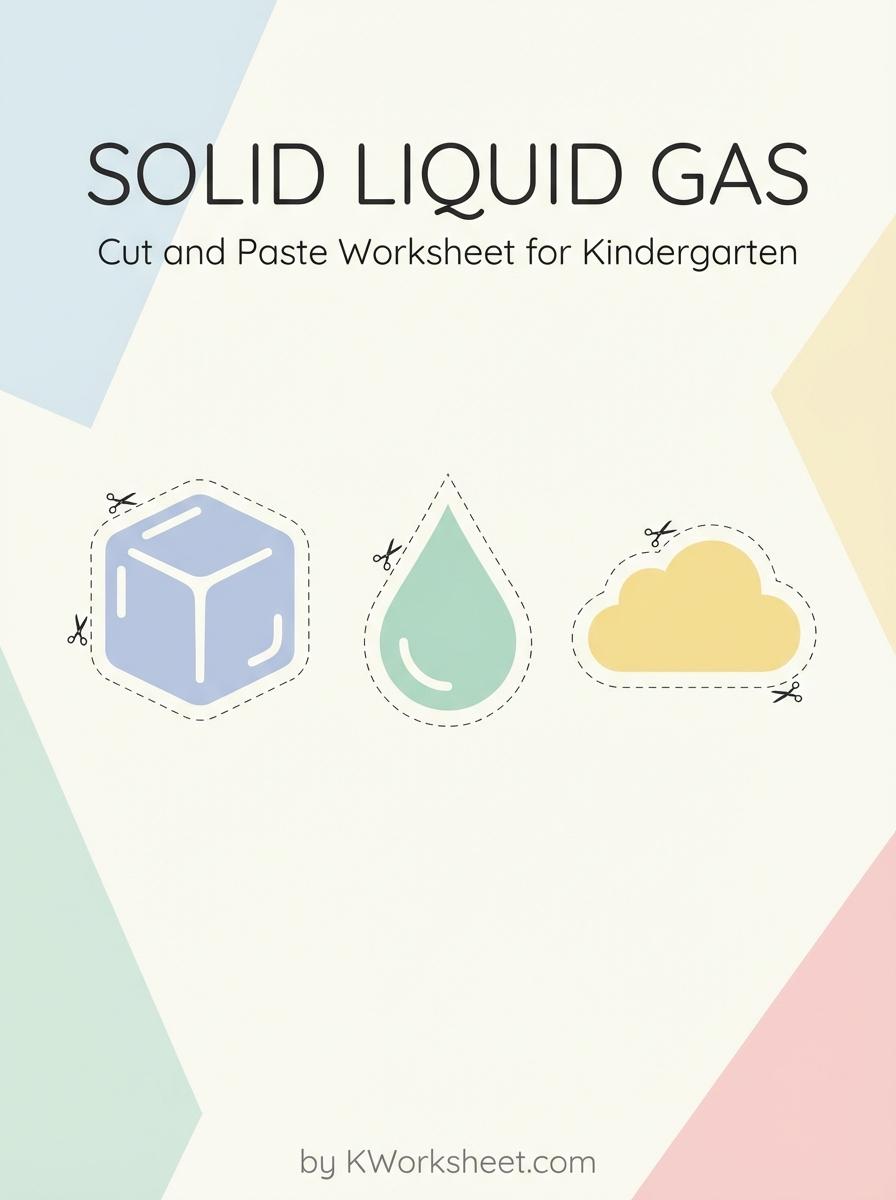 Solid Liquid Gas Cut and Paste Worksheet for Kindergarten