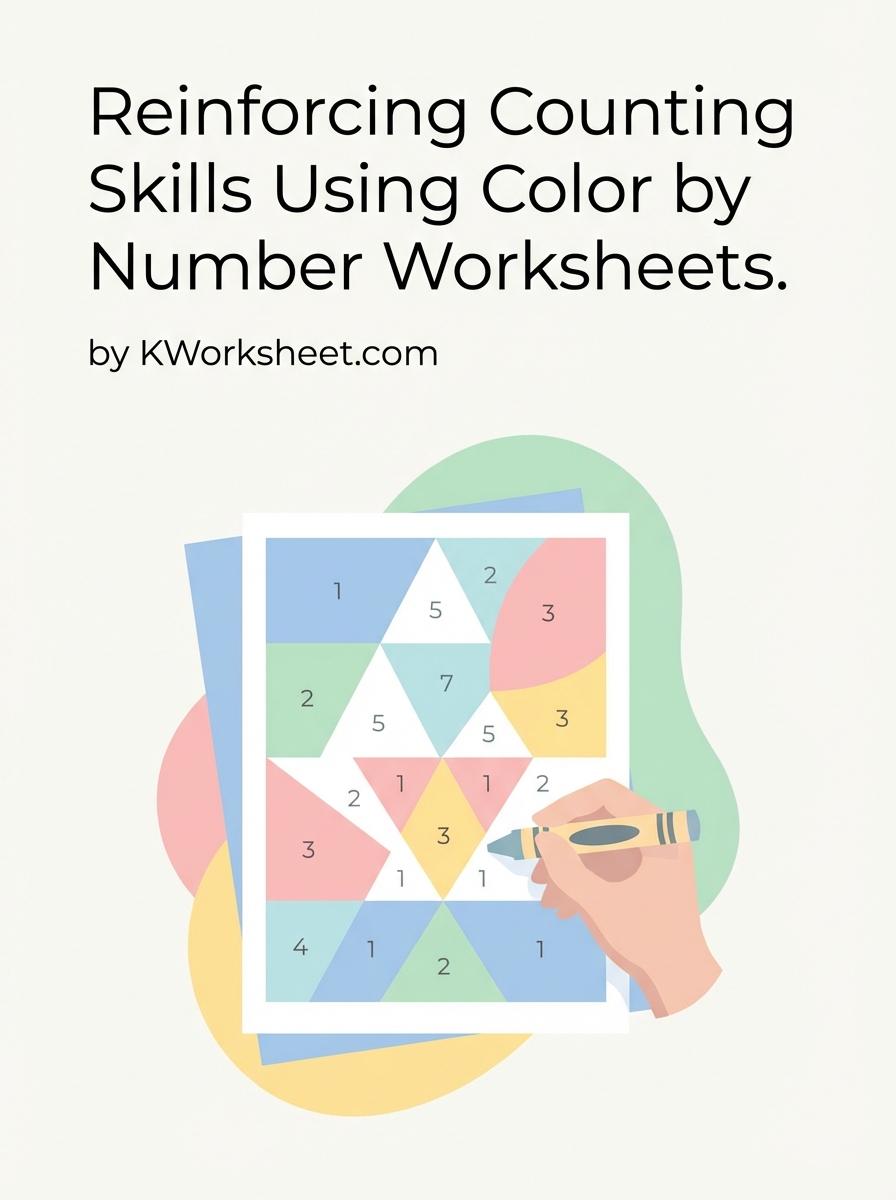
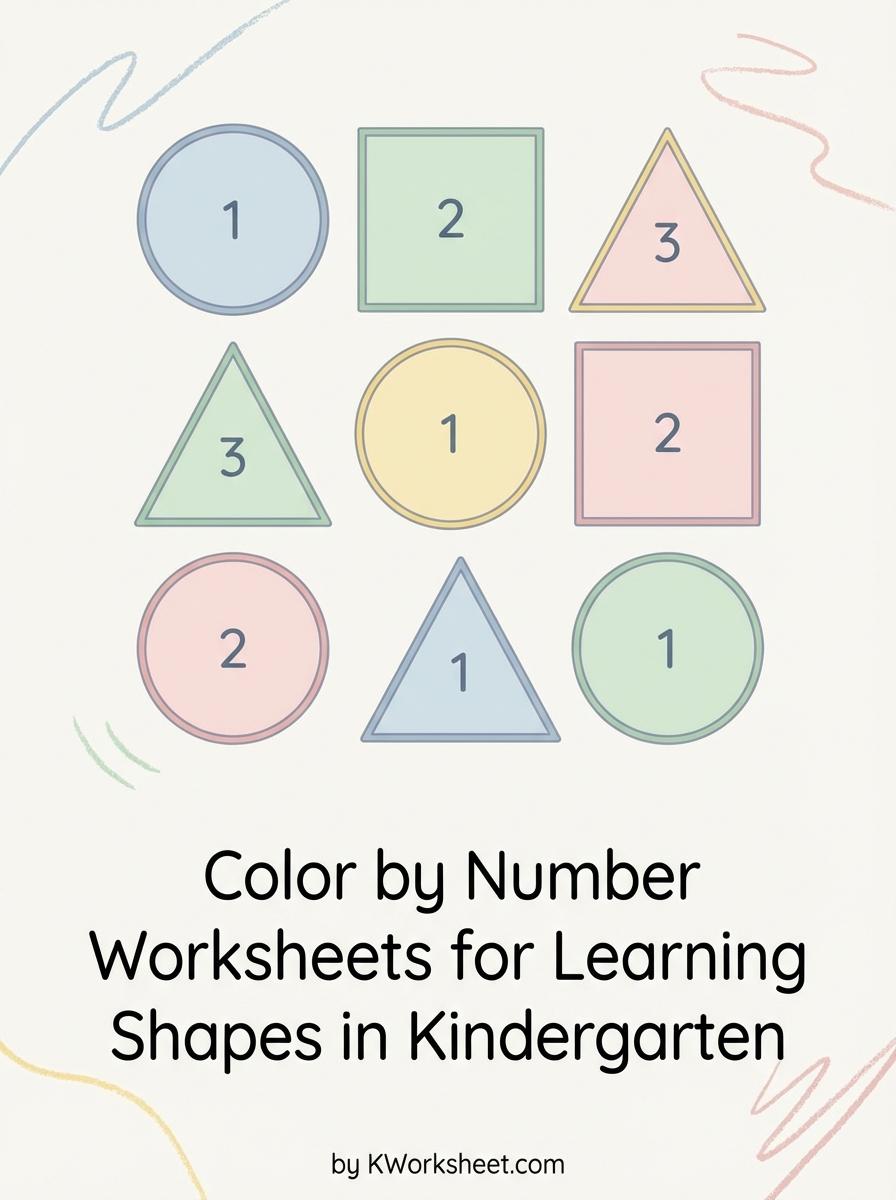
Color by Number Worksheets for Learning Shapes in Kindergarten

📅 Apr 17, 2025 👤 Nylen Smith

Color by number worksheets help kindergarten students recognize and reinforce shape identification while developing fine motor skills. These engaging activities combine coloring with number matching to create a fun, interactive learning experience. Check out the available worksheets to support early shape recognition in your classroom.

Phonics Color by Number Shapes Worksheet
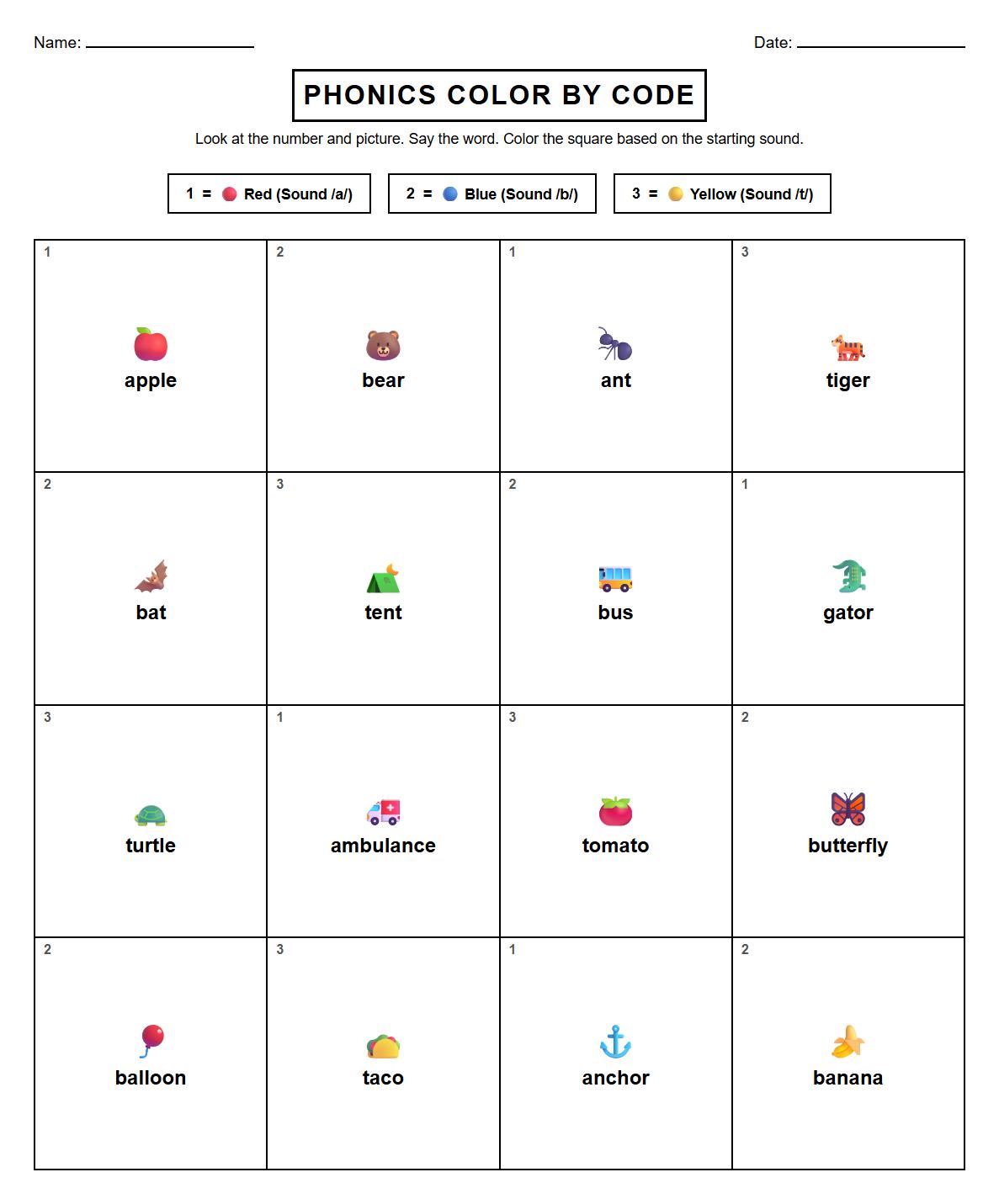
Phonics Color by Number Shapes Worksheet

Download PDF     Pin it

2D Shapes Recognition Color by Number Activity
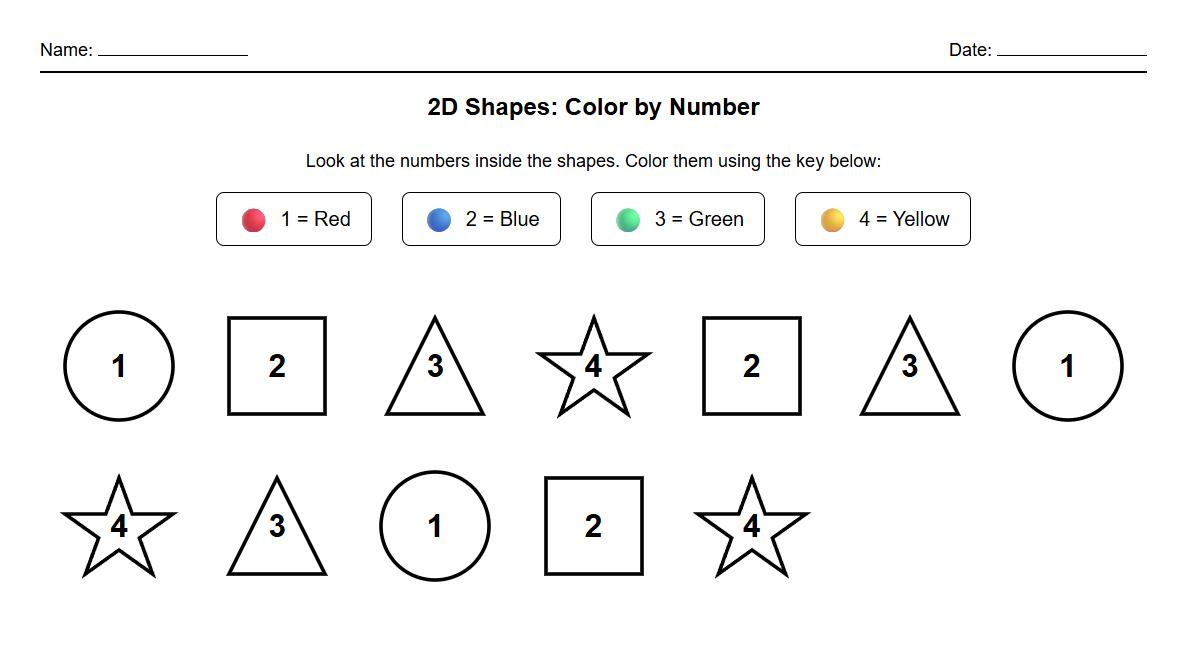
2D Shapes Recognition Color by Number Activity

Download PDF     Pin it

Math Skills Color by Number Geometric Figures
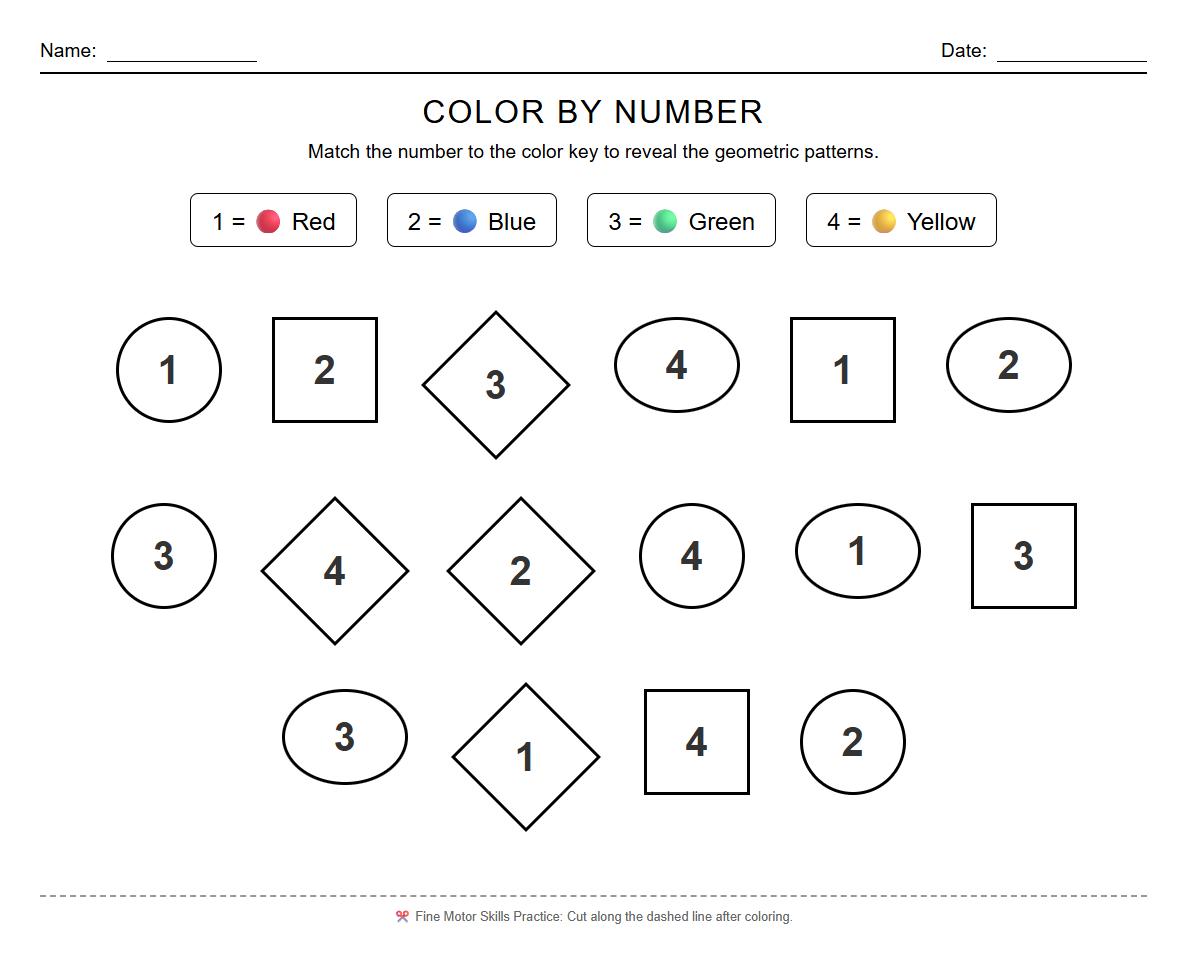
Math Skills Color by Number Geometric Figures

Download PDF     Pin it

Fine Motor Coordination Shape Coloring by Numbers
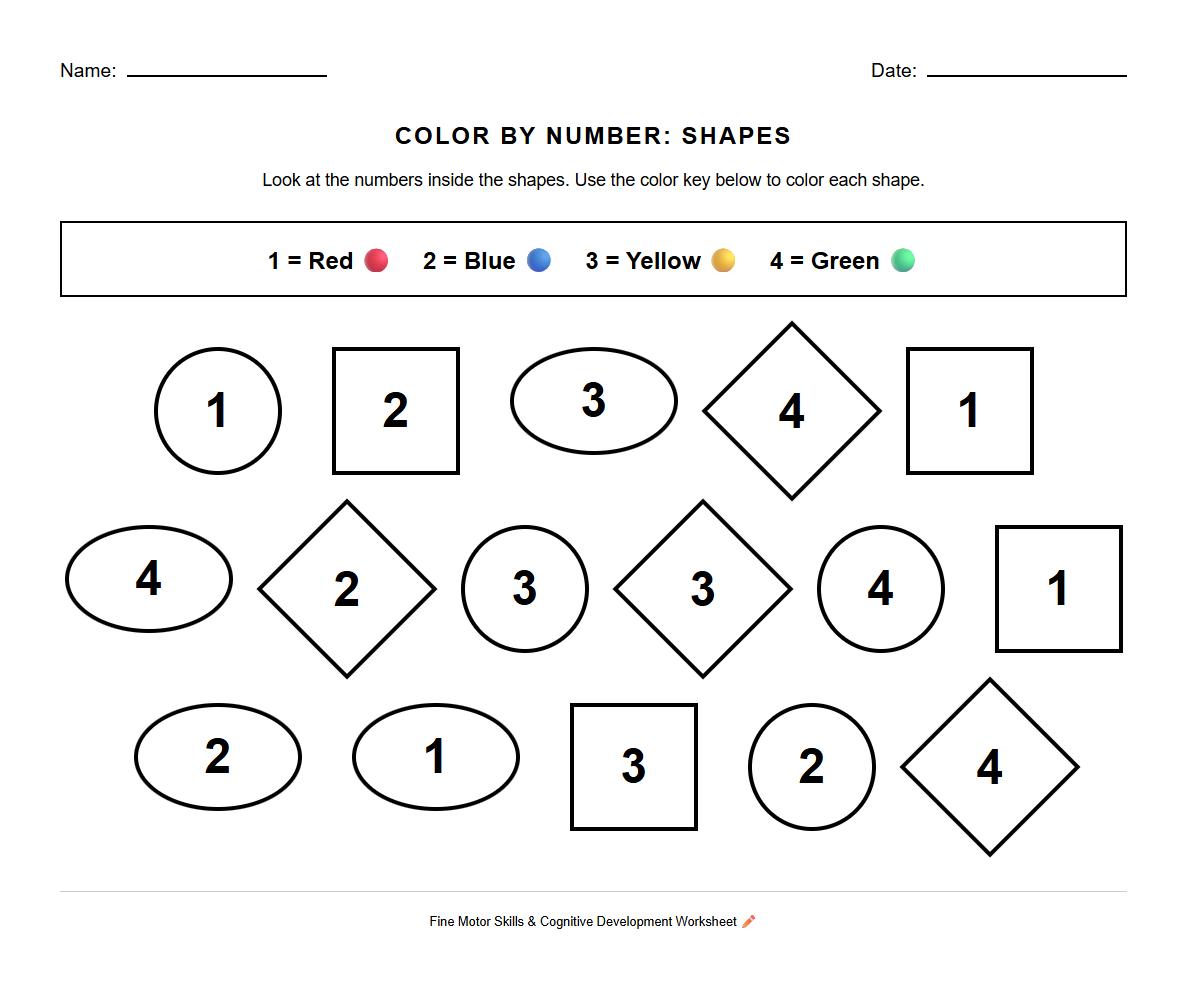
Fine Motor Coordination Shape Coloring by Numbers

Download PDF     Pin it

Counting and Shapes Numbered Coloring Worksheet
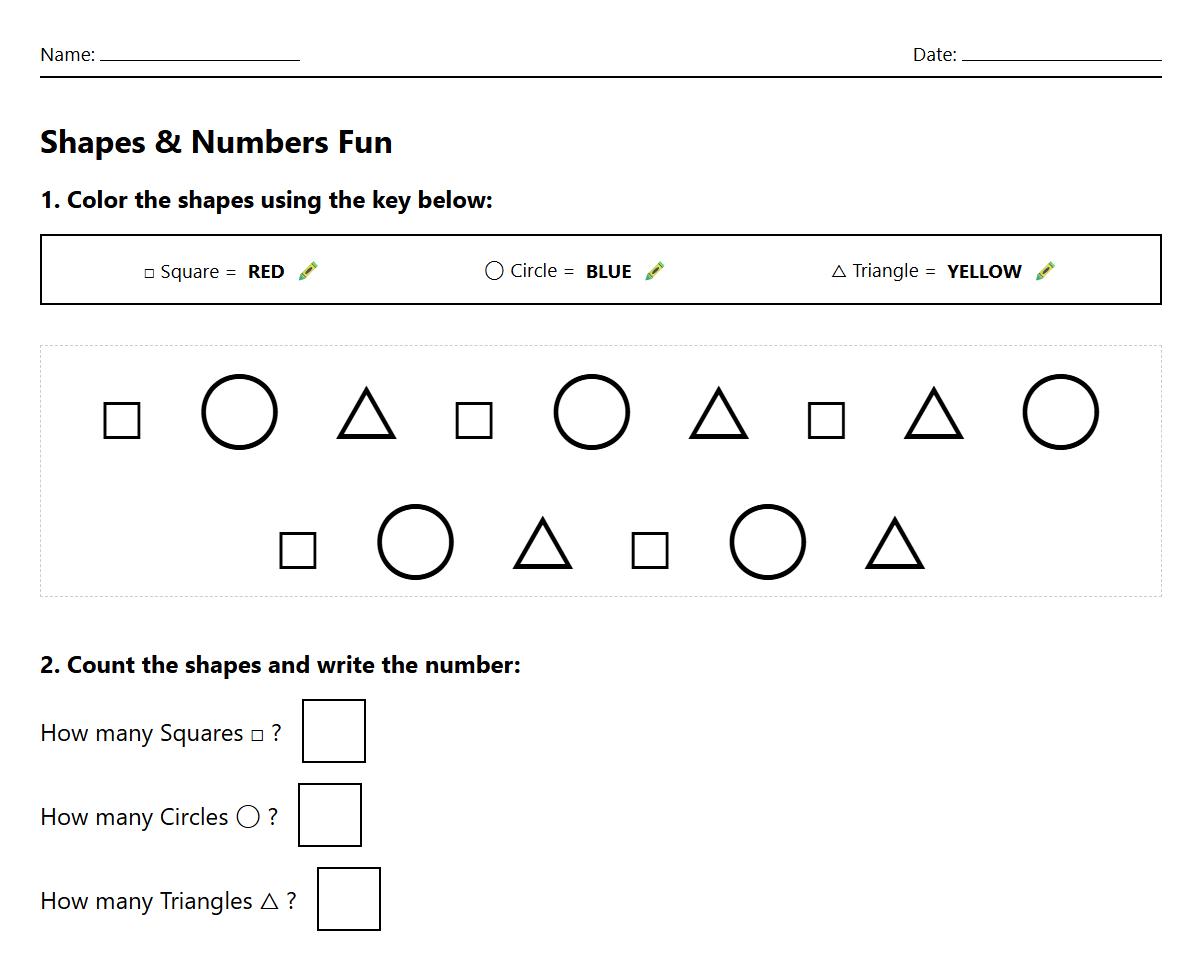
Counting and Shapes Numbered Coloring Worksheet

Download PDF     Pin it

Early Geometry Skills Color by Number Exercise
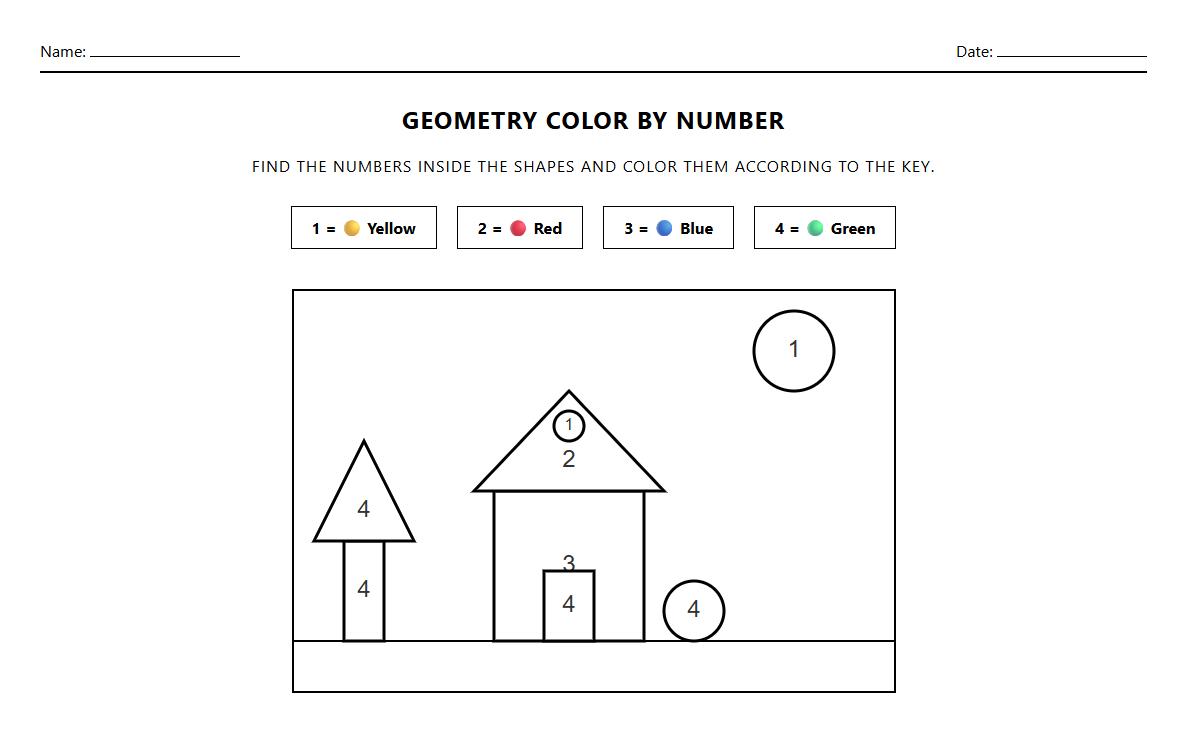
Early Geometry Skills Color by Number Exercise

Download PDF     Pin it

Visual Discrimination Shape Identification Activity
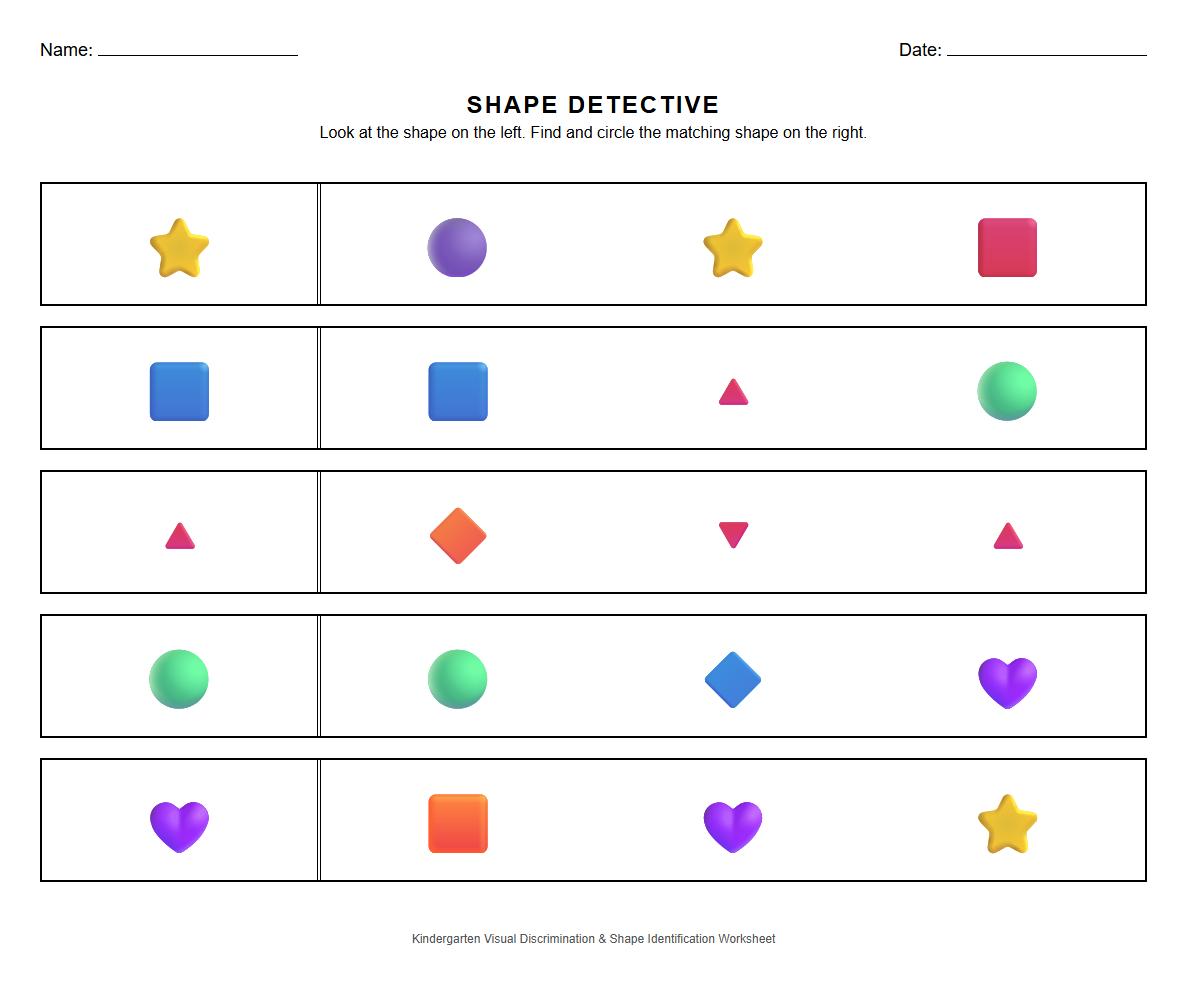
Visual Discrimination Shape Identification Activity

Download PDF     Pin it

Spatial Awareness Color by Number Shape Sheet
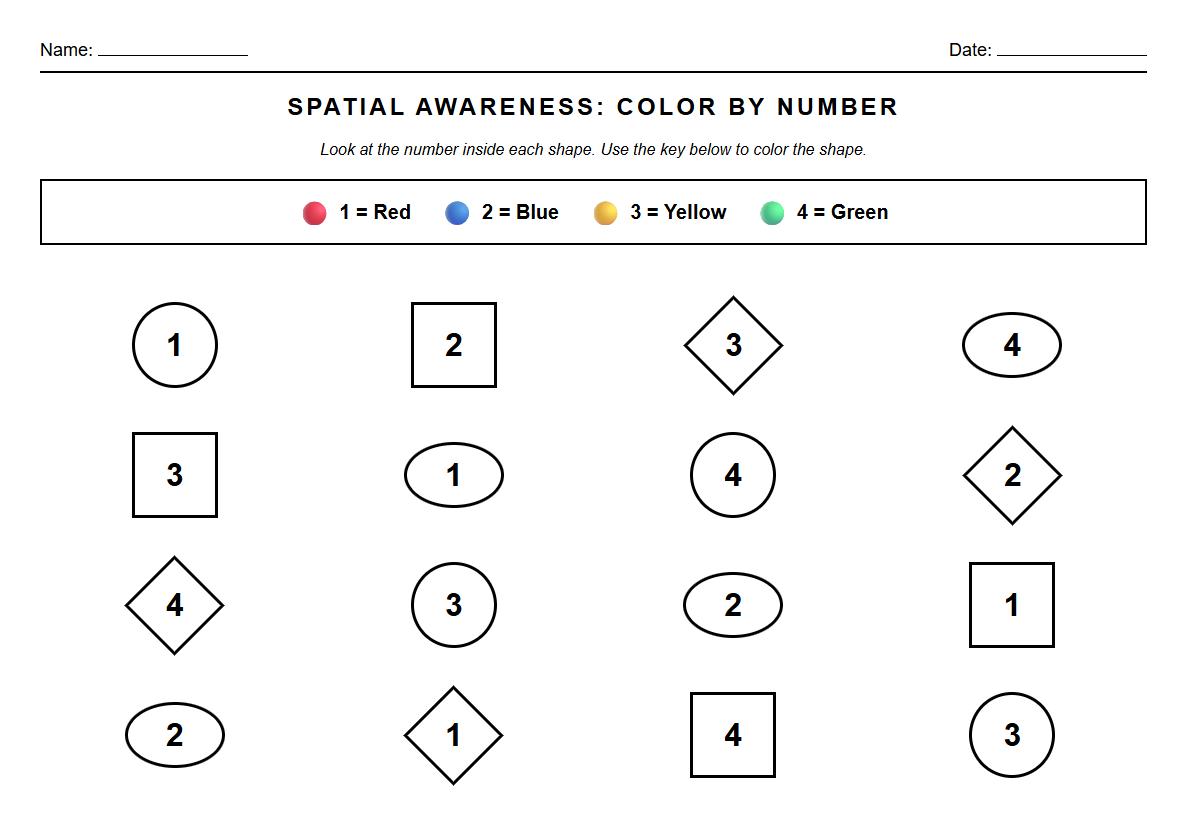
Spatial Awareness Color by Number Shape Sheet

Download PDF     Pin it

Kindergarten Sequencing Color by Number Shapes
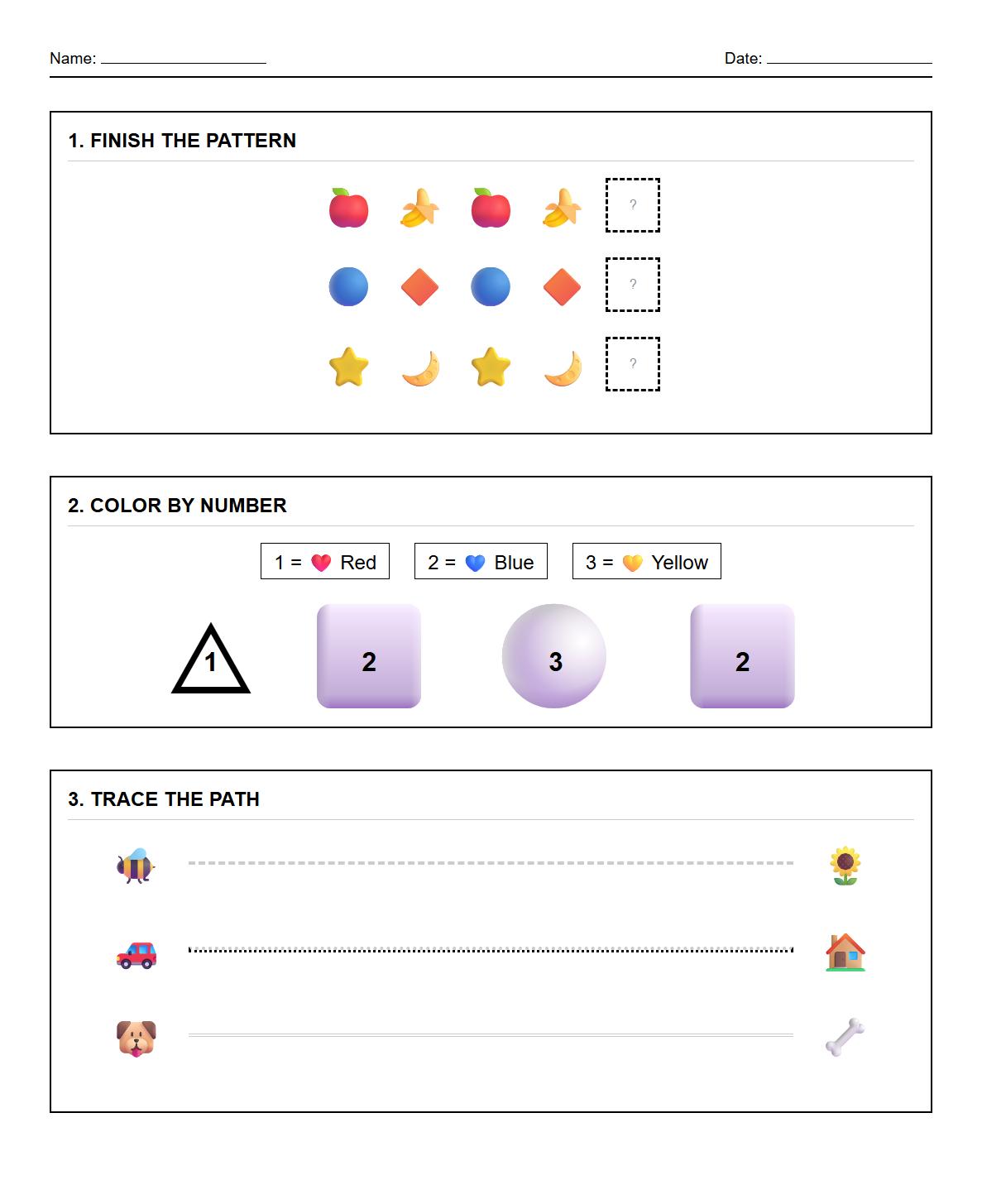
Kindergarten Sequencing Color by Number Shapes

Download PDF     Pin it

Shape Sorting and Phonics Color by Number Worksheet
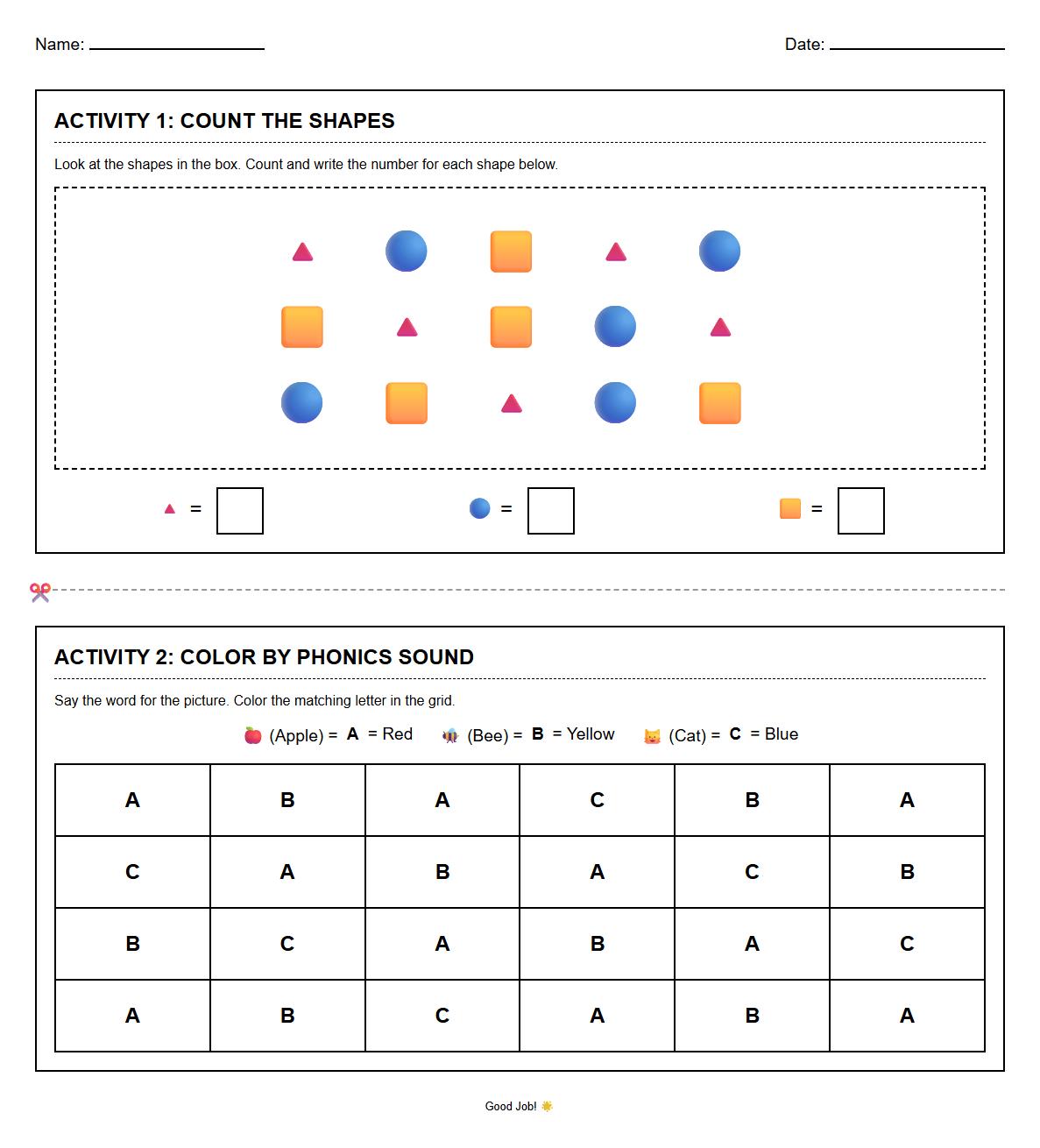
Shape Sorting and Phonics Color by Number Worksheet

Download PDF     Pin it

Shapes Included in Color by Number Worksheets for Kindergarten

Color by number worksheets for kindergarten typically include basic shapes such as circles, squares, triangles, and rectangles. Some worksheets also feature slightly more complex shapes like stars, hearts, and diamonds to enhance recognition skills. These shapes are carefully chosen to align with kindergarten learning goals. Including a variety of shapes helps keep students engaged and broadens their understanding of geometric forms.

How Color by Number Worksheets Help Students Recognize Shapes

Color by number worksheets support shape recognition by combining visual identification with an interactive coloring activity. Students match numbers to specific colors, reinforcing the connection between a shape and its visual characteristics. This method engages multiple senses, aiding memory retention and cognitive development. Parents and teachers can observe progress as children become more confident in identifying shapes.

Common Colors Used for Each Shape in These Worksheets

Colors such as red, blue, yellow, green, and orange are commonly assigned to different shapes in color by number worksheets. For example, circles might be colored red, squares blue, and triangles yellow, creating clear associations between color and shape. These color choices are typically bright and appealing to young children. Consistency in color-shape pairing helps solidify learning outcomes.

Complexity of Shapes in the Worksheets

The shapes in these worksheets are predominantly basic shapes like circles, squares, triangles, and rectangles to suit kindergarten skill levels. However, some worksheets introduce simple complex shapes such as stars or trapezoids to challenge students slightly. The progression from basic to more complex shapes supports developmental growth. The focus remains on clarity to ensure comprehension.

Improvement of Hand-Eye Coordination

Color by number worksheets are effective tools for developing hand-eye coordination as children must carefully color within the specified shapes. This activity encourages fine motor skills and precision, which are important for writing and other classroom tasks. The repetitive nature of coloring also builds muscle memory. Parents and teachers notice gradual improvement with regular practice.

Use of Worksheets for Group Activities

These worksheets are highly suitable for group activities in the classroom, promoting collaboration and social skills among kindergarteners. Teachers can organize small groups where students compare colors and shapes or complete sections together. Group use encourages discussion and peer learning, enriching the educational experience. Worksheets can be printed or projected for collective engagement.

Assessment of Students' Understanding of Shapes

Teachers assess students' knowledge by reviewing completed worksheets to check accurate color matching and shape identification. Observations during coloring sessions provide insights into students' shape recognition and fine motor skills. Some educators use oral quizzes alongside worksheets for comprehensive evaluation. This ongoing assessment guides instruction and individualized support.

Availability in Printed and Digital Formats

Color by number worksheets are available in both printed and digital formats, catering to diverse teaching environments. Printed copies are ideal for hands-on classroom use, while digital versions support remote learning and interactive devices. Digital worksheets often include additional features like instant feedback and animation. This flexibility helps accommodate different learning preferences and settings.

Incorporation of Counting Activities Alongside Shapes

Many color by number worksheets incorporate simple counting activities by having students count shapes or the numbers within the shapes before coloring. This dual focus reinforces number recognition and numerical skills alongside shape learning. Counting encourages problem-solving and attention to detail. Such combined activities build foundational math skills in an engaging way.

Frequency of Use in the Kindergarten Curriculum

Integrating color by number worksheets into the curriculum 1-2 times per week is effective for reinforcing shape recognition without causing fatigue. Regular use supports steady skill development and maintains student interest. Teachers can adjust frequency based on student progress and curriculum demands. Balancing these worksheets with other activities ensures a well-rounded early education.


More in Fine Motor and Cognitive Skills Category


About the author. Nylen Smith is a dedicated educator and cofounder of KWorksheet.com, a popular platform specializing in high-quality kindergarten worksheets and printable activities.

Disclaimer. The information provided in this document is for general informational purposes and/or document sample only and is not guaranteed to be factually right or complete. Please report to us via contact-us page if you find and error in this page, thanks.

Comments

No comment yet