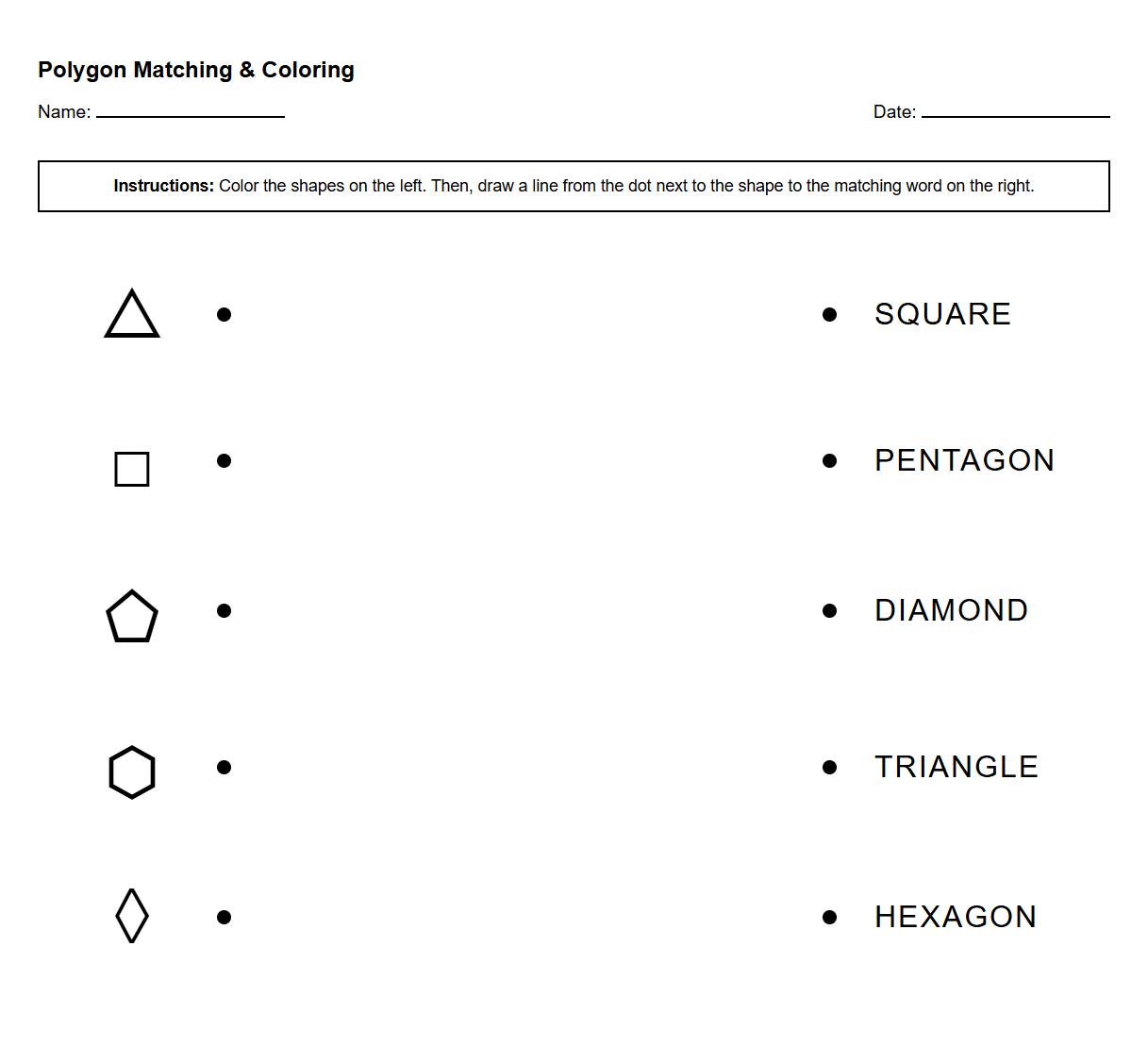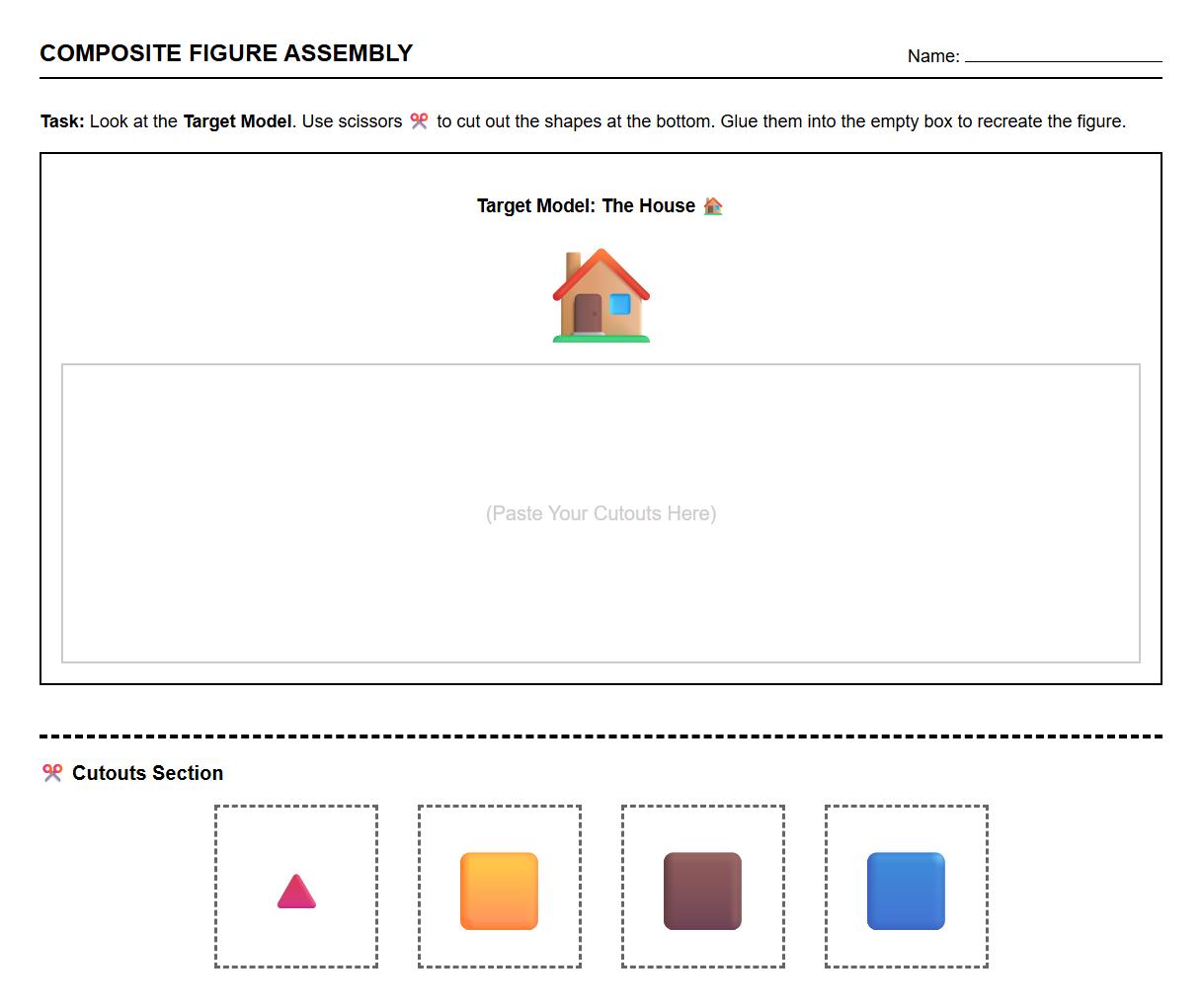
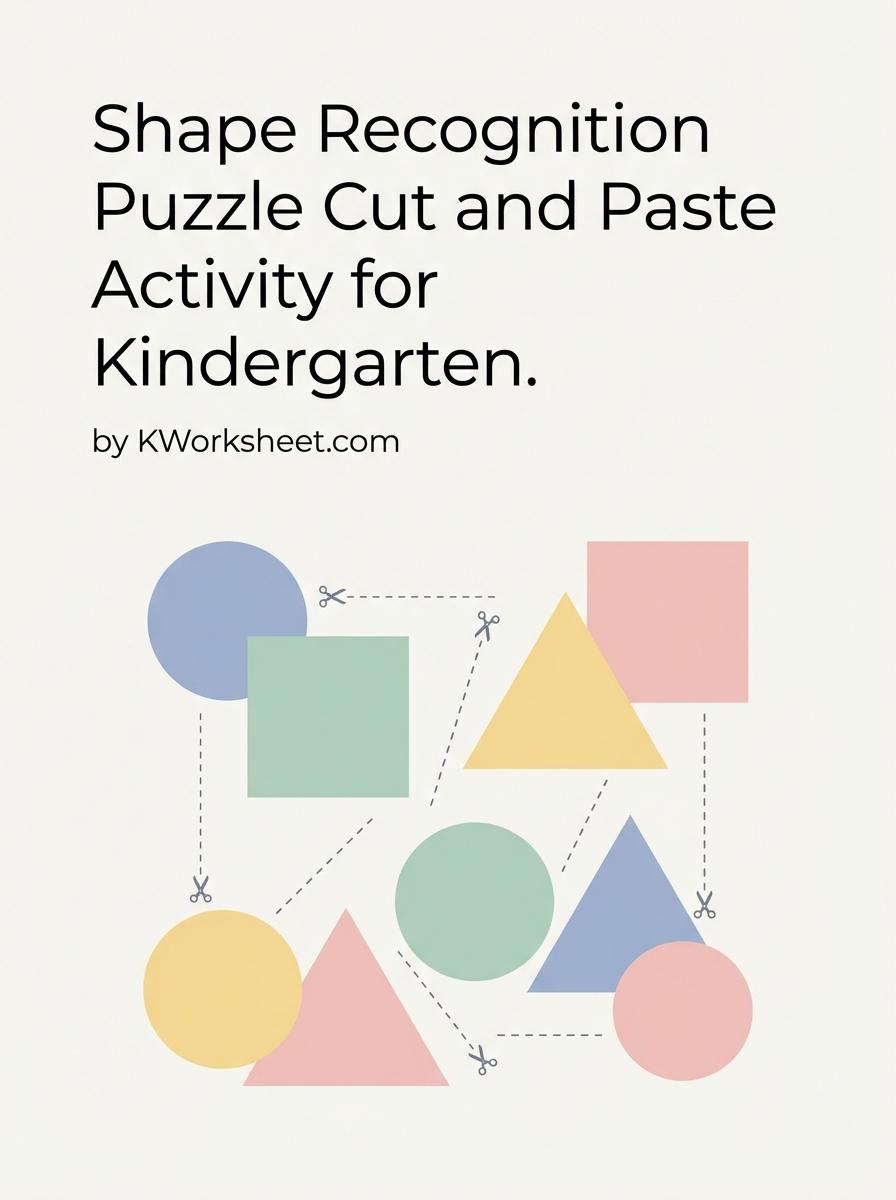
Shape Recognition Puzzle Cut and Paste activities enhance kindergarteners' ability to identify and differentiate various shapes through hands-on learning. This engaging exercise promotes fine motor skills and spatial awareness by encouraging children to cut out shapes and accurately assemble them into puzzles. Explore our collection of Shape Recognition Puzzle Cut and Paste worksheets to support early geometry skills development.
Discovering Shapes in Our Puzzle
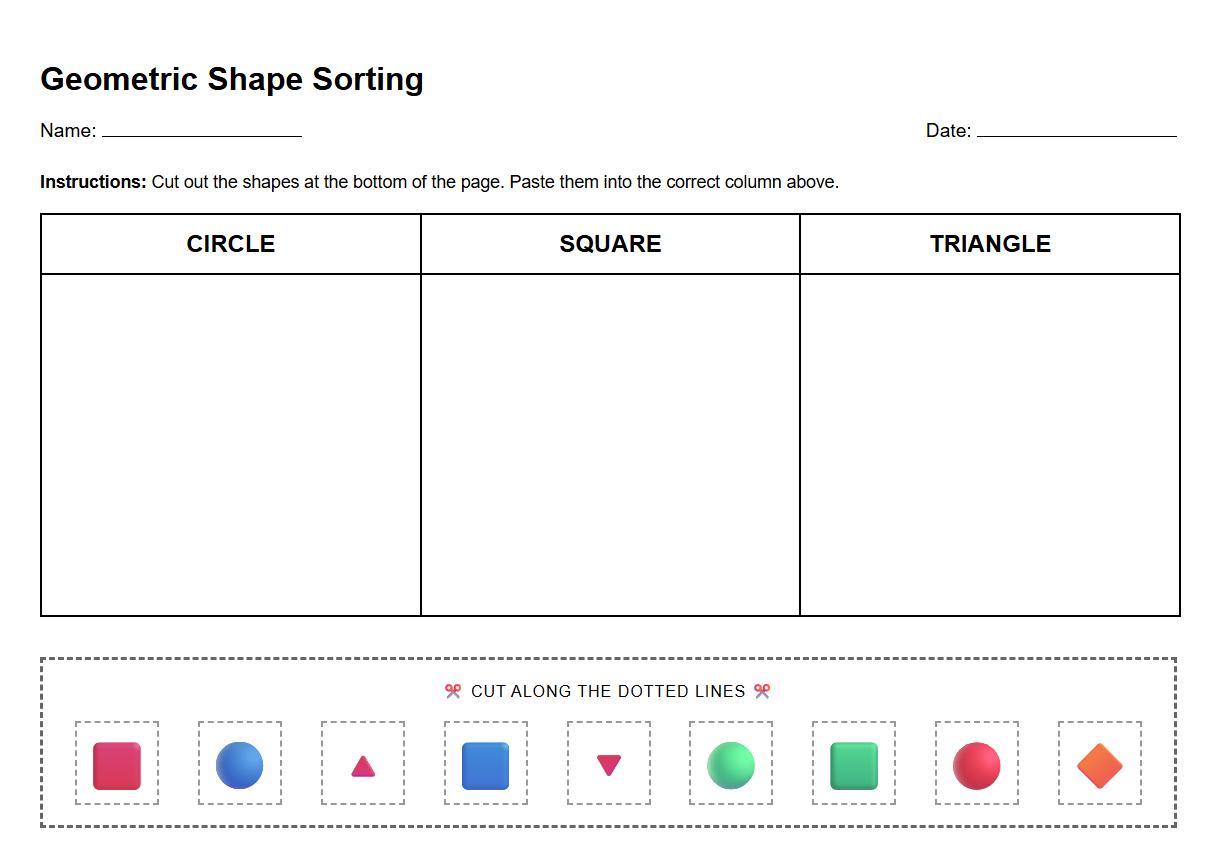
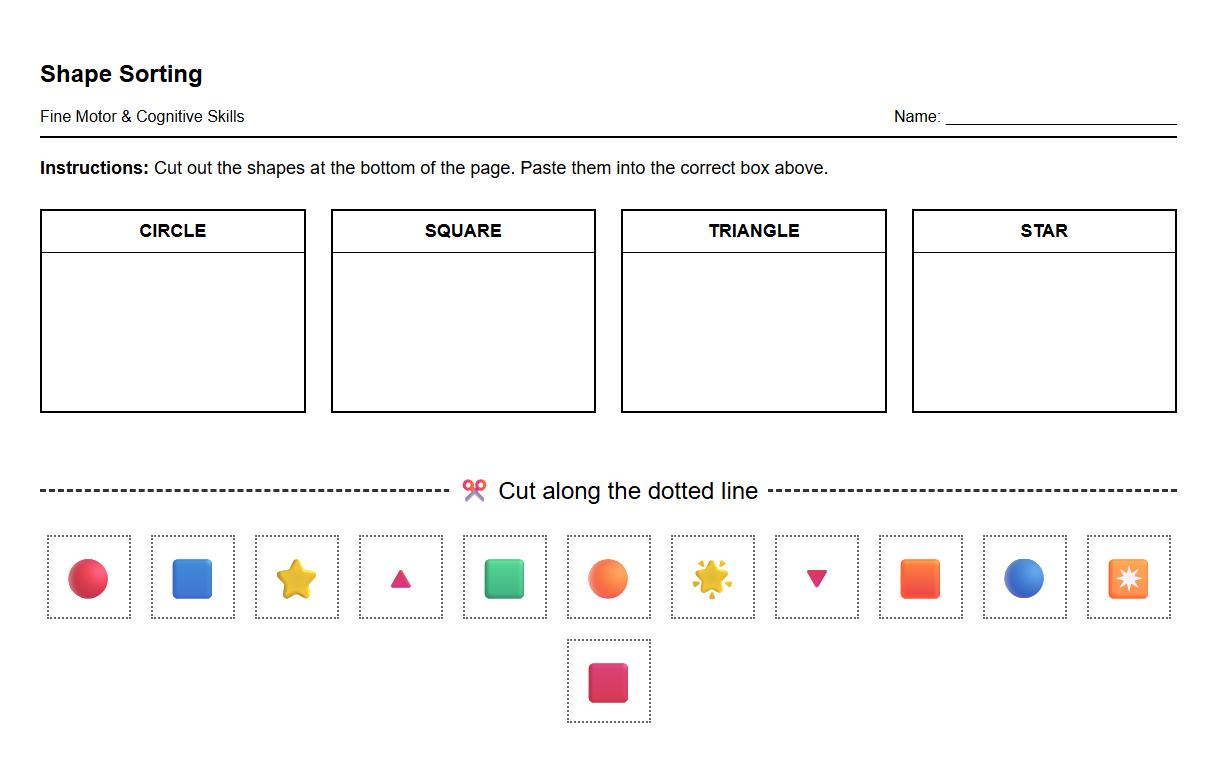
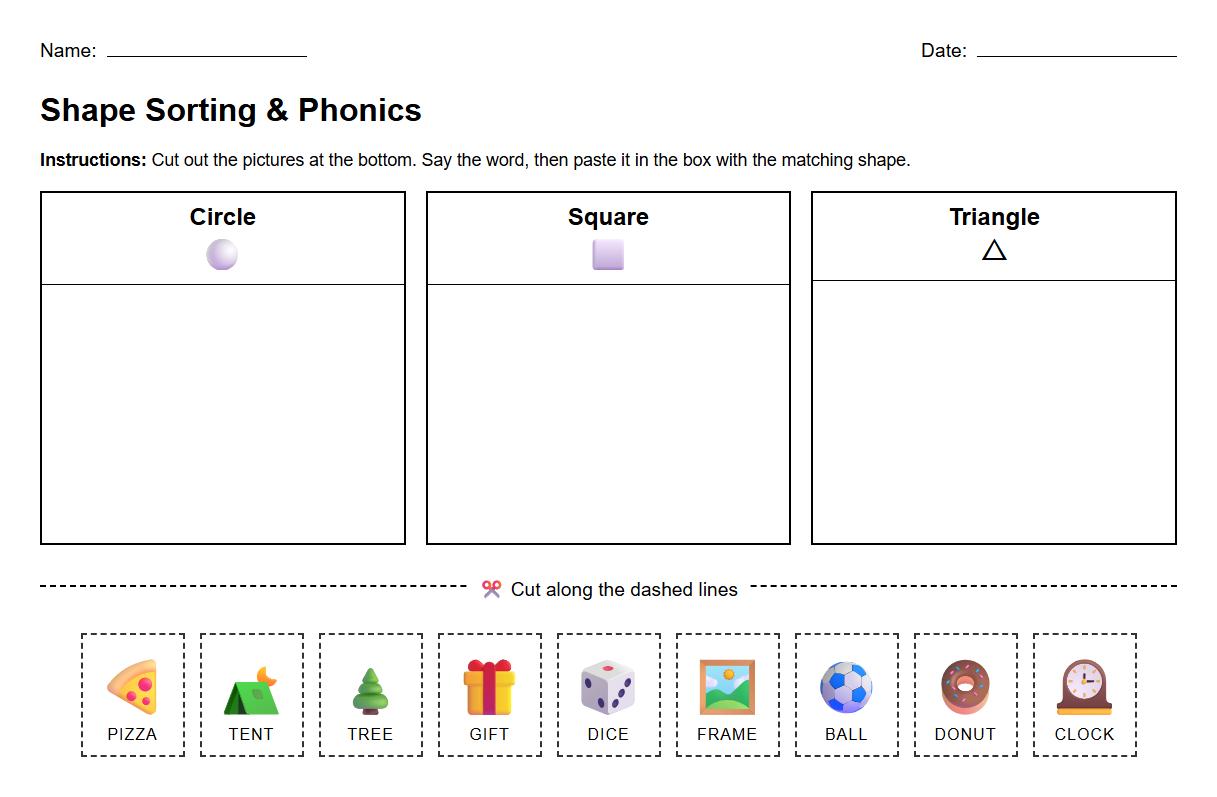
Encourage your child to explore the shapes hidden within the puzzle. Ask them to identify different forms and discuss their unique features. This activity enhances their visual discrimination skills, essential in early learning. Teachers and parents can guide children to spot circles, squares, and triangles easily.
Matching Cut-Out Shapes
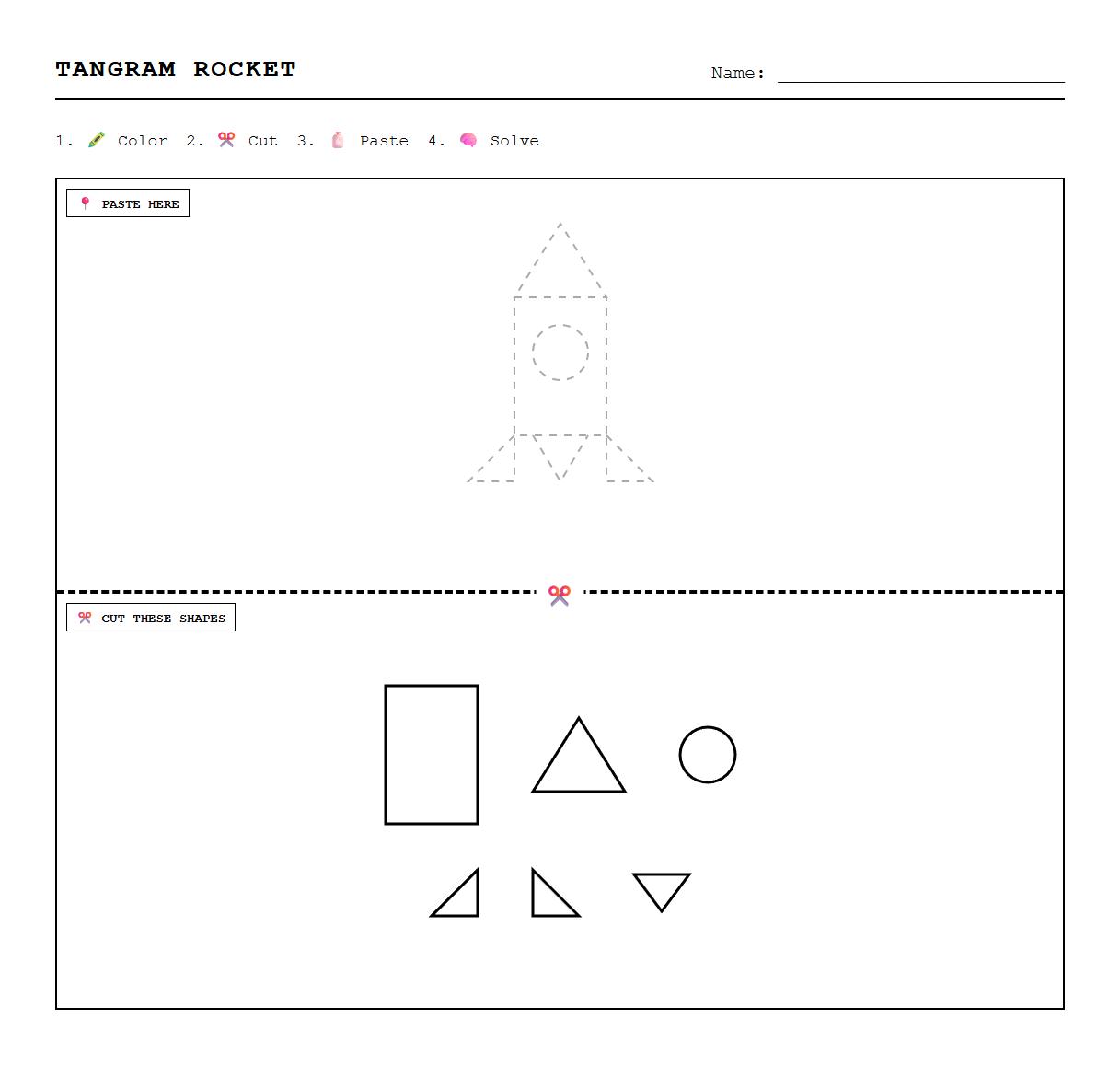
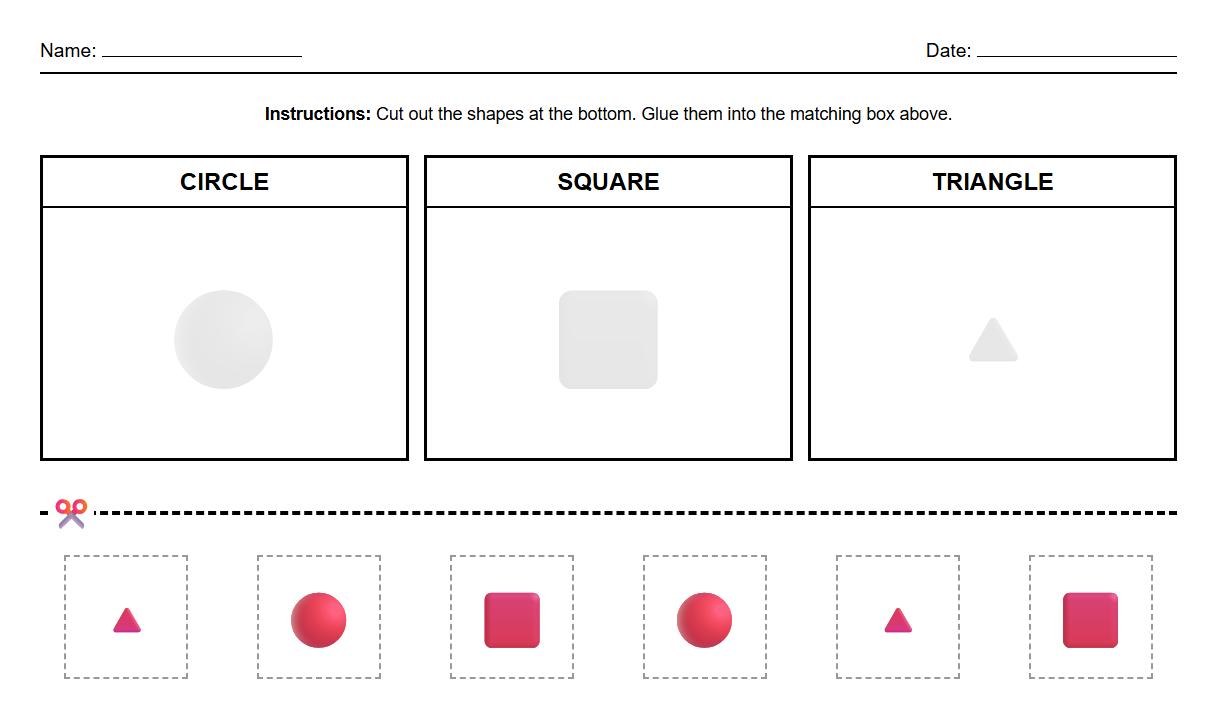
Provide cut-out shapes for children to match with their corresponding outlines on the worksheet. This helps develop fine motor skills and hand-eye coordination. It also promotes spatial awareness as they learn how shapes fit together. Celebrate their success to build confidence and interest in shapes.
Identifying Triangles and Squares
Ask the children, "Which shape has three sides?" to introduce the triangle. Then, help them recognize the square by its four equal sides. Discussing side counts reinforces numerical understanding alongside shape familiarity. Use real-world examples to make learning relatable.
Recognizing Circles and Size Differences
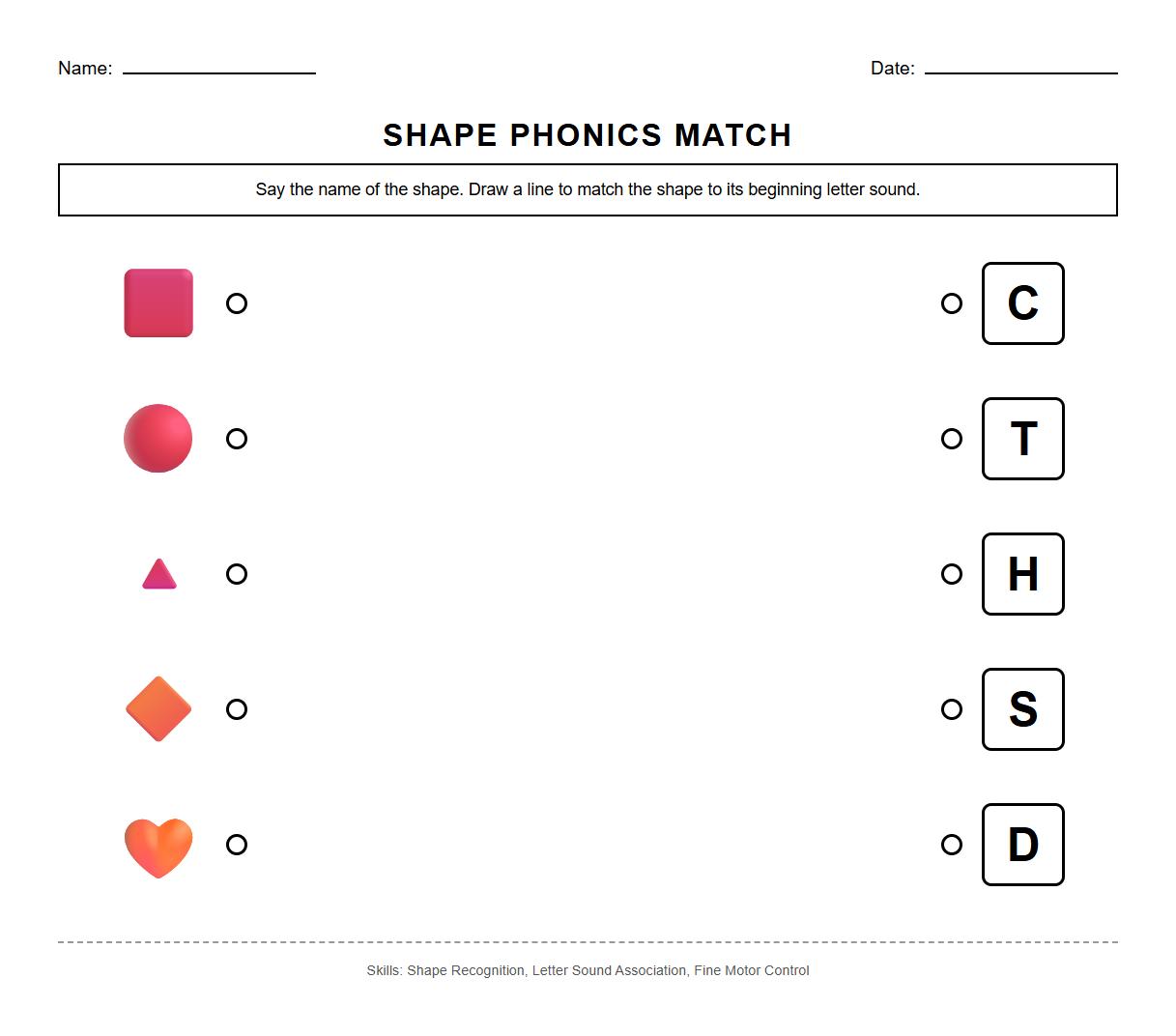
The circle can be described as a shape that "looks like a round ball." Engaging children in pasting shapes like the triangle onto matching outlines encourages precision. Additionally, discuss which shapes are big and which are small to enhance comparison skills. This promotes both shape recognition and size differentiation.
Learning About Corners and Curves
Ask, "How many corners does the square have?" to focus on angles and vertices. Introduce the concept of shapes without straight sides, such as the circle, by asking if they can find a shape that has no straight sides. This helps children grasp the difference between curved and angular shapes. Use this to develop critical thinking about geometric properties.
Fitting Shapes into Spaces
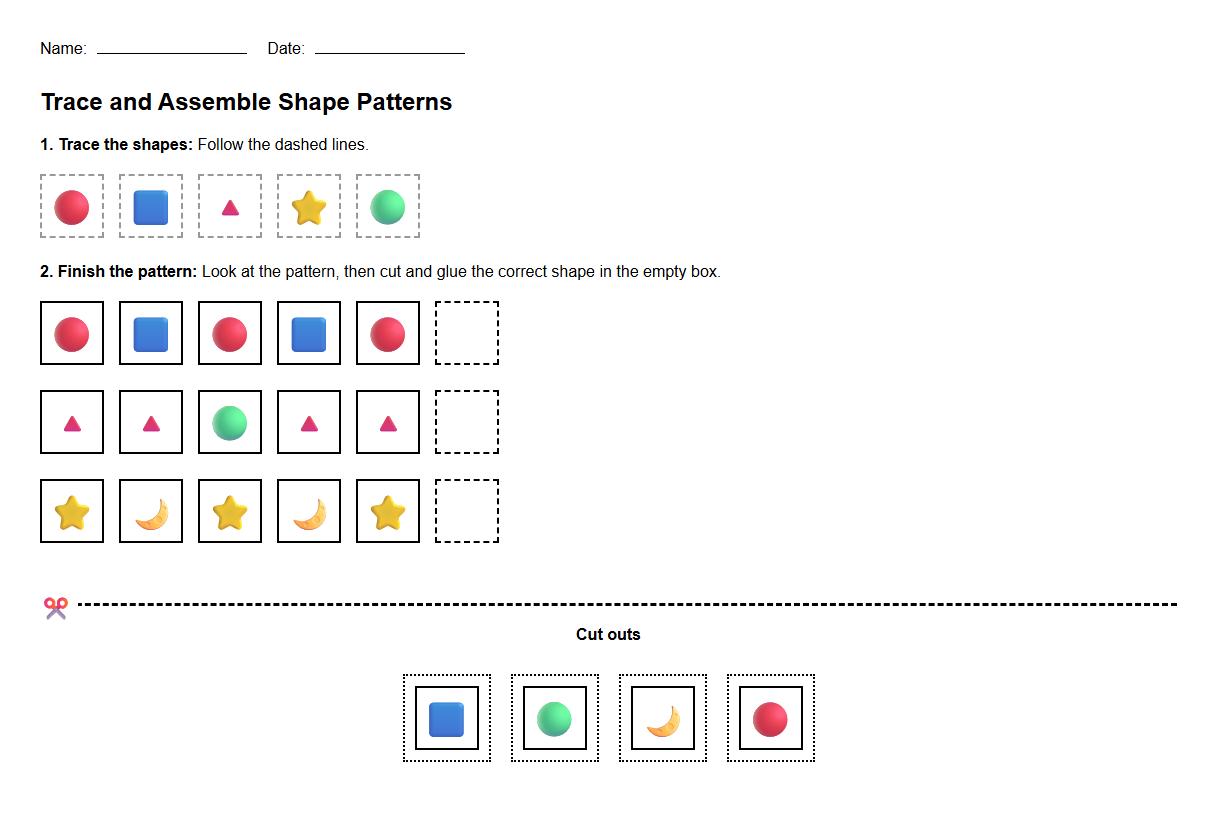
Encourage children to find the shape that fits perfectly in the empty space on the worksheet. This activity sharpens problem-solving and spatial reasoning abilities. Guide them in observing the size and edges of each shape to make correct choices. Completing this task successfully brings a sense of accomplishment and skill mastery.


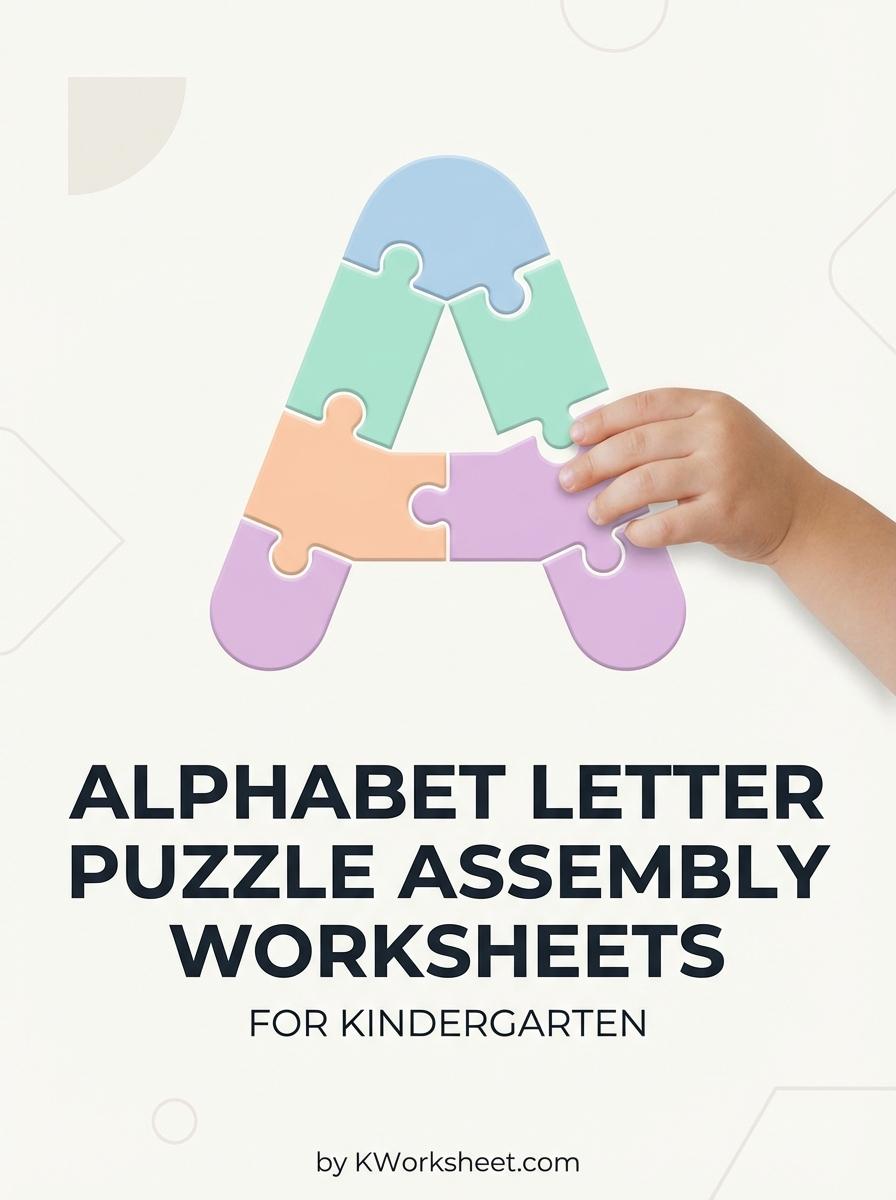
Alphabet Letter Puzzle Assembly Worksheets for Kindergarten