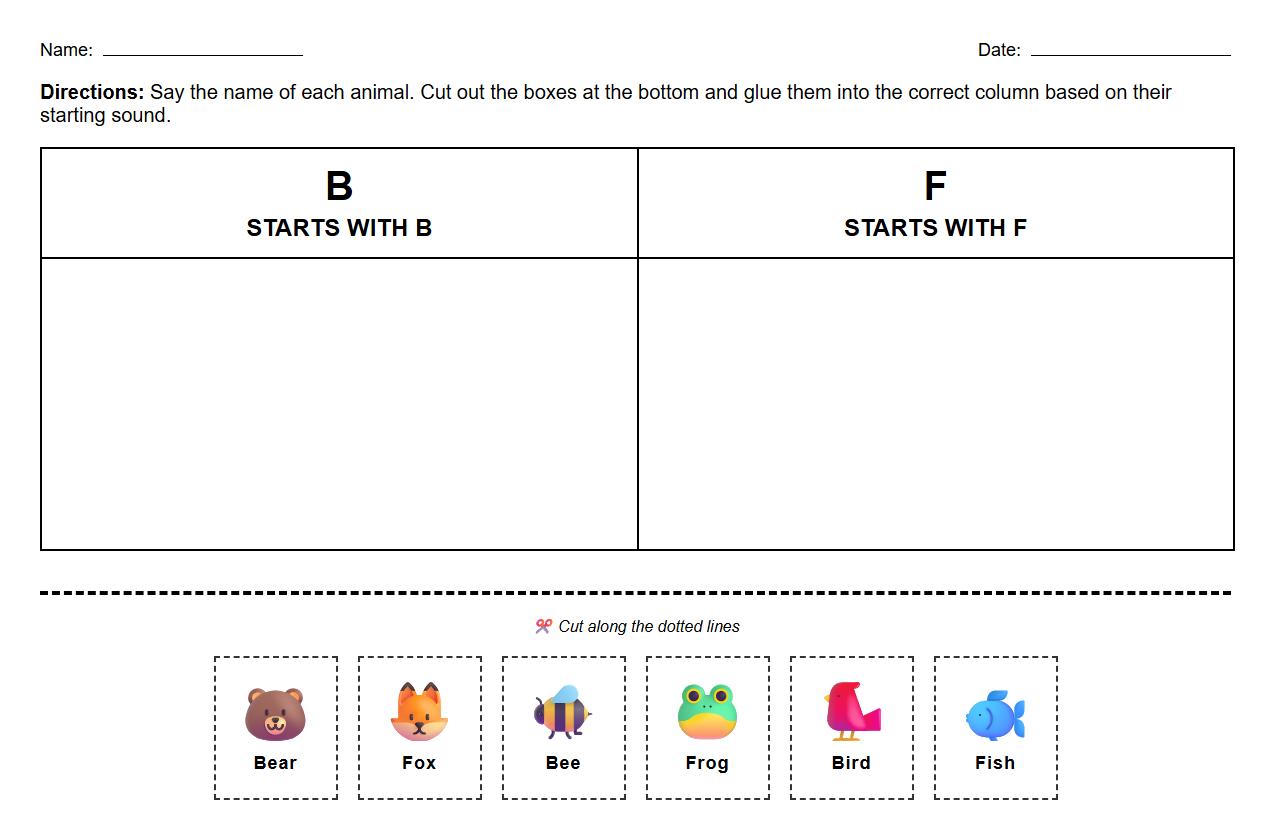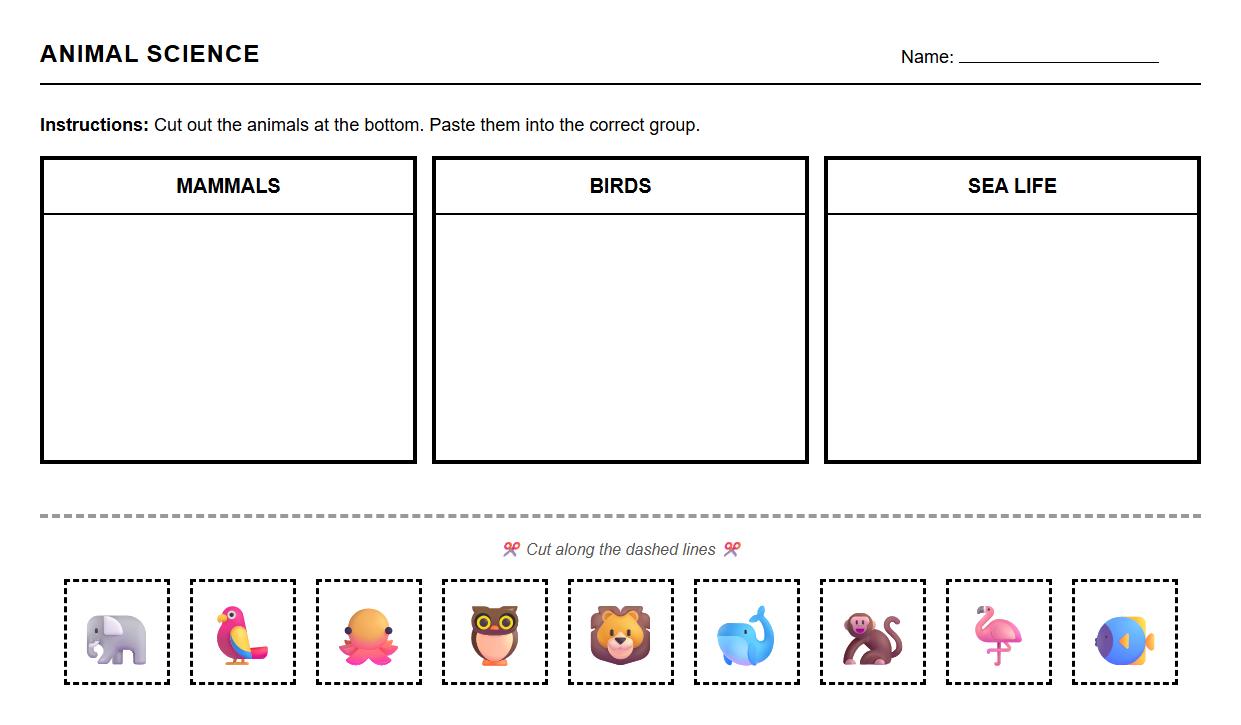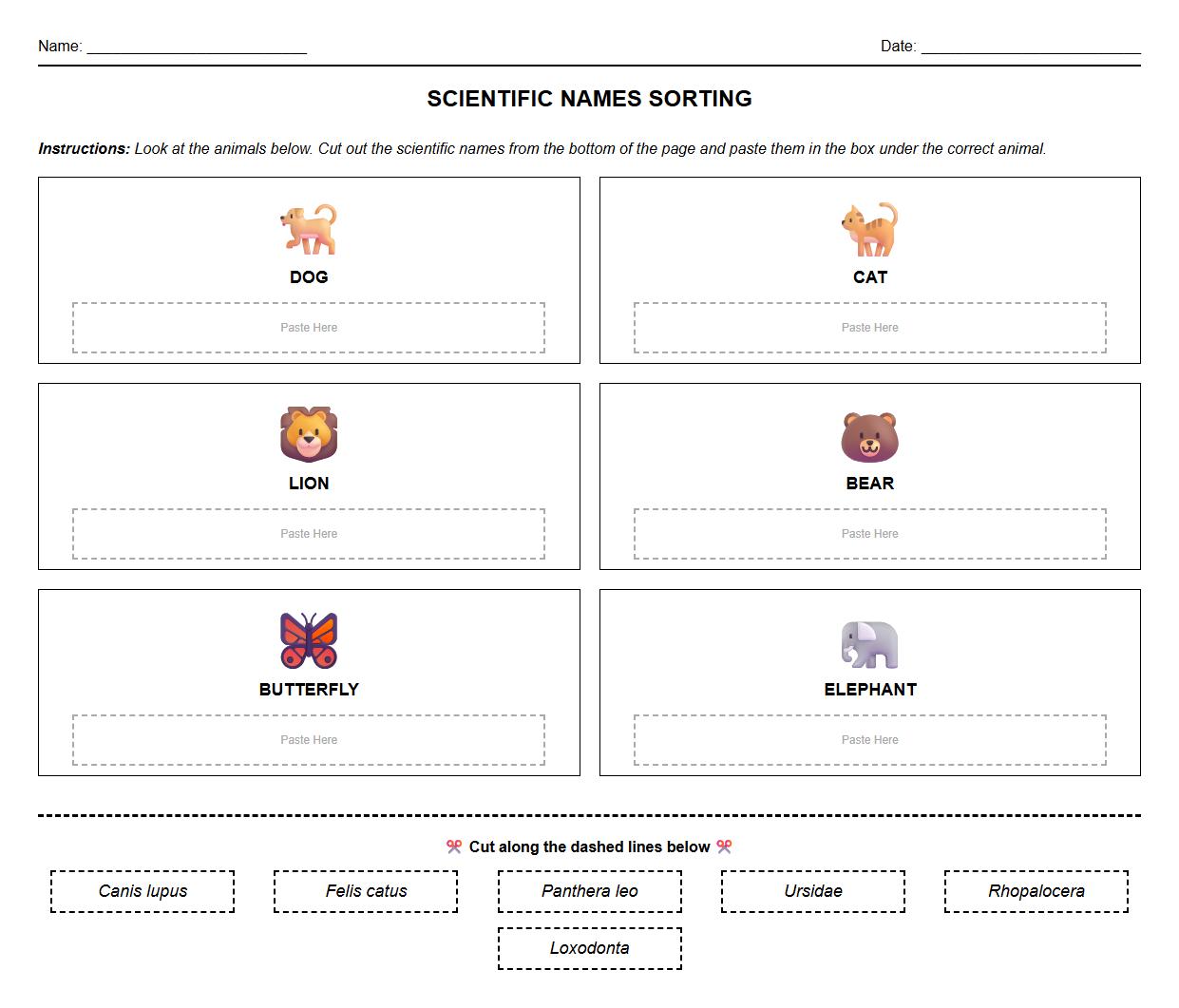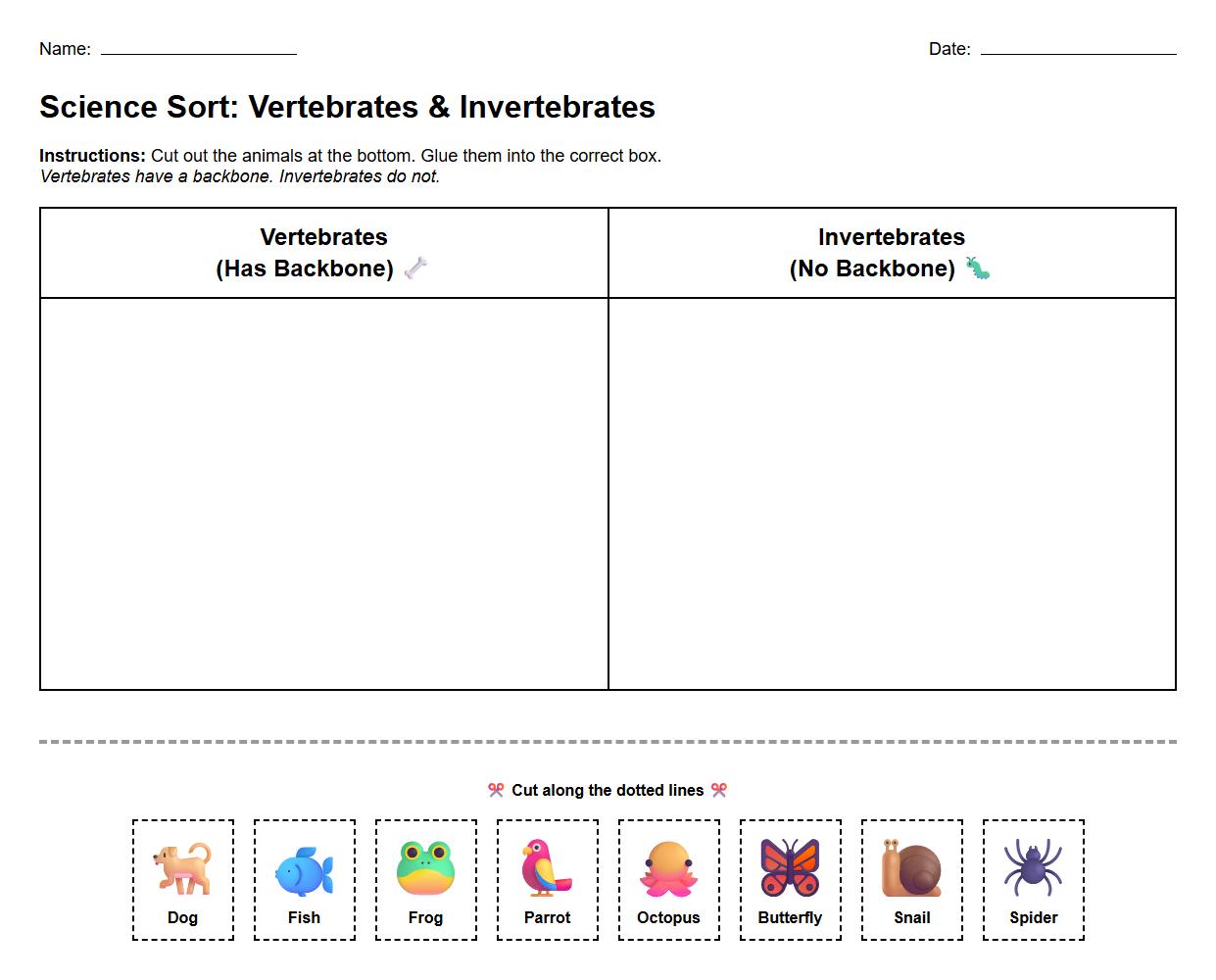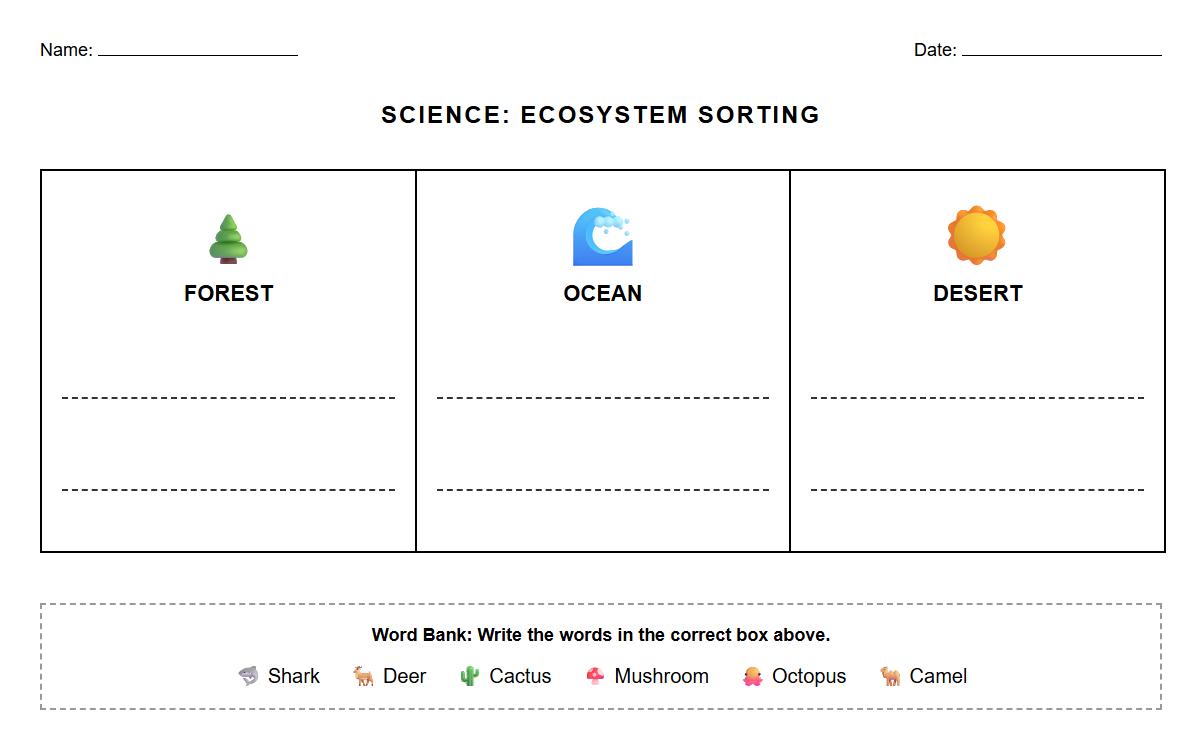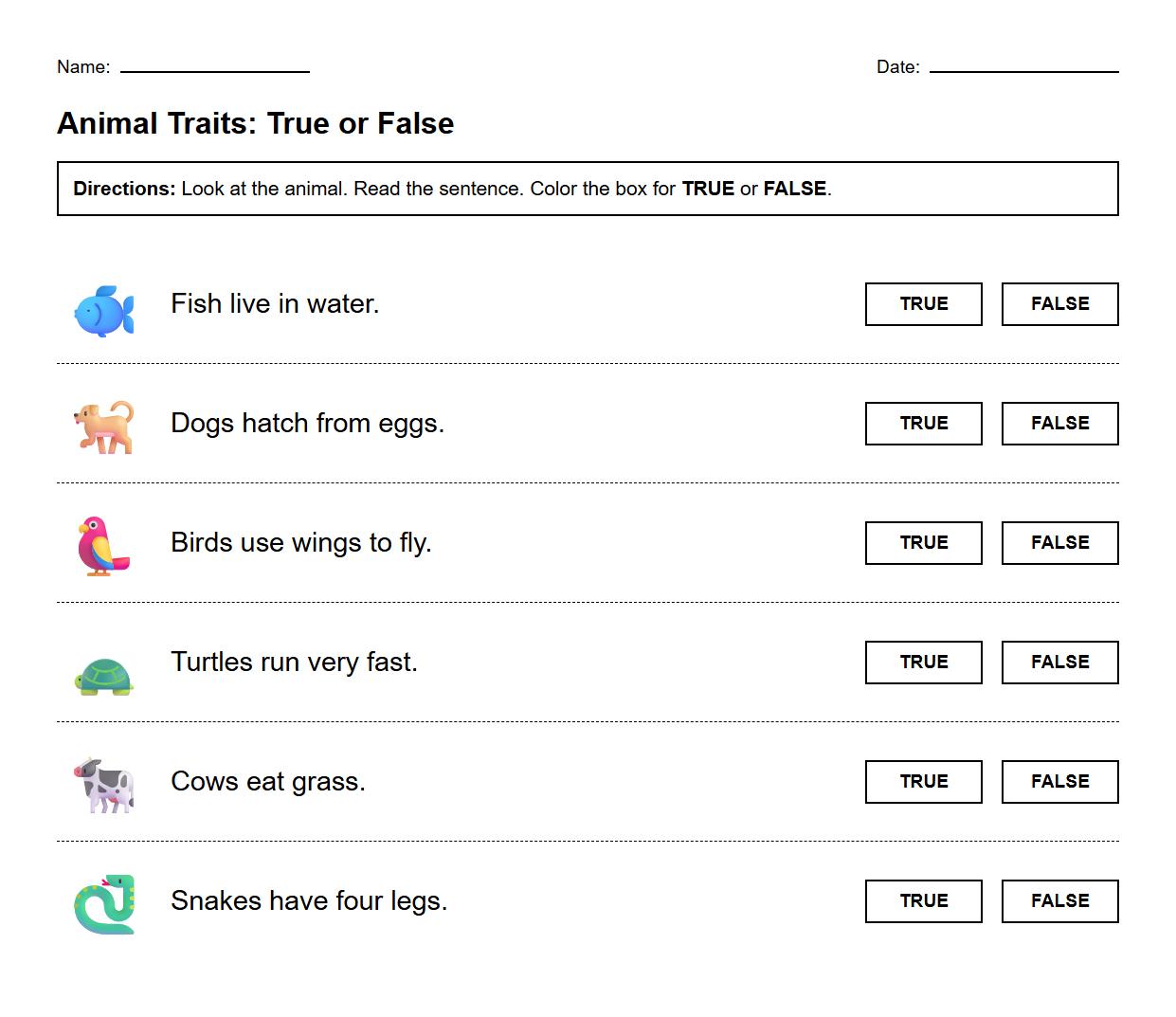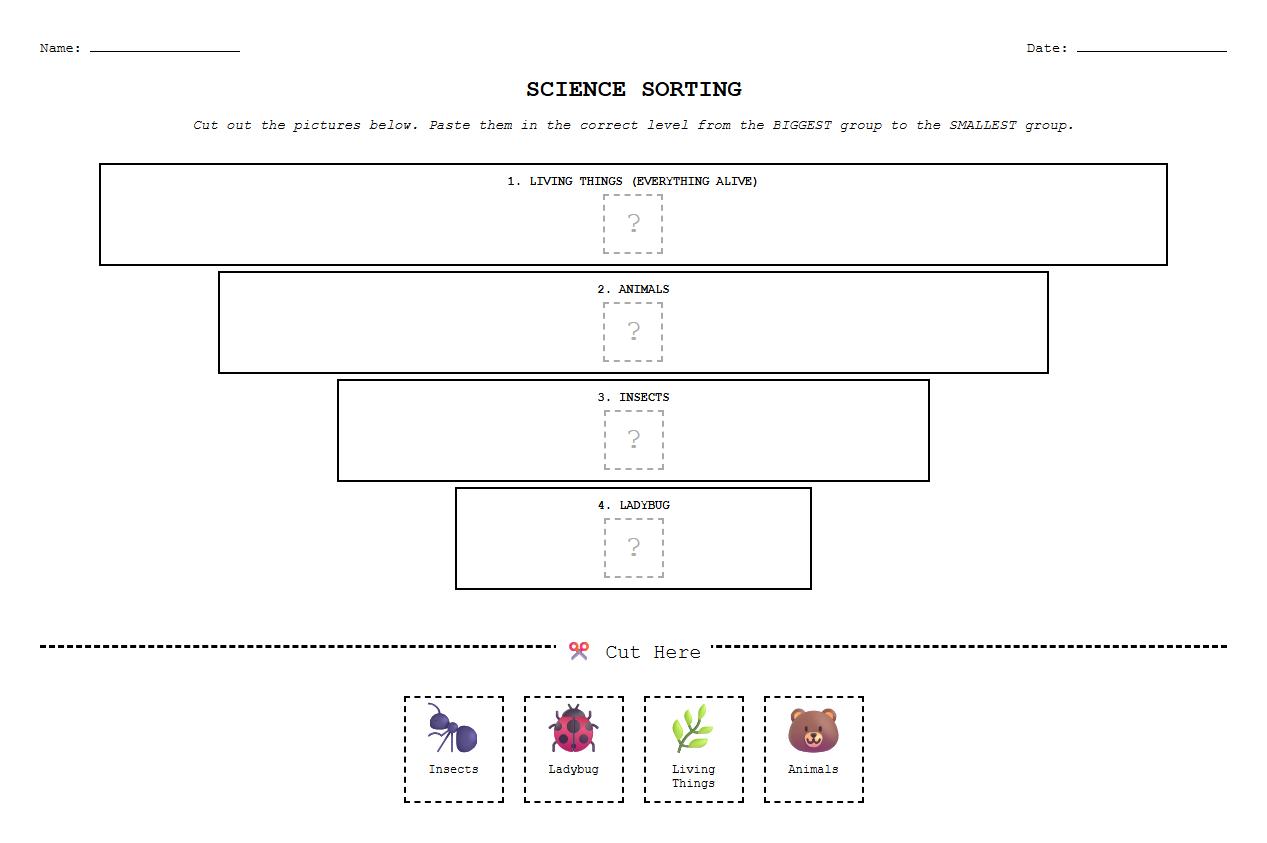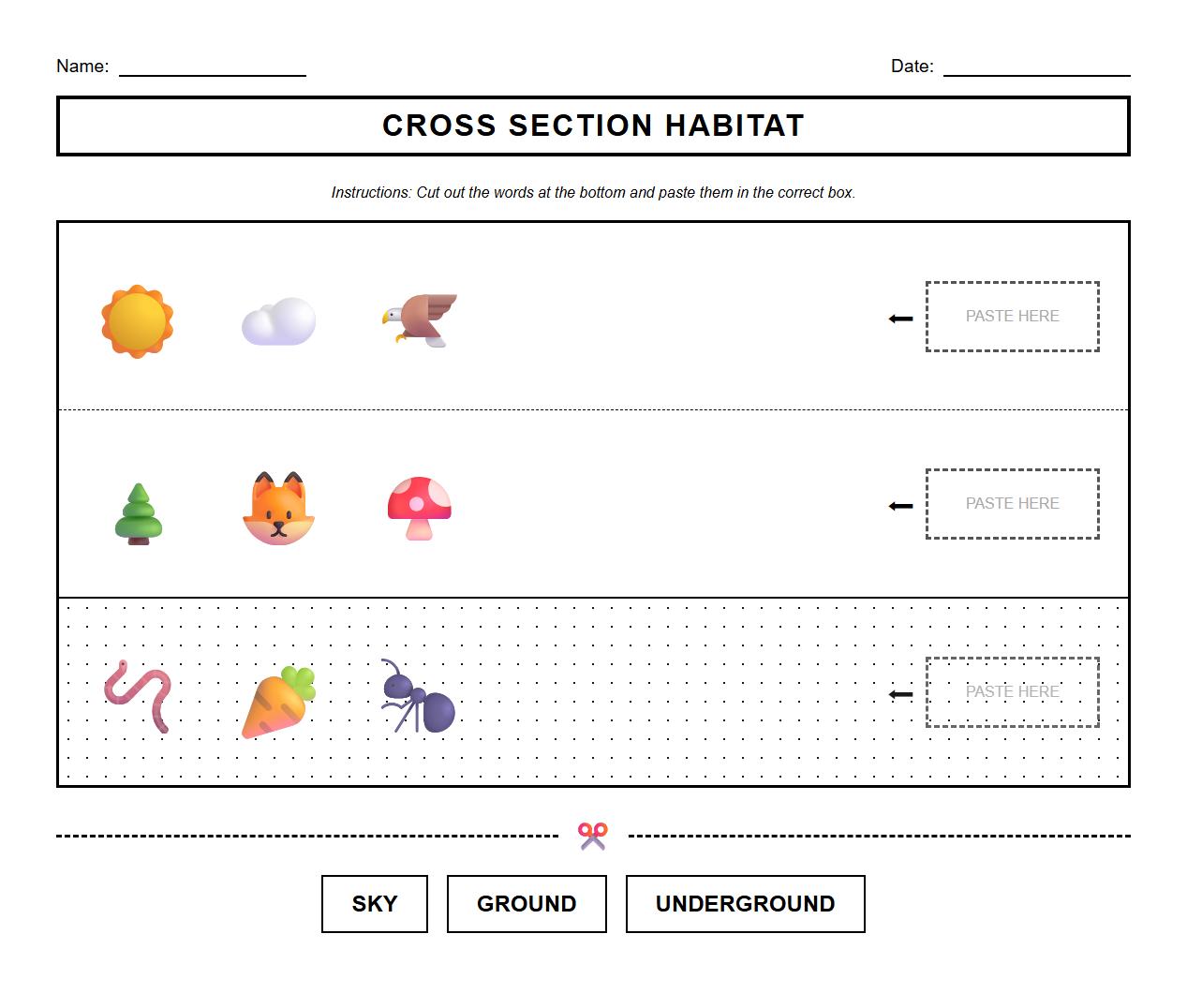
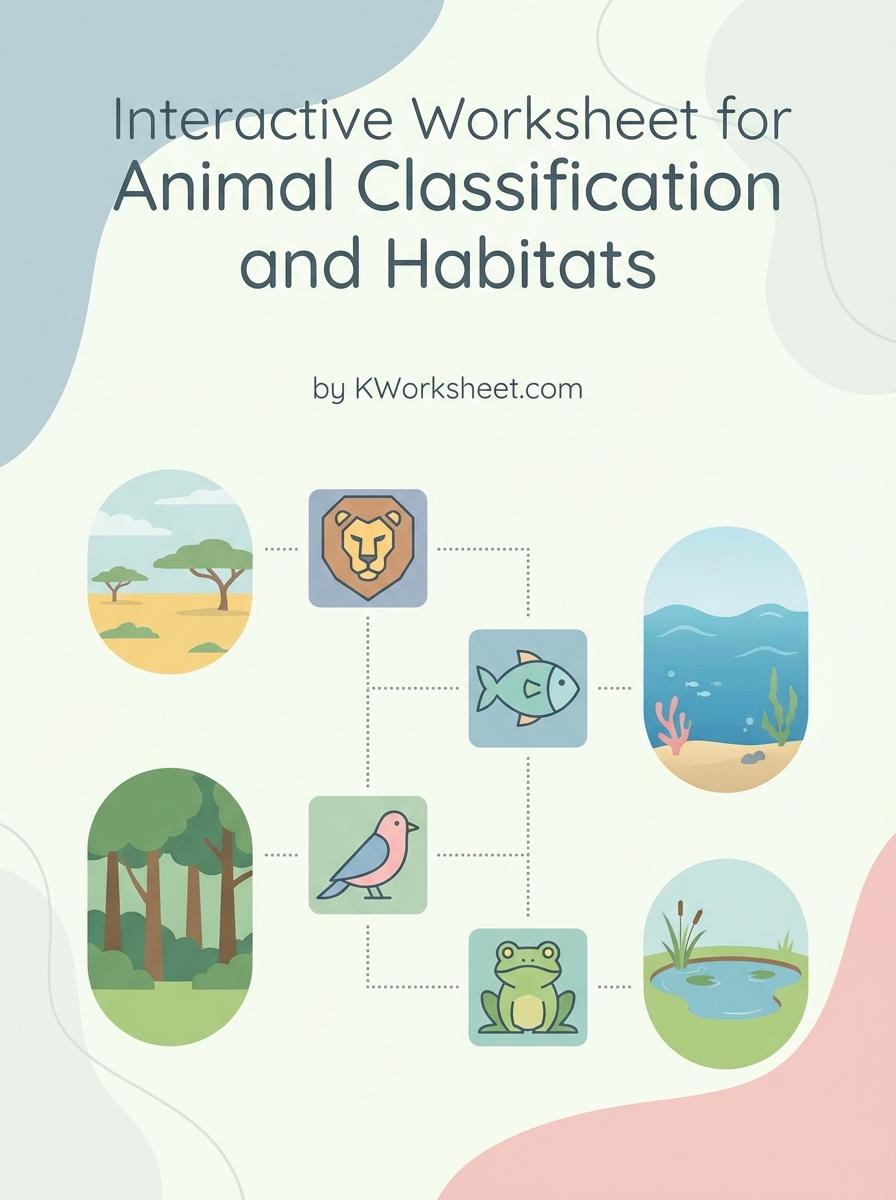
Explore diverse animal species and their natural habitats through engaging classification activities that enhance understanding of biological categories and ecosystems. Hands-on tasks promote critical thinking by encouraging identification of key traits and adaptation strategies for survival. Check the available worksheets to deepen your knowledge and master animal classification and habitats.
Which Animals Live in the Ocean?
Ocean animals live in saltwater environments and include creatures like fish, dolphins, and whales. Teaching children to identify these animals helps them understand diverse habitats. Encourage students to explore pictures of ocean animals to foster recognition skills. Use hands-on activities to make learning about ocean habitats engaging and fun.
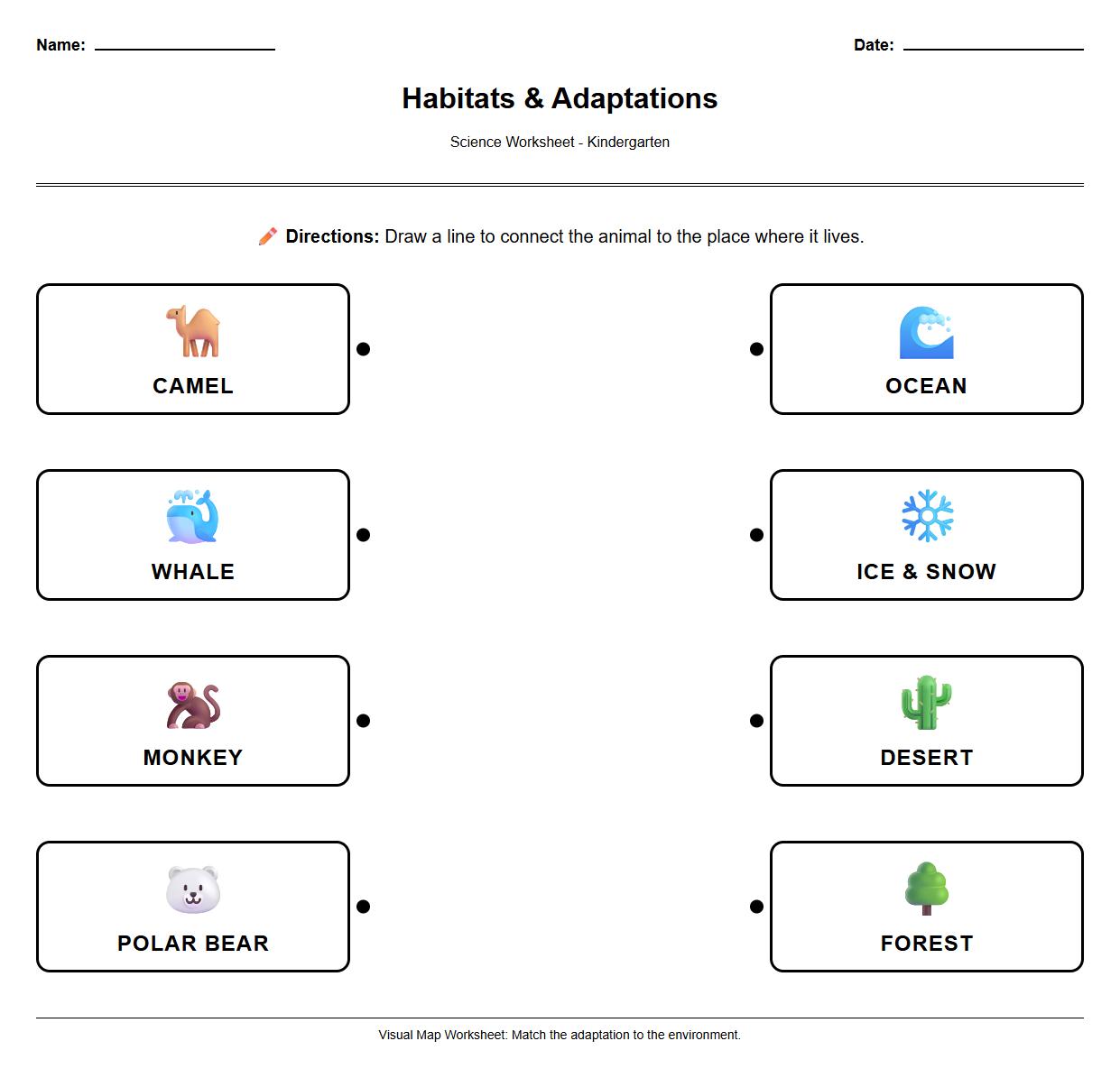
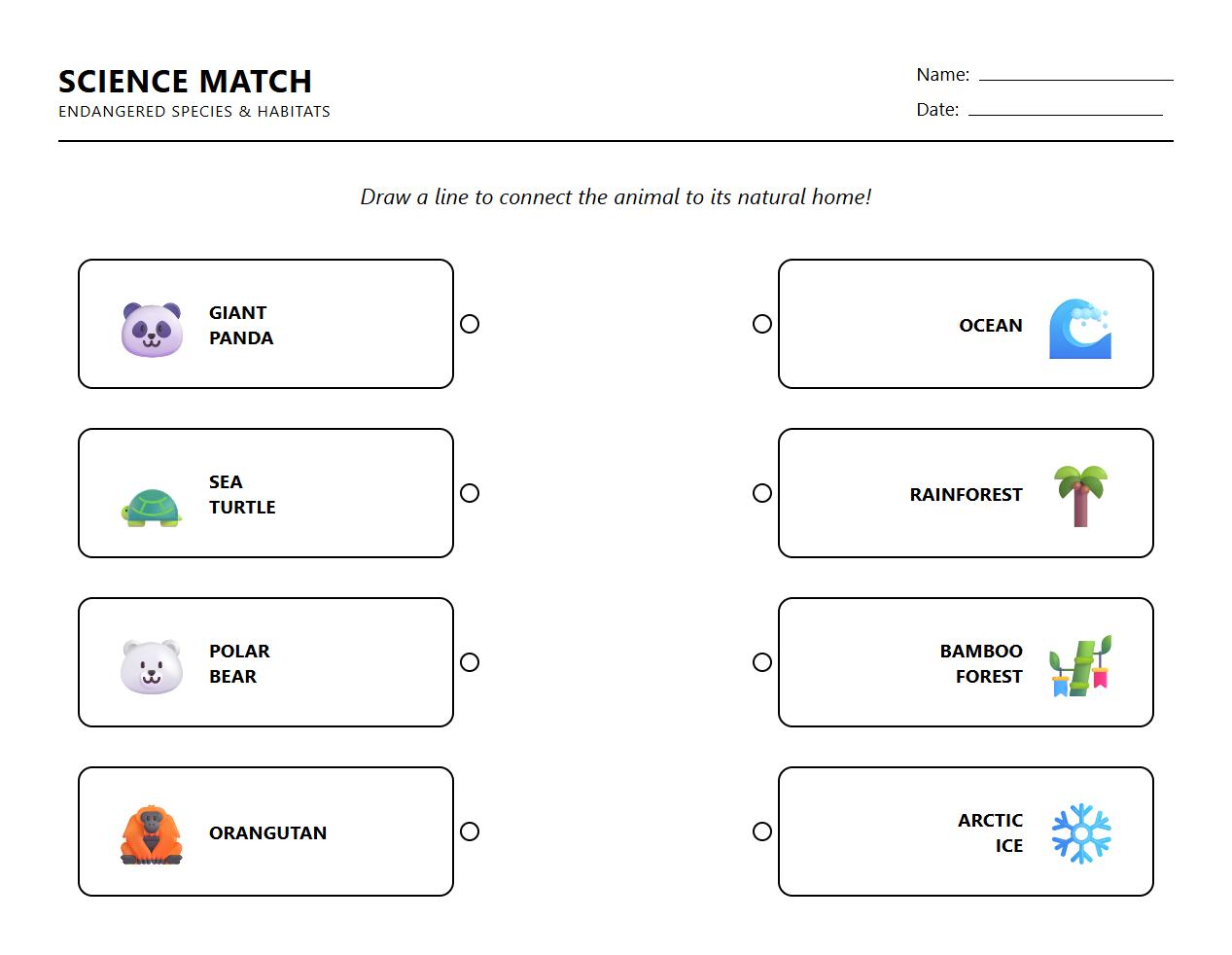
Match the Animal to Its Correct Habitat
Matching animals to their habitats helps children learn about where animals live and thrive. Use visual aids of forests, oceans, farms, and deserts to assist understanding. This activity improves observation and critical thinking skills. Focus on helping children recognize the importance of each animal's habitat.
Circle All the Animals that Belong on a Farm
Farm animals like cows, chickens, and pigs are commonly found in rural settings. This activity helps children differentiate between wild, domestic, and farm animals. It encourages visual discrimination and categorization skills. Highlight the role of farm animals in daily life for better understanding.
Which of These Animals Are Mammals?
Mammals are warm-blooded animals that usually have hair or fur and produce milk for their babies. Helping children identify mammals from a group promotes knowledge of animal characteristics. Include examples such as cows, dogs, and whales for clearer comprehension. Emphasize the key traits of mammals during the activity.
Where Does a Frog Live?
Frogs typically live near water sources like ponds, lakes, and wetlands. Teaching children the frog's habitat highlights the connection between animals and their environments. Use pictures and stories to show how frogs depend on water for survival. Reinforce the concept of a wetland habitat in nature.
Which Animal Can Fly?
Flying animals include birds, bats, and some insects. This activity helps children identify creatures based on their ability to fly, enhancing observation skills. Use examples such as eagles, butterflies, and bats to illustrate diversity. Focus on the unique feature of flight in the animal kingdom.
Connect Each Animal to What It Eats
Linking animals to their food helps children understand food chains and animal diets. Show examples like cows eating grass and lions eating meat. This activity supports knowledge of herbivores, carnivores, and omnivores. Highlight the importance of food choices in the animal's ecosystem.
Which Animals Are Reptiles?
Reptiles include animals like snakes, turtles, and lizards, characterized by scaly skin and cold-blooded metabolism. Teaching children to identify reptiles develops their understanding of animal groups. Use visuals and tactile materials to enhance learning about reptiles. Explain how they differ from mammals and birds.
Group These Animals by Where They Live: Land or Water
Sorting animals by habitat reinforces the concept of environmental adaptation. Use examples such as lions for land and fish for water to help children classify animals accurately. This activity improves categorization and critical thinking skills. Emphasize the difference between land and aquatic habitats.
What Makes a Bird Different from a Fish?
Birds have feathers, wings, and can usually fly, while fish have scales and live in water. Teaching these differences helps children understand adaptations and classifications. Use simple comparisons to highlight distinct features like lungs vs. gills. Focus on physical traits that set birds and fish apart.


Phonics Based Worksheet on Animal Homes for Kindergarten