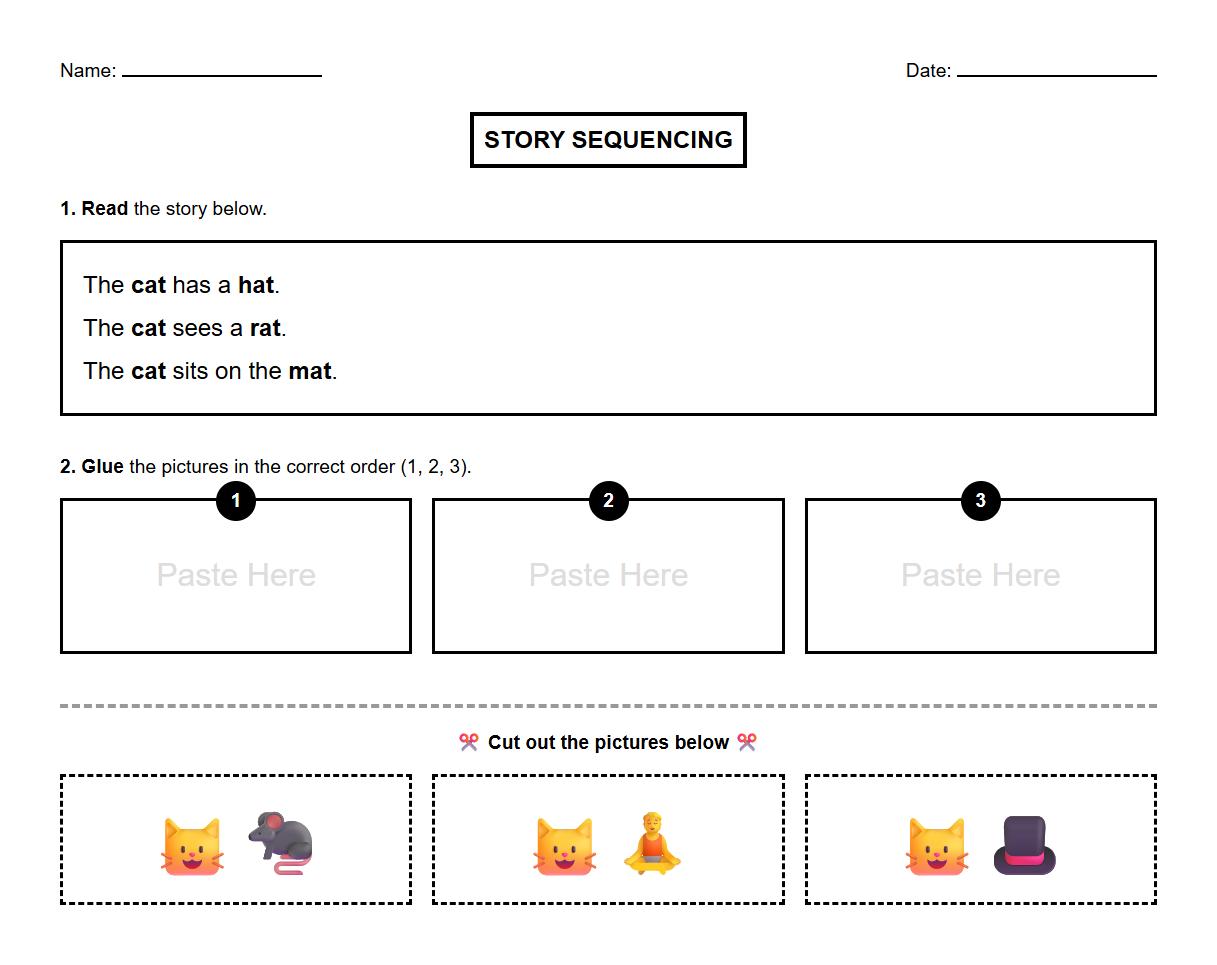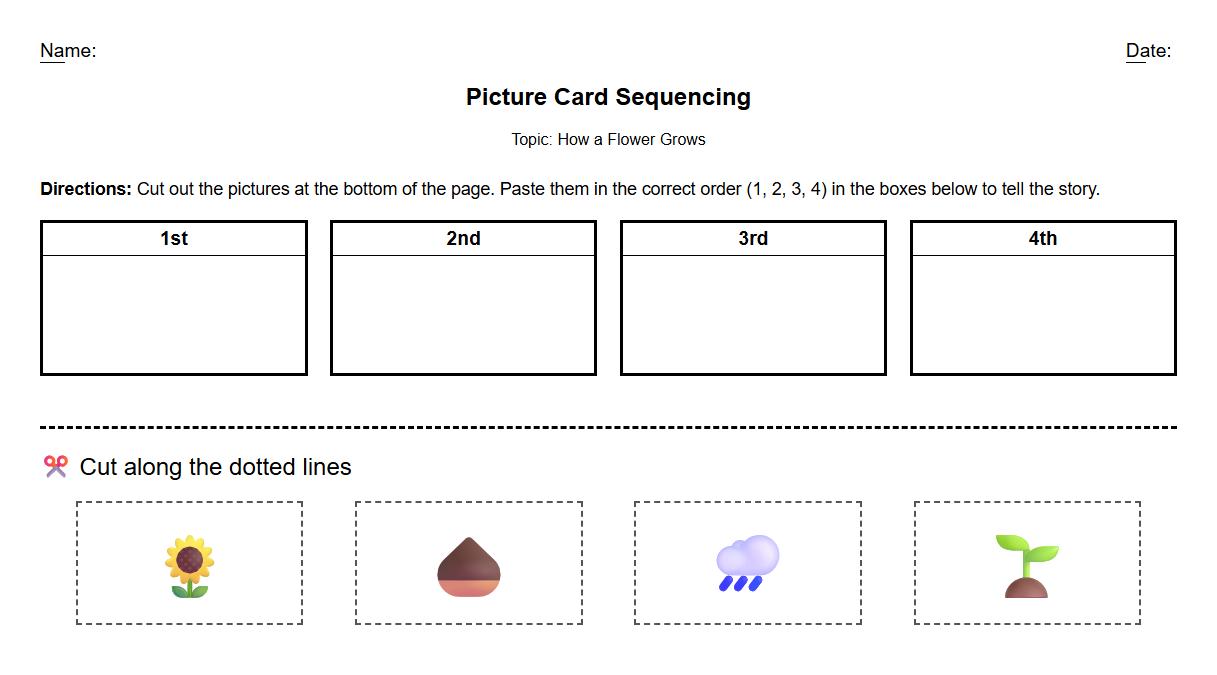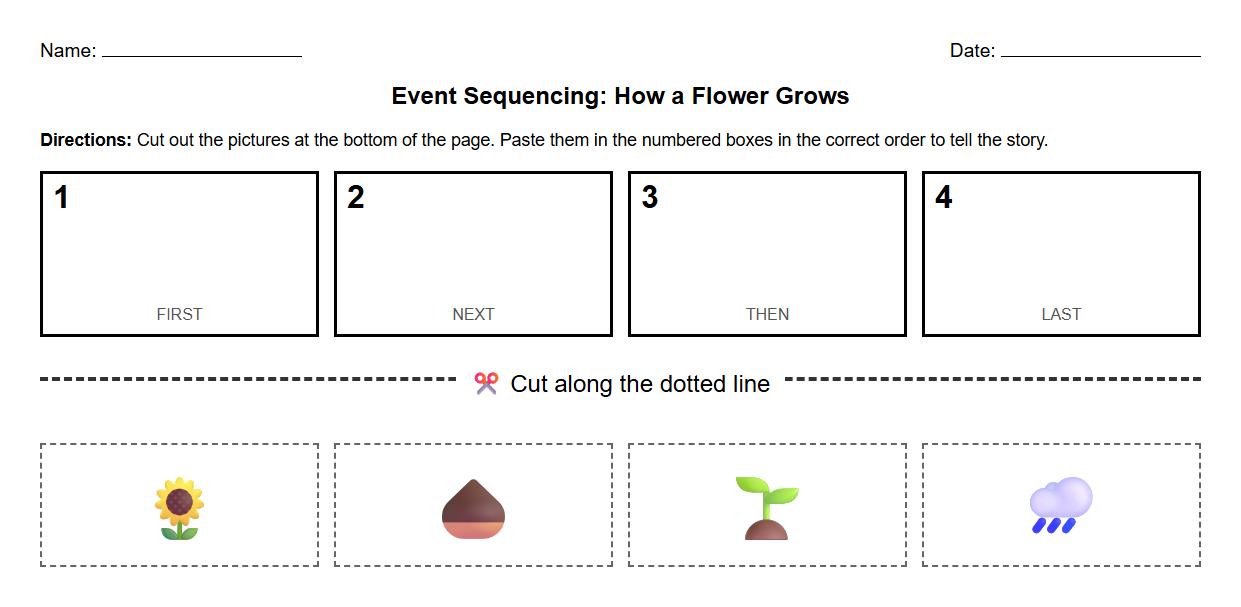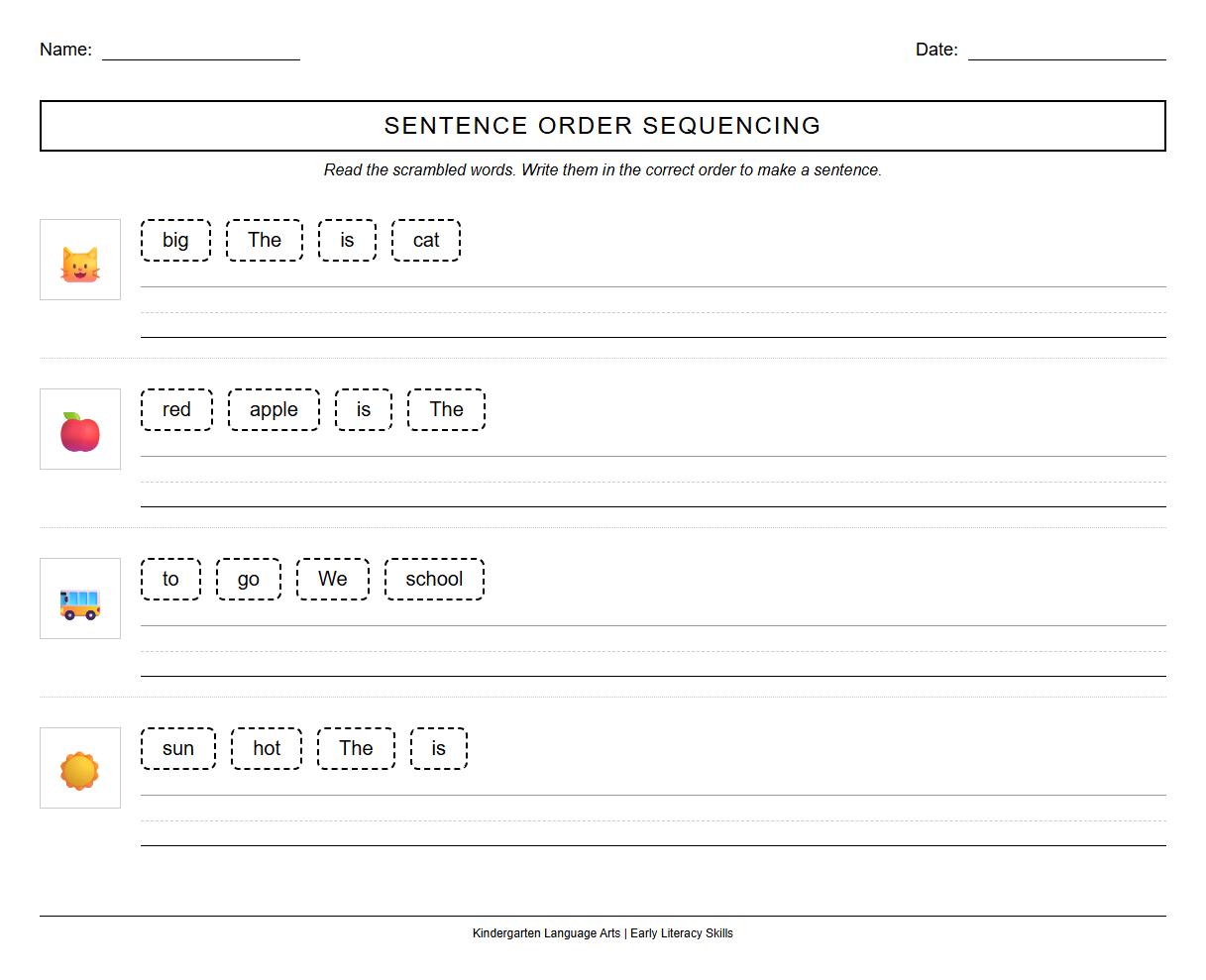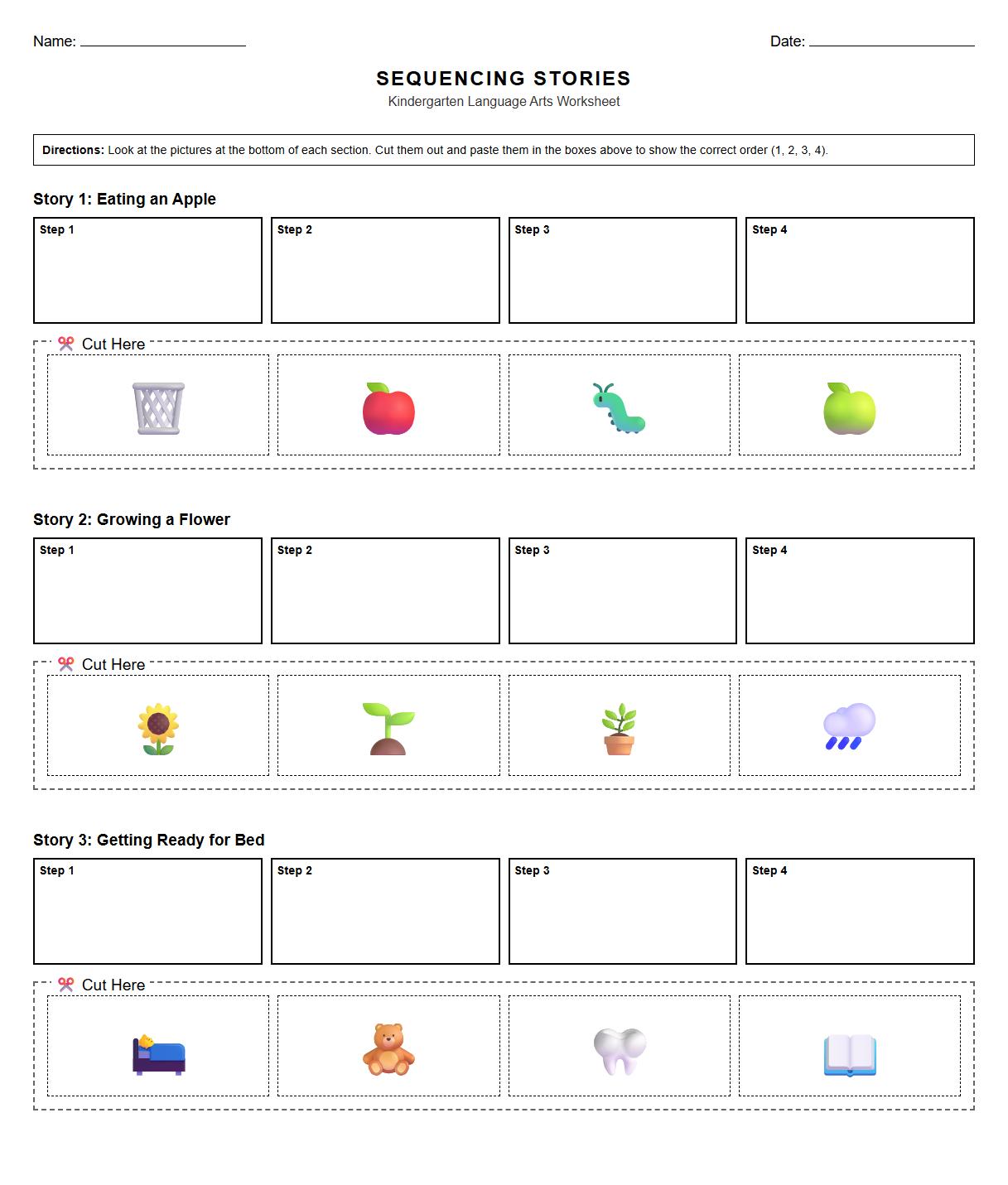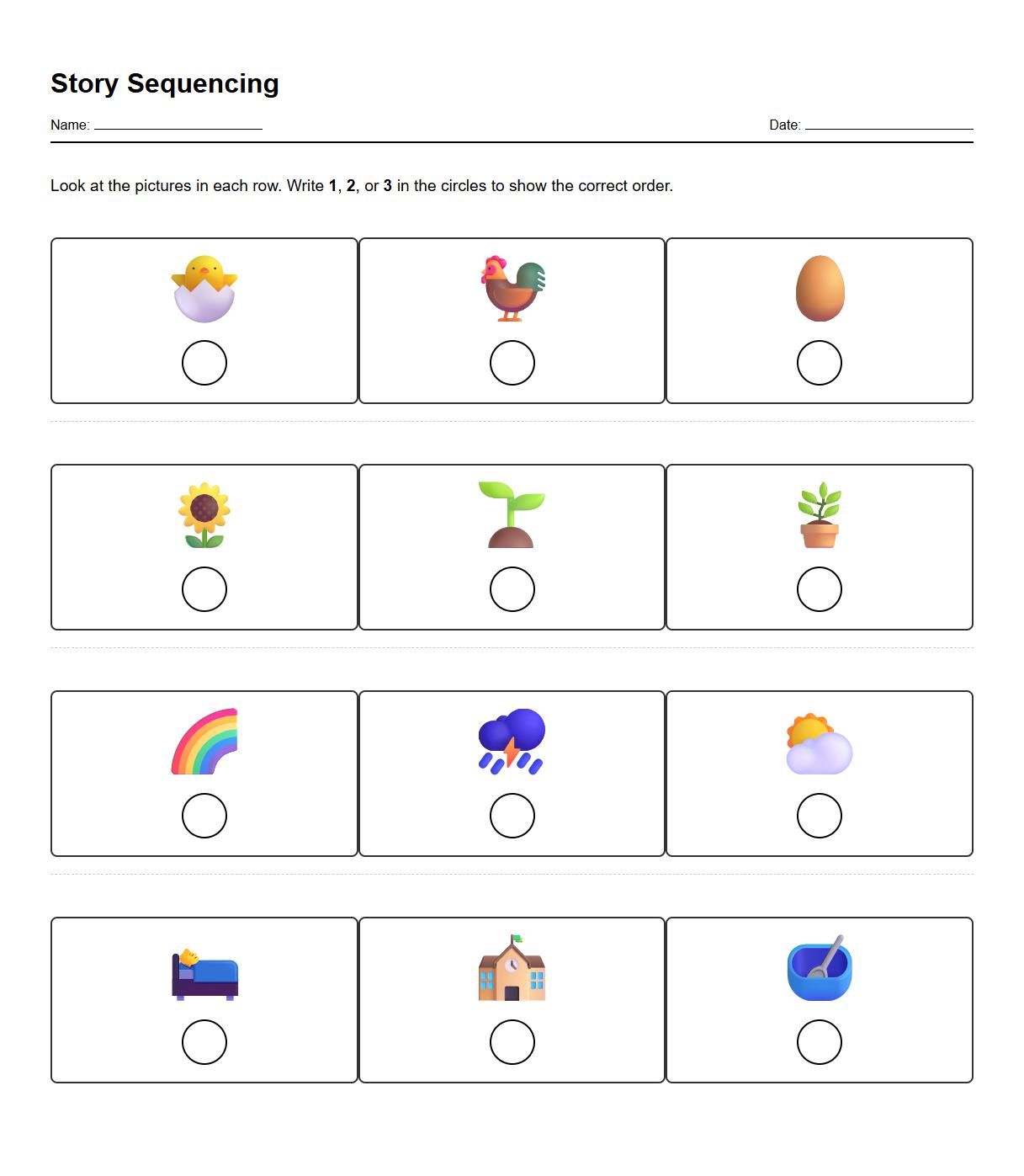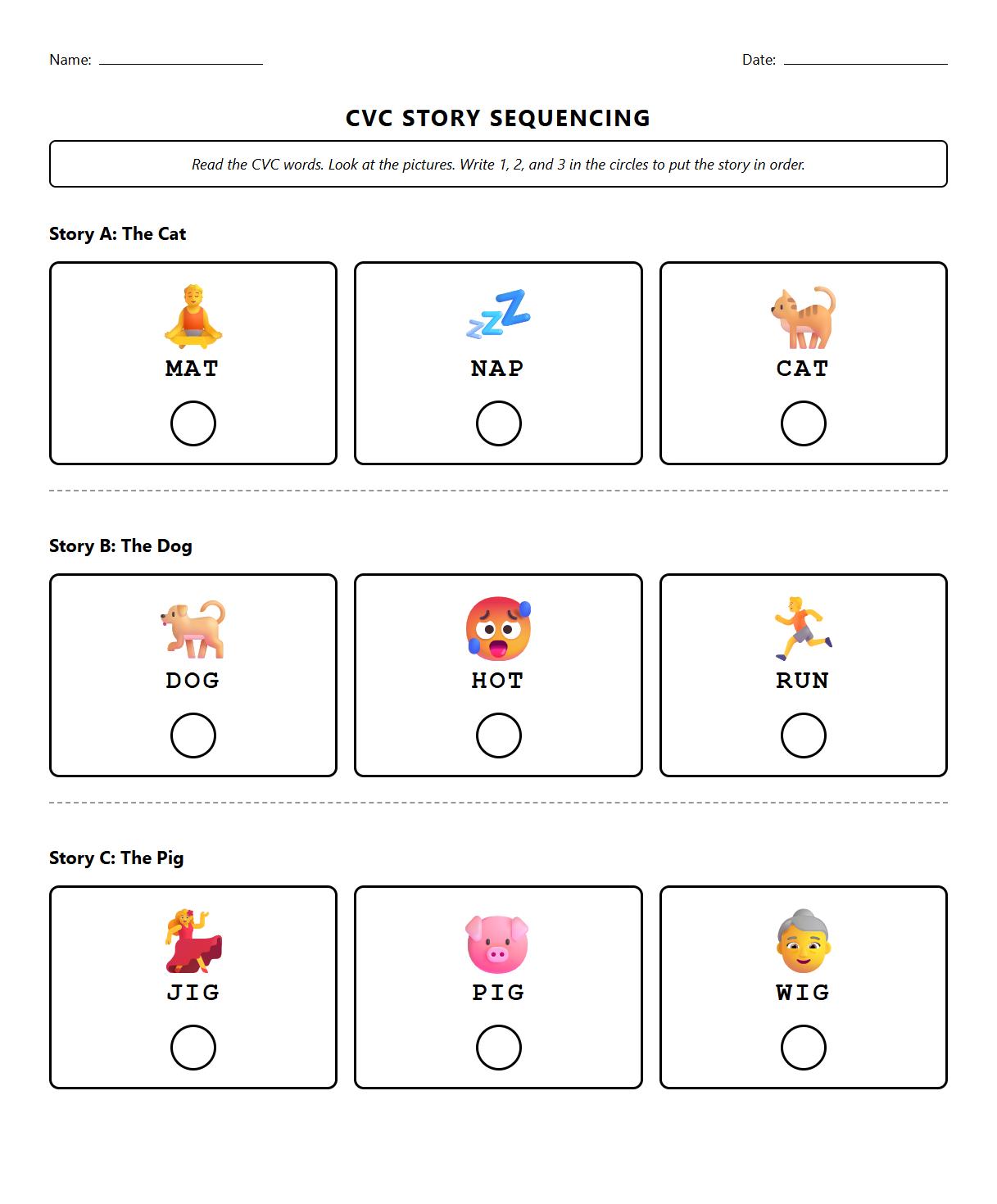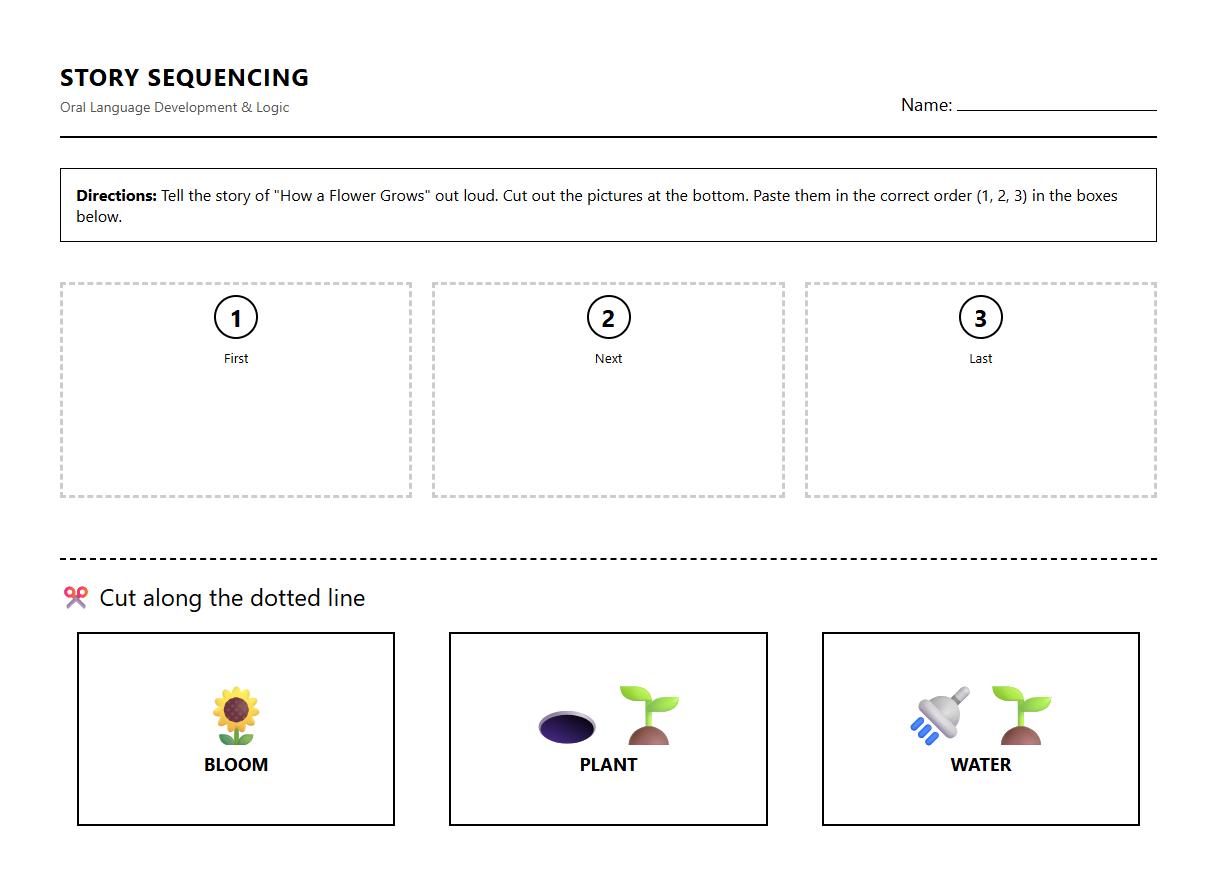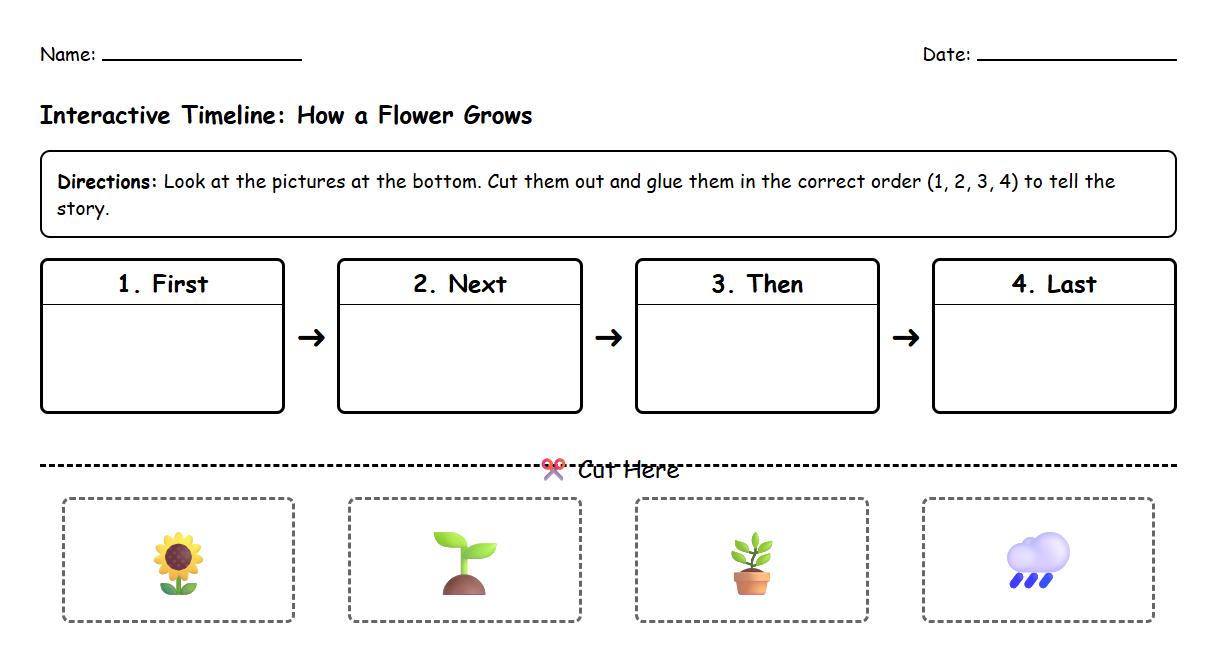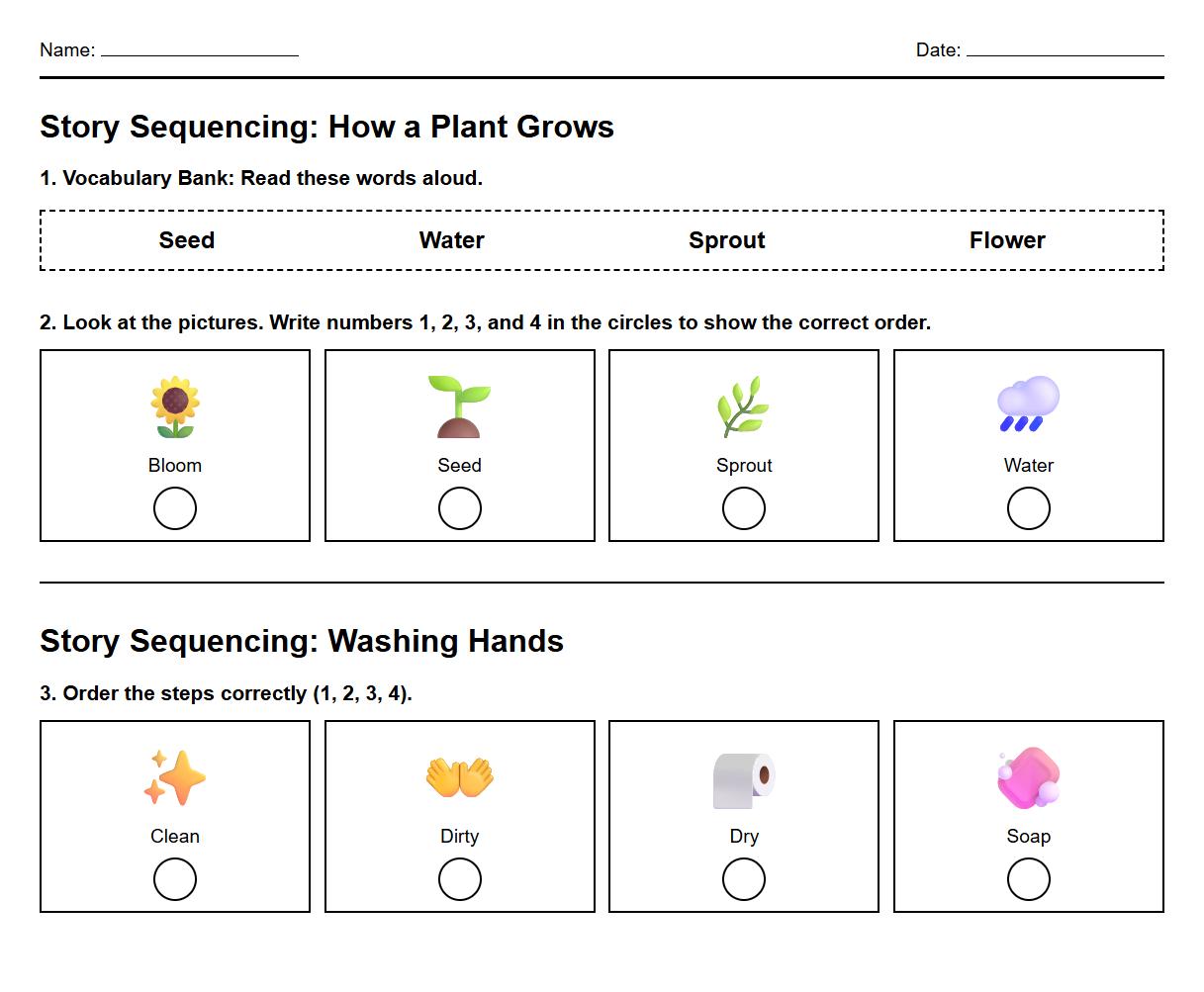
Interactive sequencing activity worksheets help early readers develop critical thinking and comprehension skills by arranging events in logical order. These engaging exercises enhance memory retention and improve narrative understanding through hands-on learning. Explore our collection of interactive sequencing worksheets designed to support early reading development.
Main Benefits of Using Interactive Sequencing Worksheets with Early Readers
Interactive sequencing worksheets enhance critical thinking by encouraging children to arrange events logically. These activities boost early literacy skills and promote a deeper understanding of story structure. They also engage young learners actively, making reading more enjoyable and meaningful. Incorporating interactivity helps retain attention and reinforces learning concepts effectively.
How Sequencing Activities Support Comprehension Skills in Kindergarten
Sequencing activities develop comprehension by helping children recognize the order of events and cause-effect relationships in stories. They teach students to summarize content, improving memory and narrative skills. These exercises encourage children to predict what happens next, fostering inferencing abilities. Overall, sequencing strengthens understanding and communication of story details.
Best Images or Stories for Sequencing Exercises at This Age Level
Simple, colorful images that depict familiar daily routines or well-known tales work best for young learners. Stories with clear beginning, middle, and end, such as "planting a seed" or "getting ready for school," are ideal. Visuals should be concrete and straightforward to ensure easy recognition and order placement. Using culturally relevant and relatable themes increases engagement and comprehension.
How Teachers Can Assess Understanding Through Sequencing Worksheets
Teachers can evaluate comprehension by observing how accurately students arrange the sequence of events. Discussion and verbal retelling after completing the worksheet provide insights into students' narrative skills. Checking for logical connections and ability to explain their choices reveals depth of understanding. Formative assessments during these activities guide further instructional support.
Engaging Themes for Interactive Sequencing Activities for Early Readers
Popular themes include daily routines, animal life cycles, holiday celebrations, and fairy tales. Using relatable and fun topics, such as "a trip to the zoo" or "making a sandwich," captures children's interest. Themes that reflect students' cultural backgrounds or community experiences create meaningful connections. Seasonal and nature-based themes also encourage curiosity and relevance in learning.
Teacher Guidance During Sequencing Worksheet Activities
Providing appropriate guidance ensures children understand the task without losing independence. Teachers should offer clear instructions, model examples, and prompt with questions during activities. Encouraging children to verbalize their thought process supports deeper learning. Guidance should balance support and self-discovery to build confidence and skills.
Differentiating Sequencing Worksheets for Various Skill Levels
Worksheets can be tailored by varying the number of sequence steps and complexity of the story. For beginners, use fewer steps and simple, familiar images; for advanced learners, introduce longer sequences and descriptive narratives. Including choices for sequencing or matching helps scaffold learning. Differentiation ensures all students are challenged appropriately and can progress at their own pace.
Materials or Tools to Enhance the Interactivity of Sequencing Worksheets
Using movable picture cards, magnetic boards, and digital apps increases hands-on engagement. Incorporating stickers or drawing elements allows creativity and tactile involvement. Audio prompts or storytelling apps can support auditory learners. These tools transform sequencing worksheets into dynamic learning experiences that cater to multiple senses.
How Sequencing Activities Help Develop Fine Motor Skills in Kindergarten
Manipulating small cards or placing stickers requires precision, enhancing fine motor control. Drawing or writing sequences encourages hand-eye coordination and pencil grip development. Repetitive movements during these activities strengthen muscles needed for writing tasks. Sequencing worksheets combine cognitive and physical skill-building essential for early learners.
Strategies to Encourage Group Collaboration During Sequencing Exercises
Assigning roles such as reader, sorter, or narrator promotes teamwork and responsibility. Using cooperative games where students collectively arrange sequences fosters communication and social skills. Group discussions about sequence choices cultivate listening and respect for others' ideas. Collaborative sequencing activities create a supportive learning environment encouraging peer interaction.


Kindergarten Phonics and Comprehension Story Sequencing Sheets