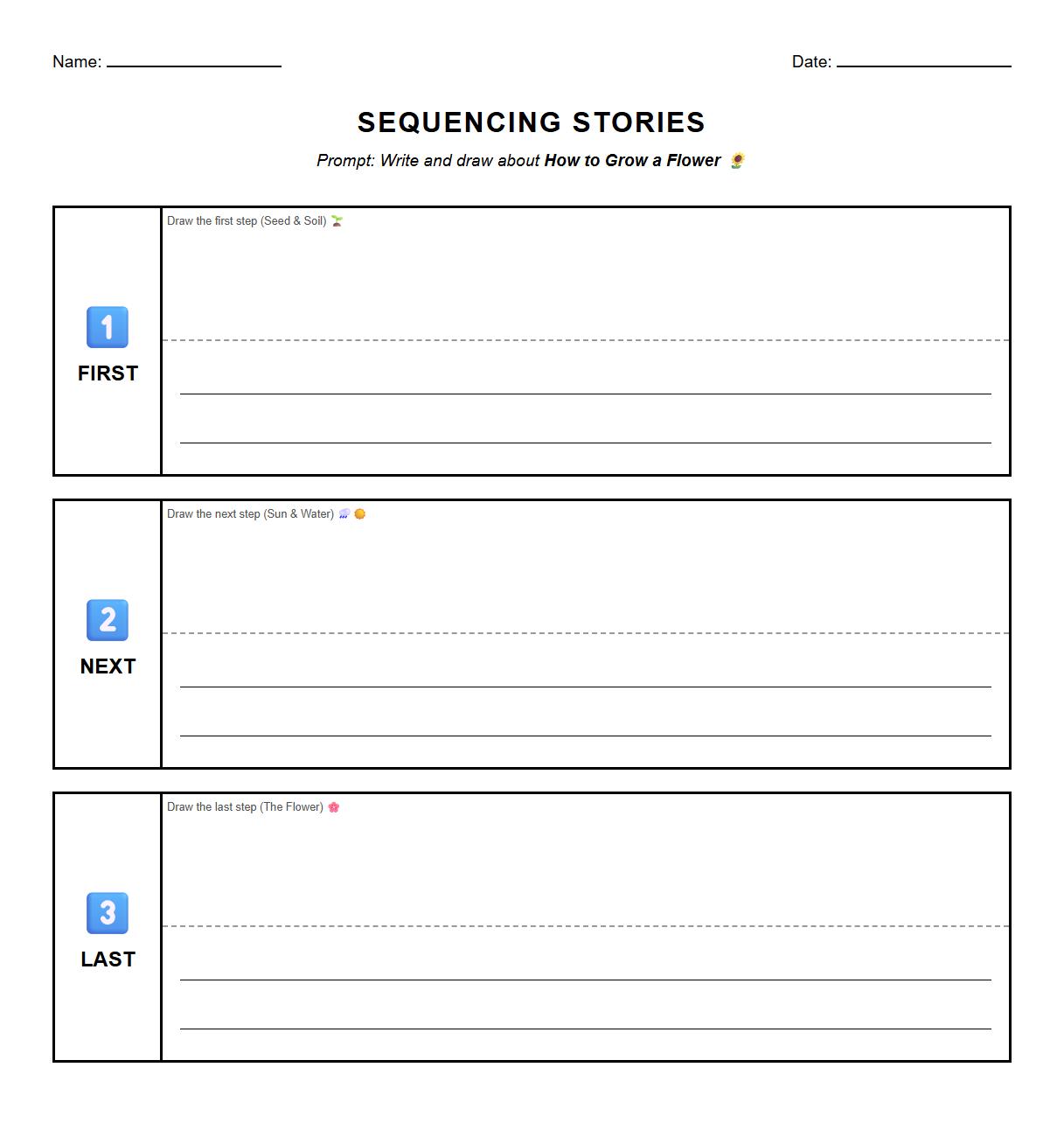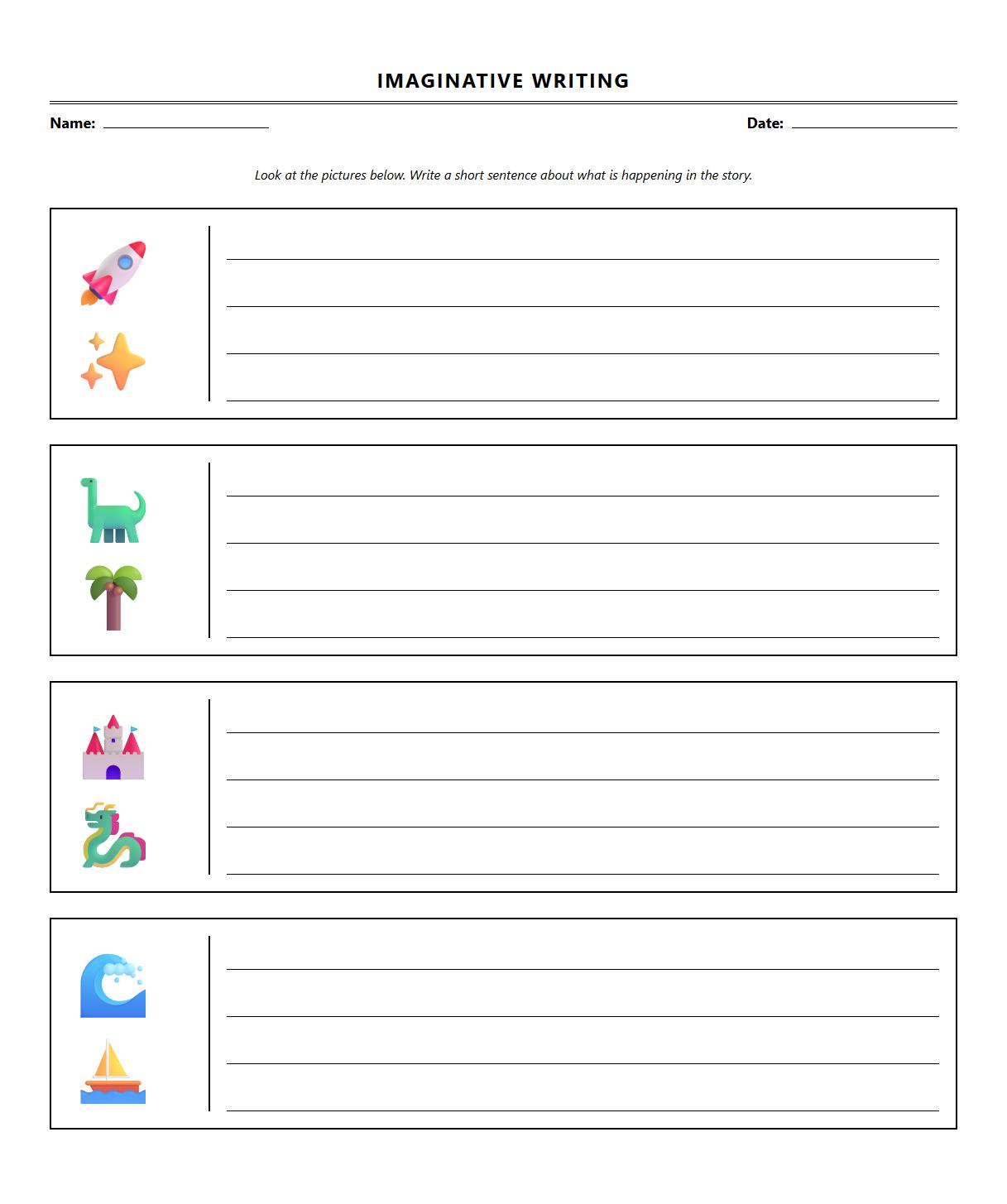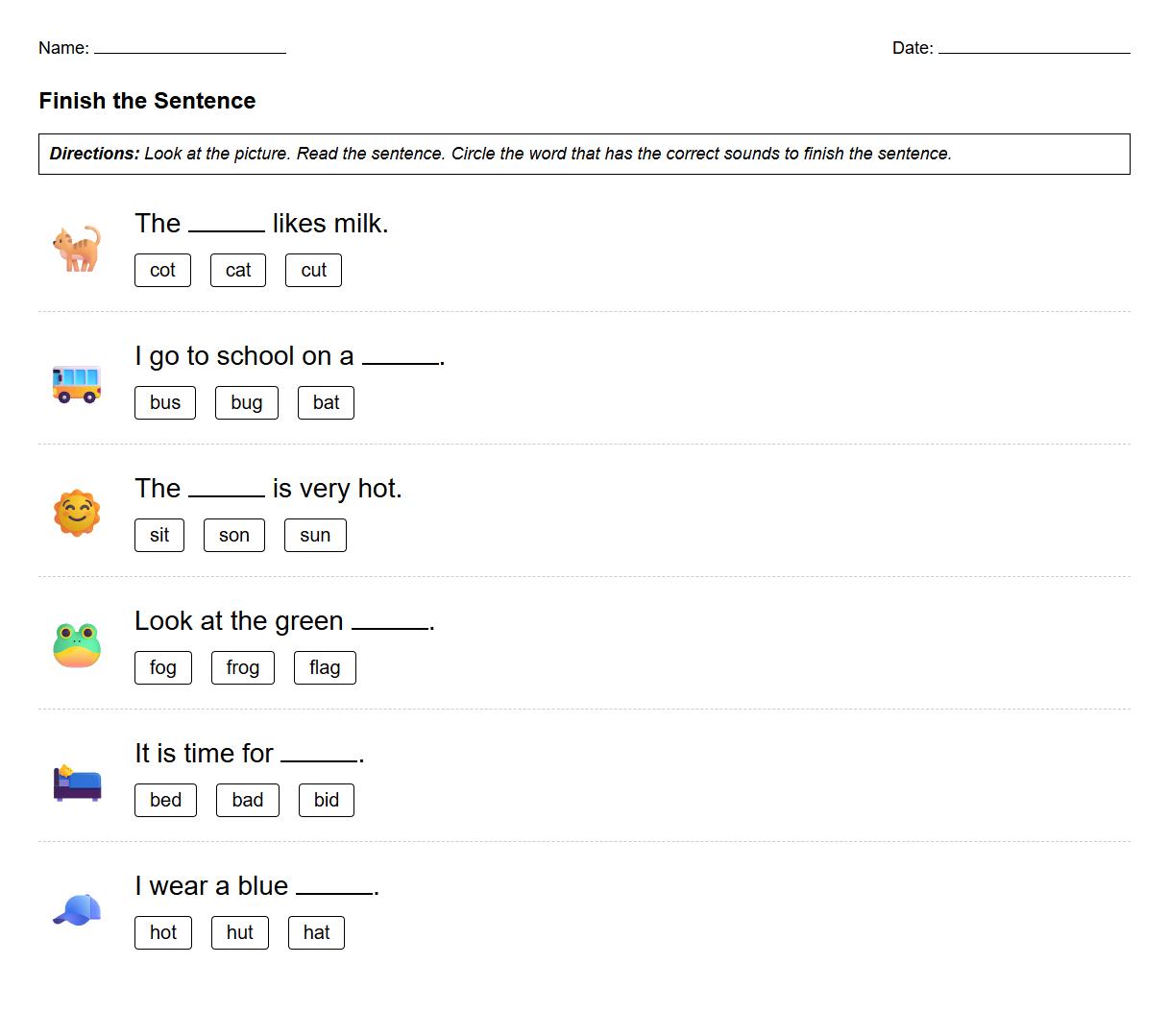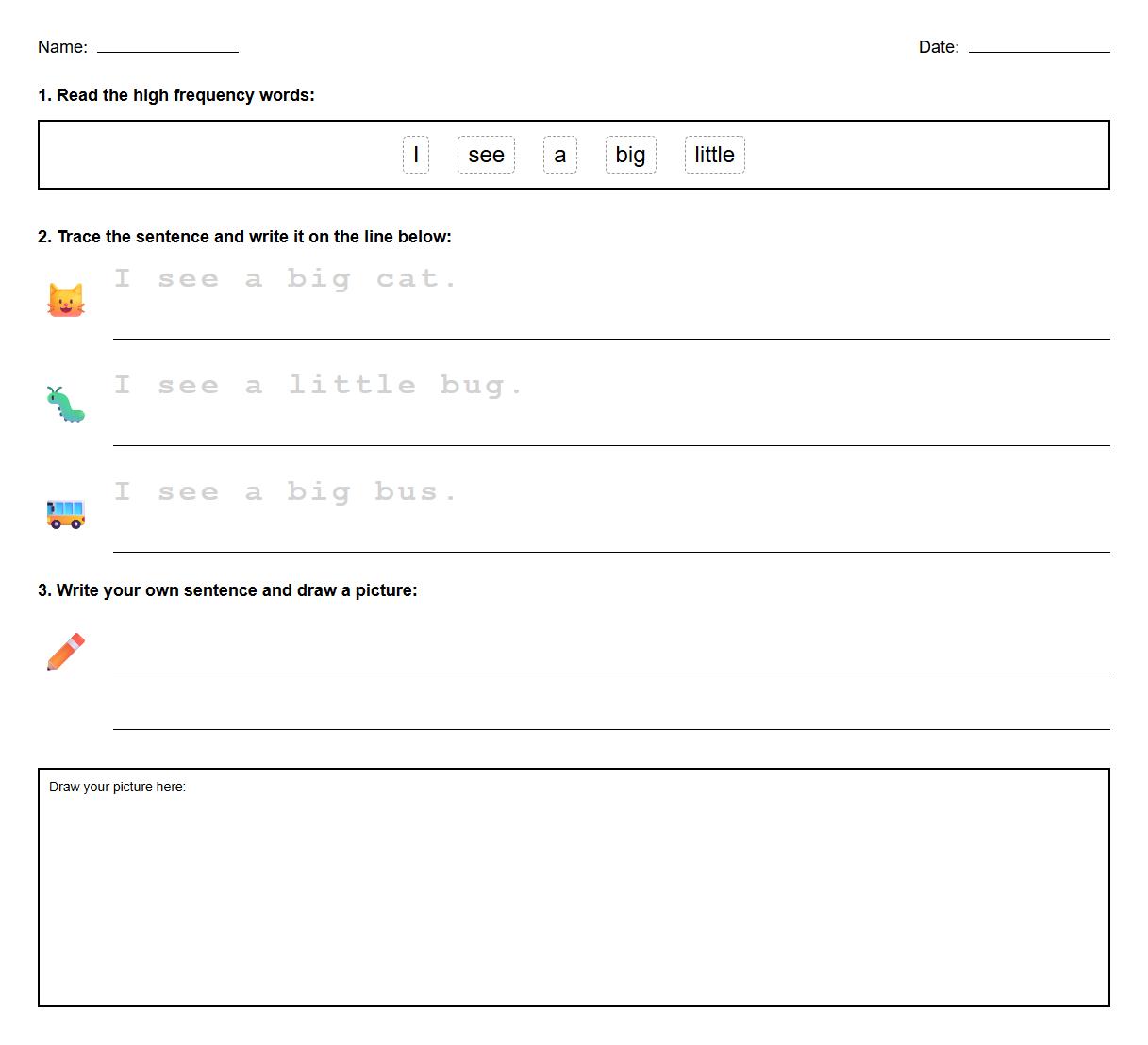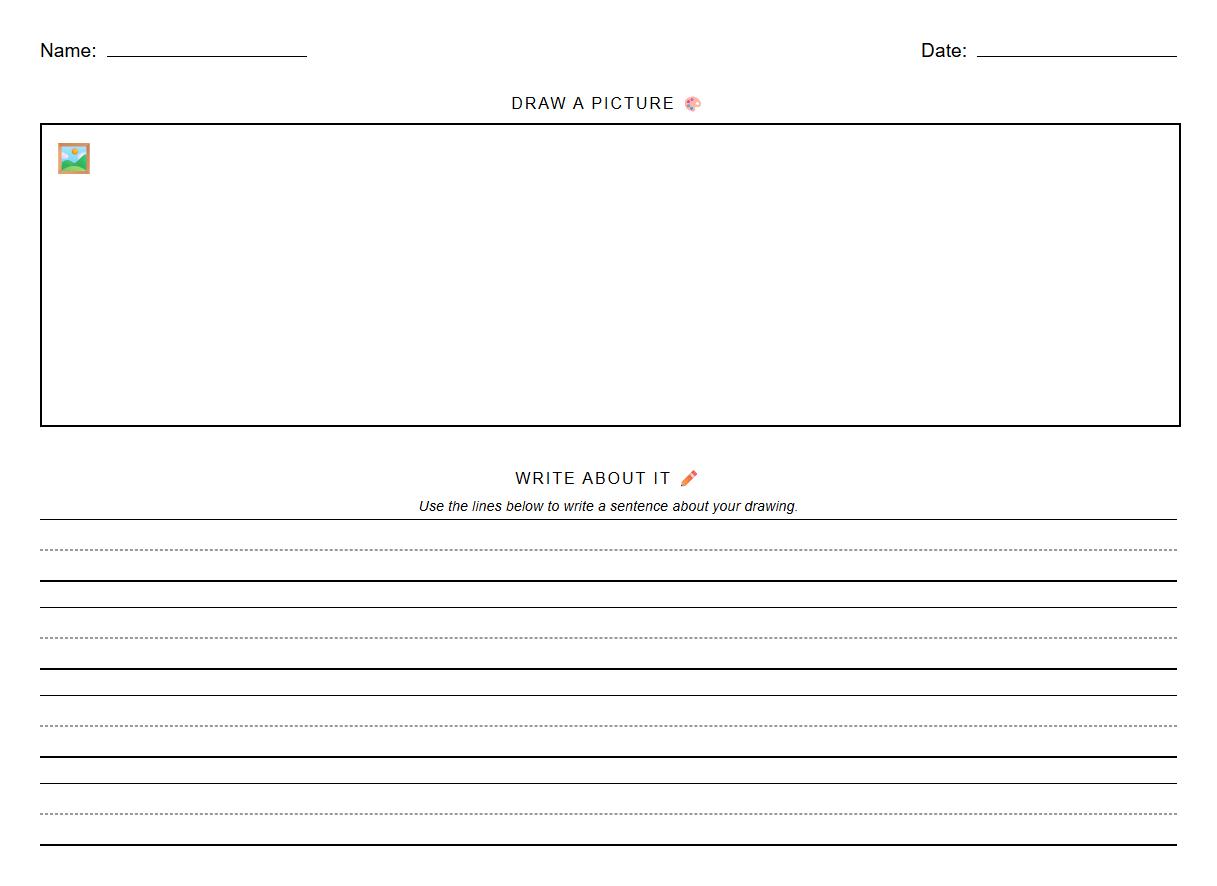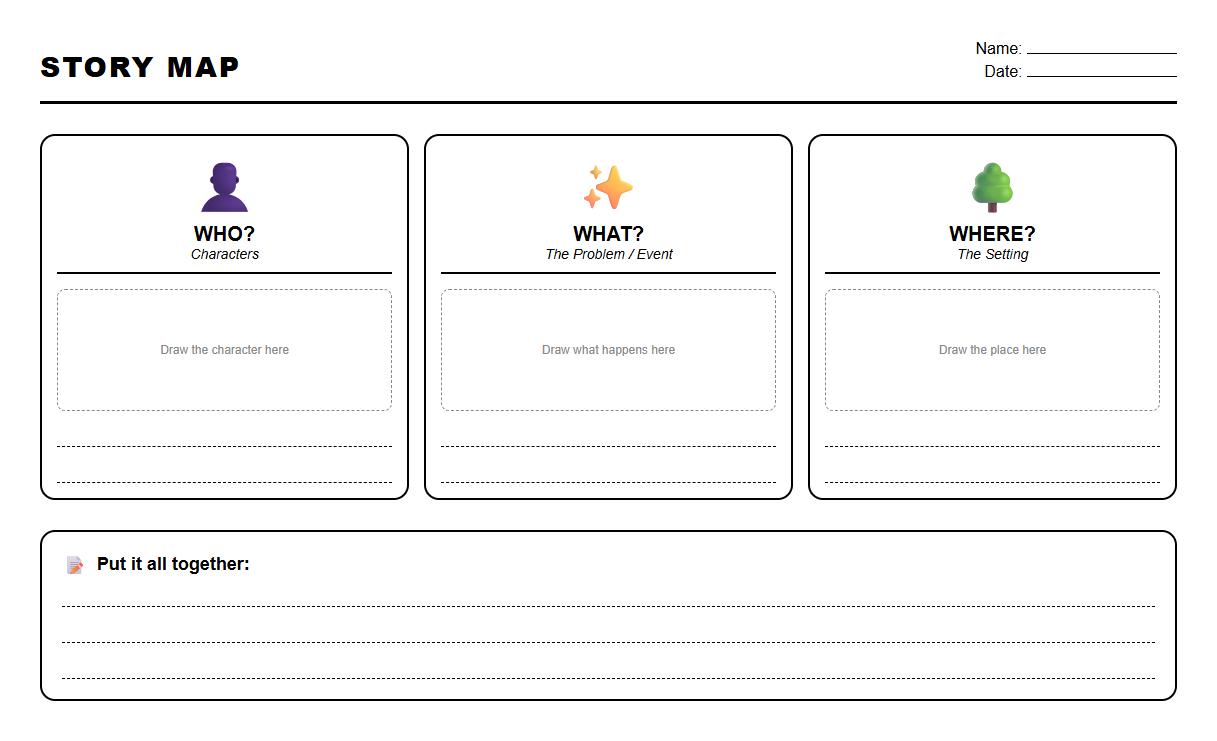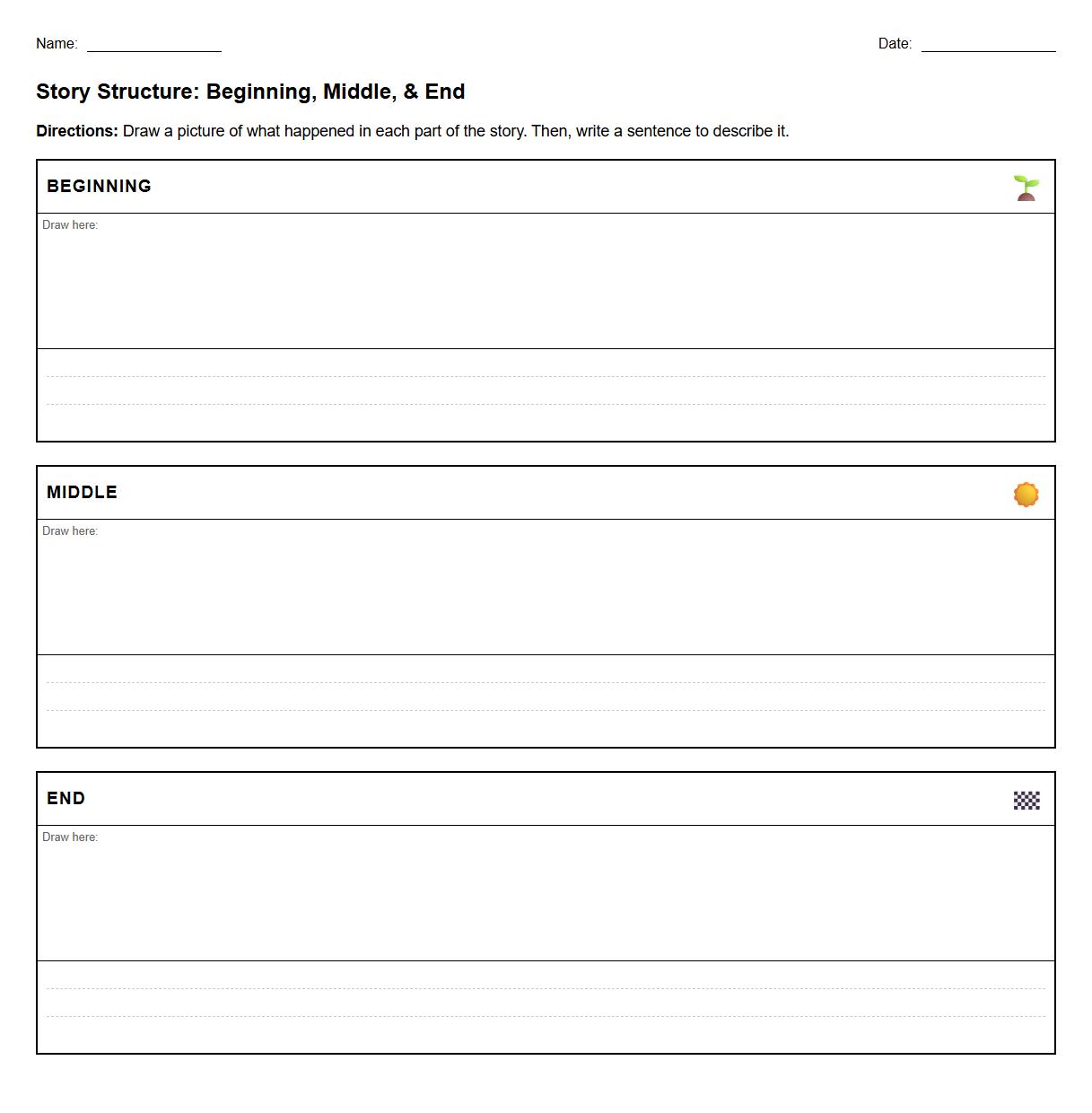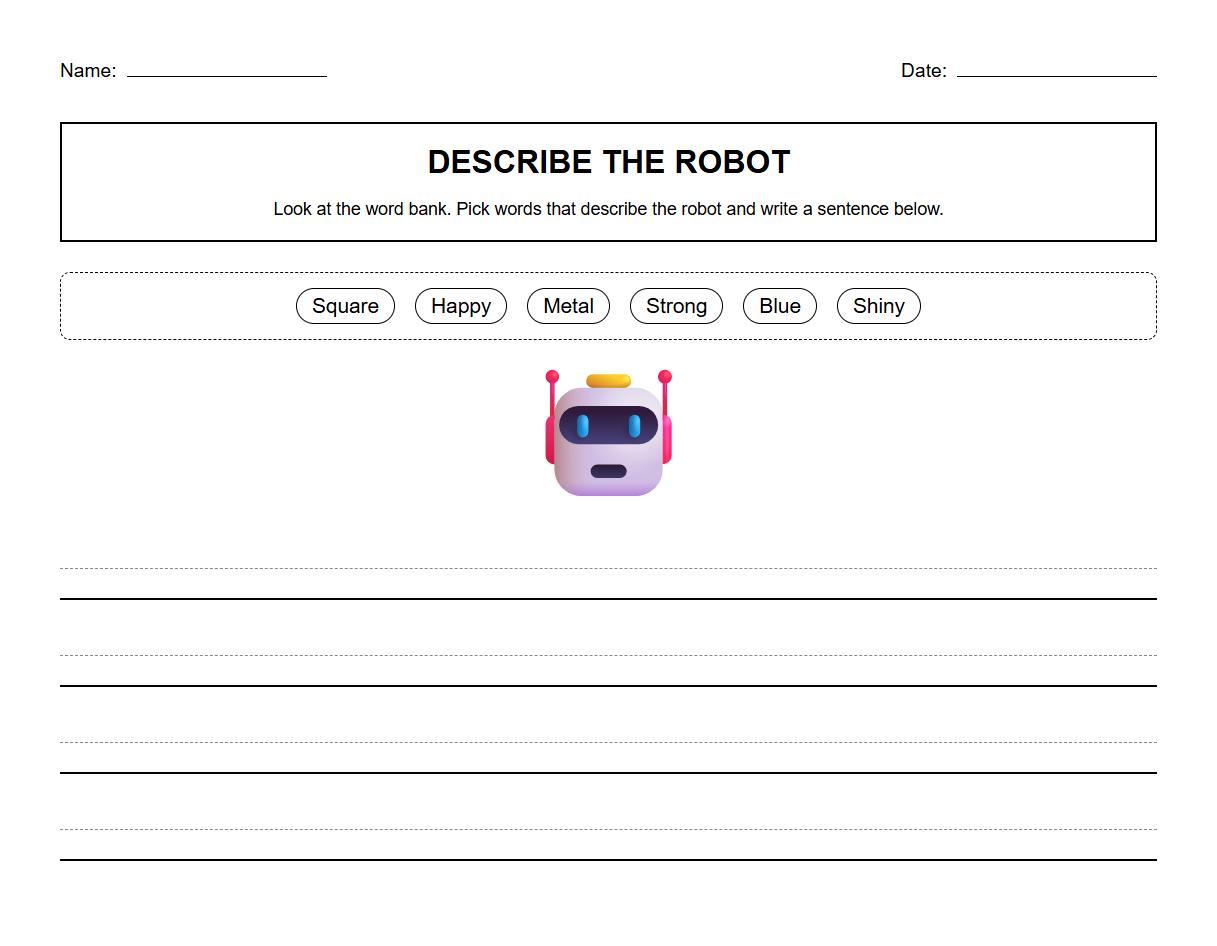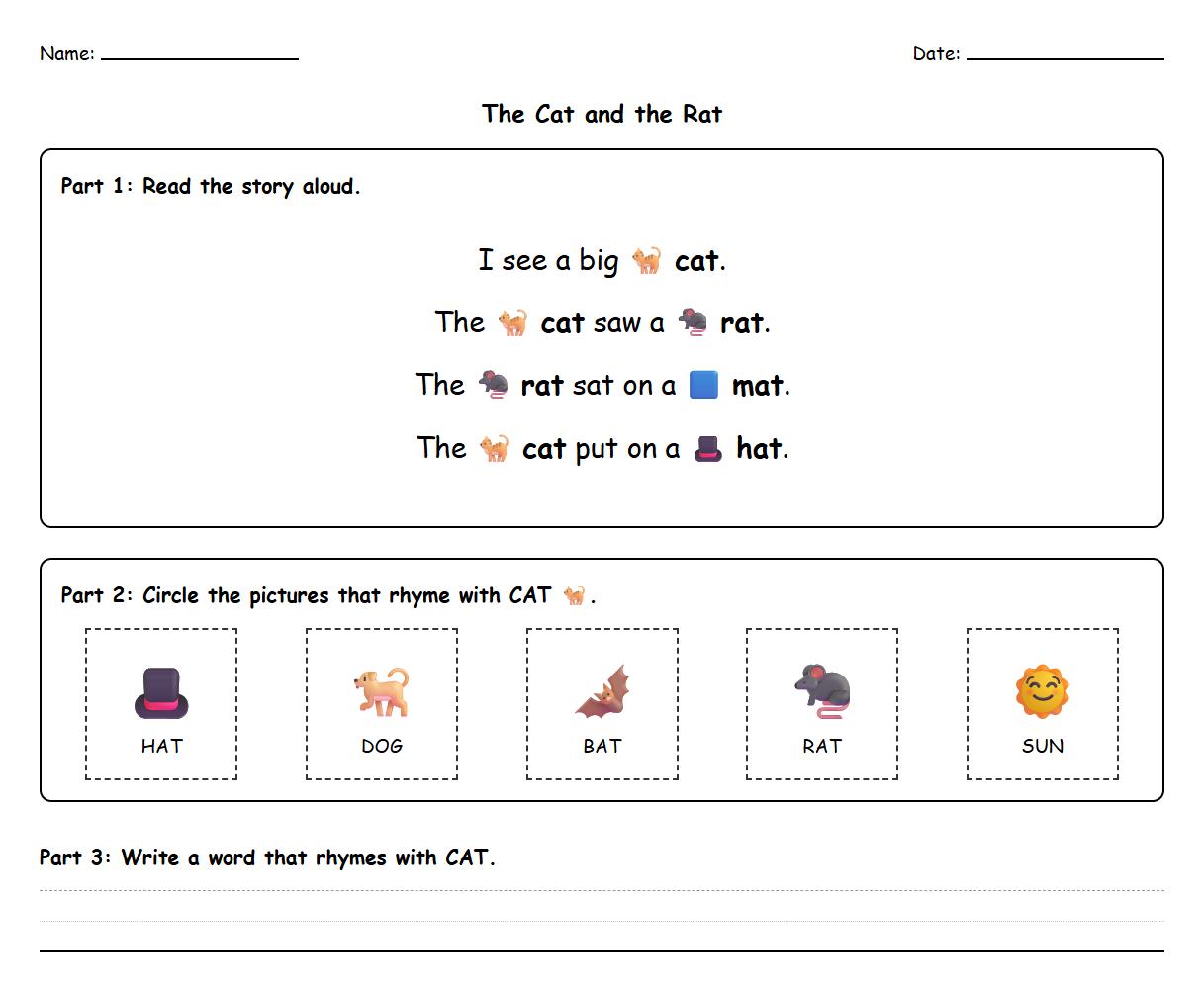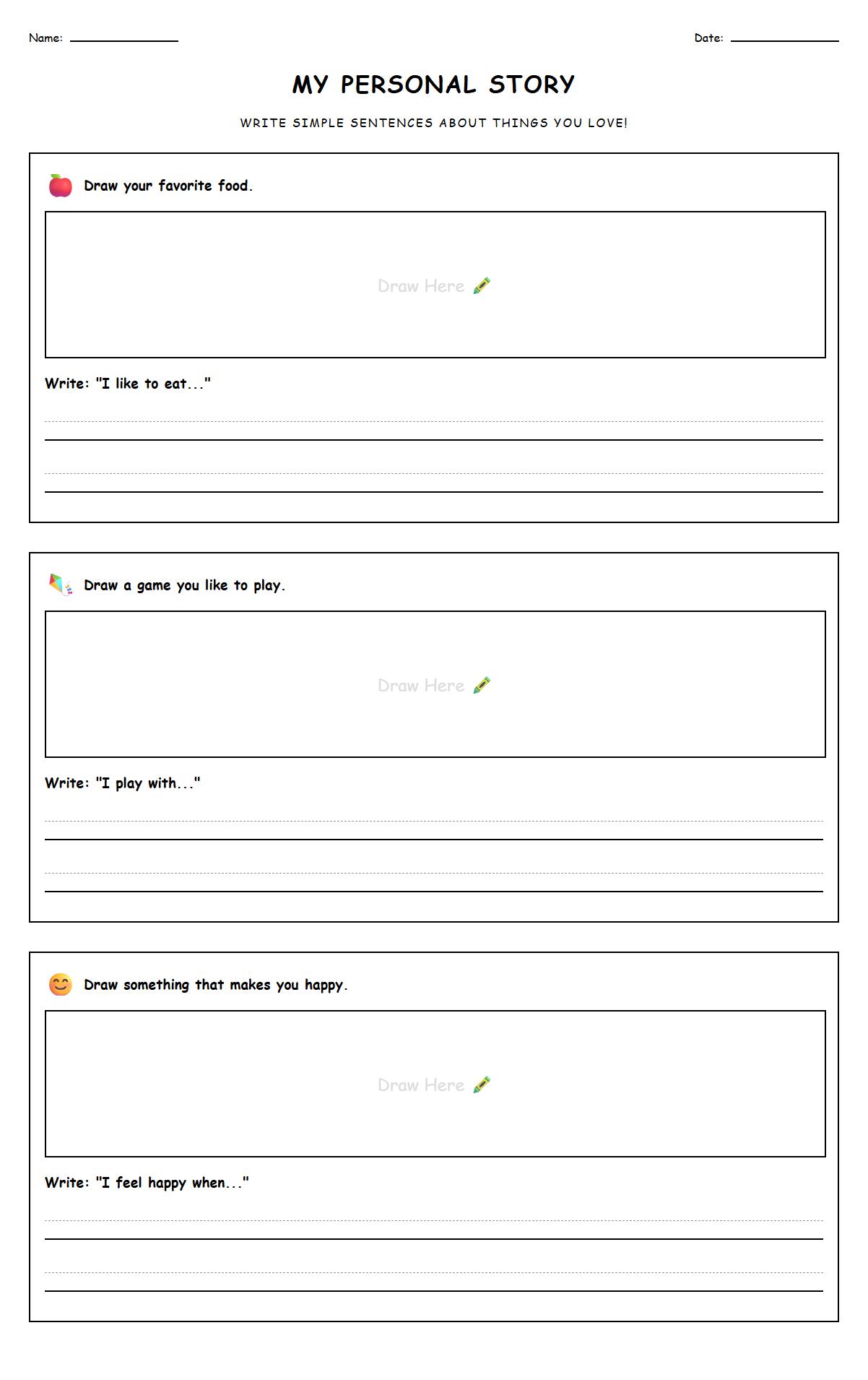
Kindergarten story starter worksheets ignite young imaginations and build early writing skills through fun, engaging prompts tailored to their level. These worksheets encourage creativity while developing vocabulary, sentence structure, and narrative understanding. Explore our collection of writing prompt worksheets designed to inspire your kindergartener's storytelling journey.
What is Your Favorite Animal and What Adventure Does It Go On?
Encourage children to explore their imagination by describing their favorite animal and an exciting adventure it embarks on. This activity helps develop creative thinking and narrative skills. Teachers and parents can guide kids to use vivid words and sequence their story clearly. It's a fun way to practice storytelling and animal knowledge.
Write About a Magical Garden You Discover in Your Backyard
This prompt invites children to visualize a magical garden filled with extraordinary plants and creatures. It promotes creative writing and helps them practice descriptive language. Adults can support by asking questions about what makes the garden magical and what happens there. The exercise fosters imagination and sensory details in writing.
Imagine You Found a Hidden Treasure at School. What is Inside?
Encourage exploration of curiosity and discovery with this exciting writing prompt. Children can invent what kinds of treasures might be found and why they are special. This task enhances sequencing skills as they describe what happens after finding the treasure. Teachers and parents can motivate storytelling with questions about feelings and surprises.
Tell a Story About a Friendly Dinosaur Visiting Your Class
This prompt encourages kids to blend fantasy and social skills by imagining a dinosaur visiting their classroom. It helps develop dialogue and cooperative behavior themes in stories. Adults can assist by discussing how the dinosaur interacts with classmates and what they learn. This imaginative play supports emotional understanding and creativity.
Describe a Rainy Day and What Fun Things You Do Inside
Children can practice descriptive writing by explaining a rainy day and indoor activities. This helps them focus on sensory details and cozy settings. Parents and teachers should encourage naming specific actions and feelings during the rainy day. It builds vocabulary and the ability to write about everyday experiences.
Write About a Picnic with Your Family in the Park
This prompt fosters writing about family and outdoor experiences. Kids can describe food, games, and nature in the park, enhancing their descriptive language. Supporting adults can ask about the favorite parts of the picnic and who is there. This encourages narrative structure and sharing personal stories.
What Happens When Your Toy Comes to Life?
Imaginative thinking is stimulated by describing a toy coming to life and the adventures that follow. Children can incorporate dialogue and creative scenarios to make the story lively. Teachers and parents should prompt them to consider the toy's personality and how it changes the day. This exercise strengthens creativity and expressive writing.
Share a Story About Helping a Friend at School
This prompt emphasizes kindness and empathy by encouraging children to write about helping classmates. It teaches valuable social skills and emotional awareness. Adults can guide the story by asking how helping made them feel and what the friend did in return. This builds narrative ability and fosters positive behaviors.
Imagine You Can Fly for a Day. Where Would You Go?
Encourage imagination with the theme of flying and adventure. Kids can explore different places and describe the sights from above. Supporting adults should ask about feelings of flying and what they hope to see or do. This prompt enhances descriptive skills and broadens creative thinking.
Tell About a Birthday Party for Your Favorite Character
This activity allows children to blend creativity with their favorite stories by describing a birthday party for a beloved character. They can include guests, decorations, and fun activities, practicing narrative details. Teachers and parents can encourage including sensory descriptions and emotions. This builds storytelling and imaginative play.


Engaging Phonics Worksheet Activities for Short Vowels in Kindergarten