Shape Hunt in the Classroom: 2D and 3D Object Recognition

📅 Jan 5, 2025 👤 Nylen Smith

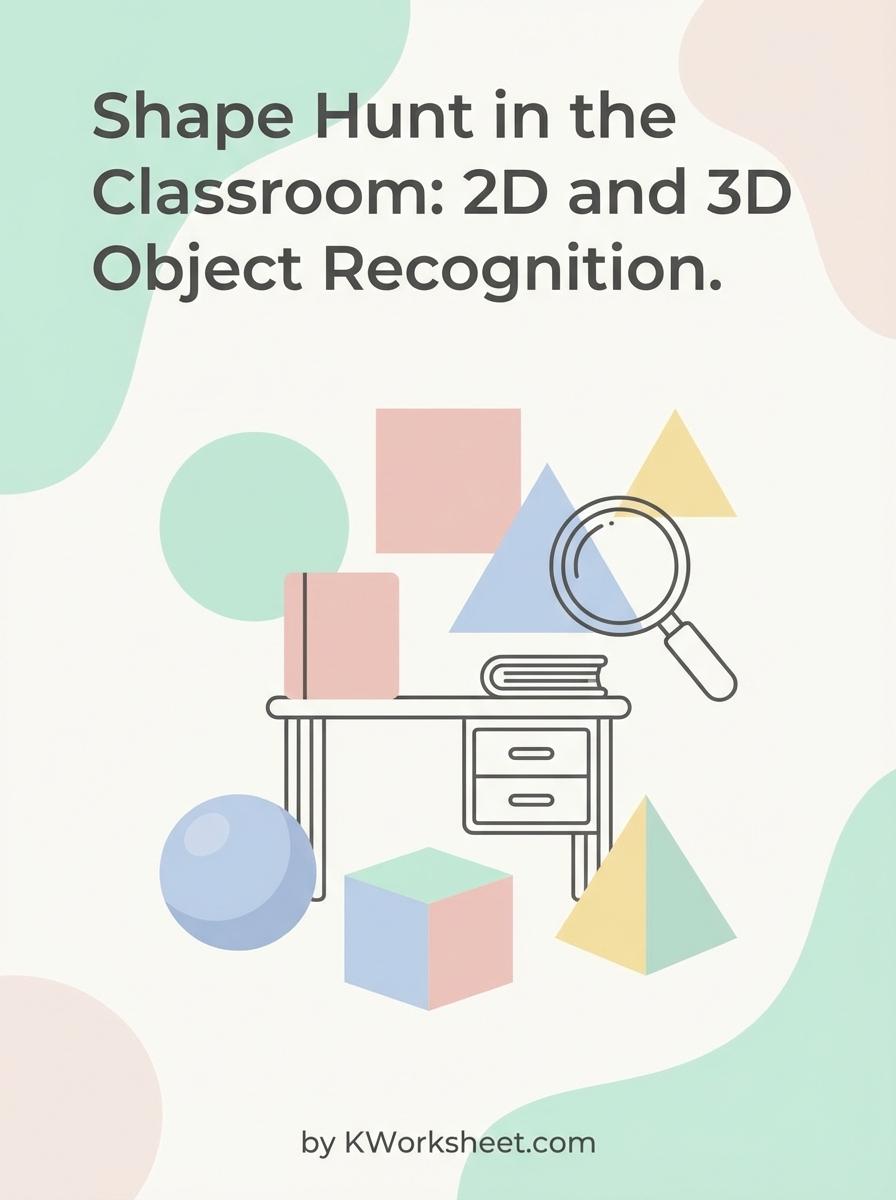
Shape Hunt in the Classroom promotes active learning by encouraging students to identify and categorize both 2D and 3D objects in their everyday environment. This hands-on activity enhances spatial awareness and strengthens geometric understanding through practical exploration. Explore our curated worksheets to support engaging shape recognition exercises.

Phonics Focused Shape Sort Worksheet
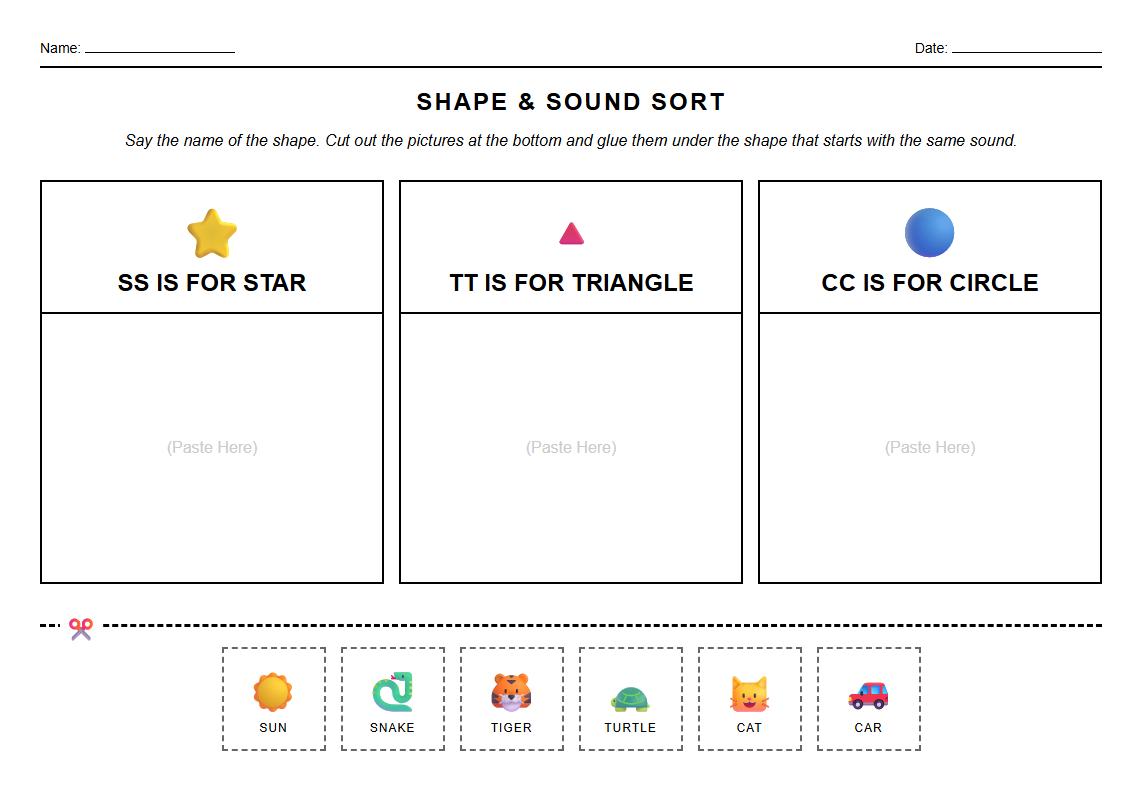
Phonics Focused Shape Sort Worksheet

Download PDF     Pin it

Venn Diagram for Comparing 2D and 3D Shapes
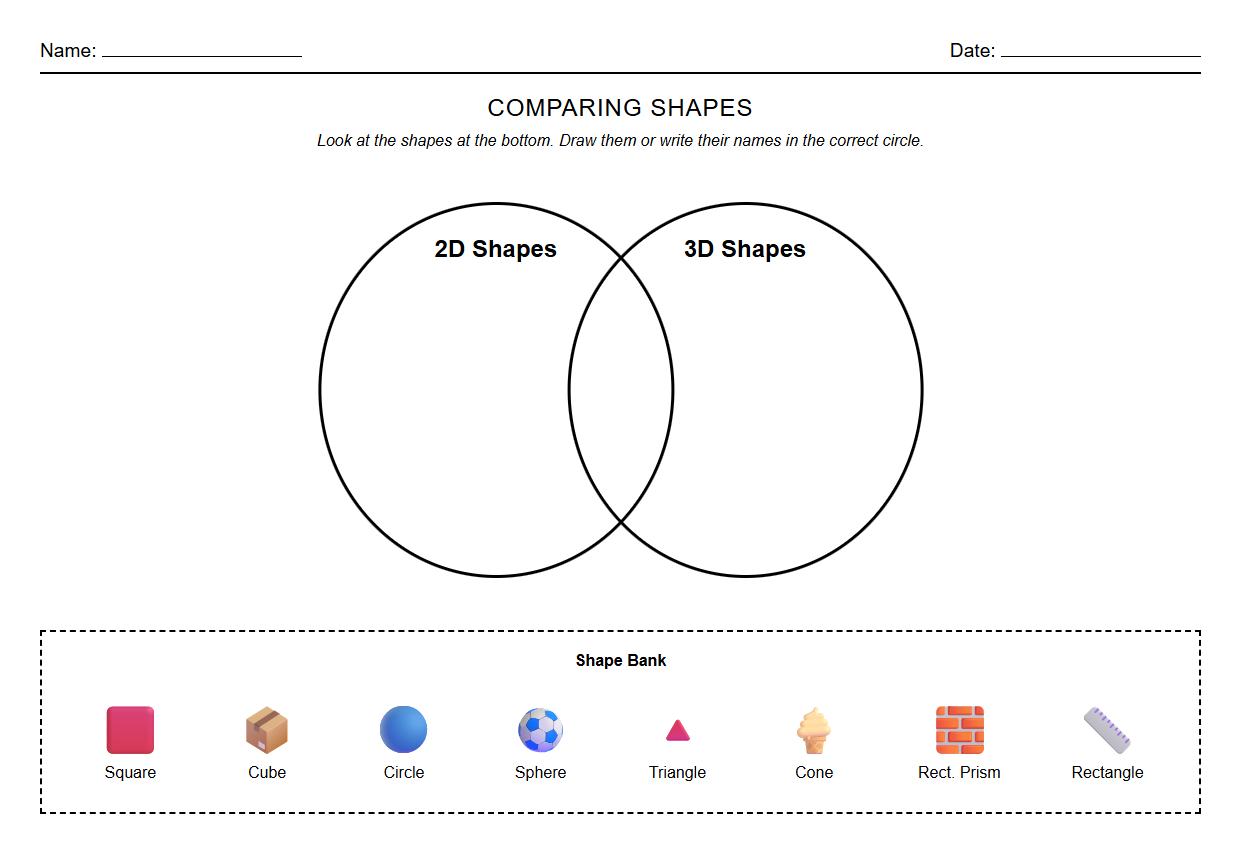
Venn Diagram for Comparing 2D and 3D Shapes

Download PDF     Pin it

Tangram Challenge for Spatial Awareness
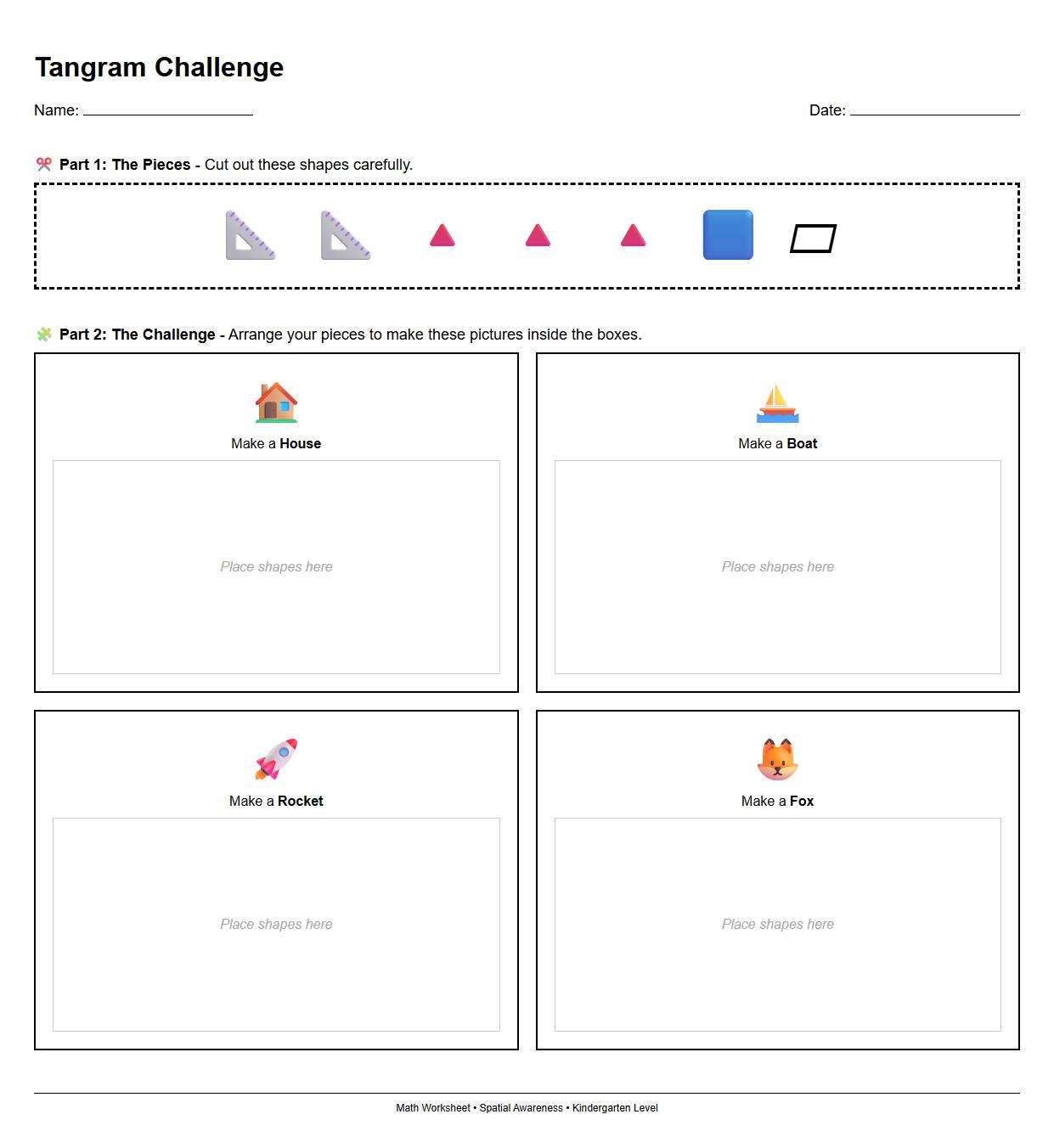
Tangram Challenge for Spatial Awareness

Download PDF     Pin it

Trace and Label Geometric Figure Mat
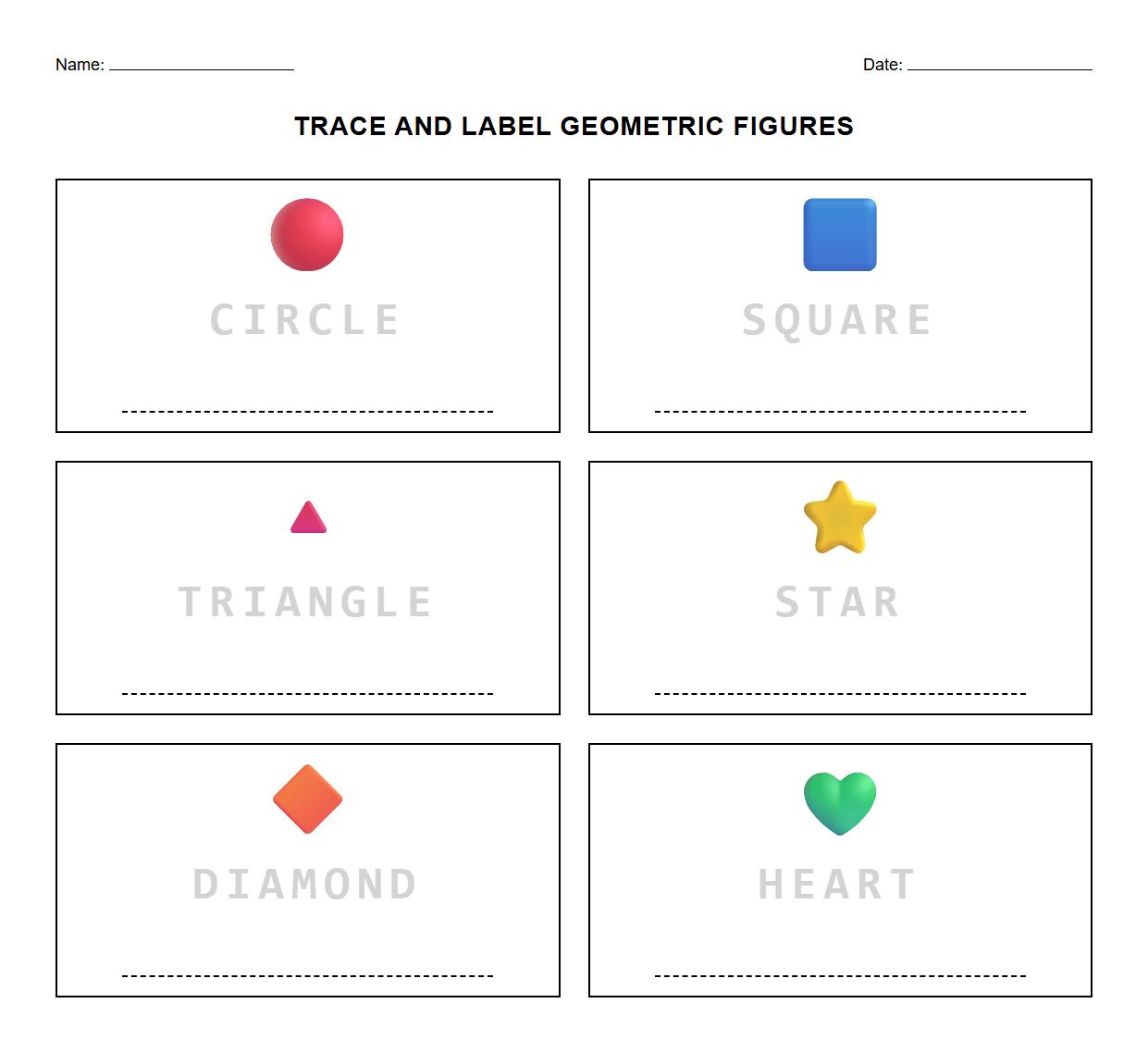
Trace and Label Geometric Figure Mat

Download PDF     Pin it

Attribute Sorting Mat for Geometric Properties
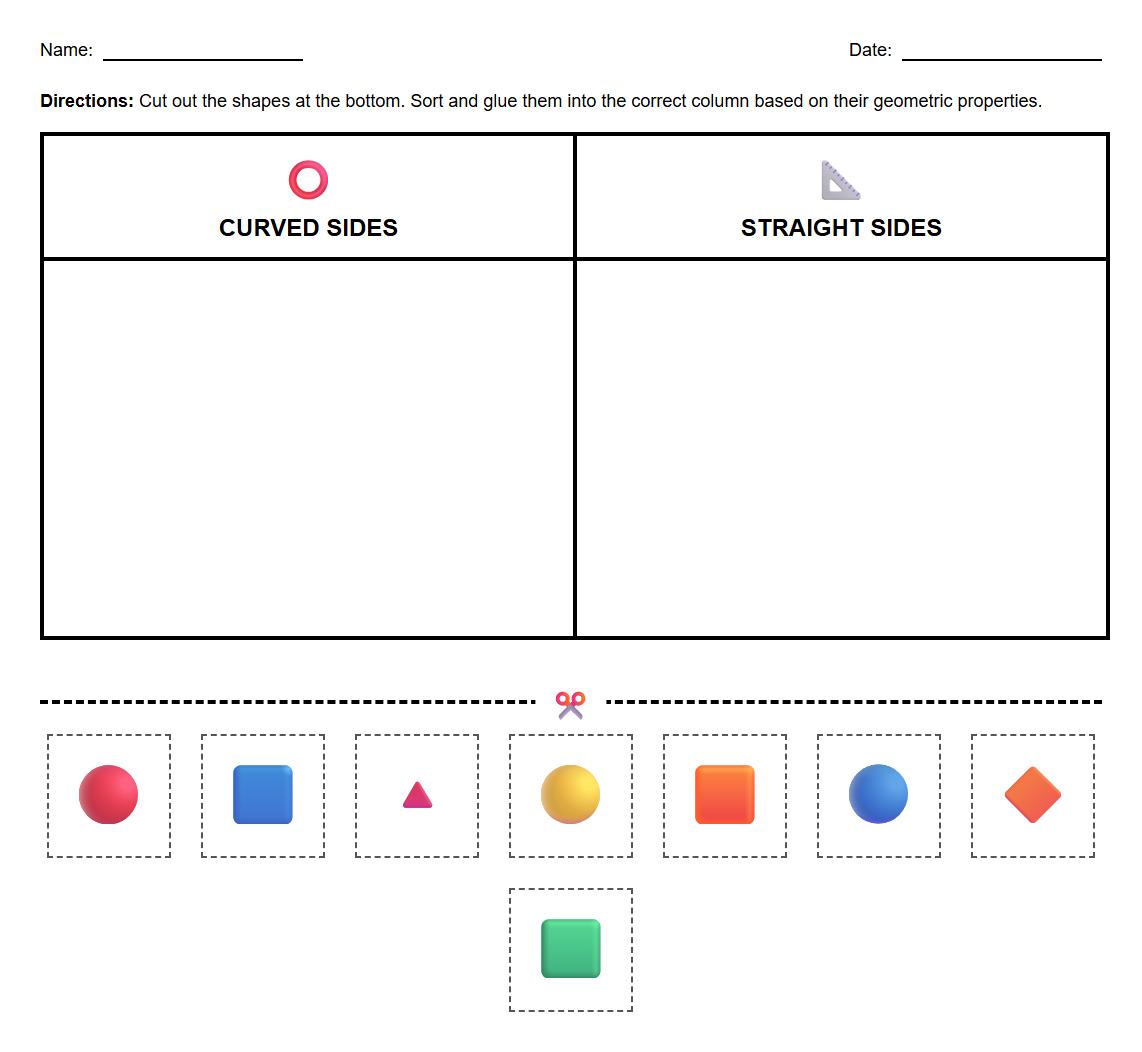
Attribute Sorting Mat for Geometric Properties

Download PDF     Pin it

Mystery Bag Shape Identification Chart
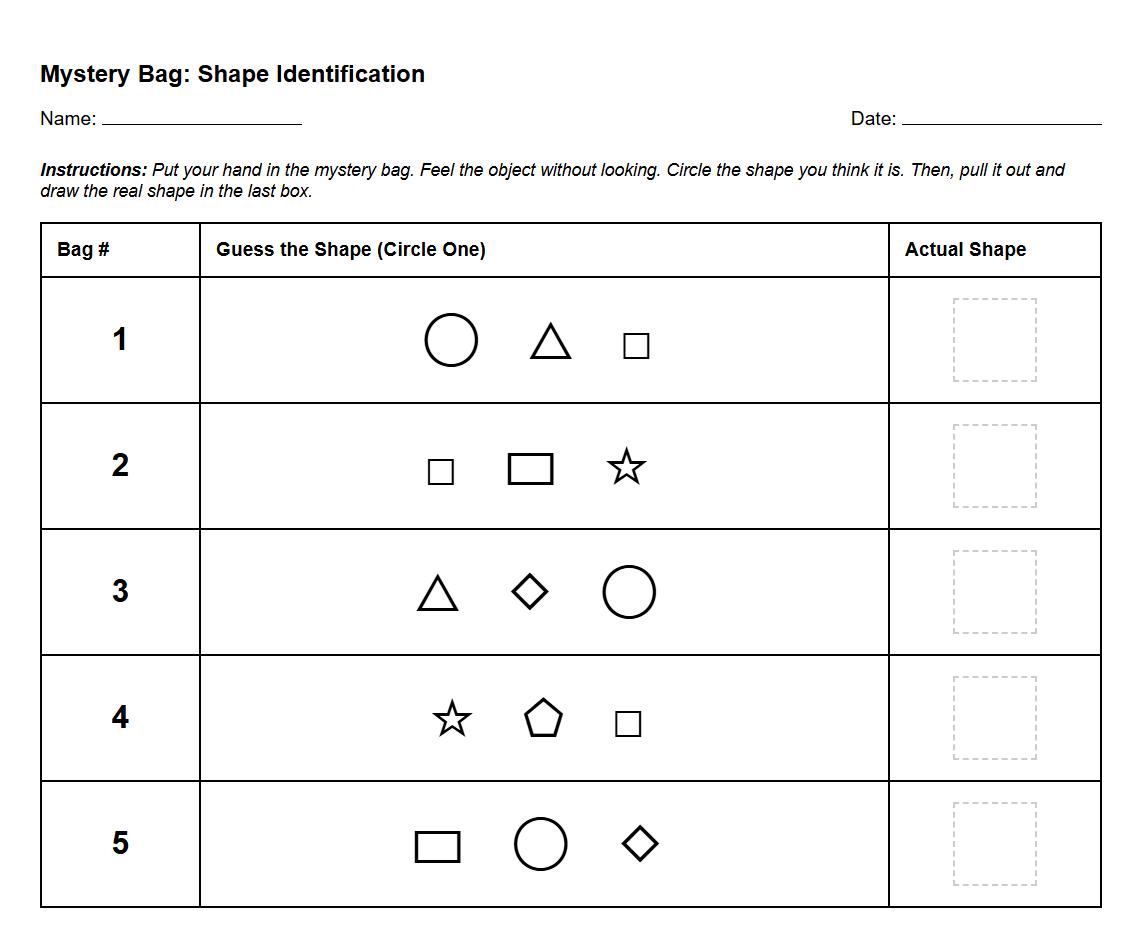
Mystery Bag Shape Identification Chart

Download PDF     Pin it

Matching Net to 3D Object Worksheet
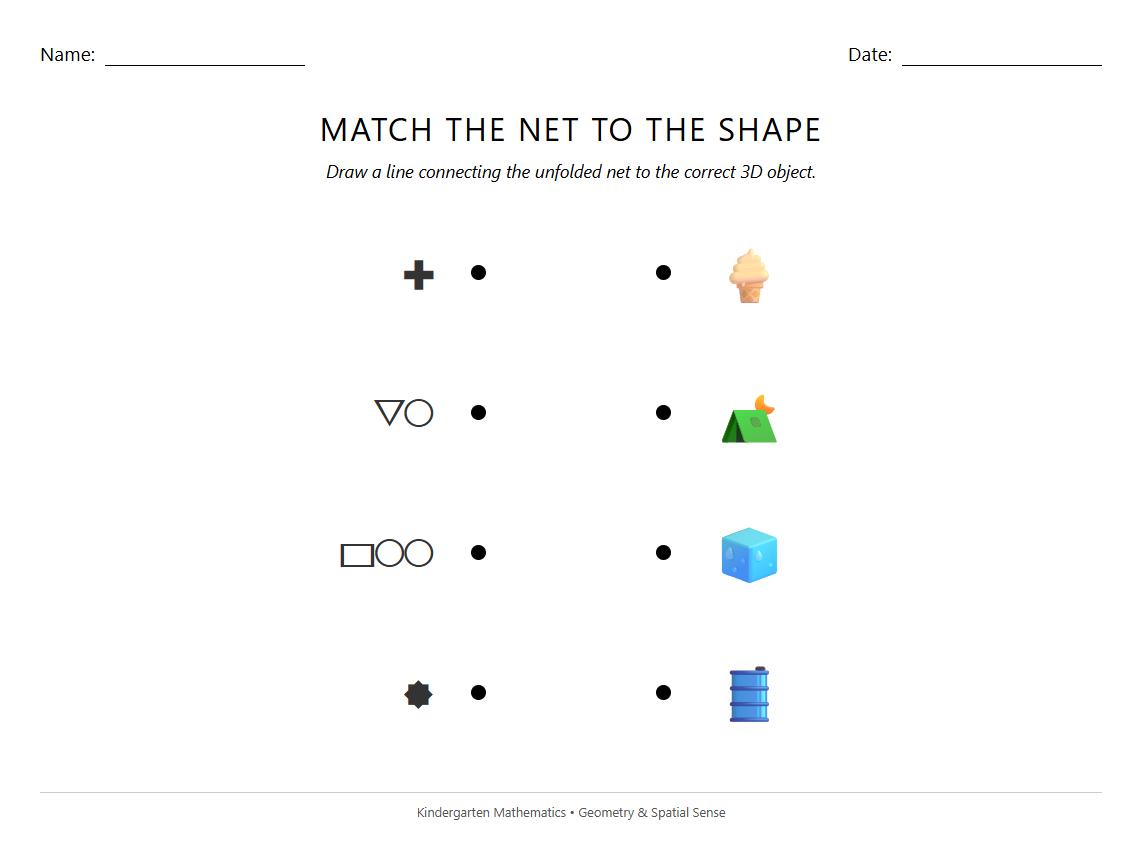
Matching Net to 3D Object Worksheet

Download PDF     Pin it

Structural Pattern Recognition Sheet
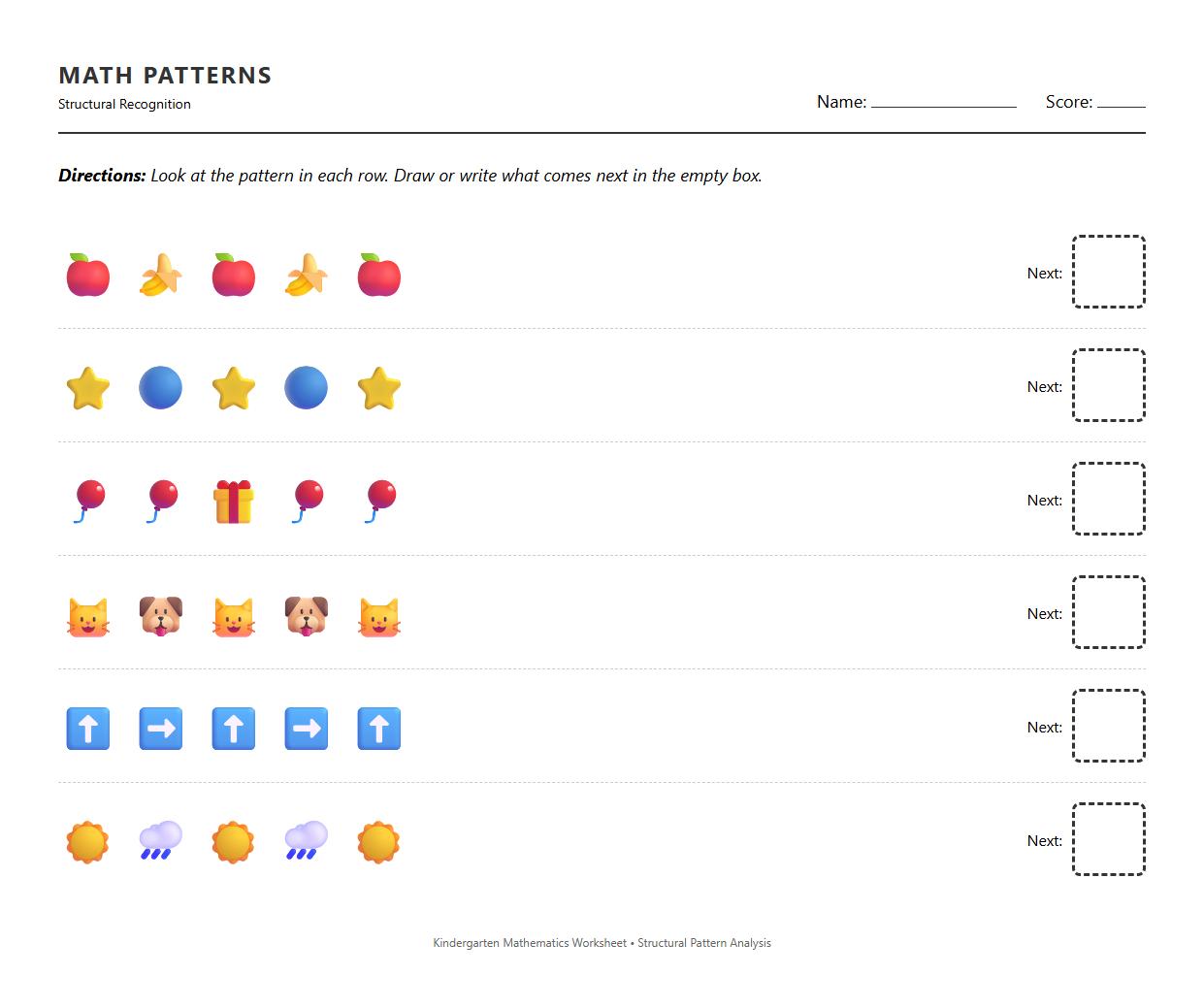
Structural Pattern Recognition Sheet

Download PDF     Pin it

Find and Color Symmetrical Shapes Activity
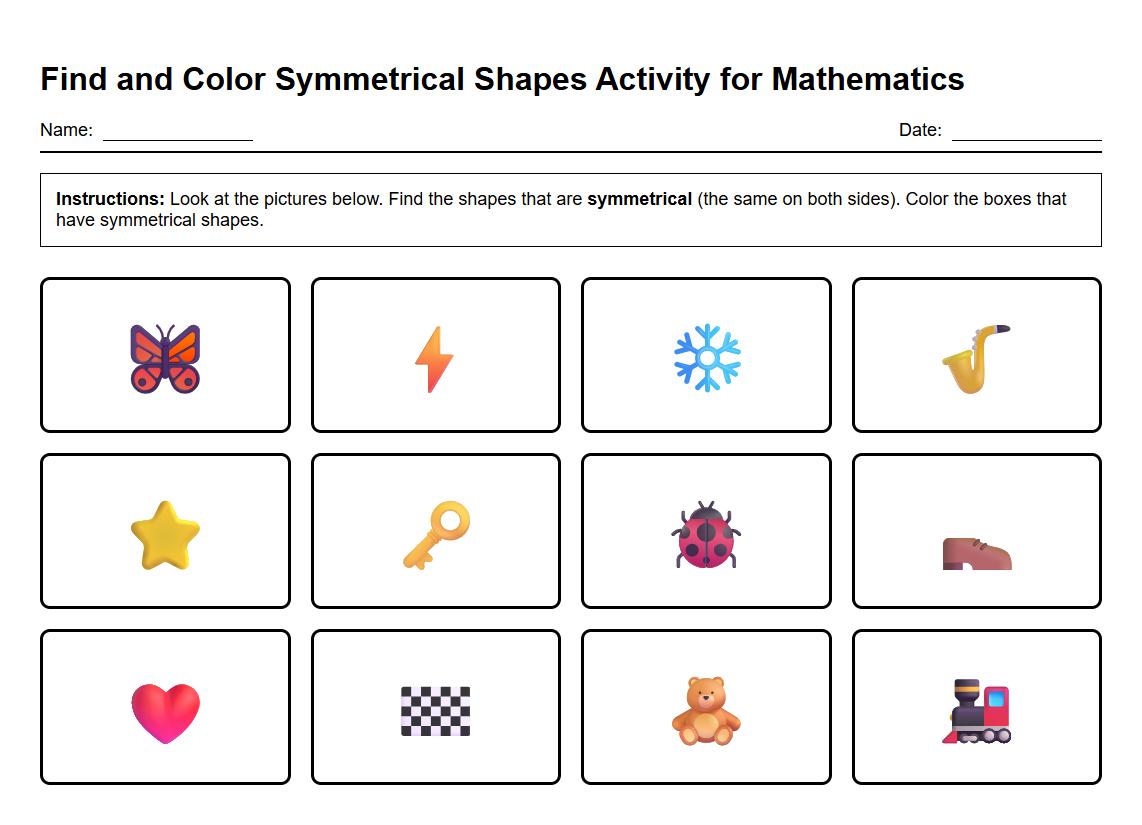
Find and Color Symmetrical Shapes Activity

Download PDF     Pin it

Shape Tally and Data Collection Table
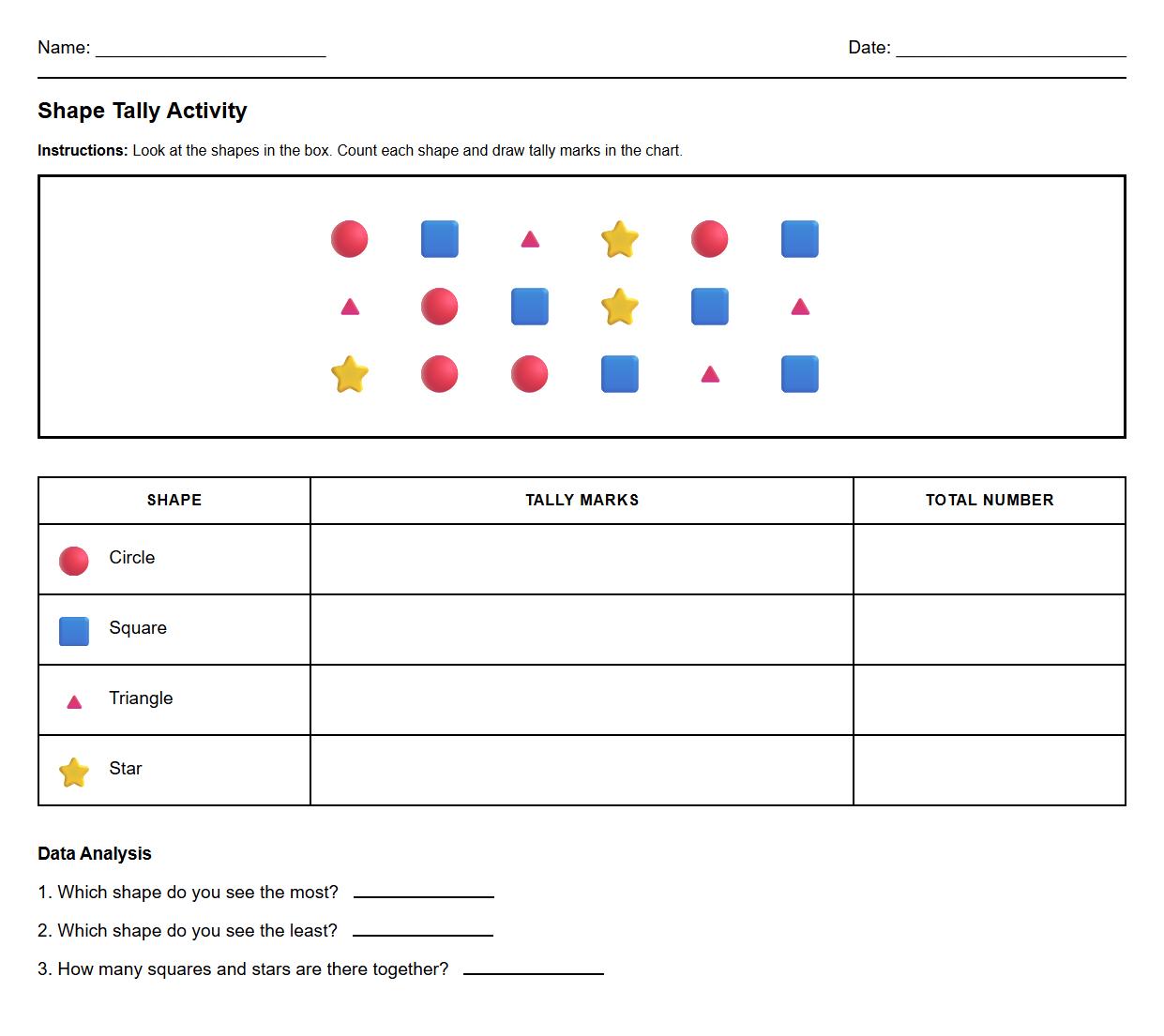
Shape Tally and Data Collection Table

Download PDF     Pin it

Finding Circles in the Classroom

Encourage children to observe their surroundings and identify objects shaped like a circle. Common circular items might include clocks, plates, or clock faces. This exercise helps strengthen their recognition of round shapes and improves their observation skills.

Spotting Squares Around You

Ask children to look around and find objects that resemble square shapes. Squares are often found in tiles, bulletin boards, or book covers. Identifying these shapes enhances their ability to differentiate between various geometrical forms.

Discovering Rectangles on Walls or Shelves

Guide children to locate rectangles on shelves, windows, or posters on the walls. Rectangles have opposite sides equal and are common shapes in classrooms. Recognizing rectangles helps kids understand the properties of different quadrilaterals.

Finding Triangles in the Classroom

Invite children to find a triangle shape around the classroom, like on art projects, signs, or shelf brackets. Triangles have three sides and are a fundamental geometric shape. This activity fosters shape recognition and spatial awareness.

Identifying Cube-Like Objects

Encourage learners to point out objects that look like a cube, such as dice, blocks, or storage boxes. Cubes have six equal square faces and teach children about three-dimensional shapes. This promotes their understanding of depth and form.

Spotting Spheres in the Classroom

Ask pupils to find items shaped like a sphere, such as balls or globes. Spheres are perfectly round and can roll in any direction. This helps children grasp the concept of three-dimensional round shapes.

Naming Objects Shaped Like Cylinders

Help children identify objects that resemble cylinders, like water bottles, cans, or tubes. Cylinders have circular bases with straight parallel sides. Recognizing cylinders adds to their knowledge of common 3D objects.

Observing Shapes in Classroom Windows

Encourage children to look at the windows and notice what shapes they resemble, often rectangles or squares. Windows provide clear examples of geometric shapes in everyday life. This reinforces their ability to connect shapes with real-world objects.

Matching 3D Objects with 2D Shapes

Guide children to match a three-dimensional object with its corresponding two-dimensional shape, such as matching a cube with a square. This activity deepens their understanding of how flat shapes relate to solid forms.

Identifying Cone-Shaped Objects

Ask students to find classroom items that look like a cone, such as party hats or certain pencil tops. Cones have a circular base tapering to a point, teaching children about different 3D shapes. Recognizing cones builds their spatial reasoning skills.


More in Mathematics Category


About the author. Nylen Smith is a dedicated educator and cofounder of KWorksheet.com, a popular platform specializing in high-quality kindergarten worksheets and printable activities.

Disclaimer. The information provided in this document is for general informational purposes and/or document sample only and is not guaranteed to be factually right or complete. Please report to us via contact-us page if you find and error in this page, thanks.

Comments

No comment yet