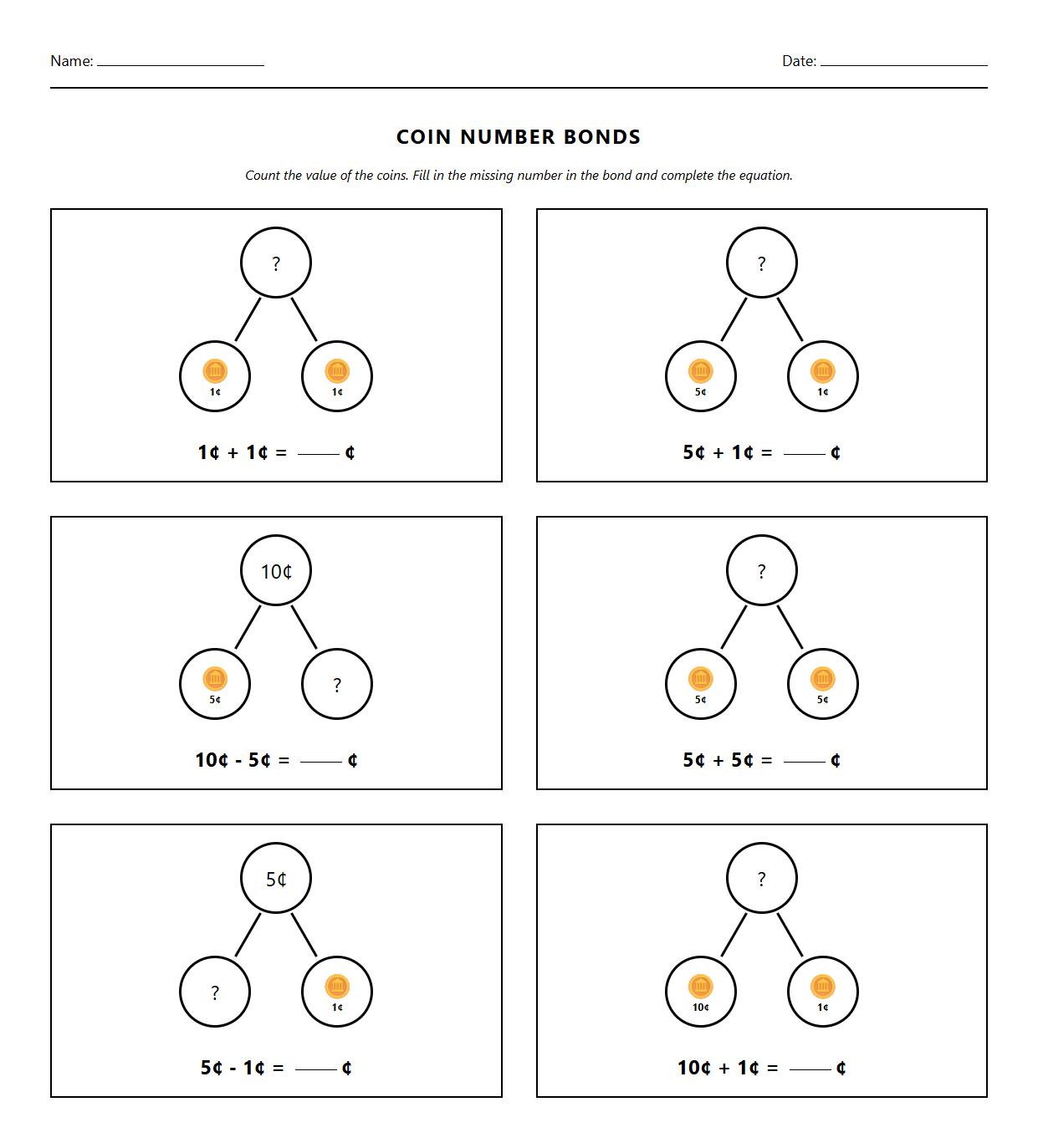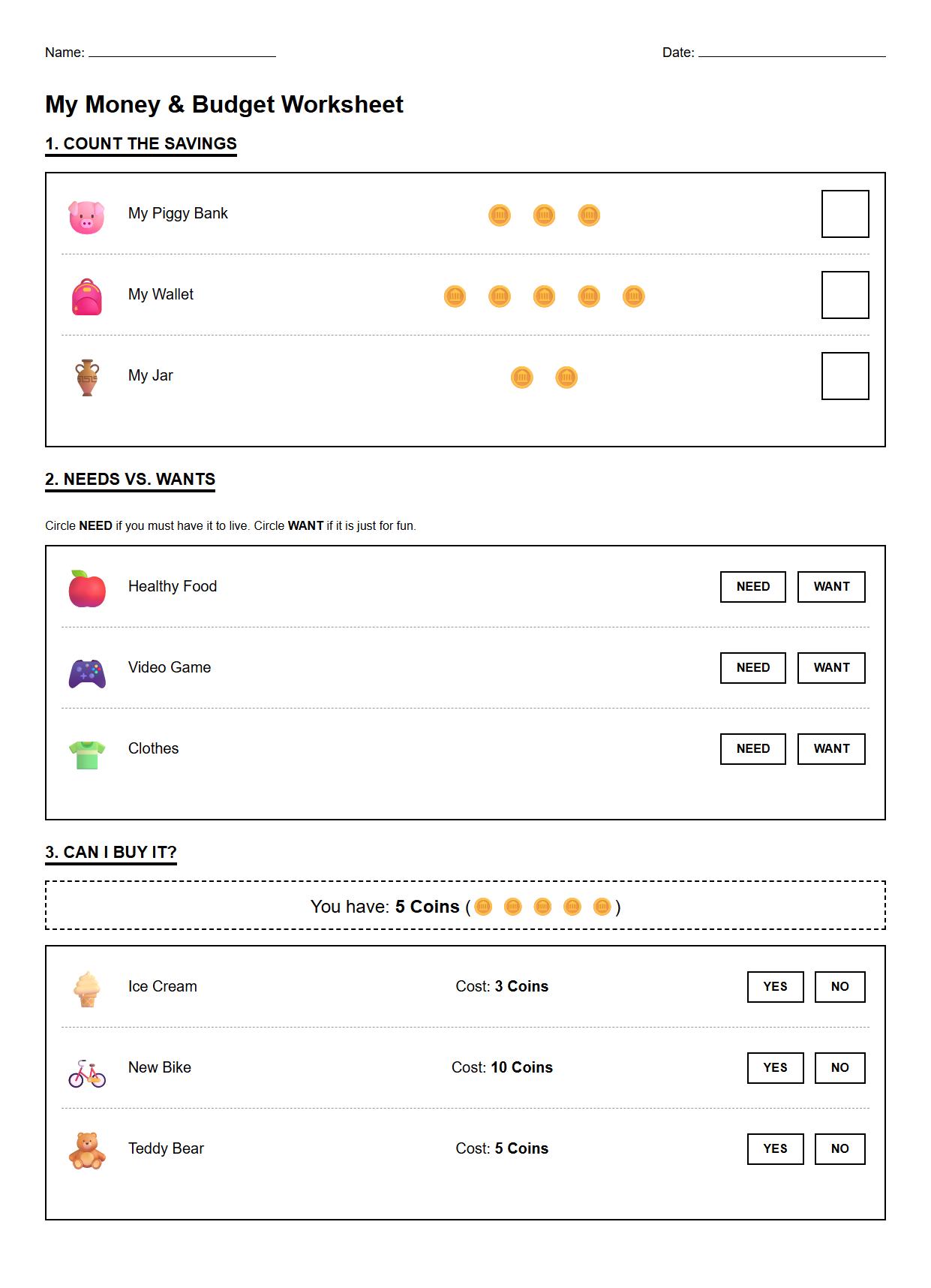
Mastering coin values becomes engaging with interactive money math worksheets designed to strengthen students' financial literacy through hands-on activities. These worksheets provide dynamic exercises that help learners identify, count, and compare different coins, fostering practical math skills essential for everyday transactions. Explore our collection of interactive money math worksheets to enhance your teaching toolkit and support your students' understanding of coin values.
How Interactive Money Math Worksheets Help Kindergarten Students Recognize Different Coin Values
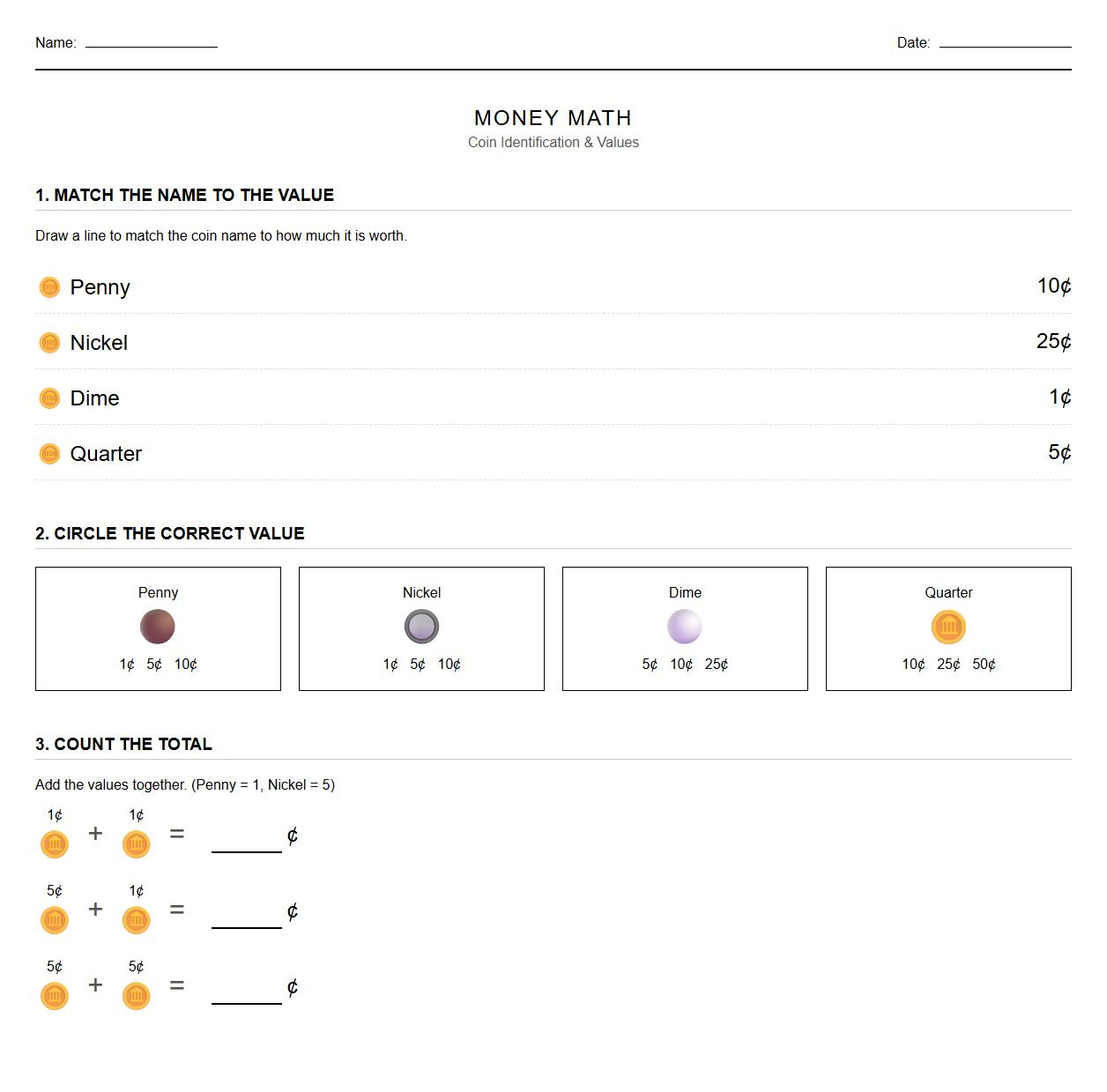
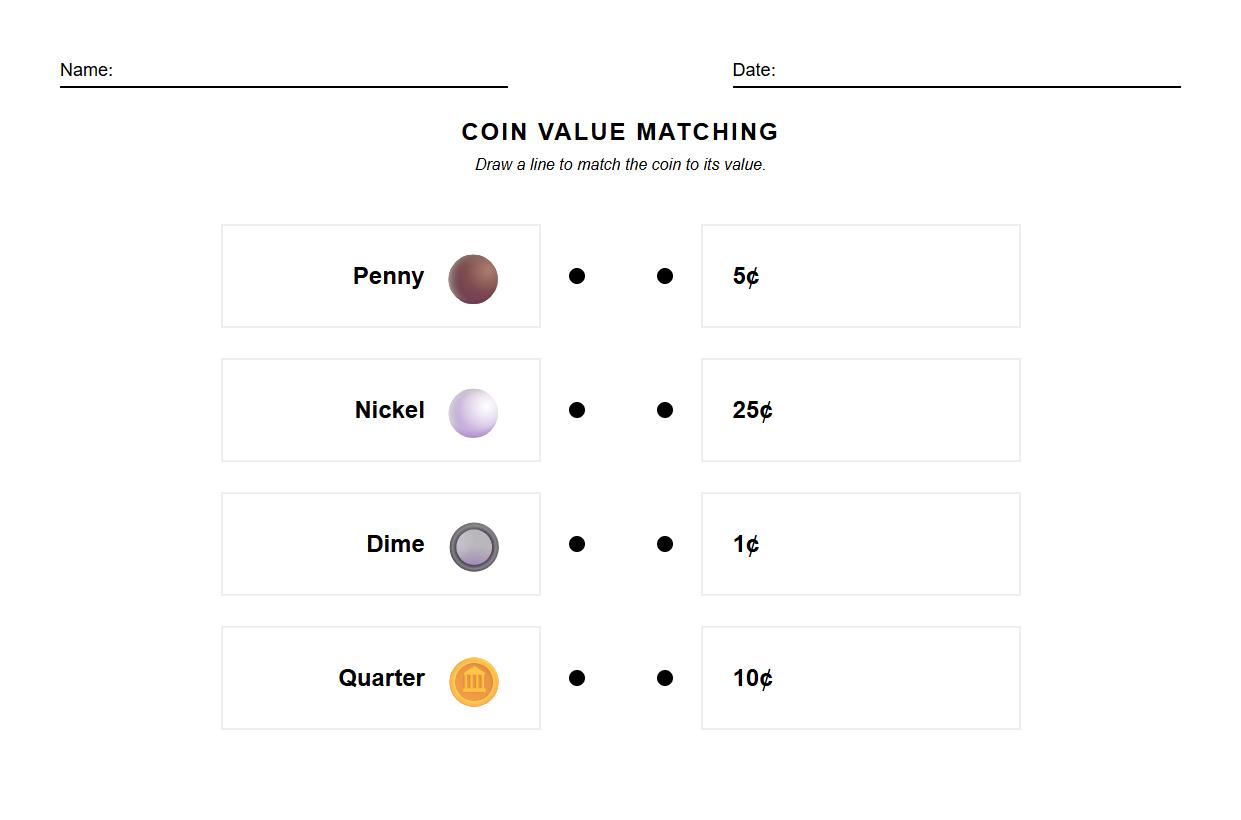
Interactive money math worksheets provide young learners with engaging, hands-on experiences that foster recognition of coin shapes, colors, and denominations. These activities often include matching coins to their values, which helps solidify memory through repetitive practice. By visually linking the coins to numerical values, students develop a clear understanding of each coin's worth. This interactive approach supports the development of foundational money skills in a fun, accessible way.
Effective Ways to Engage Young Learners with Hands-On Coin Counting Activities
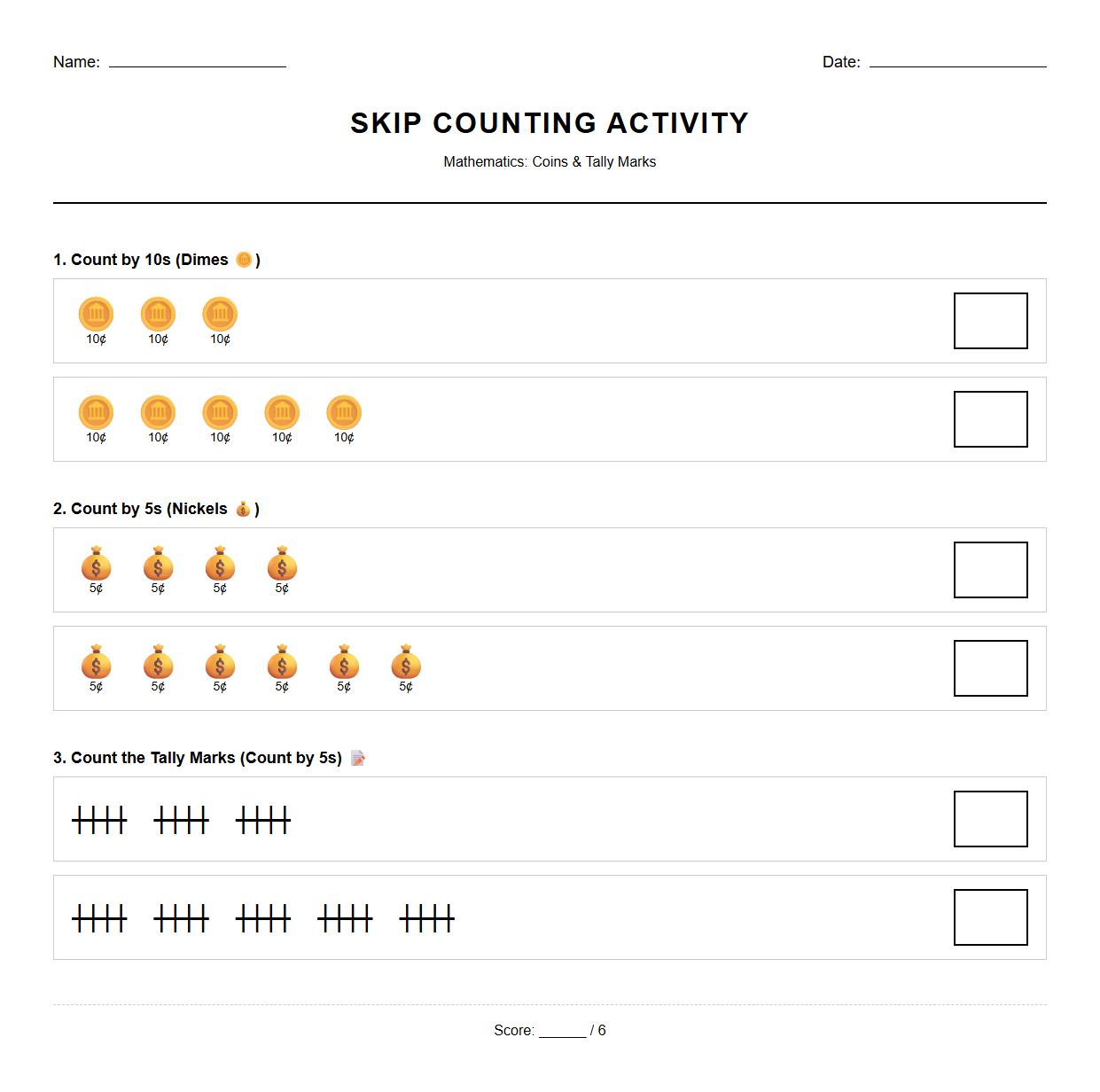
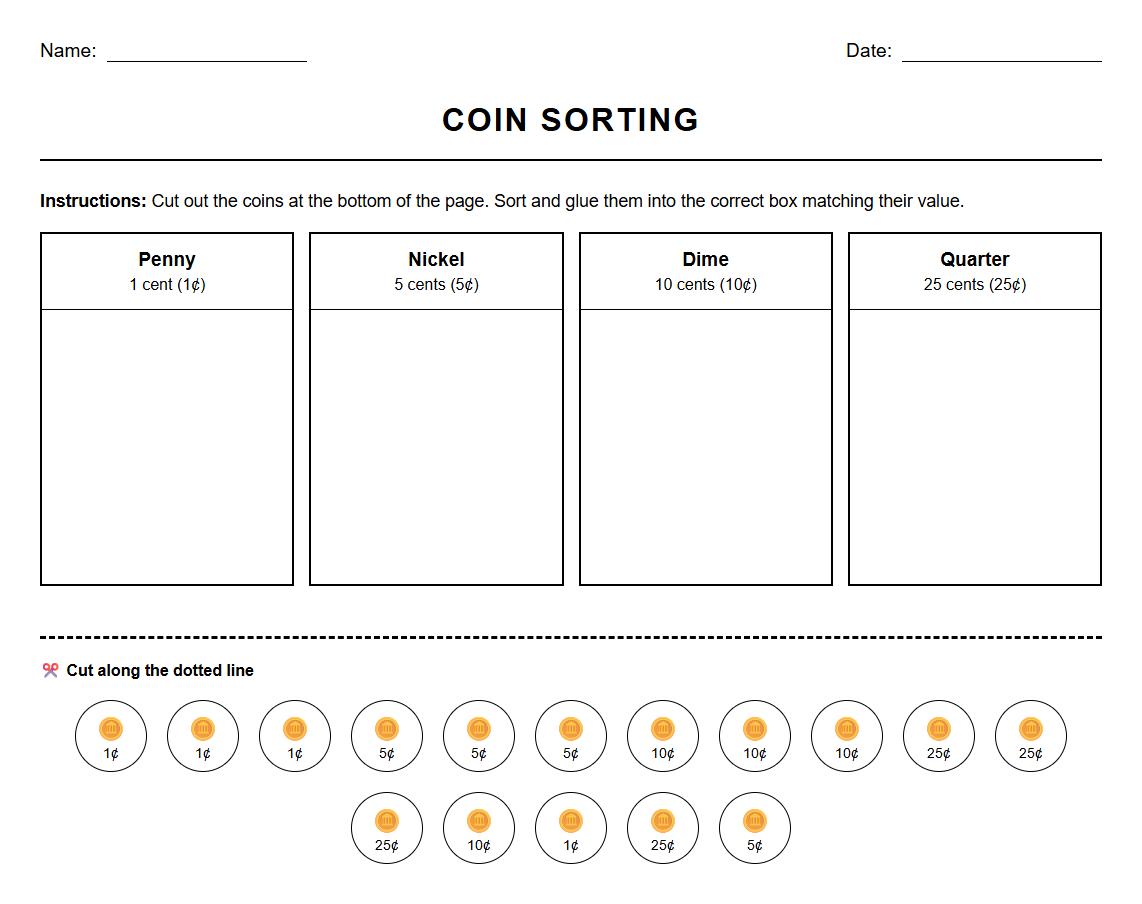
Using physical coins alongside worksheets encourages active participation and fine motor skill development. Incorporating games like sorting coins or simple addition tasks keeps students motivated and focused. Group activities where children count and exchange coins can make learning social and interactive. These methods create a dynamic learning environment that holds attention and reinforces coin value concepts.
Best Visuals for Teaching Coin Values to Kindergarten Students
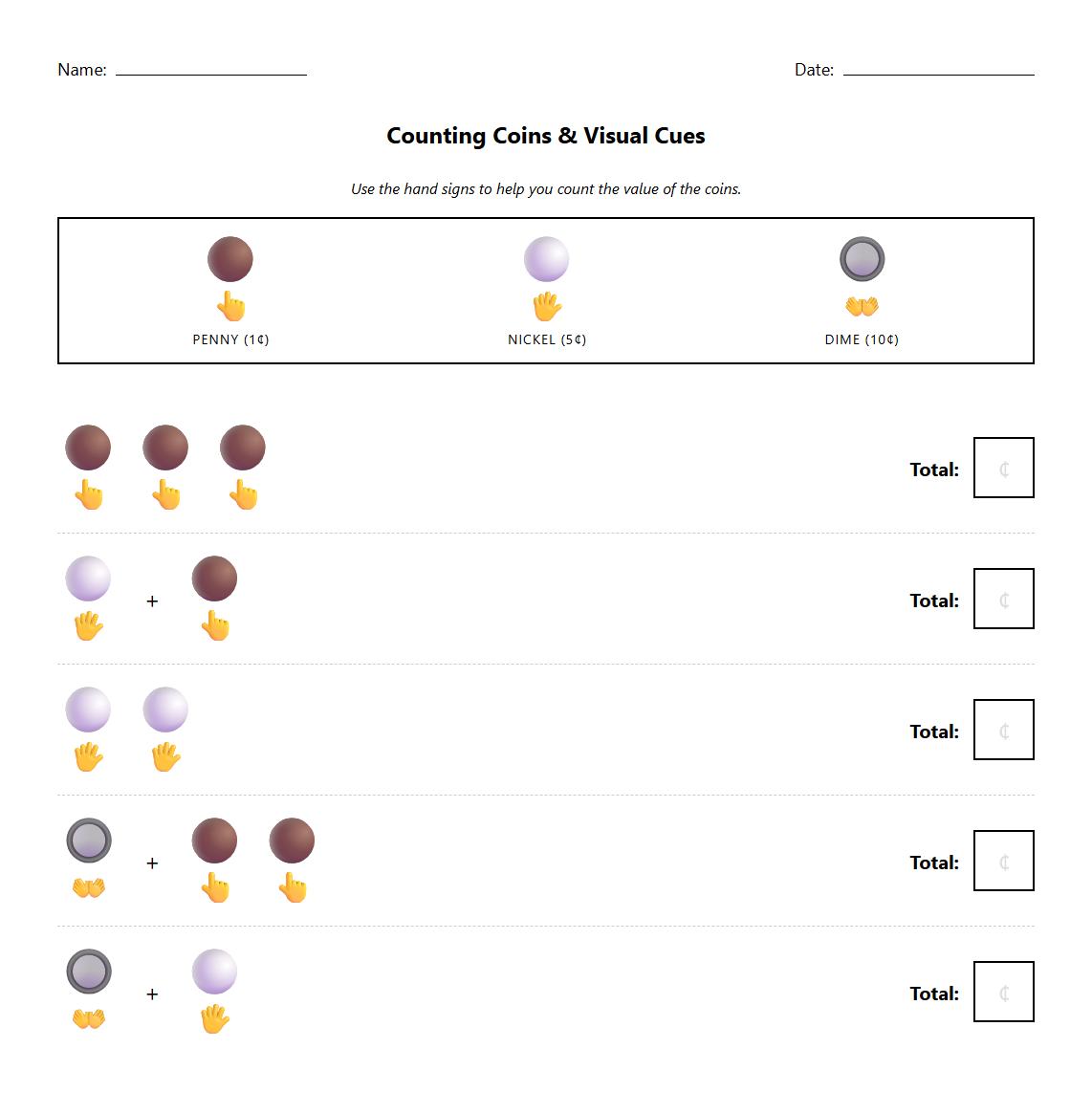
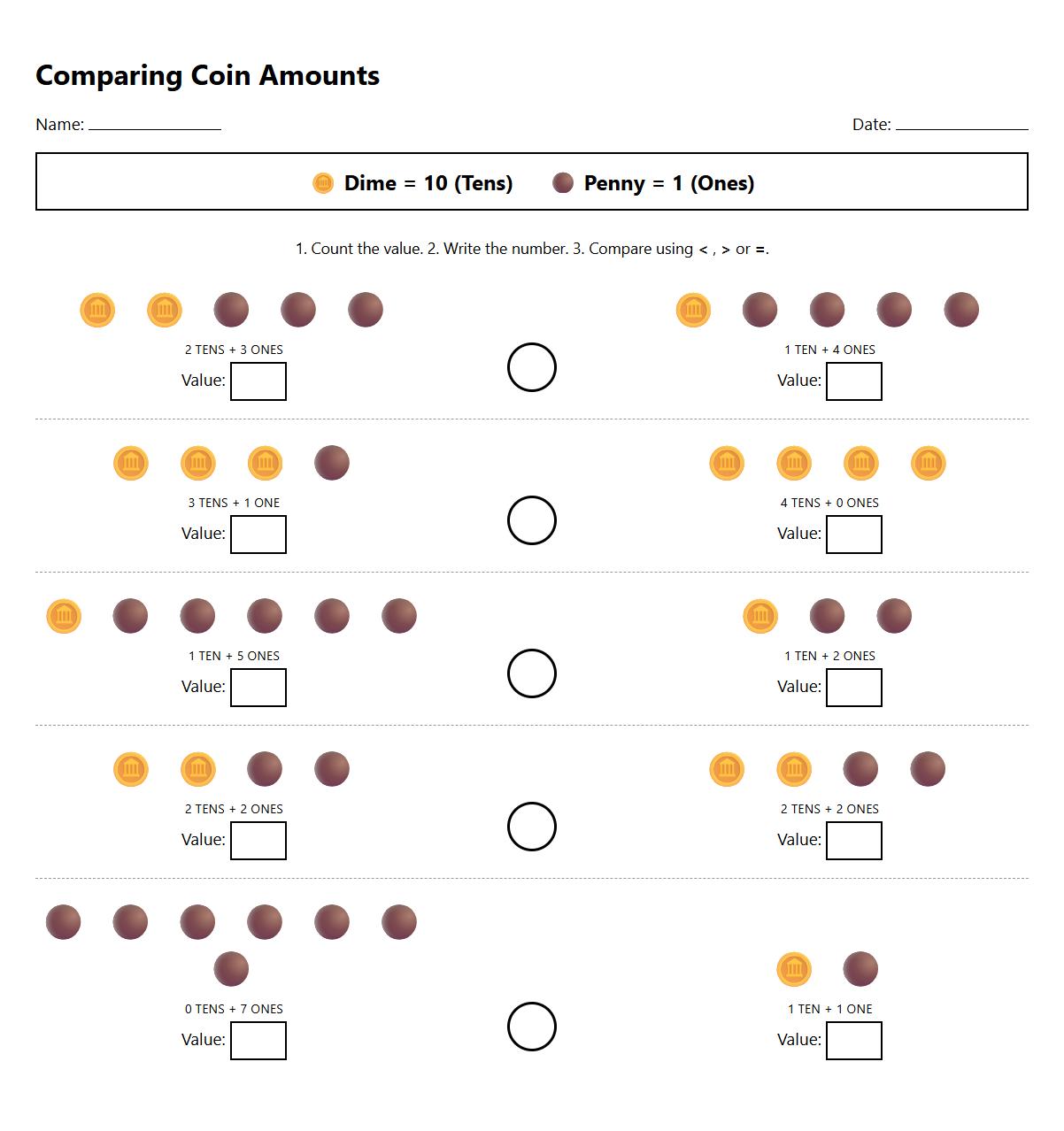
Clear, colorful images of coins with visible details such as size, color, and numbers are essential for effective learning. Diagrams showing coins alongside their value in cents help children connect visual cues with numerical information. Using large, labeled images on worksheets supports visual recognition. Including comparison charts that show common coin combinations can further clarify their relative values.
Assessing Understanding of Coin Identification Using Interactive Worksheets
Teachers can use quizzes embedded within interactive worksheets to evaluate students' ability to identify coins correctly. Tasks such as matching coins to amounts or sorting coins by denomination provide direct evidence of understanding. Immediate feedback features allow learners to self-correct, promoting retention. Tracking progress over time helps tailor instruction to individual needs with tools like a number formation worksheet.
Strategies to Encourage Cooperative Learning with Money Math Exercises in Class
Pairing or grouping students for coin counting activities fosters collaboration and communication. Setting challenges that require teamwork, like purchasing items using coins, helps develop social skills along with math knowledge. Encouraging peer tutoring allows stronger students to assist others, reinforcing their own learning. These strategies create a supportive environment that benefits all learners.
How Interactive Worksheets Support Differentiation for Varying Skill Levels in Money Math
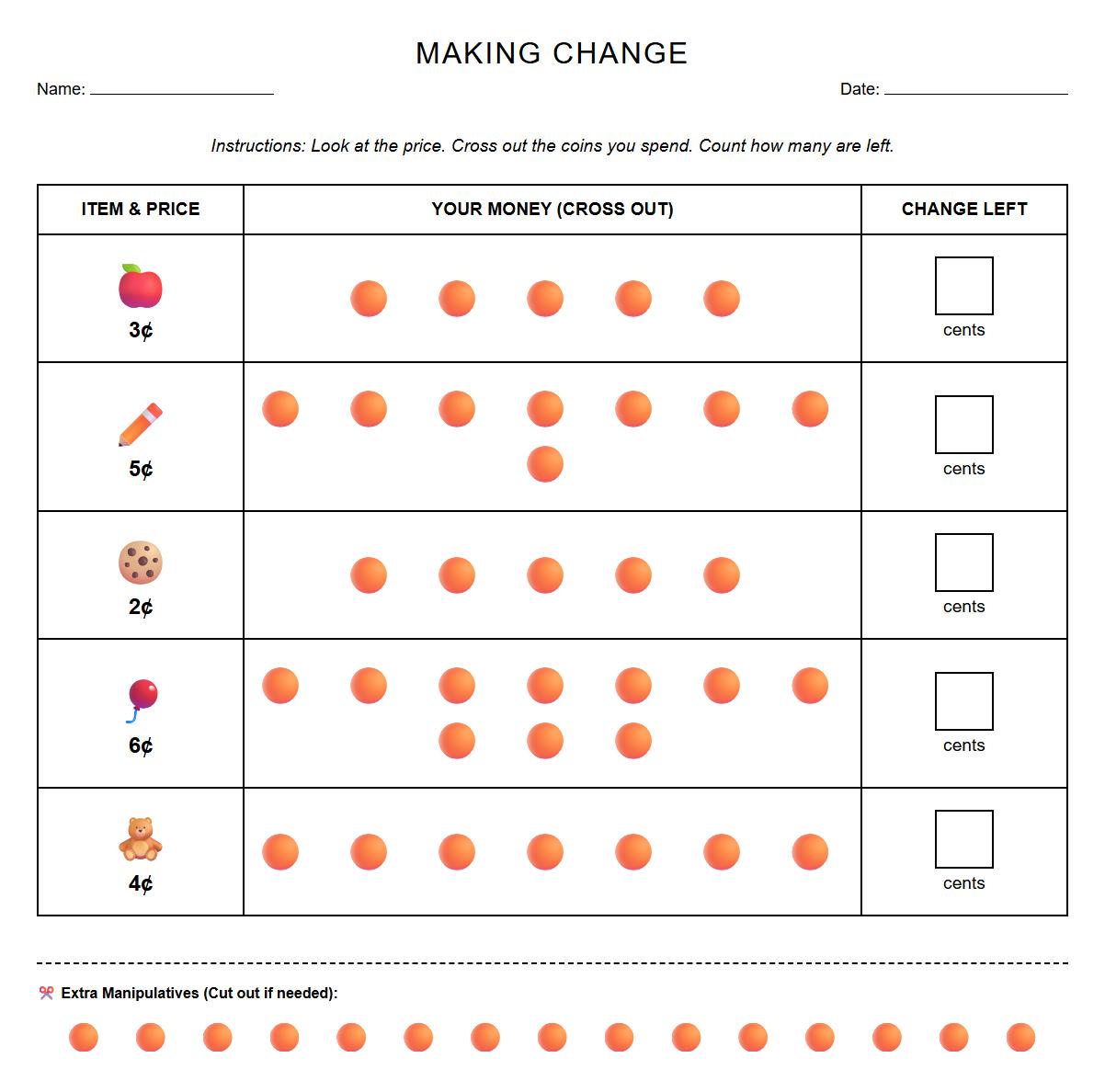
Interactive worksheets often include tiered levels of difficulty to cater to diverse skill sets within a kindergarten classroom. Younger or struggling students can start with basic coin recognition, while advanced learners engage in making change or solving story problems. Customizable content ensures that each student receives appropriate challenges. This adaptability fosters confidence and continual growth with help from visual worksheets.
Ideal Digital Resources for Practicing Coin Values in Kindergarten
Online platforms with interactive coin games and animated tutorials enhance understanding through visual and auditory stimuli. Apps designed for kindergarten math often feature drag-and-drop coin sorting and virtual shopping scenarios. These resources provide instant feedback and engaging interfaces suitable for young learners. Selecting user-friendly and age-appropriate tools supports effective practice at school and home, such as an integrated subtraction worksheet.
Frequency of Integrating Money Math Activities into the Kindergarten Curriculum
Incorporating money math activities at least once a week reinforces learning without overwhelming students. Regular, brief lessons keep concepts fresh and allow for gradual skill development. Linking money math with other subjects, such as story time or social studies, adds relevance and variety. Consistent practice ensures mastery of fundamental financial literacy early on, similar to shape attributes comparison activities.
Real-Life Scenarios to Add to Worksheets for Practical Money Skills
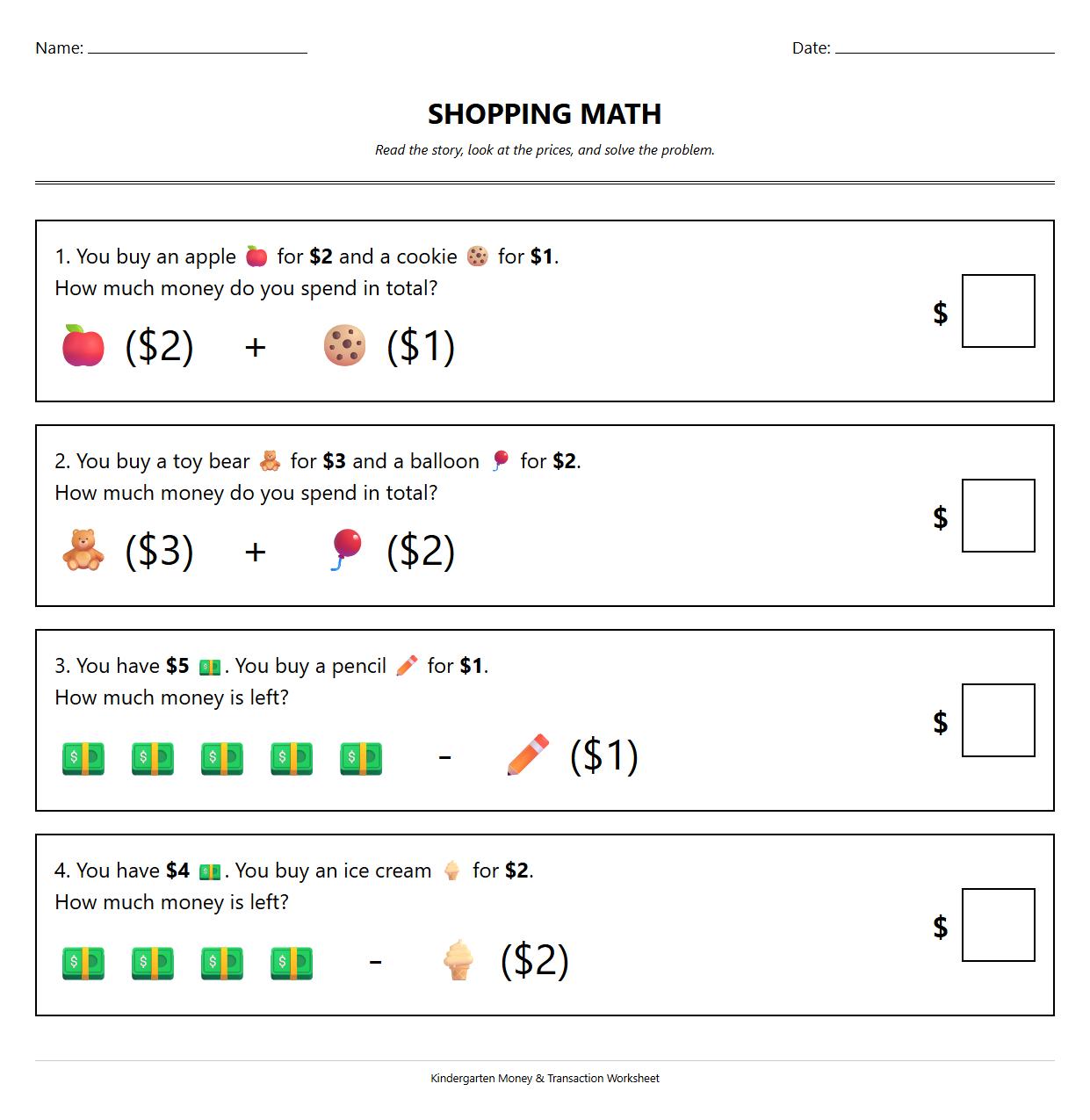
Worksheets that simulate buying snacks, paying for toys, or saving money encourage practical application of coin knowledge. Role-playing scenarios help students understand the purpose and use of money in daily life. Including questions about giving change or comparing prices builds critical thinking and decision-making skills. These relatable contexts make learning meaningful and memorable, as seen in activities like exploring length.
How Parents Can Reinforce Coin Value Lessons at Home with Interactive Worksheets
Parents can support learning by setting up simple money games and activities using coins and interactive worksheets. Encouraging children to sort coins during grocery trips or count allowances connects lessons to real-world experiences. Reviewing worksheets together provides opportunities for guided practice and positive reinforcement. Active parental involvement strengthens understanding and builds confidence, complementing quantities recognition worksheets.


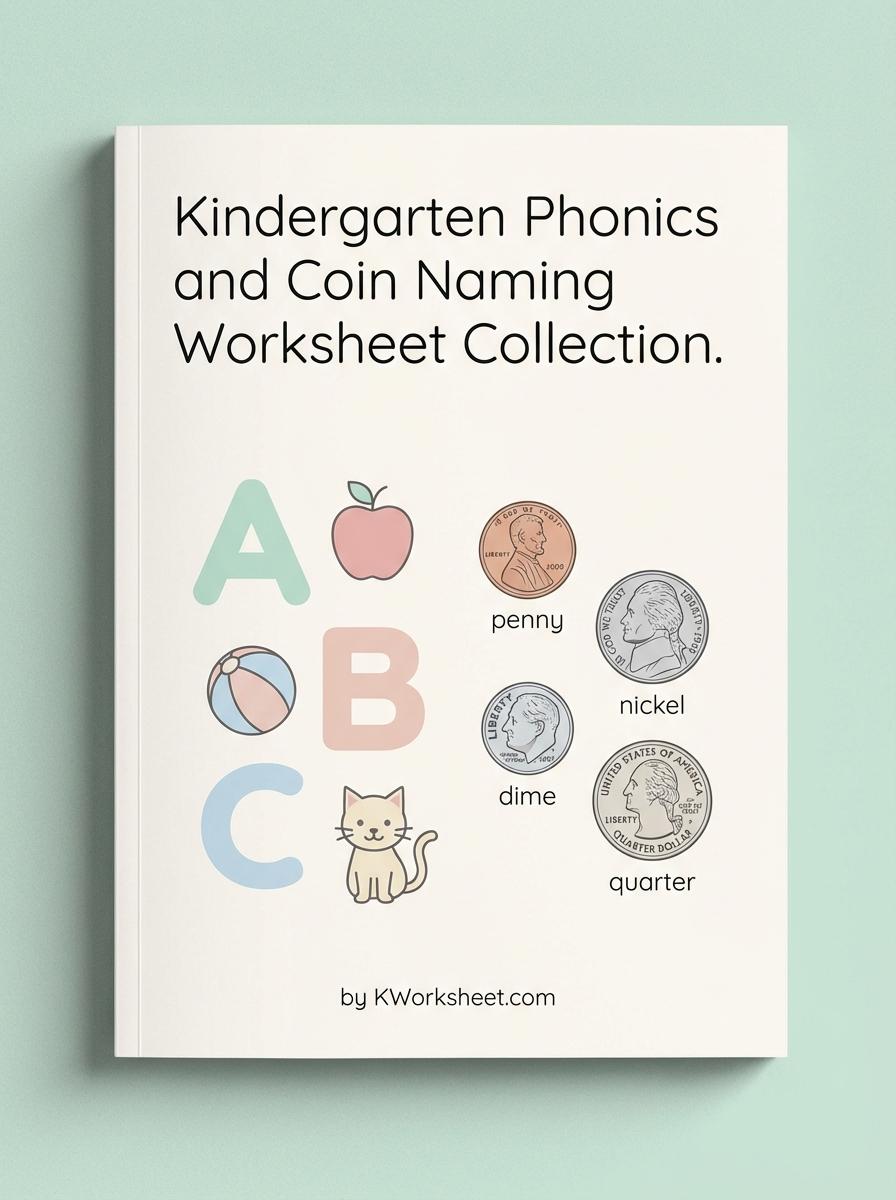
Kindergarten Phonics and Coin Naming Worksheet Collection