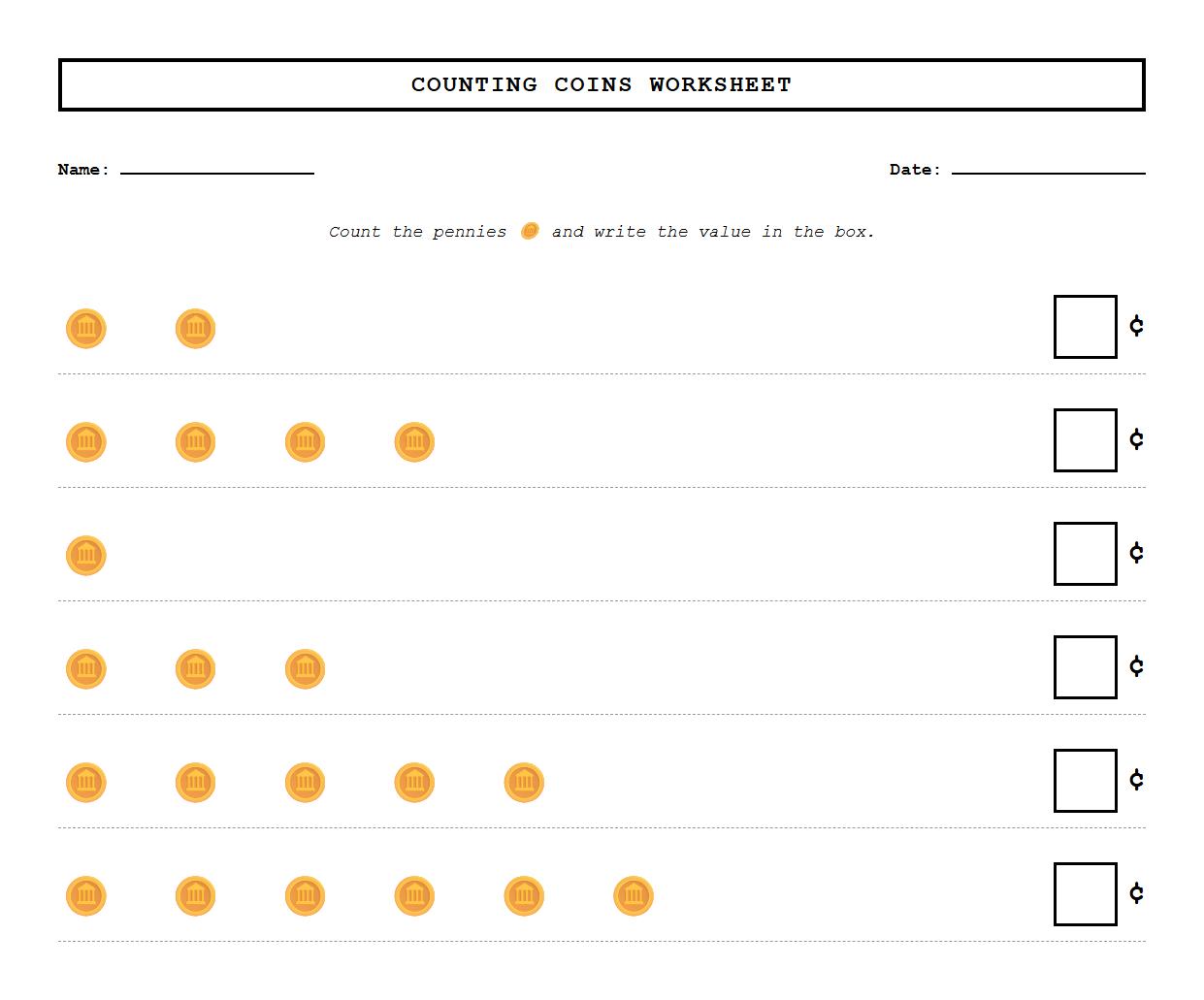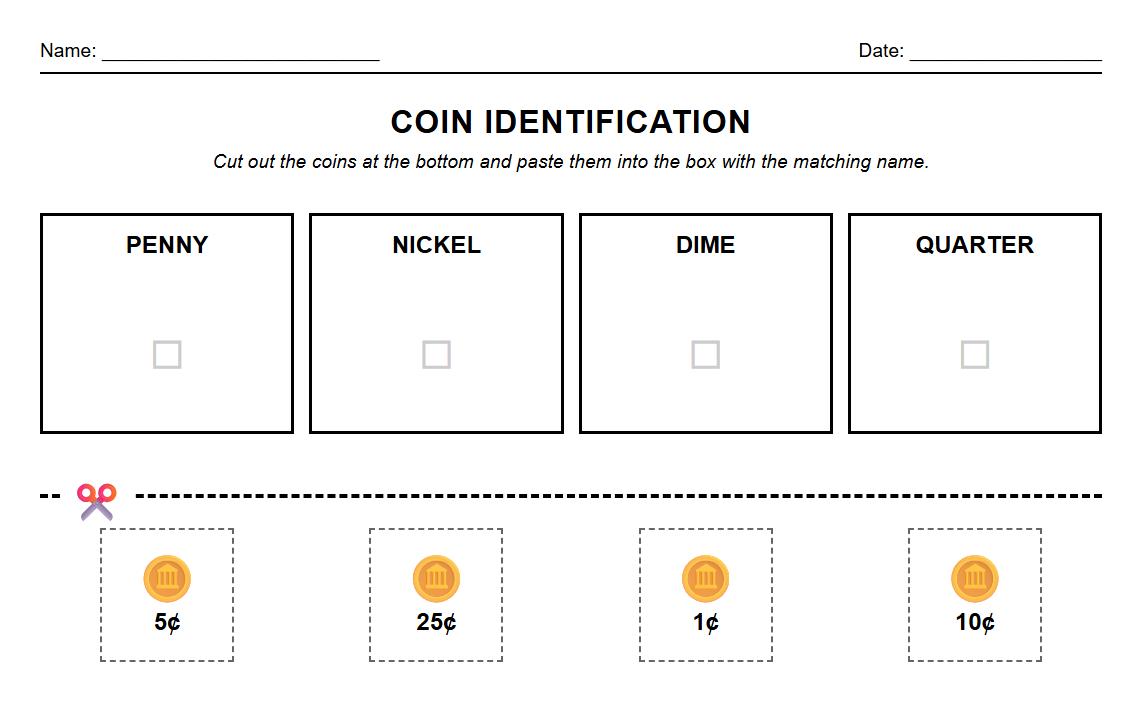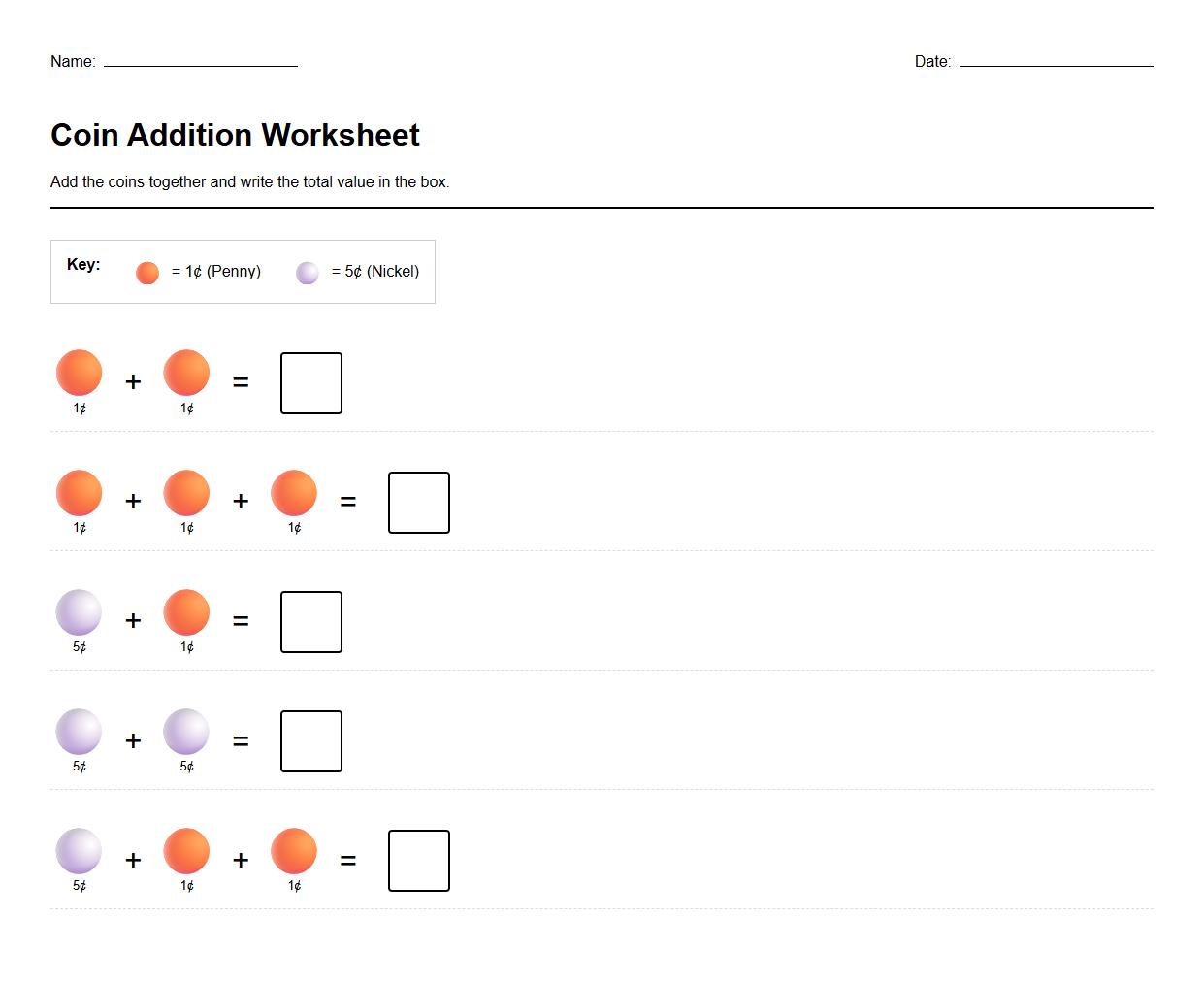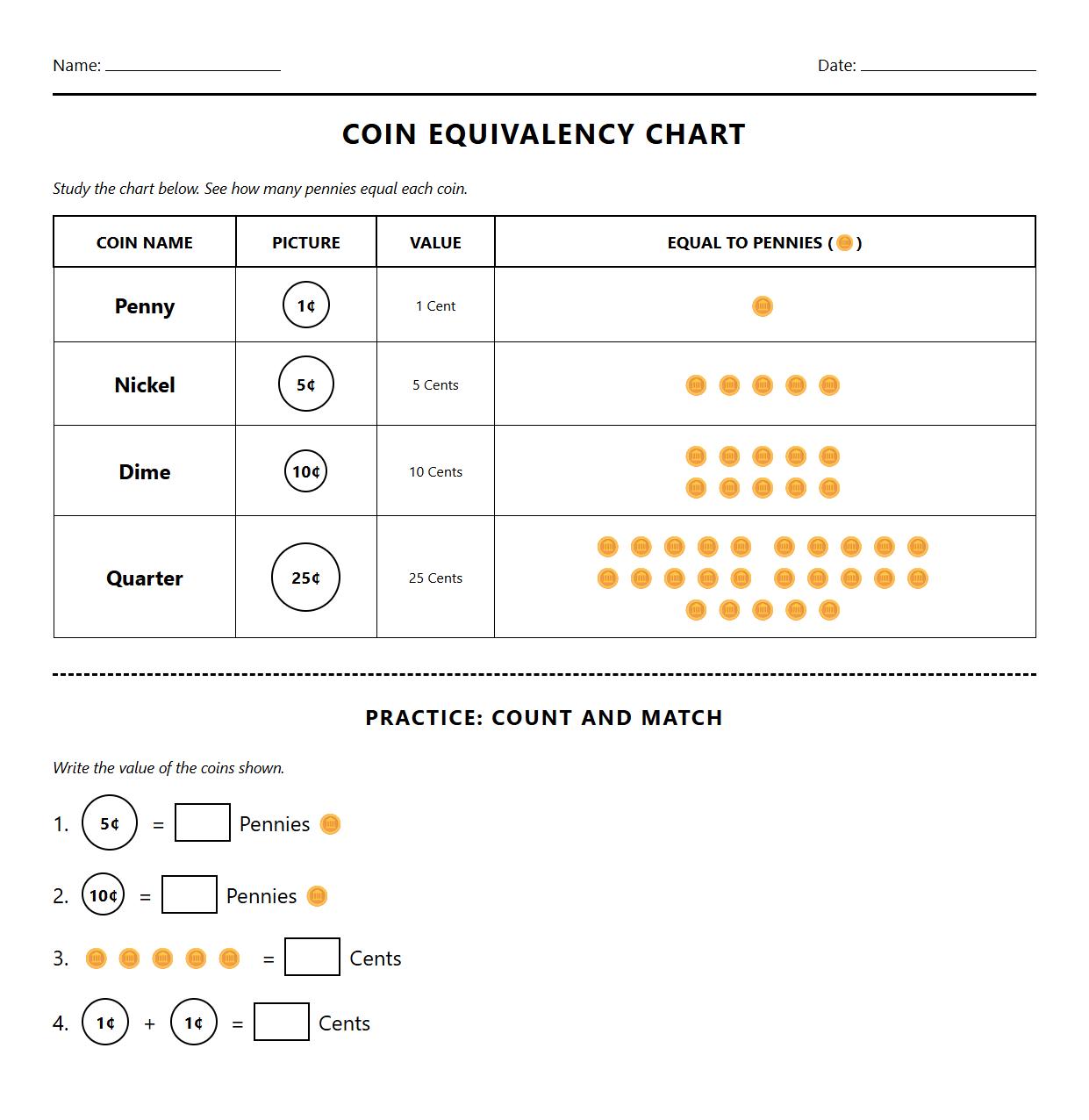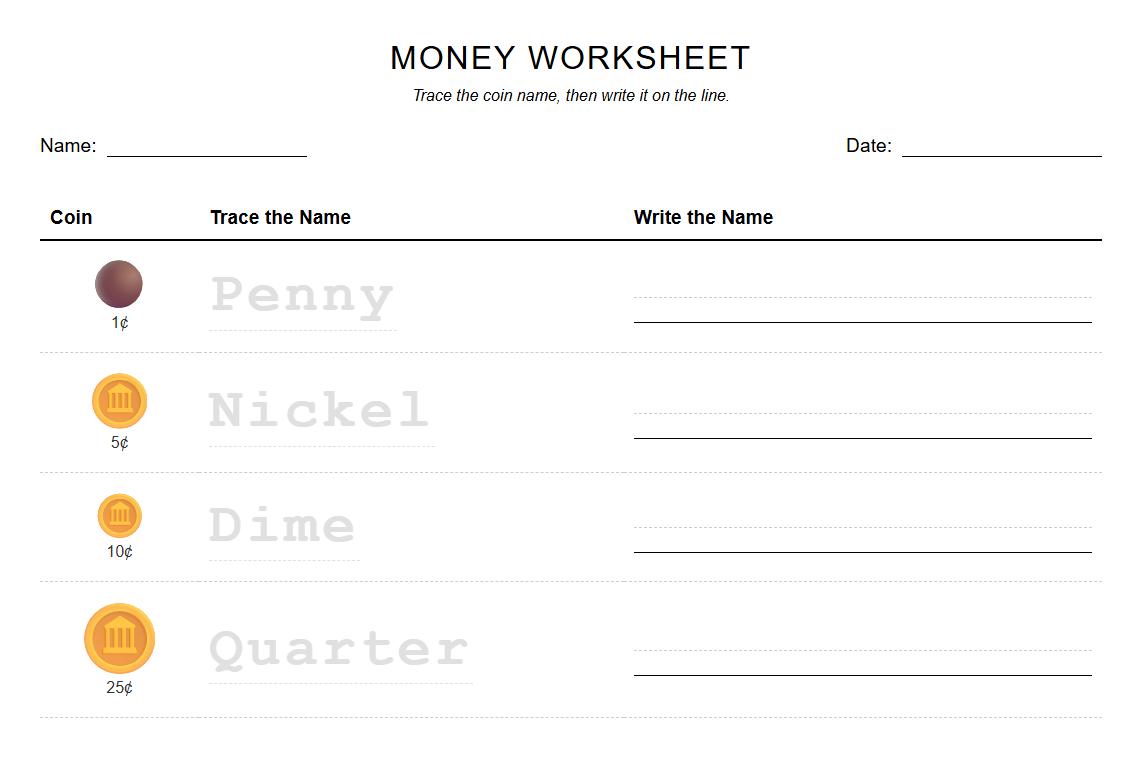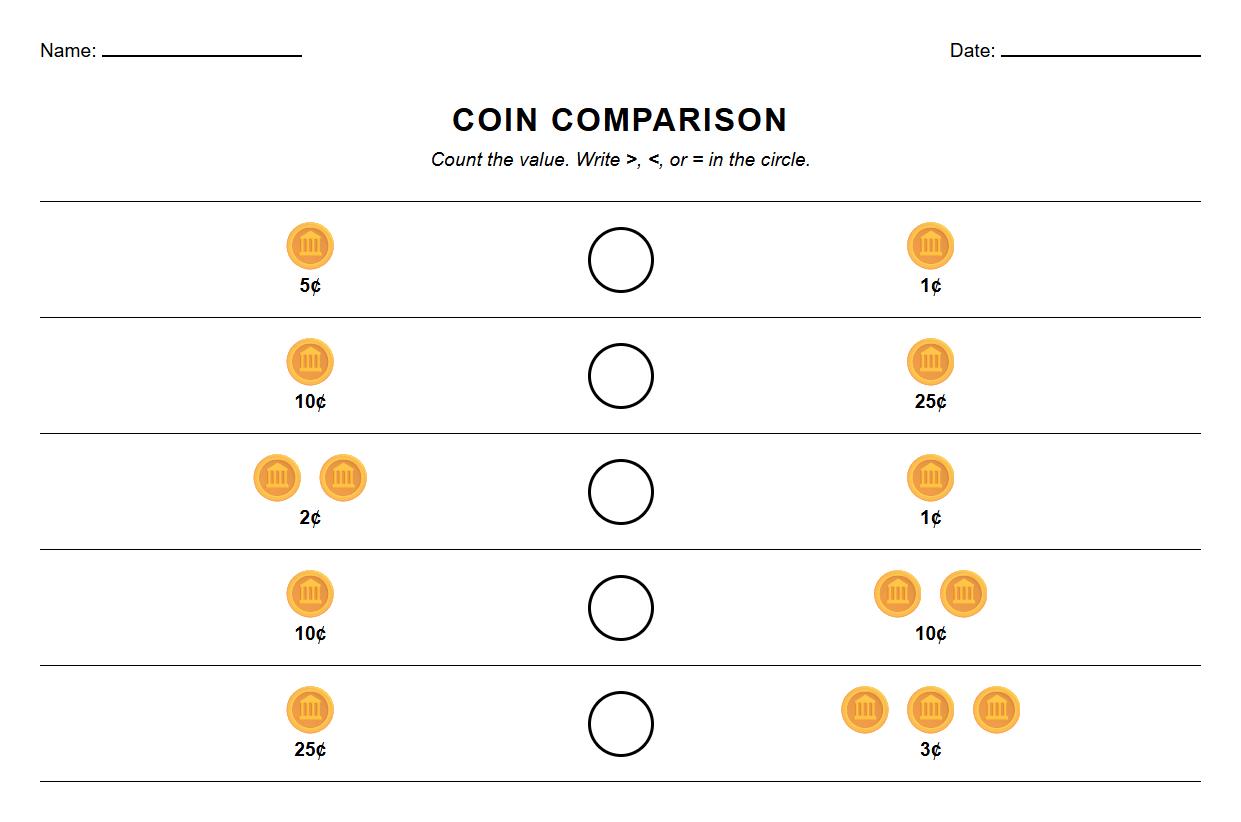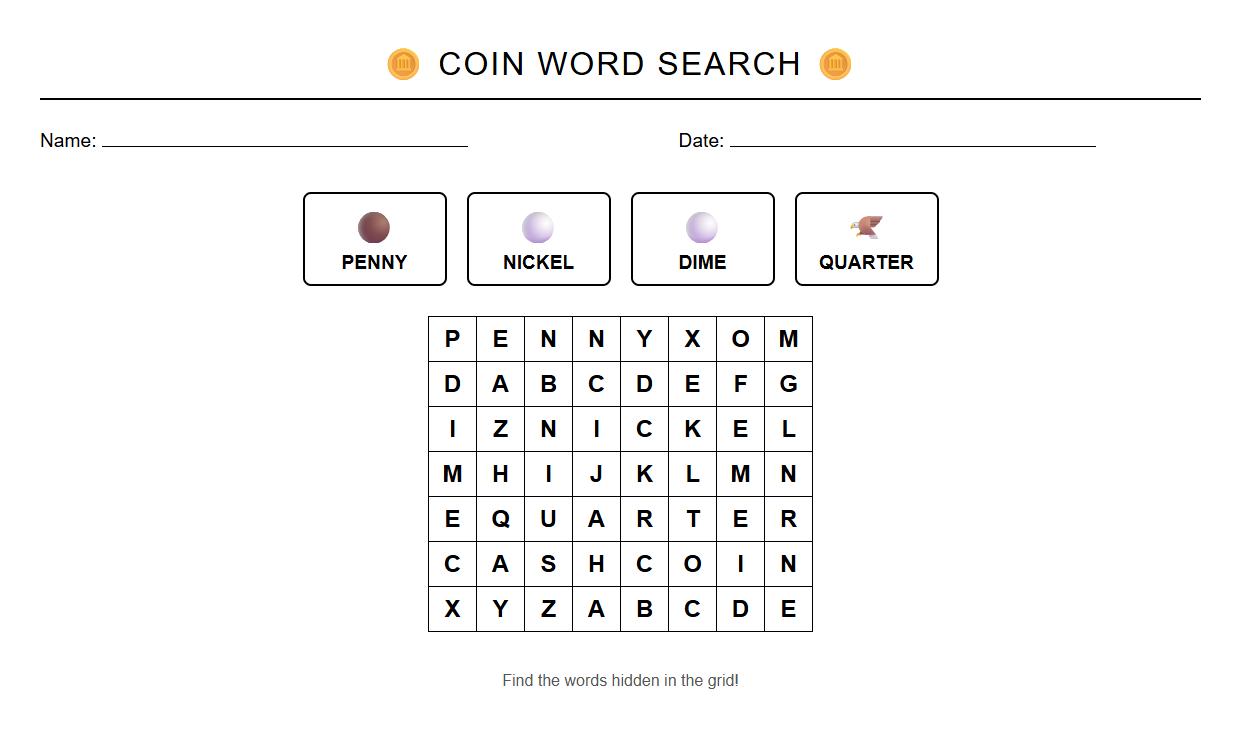
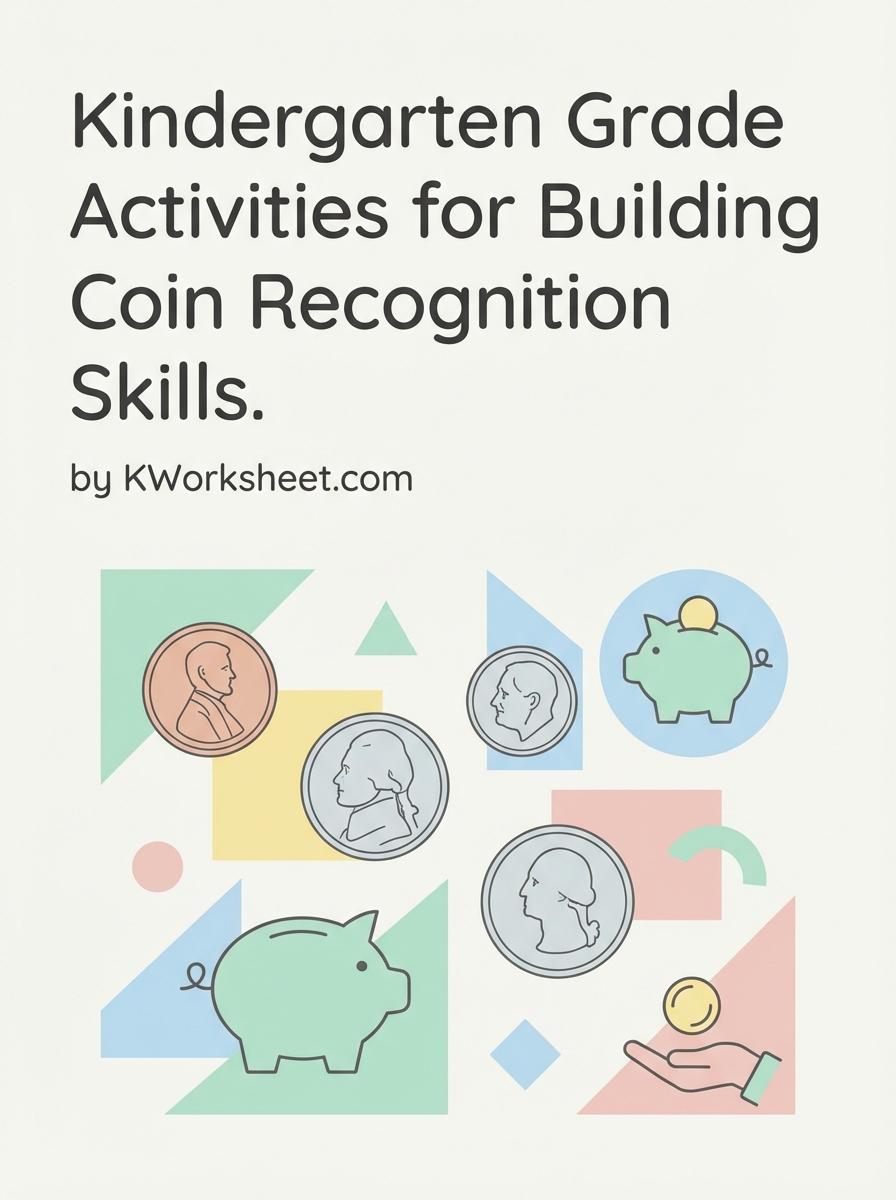
Kindergarten grade activities designed for building coin recognition skills help young learners identify and differentiate between various coins by engaging them in hands-on, interactive tasks that reinforce visual and tactile memory. These exercises often include sorting coins, matching images with coin values, and simple counting games that promote practical understanding of currency. Explore our curated collection of worksheets to support coin recognition development in kindergarten students.
Hands-On Activities to Introduce Coin Types
Using real or plastic coins in sensory bins allows children to explore different textures and sizes. Coin rubbing with paper and crayons helps students visually identify the coin designs. Crafting a coin collage provides a creative method for recognizing various coin types. These hands-on experiences build foundational knowledge through tactile learning.
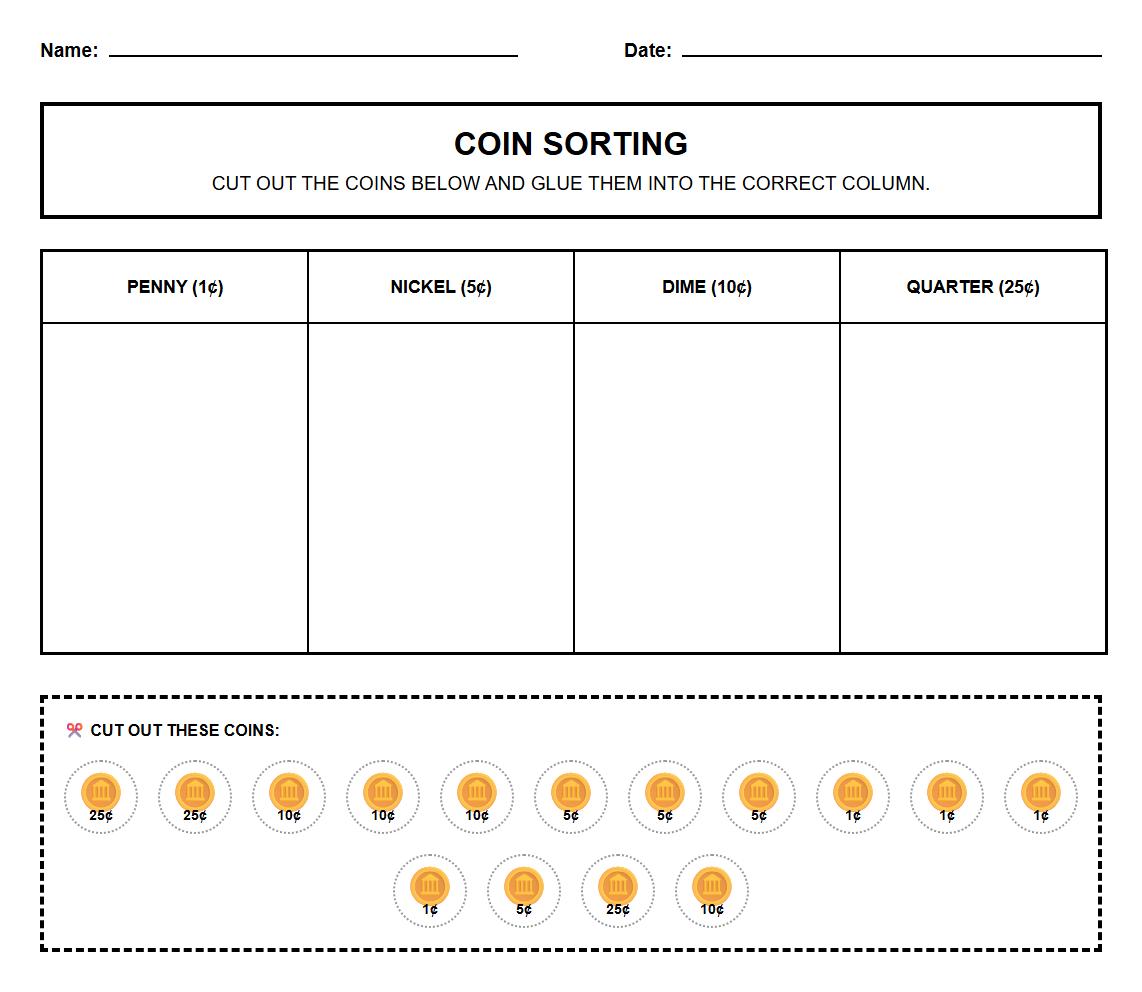
How Sorting Games Help Recognize and Name Coins
Sorting coins by size, color, or value promotes categorization skills and visual discrimination. When children name coins aloud during sorting, it strengthens verbal recognition and recall. Group sorting games encourage social interaction while reinforcing coin names. This active learning deepens familiarity with each coin type.
Matching Activities to Reinforce Coin Values and Appearances
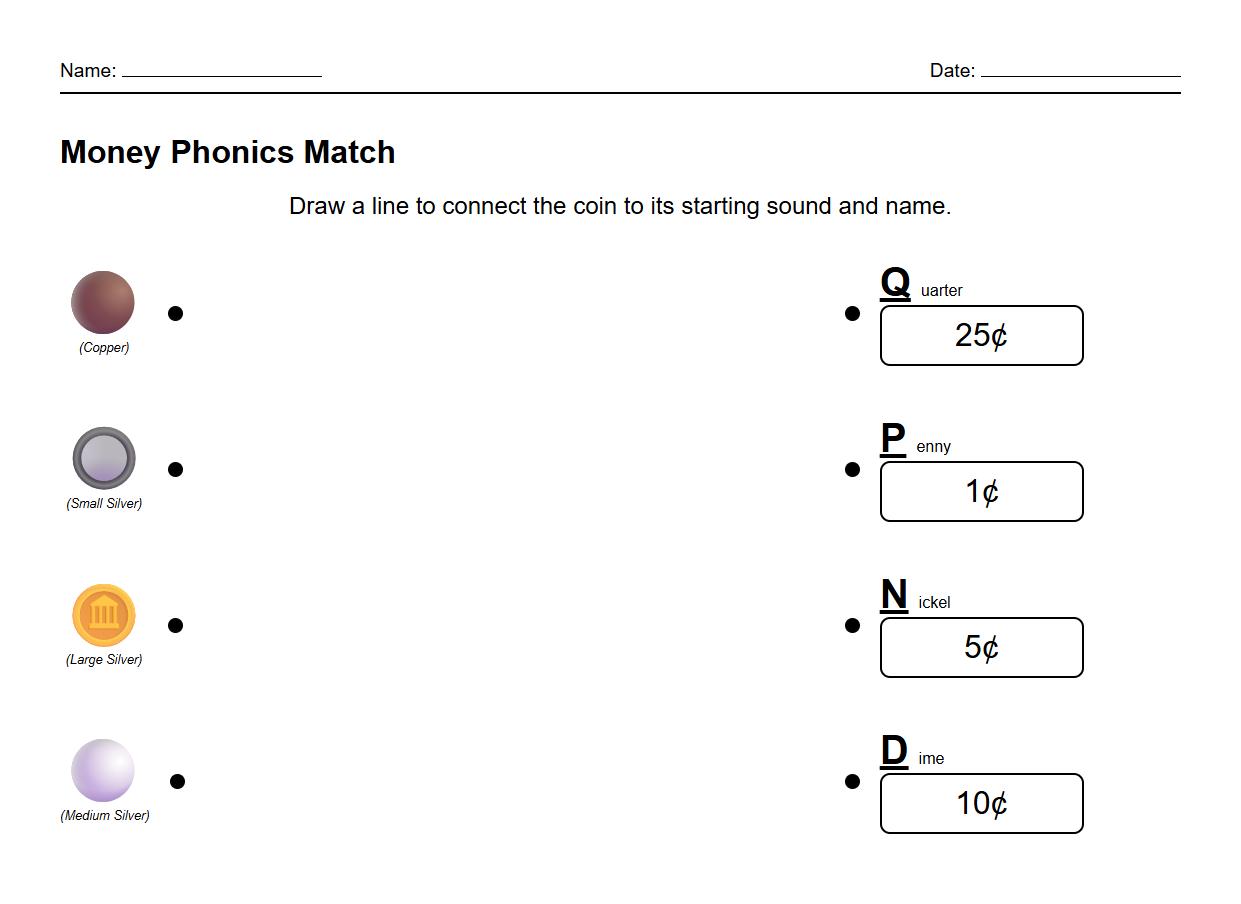
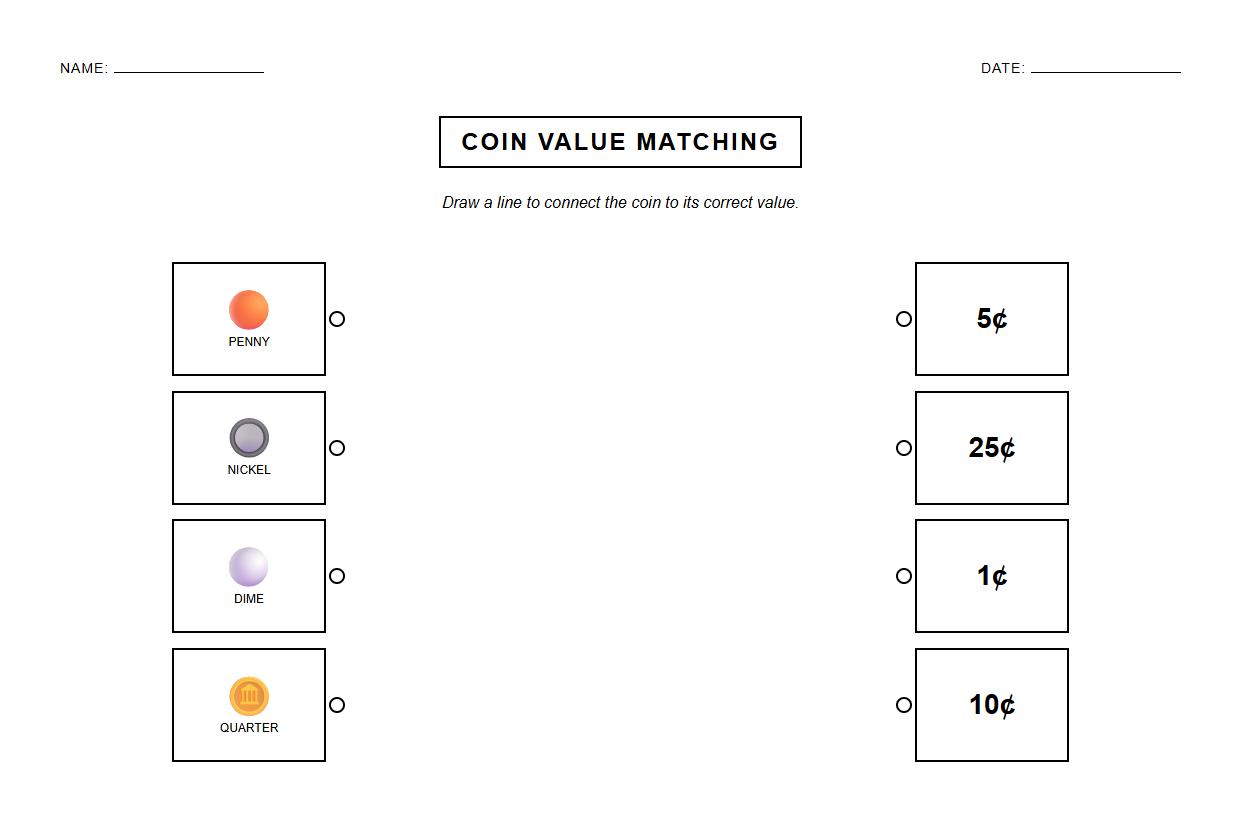
Matching cards with coin images and their values helps children associate visual features with monetary worth. Digital matching games with immediate feedback boost engagement and retention. Pairing real coins to printed value cards strengthens both recognition and numeric understanding. These activities solidify coin knowledge through repetition and practice.
Incorporating Coin Identification into Daily Classroom Routines
Using coins during snack time or pretend store activities integrates coin recognition into everyday learning. Teachers can initiate daily coin questions or challenges to build consistent practice. Incorporating coins in calendar time or counting exercises adds relevance and context. Repeating these routines enhances confidence and retention over time.
Songs and Rhymes for Teaching Coin Recognition
Catchy tunes like "The Coin Song" or "Five Little Coins" make learning fun and memorable. Rhymes emphasizing coin names and values aid auditory processing and recall. Singing together creates a positive learning atmosphere encouraging participation. Music supports language development alongside coin familiarity.
Digital Tools and Apps Supporting Coin Skill Development
Interactive apps such as "Coin Recognition" feature games that reinforce coin identification in engaging ways. Digital flashcards and quizzes provide instant feedback and tracking for progress. Many tools offer colorful visuals and sounds suited for young learners. Integrating technology complements hands-on learning effectively.
Role-Play Activities for Building Coin Handling Experience
Pretend store or bank setups encourage children to practice exchanging coins in real-life scenarios. Role-playing promotes fine motor skills through handling and sorting coins. It also enhances social skills like sharing and collaboration. These activities boost practical understanding of money usage.
Effective Visual Aids for Teaching Coin Differences
Large posters showing coin images along with their names and values provide constant visual reminders. Using real coins alongside clear laminated cards highlights differences in size and design. Interactive whiteboards can display coin features dynamically. Visual aids support word-picture associations critical for early learners.
Group Games Encouraging Peer Learning with Coins
Games like "Coin Bingo" or "Coin Hunt" motivate children to work together identifying coins. Peer interaction fosters cooperative learning and observational skills. Sharing knowledge during group play deepens understanding of coin features and values. Collaborative activities make coin learning social and enjoyable.
Assessment Activities to Measure Progress in Coin Recognition
Simple quizzes involving naming and sorting coins evaluate recognition skills. Observations during play or role-play inform teachers about coin handling abilities. Checklists or portfolios tracking completed coin tasks document individual growth. Assessments guide targeted instruction to reinforce coin concepts.


Telling Time Worksheet Activities for Kindergarten with Hour and Half Hour Focus